Revocable Trust For Life Insurance
Description
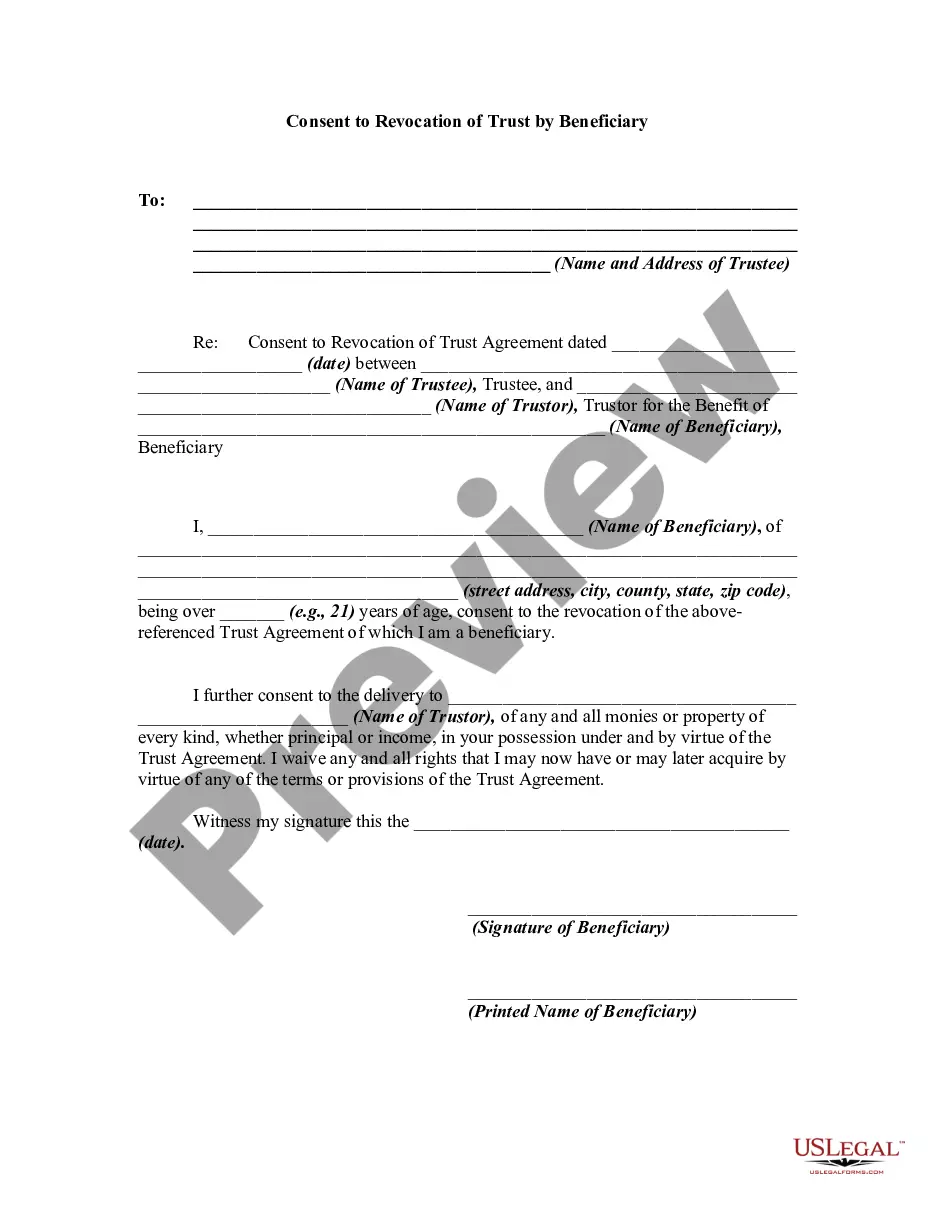
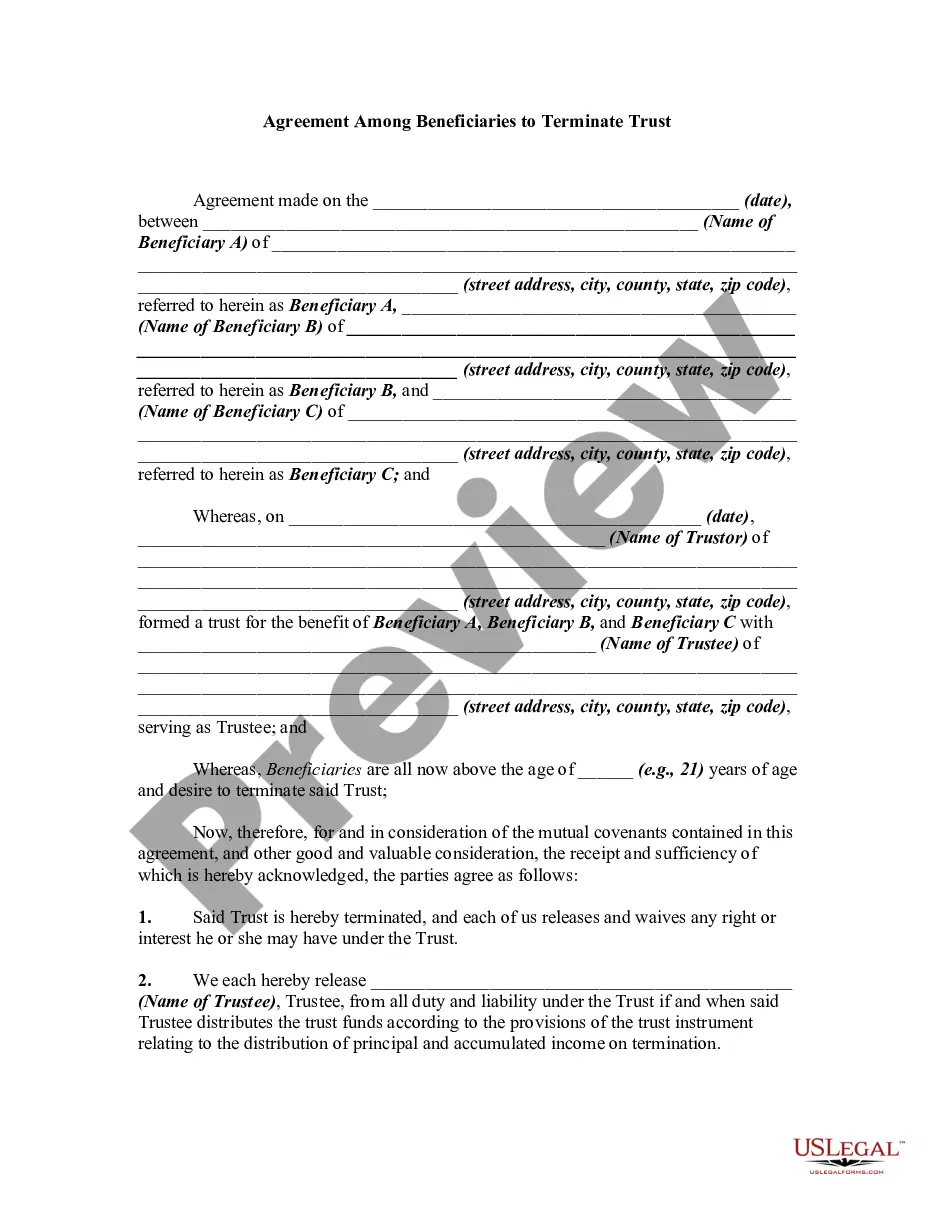
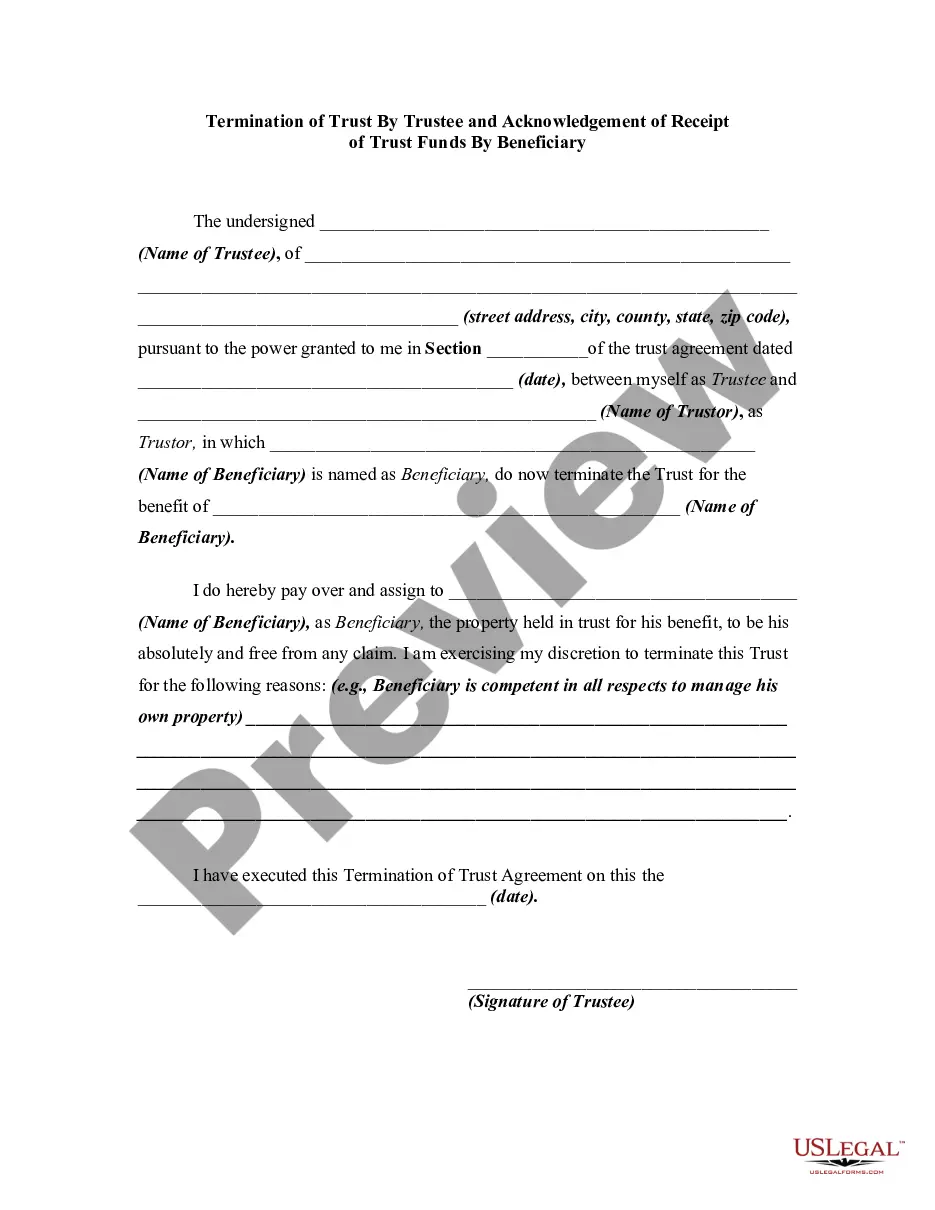
Get your form ready online
Our built-in tools help you complete, sign, share, and store your documents in one place.
Make edits, fill in missing information, and update formatting in US Legal Forms—just like you would in MS Word.
Download a copy, print it, send it by email, or mail it via USPS—whatever works best for your next step.
Sign and collect signatures with our SignNow integration. Send to multiple recipients, set reminders, and more. Go Premium to unlock E-Sign.
If this form requires notarization, complete it online through a secure video call—no need to meet a notary in person or wait for an appointment.
We protect your documents and personal data by following strict security and privacy standards.

Make edits, fill in missing information, and update formatting in US Legal Forms—just like you would in MS Word.

Download a copy, print it, send it by email, or mail it via USPS—whatever works best for your next step.

Sign and collect signatures with our SignNow integration. Send to multiple recipients, set reminders, and more. Go Premium to unlock E-Sign.

If this form requires notarization, complete it online through a secure video call—no need to meet a notary in person or wait for an appointment.

We protect your documents and personal data by following strict security and privacy standards.
Looking for another form?






How to fill out Consent To Revocation Of Trust By Beneficiary?
Whether for commercial reasons or personal affairs, everyone has to handle legal matters at some point in their lives.
Filling out legal documents requires meticulous focus, starting from choosing the appropriate form example.
With an extensive US Legal Forms catalog readily available, you never have to waste time searching for the correct sample online. Utilize the library’s easy navigation to find the suitable form for any situation.
- Obtain the form you require by utilizing the search bar or catalog navigation.
- Review the form’s description to ensure it corresponds to your situation, state, and county.
- Select the form’s preview to view it.
- If it is the wrong document, return to the search function to find the Revocable Trust For Life Insurance example you need.
- Download the file when it aligns with your requirements.
- If you already possess a US Legal Forms account, simply click Log in to access previously saved documents in My documents.
- If you do not have an account yet, you can acquire the form by clicking Buy now.
- Choose the correct pricing option.
- Complete the account registration form.
- Select your payment method: you can utilize a credit card or PayPal account.
- Choose the file format you desire and download the Revocable Trust For Life Insurance.
- Once it is downloaded, you can fill out the form using editing software or print it and complete it by hand.
Form popularity
FAQ
The 3-year rule refers to the IRS regulation that states if you transfer a life insurance policy into a revocable trust for life insurance within three years of passing, the policy's death benefit may be included in your taxable estate. This rule aims to prevent individuals from avoiding estate taxes through last-minute asset transfers. Understanding this rule is vital for effective estate planning.
Key Takeaways. If your estate exceeds your state's estate tax exemption threshold, it may be wise to place your ownership of any life insurance in an irrevocable life insurance trust. Proceeds of a death benefit payout will not be included as part of your taxable estate if a trust, not an individual owns the policy.
However, in most cases, it is best to list your revocable trust as the primary beneficiary of your life insurance policy. Here is why. Consider the following scenario: Husband and wife get into a car accident and assume that husband has a $1MM life insurance policy.
You may choose to place an existing life insurance policy into a trust by transferring its ownership, or you can set up the trust first so that it can purchase the policy. In some cases, you may be able to fill out a simple life insurance trust form with the basic information to begin the process.
The revocable trust can be used to own the life insurance or be the beneficiary of the life insurance. The benefit of the revocable trust holding the life insurance is that if you were to become incapacitated, your successor trustee will be able to keep administering the life insurance policy on your behalf.
To put your life insurance into a trust, you'll need to create a trust deed; a legally binding document which outlines the parties that make up the trust, the trust terms, and the trust beneficiaries.