Trust Change Beneficiary Without
Description
Get your form ready online
Our built-in tools help you complete, sign, share, and store your documents in one place.
Make edits, fill in missing information, and update formatting in US Legal Forms—just like you would in MS Word.
Download a copy, print it, send it by email, or mail it via USPS—whatever works best for your next step.
Sign and collect signatures with our SignNow integration. Send to multiple recipients, set reminders, and more. Go Premium to unlock E-Sign.
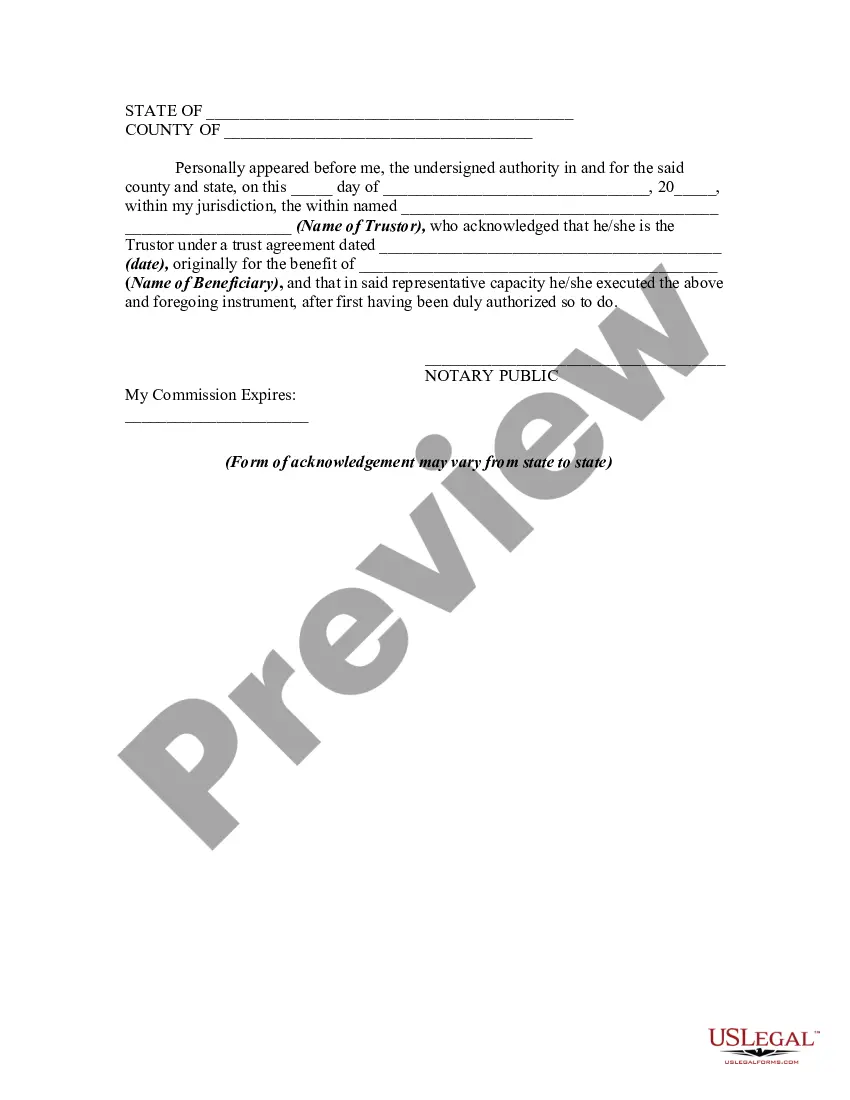
If this form requires notarization, complete it online through a secure video call—no need to meet a notary in person or wait for an appointment.
We protect your documents and personal data by following strict security and privacy standards.

Make edits, fill in missing information, and update formatting in US Legal Forms—just like you would in MS Word.

Download a copy, print it, send it by email, or mail it via USPS—whatever works best for your next step.

Sign and collect signatures with our SignNow integration. Send to multiple recipients, set reminders, and more. Go Premium to unlock E-Sign.

If this form requires notarization, complete it online through a secure video call—no need to meet a notary in person or wait for an appointment.

We protect your documents and personal data by following strict security and privacy standards.
Looking for another form?







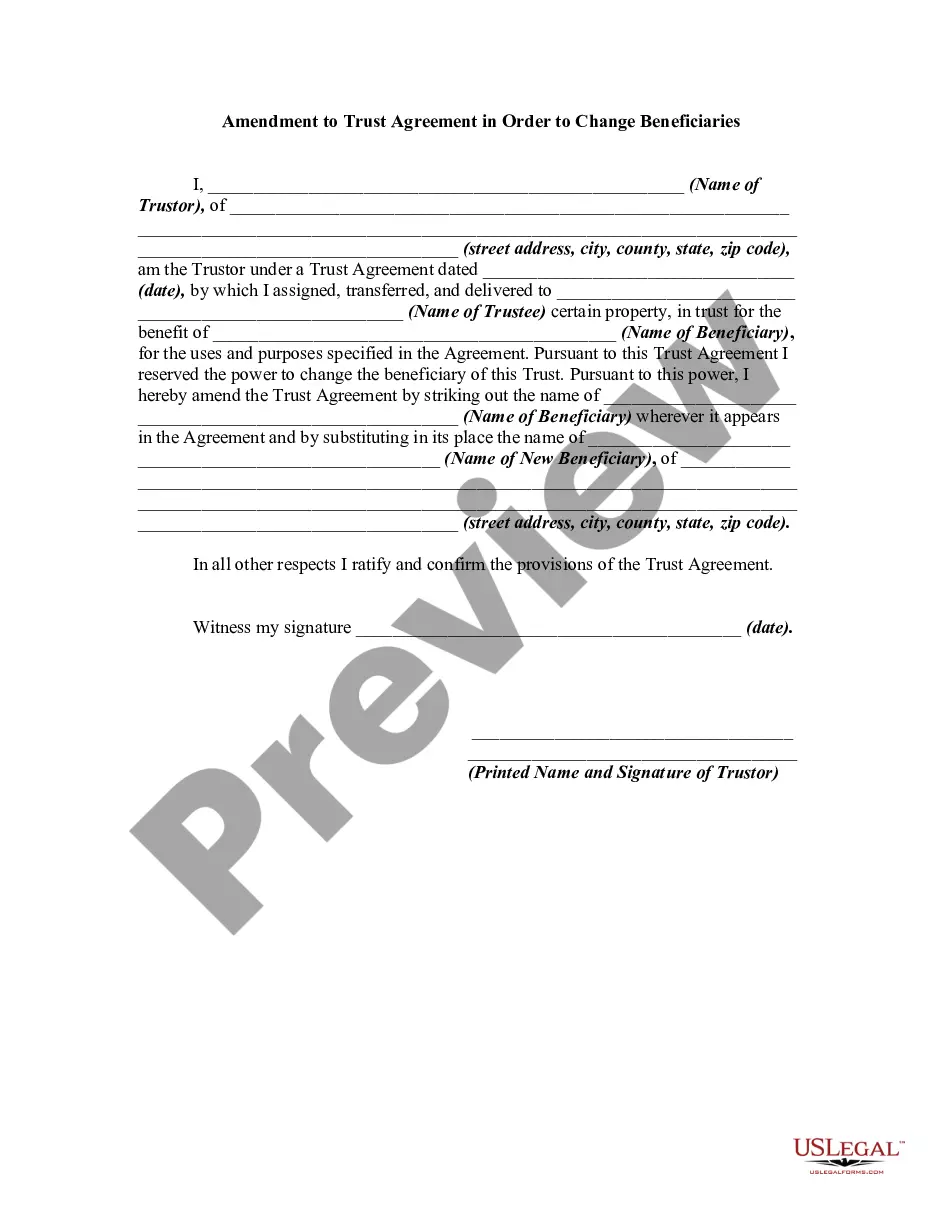
How to fill out Amendment To Trust Agreement In Order To Change Beneficiaries?
It's clear that you cannot transform into a legal expert instantly, nor can you understand how to swiftly create a Trust Change Beneficiary Without the need for specialized knowledge. Producing legal documents is a lengthy endeavor necessitating specific training and abilities. So why not entrust the creation of the Trust Change Beneficiary Without to the experts.
With US Legal Forms, one of the largest legal document repositories, you can find anything from court paperwork to templates for internal business communication. We recognize how crucial compliance and adherence to federal and local laws and regulations are. That's why, on our platform, all documents are location-specific and current.
Here’s how you can initiate your journey with our platform and acquire the document you need in just a few minutes.
You can re-access your documents from the My documents tab at any time. If you’re an existing customer, you can simply Log In, and find and download the template from the same tab.
Regardless of the aim of your paperwork - whether it’s financial and legal, or personal - our platform has you covered. Try US Legal Forms now!
- Locate the form you require by utilizing the search bar at the top of the page.
- Preview it (if this option is available) and review the supporting description to determine if Trust Change Beneficiary Without is what you're looking for.
- Restart your search if you need any other form.
- Create a free account and choose a subscription plan to buy the template.
- Click Buy now. Once the transaction is complete, you can download the Trust Change Beneficiary Without, complete it, print it, and send or mail it to the designated individuals or organizations.
Form popularity
FAQ
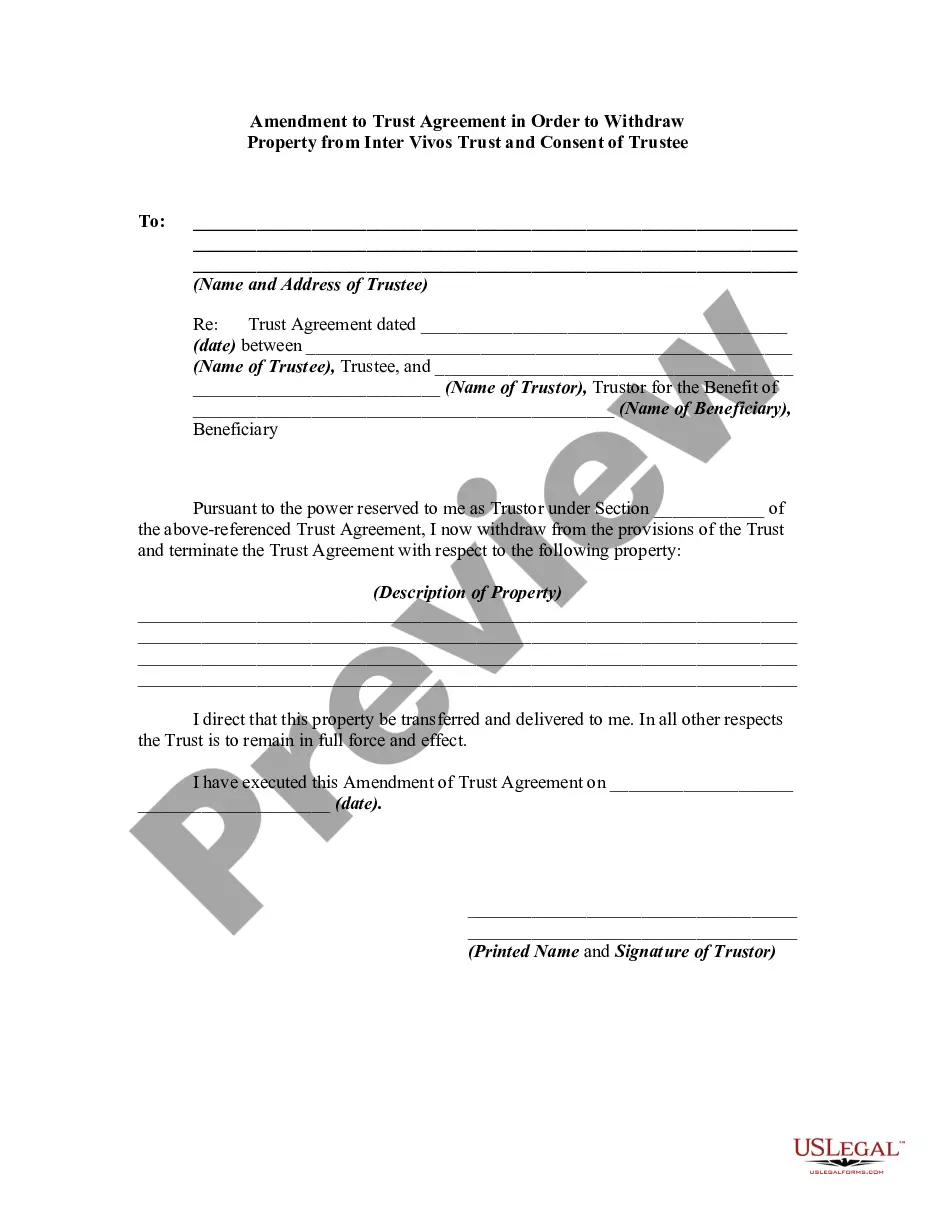
In most cases, a trust deed generally offers two processes for the removal of a beneficiary. Most commonly, the beneficiary can sign a document to renunciate all interests as a beneficiary. Otherwise, the trustee may have discretionary power to revoke the beneficiary.
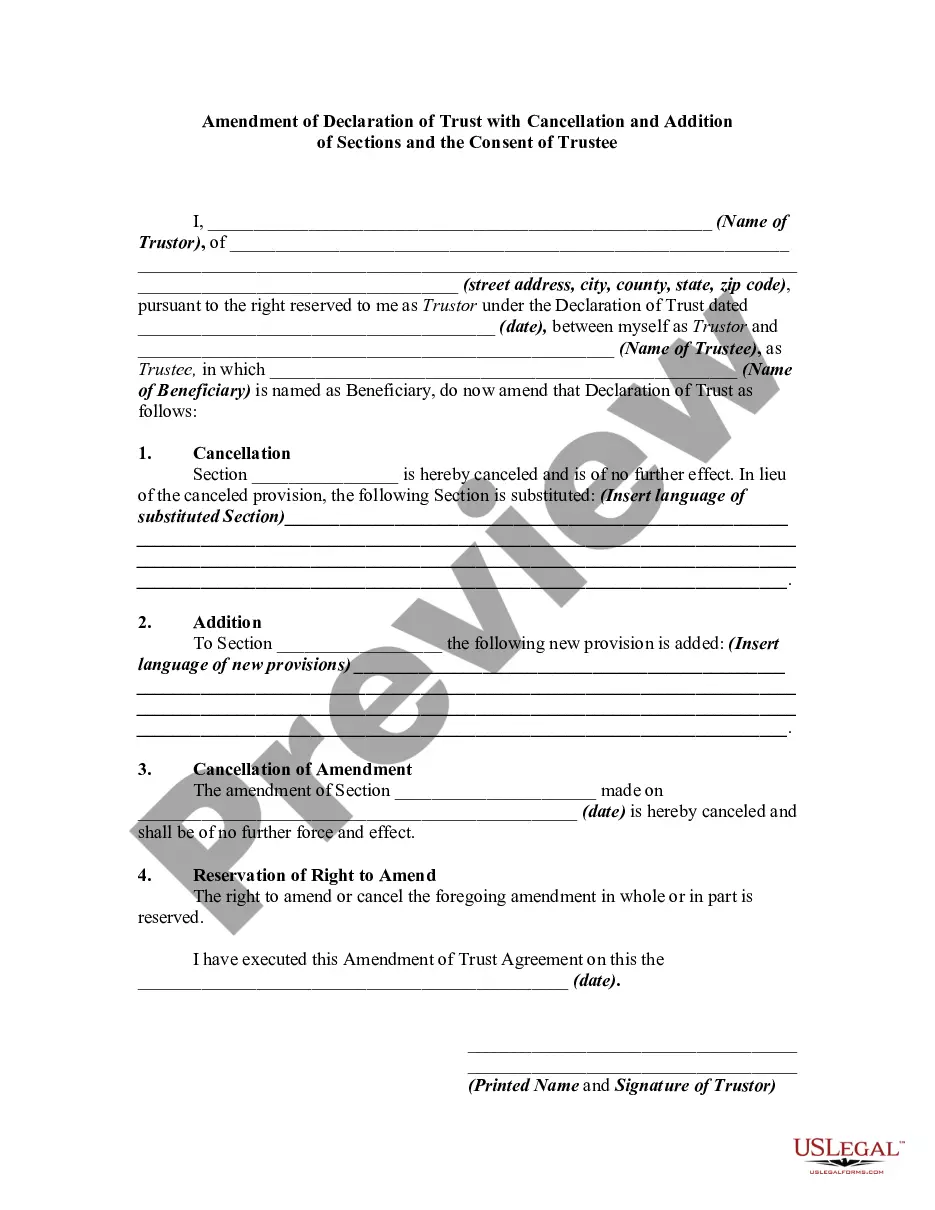
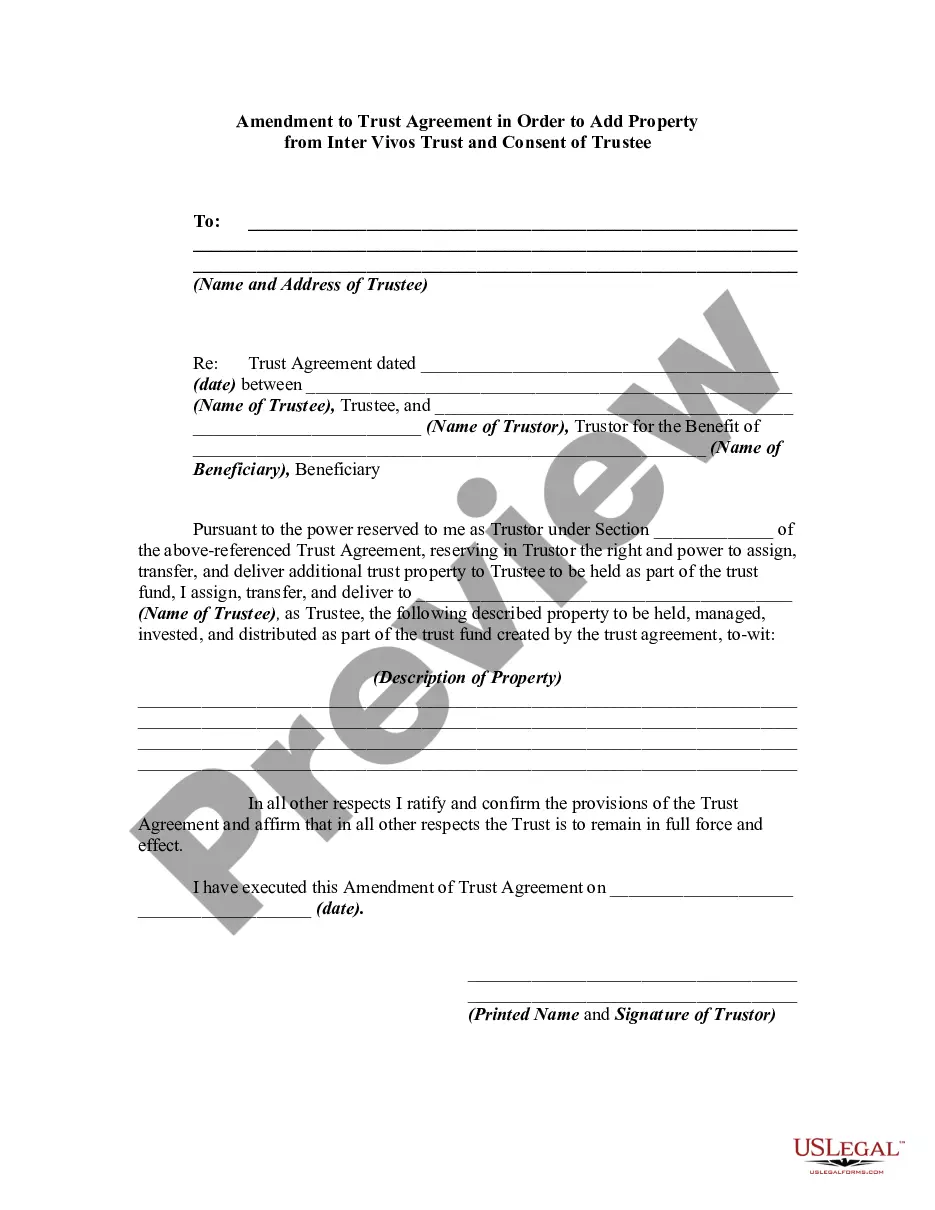
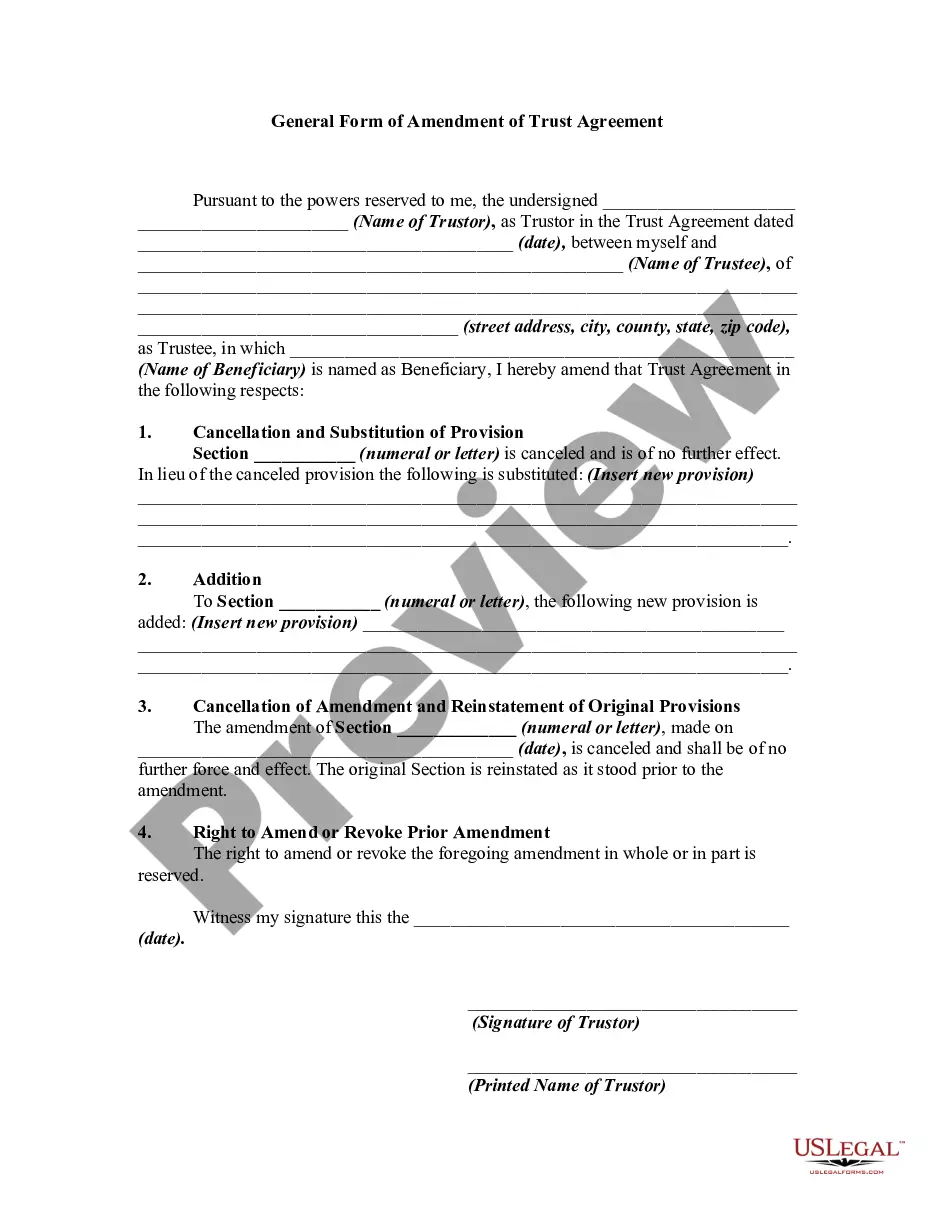
It's important to know what you want to change and where in your trust document this information lives (such as the article number you're amending). Fill out the amendment form. Complete the entire form. It's important to be clear and detailed in describing your changes.
Once a California Trust becomes irrevocable, the Trust beneficiaries generally cannot be changed. That's the good news.
A beneficiary can renounce their interest from the trust and, upon the consent of other beneficiaries, be allowed to exit. A trustee cannot remove a beneficiary from an irrevocable trust. A grantor can remove a beneficiary from a revocable trust by going back to the trust deed codes that allow for the same.
Simply put, an executor cannot override a beneficiary. The executor's role is to administer the estate and ensure the will's directives are carried out, not alter them.