Revoke A Trust In California
Description
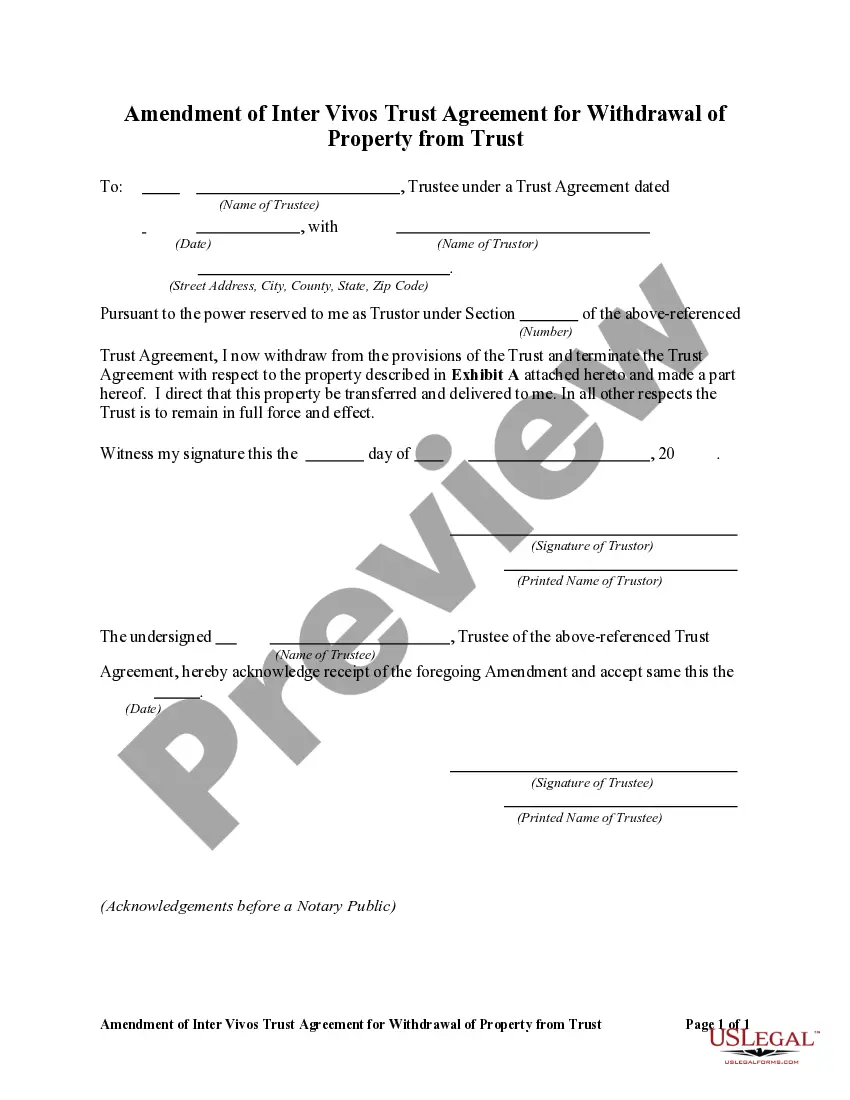
Get your form ready online
Our built-in tools help you complete, sign, share, and store your documents in one place.
Make edits, fill in missing information, and update formatting in US Legal Forms—just like you would in MS Word.
Download a copy, print it, send it by email, or mail it via USPS—whatever works best for your next step.
Sign and collect signatures with our SignNow integration. Send to multiple recipients, set reminders, and more. Go Premium to unlock E-Sign.
If this form requires notarization, complete it online through a secure video call—no need to meet a notary in person or wait for an appointment.
We protect your documents and personal data by following strict security and privacy standards.

Make edits, fill in missing information, and update formatting in US Legal Forms—just like you would in MS Word.

Download a copy, print it, send it by email, or mail it via USPS—whatever works best for your next step.

Sign and collect signatures with our SignNow integration. Send to multiple recipients, set reminders, and more. Go Premium to unlock E-Sign.

If this form requires notarization, complete it online through a secure video call—no need to meet a notary in person or wait for an appointment.

We protect your documents and personal data by following strict security and privacy standards.
Looking for another form?



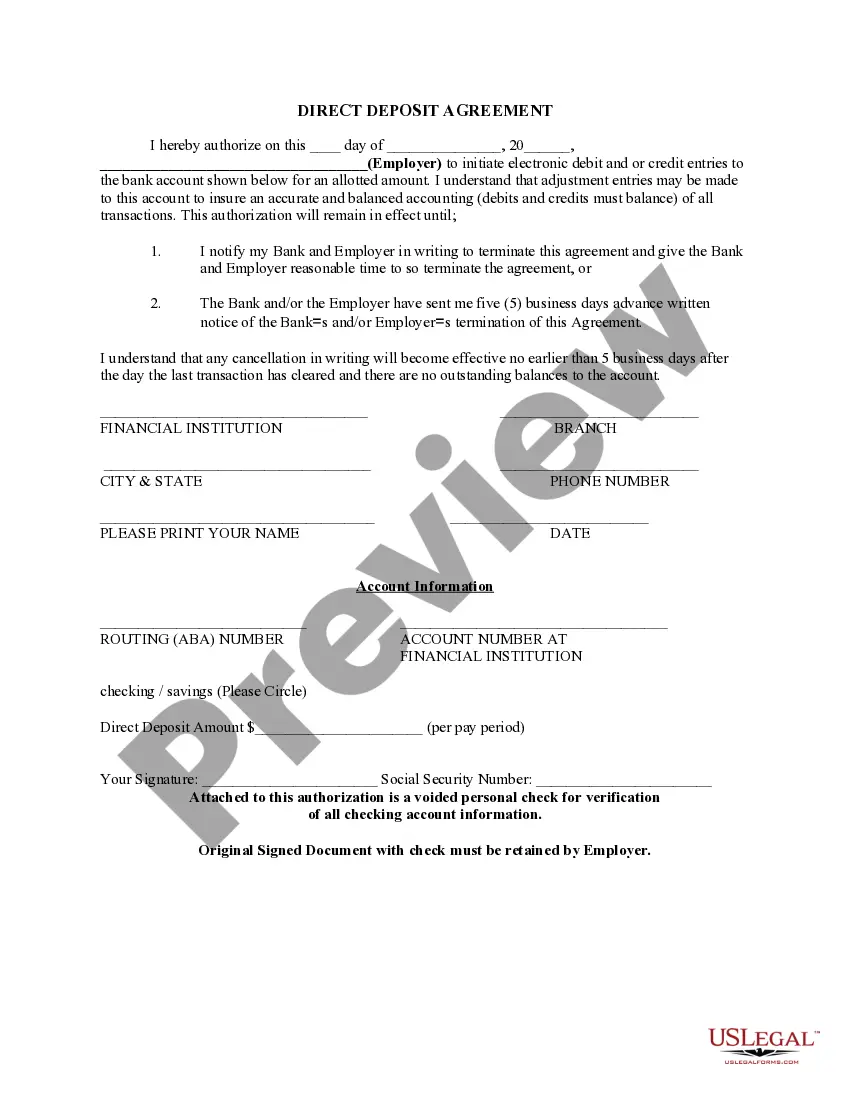


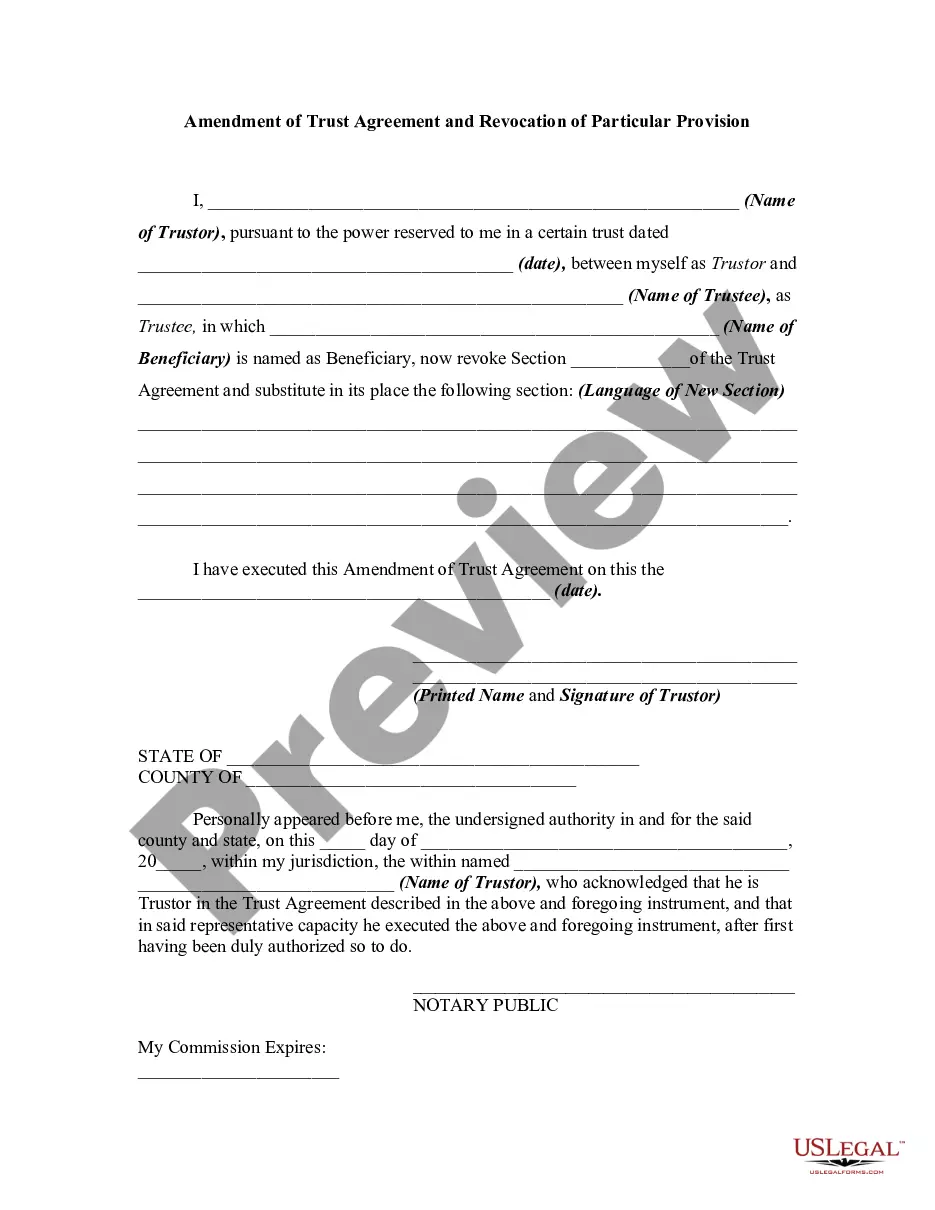
How to fill out Amendment Of Trust Agreement And Revocation Of Particular Provision?
It’s clear that you cannot turn into a legal expert right away, nor can you understand how to swiftly prepare a Revoke A Trust In California without possessing a specific skill set.
Drafting legal documents is a lengthy process that demands a certain level of education and expertise. Therefore, why not entrust the drafting of the Revoke A Trust In California to the specialists.
With US Legal Forms, one of the most extensive legal document libraries, you can find everything from court forms to templates for internal office communication.
If you need a different template, feel free to restart your search.
Create a free account and select a subscription plan to purchase the form.
- We recognize the importance of compliance with federal and state laws and regulations.
- That’s why all our templates on our platform are location-specific and current.
- Begin your journey on our website to obtain the document you require within minutes.
- Utilize the search bar at the top of the page to discover the document you need.
- Preview it (if this feature is available) and review the accompanying description to determine if Revoke A Trust In California is what you seek.
Form popularity
FAQ
To dissolve a revocable trust in California, you need to prepare and sign a revocation document. This document should outline your intent to terminate the trust and specify how assets will be handled. It’s essential to handle this correctly, and the UsLegalForms platform can offer the right tools and resources to ensure the dissolution process is seamless and legally compliant.
A letter of termination of a trust is a formal document that indicates your intention to dissolve the trust. This letter should include the trust's name, identifying details, and a statement of revocation. If you’re considering how to revoke a trust in California, using a letter helps to clarify your decision and can be supported by resources from UsLegalForms.
One significant mistake parents often make is failing to clearly outline the terms of the trust, which can lead to confusion and disputes among beneficiaries. It’s crucial to specify how the funds will be distributed and under what circumstances. Additionally, understanding how to revoke a trust in California may not be on their radar, but knowing this can provide peace of mind as financial situations change.
To revoke a trust in California, you typically need a formal document known as the 'Declaration of Revocation.' This form allows you to officially cancel the trust and distribute its assets as dictated by your wishes. Utilizing platforms like UsLegalForms can simplify this process by providing you with the necessary templates and guidance tailored to California laws.
To terminate a trust in California, you must follow several steps carefully. Generally, this involves obtaining agreement from the beneficiaries, complying with the terms of the trust, and ensuring all debts are settled. If you are uncertain about the process, using a resource like US Legal Forms can assist you in learning how to revoke a trust in California smoothly and efficiently. Taking these steps ensures your intentions are legally recognized.
Yes, you can amend a revocable trust without an attorney in California. However, it's essential to follow legal requirements to ensure the amendments are valid. Doing it correctly can help you effectively revoke a trust in California if you decide to make significant changes. While it’s possible to do it yourself, seeking guidance from professionals can provide peace of mind.
Several factors can invalidate a trust in California. These include lack of capacity, improper execution, or if the trust is created under coercion. If the trust is not signed, notarized, or witnessed according to California law, you may find yourself needing to revoke a trust in California. Understanding these issues is crucial to ensure that your intentions are honored in your estate planning.
In many cases, a nursing home cannot directly take assets held in a revocable trust as long as the trust is properly established. However, since a revocable trust does not offer the same protections as an irrevocable trust, assets may still be counted as part of your estate when qualifying for Medicaid. It's wise to consult with legal professionals to explore options for protecting your assets. If you're concerned about how to revoke a trust in California to safeguard your estate, understanding your choices is vital.
There are several reasons why someone might choose to revoke a trust. Changes in circumstances, such as a divorce or the birth of a child, often prompt individuals to reevaluate their estate plans. Additionally, if the trust no longer reflects the creator's wishes or life goals, it may be time to revoke it. Understanding these motivations can simplify the decision on whether to revoke a trust in California.
A trust can be revoked in several ways, including the explicit actions taken by the trust creator. For a revocable trust, the creator can usually revoke it by signing a document stating the intention to revoke. Alternatively, if the terms of the trust state it can be revoked upon certain conditions, those conditions must be met. If you aim to revoke a trust in California, keeping accurate documentation is essential to avoid future disputes.