Unjust Enrichment Sample With Intent
Description
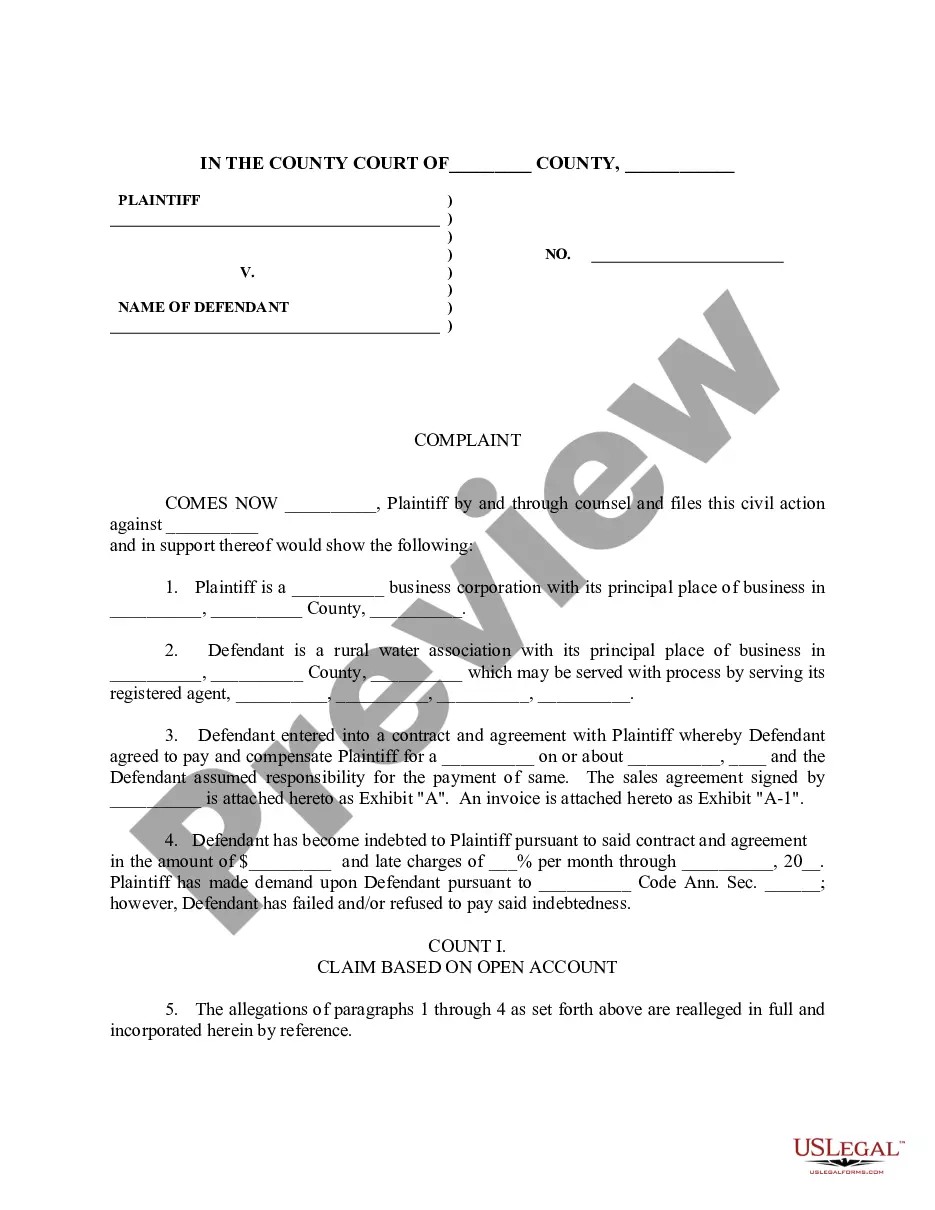
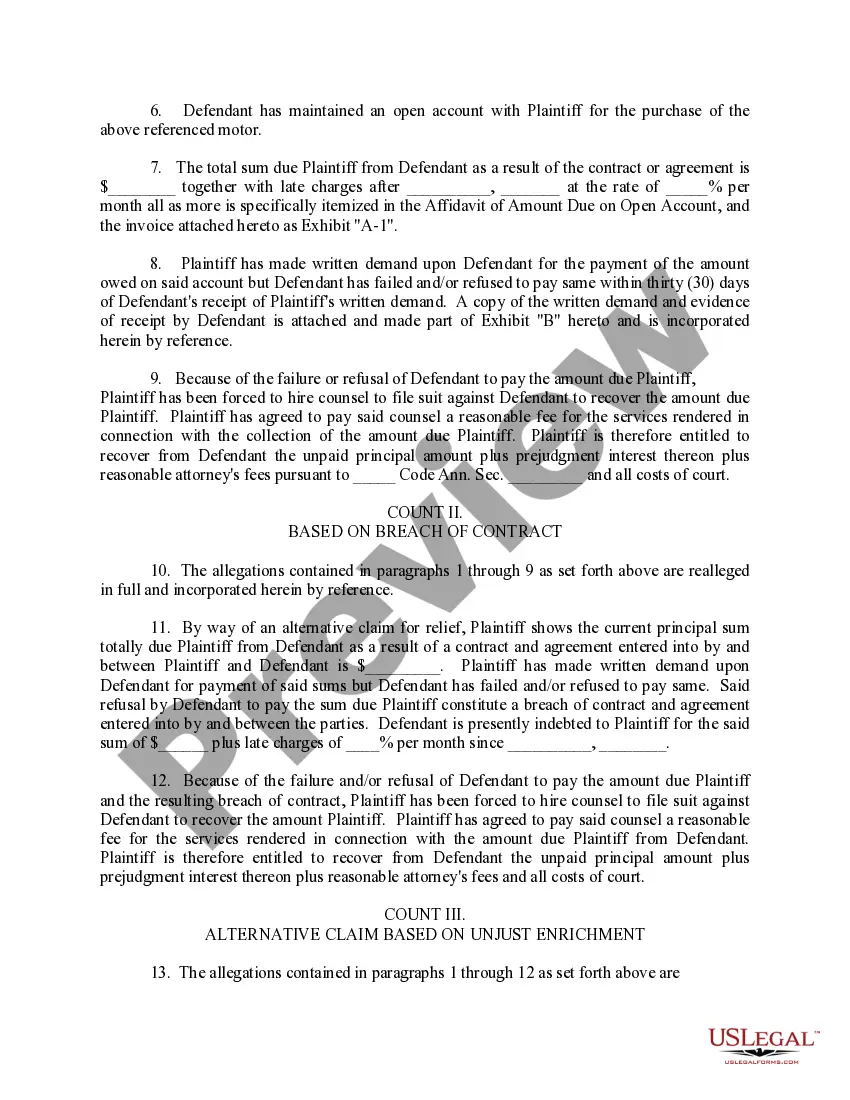
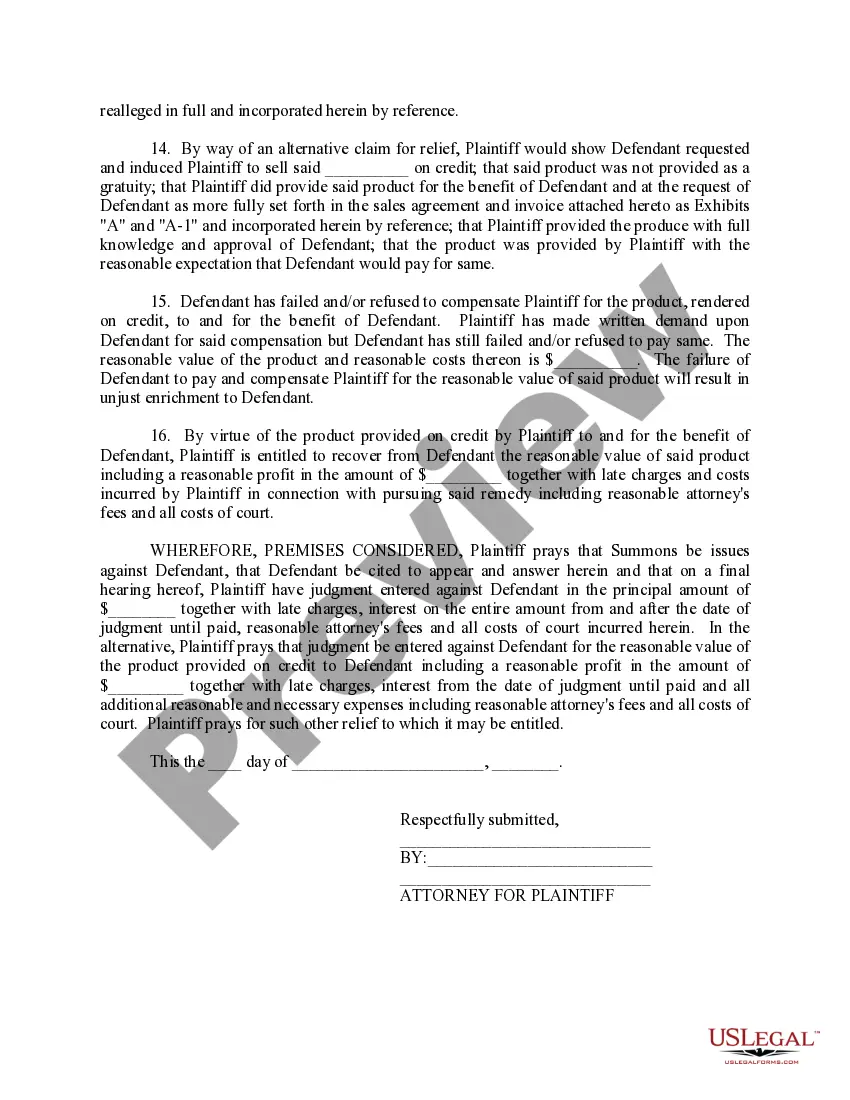
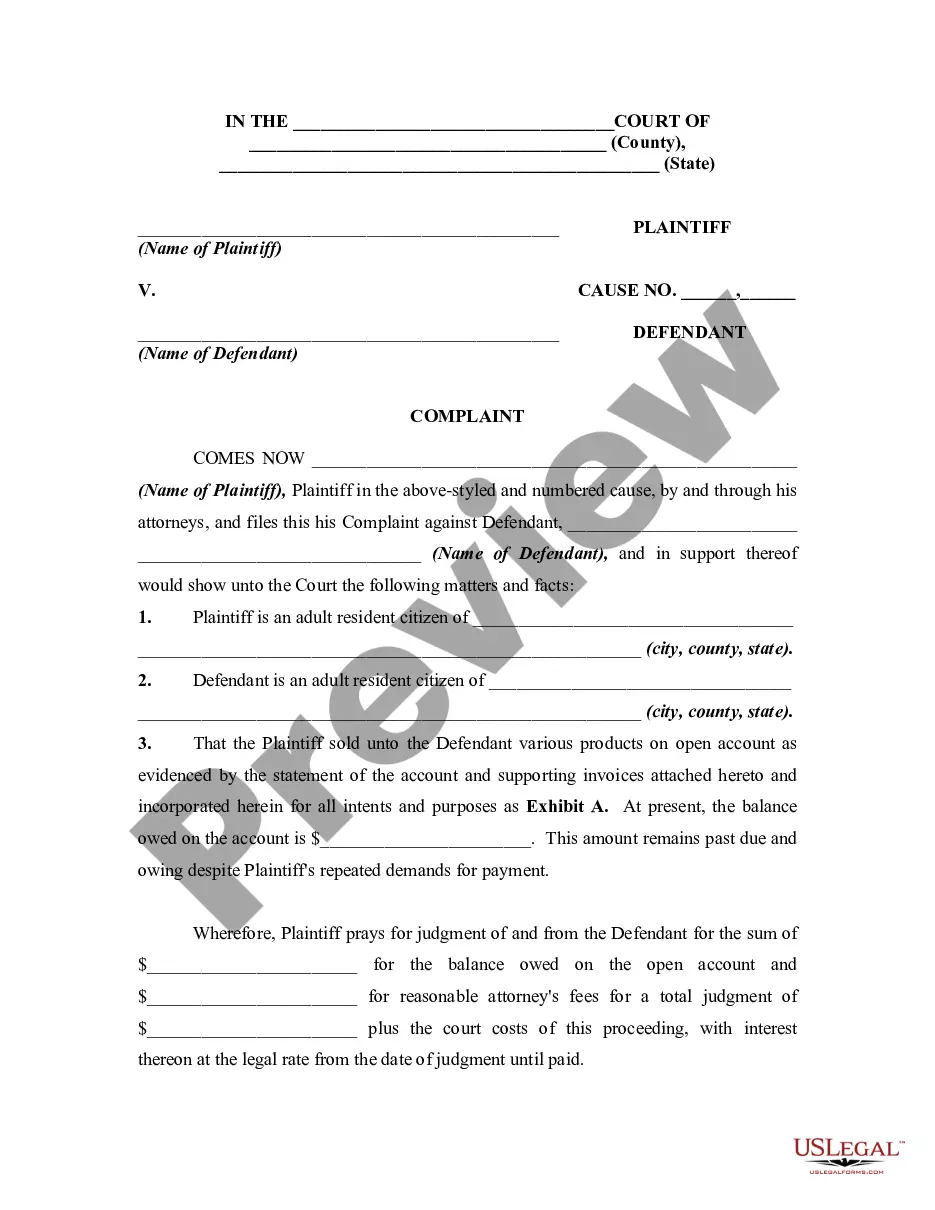
Get your form ready online
Our built-in tools help you complete, sign, share, and store your documents in one place.
Make edits, fill in missing information, and update formatting in US Legal Forms—just like you would in MS Word.
Download a copy, print it, send it by email, or mail it via USPS—whatever works best for your next step.
Sign and collect signatures with our SignNow integration. Send to multiple recipients, set reminders, and more. Go Premium to unlock E-Sign.
If this form requires notarization, complete it online through a secure video call—no need to meet a notary in person or wait for an appointment.
We protect your documents and personal data by following strict security and privacy standards.

Make edits, fill in missing information, and update formatting in US Legal Forms—just like you would in MS Word.

Download a copy, print it, send it by email, or mail it via USPS—whatever works best for your next step.

Sign and collect signatures with our SignNow integration. Send to multiple recipients, set reminders, and more. Go Premium to unlock E-Sign.

If this form requires notarization, complete it online through a secure video call—no need to meet a notary in person or wait for an appointment.

We protect your documents and personal data by following strict security and privacy standards.
Looking for another form?
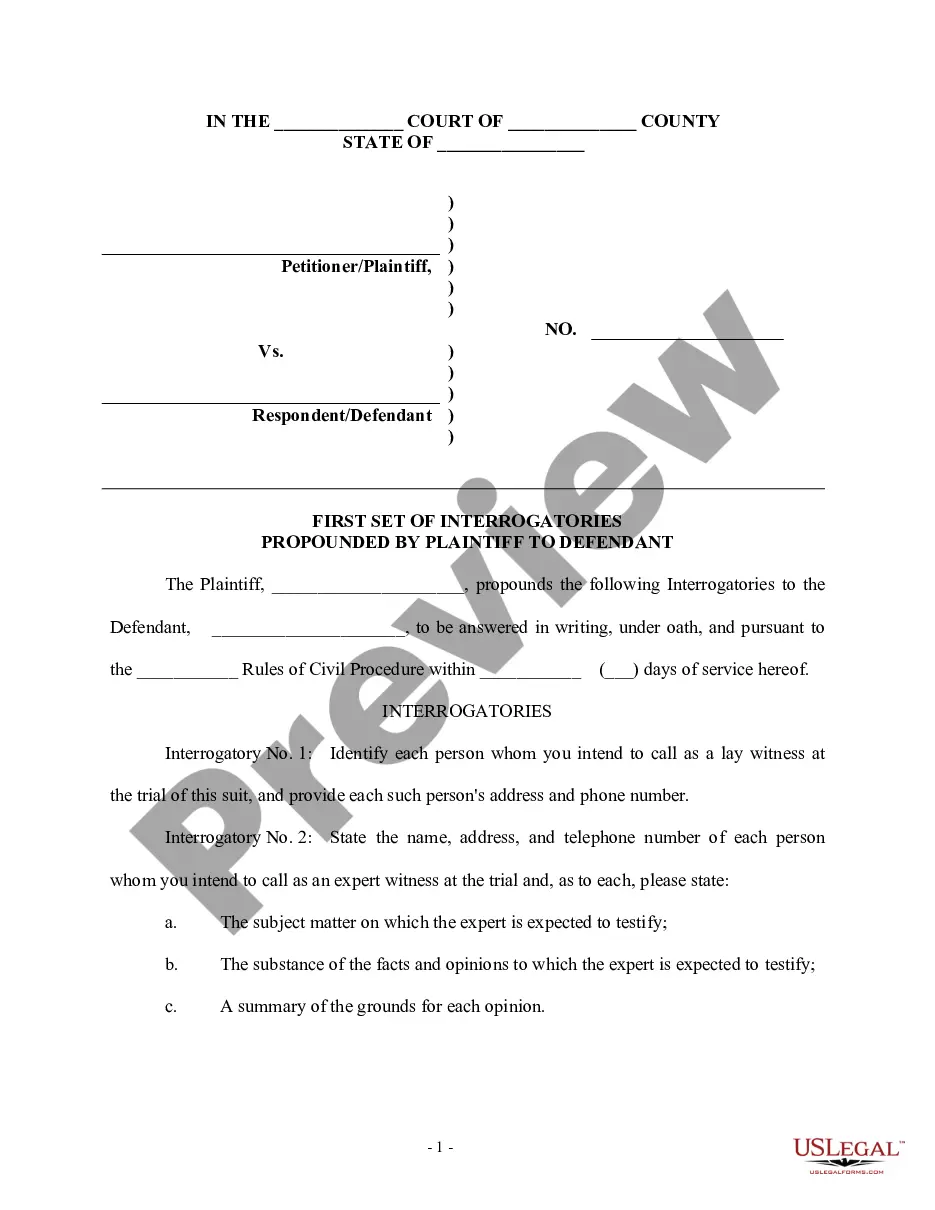



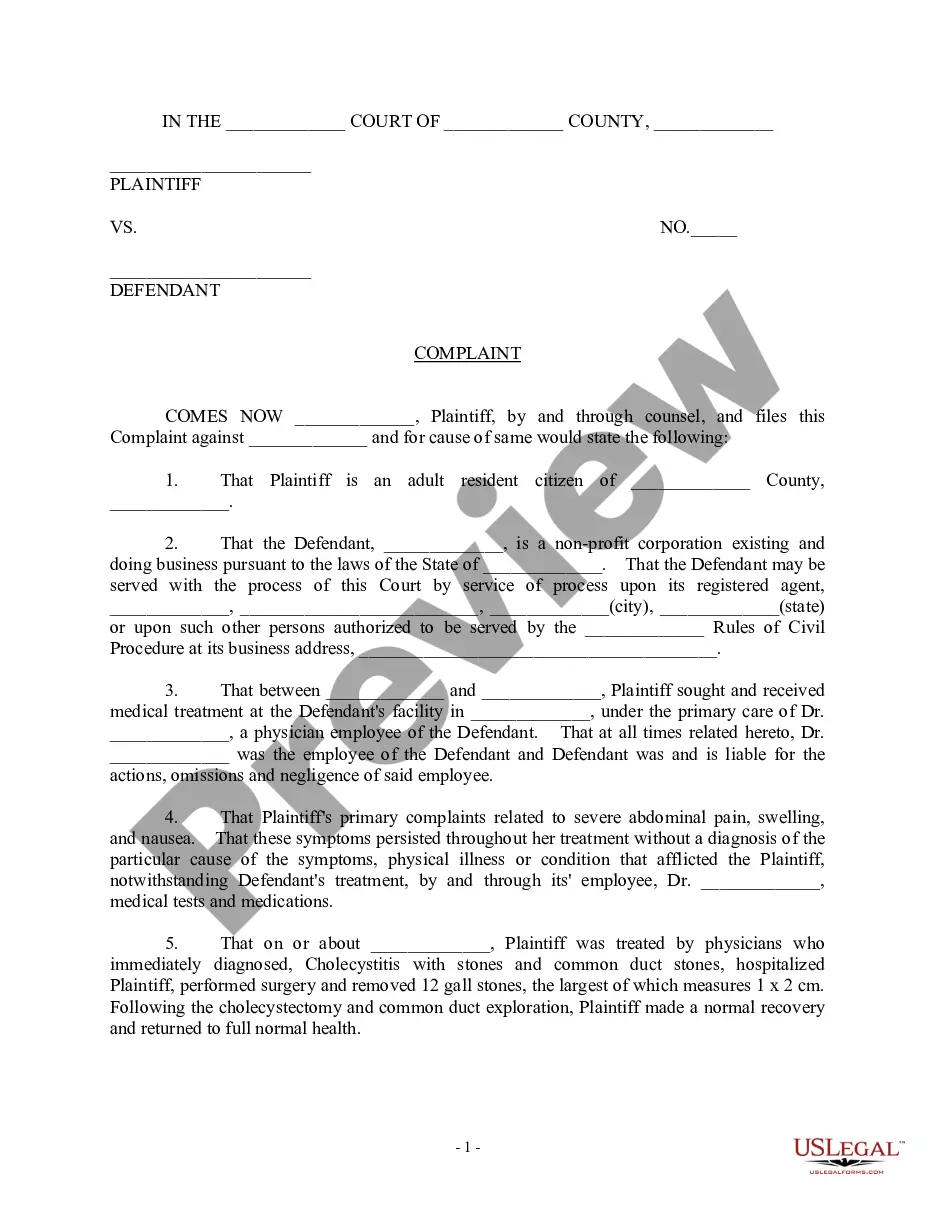
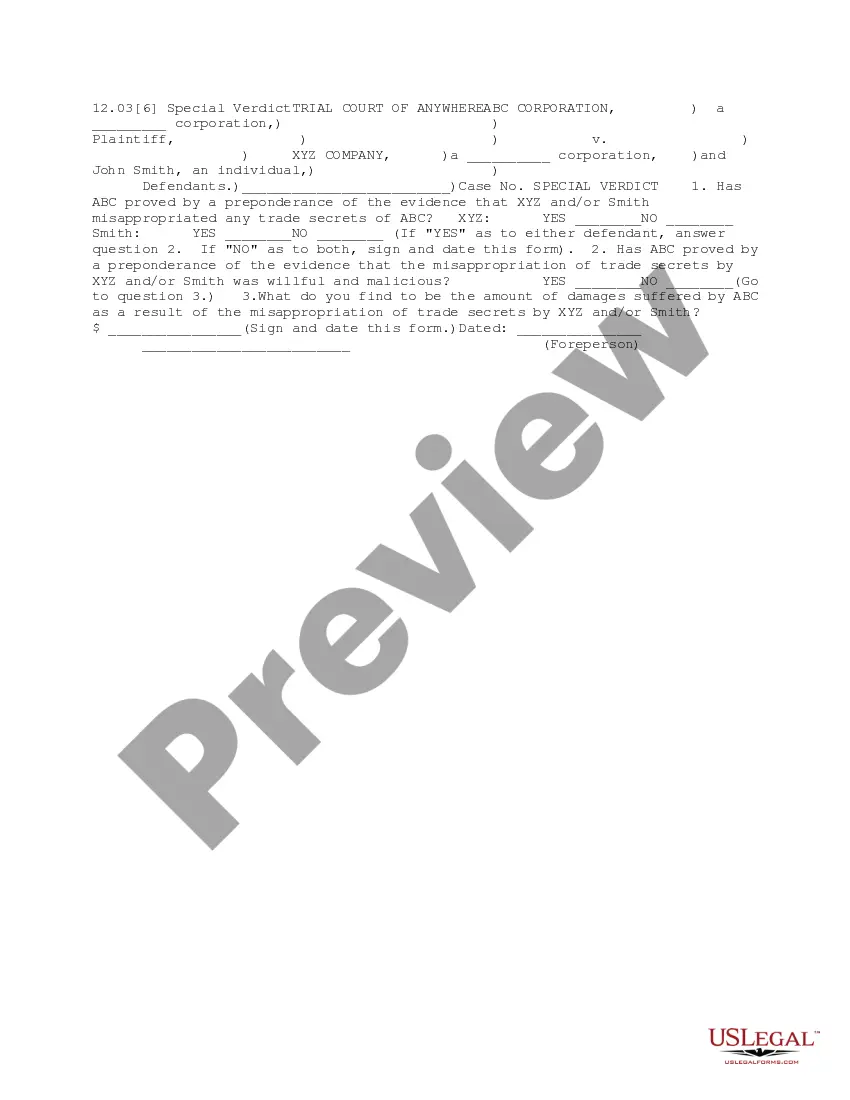
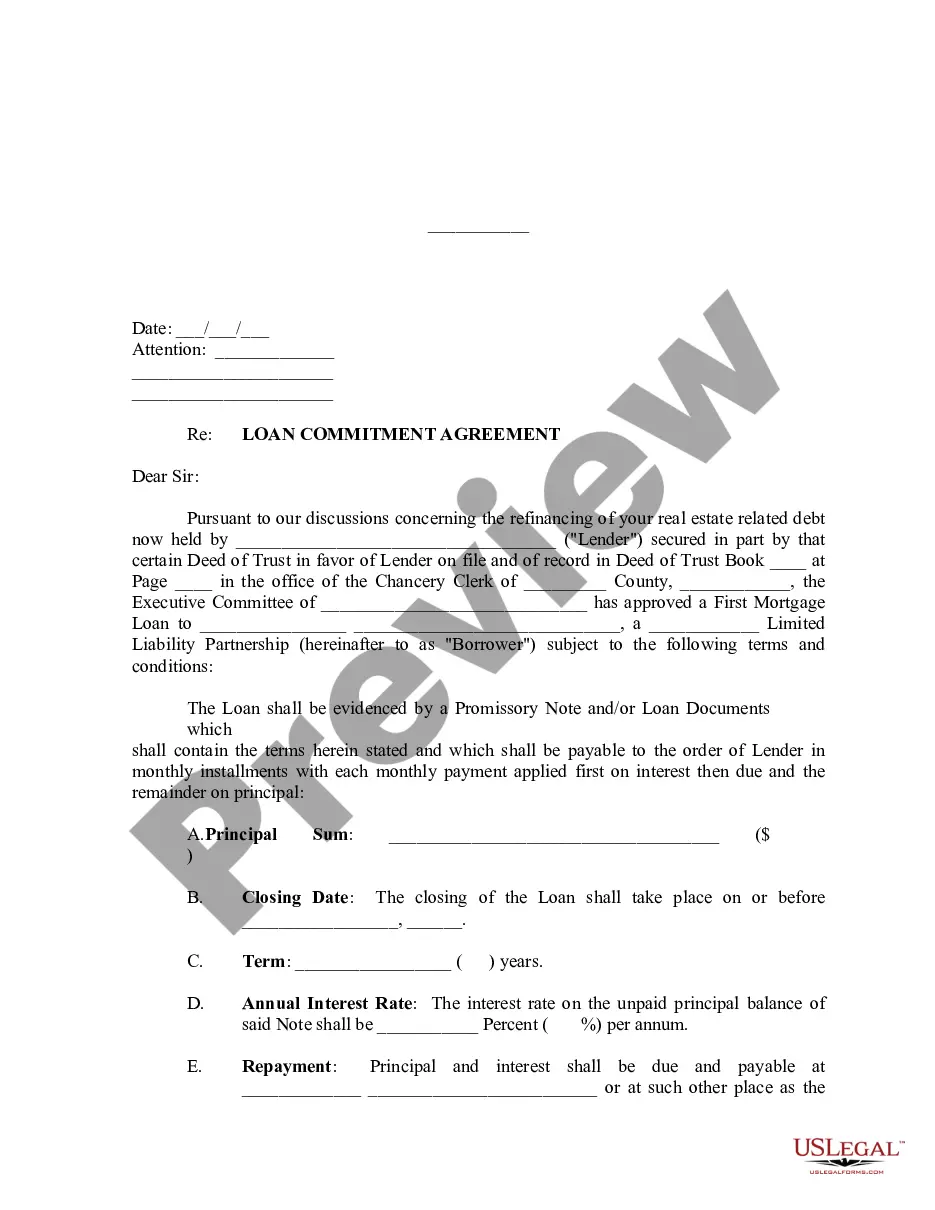
How to fill out Complaint Based On Open Account, Breach Of Contract, Unjust Enrichment?
Utilizing legal form examples that adhere to national and local regulations is crucial, and the web provides numerous choices to select from.
However, what is the purpose of squandering time looking for the suitable Unjust Enrichment Example With Intent template online when the US Legal Forms digital library already has such documents compiled in one location.
US Legal Forms is the largest online legal repository featuring over 85,000 editable templates crafted by attorneys for various professional and personal situations. They are easy to navigate with all records categorized by state and intended use.
All forms you find through US Legal Forms are reusable. To re-download and complete previously acquired forms, access the My documents section in your account. Enjoy the most comprehensive and user-friendly legal document service!
- Our specialists monitor changes in laws, ensuring that your documents remain current and adherent when obtaining a Unjust Enrichment Example With Intent from our site.
- Acquiring a Unjust Enrichment Example With Intent is simple and fast for both existing and new clients.
- If you have an account with an active subscription, Log In and download the document template you require in your desired format.
- If you are new to our platform, follow the steps below.
- Examine the template using the Preview feature or through the text outline to confirm it meets your requirements.
Form popularity
FAQ
To succeed in a claim of unjust enrichment, you must prove three key elements: the recipient received a benefit, you conferred that benefit, and retaining the benefit without compensation would be unjust. Gathering documents and evidence that outline these elements can significantly strengthen your case. Using an unjust enrichment sample with intent can guide you in presenting these elements clearly and persuasively.
For example, if a claimant made contributions to their partner's property or finances, but only discovered several years later that their partner had sold the property for a significant profit without sharing any of the proceeds with the claimant, the date of discovery for the unjust enrichment claim would be the date ...
Burden of Proof To prevail on an unjust enrichment claim, the party asserting the claim has the initial burden of proving the elements of the claim, usually by a preponderance of the evidence. See Court Opinions; see also Overview - Burdens of Proof.
Burden of proof The Supreme Court of Canada has held that the plaintiff has the initial burden of showing that none of the recognized categories of juristic reason exists, and if successful, the claim is prima facie made out. The defendant then has an opportunity to show a reason why the benefit should be retained.
The ?established categories? of juristic reason are accepted causes of action in law or equity; for example, showing that the ?enrichment? was intended to be a gift or arose from a contract. There is nothing unjust about a defendant retaining a gift of money, which was made to him or her by a plaintiff.
To successfully claim unjust enrichment, three factors must be proved: One spouse received an enrichment, The other spouse has been deprived or suffered a loss because of it, and. There is no legal reason for the enrichment.