Unjust Enrichment Elements Within Contract Clause
Description
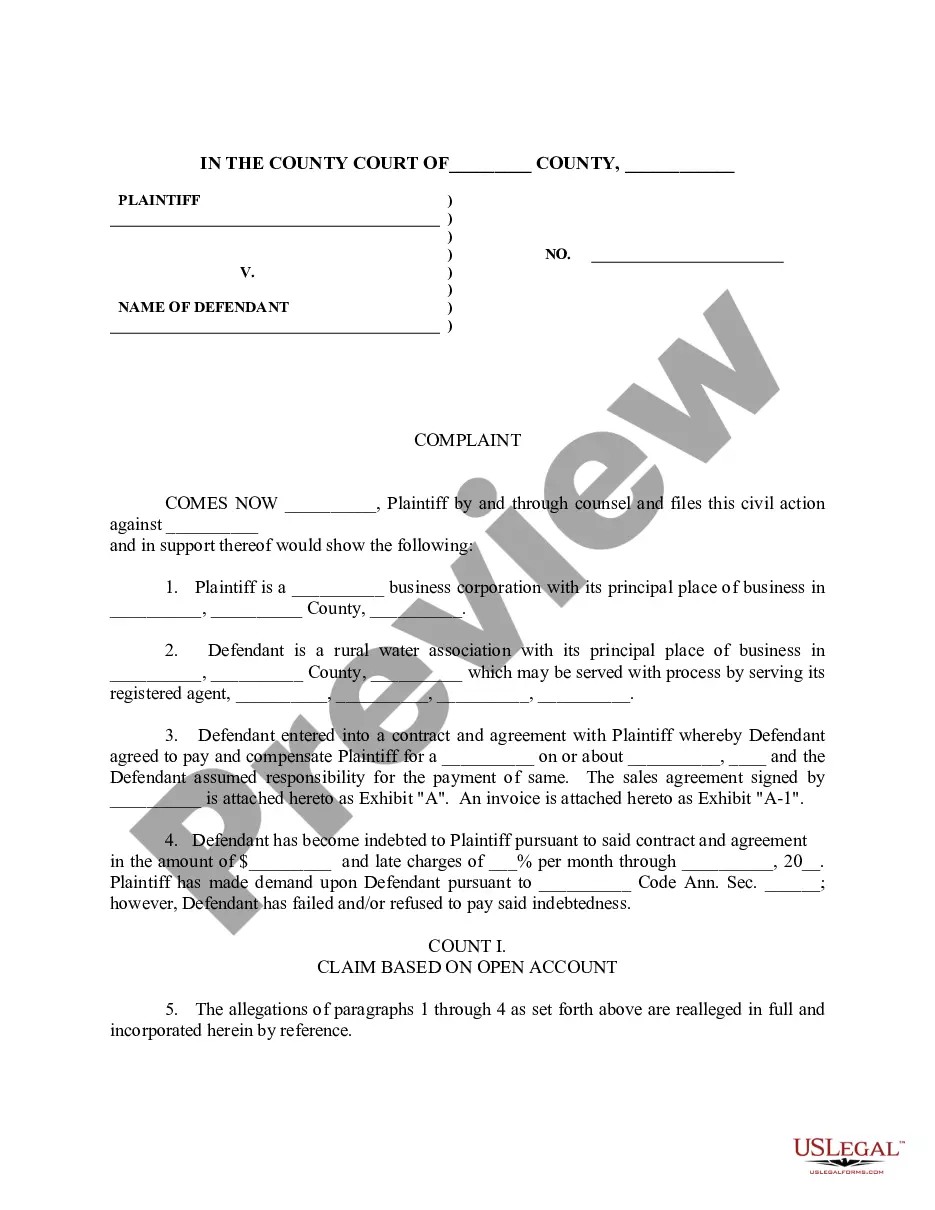
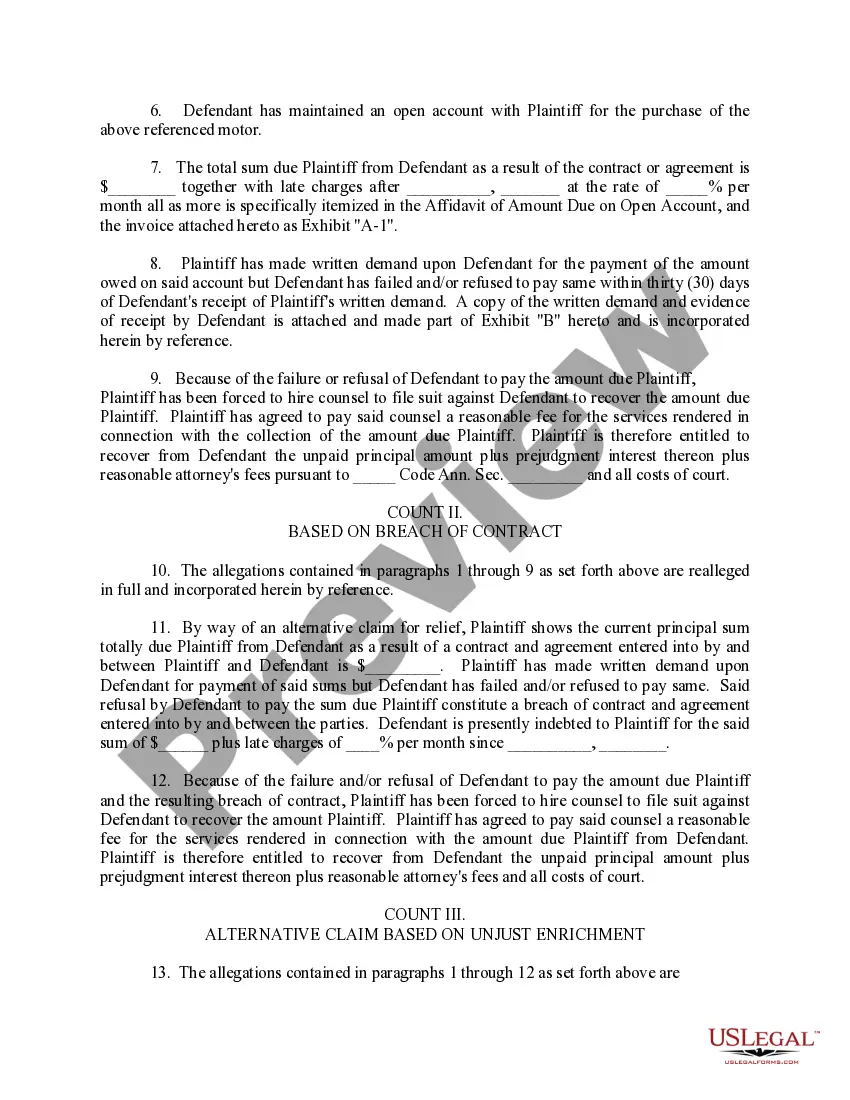
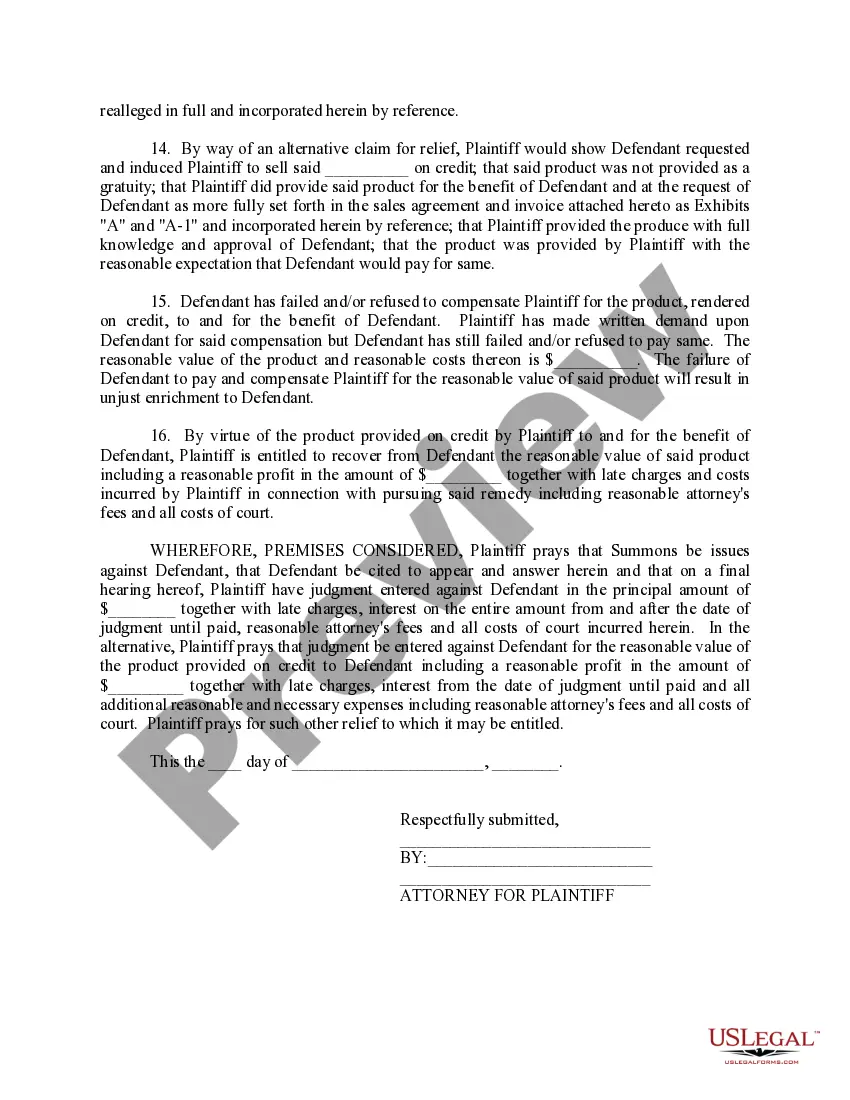
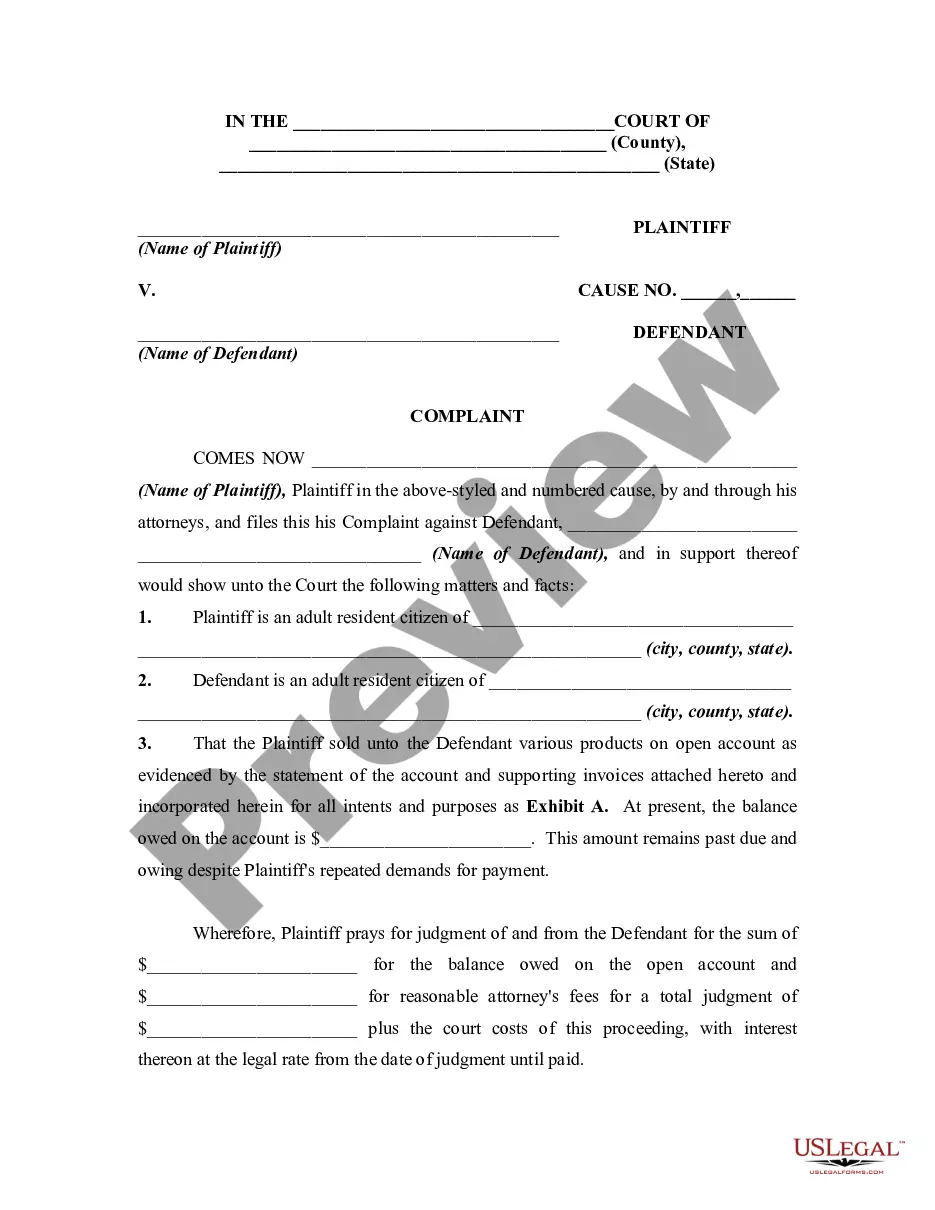
Get your form ready online
Our built-in tools help you complete, sign, share, and store your documents in one place.
Make edits, fill in missing information, and update formatting in US Legal Forms—just like you would in MS Word.
Download a copy, print it, send it by email, or mail it via USPS—whatever works best for your next step.
Sign and collect signatures with our SignNow integration. Send to multiple recipients, set reminders, and more. Go Premium to unlock E-Sign.
If this form requires notarization, complete it online through a secure video call—no need to meet a notary in person or wait for an appointment.
We protect your documents and personal data by following strict security and privacy standards.

Make edits, fill in missing information, and update formatting in US Legal Forms—just like you would in MS Word.

Download a copy, print it, send it by email, or mail it via USPS—whatever works best for your next step.

Sign and collect signatures with our SignNow integration. Send to multiple recipients, set reminders, and more. Go Premium to unlock E-Sign.

If this form requires notarization, complete it online through a secure video call—no need to meet a notary in person or wait for an appointment.

We protect your documents and personal data by following strict security and privacy standards.
Looking for another form?


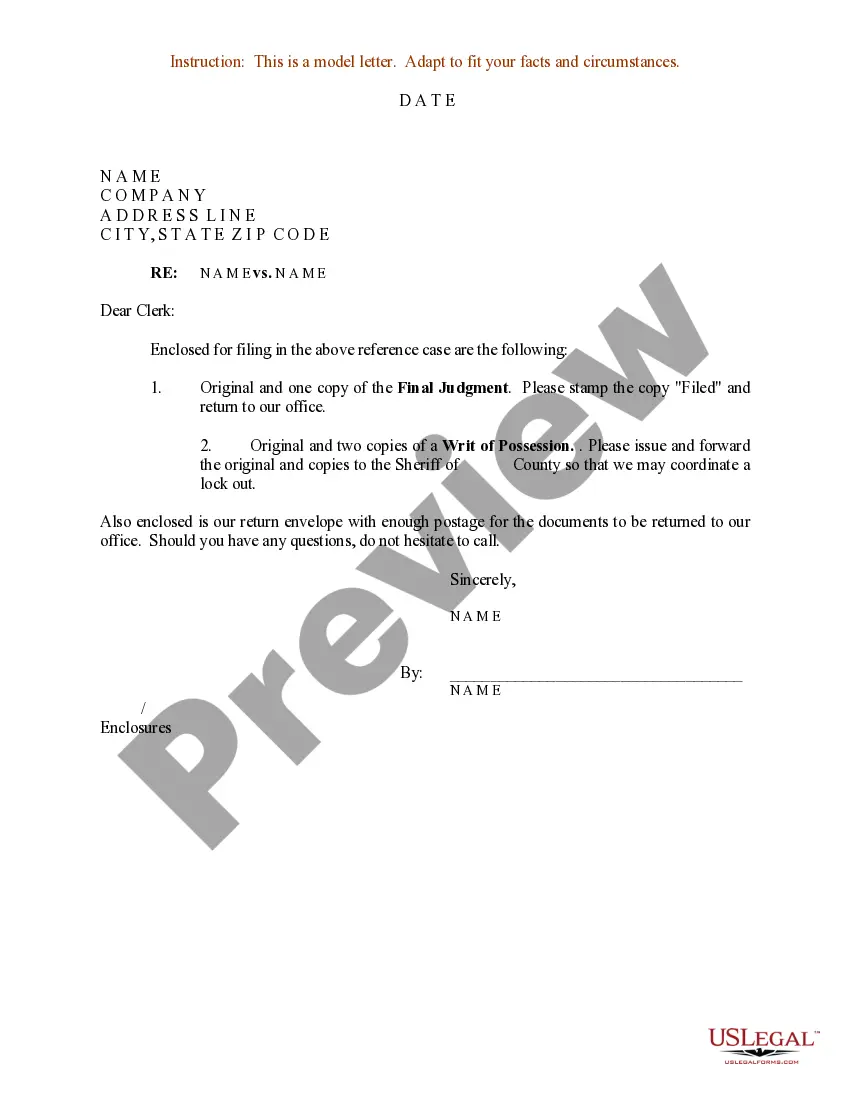

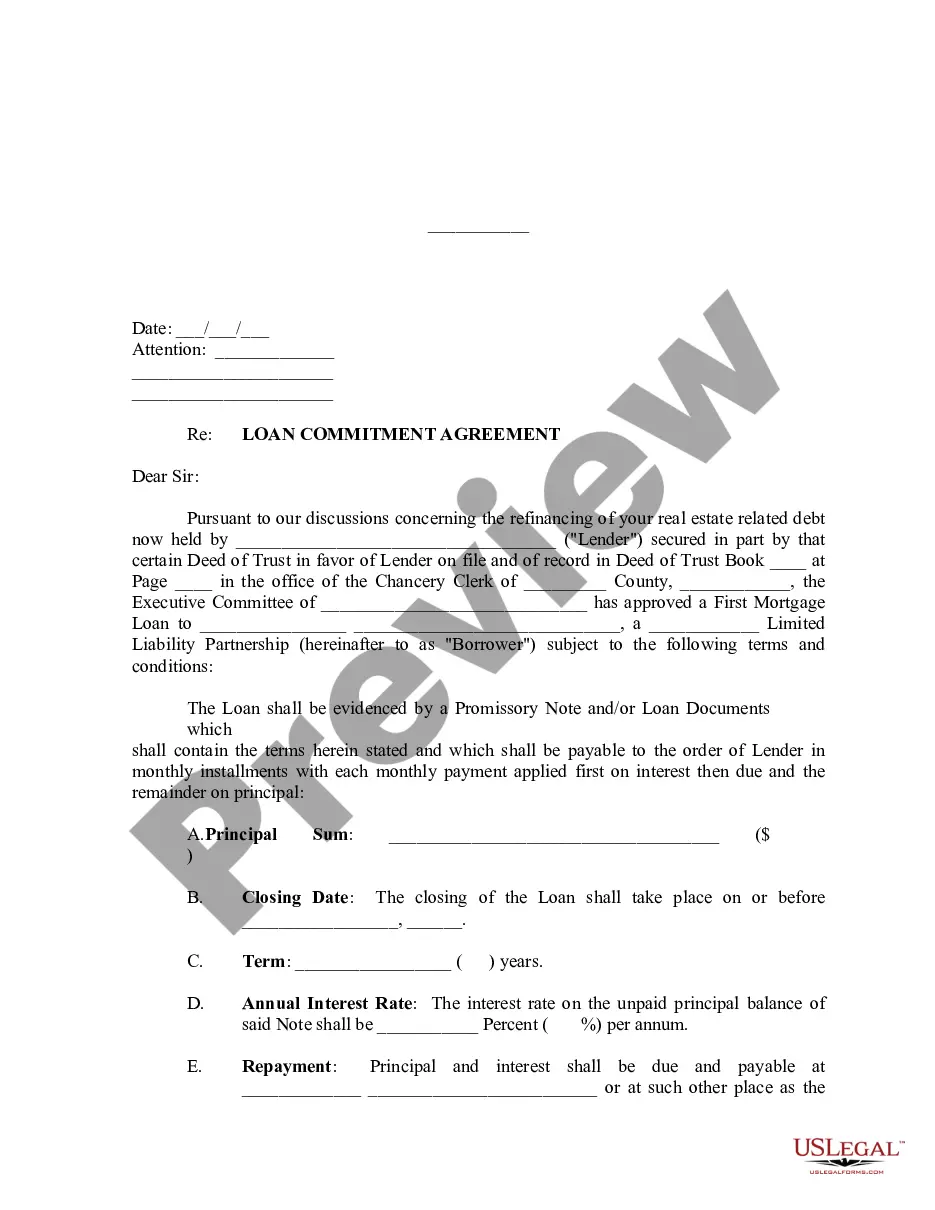
How to fill out Complaint Based On Open Account, Breach Of Contract, Unjust Enrichment?
Accessing samples of legal documents that comply with both federal and local laws is essential, and the web provides many alternatives to select from.
However, what's the benefit of spending time hunting for the suitable Unjust Enrichment Elements Within Contract Clause example online when the US Legal Forms digital library already compiles such templates in one location.
US Legal Forms stands as the largest online legal repository with over 85,000 fillable forms created by attorneys for every professional and personal scenario. They are easy to navigate with all documents sorted by state and intended use. Our experts stay current with legislative updates, so you can always trust that your paperwork is updated and compliant when obtaining a Unjust Enrichment Elements Within Contract Clause from our site.
All templates you find on US Legal Forms are reusable. To redownload and fill out previously acquired forms, navigate to the My documents tab in your account. Take advantage of the most comprehensive and user-friendly legal documentation service!
- Review the template using the Preview feature or through the text outline to ensure it satisfies your needs.
- Search for another sample using the search bar at the top of the page if necessary.
- Click Buy Now once you've found the correct form and select a subscription option.
- Create an account or Log In and complete your payment via PayPal or a credit card.
- Choose the suitable format for your Unjust Enrichment Elements Within Contract Clause and download it.
Form popularity
FAQ
Yes, unjust enrichment can arise even when a contract is in place, particularly if the contract is breached or deemed invalid. In such cases, one party may retain benefits without fulfilling their contractual obligations, leading to an inequitable outcome. Understanding the unjust enrichment elements within contract clause is crucial to ensure fairness and to address situations where one party has prospered at another’s expense.
The four elements of unjust enrichment typically include the receipt of a benefit by one party, the conferred benefit’s value, the plaintiff's lack of consent, and the absence of a legal ground for the retention of that benefit. Together, these elements form the foundation upon which claims of unjust enrichment are built. Familiarizing oneself with these unjust enrichment elements within contract clause can provide a clearer view of legal rights and obligations.
Rules governing unjust enrichment typically revolve around proving that a benefit has been received, and that it would be inequitable to retain that benefit without compensating the other party. It's essential to demonstrate that the enrichment occurred without consent or a valid basis for the transaction. Understanding these rules, linked to unjust enrichment elements within contract clause, can significantly aid anyone navigating contract disputes.
The three core elements of unjust enrichment include the receipt of a benefit, the awareness that the benefit was conferred, and the absence of a legal justification for retaining that benefit. Essentially, if one party gains something at the expense of another without a valid contract or agreement, it can be deemed unjust enrichment. Recognizing these unjust enrichment elements within contract clause helps clarify legal standings in disputes.
When a contract exists, unjust enrichment refers to a situation where one party retains a benefit unjustly at the expense of another. This typically occurs if one party fails to fulfill their contractual obligations, leaving the other party without appropriate compensation. Understanding unjust enrichment elements within contract clause is essential, as it helps navigate issues of fairness and entitlement, even when a formal agreement is established.
The concept of unjust enrichment is often associated with the broader principles within contract law, specifically under Sections 69 to 72 of the Contract Act. These sections lay out grounds for recovering benefits conferred upon another party without a legal basis. Essentially, if a contract does not exist or is void, these unjust enrichment elements within contract clause come into play to ensure that no one benefits unfairly at another's expense.
Section 73 of the Contract Act addresses compensation for losses caused by a breach of contract. It ensures that a party suffering from a breach can claim damages, aimed at putting them in the position they would have been in had the contract been fulfilled. On the other hand, Section 74 allows a party to claim pre-determined damages when a contract includes a clause for liquidated damages. Both sections highlight important unjust enrichment elements within contract clause by reinforcing fair compensation.
The doctrine of unjust enrichment in a contract serves to prevent one party from unfairly benefiting from another's actions or losses. It focuses on the unjust enrichment elements within contract clause that seek to ensure equity in transactions. This legal doctrine provides a mechanism for courts to rectify situations where fairness is lacking. By understanding this doctrine, you can more effectively navigate contractual disputes.
The standard of proof for unjust enrichment typically requires the claimant to show that one party benefitted from another's loss without a valid basis. This means presenting clear evidence that establishes the unjust enrichment elements within contract clause are present. Courts primarily look at the facts and circumstances surrounding the transaction. A solid legal framework can guide you through these specifics to ensure justice is served.
Unjust enrichment under a contract refers to a situation where one party gains at another's expense without a legal justification. In this context, the unjust enrichment elements within contract clause highlight the need to consider the fairness of the transaction. If one party benefits disproportionately, the law often seeks to restore balance. Therefore, it's essential to analyze how the benefits and responsibilities are distributed.