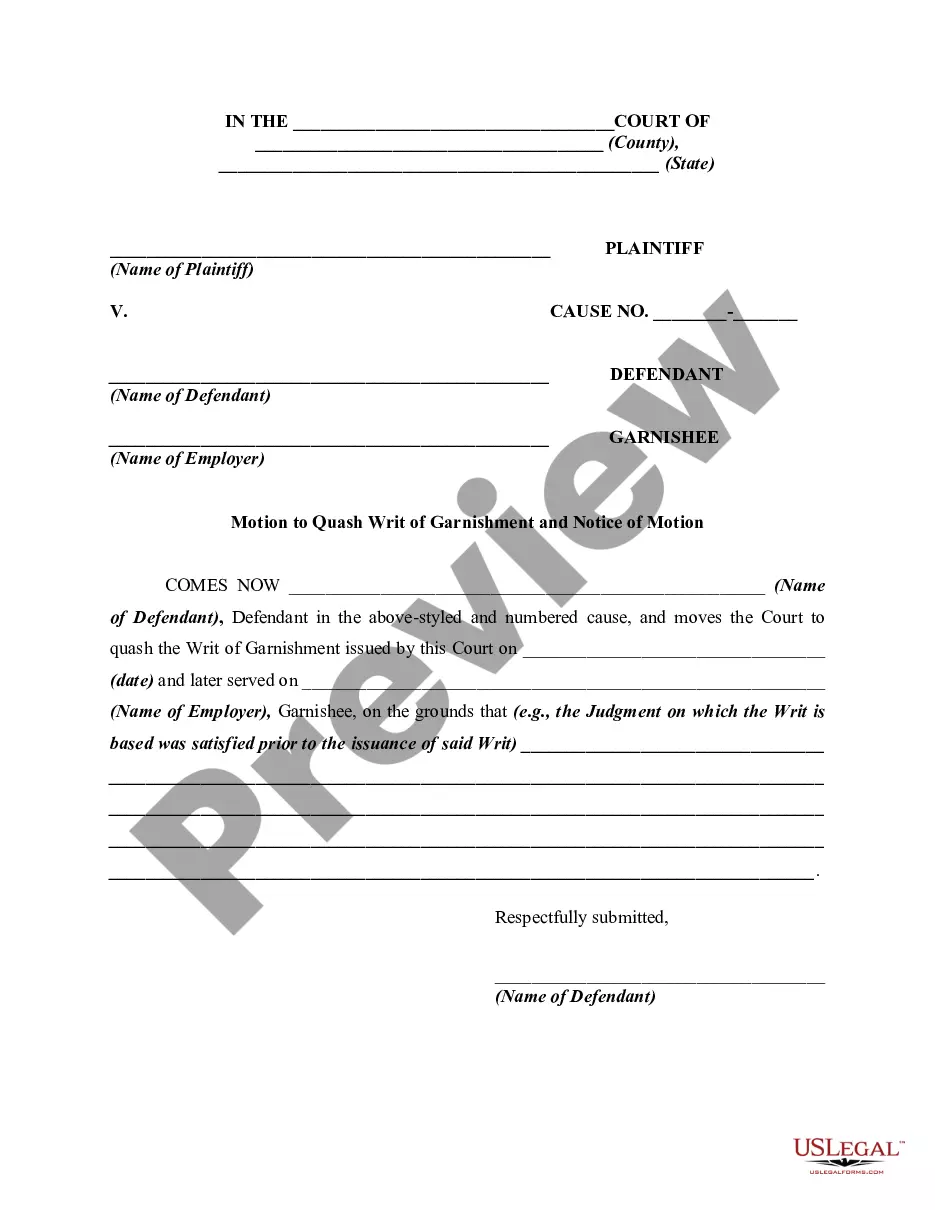
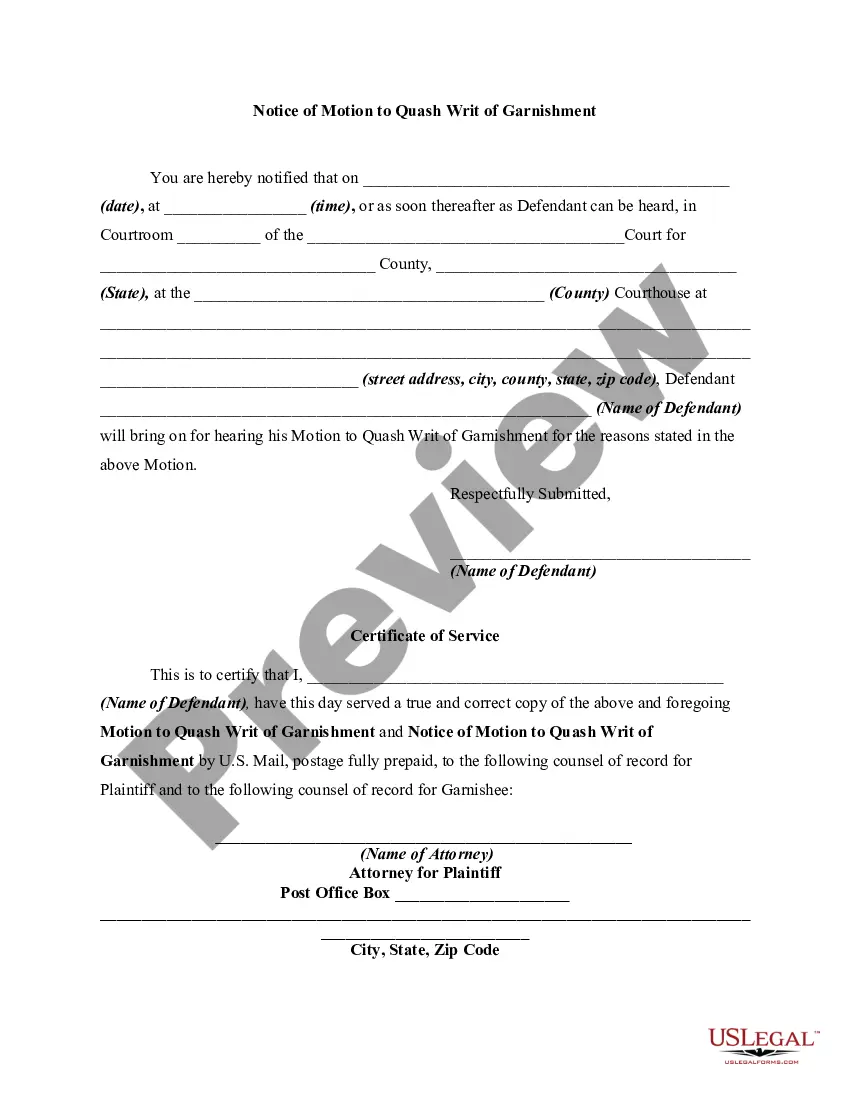
Motion To Quash Template For Deposition
Description
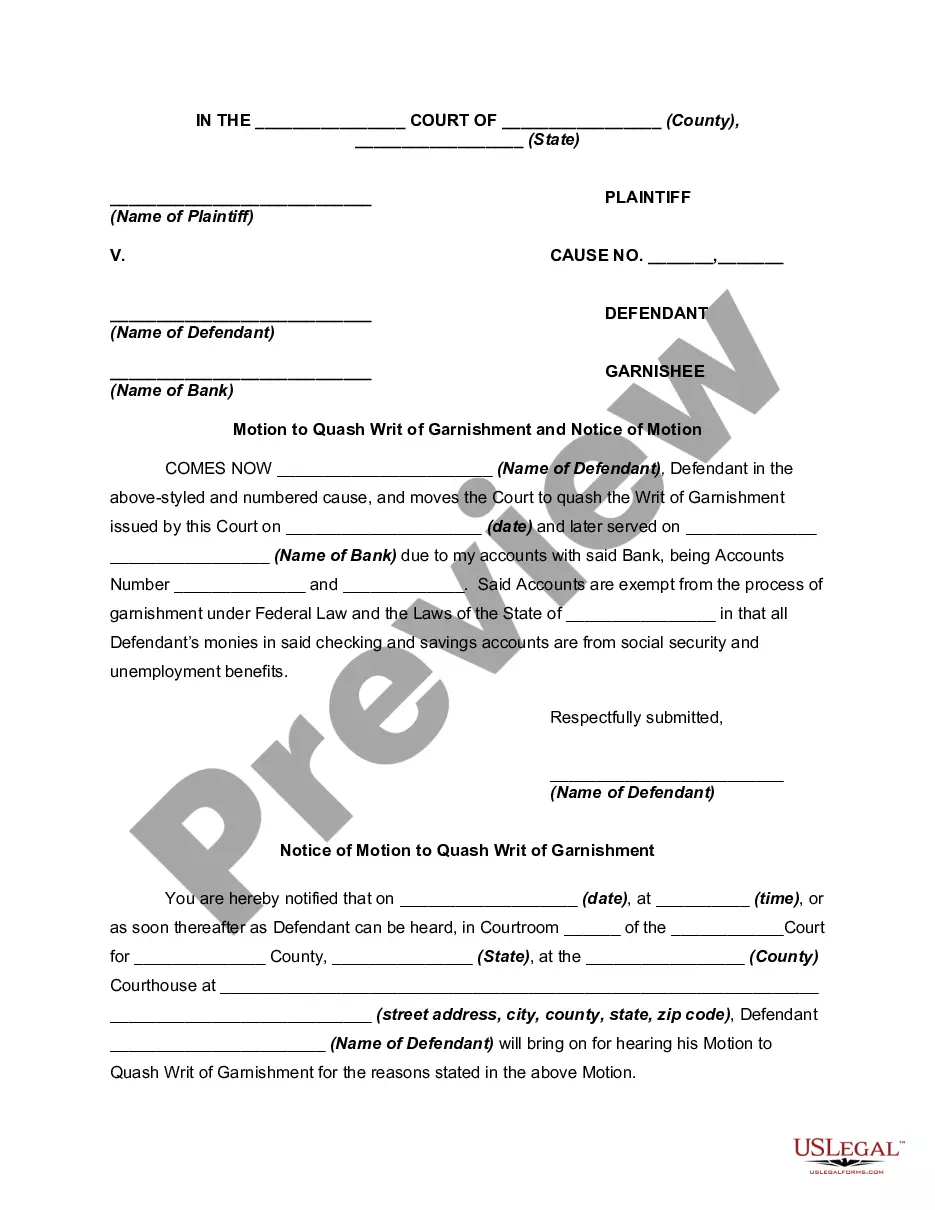
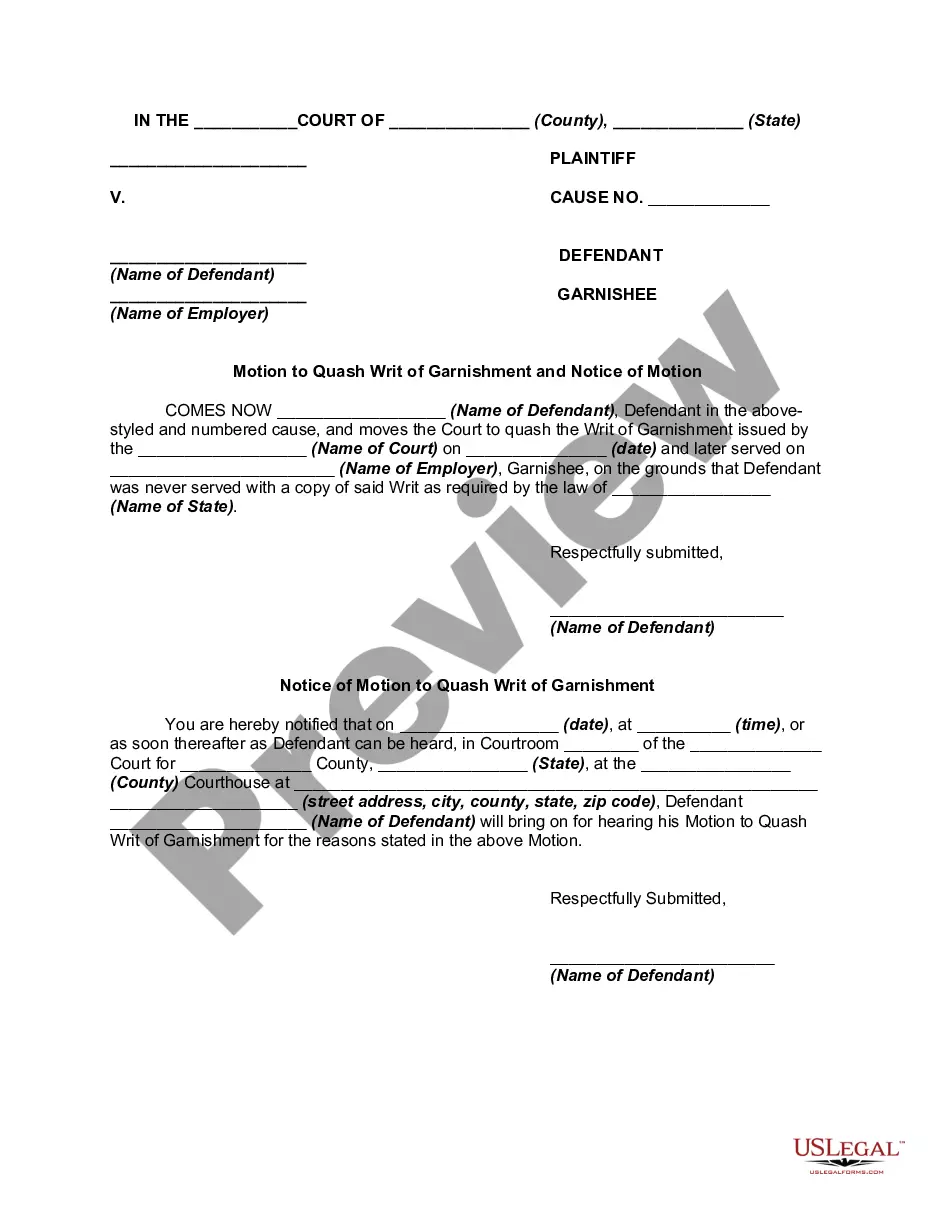
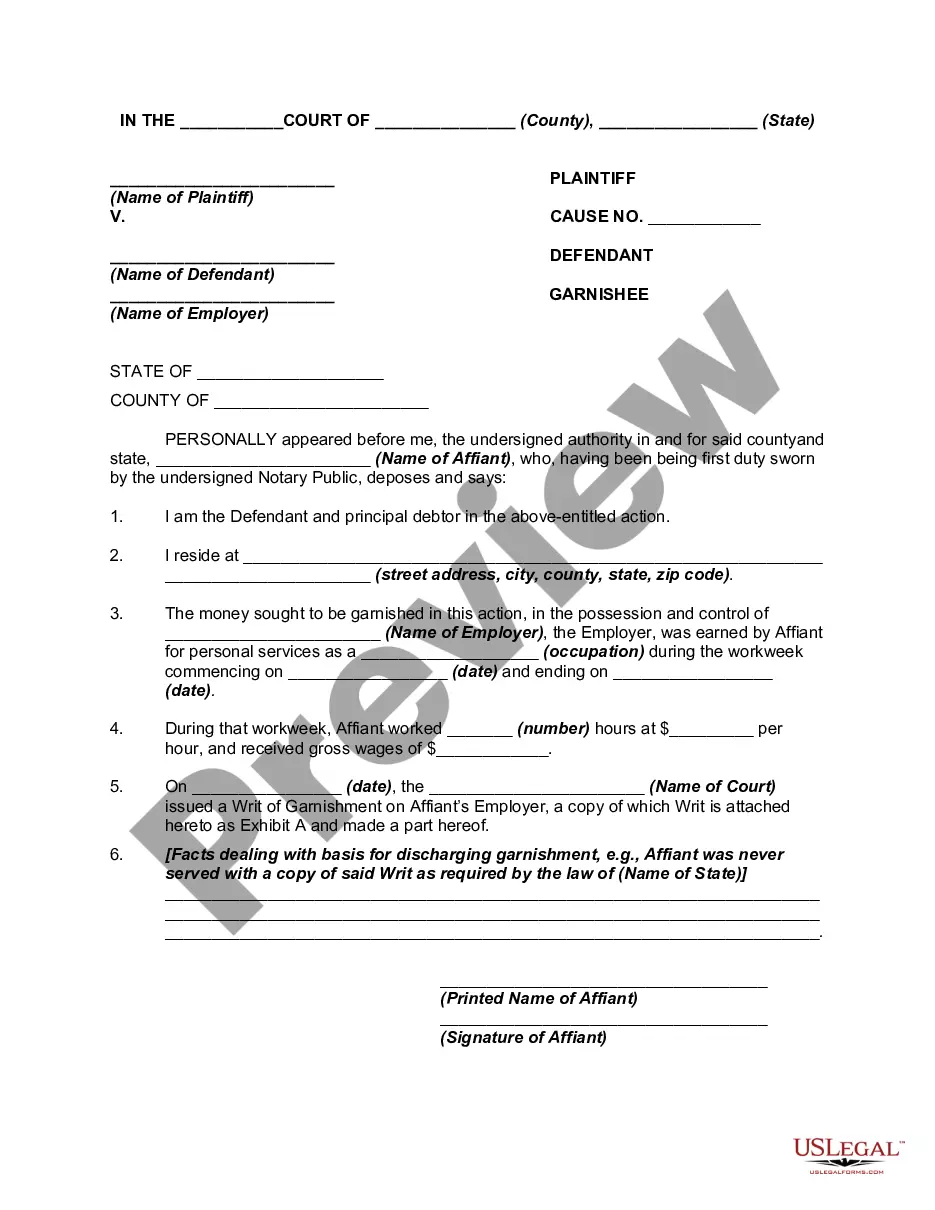
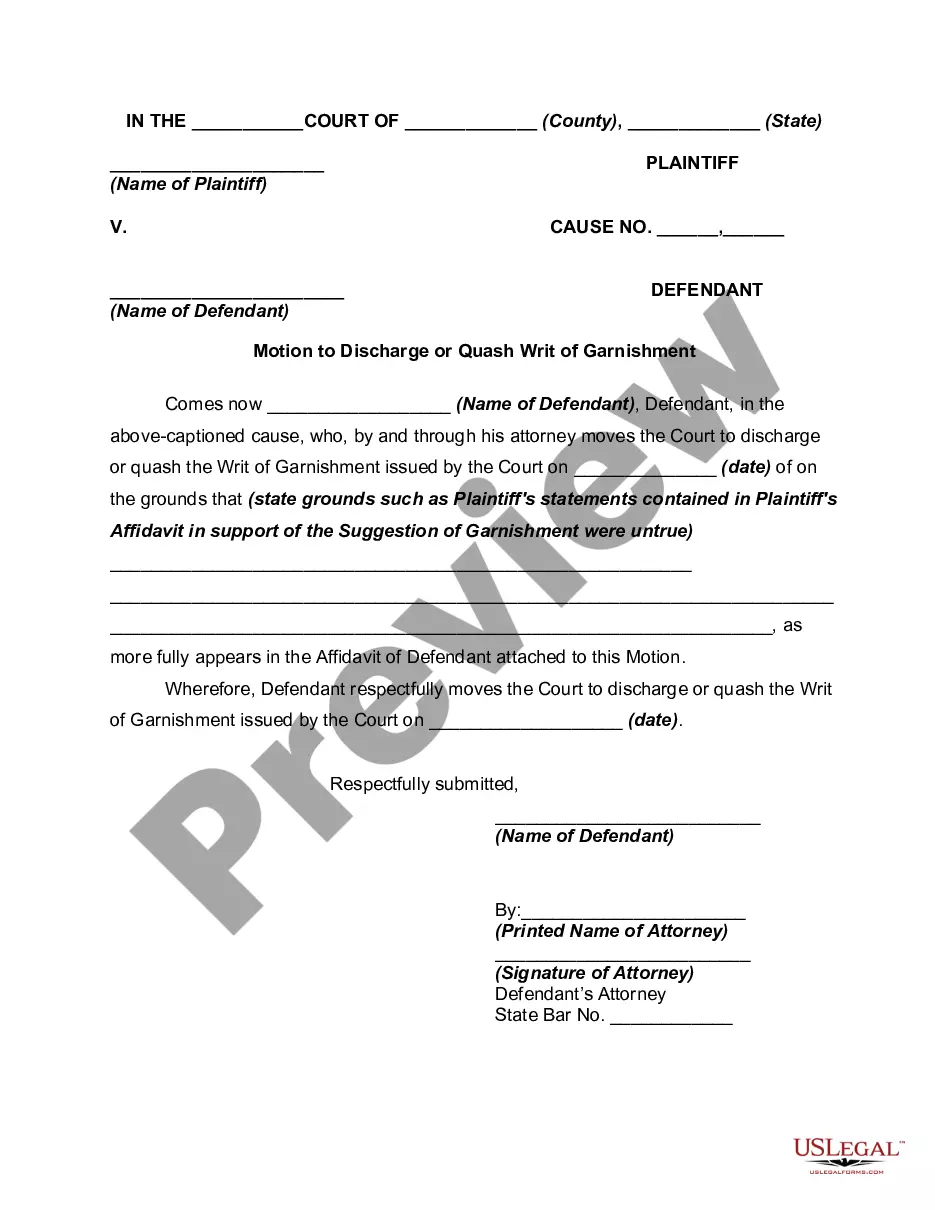
Get your form ready online
Our built-in tools help you complete, sign, share, and store your documents in one place.
Make edits, fill in missing information, and update formatting in US Legal Forms—just like you would in MS Word.
Download a copy, print it, send it by email, or mail it via USPS—whatever works best for your next step.
Sign and collect signatures with our SignNow integration. Send to multiple recipients, set reminders, and more. Go Premium to unlock E-Sign.
If this form requires notarization, complete it online through a secure video call—no need to meet a notary in person or wait for an appointment.
We protect your documents and personal data by following strict security and privacy standards.

Make edits, fill in missing information, and update formatting in US Legal Forms—just like you would in MS Word.

Download a copy, print it, send it by email, or mail it via USPS—whatever works best for your next step.

Sign and collect signatures with our SignNow integration. Send to multiple recipients, set reminders, and more. Go Premium to unlock E-Sign.

If this form requires notarization, complete it online through a secure video call—no need to meet a notary in person or wait for an appointment.

We protect your documents and personal data by following strict security and privacy standards.
Looking for another form?









How to fill out Motion Of Defendant To Discharge Or Quash Writ Of Garnishment And Notice Of Motion?
Whether for professional objectives or personal issues, everyone must confront legal situations at some point in their lives.
Completing legal paperwork demands meticulous care, starting from selecting the appropriate form template.
With a comprehensive US Legal Forms catalog available, you don’t need to waste time searching for the right template online. Utilize the library’s easy navigation to find the suitable template for any occasion.
Once saved, you can fill out the form with editing software or print it and complete it by hand.
- For instance, if you choose an incorrect version of a Motion To Quash Template For Deposition, it will be rejected when you submit it.
- Thus, it is critical to acquire a trustworthy source of legal documents like US Legal Forms.
- If you wish to obtain a Motion To Quash Template For Deposition template, adhere to these straightforward steps.
- Locate the template you require by employing the search field or catalog navigation.
- Review the form’s details to confirm it aligns with your case, state, and county.
- Click on the form’s preview to inspect it.
- If it is the wrong document, return to the search function to find the Motion To Quash Template For Deposition sample you need.
- Retrieve the template when it satisfies your requirements.
- If you possess a US Legal Forms account, click Log in to access previously saved documents in My documents.
- If you don’t have an account yet, you can acquire the form by clicking Buy now.
- Select the correct pricing option.
- Complete the account registration form.
- Choose your payment method: you can use a credit card or PayPal account.
- Select the file format you prefer and download the Motion To Quash Template For Deposition.
Form popularity
FAQ
Motion to quash Before filing the motion, you must do two things: (1) serve written objections to the deposition notice; and (2) meet and confer with opposing counsel before filing the motion. If you file a motion to quash, the deposition is automatically stayed pending the court's ruling.
A court might, upon a proper motion, quash a subpoena duces tecum if the agency did not have the power to issue the subpoena, the materials sought are not relevant to an authorized investigation, and the items sought are not described with particularity and definiteness, as required by the Fourth Amendment of the U.S. ...
Most motions to quash a subpoena involve timeliness, relevancy, improper court, undue burden, the time span covered, standing, and invasion of the attorney-client privilege or work product.
A. : a collection of papers or records arranged in order. b. : a collection of data considered as a unit (as for a computer) file.