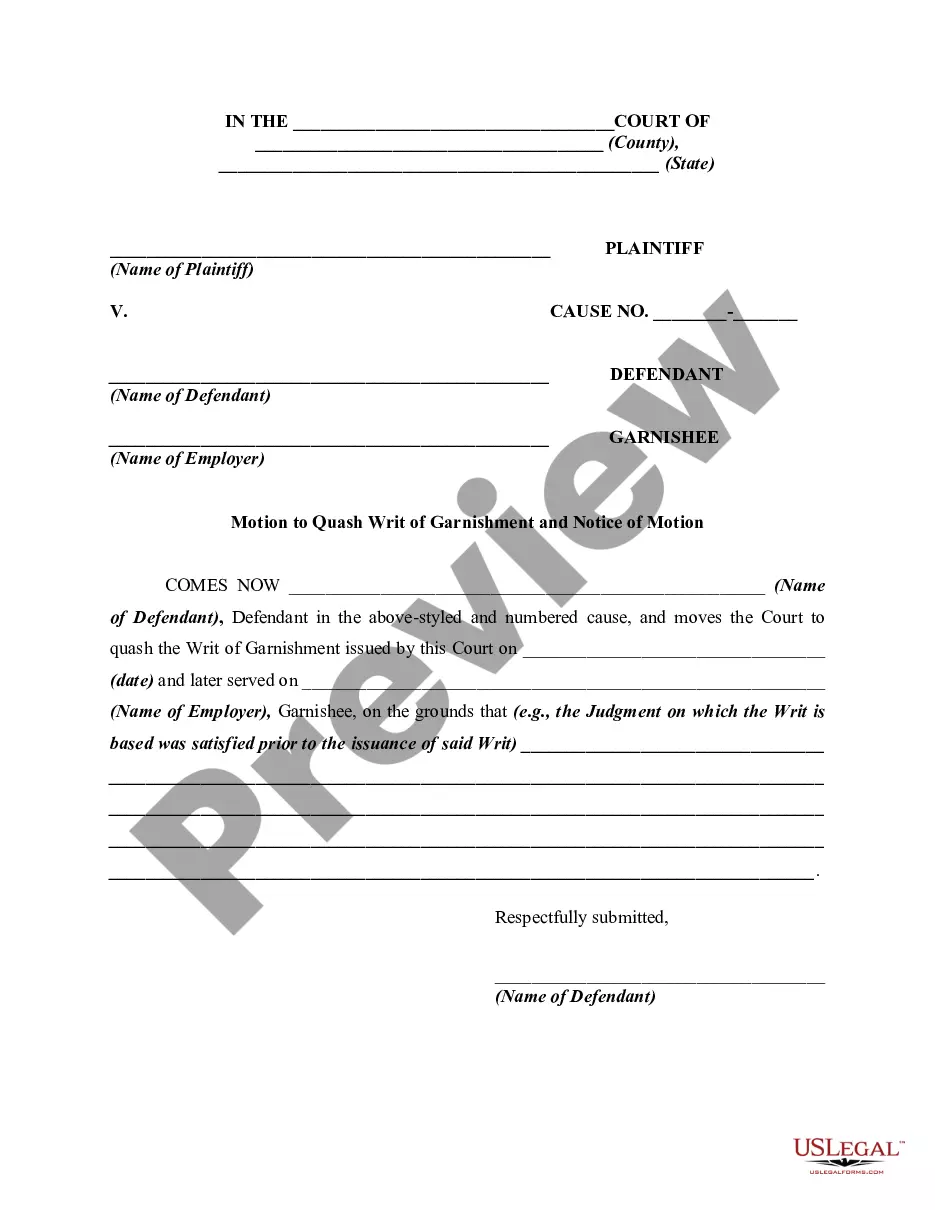
Garnishee Writ Garnishment Form California
Description
Get your form ready online
Our built-in tools help you complete, sign, share, and store your documents in one place.
Make edits, fill in missing information, and update formatting in US Legal Forms—just like you would in MS Word.
Download a copy, print it, send it by email, or mail it via USPS—whatever works best for your next step.
Sign and collect signatures with our SignNow integration. Send to multiple recipients, set reminders, and more. Go Premium to unlock E-Sign.
If this form requires notarization, complete it online through a secure video call—no need to meet a notary in person or wait for an appointment.
We protect your documents and personal data by following strict security and privacy standards.

Make edits, fill in missing information, and update formatting in US Legal Forms—just like you would in MS Word.

Download a copy, print it, send it by email, or mail it via USPS—whatever works best for your next step.

Sign and collect signatures with our SignNow integration. Send to multiple recipients, set reminders, and more. Go Premium to unlock E-Sign.

If this form requires notarization, complete it online through a secure video call—no need to meet a notary in person or wait for an appointment.

We protect your documents and personal data by following strict security and privacy standards.
Looking for another form?





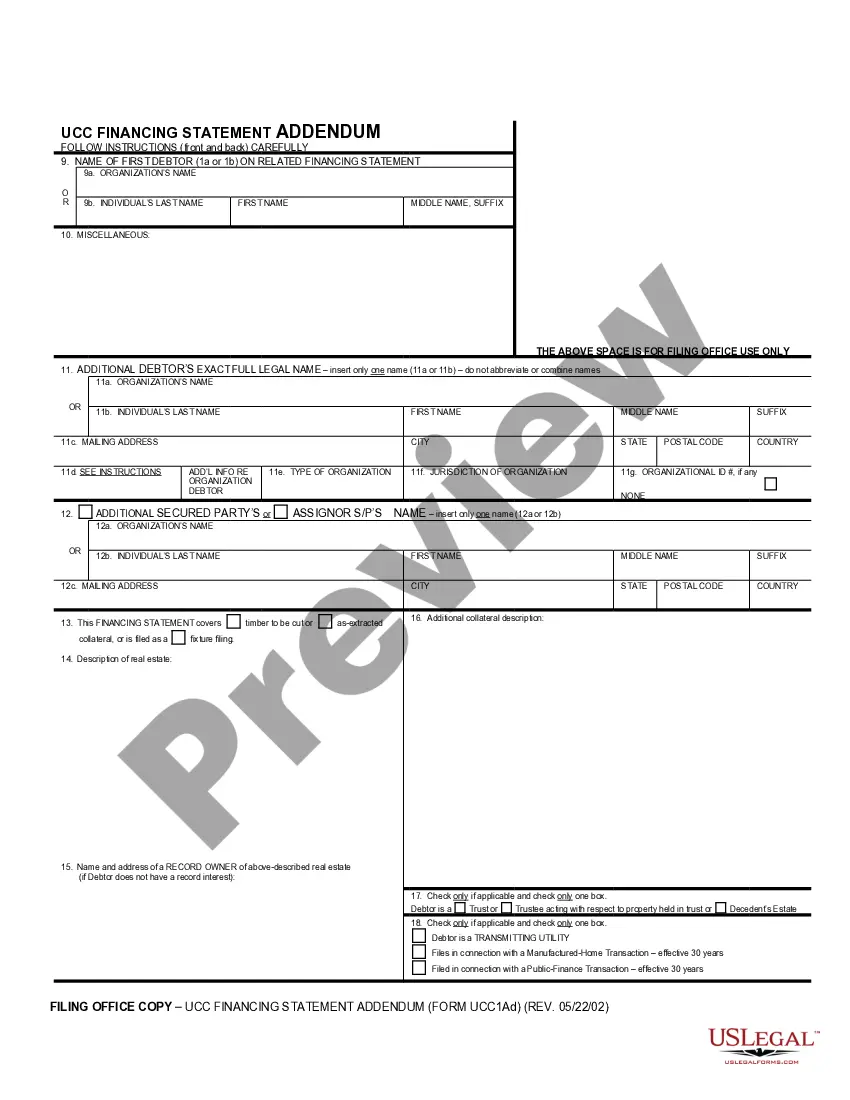

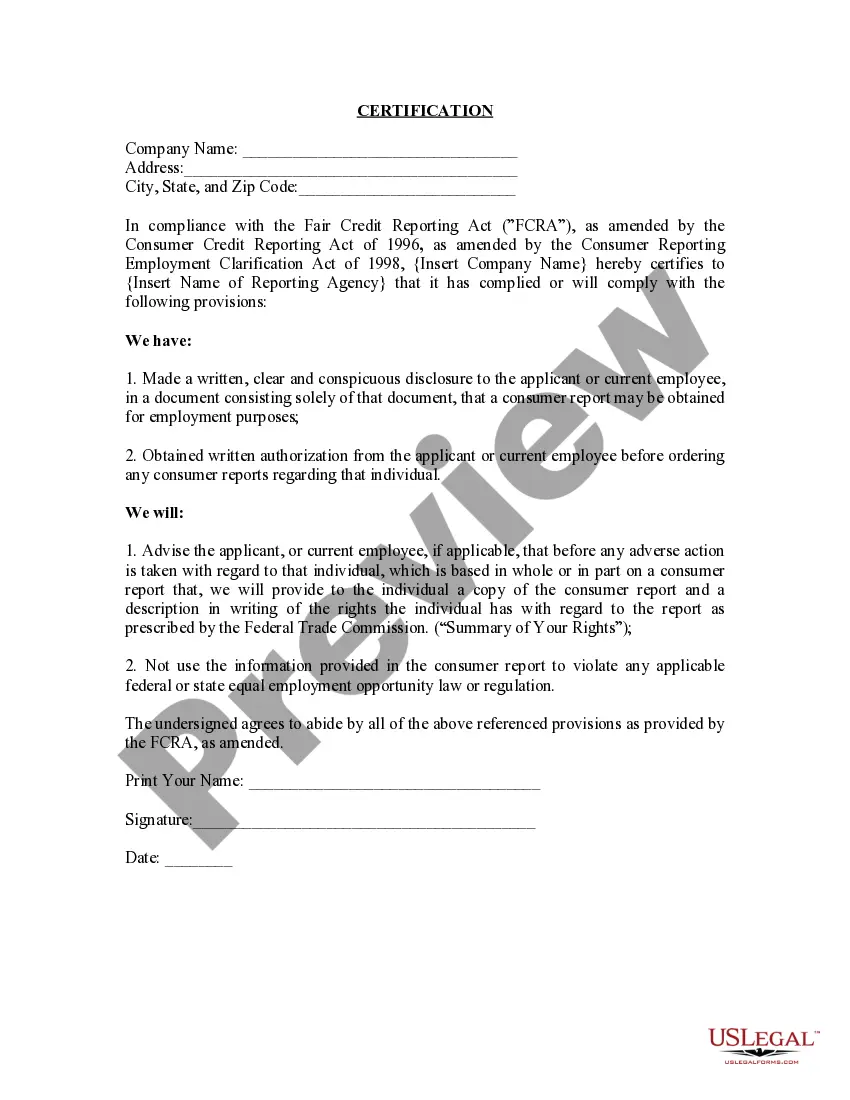


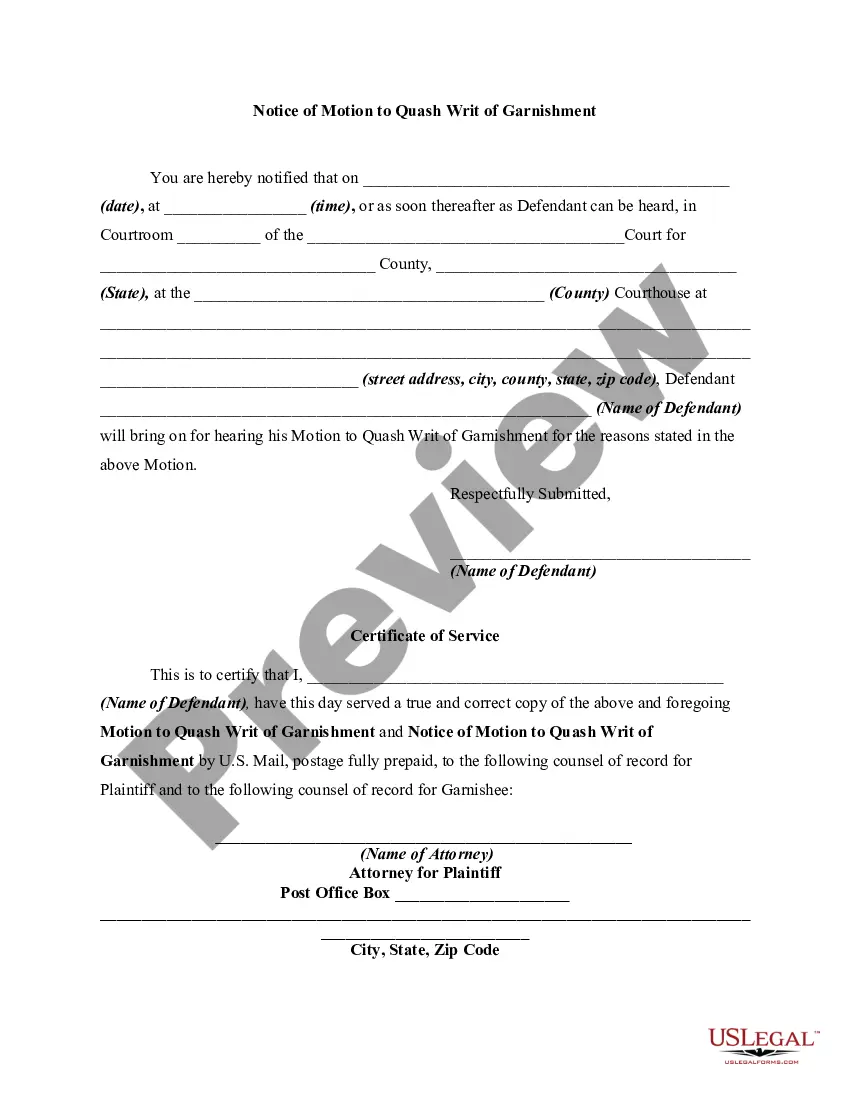
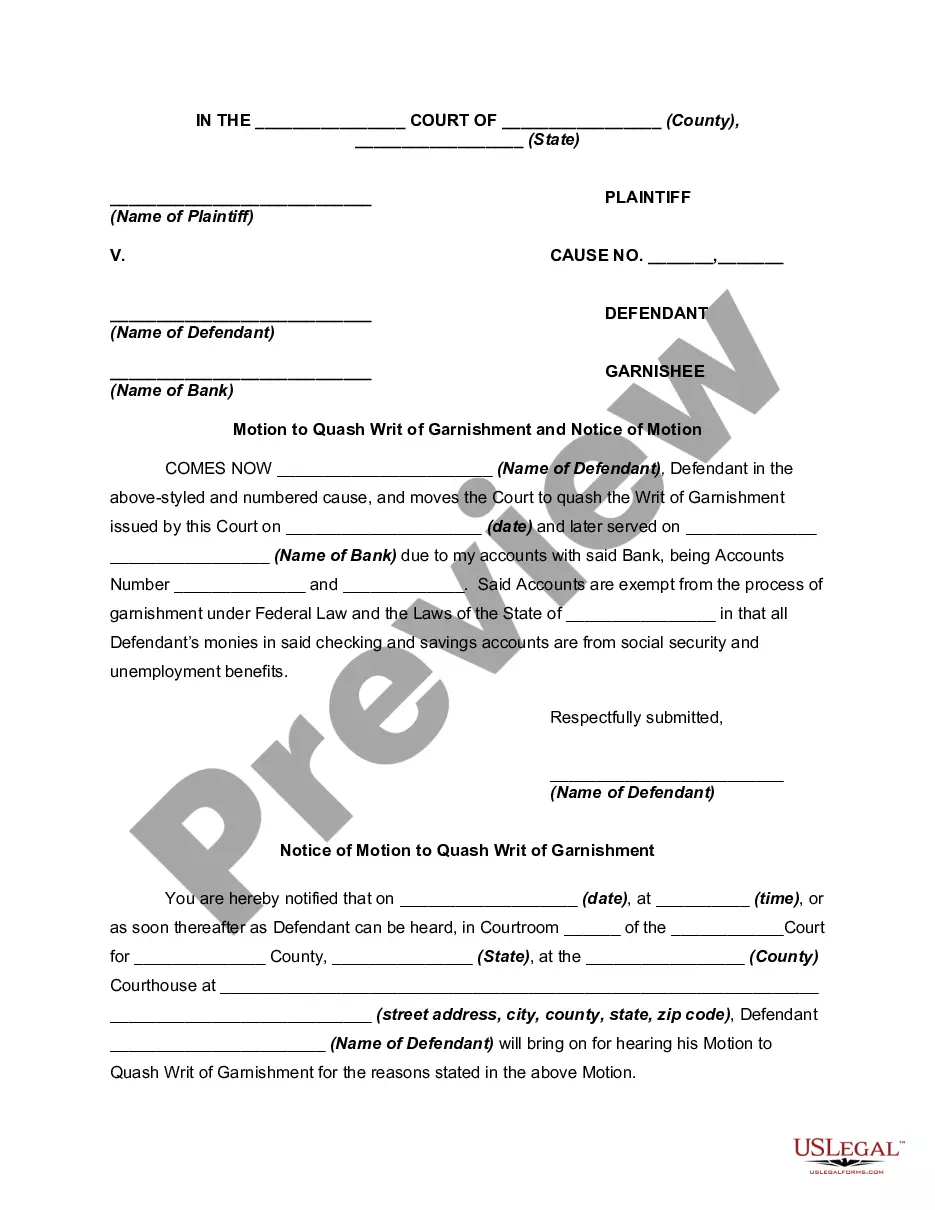
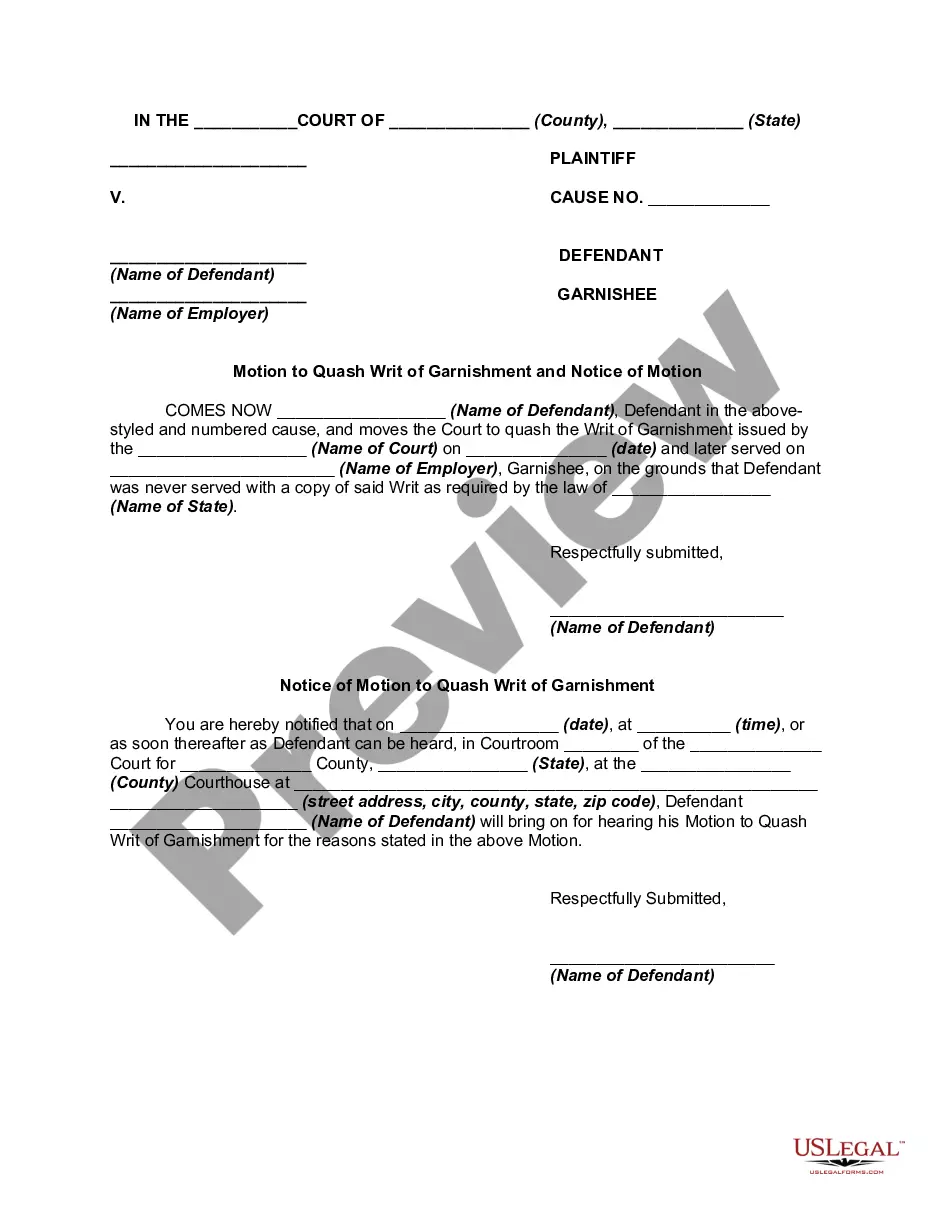
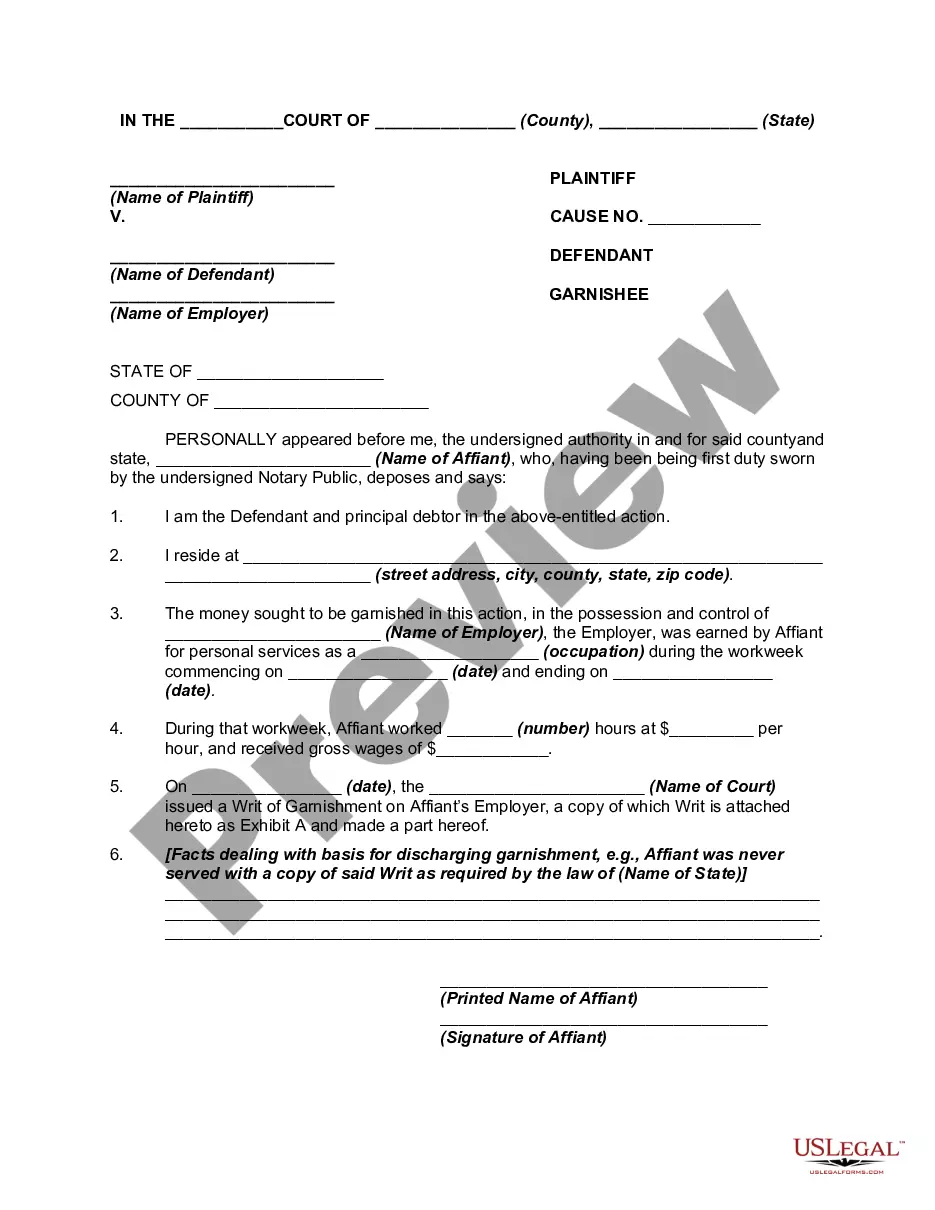
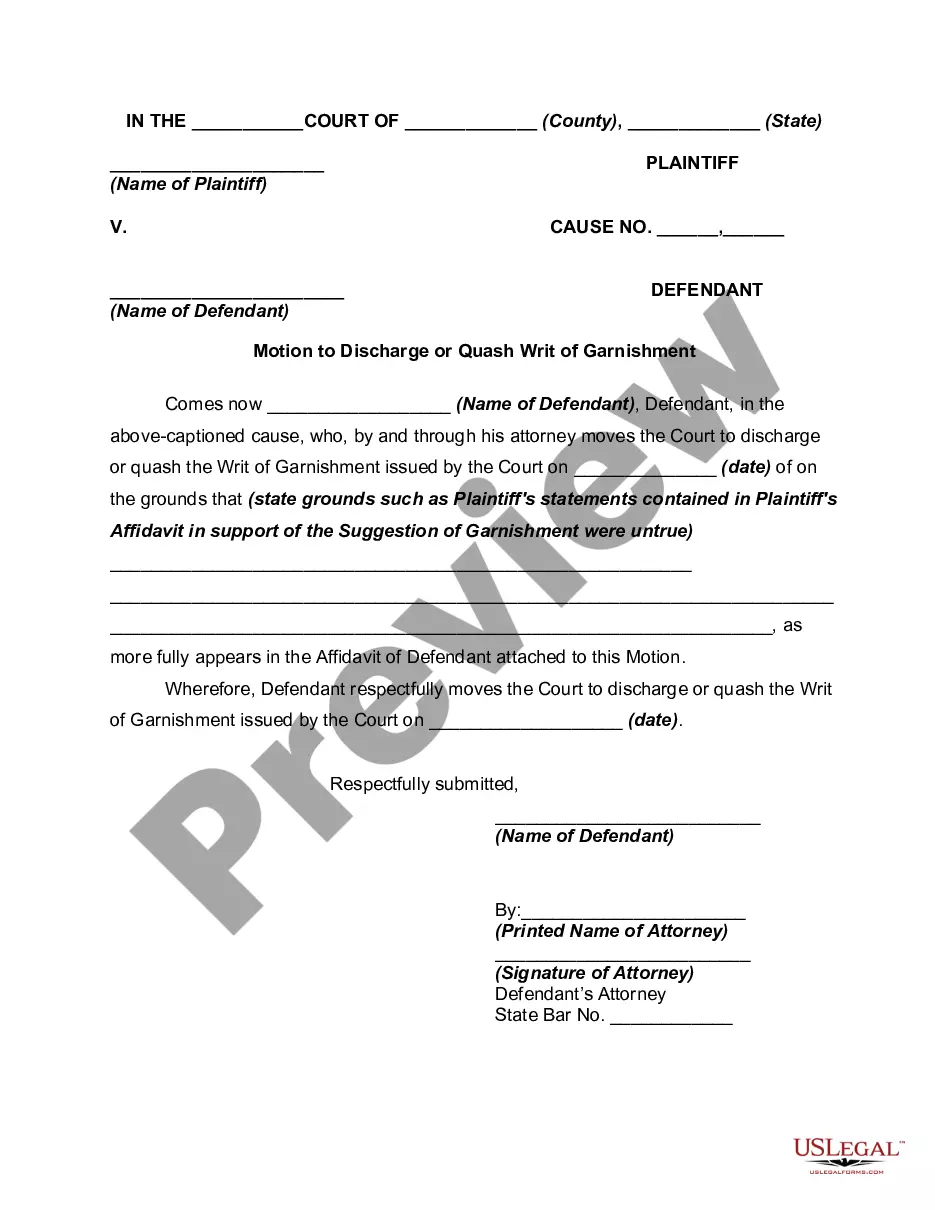
How to fill out Motion Of Defendant To Discharge Or Quash Writ Of Garnishment And Notice Of Motion?
The Garnishee Writ Garnishment Form California presented on this page is a versatile official template created by expert attorneys in accordance with federal and state laws and regulations. For over 25 years, US Legal Forms has supplied individuals, companies, and lawyers with more than 85,000 validated, state-specific documents for any business and personal circumstances. It is the fastest, most straightforward, and most reliable method to acquire the forms you require, as the service ensures the utmost level of data protection and anti-malware security.
Obtaining this Garnishee Writ Garnishment Form California will require only a few easy steps.
Subscribe to US Legal Forms to have authenticated legal templates for all of life’s situations readily available.
- Search for the document you need and examine it. Browse through the file you searched and preview it or review the form description to confirm it meets your requirements. If it doesn’t, use the search bar to locate the appropriate one. Click Buy Now when you have identified the template you need.
- Register and Log In. Choose the pricing option that fits you and create an account. Use PayPal or a credit card to make a swift payment. If you already possess an account, Log In and verify your subscription to proceed.
- Obtain the fillable template. Select the format you desire for your Garnishee Writ Garnishment Form California (PDF, Word, RTF) and download the file onto your device.
- Complete and sign the documents. Print the template to fill it out manually. Alternatively, use an online multifunctional PDF editor to quickly and accurately fill out and sign your form with an electronic signature.
- Download your documents once more. Utilize the same document again whenever necessary. Access the My documents section in your profile to redownload any previously acquired forms.
Form popularity
FAQ
As of September 1, 2023, California employers when required to enforce a money judgment on an employee must not withhold in excess of the lesser of 20 percent of the individual's disposable earnings for that week or 40 percent of the amount by which the individual's disposable earnings for that week exceed 48 times the ...
How to garnish wages Get Writ of Execution. If you don't have a Writ of Execution, you need to get one. ... Fill out form. Application for Earnings Withholding Order (Wage Garnishment) (form WG-001) ... Make a copy. ... Bring to sheriff or process server and pay fee. ... Wait for response. ... The sheriff send you the money.
California Garnishment: Effective September 1, 2023, pursuant to California SB 1477, garnishment is limited to the lesser of 20% of disposable earnings or 40% of the amount by which earnings exceed the greater of 48 times the state or local minimum wage.
To stop wage garnishment in California, you have a few options. You can try to negotiate your debt payments with the creditor, even while your wages are being garnished. You can also pay your debt in full or wait for the garnishment order to play out until the debt is repaid. Another option is to file bankruptcy.
How to make a Claim of Exemption Fill out forms. Fill out two court forms: ... File the Claim of Exemption with the levying officer. ... Wait to see if the claim is opposed. ... Reply to the opposition (if any) ... Check if your court uses tentative rulings. ... Go to the hearing.