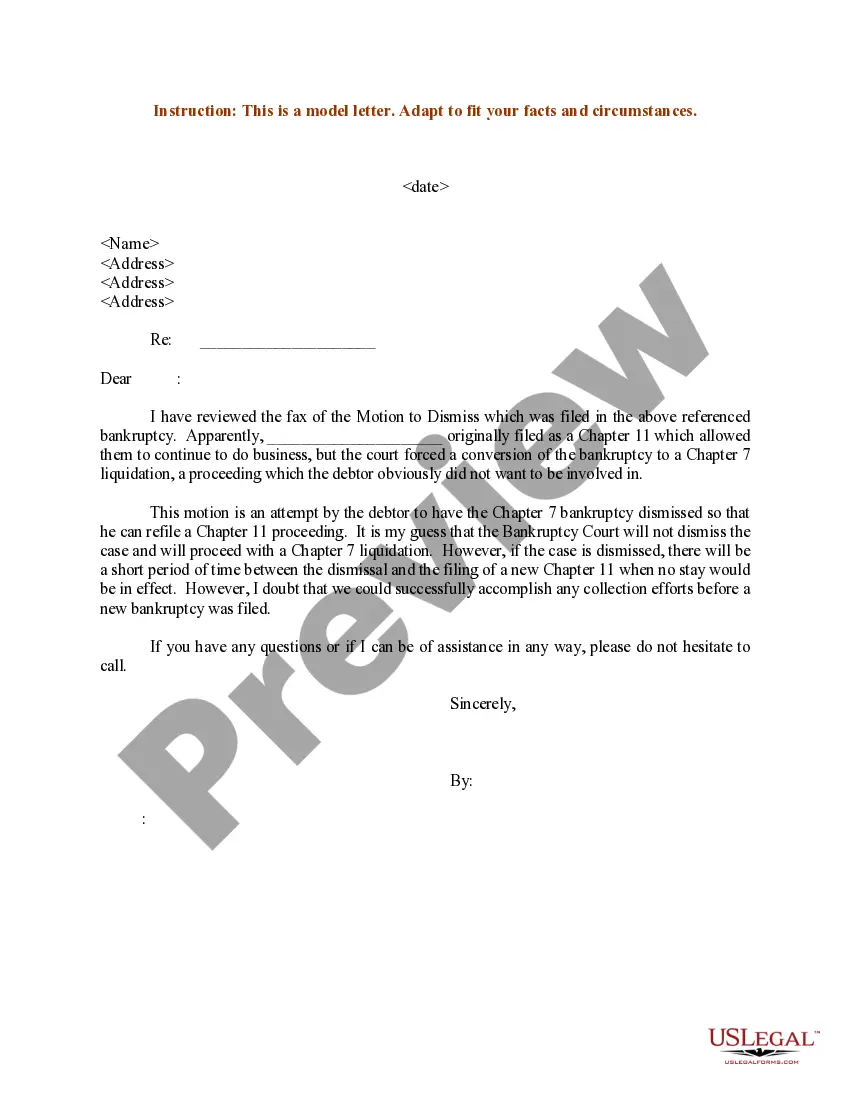
Chapter 7 Motion To Dismiss Sample With Replacement
Description
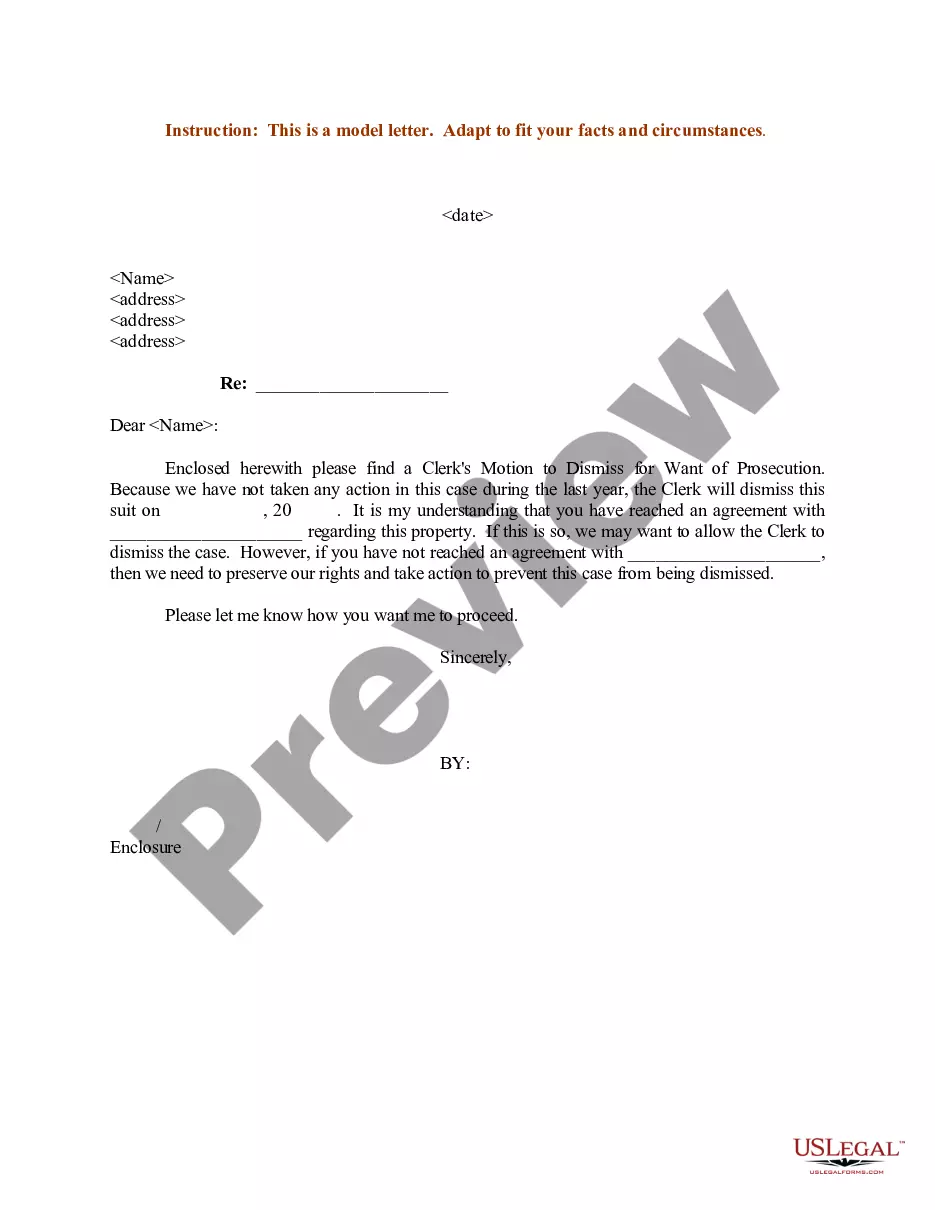
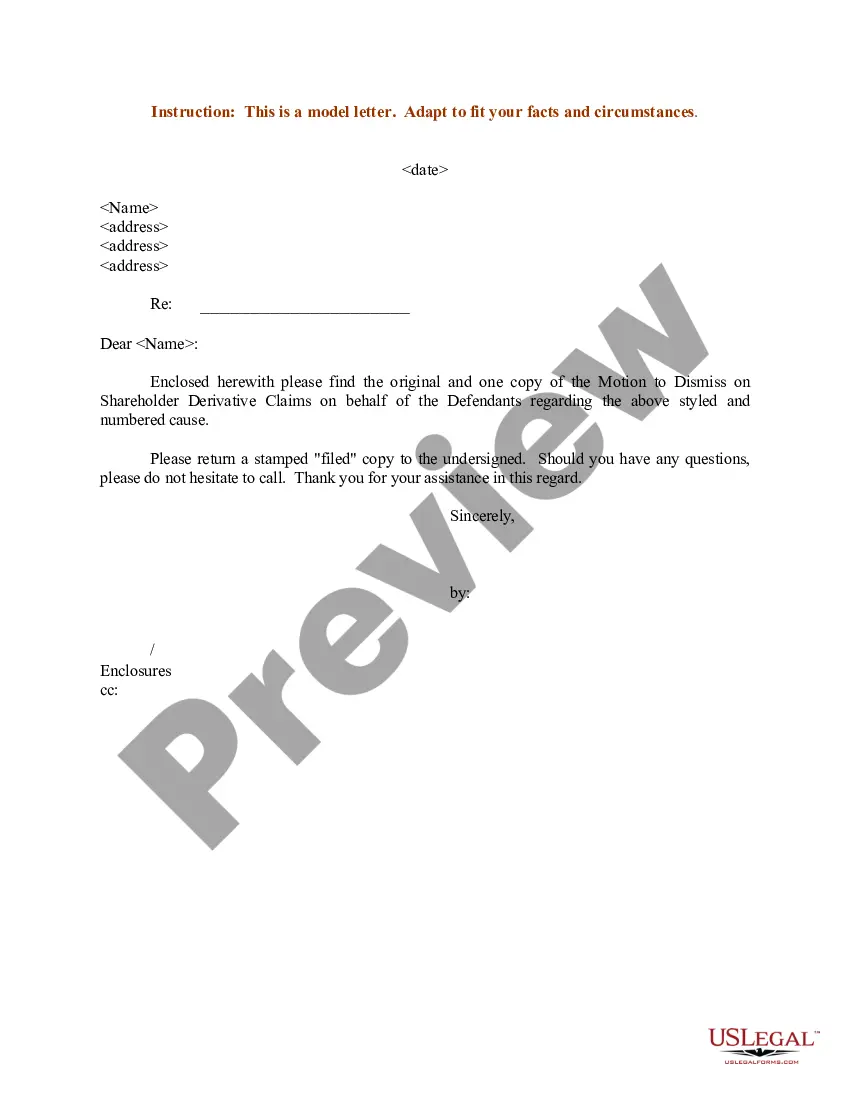
Get your form ready online
Our built-in tools help you complete, sign, share, and store your documents in one place.
Make edits, fill in missing information, and update formatting in US Legal Forms—just like you would in MS Word.
Download a copy, print it, send it by email, or mail it via USPS—whatever works best for your next step.
Sign and collect signatures with our SignNow integration. Send to multiple recipients, set reminders, and more. Go Premium to unlock E-Sign.
If this form requires notarization, complete it online through a secure video call—no need to meet a notary in person or wait for an appointment.
We protect your documents and personal data by following strict security and privacy standards.

Make edits, fill in missing information, and update formatting in US Legal Forms—just like you would in MS Word.

Download a copy, print it, send it by email, or mail it via USPS—whatever works best for your next step.

Sign and collect signatures with our SignNow integration. Send to multiple recipients, set reminders, and more. Go Premium to unlock E-Sign.

If this form requires notarization, complete it online through a secure video call—no need to meet a notary in person or wait for an appointment.

We protect your documents and personal data by following strict security and privacy standards.
Looking for another form?
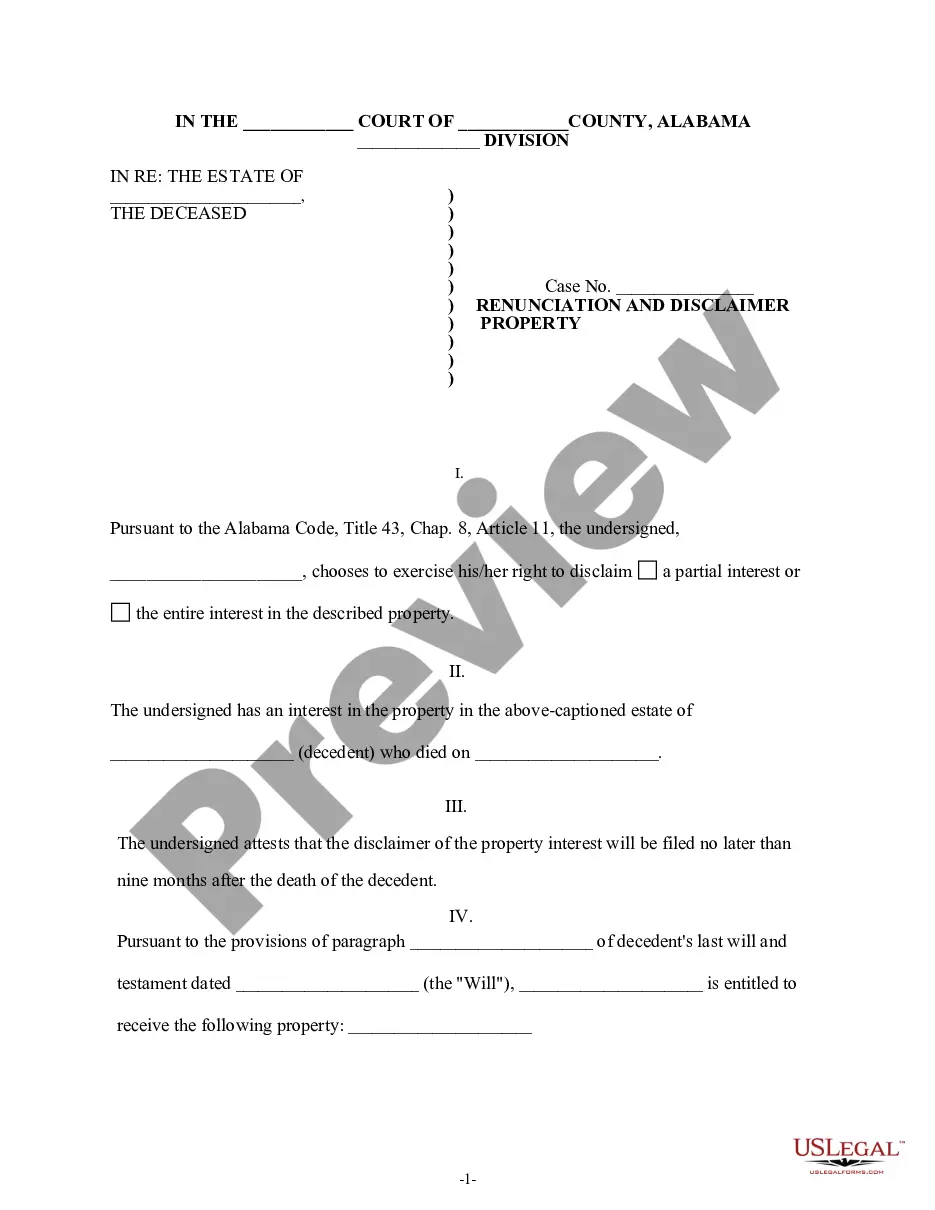
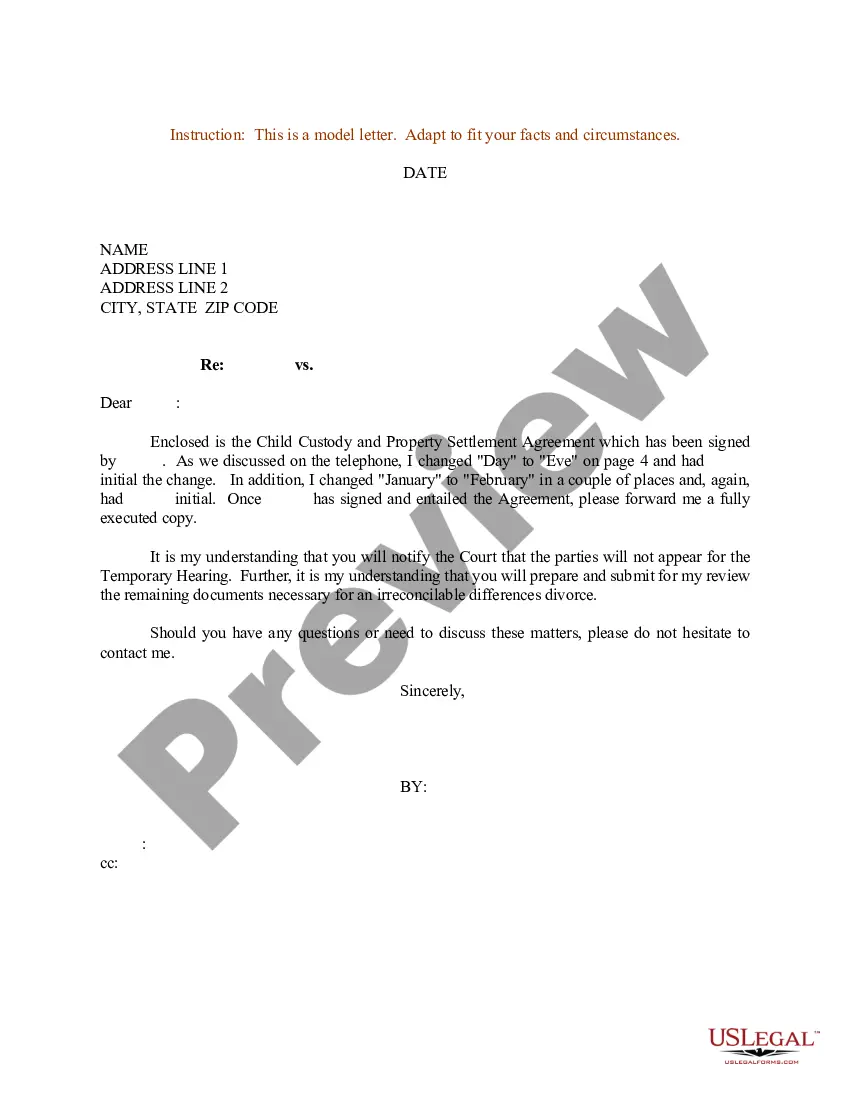
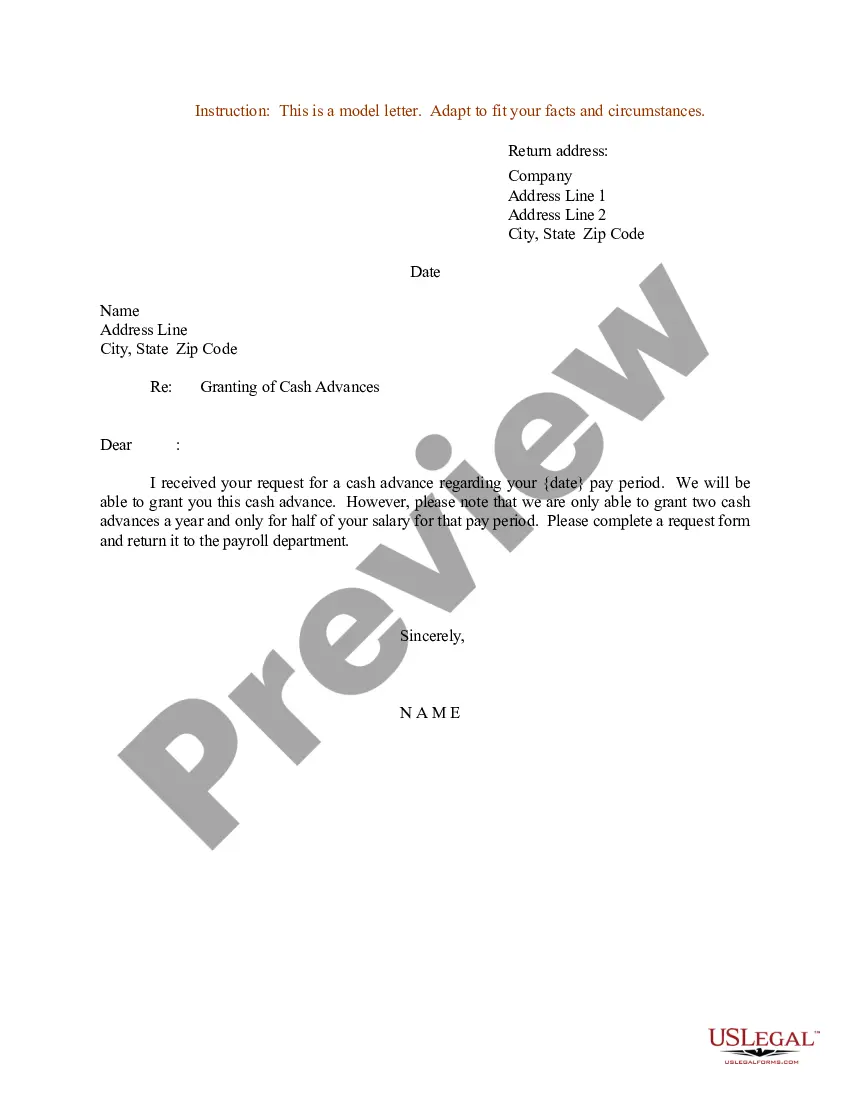
How to fill out Sample Letter For Motion To Dismiss In Referenced Bankruptcy?
It’s well known that you cannot instantly become a legal expert, nor can you swiftly learn how to draft a Chapter 7 Motion To Dismiss Sample With Replacement without possessing a unique set of competencies.
The creation of legal paperwork is a lengthy undertaking that demands specific education and expertise.
So why not entrust the preparation of the Chapter 7 Motion To Dismiss Sample With Replacement to the experts.
You can access your files again from the My documents section anytime.
If you’re a current client, you can simply Log In and find and download the template from the same section.
- Find the document you want by utilizing the search function at the top of the site.
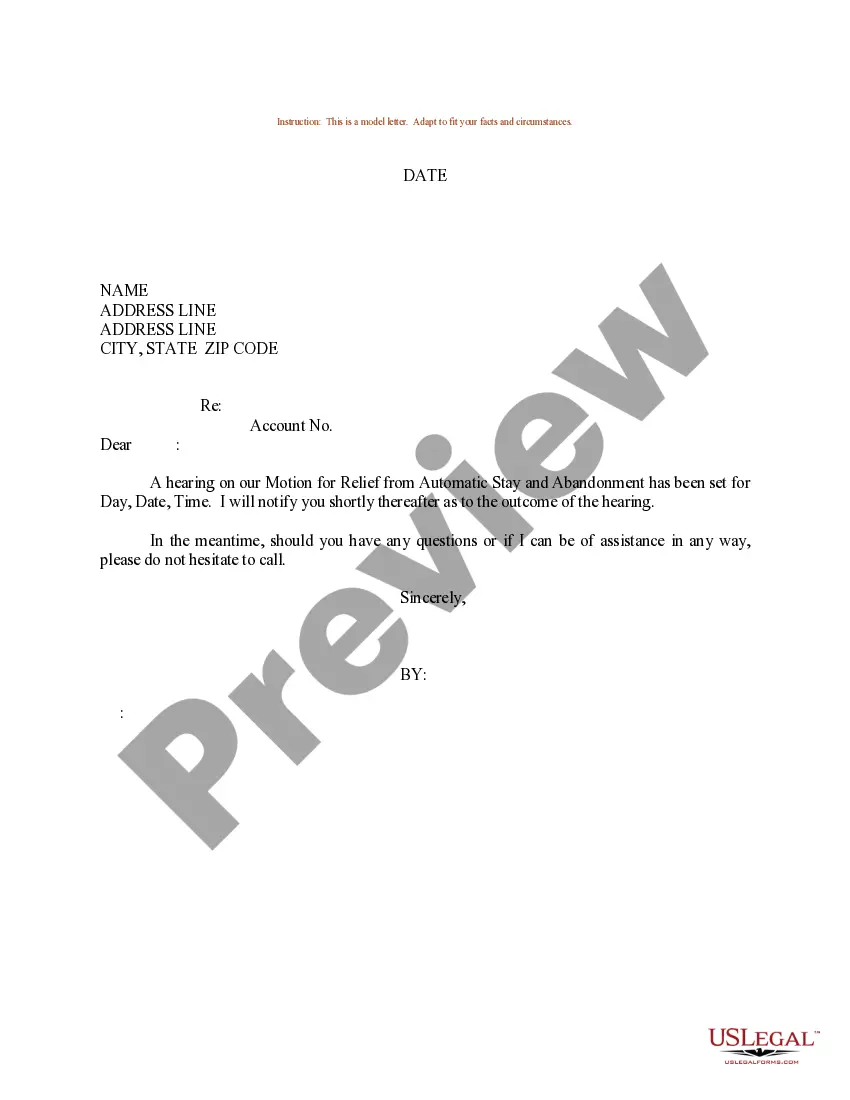
- View it (if this feature is provided) and read the accompanying description to determine if the Chapter 7 Motion To Dismiss Sample With Replacement is what you need.
- If you require another template, start your search again.
- Sign up for a complimentary account and choose a subscription plan to purchase the template.
- Click Buy now. After the payment is finalized, you can obtain the Chapter 7 Motion To Dismiss Sample With Replacement, fill it out, print it, and deliver it or mail it to the intended individuals or organizations.
Form popularity
FAQ
A Chapter 7 bankruptcy will generally discharge unsecured debts, including credit card debt, unsecured personal loans, medical bills and payday loans.
This subsection allows a bankruptcy court to dismiss an individual consumer chapter 7 bankruptcy if the debtor filed the bankruptcy in bad faith or if the totality of the circumstances of the debtor's financial situation demonstrates abuse of chapter 7.
In many cases, Chapter 7 bankruptcy is a better fit than Chapter 13 bankruptcy. For instance, not only is Chapter 7 quicker, many people prefer the following two things as well: filers keep all or most of their property, and. filers don't pay creditors through a three- to five-year Chapter 13 repayment plan.
Banking institutions and insurance companies engaged in business in this country are excluded from liquidation under the bankruptcy laws because they are bodies for which alternate provision is made for their liquidation under various State or Federal regulatory laws.
The biggest difference between Chapter 7 and Chapter 13 is that Chapter 7 focuses on discharging (getting rid of) unsecured debt such as credit cards, personal loans and medical bills while Chapter 13 allows you to catch up on secured debts like your home or your car while also discharging unsecured debt.