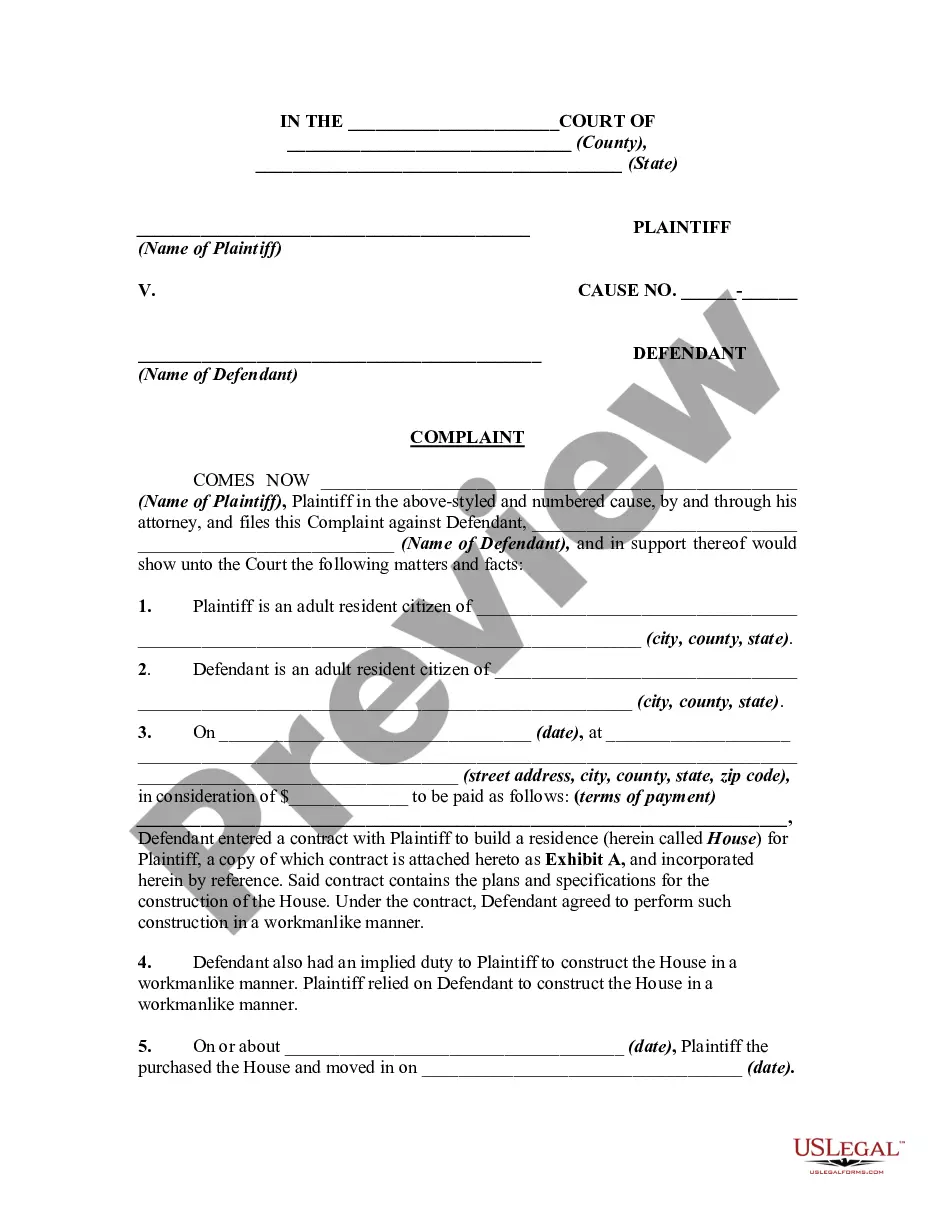
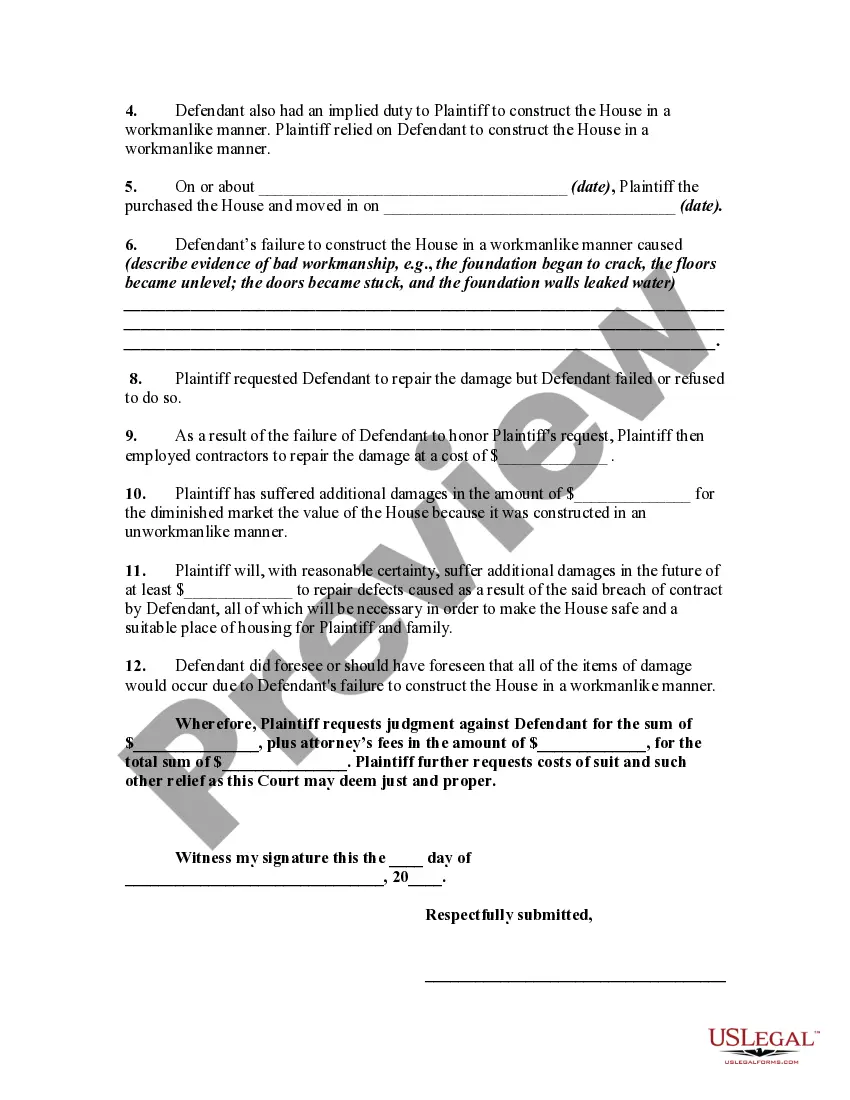
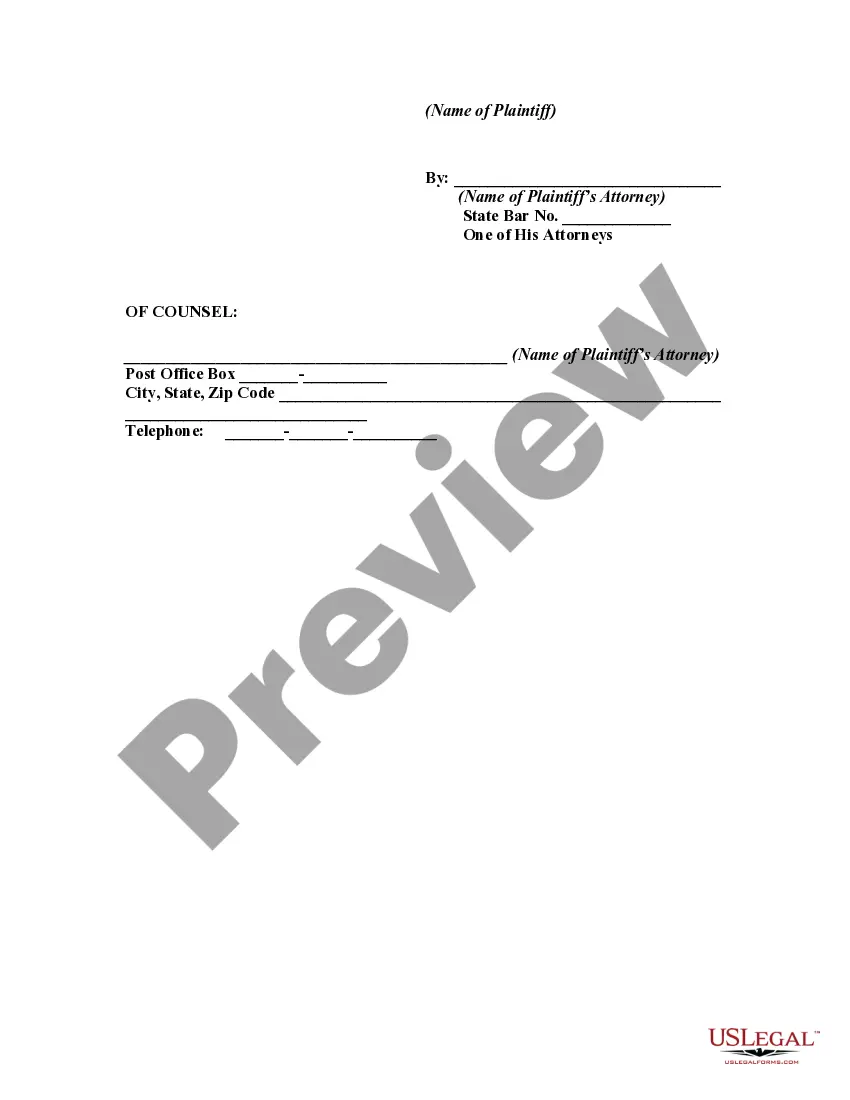
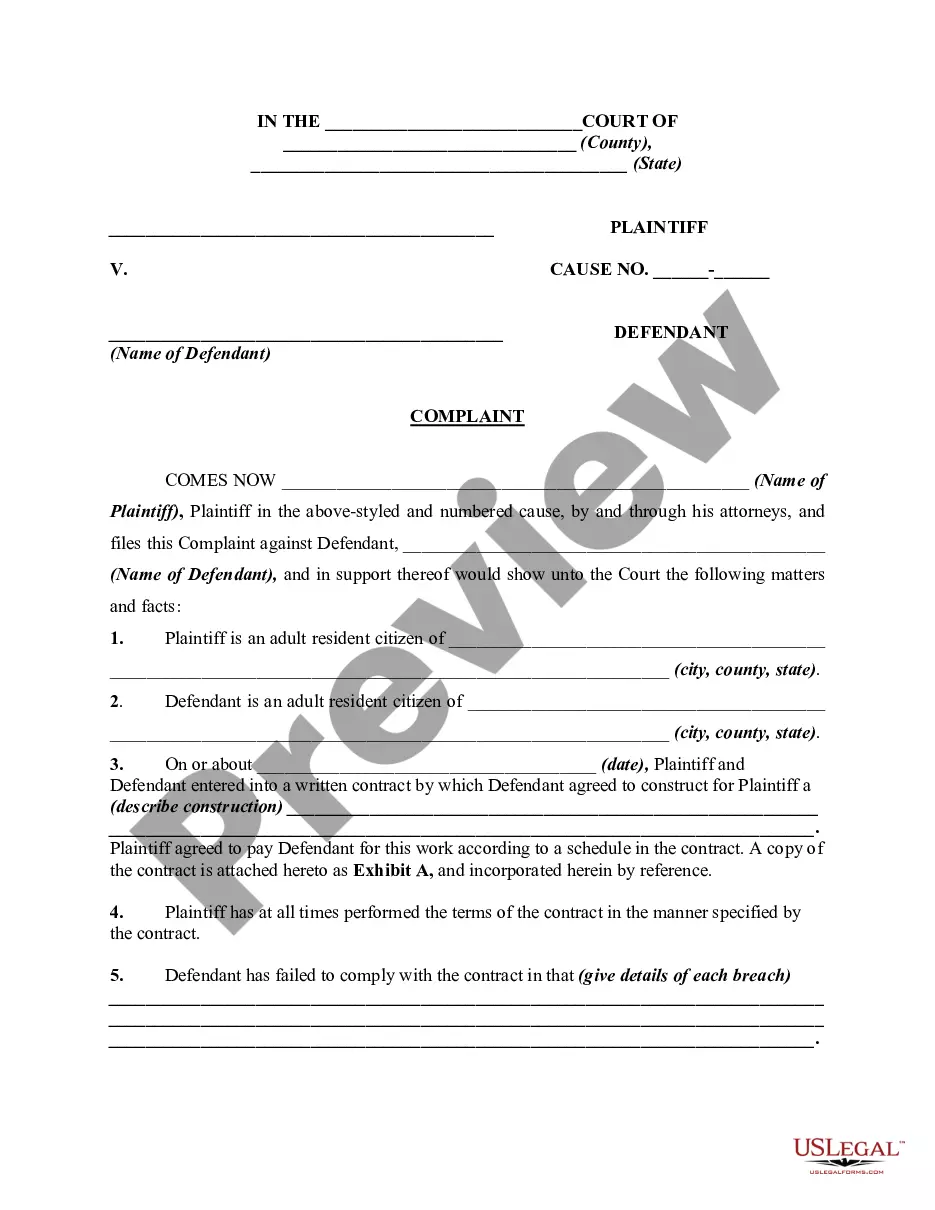
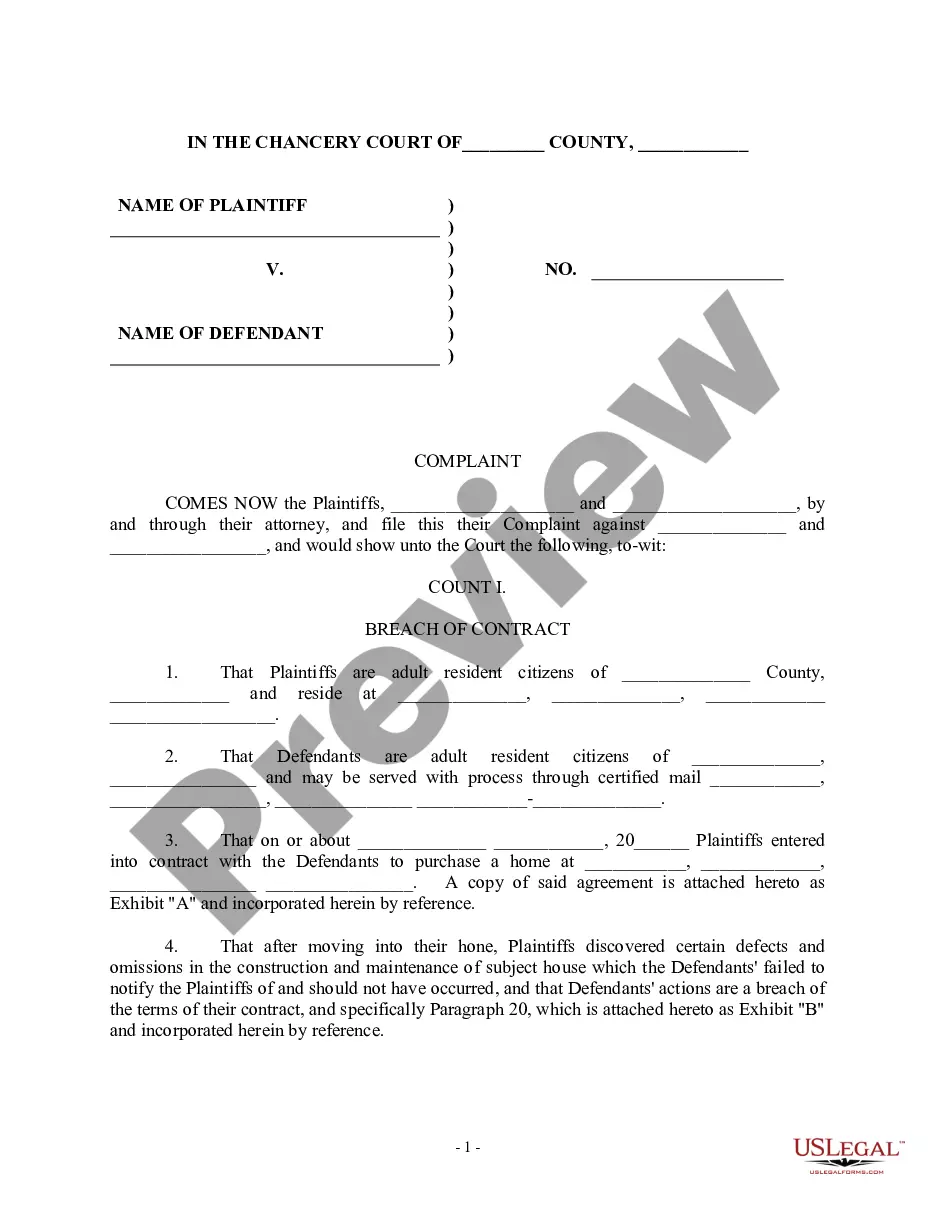
Complaint Against Builder Format
Description
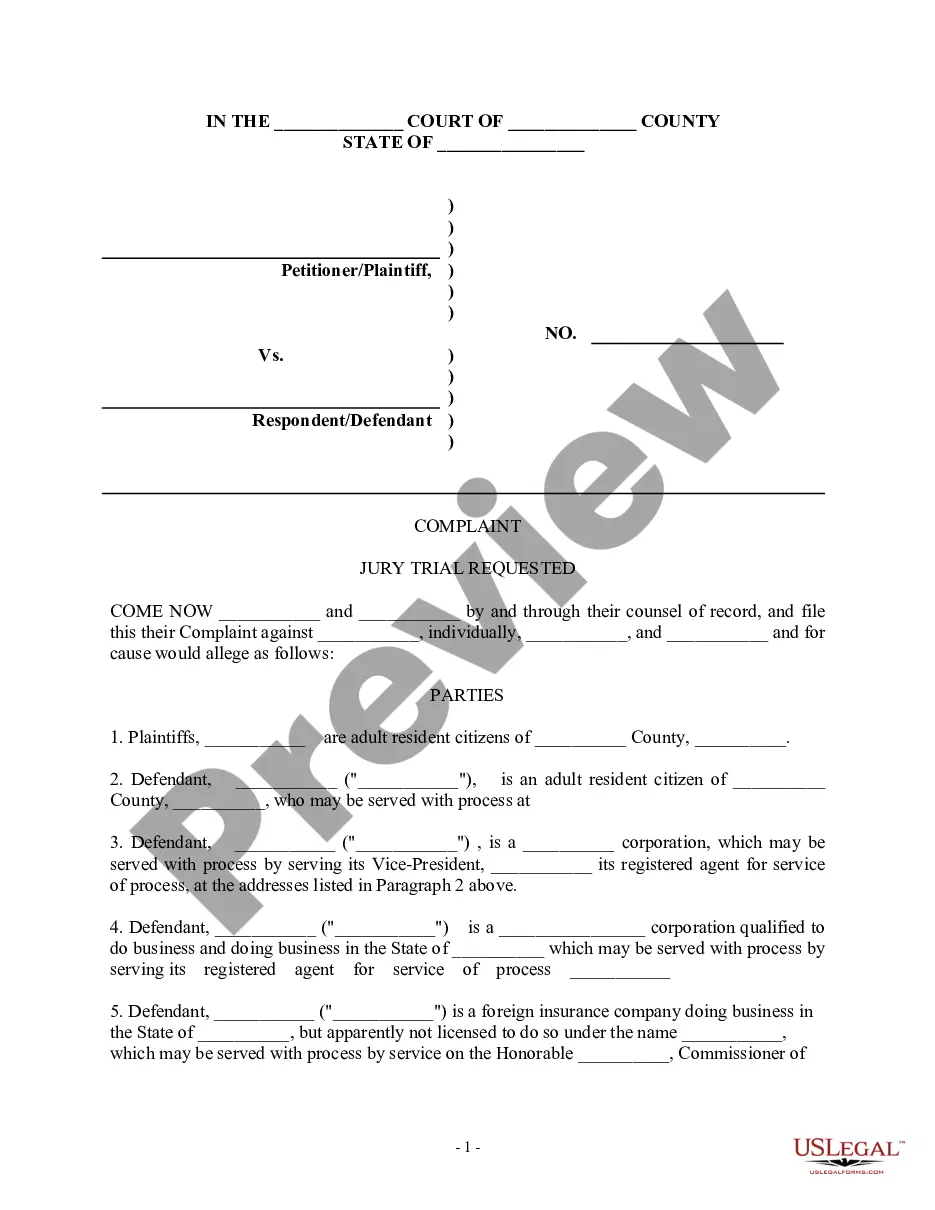

Get your form ready online
Our built-in tools help you complete, sign, share, and store your documents in one place.
Make edits, fill in missing information, and update formatting in US Legal Forms—just like you would in MS Word.
Download a copy, print it, send it by email, or mail it via USPS—whatever works best for your next step.
Sign and collect signatures with our SignNow integration. Send to multiple recipients, set reminders, and more. Go Premium to unlock E-Sign.
If this form requires notarization, complete it online through a secure video call—no need to meet a notary in person or wait for an appointment.
We protect your documents and personal data by following strict security and privacy standards.

Make edits, fill in missing information, and update formatting in US Legal Forms—just like you would in MS Word.

Download a copy, print it, send it by email, or mail it via USPS—whatever works best for your next step.

Sign and collect signatures with our SignNow integration. Send to multiple recipients, set reminders, and more. Go Premium to unlock E-Sign.

If this form requires notarization, complete it online through a secure video call—no need to meet a notary in person or wait for an appointment.

We protect your documents and personal data by following strict security and privacy standards.
Looking for another form?





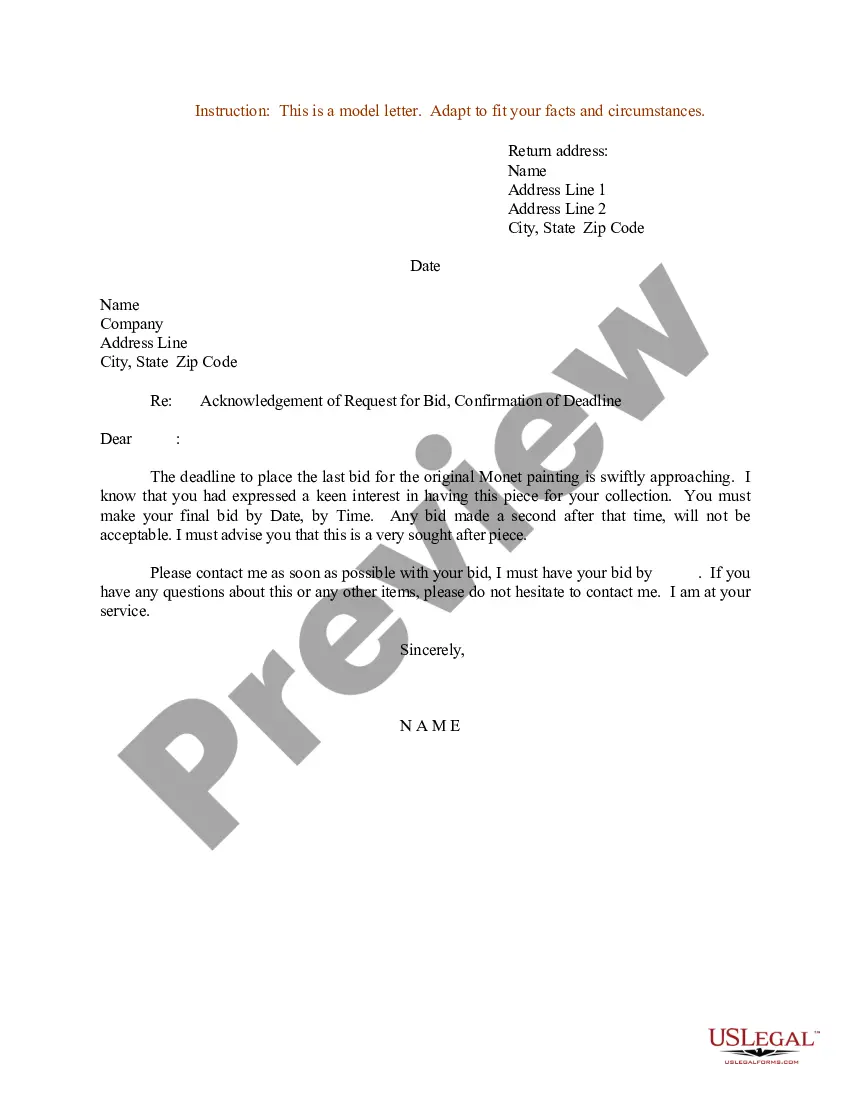

How to fill out Complaint Against Builder For Costs Of Repairs Made And To Be Made To House Not Constructed In Workmanlike Manner?
Whether for commercial reasons or for personal affairs, everyone must encounter legal circumstances at some point in their life.
Completing legal documents requires meticulous consideration, starting from choosing the suitable form template.
Select your payment method: you can opt for a credit card or PayPal account. Choose the file format you prefer and download the Complaint Against Builder Format. Once saved, you can complete the form using editing software or print it out to fill in manually. With an extensive US Legal Forms catalog available, you need not waste time searching for the right sample online. Utilize the library's straightforward navigation to locate the suitable template for any occasion.
- For instance, if you select an incorrect version of a Complaint Against Builder Format, it will be rejected upon submission.
- Thus, it is crucial to obtain a trustworthy resource for legal documents like US Legal Forms.
- If you need to acquire a Complaint Against Builder Format template, adhere to these straightforward steps.
- Search for the sample you require by using the search feature or catalog navigation.
- Review the form’s description to confirm it corresponds with your circumstances, state, and county.
- Click on the form’s preview to inspect it.
- If it is the incorrect form, return to the search function to find the proper Complaint Against Builder Format sample you need.
- Download the document when it fulfills your specifications.
- If you possess a US Legal Forms account, simply click Log in to retrieve previously saved documents in My documents.
- If you do not have an account yet, you can obtain the form by clicking Buy now.
- Choose the appropriate pricing option.
- Fill out the account registration form.
Form popularity
FAQ
You are the lessee and the owner of the equipment, or the lender, is the lessor in a lease agreement. Once the lease period ends, the equipment is returned to the owner. In some cases, you may have the option to buy the equipment.
For example, a manufacturer might lease a production machine under a capital lease because they'll use the equipment daily over a number of years. A company with a warehouse might lease forklifts for the same reason. Many capital leases allow the lessee to purchase the equipment at the end of the term.
The lessee records the leased right as an item of property, plant, and equipment, which is then depreciated over its useful life to the lessee. The lessee must also record a liability reflecting the obligation to make continuing payments under the lease agreement, similar to the accounting for a note payable.
Equipment Lease Types Operating Leases. An operating lease is a contract that permits one company to use another company's equipment in exchange for fixed monthly payments over a specific period of time. ... Finance Leases (or Capital Leases) ... $1 Buyout Lease. ... Purchase Option Lease. ... Sale-Leaseback (or Leaseback) ... TRAC Lease.
Yes, Microsoft Word has a free lease agreement template that you can customize to create your own contract and minimize any potential problems between tenant and landlord.
Every equipment lease should include the following fundamental contract elements: Lessor: The equipment owner who will be renting out the equipment. Lessee: The renter who will be paying for the privilege to use the gear. Term: The length of time the lessee will lease the equipment.
The Colorado Standard Residential Lease Agreement is a document that enables a landlord and tenant to solidify an arrangement wherein the tenant rents a residential property for a one (1) year term in exchange for monthly rent payments.