Hoa Lien
Description
Get your form ready online
Our built-in tools help you complete, sign, share, and store your documents in one place.
Make edits, fill in missing information, and update formatting in US Legal Forms—just like you would in MS Word.
Download a copy, print it, send it by email, or mail it via USPS—whatever works best for your next step.
Sign and collect signatures with our SignNow integration. Send to multiple recipients, set reminders, and more. Go Premium to unlock E-Sign.
If this form requires notarization, complete it online through a secure video call—no need to meet a notary in person or wait for an appointment.
We protect your documents and personal data by following strict security and privacy standards.

Make edits, fill in missing information, and update formatting in US Legal Forms—just like you would in MS Word.

Download a copy, print it, send it by email, or mail it via USPS—whatever works best for your next step.

Sign and collect signatures with our SignNow integration. Send to multiple recipients, set reminders, and more. Go Premium to unlock E-Sign.

If this form requires notarization, complete it online through a secure video call—no need to meet a notary in person or wait for an appointment.

We protect your documents and personal data by following strict security and privacy standards.
Looking for another form?


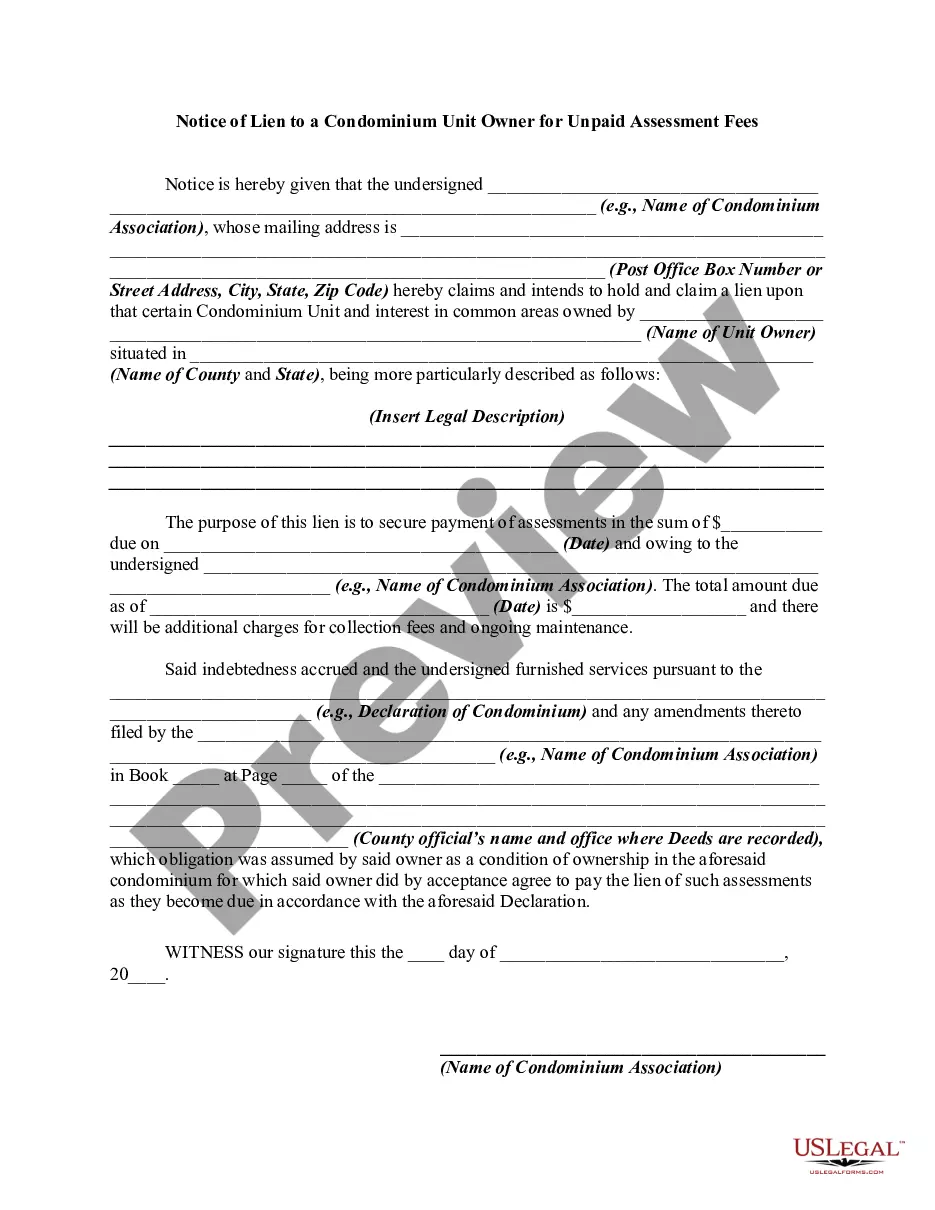
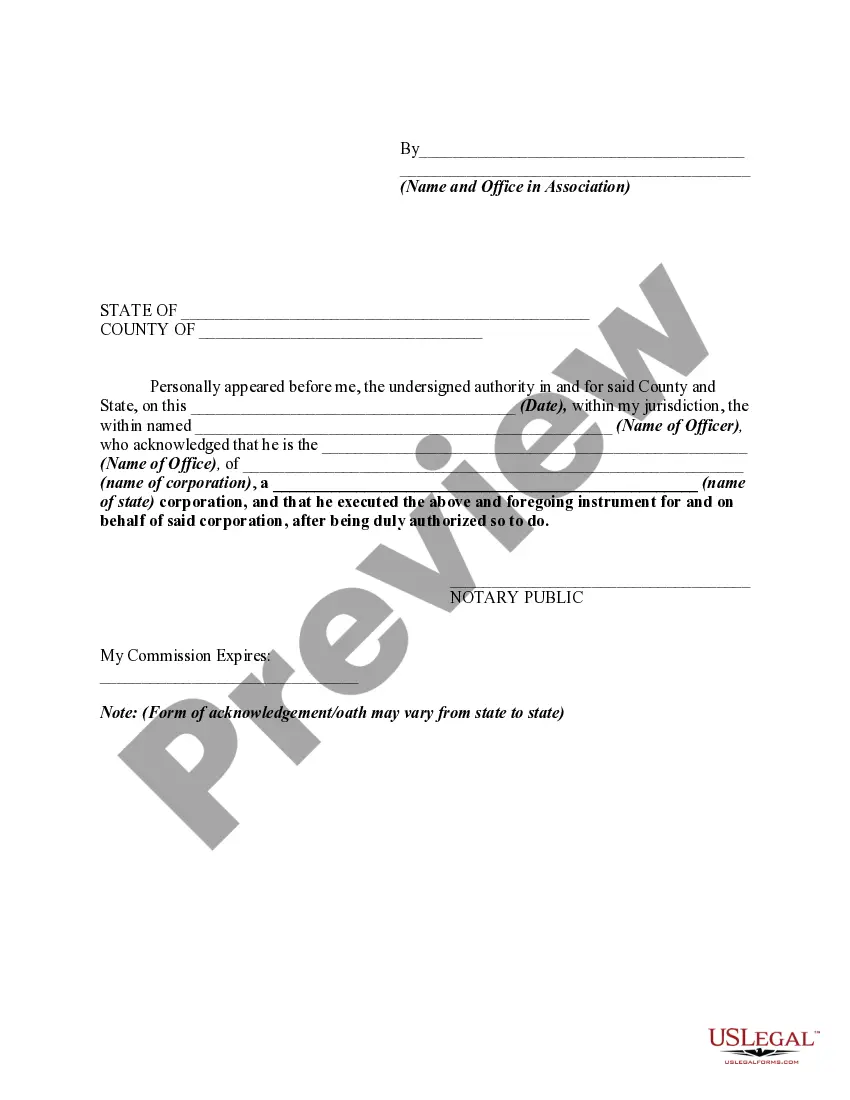
How to fill out Notice Of Lien To A Condominium Unit Owner For Unpaid Assessment Fees?
- If you already have an account, log in to download your preferred form. Please confirm your subscription is active; if not, renew it based on your selected plan.
- For new users, start by exploring the Preview mode and reading the form description to ensure you select the correct 'Hoa lien' form that aligns with local jurisdiction requirements.
- Should you require a different template, utilize the Search tab at the top to find the right document.
- Once you’ve found your desired form, click on the Buy Now button to select your subscription plan. You will need to create an account to access the complete library.
- Complete your purchase by entering your payment details, either via credit card or PayPal.
- Finally, download the filled template onto your device and access it anytime from the My Forms section of your profile.
In conclusion, US Legal Forms empowers users with its vast collection of legal documents, providing accessible resources and expert assistance to ensure each form is completed correctly. Don't hesitate; start your legal journey now!
Explore the library today and take control of your legal needs!
Form popularity
FAQ
A lien can significantly harm your credit score. When a HOA lien is reported, it becomes part of your credit history and can flag you as a high-risk borrower. This negative mark may lower your credit score, which could affect your ability to obtain loans or favorable interest rates. Understanding the implications of a HOA lien is crucial; address any issues swiftly to minimize the impact.
Typically, a homeowners association does not directly report to credit bureaus. However, if a HOA lien is placed on your property and remains unpaid, that information could eventually reach the bureaus through a third party. This means the status of your HOA lien could impact your credit record if the debt goes to collections. Keeping up with your HOA payments can prevent these situations from arising.
Yes, a HOA lien can affect your credit score. If the homeowners association places a lien on your property due to unpaid dues, it may be reported to credit bureaus. This report can lower your credit score, making it tougher for you to secure loans or mortgages. To protect your credit standing, it’s essential to address any issues with HOA payments promptly.
In Illinois, the regulation of homeowners associations falls under the Illinois Department of Financial and Professional Regulation. This body oversees the creation and management of HOAs, ensuring they adhere to the state's laws. Residents can contact this department for assistance or clarification about HOA rules and disputes. For overcoming challenges with your HOA, consider resources available through US Legal Forms to navigate common legal issues.
Filing against an HOA involves several steps, beginning with reviewing your community's governing documents. If you believe the HOA has violated its rules or failed to maintain common areas, gather evidence and reach out to your HOA board. If the issue persists, you can file a formal complaint with the state agency overseeing HOAs or consider legal action. Resources from US Legal Forms can guide you through filing processes when pursuing a case against an HOA.
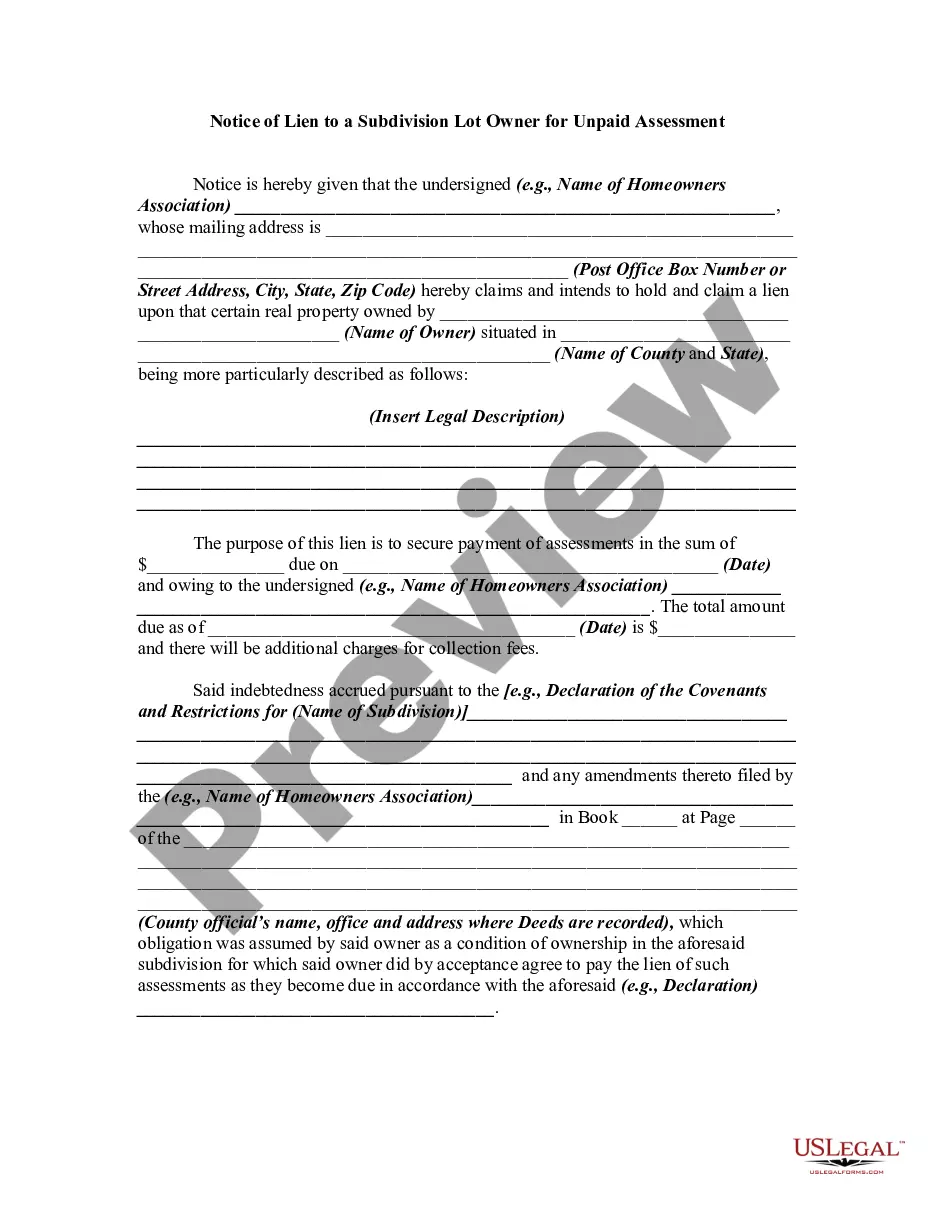
To file an HOA lien, start by collecting all necessary documentation, including any overdue payments and account records. Next, you will need to draft a formal lien notice, specifying the amounts owed. After that, file your notice with the appropriate local authority, ensuring compliance with state laws regarding HOA liens. Utilizing platforms like US Legal Forms can simplify this process, offering templates tailored for HOA liens.
A lien HOA refers to a legal claim by a homeowners association on a property due to unpaid assessments or fees. This claim ensures that the association receives the necessary funds for community maintenance and services. Being informed about lien HOAs can help homeowners manage their responsibilities and maintain a good standing within their community.
Yes, HOA can place a lien on your house in Maryland for unpaid dues or assessments. Maryland law allows homeowners associations to enforce these liens to recover outstanding debts. It is important for homeowners to understand their obligations, as resolving disputes early can prevent a lien from affecting your property ownership.
Yes, an HOA lien can impact your credit score negatively. If the association reports the unpaid dues to credit bureaus or if the lien results in a foreclosure, it could significantly hurt your credit rating. Staying current with HOA fees is essential to avoid such long-term financial consequences.
To remove an HOA lien, you must first settle the outstanding debts with the association. Payment of the owed amount, including any fees or interest, typically clears the lien. Additionally, contacting a legal expert or using platforms like USLegalForms can help guide you through the process and ensure that all legal requirements are met effectively.