Hoa Full
Description
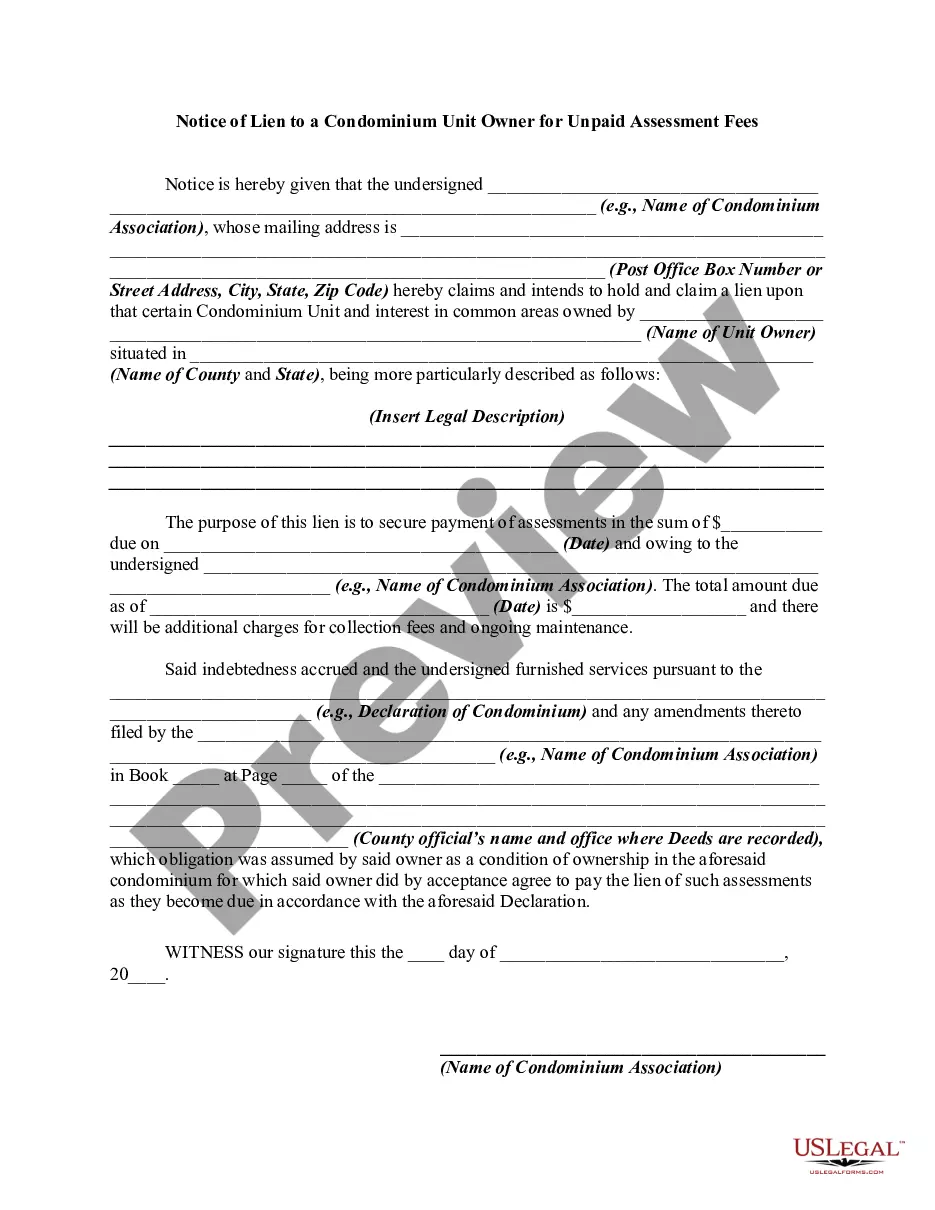
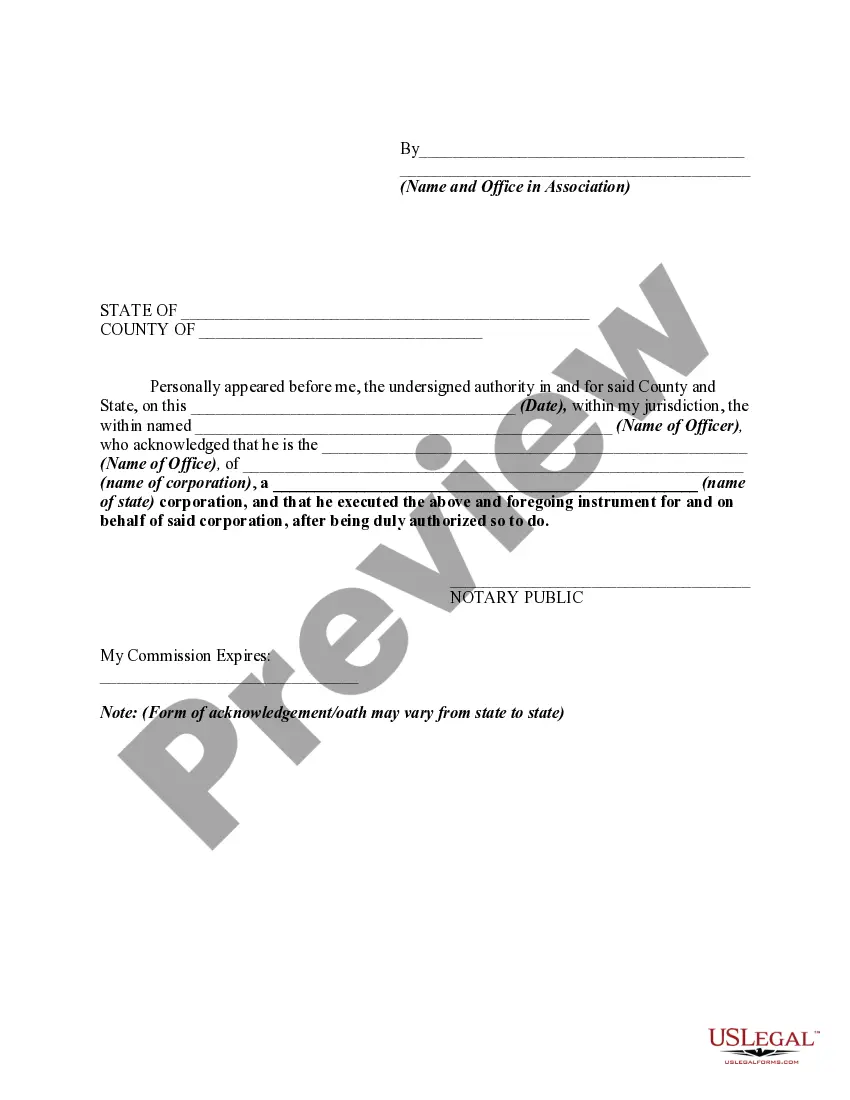
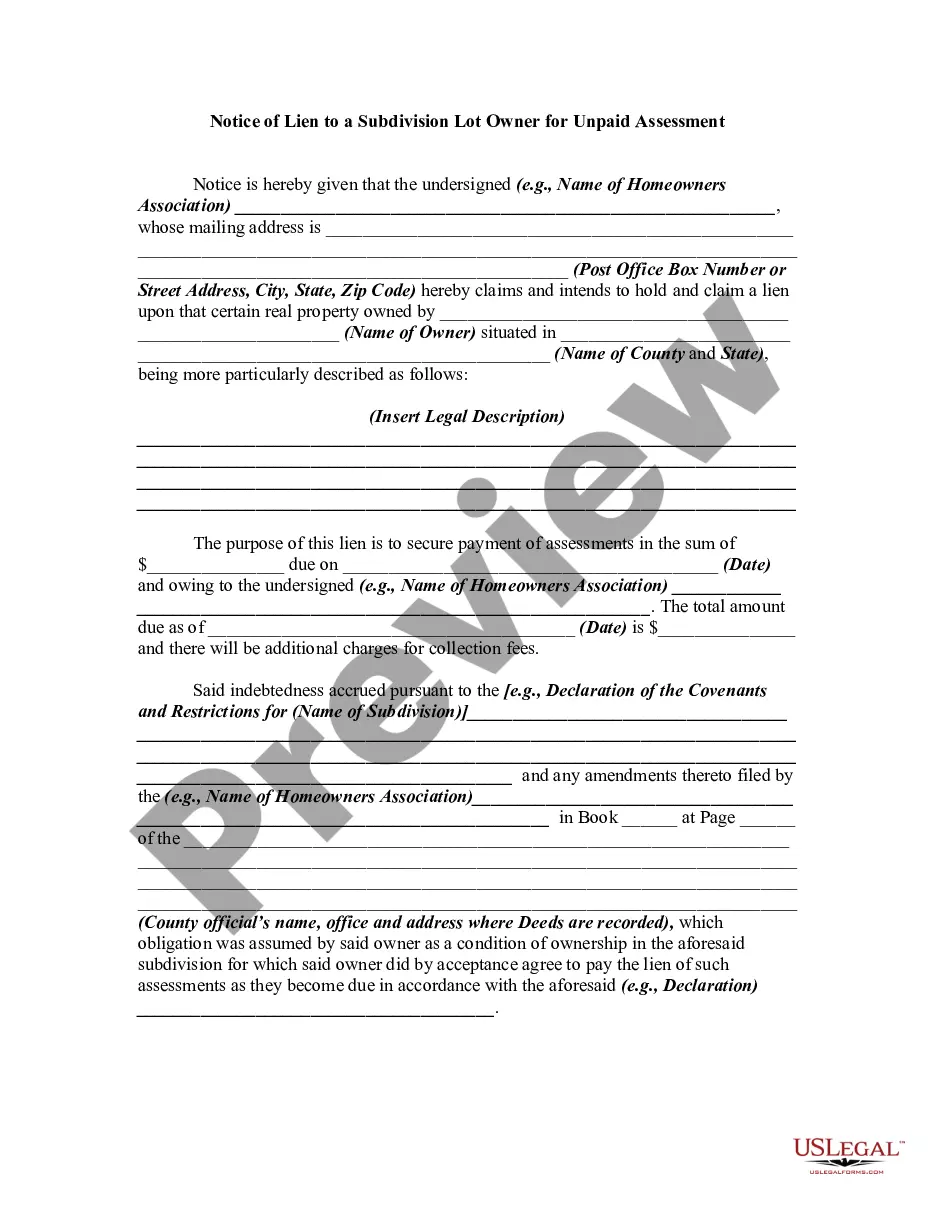
Get your form ready online
Our built-in tools help you complete, sign, share, and store your documents in one place.
Make edits, fill in missing information, and update formatting in US Legal Forms—just like you would in MS Word.
Download a copy, print it, send it by email, or mail it via USPS—whatever works best for your next step.
Sign and collect signatures with our SignNow integration. Send to multiple recipients, set reminders, and more. Go Premium to unlock E-Sign.
If this form requires notarization, complete it online through a secure video call—no need to meet a notary in person or wait for an appointment.
We protect your documents and personal data by following strict security and privacy standards.

Make edits, fill in missing information, and update formatting in US Legal Forms—just like you would in MS Word.

Download a copy, print it, send it by email, or mail it via USPS—whatever works best for your next step.

Sign and collect signatures with our SignNow integration. Send to multiple recipients, set reminders, and more. Go Premium to unlock E-Sign.

If this form requires notarization, complete it online through a secure video call—no need to meet a notary in person or wait for an appointment.

We protect your documents and personal data by following strict security and privacy standards.
Looking for another form?



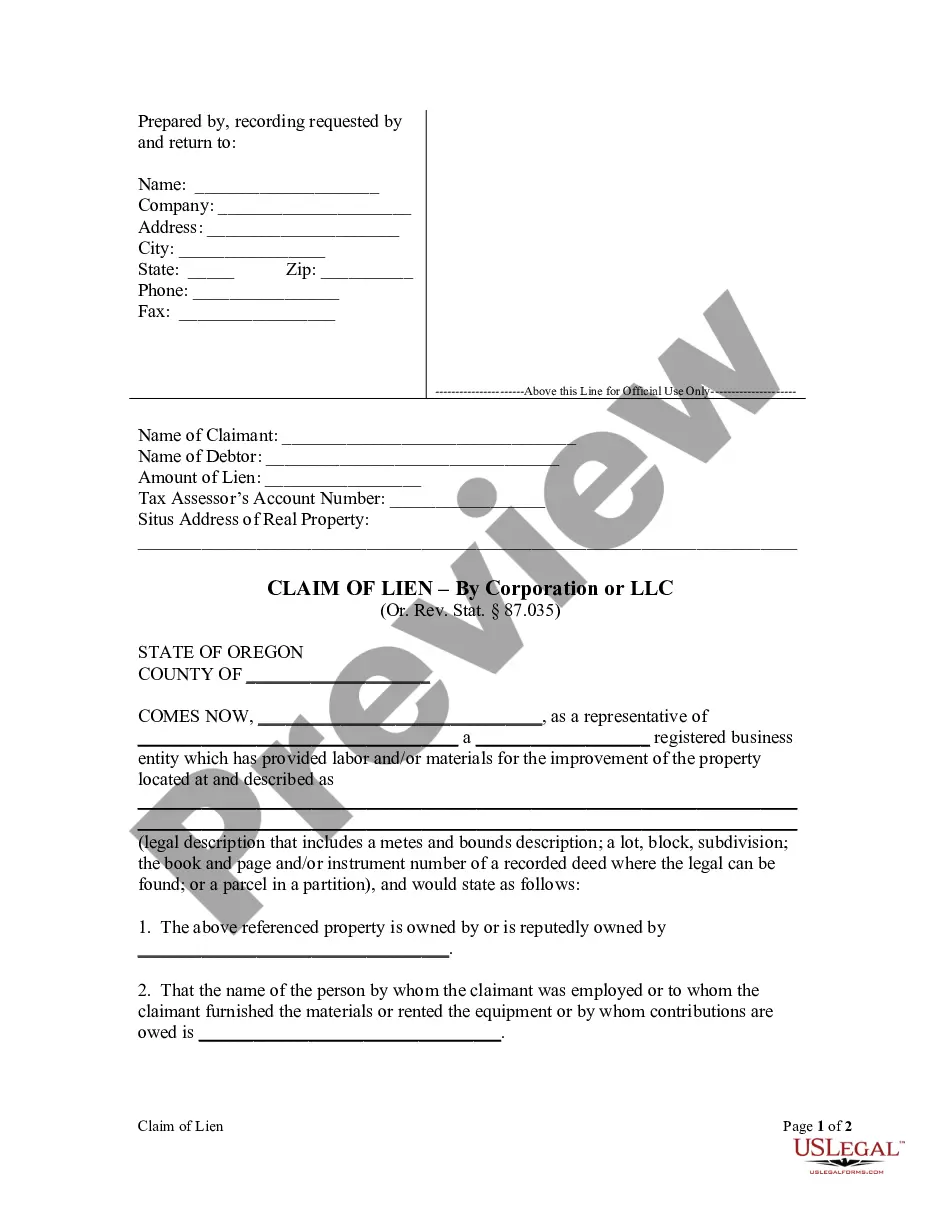
How to fill out Notice Of Lien To A Condominium Unit Owner For Unpaid Assessment Fees?
- Begin by logging into your account at US Legal Forms. If you're a new user, proceed to the next step.
- Preview the available forms to select the one that fits your legal needs. Ensure it adheres to local jurisdiction requirements.
- Use the search function to find other templates if necessary. Aim to confirm clarity and completeness before proceeding.
- Select your desired document by clicking 'Buy Now' and choose an appropriate subscription plan. Creating an account is essential for accessing the document library.
- Complete your purchase by entering your payment information using your credit card or PayPal account.
- Finally, download the form to your device, which will also be available in the My Forms section of your profile for future access.
By following these steps, you can easily navigate the US Legal Forms platform and secure the legal documents you need.
Get started today with US Legal Forms to experience the benefits of a robust library of over 85,000 legal forms!
Form popularity
FAQ
Many residents grapple with HOA rules due to their sometimes restrictive nature, which can be perceived as intrusive. Homeowners may feel frustration over enforcement policies and potential fines. Moreover, when communication lacks transparency or responsiveness, negativity can build. However, being involved can lead to improvements in your experience, and resources like uslegalforms can help homeowners understand their rights.
HOAs exist to promote uniformity, safety, and property value within communities. They help create a structured environment by enforcing rules that govern property maintenance and shared spaces. HOAs also provide amenities, organize events, and facilitate communication among residents. Ultimately, they aim to enhance the quality of life for homeowners within their jurisdictions.
Getting around HOA rules can be tricky, as these rules are legally binding. Instead of avoiding them, consider engaging with your HOA to discuss potential modifications or exceptions for your situation. You might find that open communication leads to understanding without the need for workarounds. If you need assistance navigating these regulations, platforms like uslegalforms can offer valuable resources.
Yes, many homeowners appreciate their HOA for maintaining property values and ensuring community aesthetics. Some residents enjoy the social activities and neighborhood events organized by the HOA. The HOA can foster a sense of community, which some individuals find valuable. However, opinions vary, and experiences depend on individual interactions with the HOA management.
If you refuse to comply with the HOA rules, you may face several consequences, such as fines or legal action. The HOA holds the power to enforce its regulations through assessments to ensure community standards. In extreme cases, continued refusal could lead to a lien against your property. Understanding your rights and responsibilities is crucial in navigating the complexities of your HOA situation.
The federal tax return for an HOA may depend on its type and income level. Most HOAs complete Form 1120-H, which is designed specifically for homeowners associations. This form allows for the appropriate reporting of income and expenses, ensuring compliance with federal tax requirements. A full knowledge of the filing process contributes to smooth operations for your HOA.
Typically, HOA fees are not tax deductible unless they are related to specific deductible expenses like rental properties or home offices. Homeowners must clearly understand what constitutes deductible expenses under IRS guidelines. By achieving a full understanding of deductible allowances, homeowners can maximize their financial benefits concerning HOA fees. Consulting a tax advisor may provide further clarity.
HOAs are not inherently subject to limits; however, state laws and individual governing documents often impose certain restrictions. These may relate to fees, assessments, or the number of properties within the community. It's beneficial to fully understand these limits as they can affect your HOA's operations and longevity. Therefore, consult your governing documents and local laws for precise information.
The IRS classifies HOAs as either nonprofit organizations or corporations, depending on their structure. Nonprofit HOAs may enjoy certain tax exemptions, but must still meet specific filing requirements. An HOA full compliance with IRS rulings is essential for maintaining tax advantages and ensuring the financial health of the association. Familiarizing yourself with IRS guidelines can help your HOA operate effectively.
If an HOA does not file its taxes, it may face significant penalties from the IRS. These can include fines, interest on unpaid taxes, and potential loss of tax-exempt status. Additionally, the HOA’s members may encounter increased fees or special assessments to cover any unexpected financial issues resulting from tax noncompliance. Gaining a full grasp of HOA tax responsibilities can prevent such situations.