Condominium Owner Without Hoa Fees
Description
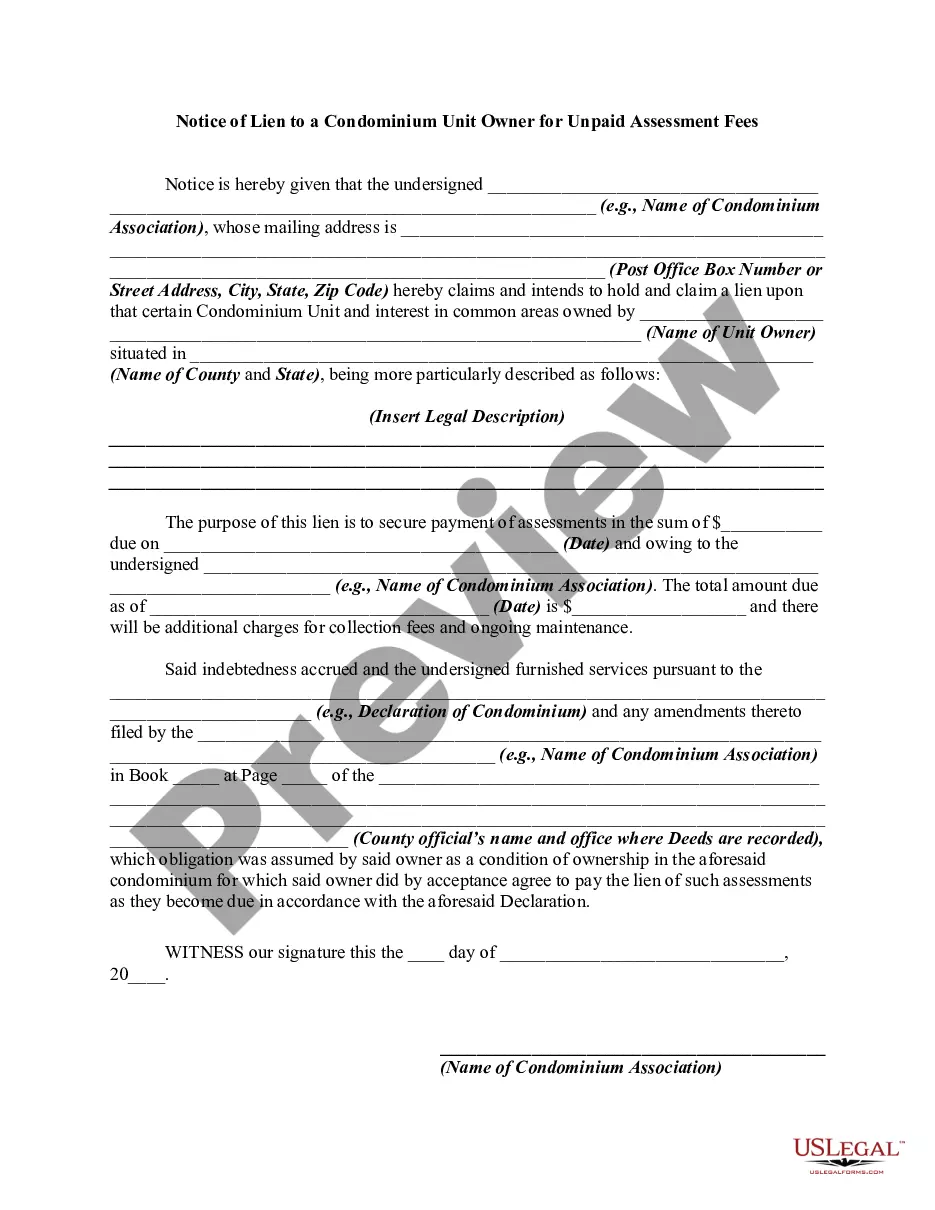
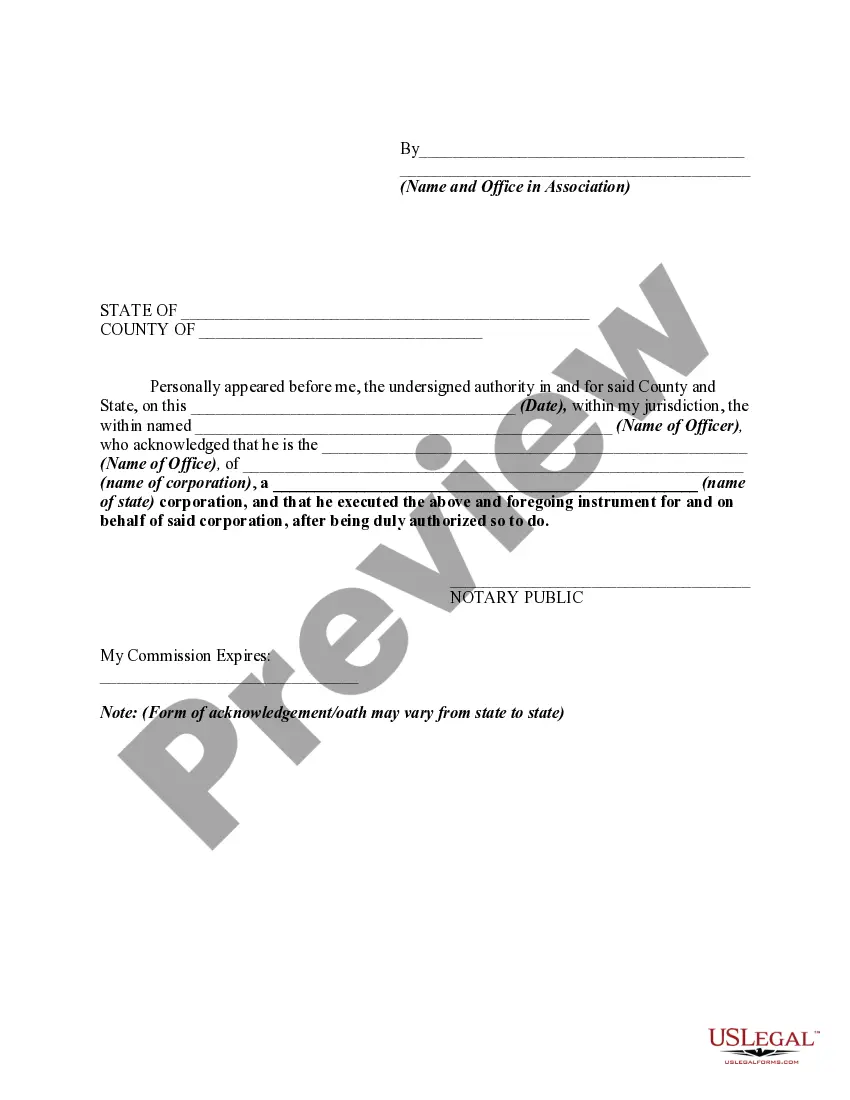
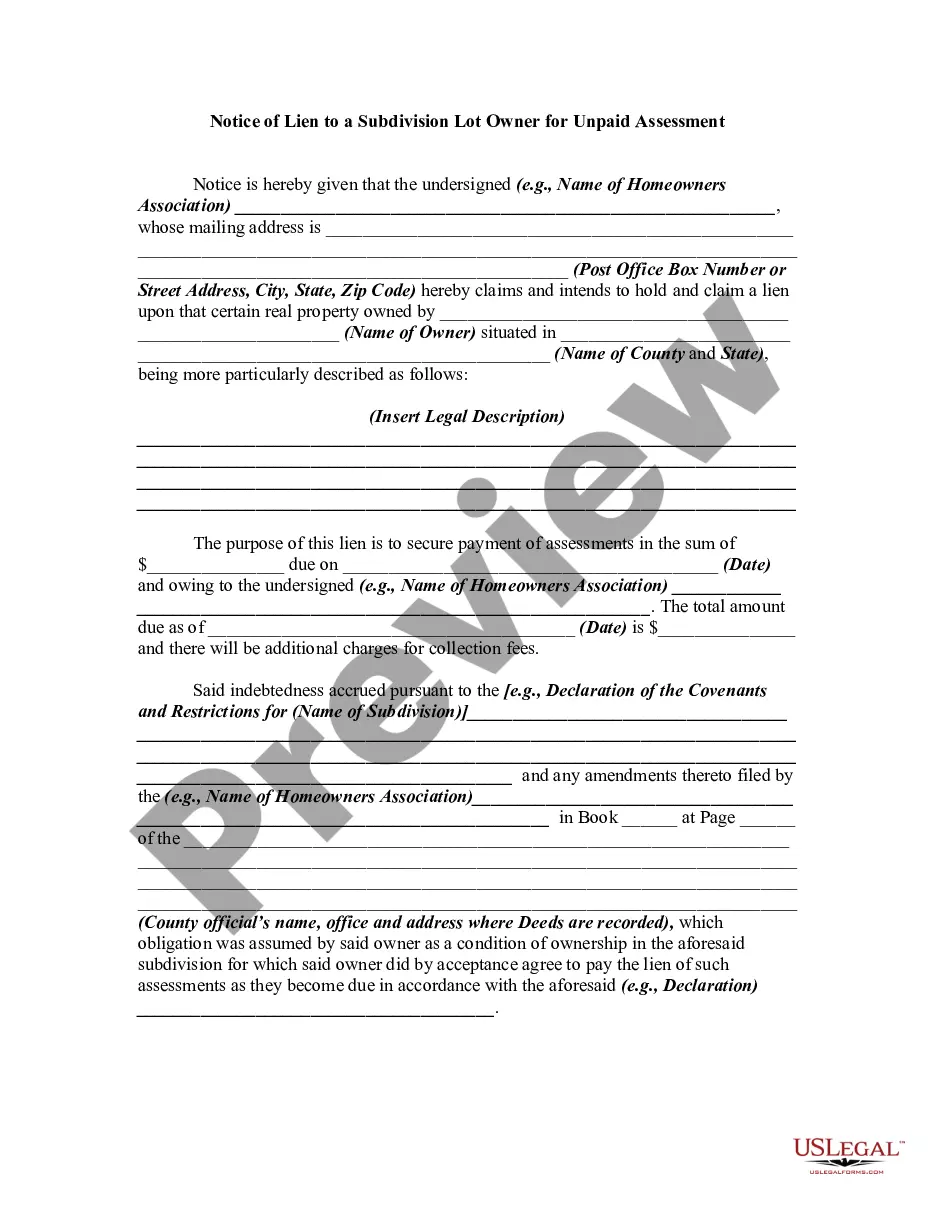
Get your form ready online
Our built-in tools help you complete, sign, share, and store your documents in one place.
Make edits, fill in missing information, and update formatting in US Legal Forms—just like you would in MS Word.
Download a copy, print it, send it by email, or mail it via USPS—whatever works best for your next step.
Sign and collect signatures with our SignNow integration. Send to multiple recipients, set reminders, and more. Go Premium to unlock E-Sign.
If this form requires notarization, complete it online through a secure video call—no need to meet a notary in person or wait for an appointment.
We protect your documents and personal data by following strict security and privacy standards.

Make edits, fill in missing information, and update formatting in US Legal Forms—just like you would in MS Word.

Download a copy, print it, send it by email, or mail it via USPS—whatever works best for your next step.

Sign and collect signatures with our SignNow integration. Send to multiple recipients, set reminders, and more. Go Premium to unlock E-Sign.

If this form requires notarization, complete it online through a secure video call—no need to meet a notary in person or wait for an appointment.

We protect your documents and personal data by following strict security and privacy standards.
Looking for another form?


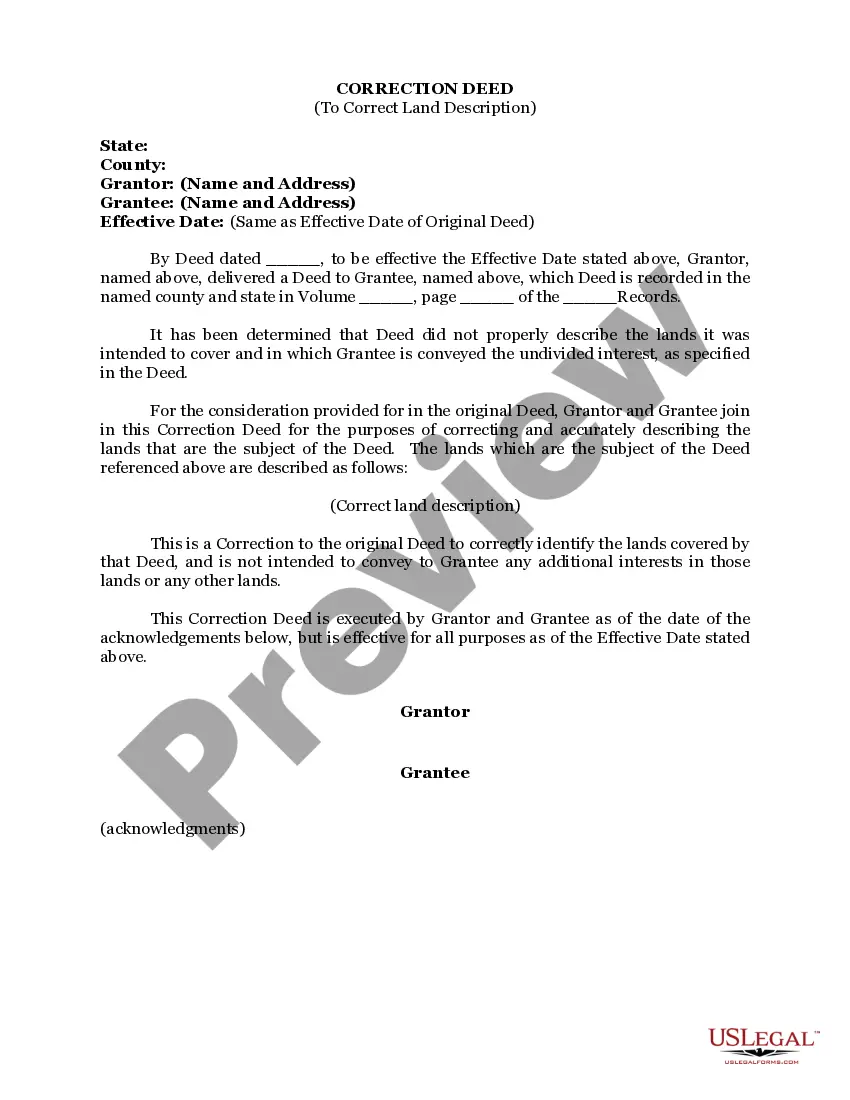

How to fill out Notice Of Lien To A Condominium Unit Owner For Unpaid Assessment Fees?
It’s no mystery that you cannot become a legal expert instantly, nor can you learn how to swiftly create a Condominium Owner Without Hoa Fees without possessing a specialized skill set.
Assembling legal documents is a lengthy process that necessitates specific training and expertise. So why not entrust the preparation of the Condominium Owner Without Hoa Fees to the professionals.
With US Legal Forms, one of the most comprehensive legal document repositories, you can find anything from court documents to templates for internal company correspondence. We understand how essential compliance and adherence to federal and local laws and regulations are.
Create a free account and choose a subscription plan to acquire the template.
Select Buy now. Once the payment is completed, you can access the Condominium Owner Without Hoa Fees, fill it in, print it, and send or deliver it to the necessary parties or entities.
- That's why, on our platform, all forms are location-specific and current.
- To begin with our platform and obtain the document you need in just minutes.
- Locate the form you require using the search bar at the top of the page.
- Preview it (if this option is available) and review the accompanying description to determine if Condominium Owner Without Hoa Fees is what you’re looking for.
- If you need a different template, restart your search.
Form popularity
FAQ
In Missouri, state laws regarding HOAs establish guidelines for the formation and operation of these associations. They require HOAs to follow certain procedures for meetings, financial reporting, and member rights. For condominium owners without HOA fees, understanding these laws can help clarify your rights and ensure your property management aligns with state regulations.
To find out if a property has an HOA, you can begin by reviewing the property deed, which may list any associated associations. Additionally, you can search local government websites or contact local zoning offices for information about HOAs in your area. Knowing whether you are a condominium owner without HOA fees can significantly impact your decision-making process.
To prove there is no HOA, start by checking your property deed and local property records, which should indicate any governing associations. You can also contact your local county recorder or zoning office for verification. Gathering this documentation is crucial for a condominium owner without HOA fees, as it clearly establishes your rights and responsibilities.
To get exempt from HOA fees, you typically need to demonstrate that your property is not governed by an HOA. This may involve reviewing property records or obtaining documentation from local authorities. If you need assistance, platforms like uslegalforms can help you understand the legal processes required to confirm your status as a condominium owner without HOA fees.
Every condominium buyer should receive essential documents to make informed decisions. This includes the declaration of condominium, bylaws, and any amendments that outline the community's rules and regulations. Additionally, potential buyers should review financial statements and budgets, especially if they are a condominium owner without HOA fees, to ensure they understand any financial obligations.
If there is no Homeowners Association (HOA), condominium owners often enjoy greater flexibility in managing their property. Without an HOA, there are no mandatory fees or regulations, allowing for more personal control over maintenance and improvement decisions. However, it is important to understand that without an HOA, there may be less oversight on property standards, which could affect community appearance and value.
Providing a signed ?no HOA letter??also known as an affidavit?is one way to show that, you as a seller, are honest and forthcoming about the home. But buyers must beware. Just because a home isn't currently part of an HOA, doesn't mean it will remain independent of the planned development once it is sold.
Homeowners' associations (HOAs) are the governing body of many common interest communities (CIC), such as subdivisions, who manage the common areas and interests of the community.
Homeowners associations ? HOAs for short ? are private organizations that oversee the management of some residential communities.
Typical condo fees generally always include a contribution toward the building's upkeep and maintenance, but they may also include heat, water, sewer, garbage collection fees, and even electricity and cable TV in some cases. Consider how much these line items would cost if you lived in a home.