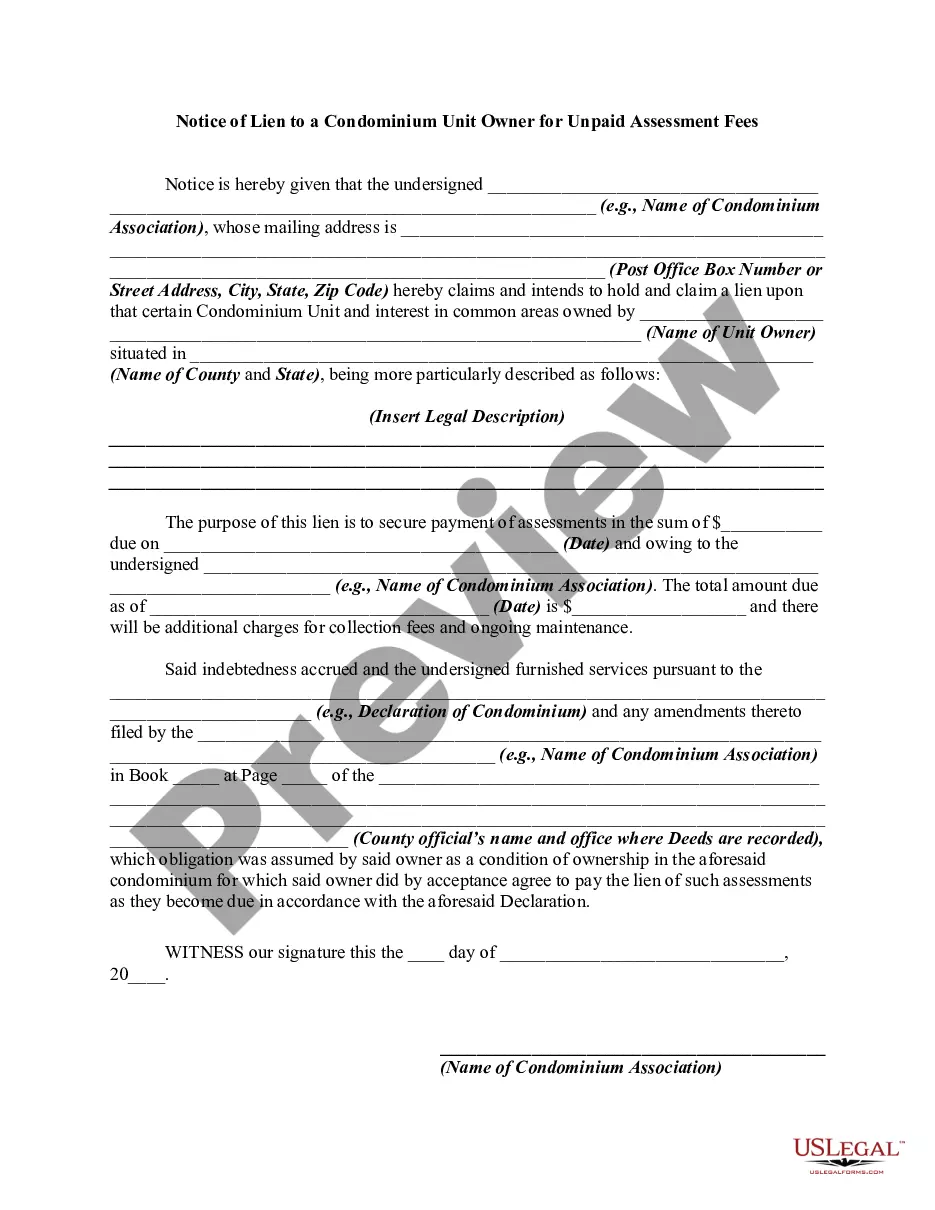
Condominium Form Agreement With Owner
Description
Get your form ready online
Our built-in tools help you complete, sign, share, and store your documents in one place.
Make edits, fill in missing information, and update formatting in US Legal Forms—just like you would in MS Word.
Download a copy, print it, send it by email, or mail it via USPS—whatever works best for your next step.
Sign and collect signatures with our SignNow integration. Send to multiple recipients, set reminders, and more. Go Premium to unlock E-Sign.
If this form requires notarization, complete it online through a secure video call—no need to meet a notary in person or wait for an appointment.
We protect your documents and personal data by following strict security and privacy standards.

Make edits, fill in missing information, and update formatting in US Legal Forms—just like you would in MS Word.

Download a copy, print it, send it by email, or mail it via USPS—whatever works best for your next step.

Sign and collect signatures with our SignNow integration. Send to multiple recipients, set reminders, and more. Go Premium to unlock E-Sign.

If this form requires notarization, complete it online through a secure video call—no need to meet a notary in person or wait for an appointment.

We protect your documents and personal data by following strict security and privacy standards.
Looking for another form?

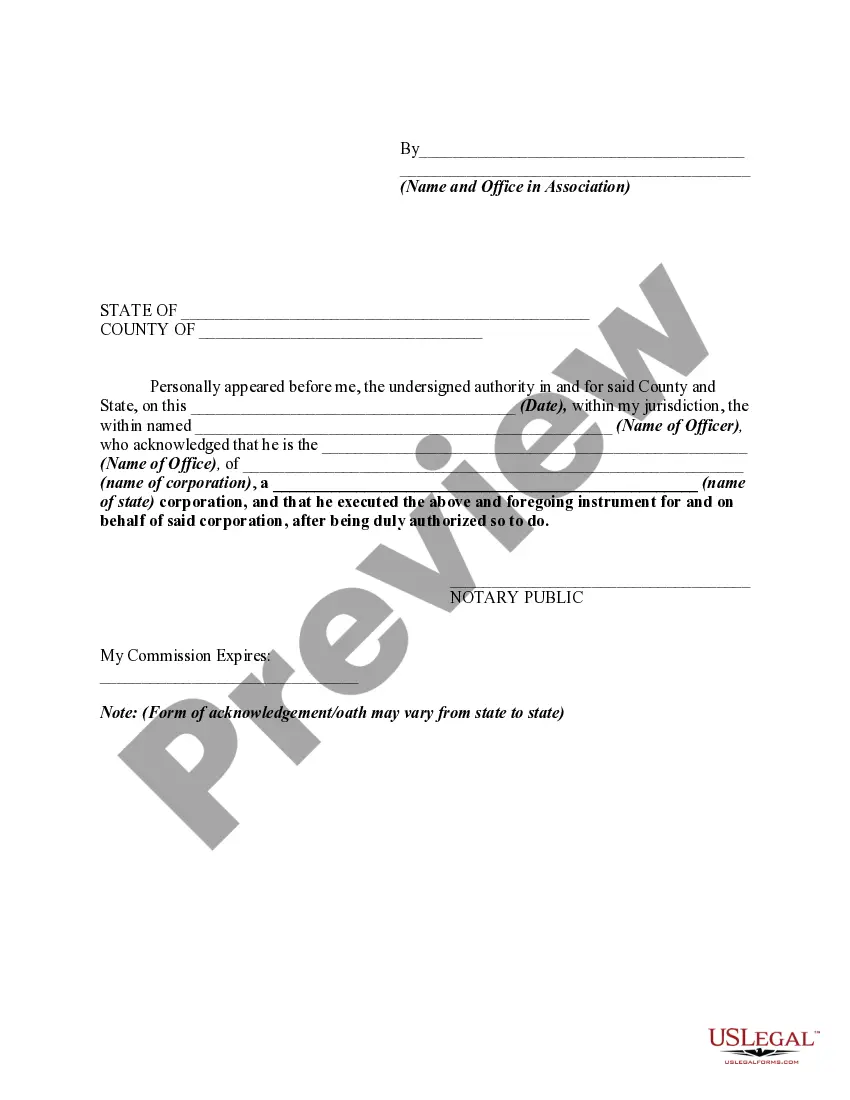
How to fill out Notice Of Lien To A Condominium Unit Owner For Unpaid Assessment Fees?
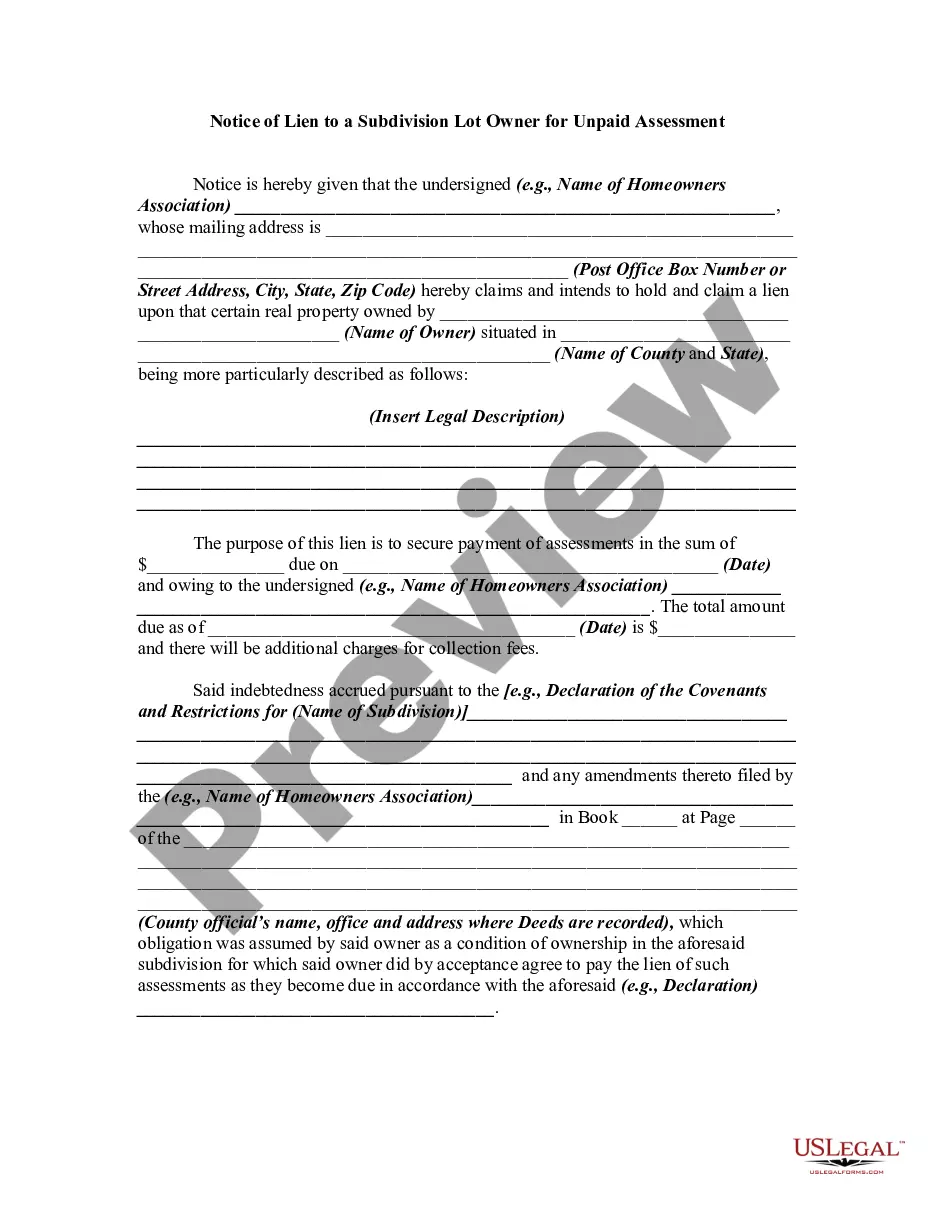
The Condominium Agreement Form With Owner displayed on this page is a versatile legal template created by expert attorneys in compliance with federal and state laws.
For over 25 years, US Legal Forms has offered individuals, companies, and legal professionals more than 85,000 authenticated, state-specific documents for any business and personal situation. It’s the fastest, easiest, and most reliable way to acquire the paperwork you require, as the service ensures bank-level data security and anti-malware safeguards.
Select the format you prefer for your Condominium Agreement Form With Owner (PDF, DOCX, RTF) and download the sample onto your device.
- Search for the document you need and review it.
- Browse through the file you looked for and preview it or verify the form description to confirm it meets your requirements. If it doesn’t, use the search feature to find the correct one. Click Buy Now once you have found the template you require.
- Register and Log In.
- Choose the pricing plan that fits you and create an account. Use PayPal or a credit card for a swift payment. If you already possess an account, Log In and check your subscription to continue.
- Acquire the editable template.
Form popularity
FAQ
A condominium is created through two primary documents: the declaration and the plat. The declaration establishes the condominium's existence and outlines the rights and responsibilities of unit owners. The plat provides a visual representation of the property, showing the layout of units and common areas. Together, these documents are fundamental to any condominium form agreement with owner.
The three governing documents of a condominium include the declaration, the bylaws, and the rules and regulations. The declaration sets the foundation by defining the property and the rights of owners. The bylaws govern the management and operations of the condominium association, while the rules and regulations provide guidelines for daily living. Each document is essential for a comprehensive condominium form agreement with owner.
A condominium agreement is a legal document that outlines the rights and responsibilities of unit owners within the condominium. It typically covers aspects such as maintenance duties, usage of common areas, and the rules of the community. Understanding this agreement is vital for any condominium form agreement with owner, as it establishes the framework for harmonious living.
Before purchasing a condominium, a buyer should carefully review several documents. These include the condominium declaration, bylaws, and financial statements of the association. Additionally, reviewing the rules and regulations can provide insight into community living. These steps are crucial for ensuring a smooth condominium form agreement with owner.
The deed usually contains several key documents for a condominium. First, it includes the condominium declaration, which outlines the property's boundaries and the unit owner's rights. Additionally, it features the bylaws that govern the association's operations. Having a thorough understanding of these documents is essential for any condominium form agreement with owner.
Every condo buyer should receive several key documents, including the condominium resale certificate, bylaws, and financial statements. These documents provide insight into the condominium's rules, regulations, and financial health, aiding buyers in making informed decisions. Completing the condominium form agreement with owner alongside these documents ensures a smooth transaction process. For easy access to these essential documents, consider utilizing US Legal Forms to streamline your experience.
The condominium resale certificate is typically filled out by the current owner, or seller, of the unit. This document provides essential information about the condominium's status, including financial obligations and rules. It is crucial for buyers to understand this information before completing the condominium form agreement with owner. Using a reliable platform like US Legal Forms can help ensure the resale certificate is completed accurately and efficiently.
The agreement between owner and tenant typically outlines the terms of occupancy, including rent, duration, and maintenance responsibilities. This contract ensures that both parties understand their obligations and rights, creating a positive rental experience. Utilizing a condominium form agreement with owner can streamline this process and provide clarity in these terms. It's essential to create a comprehensive agreement to minimize disputes.
An example of a condominium is a multi-unit building where each unit is owned individually, while common areas, like hallways and amenities, are shared among all residents. This structure allows for community living while providing private ownership. When drafting a condominium form agreement with owner, it's crucial to address how these shared spaces are managed and maintained. Such agreements help foster a harmonious living environment.
The new Florida law regarding condos focuses on enhancing transparency and accountability in condominium associations. It introduces requirements for financial disclosures and meetings, ensuring owners have access to important information. By understanding this law, owners can use a condominium form agreement with owner that complies with current regulations, thus protecting their rights. Staying informed about these changes can significantly benefit both owners and tenants.