Affidavit Death Of Real Property Owner
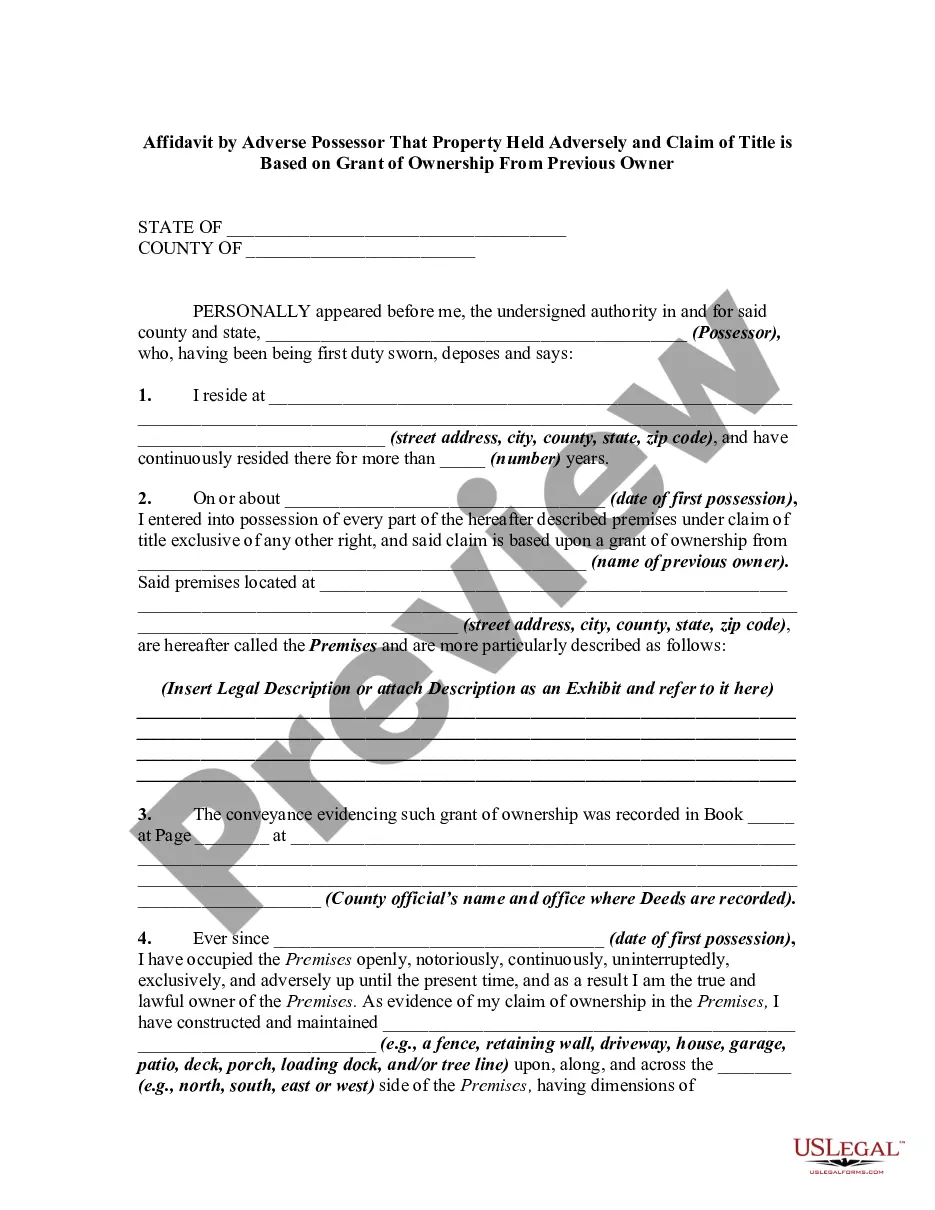
Description

Get your form ready online
Our built-in tools help you complete, sign, share, and store your documents in one place.
Make edits, fill in missing information, and update formatting in US Legal Forms—just like you would in MS Word.
Download a copy, print it, send it by email, or mail it via USPS—whatever works best for your next step.
Sign and collect signatures with our SignNow integration. Send to multiple recipients, set reminders, and more. Go Premium to unlock E-Sign.
If this form requires notarization, complete it online through a secure video call—no need to meet a notary in person or wait for an appointment.
We protect your documents and personal data by following strict security and privacy standards.

Make edits, fill in missing information, and update formatting in US Legal Forms—just like you would in MS Word.

Download a copy, print it, send it by email, or mail it via USPS—whatever works best for your next step.

Sign and collect signatures with our SignNow integration. Send to multiple recipients, set reminders, and more. Go Premium to unlock E-Sign.

If this form requires notarization, complete it online through a secure video call—no need to meet a notary in person or wait for an appointment.

We protect your documents and personal data by following strict security and privacy standards.
Looking for another form?
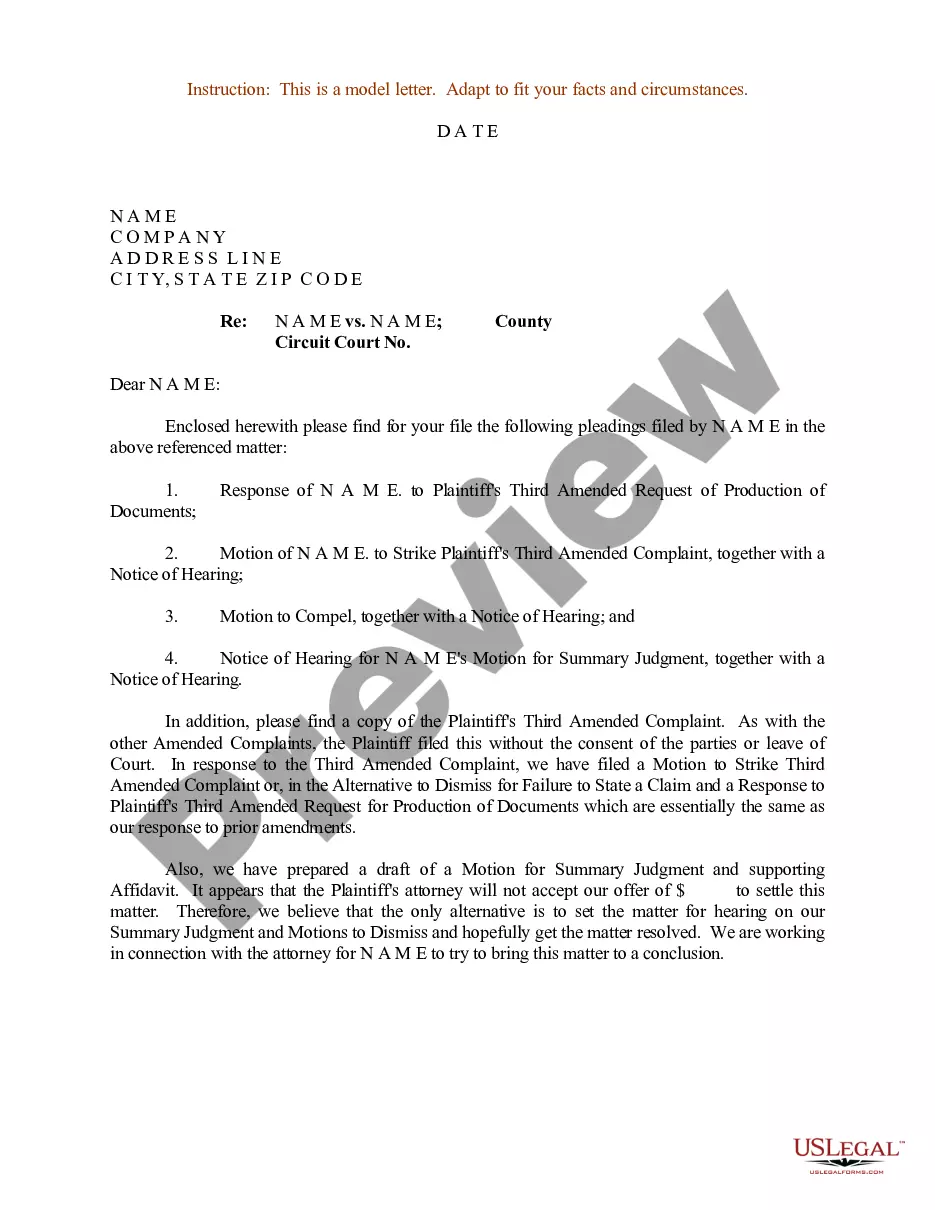
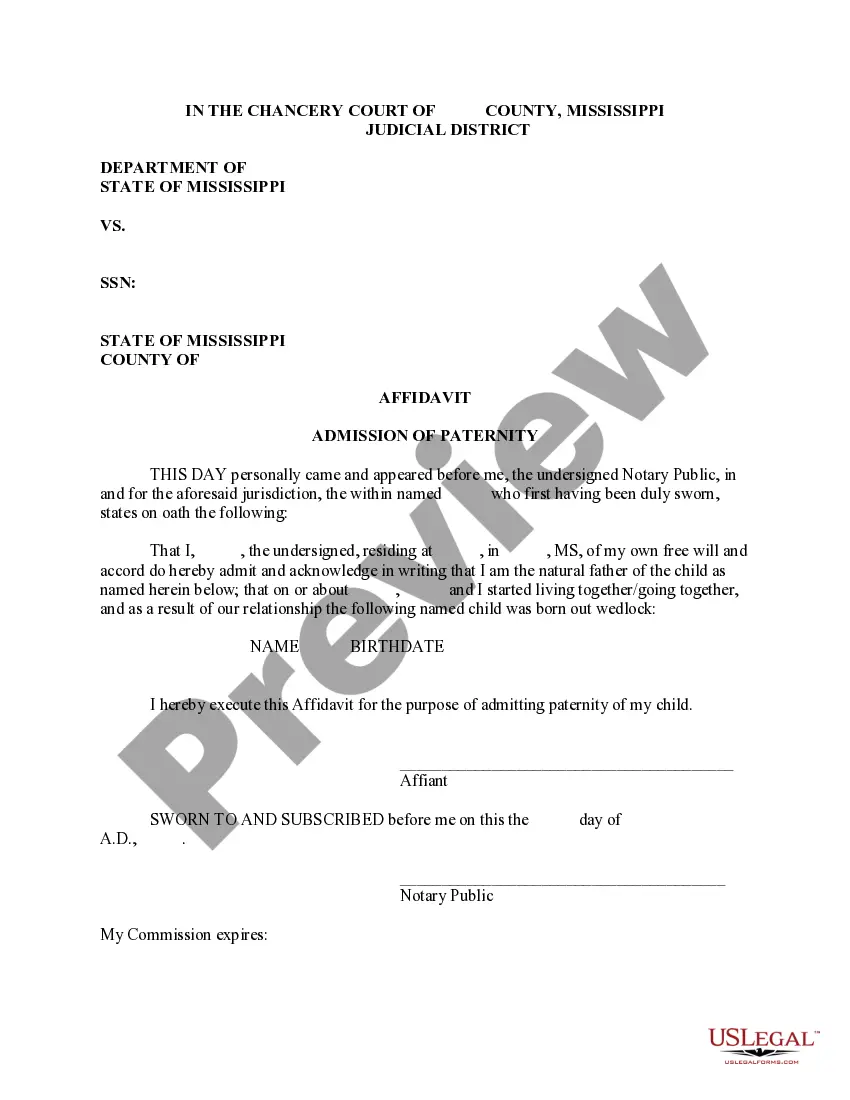
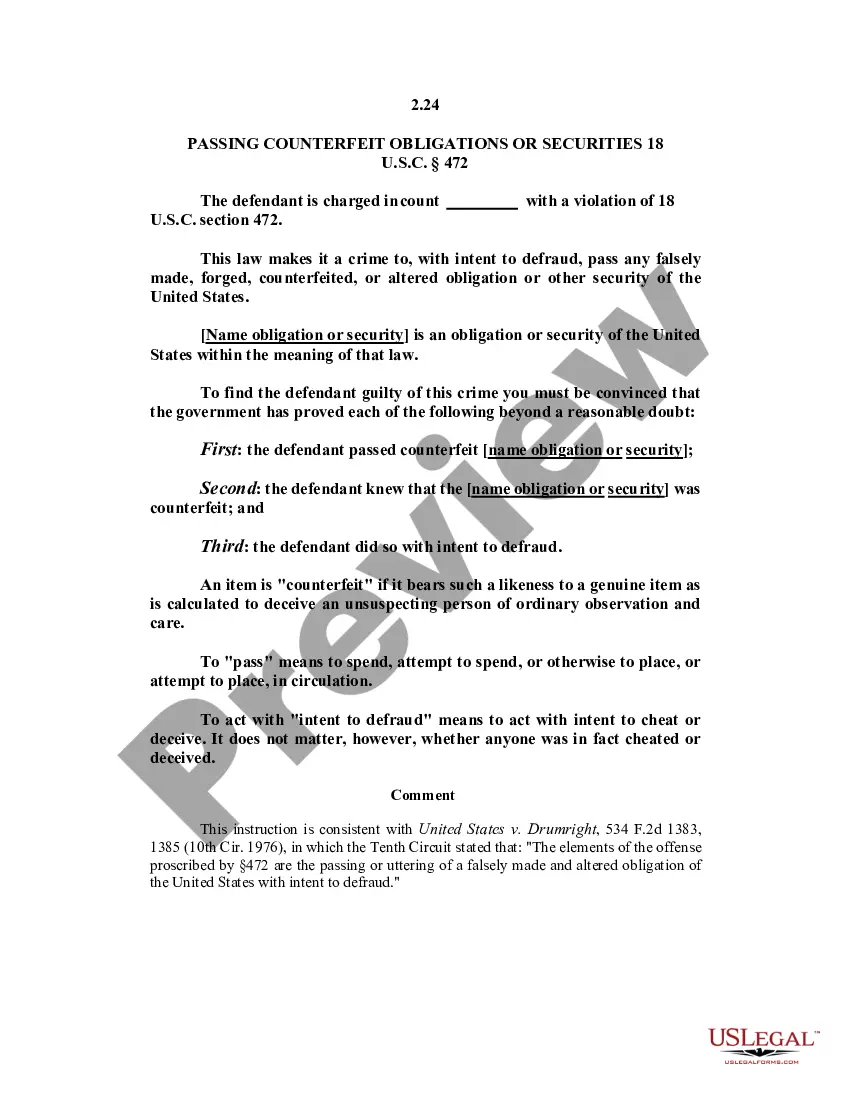
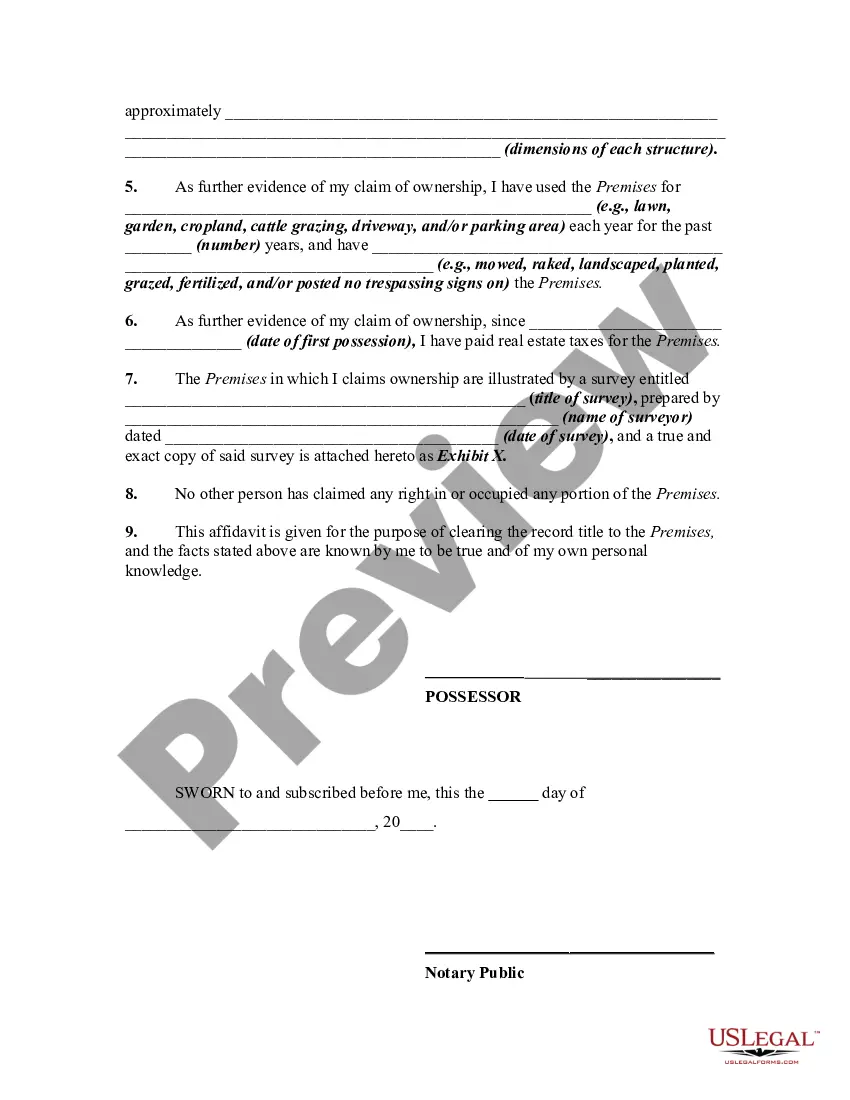
How to fill out Affidavit By Adverse Possessor That Property Held Adversely And Claim Of Title Is Based On Grant Of Ownership From Previous Owner - Squatters Rights?
Regardless of whether it's for professional reasons or personal affairs, everyone will inevitably encounter legal matters at some point in their lives.
Filling out legal documents requires meticulous care, starting with selecting the correct form template. For instance, if you select an incorrect version of the Affidavit Death Of Real Property Owner, it will be denied upon submission. Thus, it is crucial to have a reliable source of legal documents like US Legal Forms.
With an extensive US Legal Forms catalog available, you won’t need to waste time searching for the right template across the web. Take advantage of the library’s user-friendly navigation to find the suitable template for any circumstance.
- Obtain the template you need by using the search bar or browsing the catalog.
- Review the form’s details to ensure it aligns with your circumstances, state, and locality.
- Click on the form’s preview to view it.
- If it’s the wrong form, return to the search feature to locate the Affidavit Death Of Real Property Owner sample you need.
- Download the template once it meets your requirements.
- If you already possess a US Legal Forms account, simply click Log in to access previously saved documents in My documents.
- If you do not have an account yet, you can download the form by clicking Buy now.
- Choose the suitable pricing option.
- Complete the account registration form.
- Select your payment method: you can utilize a credit card or PayPal account.
- Choose the document format you desire and download the Affidavit Death Of Real Property Owner.
- Once downloaded, you can fill out the form using editing software or print it to complete it by hand.
Form popularity
FAQ
Yes, an affidavit death of real property owner typically needs to be notarized to be considered valid. Notarization provides an official record and verifies that the signatures on the document are authentic. This step is crucial, as it helps protect against potential disputes regarding the transfer of property. You can easily find notary services through local banks or legal offices if you need assistance.
The most common use of an affidavit death of real property owner is to facilitate the transfer of real estate ownership after the property owner's passing. This document serves as proof of death and helps heirs initiate the probate process or transfer property outside of probate. It ensures that the new owners can manage, sell, or mortgage the property without legal complications. Understanding this use can help streamline the property transfer process.
You do not necessarily need a lawyer to file an affidavit death of real property owner; however, consulting one can be beneficial. A lawyer can guide you through the specific requirements for your state, ensuring that everything is completed correctly. If you prefer a DIY approach, platforms like US Legal Forms offer user-friendly templates that can help you prepare the affidavit without legal assistance.
To transfer property upon death, you typically need to execute an affidavit death of real property owner. This document confirms the owner's death and provides necessary information to transfer the property to the rightful heirs or beneficiaries. You may also need to file this affidavit with the local county clerk's office to ensure the transfer is legally recognized. Utilizing services like US Legal Forms can simplify this process by providing ready-to-use templates.
Submitting an Affidavit At the time of recording, present the completed affidavit (see below), a certified copy of the death certificate and a Preliminary Change of Ownership Report, which is also available at RR/CC offices in Norwalk, Lancaster, LAX Courthouse and Van Nuys, as well as the County Assessor's offices.
The transfer on the death deed is rendered ineffective if the designated recipient passes away before the property owner. This could cause the property to enter probate without adequate planning or execution, negating the goal of using a transfer on the death deed to avoid probate.
California Transfer on Death Deeds You must (1) sign the deed, (2) have two adults who are not beneficiaries witness your signing of the deed, (3) have your signature notarized, and (4) record (file) the deed with the county clerk's office within 60 days of having it notarized. ... The beneficiary's rights.
Affidavit of Death: When the property owner who created a Transfer on Death Deed dies, this form is used by a named beneficiary to get legal ownership of the property. Title to the property does not pass to the beneficiary(ies) until the Affidavit of Death is filed.
Joint tenancy is a way for two or more people to own property in equal shares so that when one of the joint tenants dies, the property can pass to the surviving joint tenant(s) without having to go through probate court.