What Happens After Bankruptcy Discharge
Description

Get your form ready online
Our built-in tools help you complete, sign, share, and store your documents in one place.
Make edits, fill in missing information, and update formatting in US Legal Forms—just like you would in MS Word.
Download a copy, print it, send it by email, or mail it via USPS—whatever works best for your next step.
Sign and collect signatures with our SignNow integration. Send to multiple recipients, set reminders, and more. Go Premium to unlock E-Sign.
If this form requires notarization, complete it online through a secure video call—no need to meet a notary in person or wait for an appointment.
We protect your documents and personal data by following strict security and privacy standards.

Make edits, fill in missing information, and update formatting in US Legal Forms—just like you would in MS Word.

Download a copy, print it, send it by email, or mail it via USPS—whatever works best for your next step.

Sign and collect signatures with our SignNow integration. Send to multiple recipients, set reminders, and more. Go Premium to unlock E-Sign.

If this form requires notarization, complete it online through a secure video call—no need to meet a notary in person or wait for an appointment.

We protect your documents and personal data by following strict security and privacy standards.
Looking for another form?
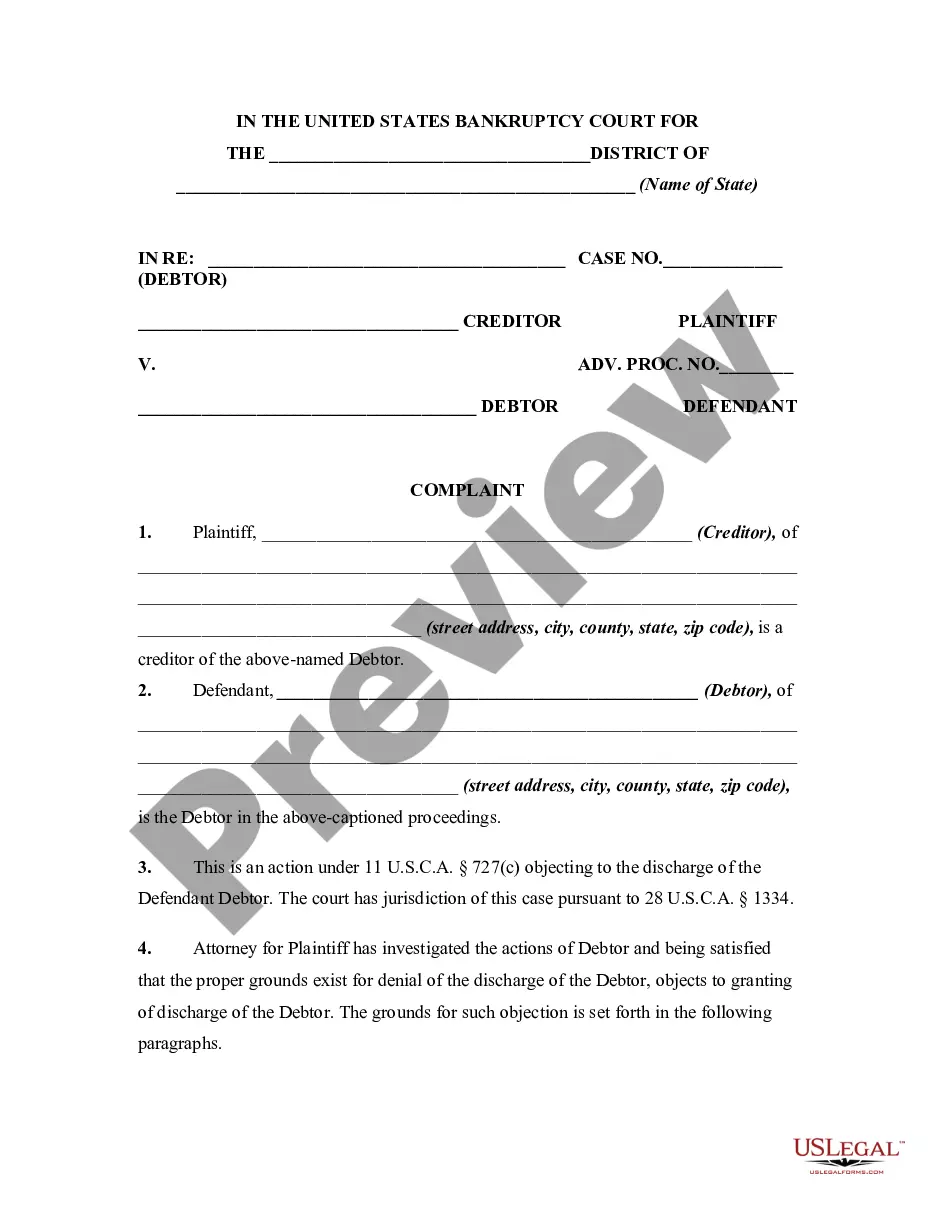
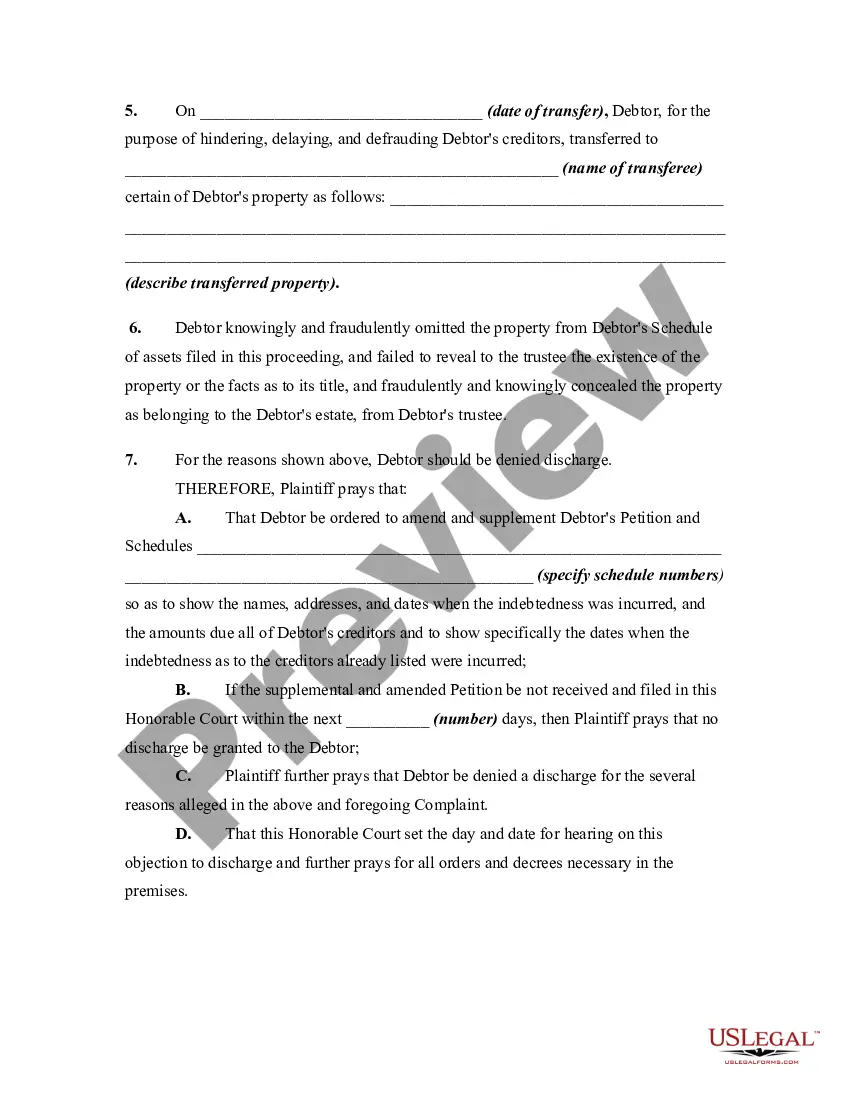
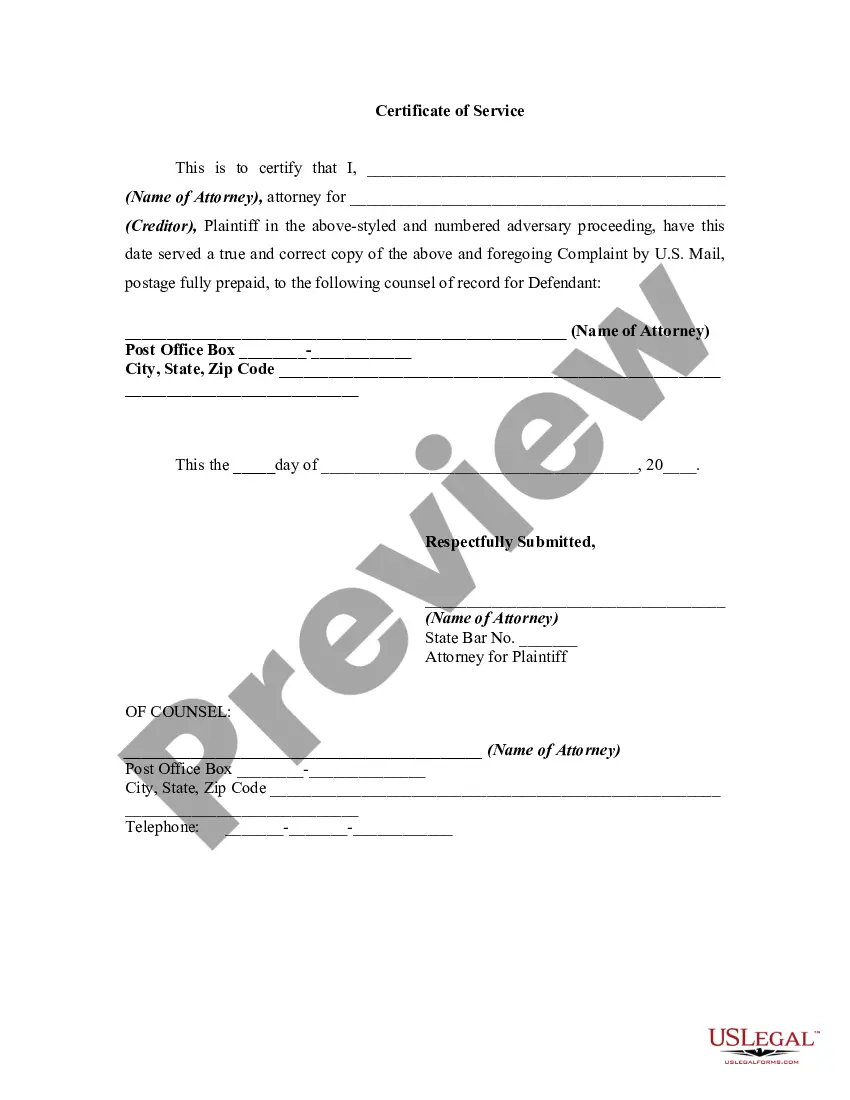
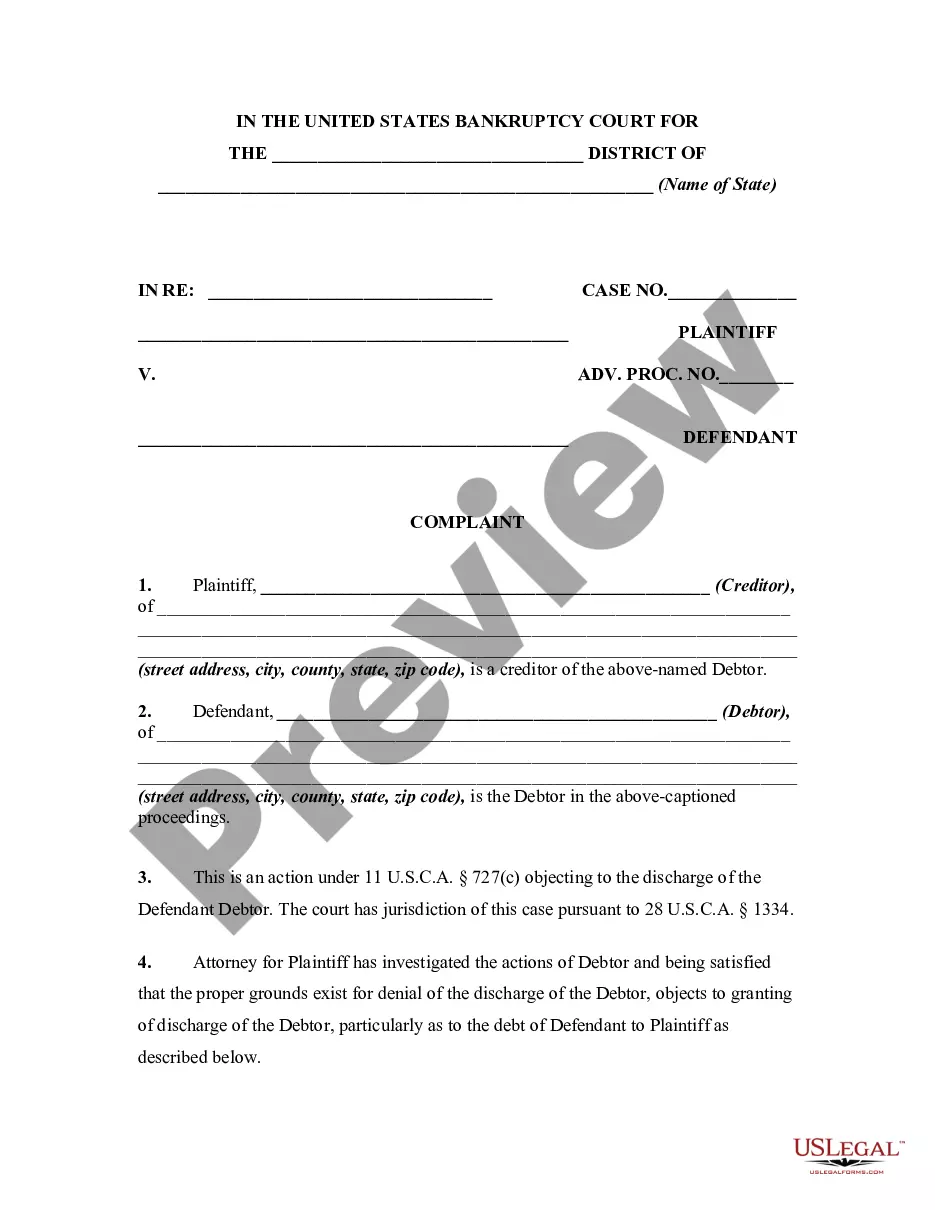
How to fill out Complaint Objecting To Discharge In Bankruptcy Proceedings For Concealment By Debtor And Omitting From Schedules Fraudulently Transferred Property?
- Log in to your US Legal Forms account if you're a returning user. Ensure your subscription is still active; if not, renew as necessary.
- Preview the available form options to confirm you've selected the one that matches your specific situation and adheres to local jurisdiction requirements.
- If needed, utilize the Search tab to find other relevant templates. This ensures you will locate the most appropriate document for your needs.
- Purchase the chosen document by clicking the Buy Now button after selecting the subscription plan that best fits your needs. You'll need to create an account to gain access to the document library.
- Finalize your purchase by entering your payment details. Options include credit card information or PayPal for secure transactions.
- Download your chosen form to your device, and access it whenever needed through the My Forms section of your profile.
Following these steps will help ensure you have the right documents to navigate your new financial situation effectively.
US Legal Forms is your go-to resource for legally sound documentation. Start today and empower yourself with the right tools for success!
Form popularity
FAQ
After you receive a bankruptcy discharge, most creditors can no longer pursue you for debts included in the bankruptcy. This discharge releases you from personal liability for those debts, meaning they cannot legally collect from you. However, some debts, like certain taxes or child support, may not be discharged. It’s essential to understand what happens after bankruptcy discharge to ensure you are aware of your obligations moving forward.
Yes, many individuals experience an increase in their credit score after a Chapter 7 bankruptcy discharge. This event often opens the door to rebuilding credit, as consumers can begin improving their financial habits. Utilizing tools that help manage expenses and bills effectively is crucial during this recovery phase. Additionally, knowing what happens after bankruptcy discharge can guide you on how to improve your credit situation.
Achieving a credit score of 650 after a Chapter 7 bankruptcy discharge depends on several factors, such as your financial habits and timely bill payments. Generally, it can take anywhere from several months to a few years to reach this goal. Taking proactive steps, like using credit responsibly, can accelerate this process. Understanding what happens after bankruptcy discharge is essential to creating an effective recovery plan.
After bankruptcy discharge, many people wonder what happens to their credit score. When Chapter 7 bankruptcy is removed from your credit report, it can positively impact your score. While individual results vary, removing negative marks typically helps improve creditworthiness. Therefore, it is possible to see an increase in your credit score after this step.
Typically, your case will close within three to six months after your bankruptcy discharge. This timeframe allows the court and trustee to fulfill their final obligations. It's advisable to stay in contact with your bankruptcy attorney for updates. Knowing the status of your case helps you plan your next steps effectively.
Achieving a credit score of 700 after Chapter 7 bankruptcy can take time, often ranging from 3 to 5 years. Regularly paying your bills on time and managing new credit responsibly can speed up this process. Rebuilding your credit is possible, and being patient is essential. Many individuals successfully improve their credit scores by following smart financial practices.
After your bankruptcy is discharged, you can start rebuilding your credit and financial stability. It is essential to plan your budget carefully and monitor your credit score. You may consider using services like uslegalforms to understand your rights and options moving forward. This proactive approach helps ensure your financial future remains bright.
After you make the final payment in your bankruptcy plan, the trustee will review your case one last time. Following this review, you will receive a discharge notice, which signifies that your debts are erased. This moment marks a significant turning point in your journey. You can then begin to reclaim your financial independence.
After your bankruptcy discharge, it typically takes a few months for the case to officially close. During this period, the bankruptcy trustee completes final administrative tasks. You'll receive a notice confirming the closure. This closure is another step in moving forward with your financial life.
Once you are discharged from bankruptcy, your debts are formally eliminated. This means creditors can no longer pursue you for payment. However, it's important to note that your credit report will still show the bankruptcy for several years. Embracing this fresh start allows you to focus on rebuilding your financial health.