Discharged
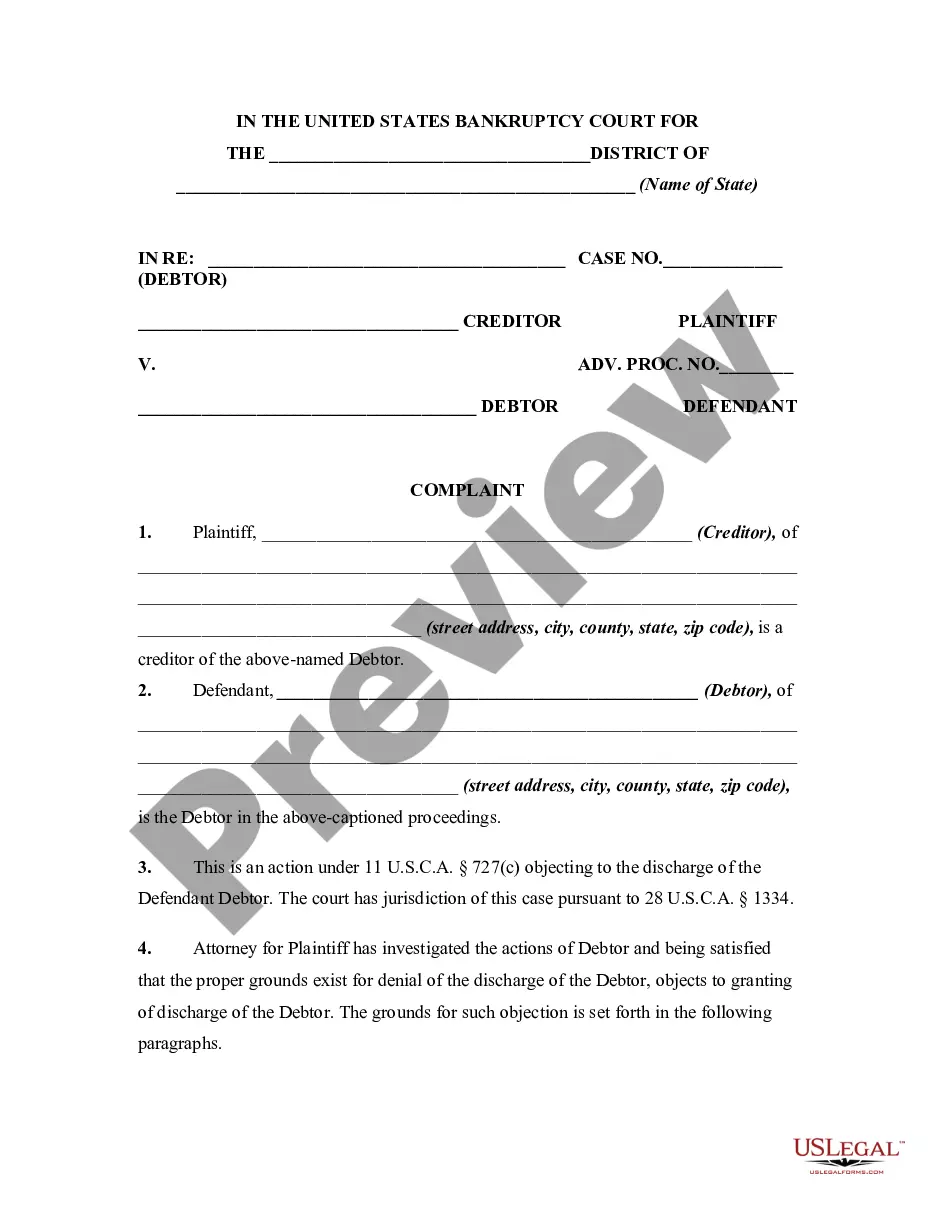
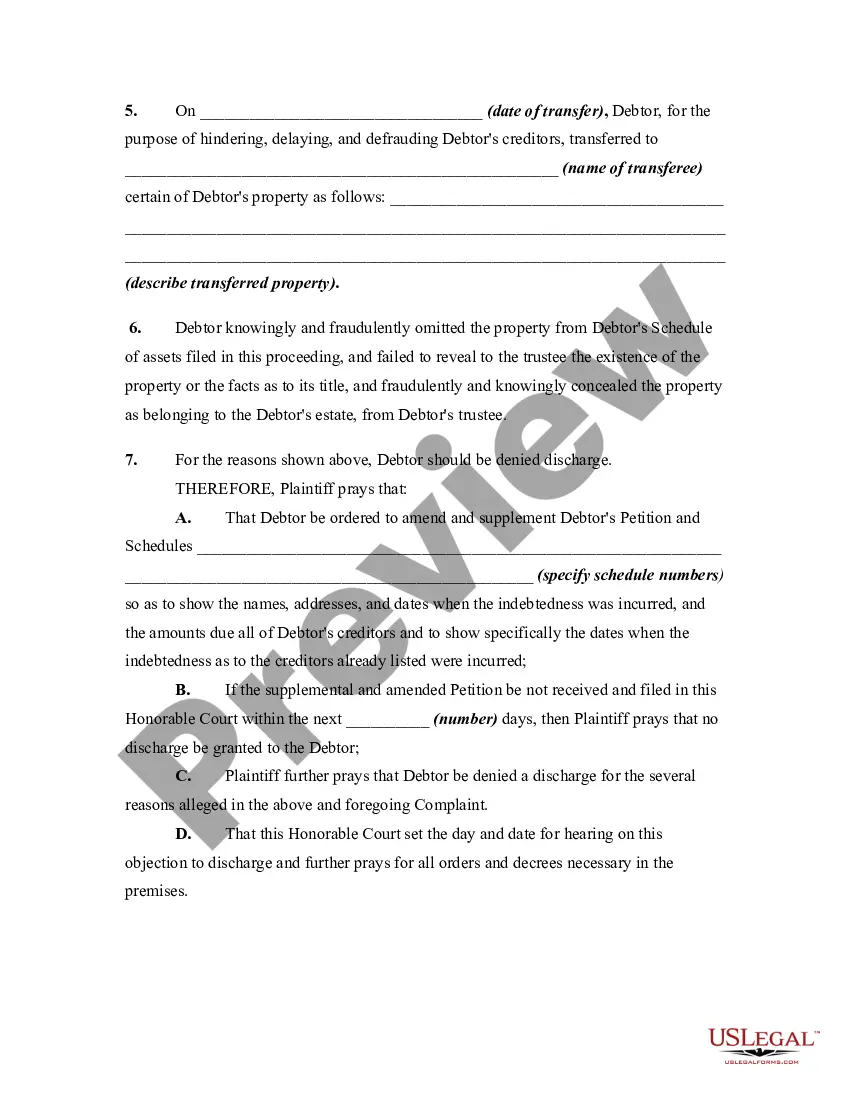
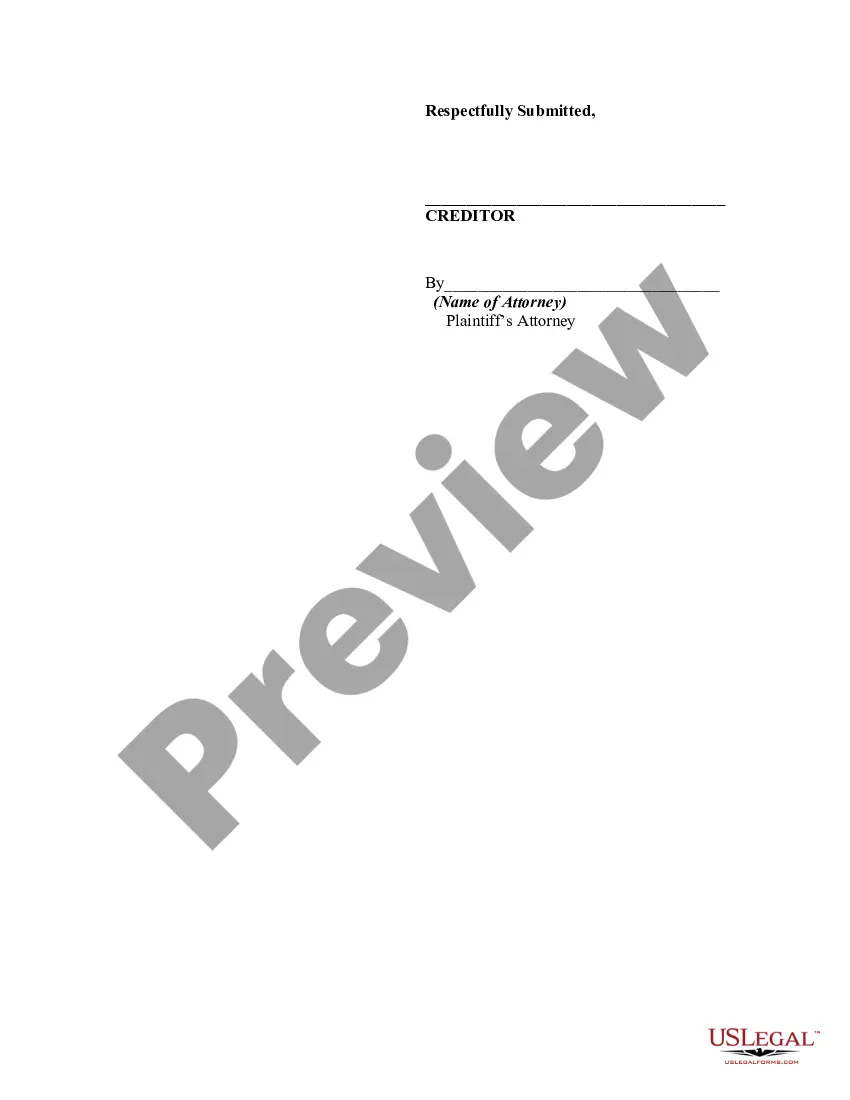
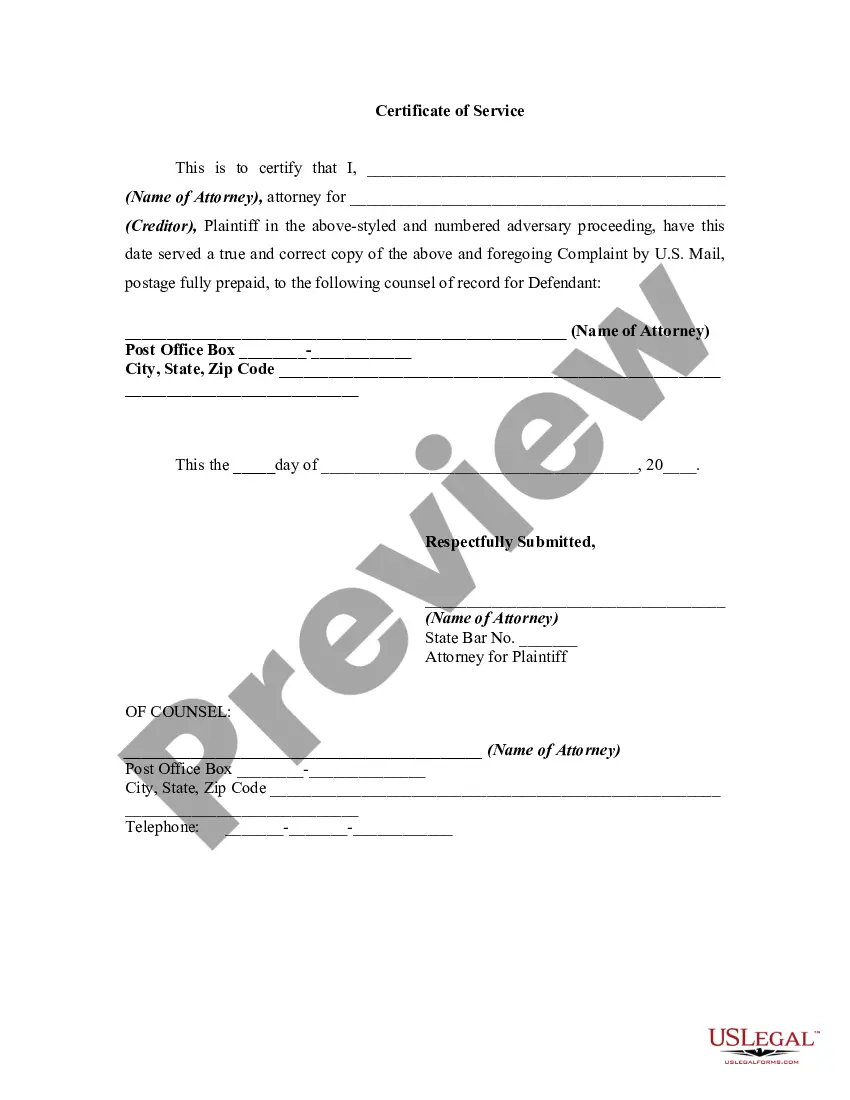
Description
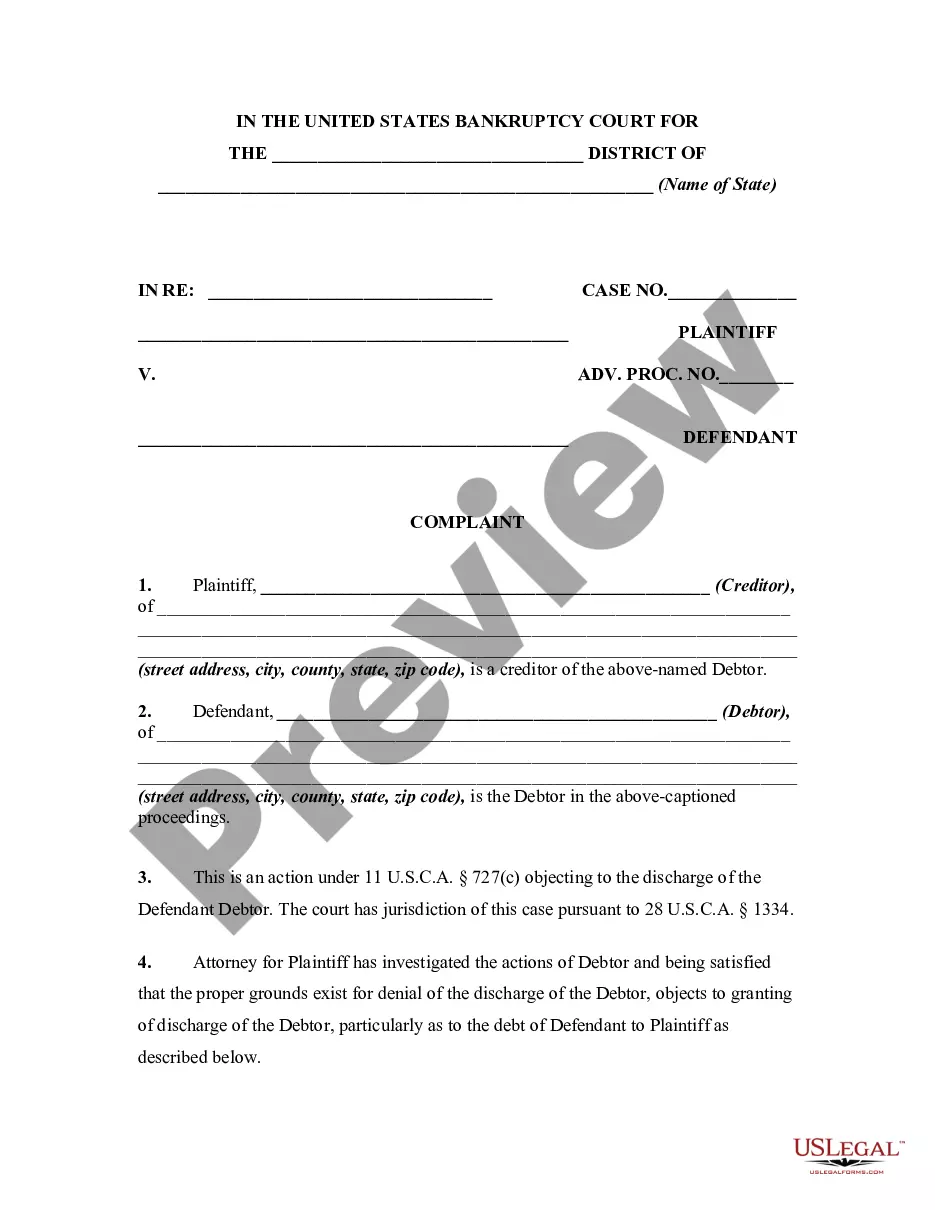
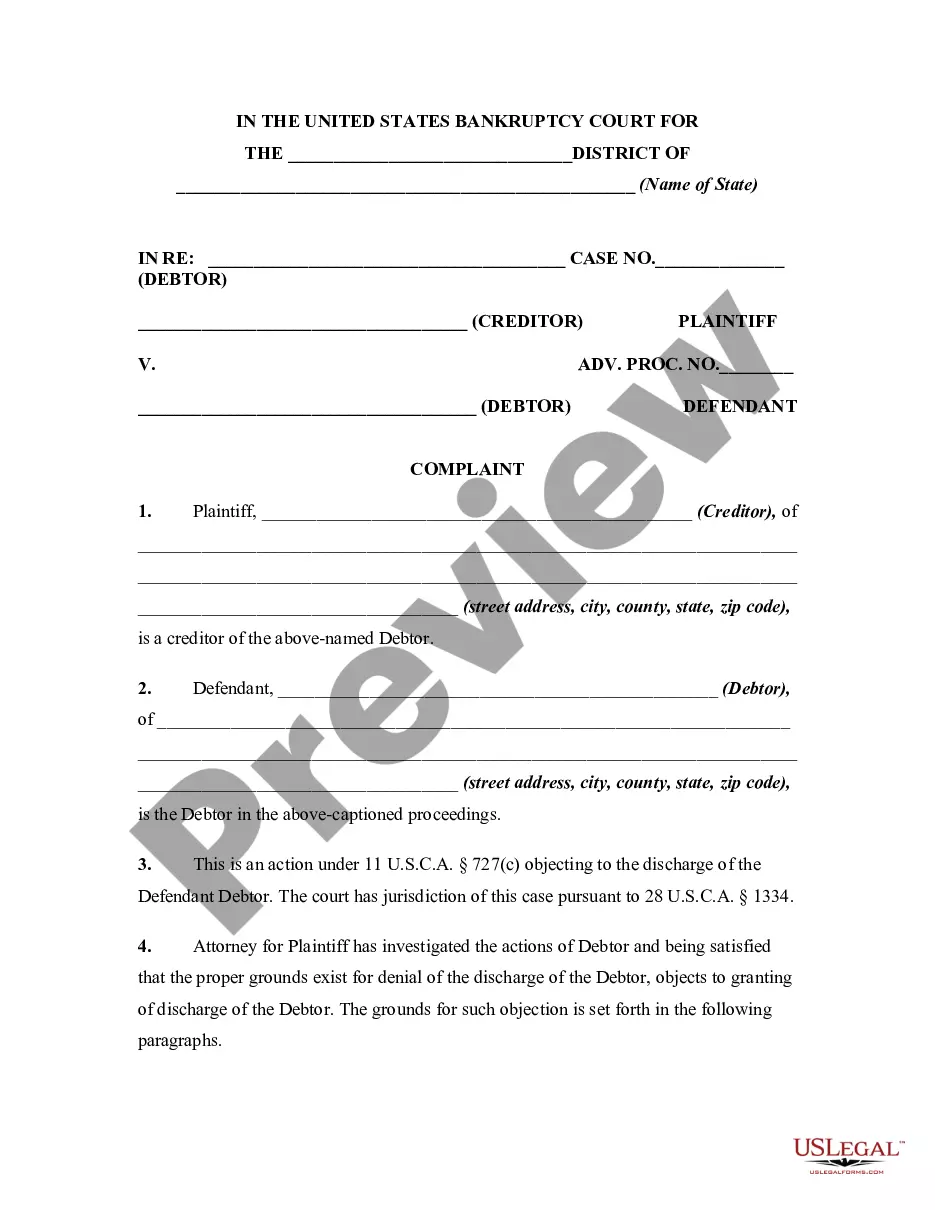
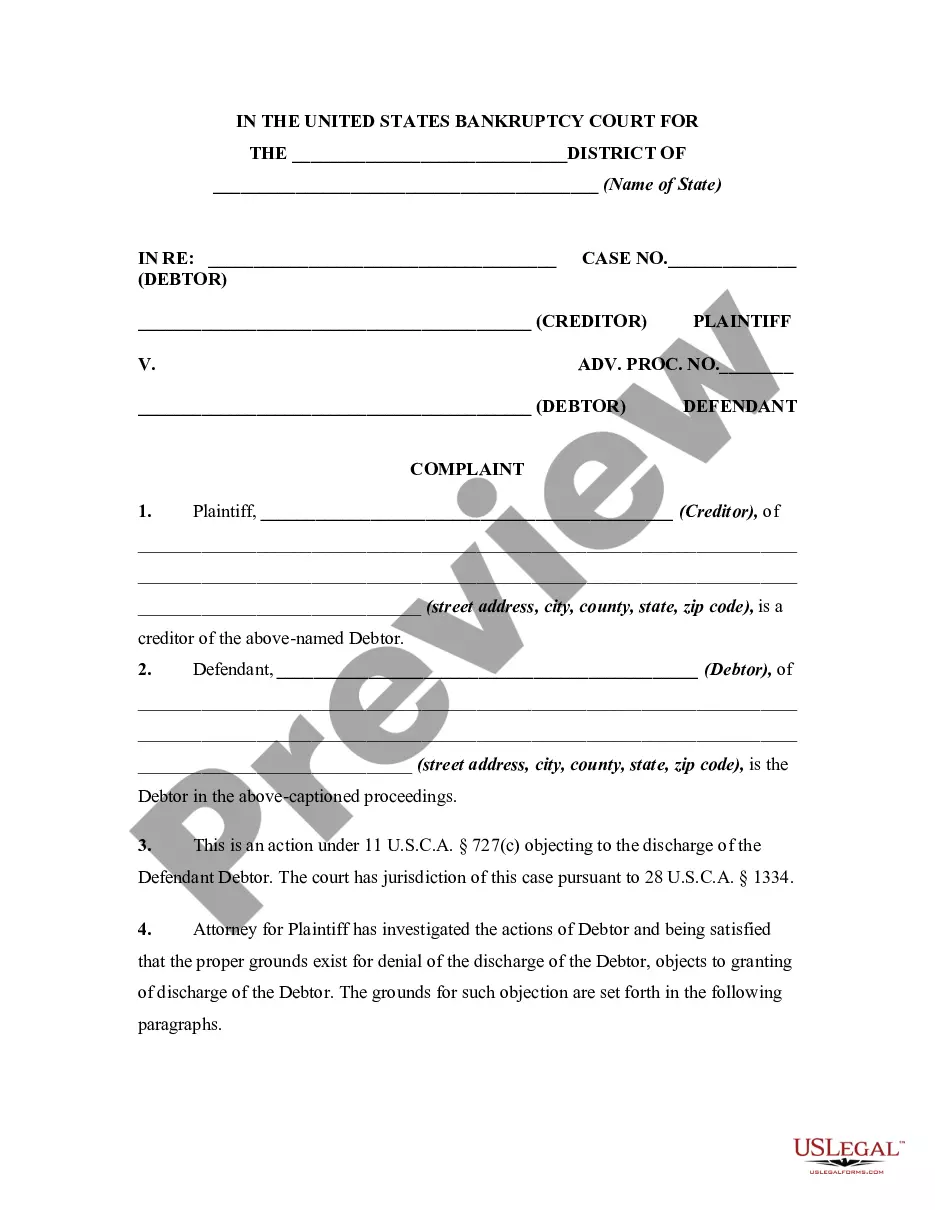
Get your form ready online
Our built-in tools help you complete, sign, share, and store your documents in one place.
Make edits, fill in missing information, and update formatting in US Legal Forms—just like you would in MS Word.
Download a copy, print it, send it by email, or mail it via USPS—whatever works best for your next step.
Sign and collect signatures with our SignNow integration. Send to multiple recipients, set reminders, and more. Go Premium to unlock E-Sign.
If this form requires notarization, complete it online through a secure video call—no need to meet a notary in person or wait for an appointment.
We protect your documents and personal data by following strict security and privacy standards.

Make edits, fill in missing information, and update formatting in US Legal Forms—just like you would in MS Word.

Download a copy, print it, send it by email, or mail it via USPS—whatever works best for your next step.

Sign and collect signatures with our SignNow integration. Send to multiple recipients, set reminders, and more. Go Premium to unlock E-Sign.

If this form requires notarization, complete it online through a secure video call—no need to meet a notary in person or wait for an appointment.

We protect your documents and personal data by following strict security and privacy standards.
Looking for another form?


How to fill out Complaint Objecting To Discharge In Bankruptcy Proceedings For Concealment By Debtor And Omitting From Schedules Fraudulently Transferred Property?
- If you are an existing user, log in to your account and locate the desired form template. Ensure you click the Download button once it's ready, as long as your subscription is active.
- For new users, begin by browsing through the Preview mode and form descriptions to ensure you select the right one that aligns with local jurisdiction requirements.
- If needed, use the Search tab to find alternative templates that meet your criteria. Make sure they are accurate before proceeding.
- Purchase the chosen document by clicking the Buy Now button, where you’ll need to select a suitable subscription plan and create an account for full access.
- Complete your purchase by providing your payment information through credit card or PayPal. Ensure your transaction is confirmed.
- Finally, download the form to your device for completion. You can always access it later in the My documents section of your profile.
Following these steps will ensure a smooth experience in obtaining your necessary legal forms. Additionally, US Legal Forms stands out with an impressive selection that exceeds many competitors, making it a dependable option for all your legal needs.
Don't hesitate—start using US Legal Forms today to access thousands of customizable documents and expert support!
Form popularity
FAQ
Medical discharges qualify service members who cannot perform their military duties due to physical or mental health conditions. Conditions that are chronic, severe, or permanent often lead to discharges. Moreover, if a service member's health has deteriorated to the point that they can no longer meet military standards, a medical discharge may follow. Resources like USLegalForms can help guide you through understanding your rights and options.
The most common reason for a medical discharge is mental health issues, particularly post-traumatic stress disorder (PTSD) and anxiety disorders. These conditions can significantly affect a service member’s performance and overall well-being. Physical injuries, such as those sustained in combat or training, also frequently lead to medical discharges. Understanding these reasons can help those facing similar challenges seek appropriate assistance.
Yes, you can request a discharge from the military, but it usually requires strong justification. Many service members seek to leave for personal reasons, health issues, or family obligations. The military reviews the request and determines if the reasons are valid for granting an early discharge. If you’re considering this, using resources like USLegalForms can clarify your options and aid you through the process.
To receive a medical discharge, service members must demonstrate medical conditions that impede their ability to serve. This includes both physical and mental health issues, assessed through a thorough evaluation. Examples range from serious injuries to mental health disorders that significantly affect daily functioning. If a condition becomes permanent and prevents fulfilling military duties, a medical discharge may follow.
The military recognizes five main types of discharges: honorable, general, other than honorable, bad conduct, and dishonorable discharges. An honorable discharge represents a soldier’s exemplary service, while a general discharge indicates less than ideal performance. Other than honorable discharges concern significant misbehavior, and bad conduct discharges arise from specific offenses under the Uniform Code of Military Justice. Lastly, a dishonorable discharge is the most severe, resulting from grave misconduct.
To write a discharge paper, begin by outlining the patient's treatment history and the reason for discharge. Include information about medications, follow-up care, and any necessary educational materials. Ensure clarity and completeness so that the patient has all the information they need once they are discharged.
The 5 d's of discharge typically refer to diagnosis, discharge planning, delivery of discharge instructions, documentation, and follow-up care. These elements collectively ensure a smooth transition for patients after they are discharged. Each aspect plays a vital role in supporting the patient's recovery and minimizing complications.
A nurse’s responsibility during a patient's discharge includes reviewing discharge instructions, ensuring the patient understands their medications, and preparing any necessary follow-up appointments. Additionally, nurses must assess that the patient is stable before they are discharged. This role is crucial for promoting safety and health after discharge.
Filling out hospital discharge papers involves providing essential information such as the patient's name, treatment dates, diagnoses, and a summary of care. Be sure to include any medication changes and instructions for follow-up care. Clear and concise notes are vital to ensure continuity of care after the patient is discharged.
When a patient is discharged, confirm that they understand their discharge instructions and answer any questions they have. Provide guidance on medication management and follow-up appointments. It is essential to ensure the patient feels prepared for their next steps after being discharged.