Discharge Debtor With Primarily Consumer Debts
Description
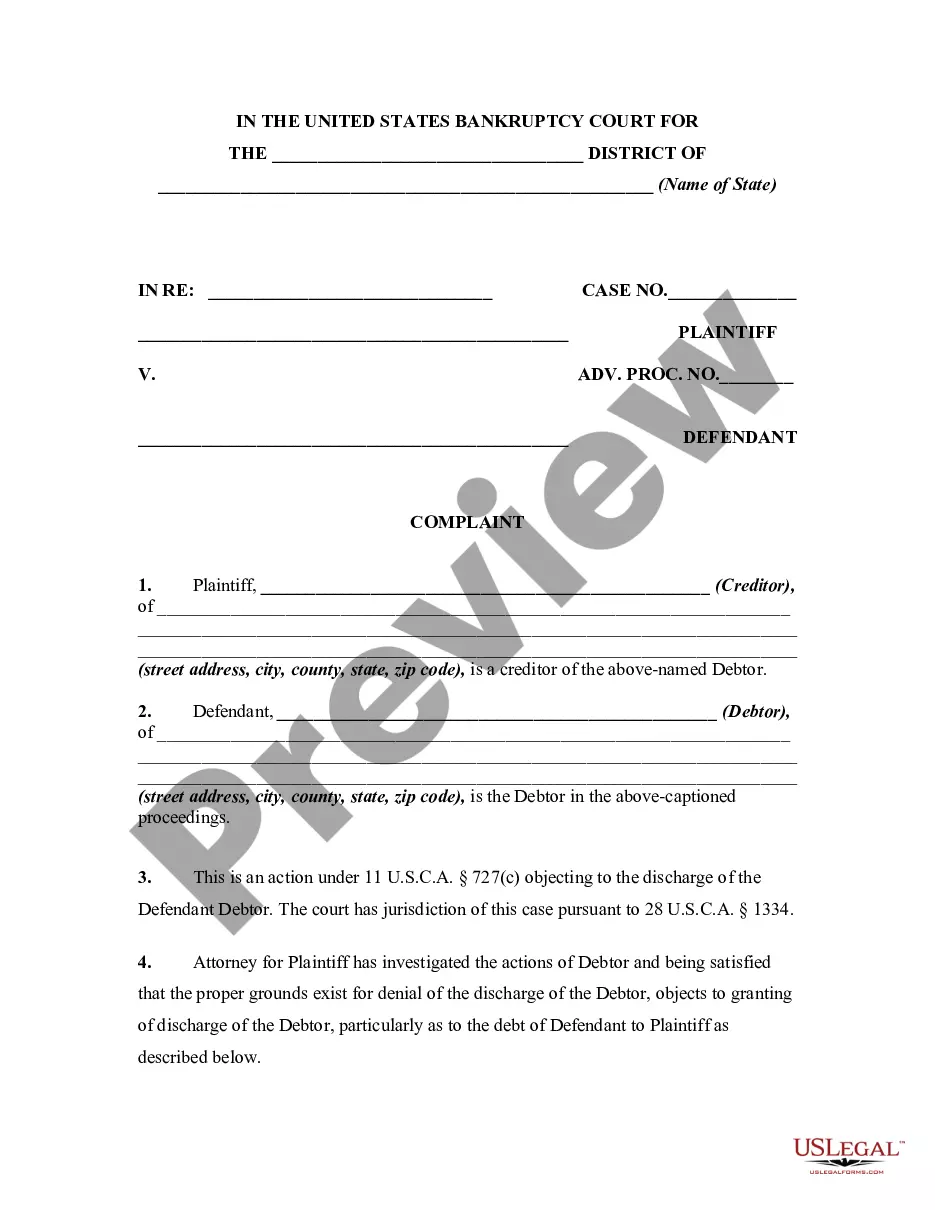
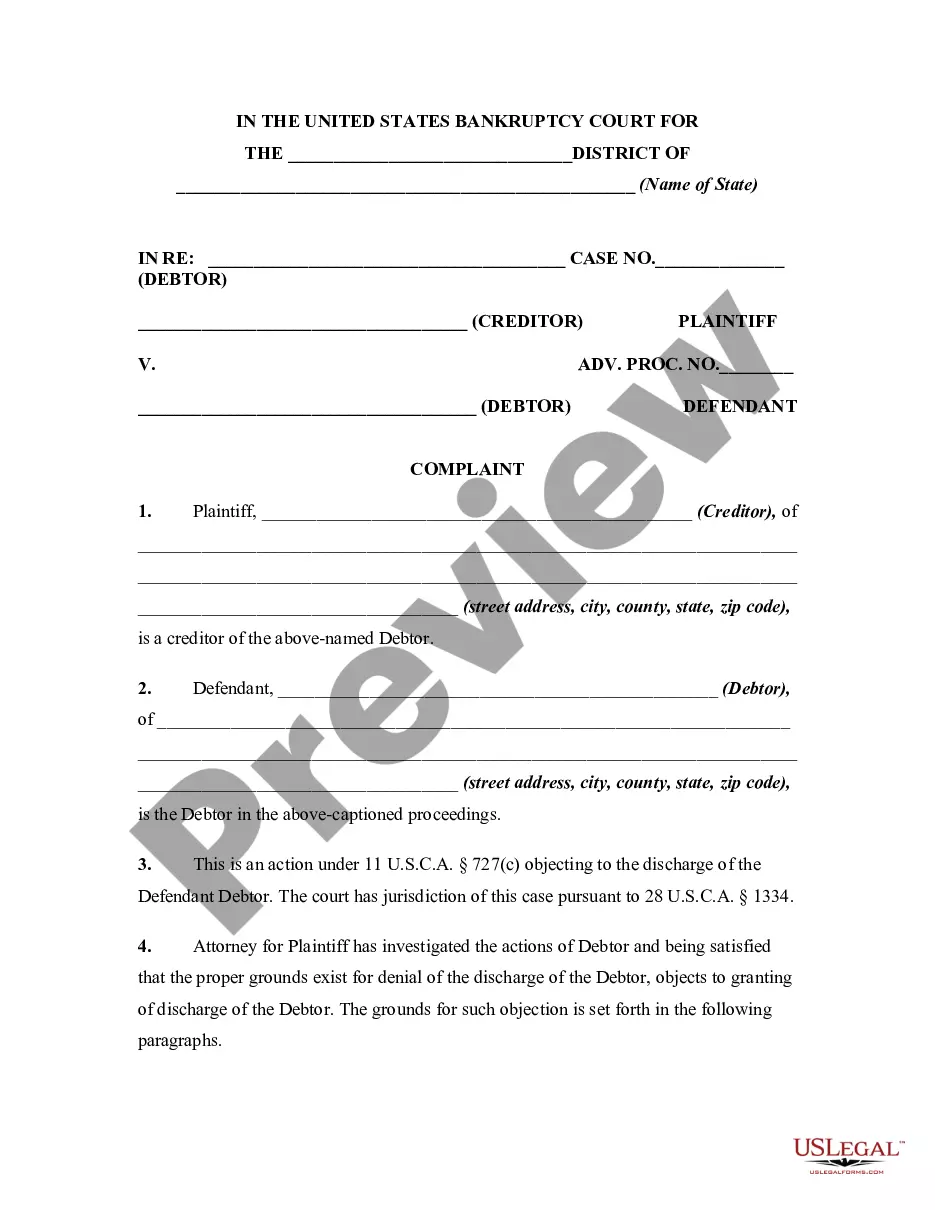
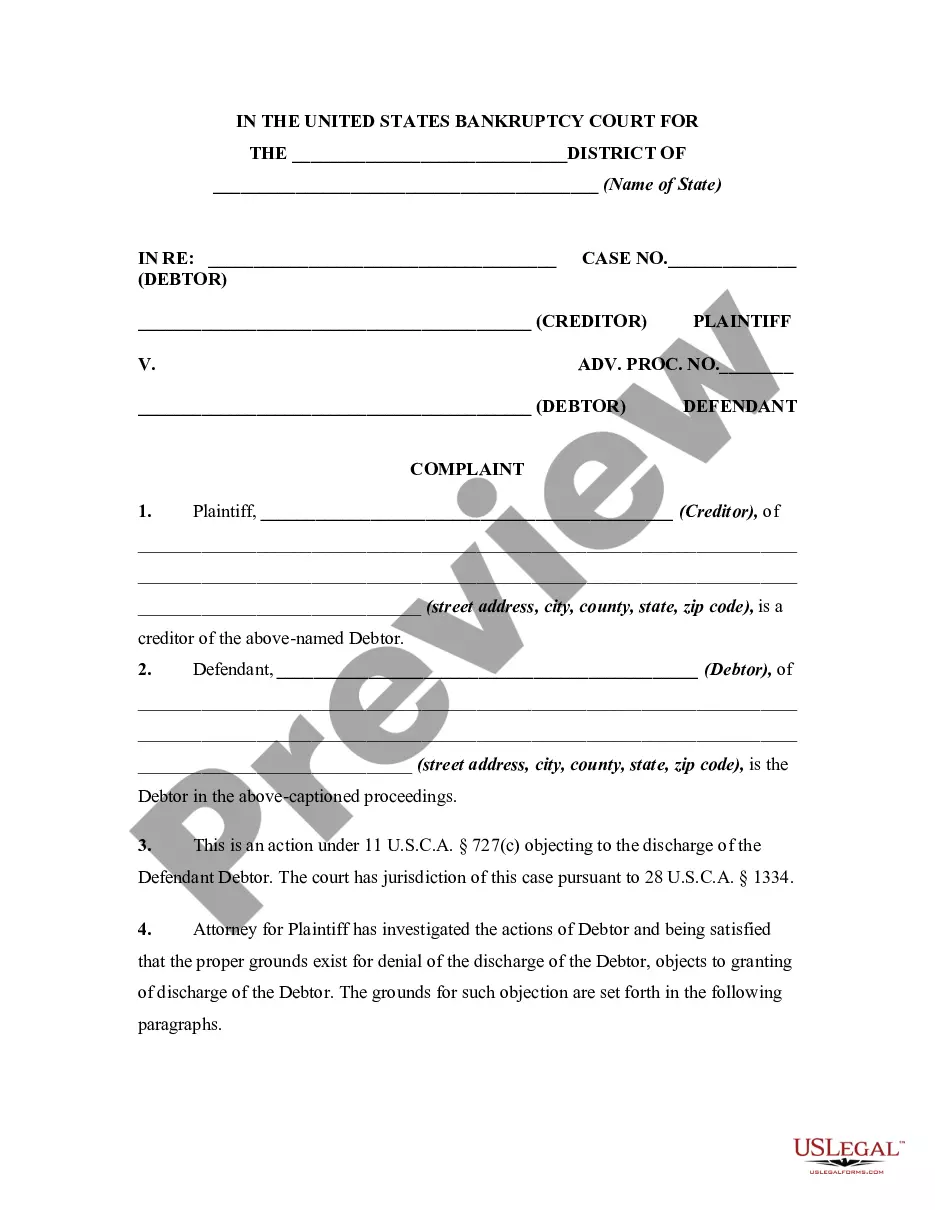
Get your form ready online
Our built-in tools help you complete, sign, share, and store your documents in one place.
Make edits, fill in missing information, and update formatting in US Legal Forms—just like you would in MS Word.
Download a copy, print it, send it by email, or mail it via USPS—whatever works best for your next step.
Sign and collect signatures with our SignNow integration. Send to multiple recipients, set reminders, and more. Go Premium to unlock E-Sign.
If this form requires notarization, complete it online through a secure video call—no need to meet a notary in person or wait for an appointment.
We protect your documents and personal data by following strict security and privacy standards.

Make edits, fill in missing information, and update formatting in US Legal Forms—just like you would in MS Word.

Download a copy, print it, send it by email, or mail it via USPS—whatever works best for your next step.

Sign and collect signatures with our SignNow integration. Send to multiple recipients, set reminders, and more. Go Premium to unlock E-Sign.

If this form requires notarization, complete it online through a secure video call—no need to meet a notary in person or wait for an appointment.

We protect your documents and personal data by following strict security and privacy standards.
Looking for another form?
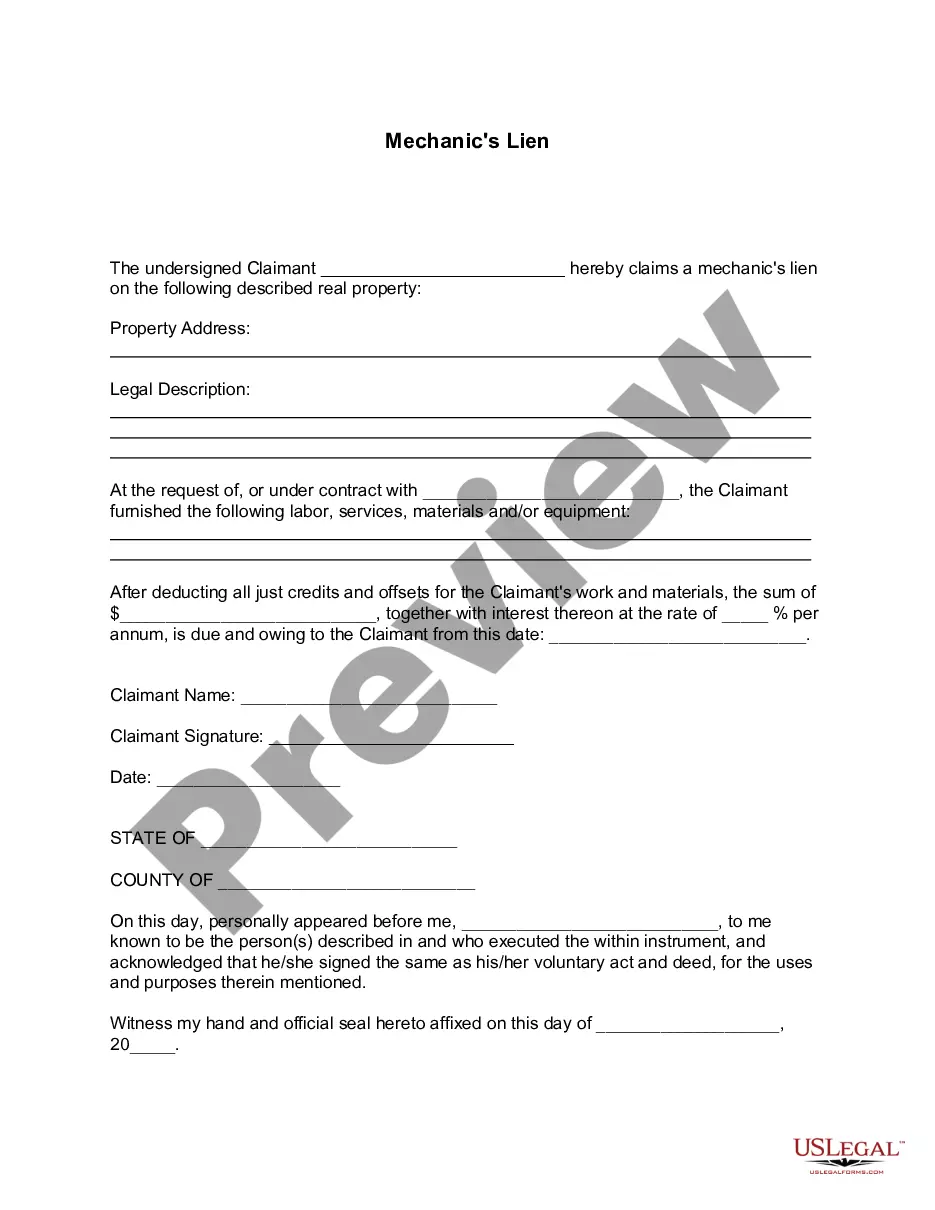


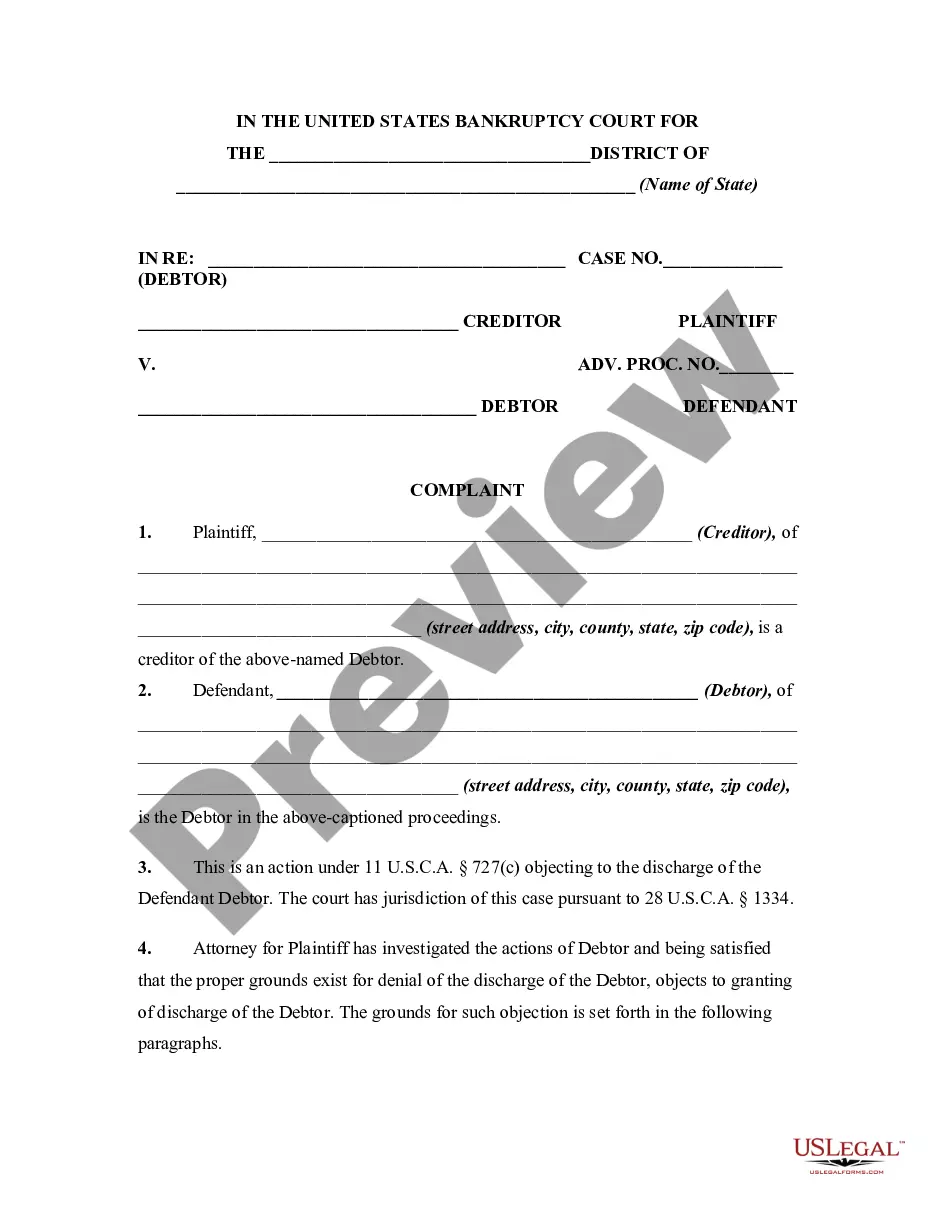
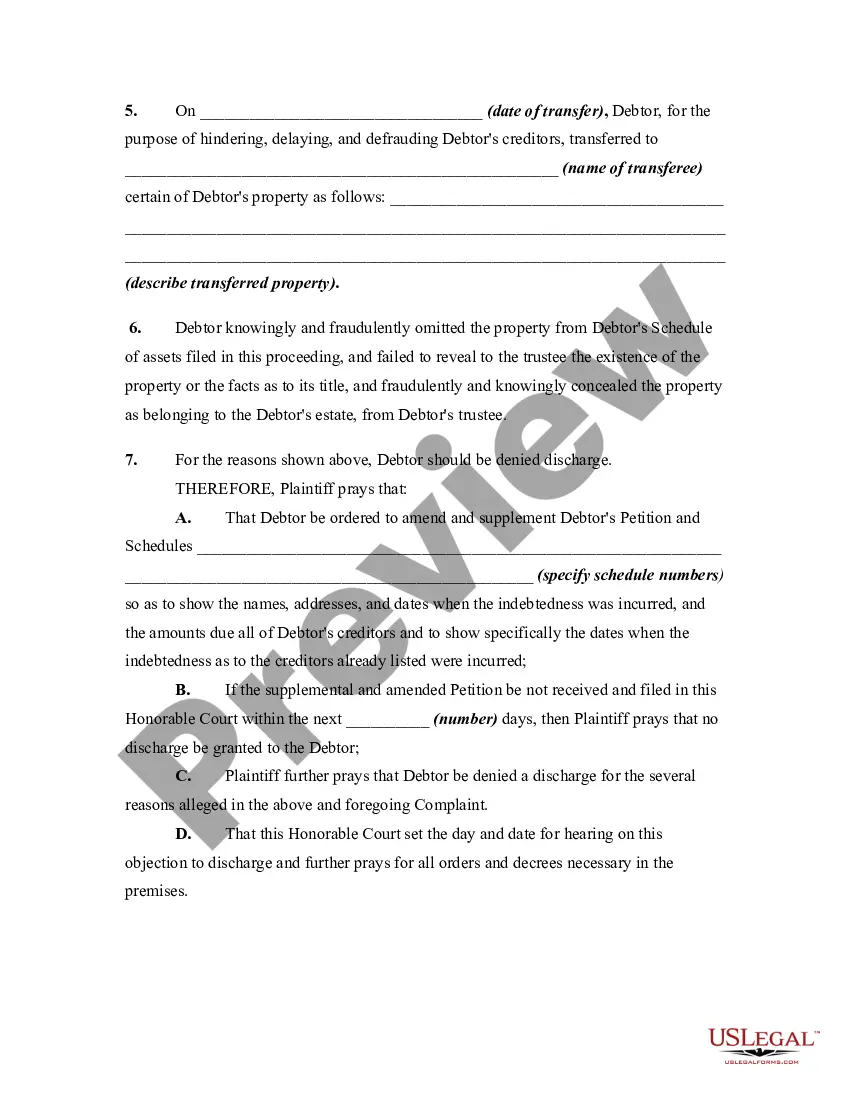
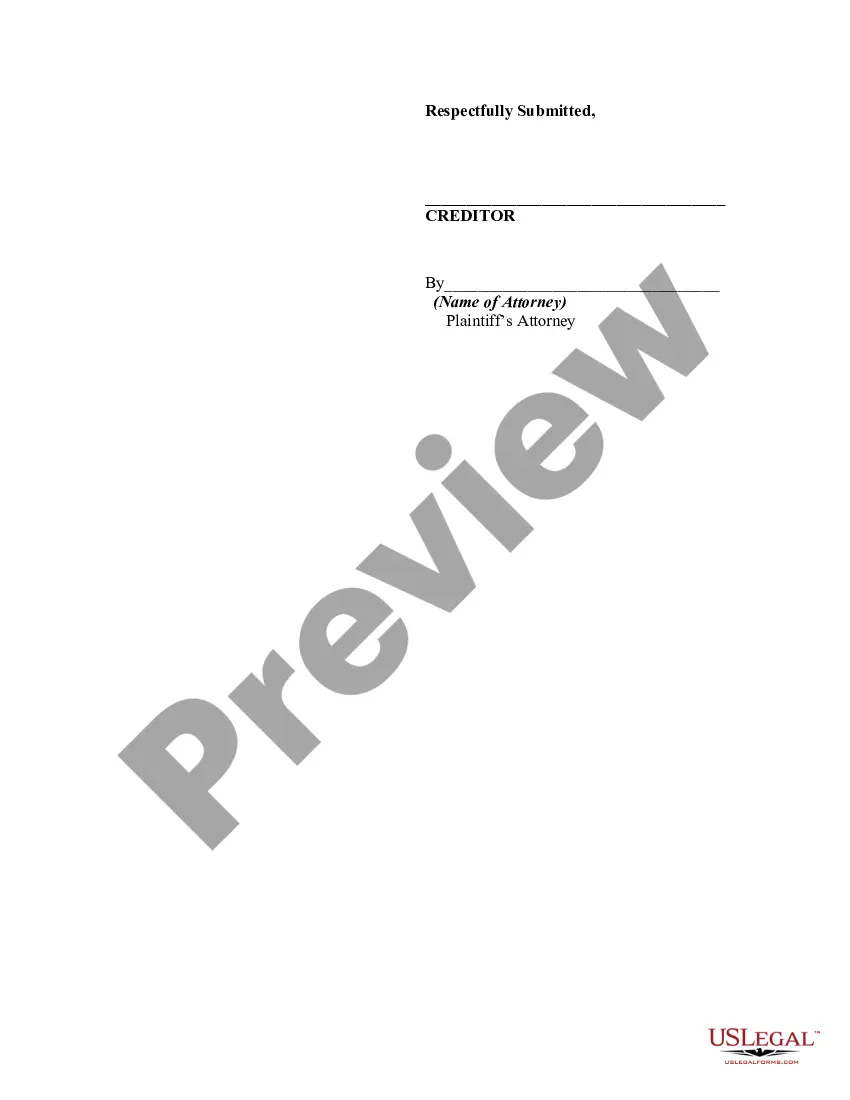
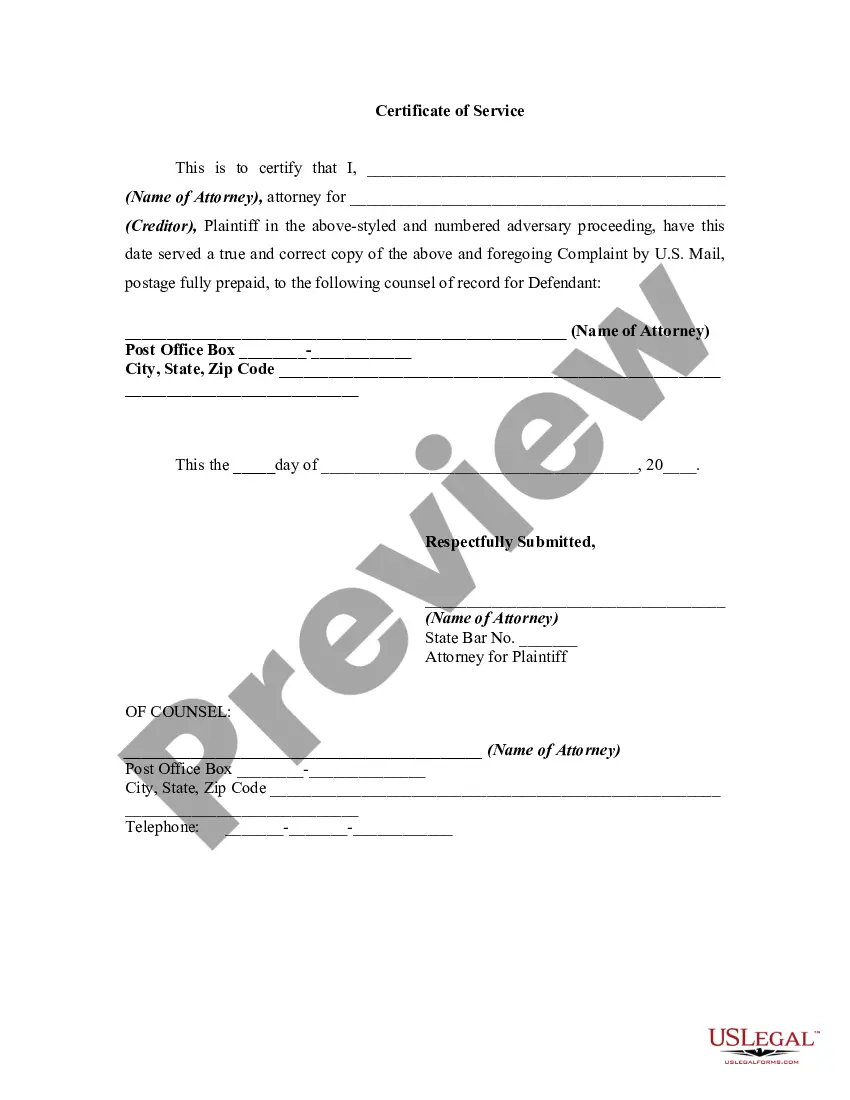
How to fill out Complaint Objecting To Discharge In Bankruptcy Proceedings For Concealment By Debtor And Omitting From Schedules Fraudulently Transferred Property?
- Log in to your US Legal Forms account if you're a returning user, and check for a valid subscription. If it has expired, renew based on your selected payment plan.
- Preview the selected form to confirm it fits your requirements. Ensure it complies with the local jurisdiction to avoid legal issues.
- In case of discrepancies or if a different form is needed, utilize the Search feature to find the right document.
- When ready, click the 'Buy Now' button for your chosen form and select a subscription plan. Registration is required for full access to the library.
- Proceed to payment by entering your credit card details or using your PayPal account for the subscription.
- Once done, download your form directly to your device. It will also be available in the 'My Forms' section of your account for future access.
By following these outlined steps, you can efficiently handle the process of discharging a debtor with primarily consumer debts, empowering yourself legally.
Start your journey with US Legal Forms today to experience streamlined legal documentation!
Form popularity
FAQ
Yes, you can choose what debt to include in your bankruptcy case. However, it's important to understand that if you aim to discharge debtor with primarily consumer debts, you will need to include those consumer debts in your filing. This allows you relief from overwhelming debt and gives you a fresh start. To navigate this process smoothly, consider using US Legal Forms, which provides the necessary resources and guidance to effectively manage your bankruptcy decision.
Consumers typically discharge debt by filing for bankruptcy, specifically under Chapter 7 or Chapter 13, depending on their financial situation. This process allows them to have their primarily consumer debts eliminated or reorganized. By working with platforms like USLegalForms, consumers can easily access the necessary forms and resources to navigate their bankruptcy process. Ultimately, this leads to a clearer financial path and renewed opportunities.
Primarily consumer debts refer to debts incurred for personal, family, or household purposes. This includes credit card debts, medical bills, and personal loans that are not secured by property. These debts often burden individuals and can significantly impact their financial stability. Understanding primarily consumer debts is crucial for debtors seeking relief through processes like discharge.
To obtain a discharge, a debtor must file for bankruptcy and follow several legal steps outlined by the court. This often includes attending a creditors' meeting and completing required financial education courses. After satisfying these obligations, the court evaluates the case and decides whether to grant the discharge, especially in cases involving primarily consumer debts. This succinct process is designed to provide relief while ensuring fairness among creditors.
The process of debt discharge typically begins with filing for bankruptcy, which can be initiated by the debtor. After filing, there may be a period where creditors can challenge the discharge. Following this, the court will assess the case and determine if the debtor qualifies for a discharge, especially when dealing with primarily consumer debts. This legal process ensures that debtors can move forward without the burden of specific financial obligations.
A debtor discharge refers to a legal process where a court releases an individual from personal liability for certain debts. When a debtor receives a discharge, they are no longer responsible for repaying these debts, including those categorized as primarily consumer debts. This discharge provides relief and allows debtors to make a fresh start financially. It is a vital step in regaining control of one's financial future.
Exempt debts typically include certain taxes owed to government entities, child support, and household debts. While you may be able to discharge a debtor with primarily consumer debts, these types of obligations often remain intact. Hence, it is important to identify what debts you can and cannot discharge. Using resources from platforms like US Legal Forms can provide clarity on your specific circumstances.
Certain types of debt cannot be erased under bankruptcy laws, including debts incurred through fraud or debts related to willful injury to another person or property. It is essential to understand that while you can discharge a debtor with primarily consumer debts, these specific debts remain on your financial record. Being aware of these limitations allows you to make informed financial decisions going forward. Consulting knowledgeable professionals can further clarify your situation.
Debts that cannot be discharged typically include child support, alimony, certain taxes, and most student loans. When you are working to discharge a debtor with primarily consumer debts, it is critical to be aware of these exceptions. This knowledge can help you navigate the bankruptcy process more effectively. Utilizing resources from platforms like US Legal Forms can offer valuable insights.
A debtor can be denied a discharge if they commit fraud, fail to complete mandatory credit counseling, or do not comply with court orders. Additionally, if the debtor has previously received a bankruptcy discharge within a certain time period, they may also face denial. Understanding these conditions is vital to successfully discharge a debtor with primarily consumer debts. It is advisable to consult experts to ensure compliance with all requirements.