Discharge Debtor With 1099a
Description
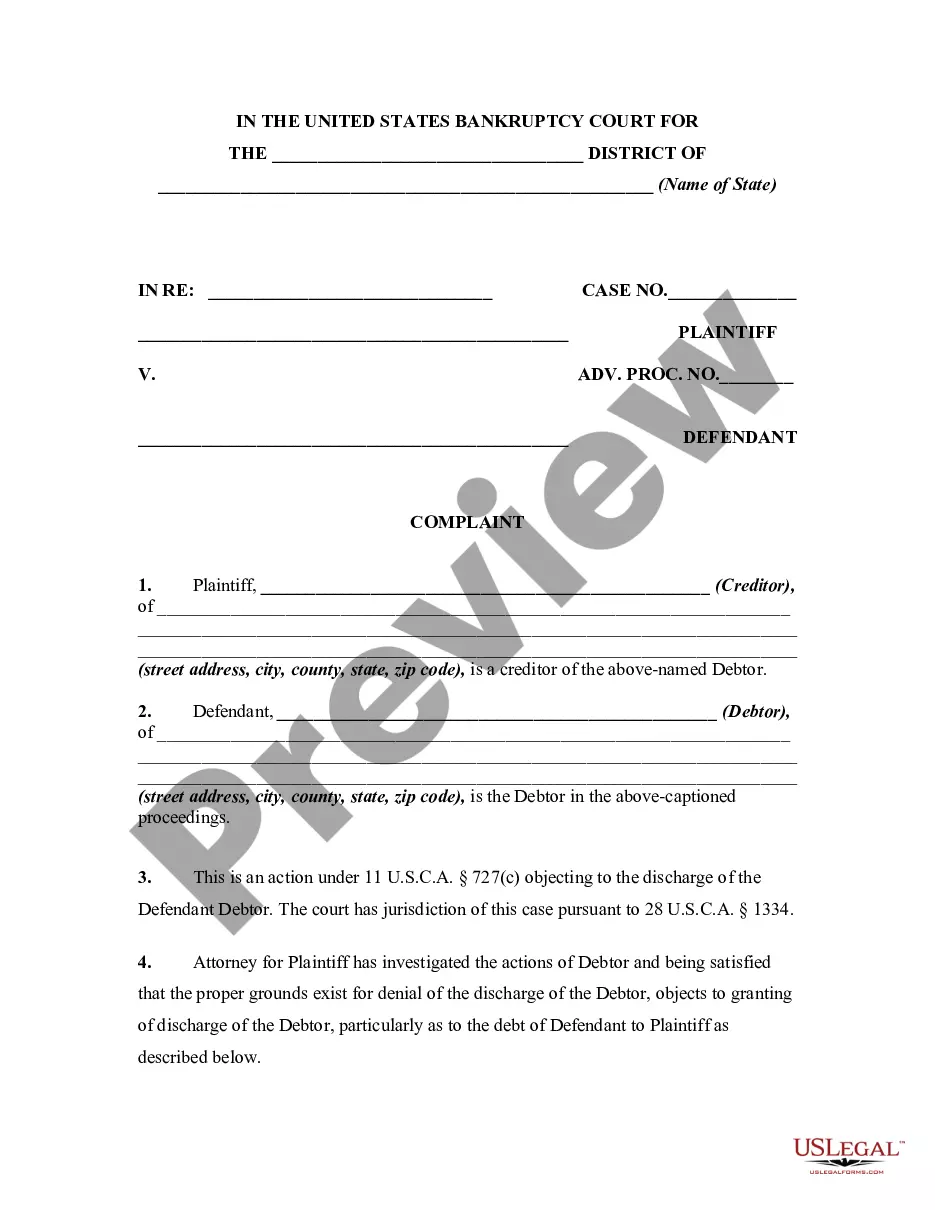
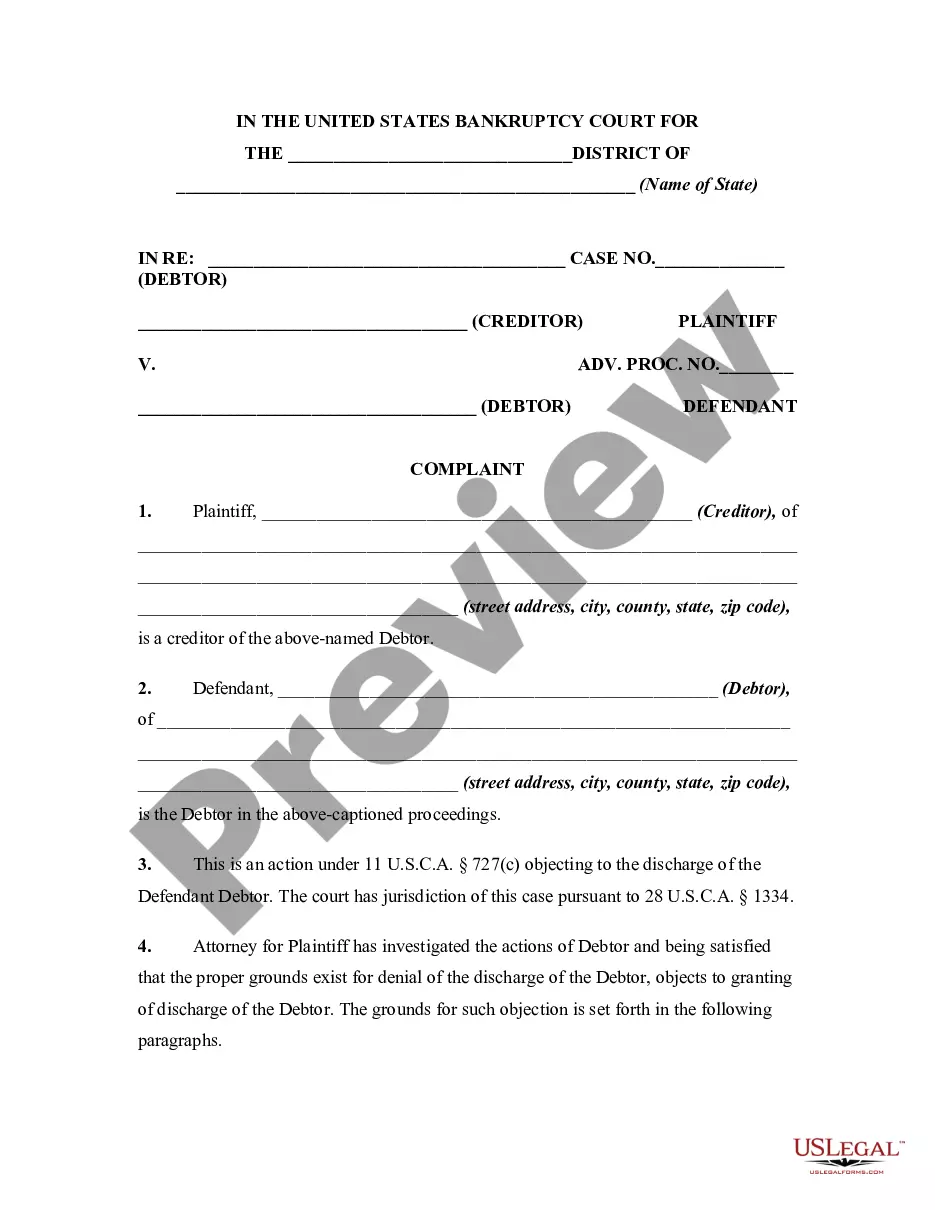
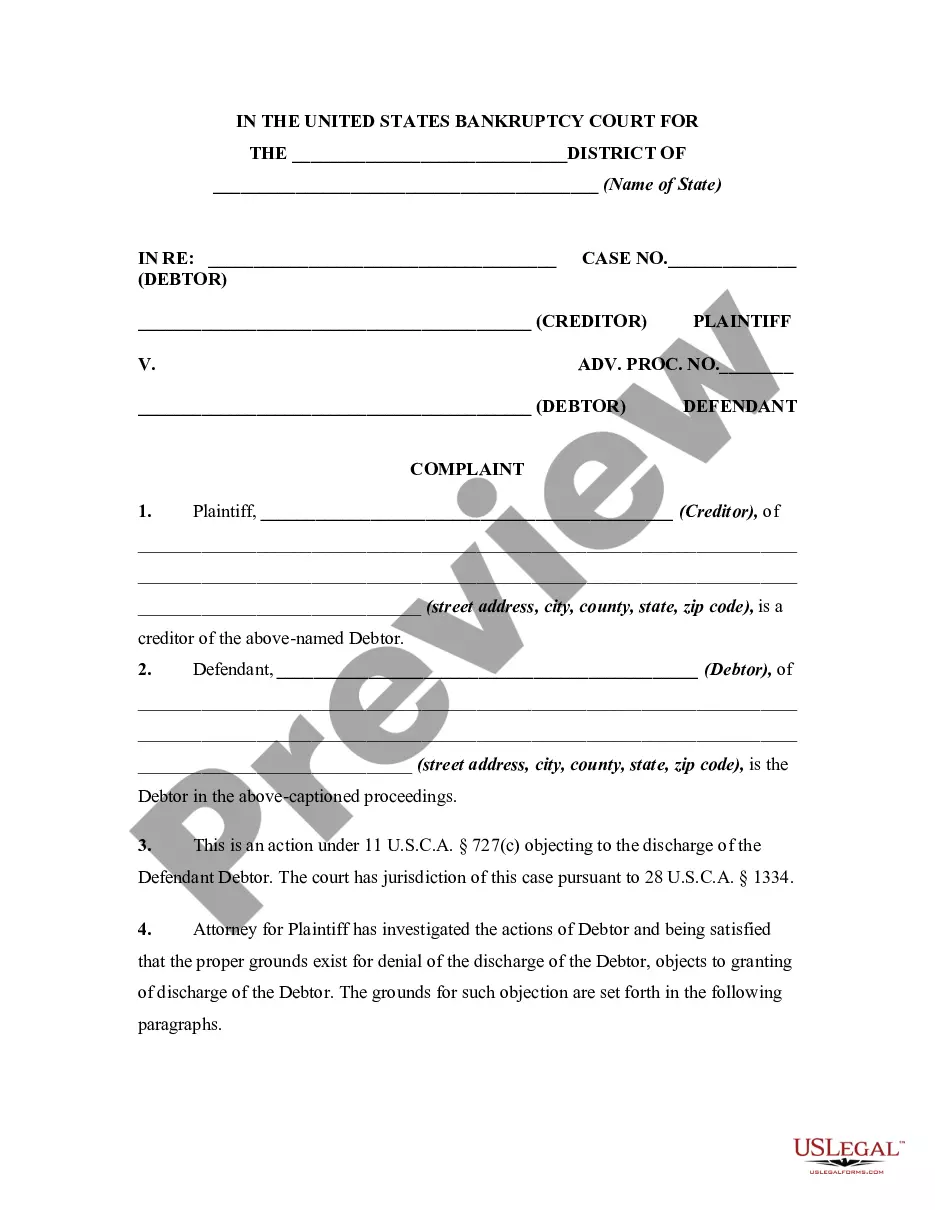
Get your form ready online
Our built-in tools help you complete, sign, share, and store your documents in one place.
Make edits, fill in missing information, and update formatting in US Legal Forms—just like you would in MS Word.
Download a copy, print it, send it by email, or mail it via USPS—whatever works best for your next step.
Sign and collect signatures with our SignNow integration. Send to multiple recipients, set reminders, and more. Go Premium to unlock E-Sign.
If this form requires notarization, complete it online through a secure video call—no need to meet a notary in person or wait for an appointment.
We protect your documents and personal data by following strict security and privacy standards.

Make edits, fill in missing information, and update formatting in US Legal Forms—just like you would in MS Word.

Download a copy, print it, send it by email, or mail it via USPS—whatever works best for your next step.

Sign and collect signatures with our SignNow integration. Send to multiple recipients, set reminders, and more. Go Premium to unlock E-Sign.

If this form requires notarization, complete it online through a secure video call—no need to meet a notary in person or wait for an appointment.

We protect your documents and personal data by following strict security and privacy standards.
Looking for another form?





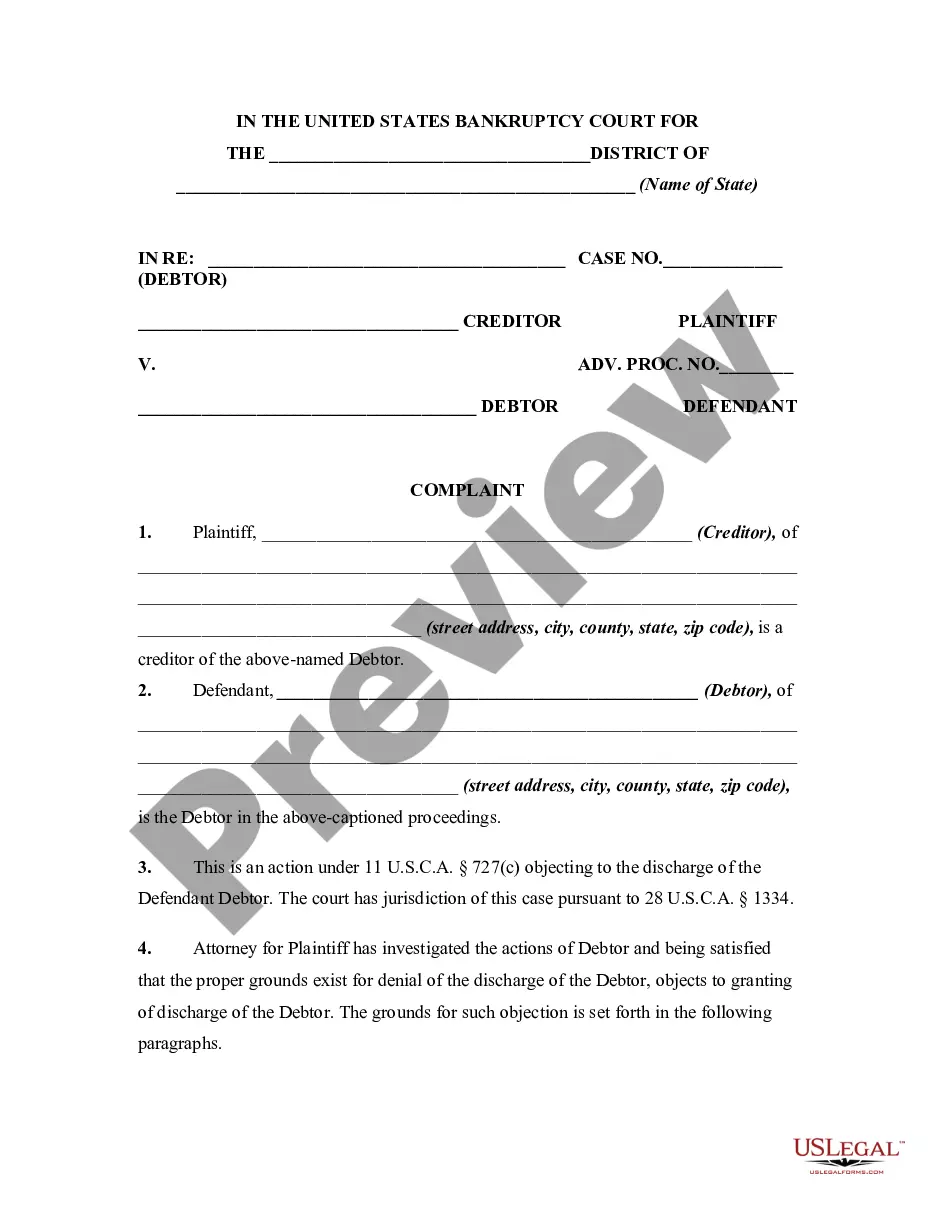
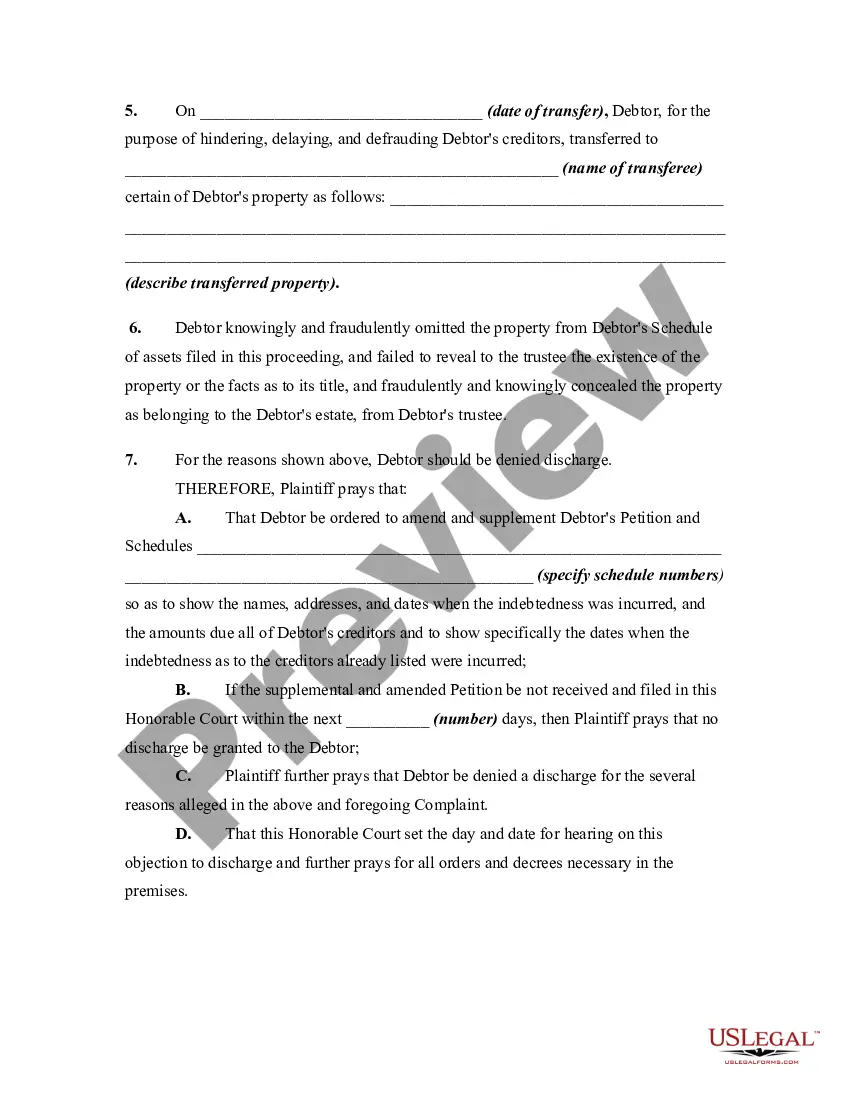
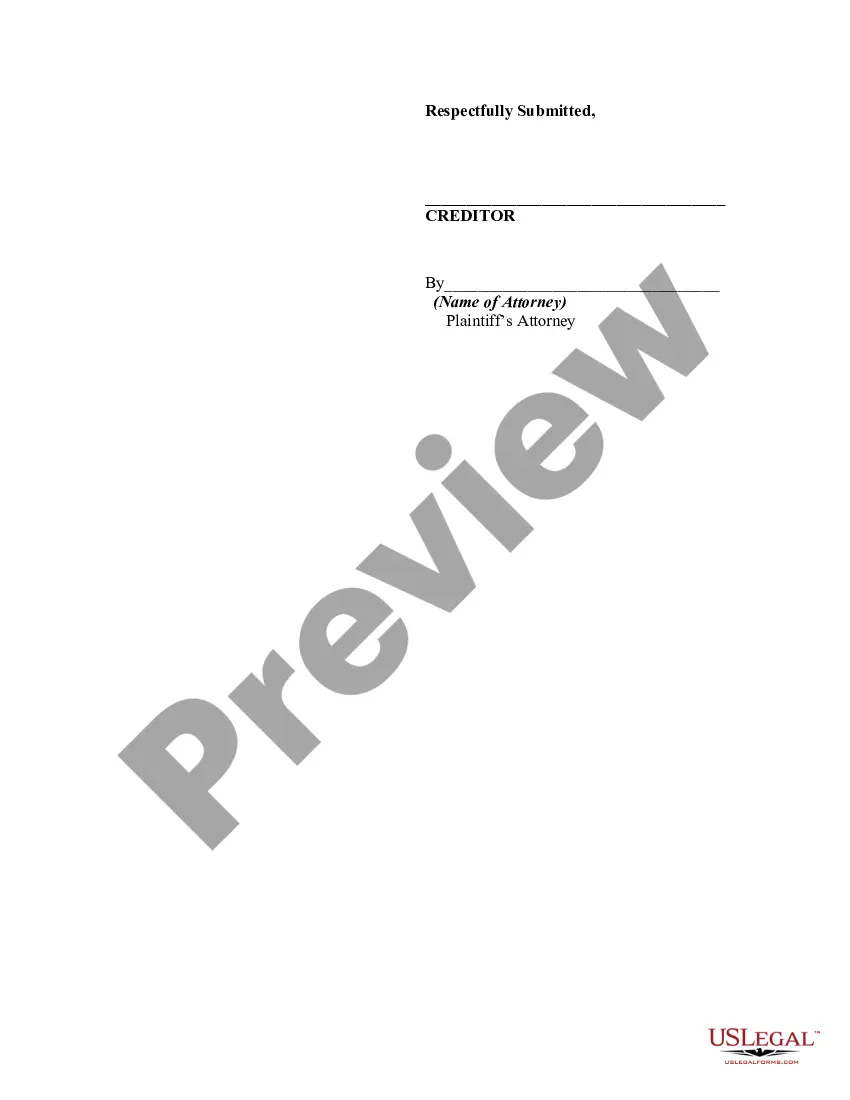
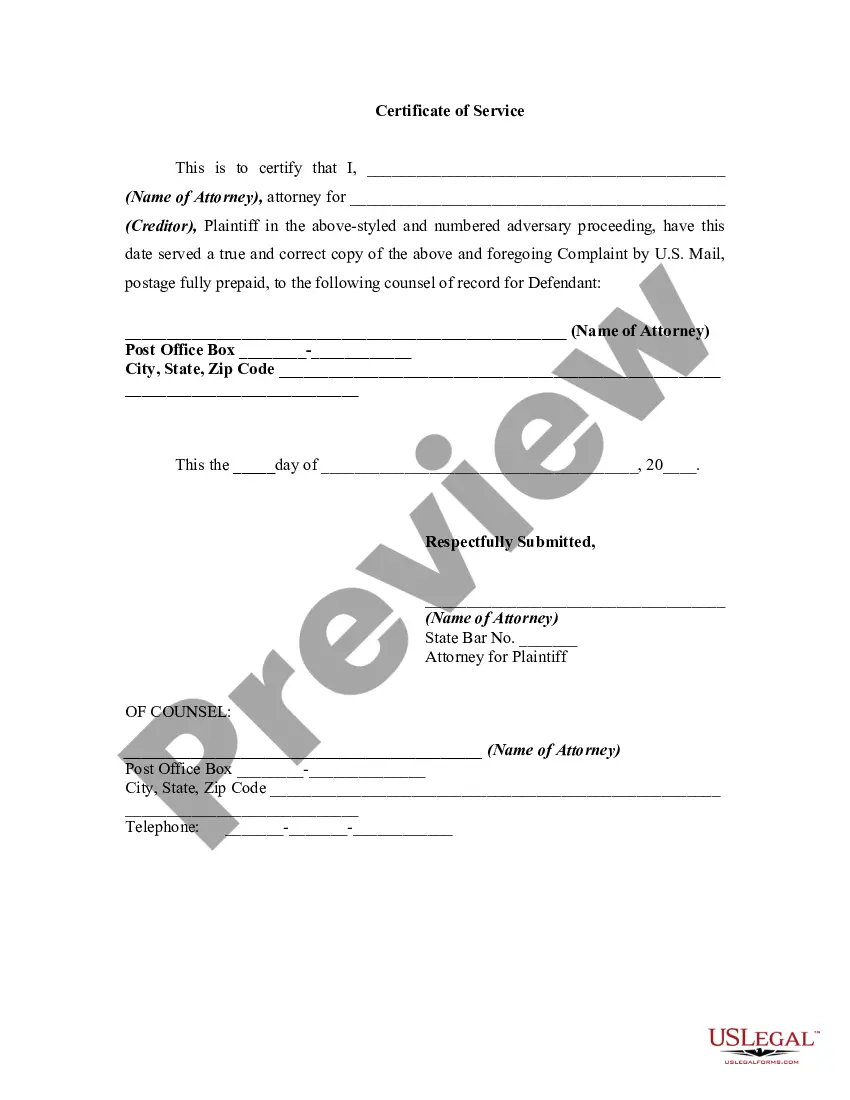
How to fill out Complaint Objecting To Discharge In Bankruptcy Proceedings For Concealment By Debtor And Omitting From Schedules Fraudulently Transferred Property?
- Log in to your US Legal Forms account if you’re a returning user. Ensure your subscription is active to access your documents.
- For first-time users, review the form description and use Preview mode to confirm that the 1099a template fits your requirements.
- If needed, utilize the Search feature to find additional templates that suit your legal situation.
- Select the 1099a document and click the Purchase button. Choose your preferred subscription plan and register for an account.
- Complete your order by entering your payment information, whether via credit card or PayPal.
- Download the completed form directly to your device, and you can always access it later in the My Forms section of your profile.
Using US Legal Forms not only provides you with a robust collection of templates but also grants access to premium expert assistance. This ensures that your documents are completed accurately and meet legal standards.
Don't hesitate—start your journey towards effective legal documentation today! Visit US Legal Forms and unlock a world of legal resources.
Form popularity
FAQ
When you discharge debt, you are effectively released from your obligation to repay it, which can offer significant financial relief. However, this cancellation can also create tax implications, as you may receive a 1099a reporting the canceled amount as income. This process can impact your overall financial standing, so it's important to consider the long-term effects. Platforms like US Legal Forms can provide the necessary guidance to navigate these complexities successfully.
A 1099 form is utilized to report various types of income other than wages, salaries, or tips. It's commonly used for freelance work, interest income, and, importantly, discharged debt tracked through a 1099a. This form provides crucial information, ensuring that both the IRS and the taxpayer are aware of all income sources. Understanding how to use these forms can help you stay compliant with tax laws.
The creditor or lender is responsible for filling out a 1099a form. This form documents the amount of debt discharged and is sent to both the debtor and the IRS. When you discharge debt with a 1099a, accurate completion is vital for aligning with IRS regulations. Make sure you keep a copy for your records, as it is an important part of your tax filing.
A 1099 discharge of debt refers to a tax form used to inform the IRS that a creditor has released a debtor from paying back a certain amount of debt. Using this form, creditors report any canceled or forgiven debt, helping ensure that the IRS keeps track of these transactions. Understanding how to properly handle a 1099 discharge of debt is crucial, as it directly impacts your tax obligations. Consider seeking guidance from professionals when navigating this process.
When you discharge debt with a 1099a, the IRS considers this as cancellation of debt income. This means that you may need to report this amount as income on your tax return. However, certain exclusions and exceptions might apply, such as insolvency or primary residence discharge, that could reduce or eliminate your tax burden. It's essential to understand how these rules affect your specific situation.
To report forgiven debt to the IRS, you should use Form 982, especially when discharging a debtor with a 1099A. This form allows you to outline the amount forgiven and its impact on your tax liability. Consulting with a tax professional can help ensure that you navigate this process easily and effectively.
If you forgive a bad debt, you may need to issue a 1099C to report the forgiven amount to the IRS. This helps ensure transparency regarding the discharged debt. To avoid any compliance issues, consider using platforms like UsLegalForms for guidance in preparing your 1099 forms correctly.
Failing to report a 1099C can lead to significant tax issues, including penalties and interest on unpaid taxes. The IRS may treat the forgiven debt as income, which could result in an unexpected tax obligation. It’s crucial to address any 1099C forms promptly to avoid complications with your tax return.
When you discharge a debtor with a 1099A, the forgiven debt may be treated as taxable income by the IRS. This means you could owe taxes on the amount forgiven. Always keep detailed records and consider speaking with a tax advisor to navigate the potential implications of debt forgiveness on your financial situation.
When you discharge a debtor with a 1099A, you need to report debt forgiveness on your tax return using IRS Form 982. This form helps you describe the discharge of indebtedness and calculate any tax implications. Ensure you review all relevant documents, as accurate reporting is essential for compliance and can affect your tax liability.