Complaint Objecting To Dischargeability Of Debt With Debt
Description
Get your form ready online
Our built-in tools help you complete, sign, share, and store your documents in one place.
Make edits, fill in missing information, and update formatting in US Legal Forms—just like you would in MS Word.
Download a copy, print it, send it by email, or mail it via USPS—whatever works best for your next step.
Sign and collect signatures with our SignNow integration. Send to multiple recipients, set reminders, and more. Go Premium to unlock E-Sign.
If this form requires notarization, complete it online through a secure video call—no need to meet a notary in person or wait for an appointment.
We protect your documents and personal data by following strict security and privacy standards.

Make edits, fill in missing information, and update formatting in US Legal Forms—just like you would in MS Word.

Download a copy, print it, send it by email, or mail it via USPS—whatever works best for your next step.

Sign and collect signatures with our SignNow integration. Send to multiple recipients, set reminders, and more. Go Premium to unlock E-Sign.

If this form requires notarization, complete it online through a secure video call—no need to meet a notary in person or wait for an appointment.

We protect your documents and personal data by following strict security and privacy standards.
Looking for another form?

How to fill out Complaint Objecting To Discharge In Bankruptcy Proceedings For Concealment By Debtor And Omitting From Schedules Fraudulently Transferred Property?
Utilizing legal templates that adhere to federal and state laws is essential, and the web presents numerous alternatives to select from.
However, why squander time hunting for the correctly prepared Complaint Objecting To Dischargeability Of Debt With Debt sample online when the US Legal Forms digital library has already curated such templates in one convenient location.
US Legal Forms is the premier online legal repository featuring over 85,000 fillable templates crafted by attorneys for any commercial and personal circumstance.
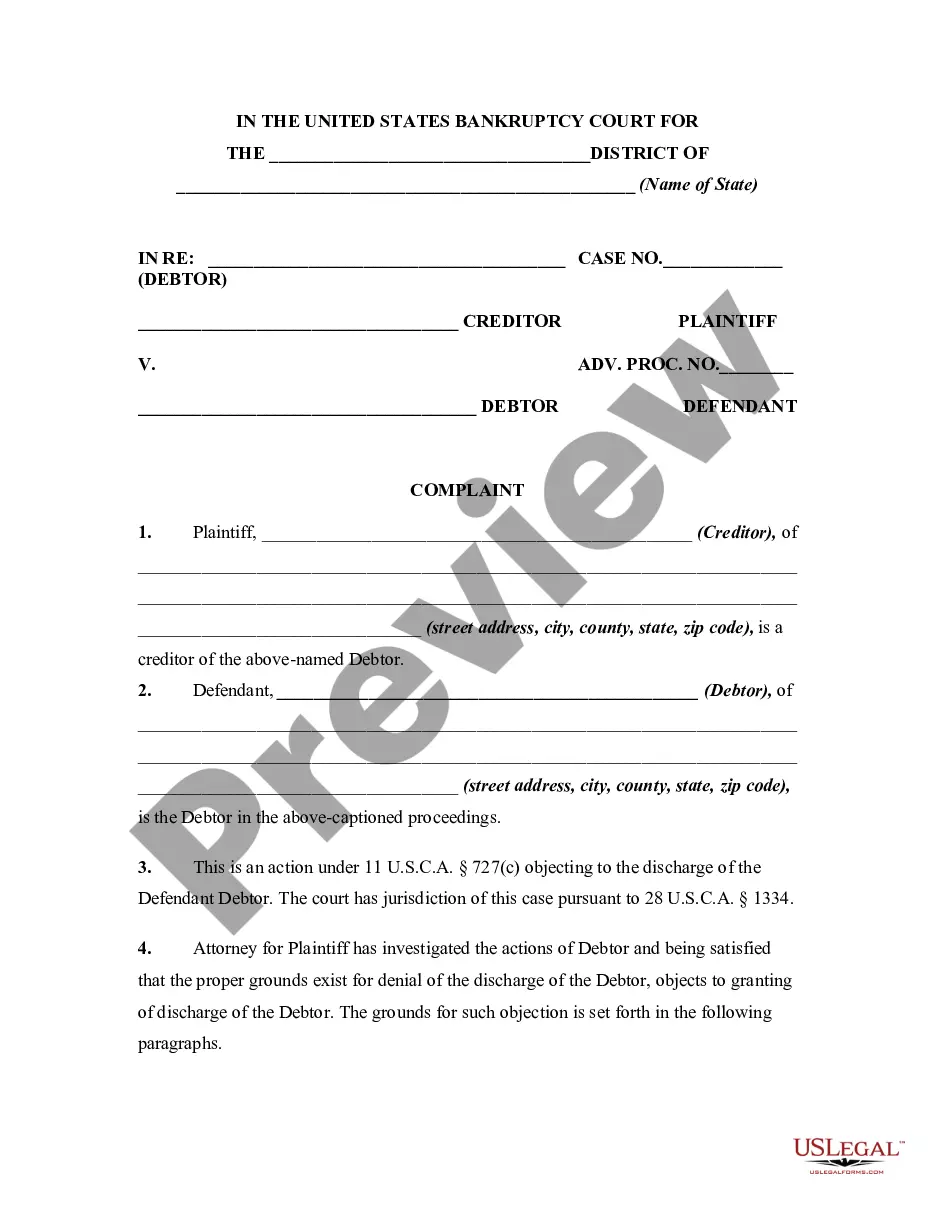
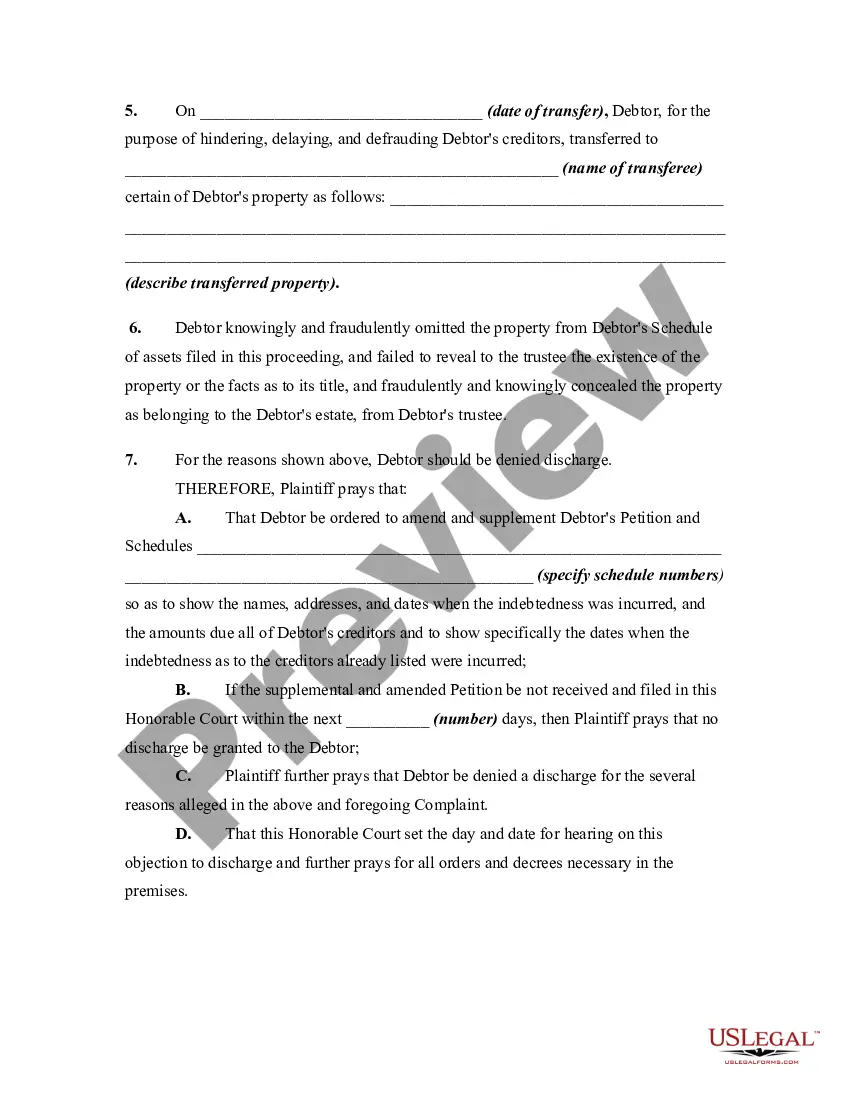
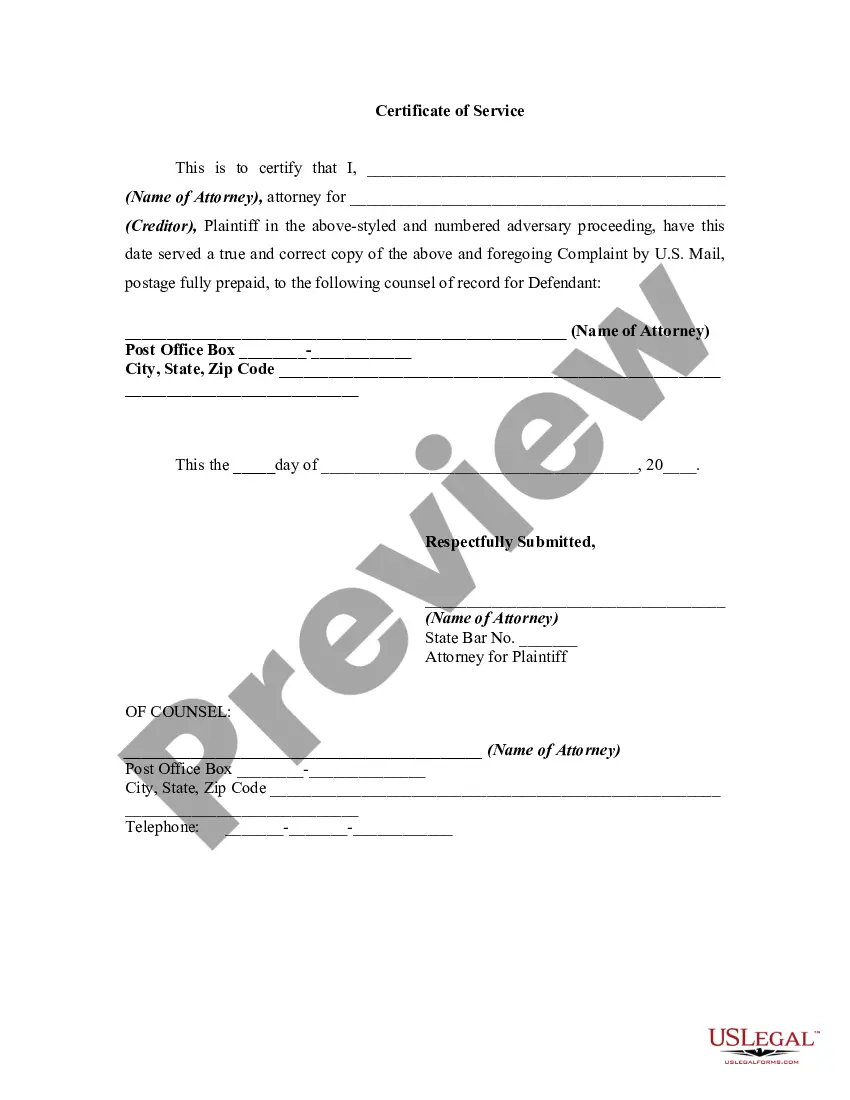
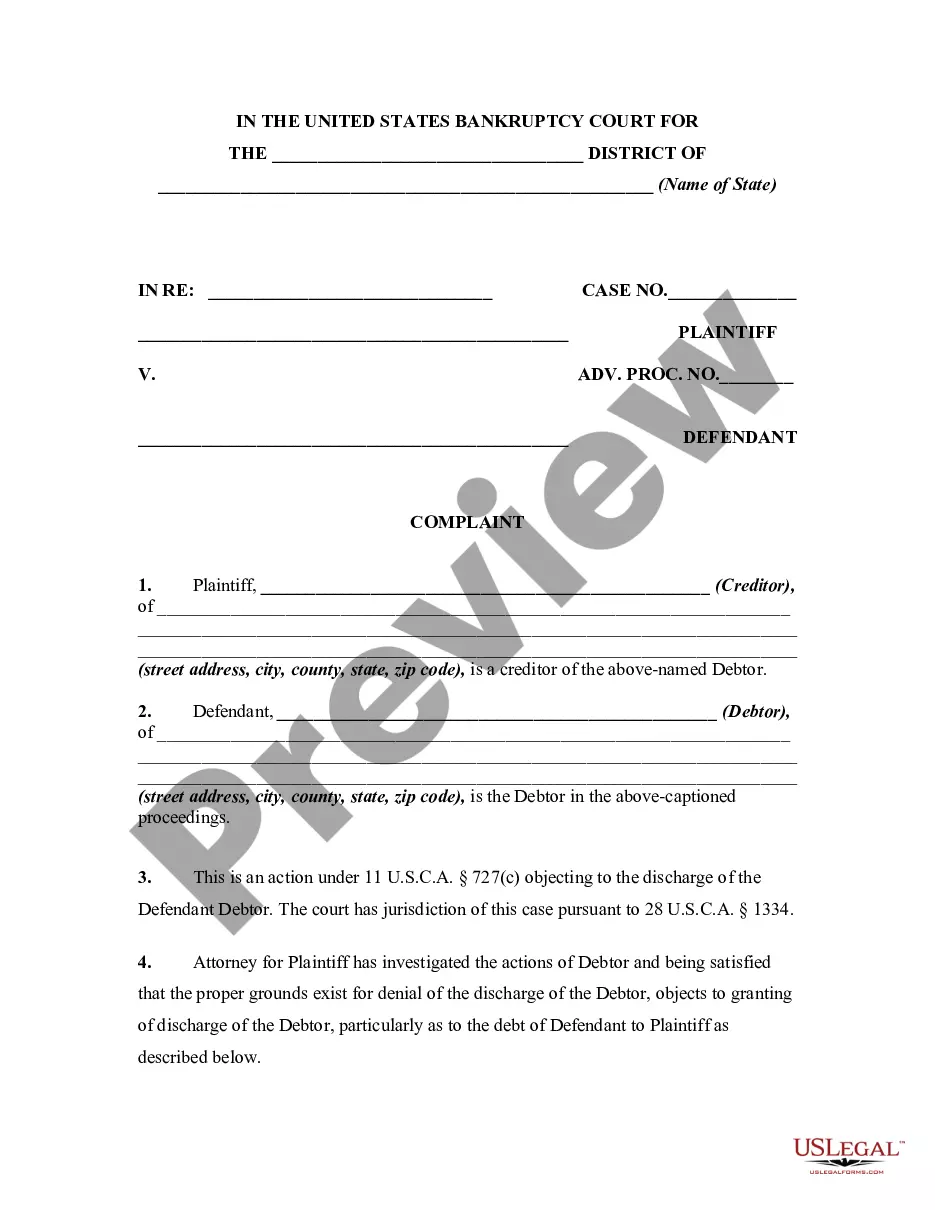
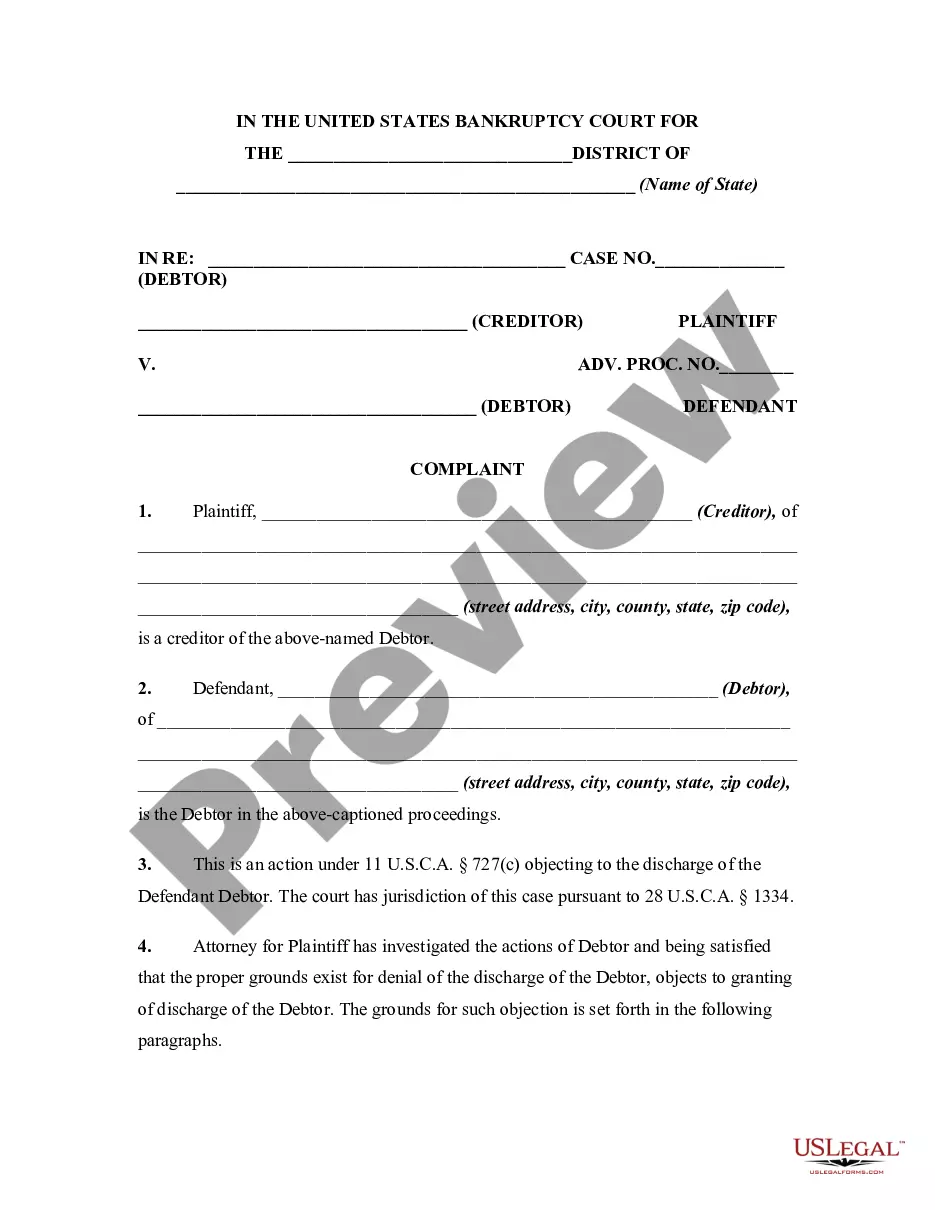
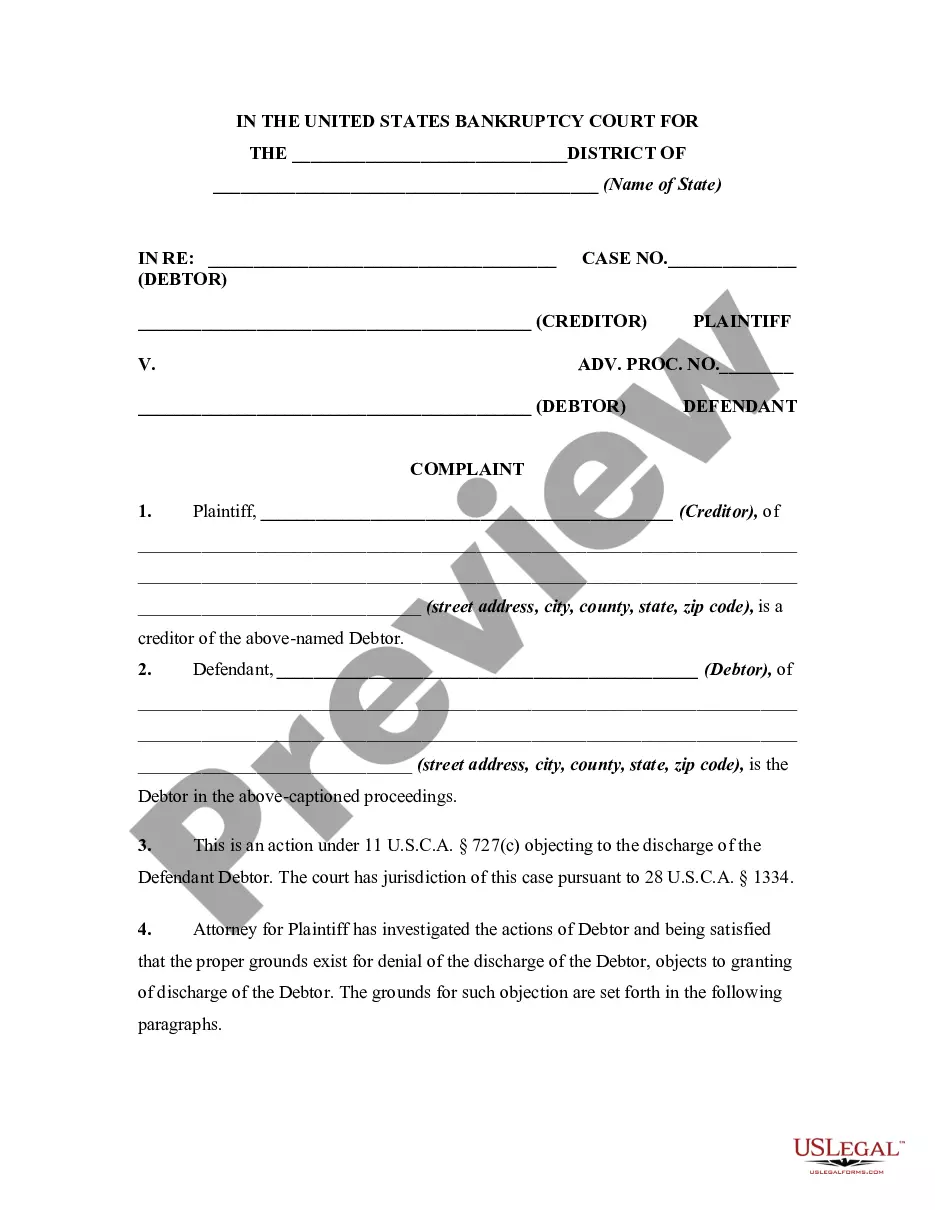
Review the template using the Preview feature or through the textual description to confirm it satisfies your criteria.
- They are straightforward to navigate with all documents organized by state and intended use.
- Our specialists stay informed about legislative updates, ensuring that your form remains current and compliant when acquiring a Complaint Objecting To Dischargeability Of Debt With Debt from our site.
- Acquiring a Complaint Objecting To Dischargeability Of Debt With Debt is simple and swift for both existing and new patrons.
- For those with a current account and valid subscription, Log In and save the required document sample in the appropriate format.
- If you are a newcomer to our platform, adhere to the instructions provided below.
Form popularity
FAQ
Objecting to a Discharge Generally This might be appropriate when the debtor lied to the bankruptcy judge or trustee, made false statements on the bankruptcy petition, fraudulently transferred title to property, destroyed property, or disregarded a court order.
A trustee's or creditor's objection to the debtor being released from personal liability for certain dischargeable debts. Common reasons include allegations that the debt to be discharged was incurred by false pretenses or that debt arose because of the debtor's fraud while acting as a fiduciary.
To object to the debtor's discharge, a creditor must file a complaint in the bankruptcy court before the deadline set out in the notice. Filing a complaint starts a lawsuit referred to in bankruptcy as an "adversary proceeding."
Except as otherwise provided in subdivision (d), a complaint to determine the dischargeability of a debt under §523(c) shall be filed no later than 60 days after the first date set for the meeting of creditors under §341(a).
An Objection to Discharge is a motion by a creditor to a bankruptcy court asking the court not to discharge a person's specific debt owed to that creditor. If the court grants the motion, the debt is not discharged in bankruptcy and remains due.