Chapter 13
Description
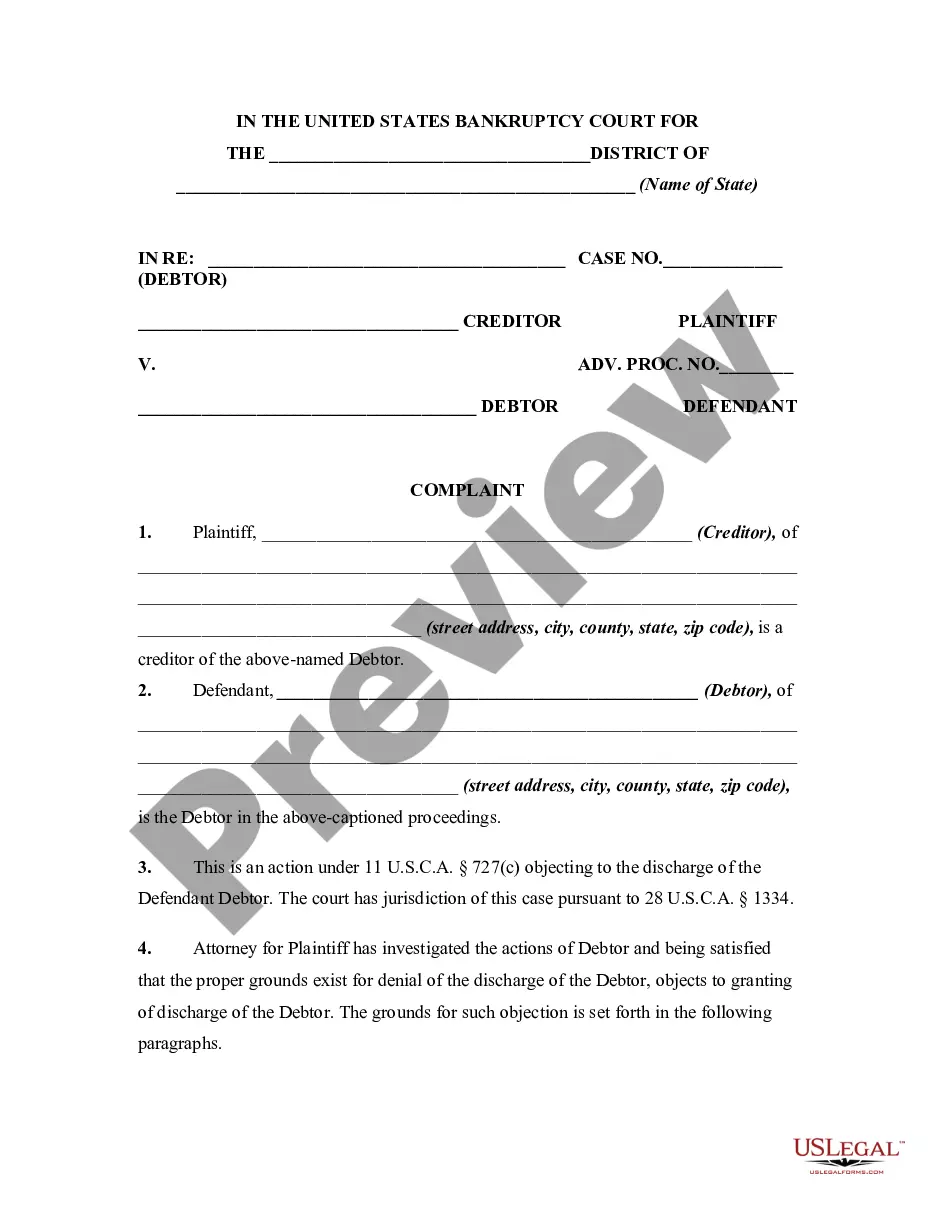
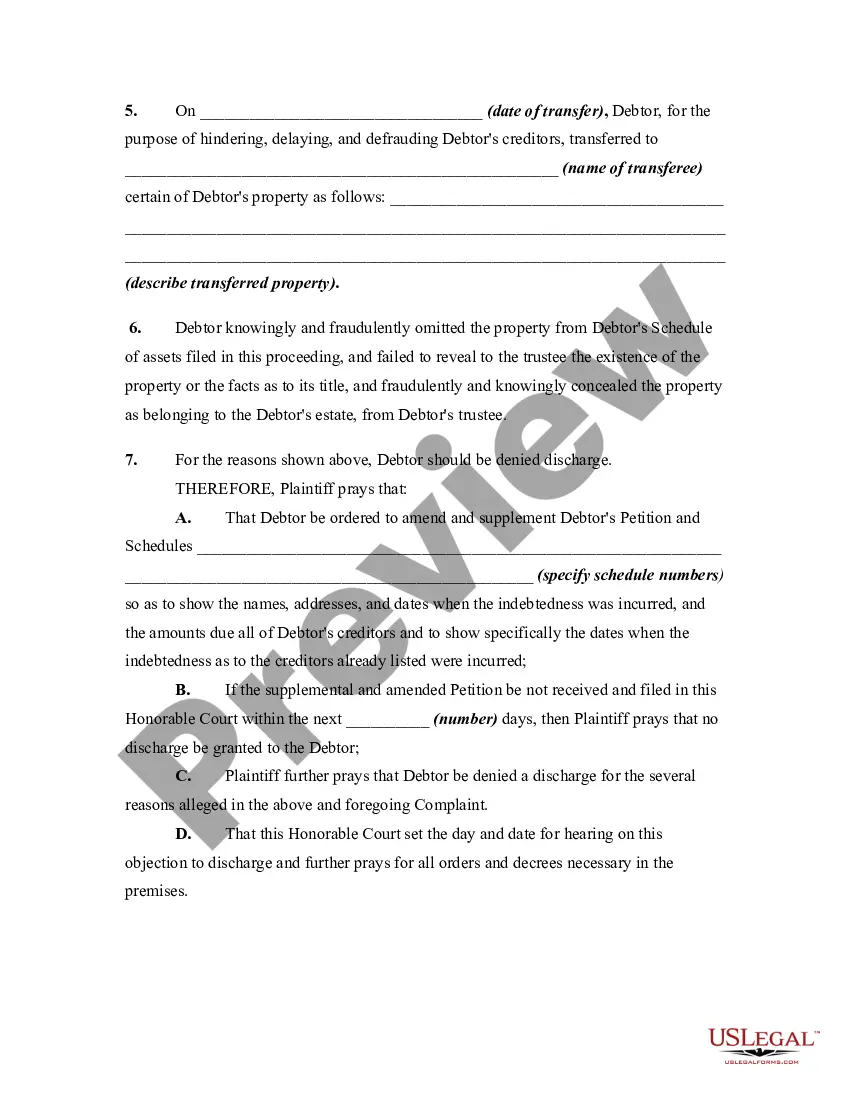
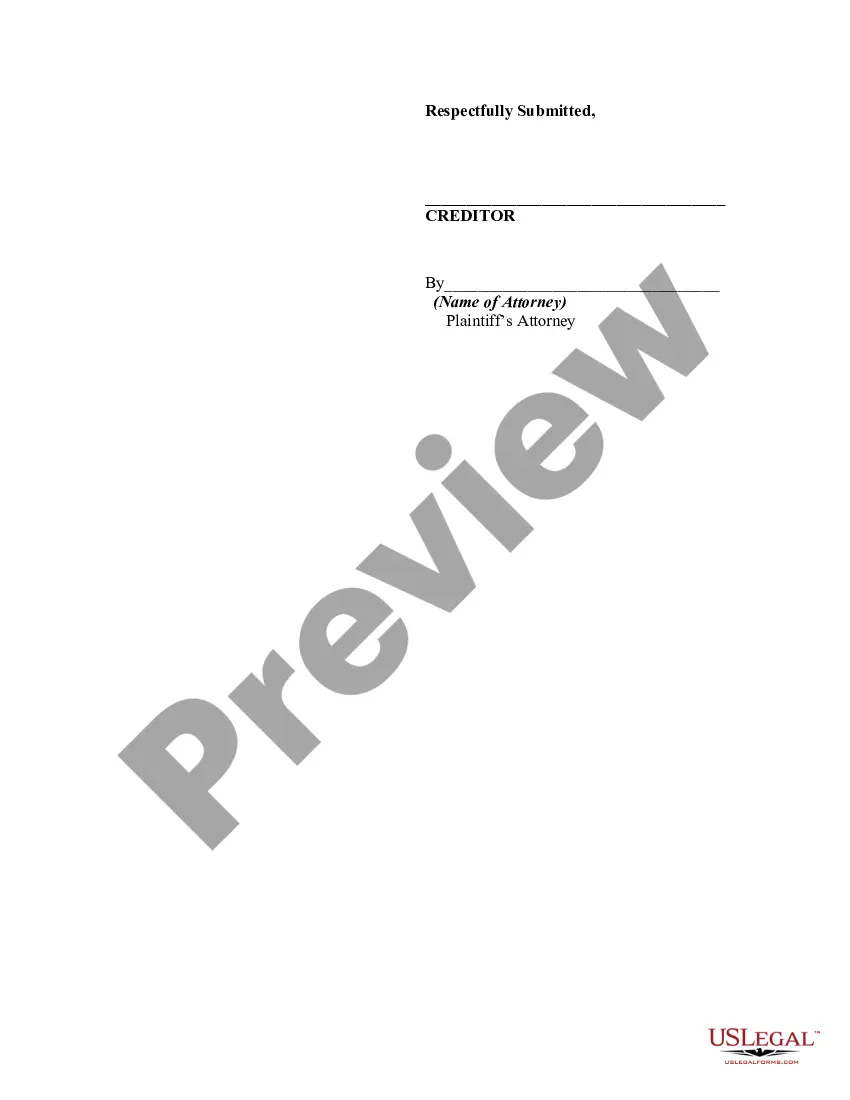
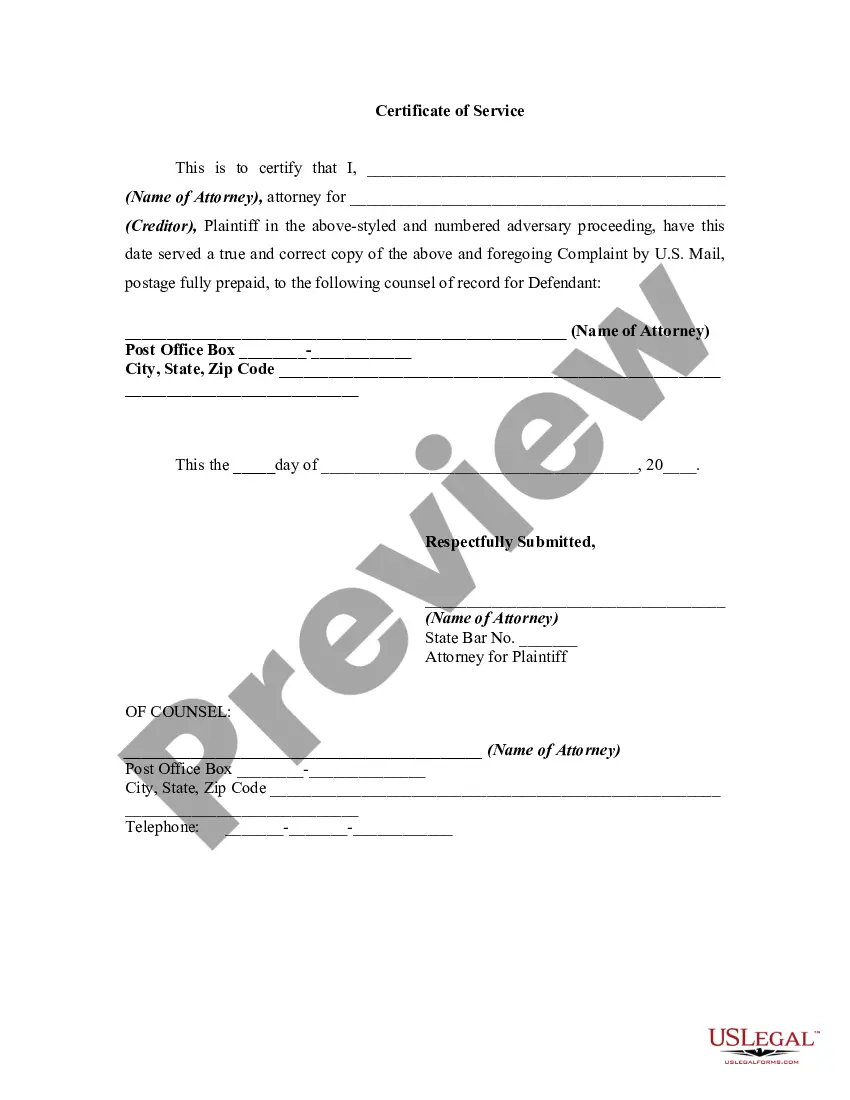
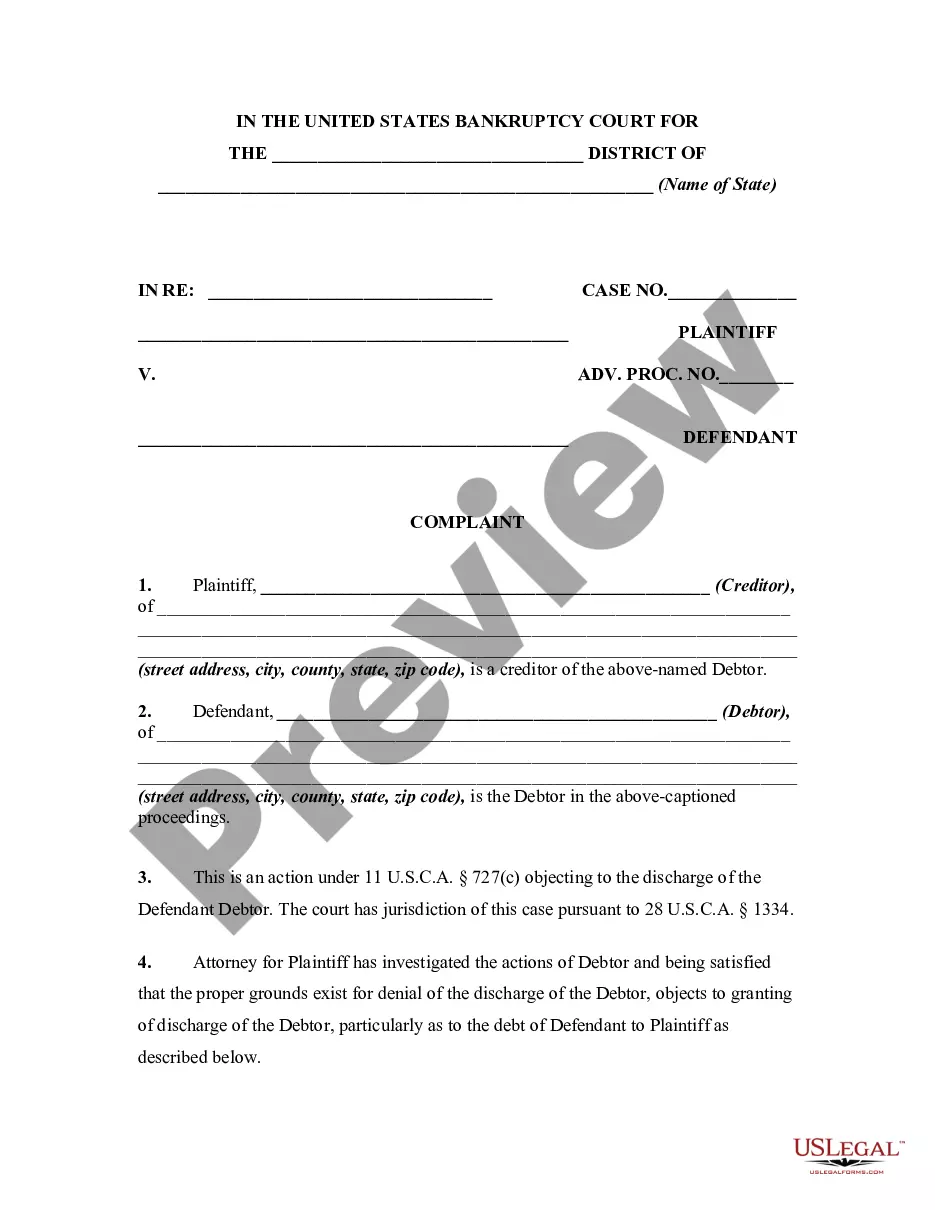
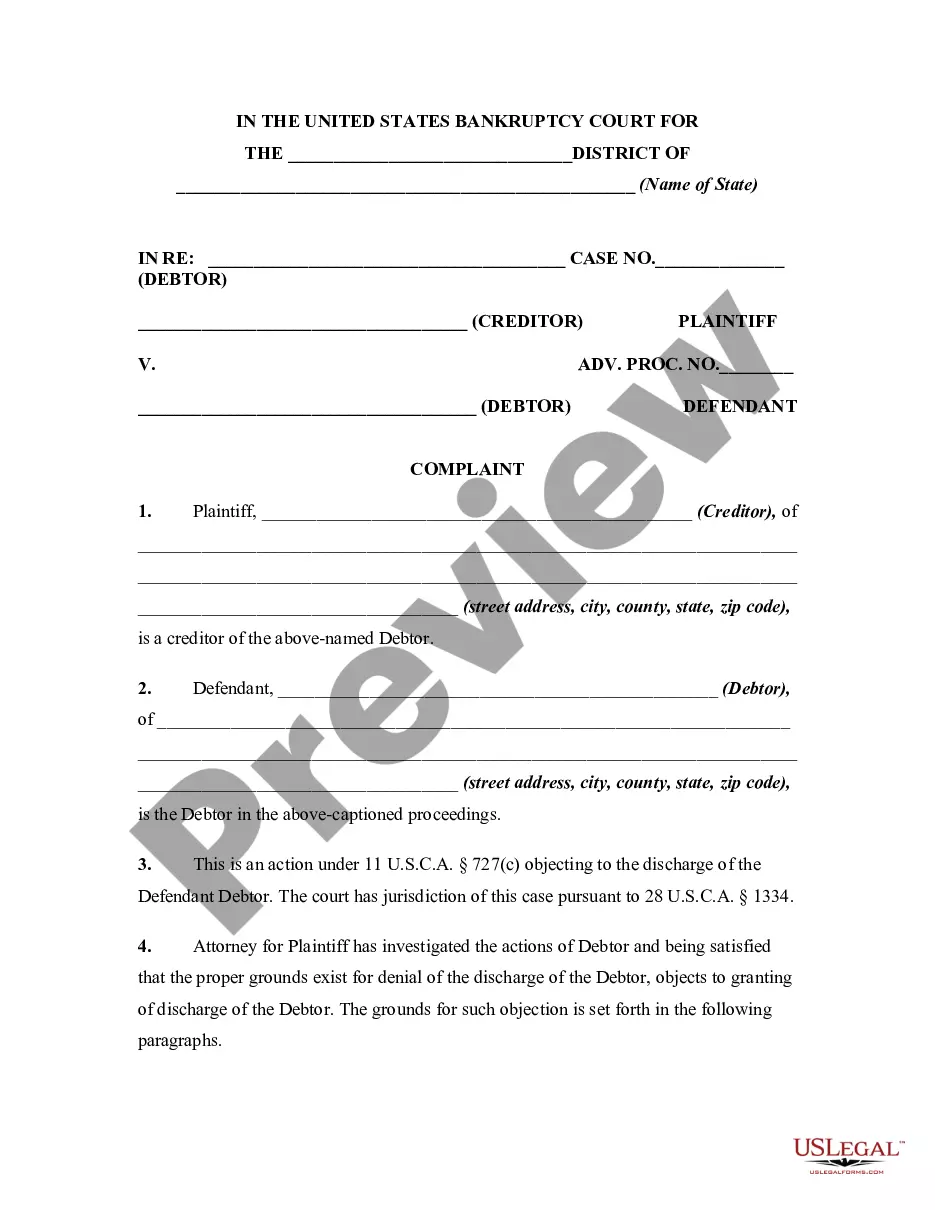
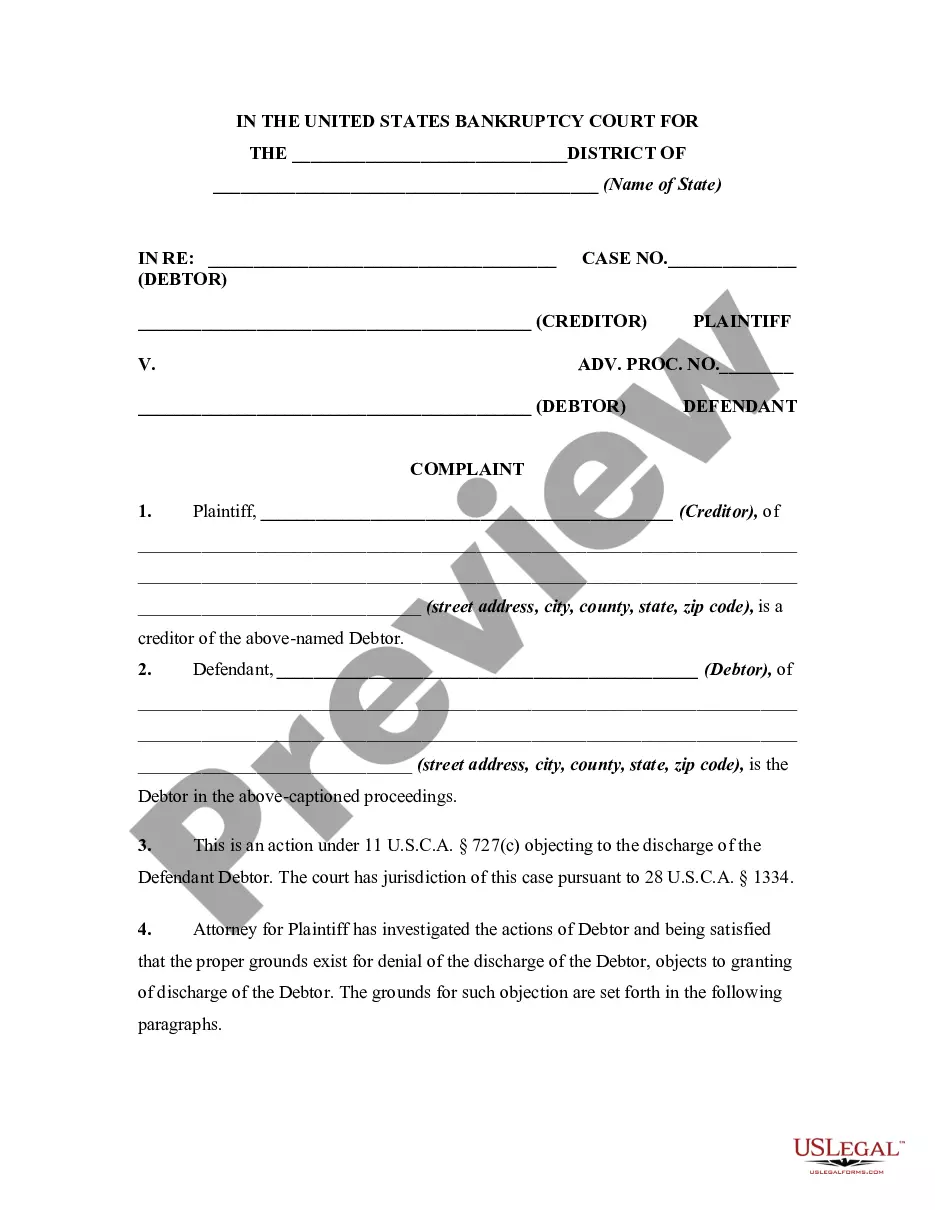
Get your form ready online
Our built-in tools help you complete, sign, share, and store your documents in one place.
Make edits, fill in missing information, and update formatting in US Legal Forms—just like you would in MS Word.
Download a copy, print it, send it by email, or mail it via USPS—whatever works best for your next step.
Sign and collect signatures with our SignNow integration. Send to multiple recipients, set reminders, and more. Go Premium to unlock E-Sign.
If this form requires notarization, complete it online through a secure video call—no need to meet a notary in person or wait for an appointment.
We protect your documents and personal data by following strict security and privacy standards.

Make edits, fill in missing information, and update formatting in US Legal Forms—just like you would in MS Word.

Download a copy, print it, send it by email, or mail it via USPS—whatever works best for your next step.

Sign and collect signatures with our SignNow integration. Send to multiple recipients, set reminders, and more. Go Premium to unlock E-Sign.

If this form requires notarization, complete it online through a secure video call—no need to meet a notary in person or wait for an appointment.

We protect your documents and personal data by following strict security and privacy standards.
Looking for another form?
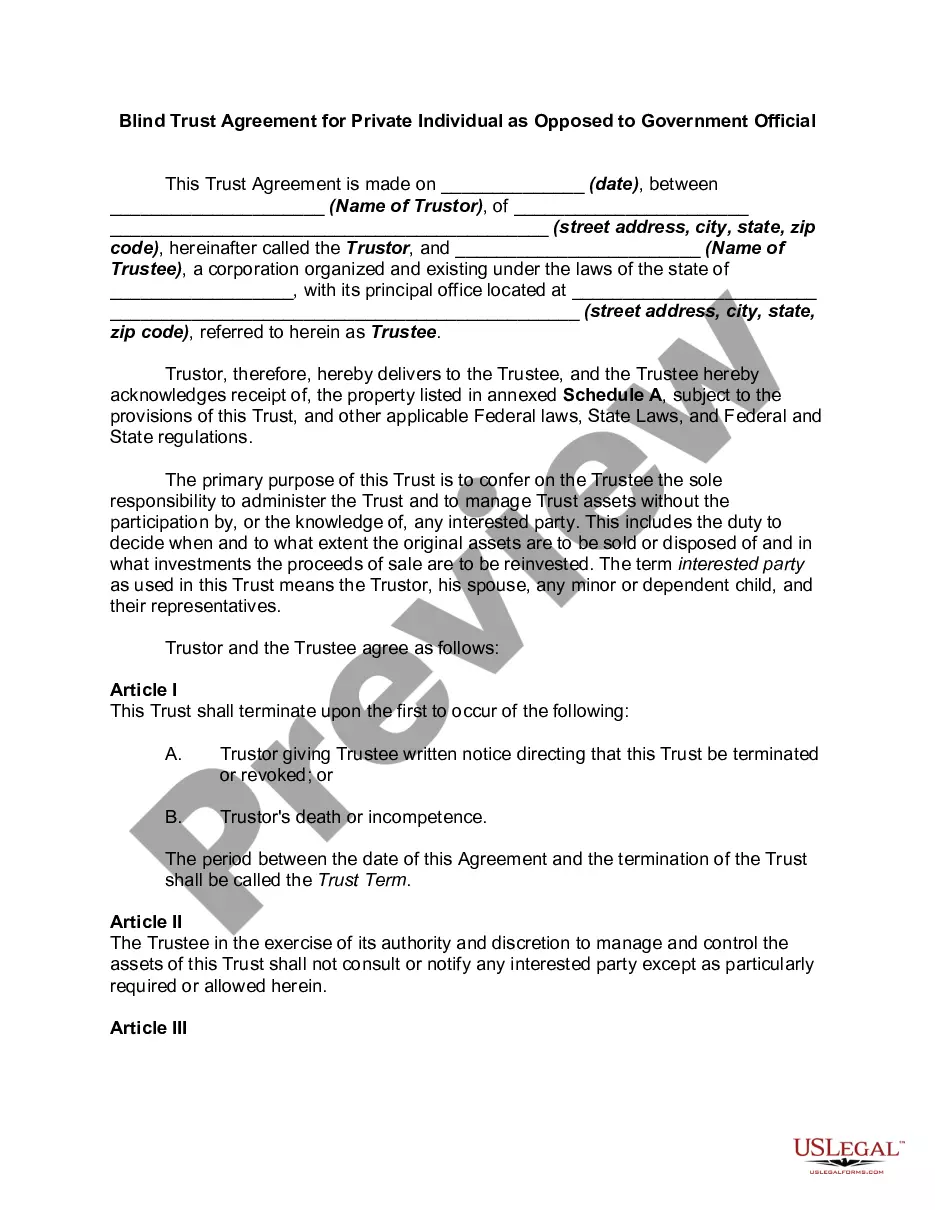


How to fill out Complaint Objecting To Discharge In Bankruptcy Proceedings For Concealment By Debtor And Omitting From Schedules Fraudulently Transferred Property?
- If you have previously registered with US Legal Forms, simply log in to your account and download the desired form template by clicking the Download button. Ensure your subscription is active, renewing it if necessary.
- In case you are new to US Legal Forms, start by reviewing the Preview mode and the description of the forms to confirm you are choosing the right document that fits your local jurisdiction requirements.
- If you need a different template, utilize the Search tab above to explore your options until you find the appropriate one.
- Once you’ve settled on a template, click on the Buy Now button and select your preferred subscription plan. You will need to create an account to gain access to the resources available.
- Proceed with your purchase by entering your credit card information or using your PayPal account.
- After completing your purchase, download your form and save it to your device. You can access this document anytime from the My Forms section in your profile.
By following these straightforward steps, you can easily access the legal forms you need through US Legal Forms. The platform's extensive library and additional support from premium experts ensure you will have everything necessary to create precise legal documents.
Start your journey with US Legal Forms today and simplify your legal documentation process!
Form popularity
FAQ
Yes, Chapter 13 can be denied for various reasons, such as not meeting the eligibility requirements or failing to propose a feasible repayment plan. Your filing may also be denied if creditors object to the plan or if the court finds evidence of bad faith. Understanding the common pitfalls can help you better prepare for your case. US Legal Forms can assist you in creating a robust plan that addresses potential challenges.
If you have had a Chapter 13 bankruptcy dismissed in the past, this could disqualify you from filing again for a certain period, typically 180 days. Also, not having the ability to make your proposed payments can prevent you from qualifying as well. It's crucial to evaluate your financial stability before proceeding. Utilizing the US Legal Forms platform can provide insights into your unique circumstances.
Certain factors can disqualify you from filing for Chapter 13, including failing to complete credit counseling and having prior bankruptcy cases dismissed due to bad faith. Additionally, if your debts exceed the set limits or if you do not have a regular income, you may not qualify. It's essential to understand these requirements, and US Legal Forms offers tools to clarify your eligibility.
There is no specific minimum amount of debt required to file Chapter 13. However, you must have enough income to support a repayment plan that meets your creditors' needs. Keep in mind that this process is designed to help individuals manage significant debt, so having multiple debts can be beneficial. Using US Legal Forms can help you determine if your debt situation qualifies.
To file Chapter 13, you must have a regular income and your unsecured debts should not exceed $419,275, while secured debts should not exceed $1,257,850. This limit allows you to create a repayment plan based on your income. It's important to assess your entire financial situation to understand what debts qualify. You can use our US Legal Forms platform to get all the guidance you need.
Repeatedly, Chapter 13 does not eliminate all debt but helps manage it more effectively. While it can reduce or eliminate unsecured debts, you will still be responsible for certain debts like domestic support obligations and most student loans. Therefore, knowing what debts are affected is essential as you navigate your financial recovery with Chapter 13.
Chapter 13 does not erase all debts but restructures them into manageable payments over three to five years. While unsecured debts like credit card debt can be significantly reduced, some debts, such as student loans and tax obligations, may remain. It's vital to understand what debts can be discharged under Chapter 13 and what your responsibilities will be after the plan concludes.
Choosing between Chapter 7 and Chapter 13 can depend on your financial situation. Chapter 7 offers a quicker debt discharge, while Chapter 13 provides a repayment plan that can allow you to keep your assets. If you have a steady income and want to catch up on missed payments, Chapter 13 may be the better option. Ultimately, it’s crucial to assess your unique circumstances and consult with a professional.
To qualify for Chapter 13, you need a regular income, reside in the U.S., and have debts within the specified limits. Additionally, you should not have filed a prior bankruptcy case that was dismissed due to non-compliance. Exploring options available through US Legal Forms can provide you with the resources needed to determine if Chapter 13 is the right choice for you.
To file for Chapter 13, you should ideally have unsecured debts below the limit of $465,275 and secured debts under $1,395,875. This structure allows you to create a manageable repayment plan. If you believe your debt fits within these parameters, using tools from US Legal Forms can help streamline your filing process.