Bankruptcy And Property Taxes
Description
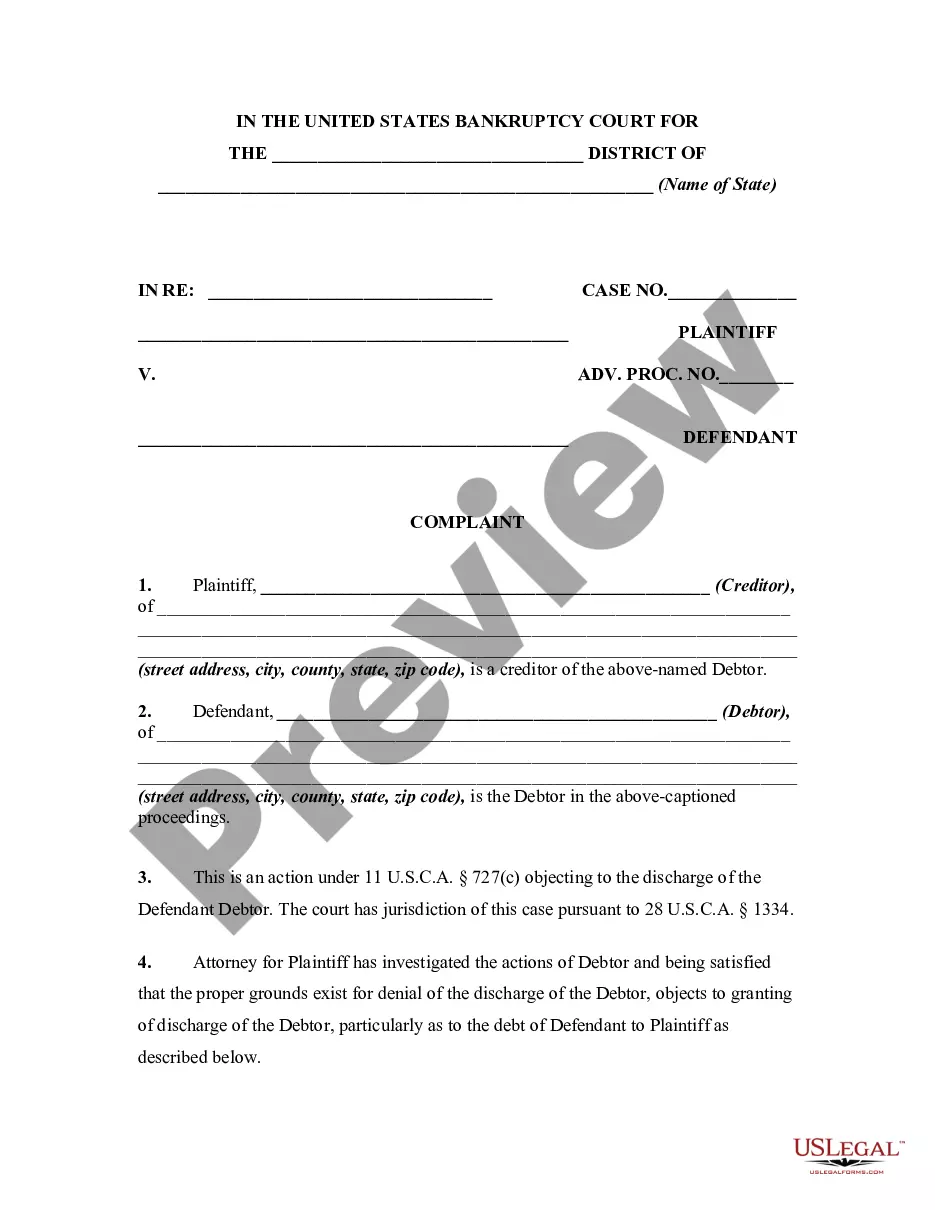
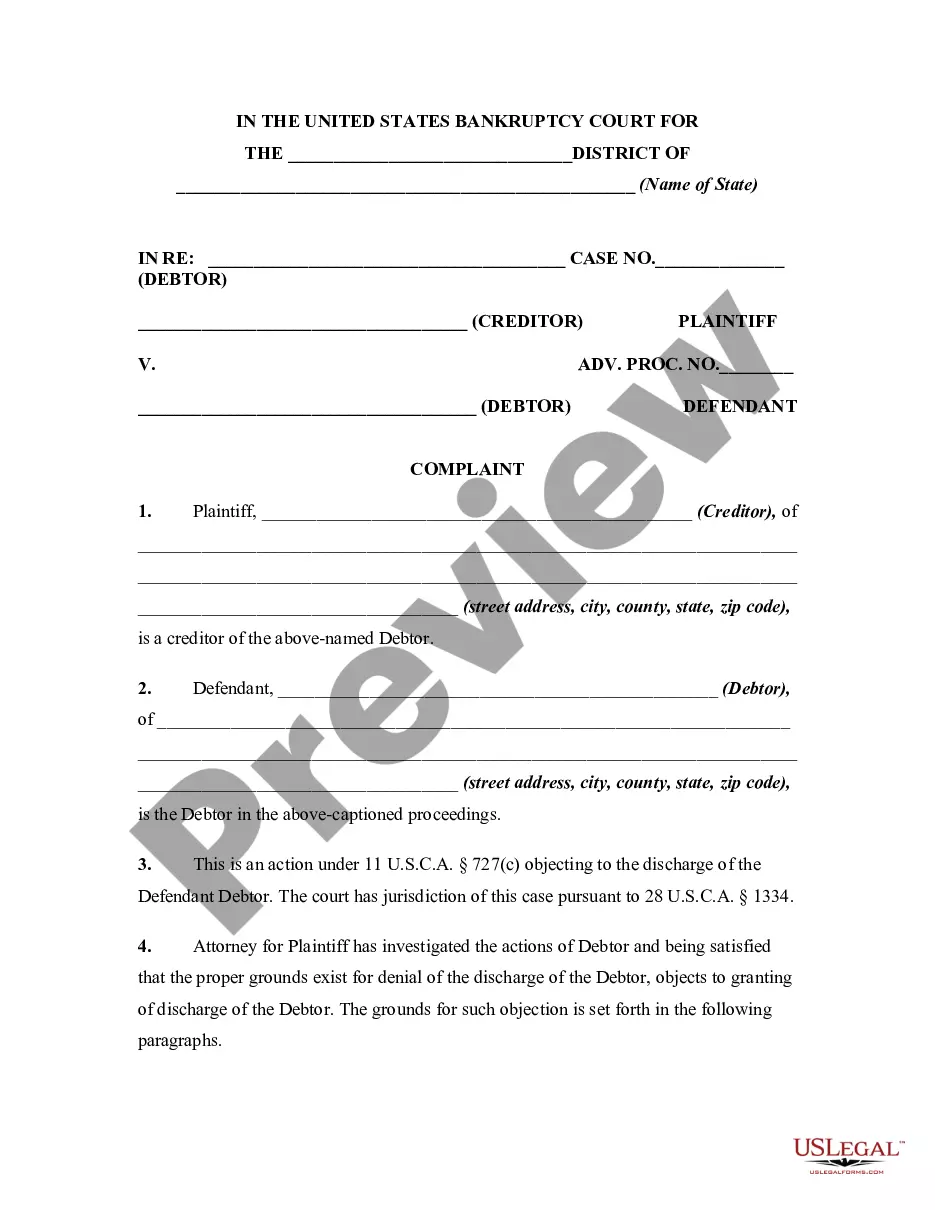
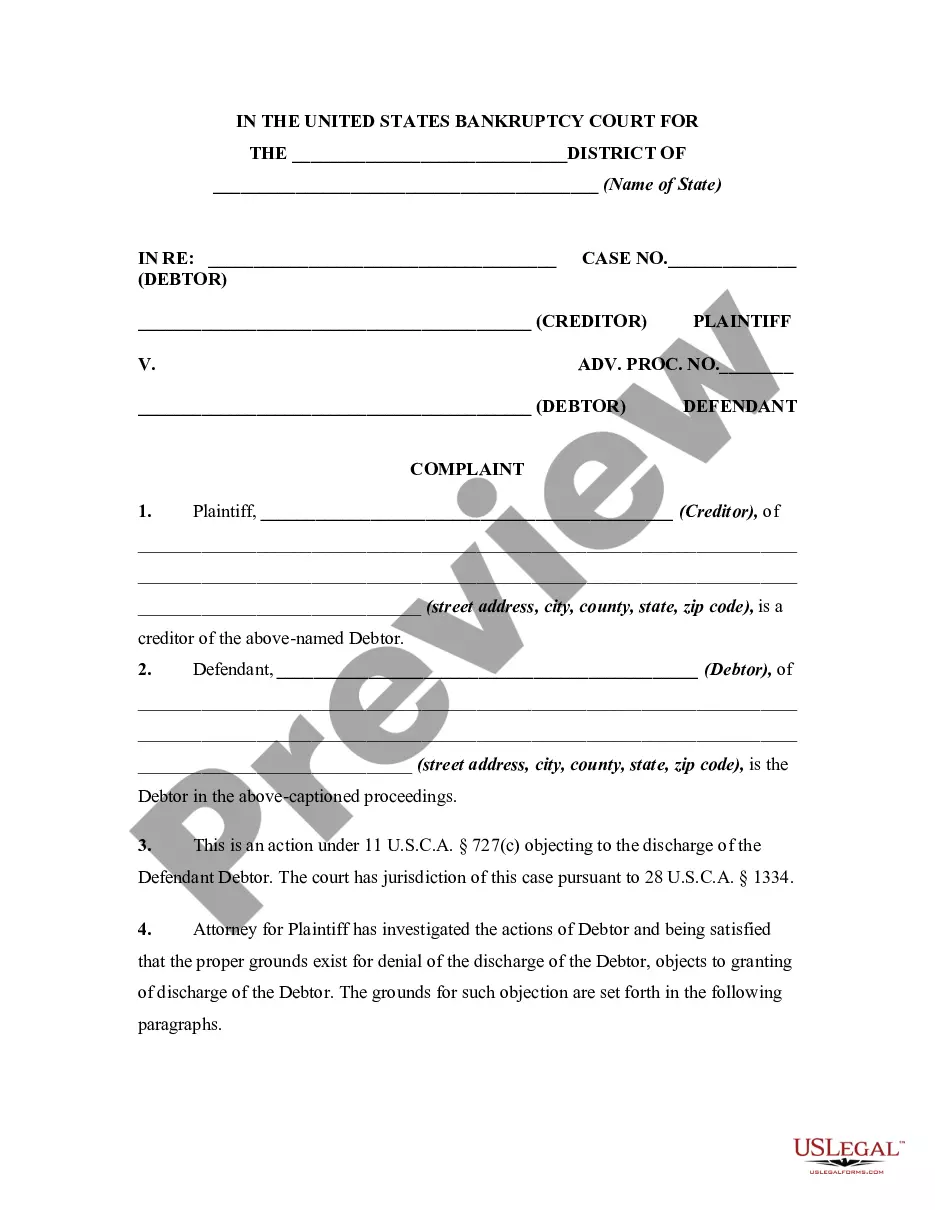
Get your form ready online
Our built-in tools help you complete, sign, share, and store your documents in one place.
Make edits, fill in missing information, and update formatting in US Legal Forms—just like you would in MS Word.
Download a copy, print it, send it by email, or mail it via USPS—whatever works best for your next step.
Sign and collect signatures with our SignNow integration. Send to multiple recipients, set reminders, and more. Go Premium to unlock E-Sign.
If this form requires notarization, complete it online through a secure video call—no need to meet a notary in person or wait for an appointment.
We protect your documents and personal data by following strict security and privacy standards.

Make edits, fill in missing information, and update formatting in US Legal Forms—just like you would in MS Word.

Download a copy, print it, send it by email, or mail it via USPS—whatever works best for your next step.

Sign and collect signatures with our SignNow integration. Send to multiple recipients, set reminders, and more. Go Premium to unlock E-Sign.

If this form requires notarization, complete it online through a secure video call—no need to meet a notary in person or wait for an appointment.

We protect your documents and personal data by following strict security and privacy standards.
Looking for another form?


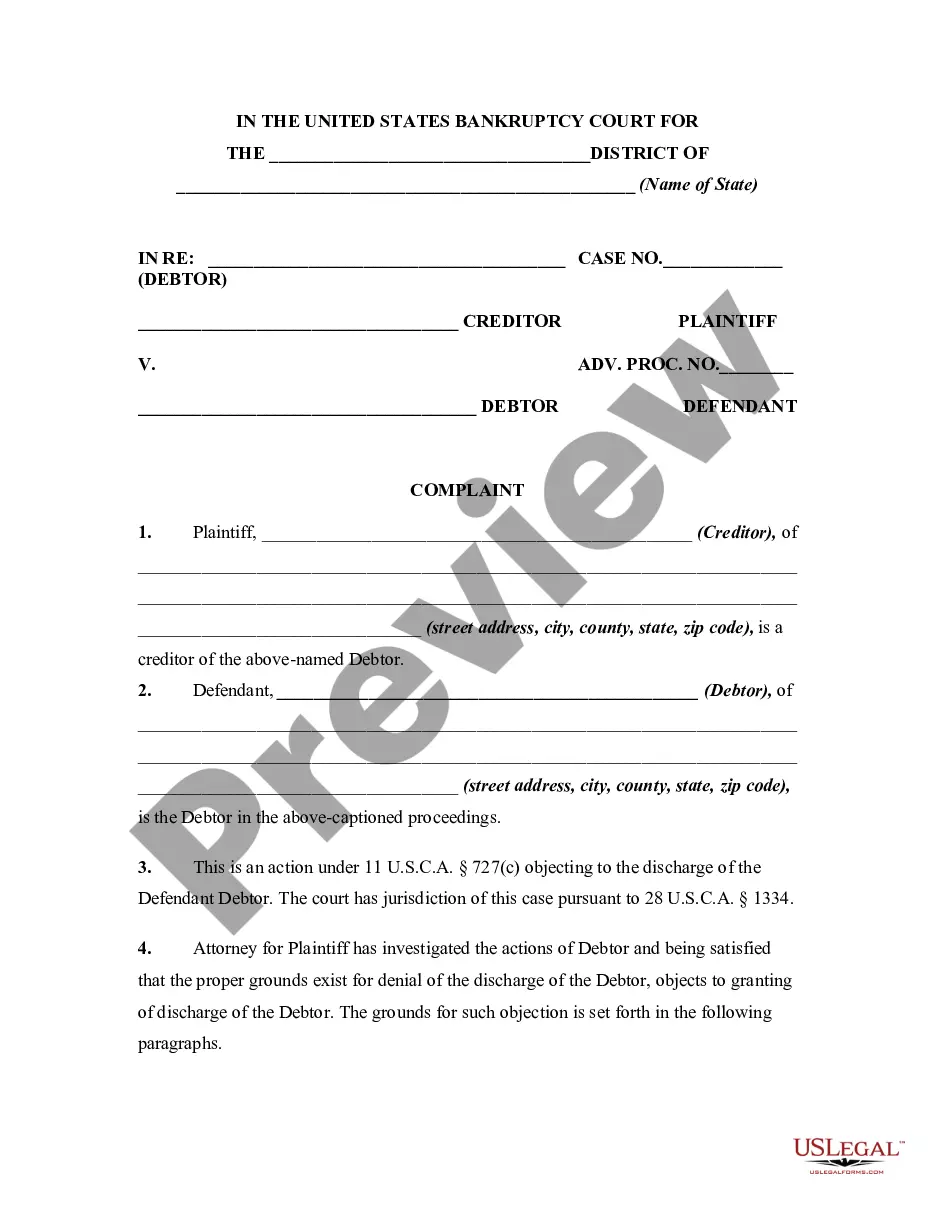
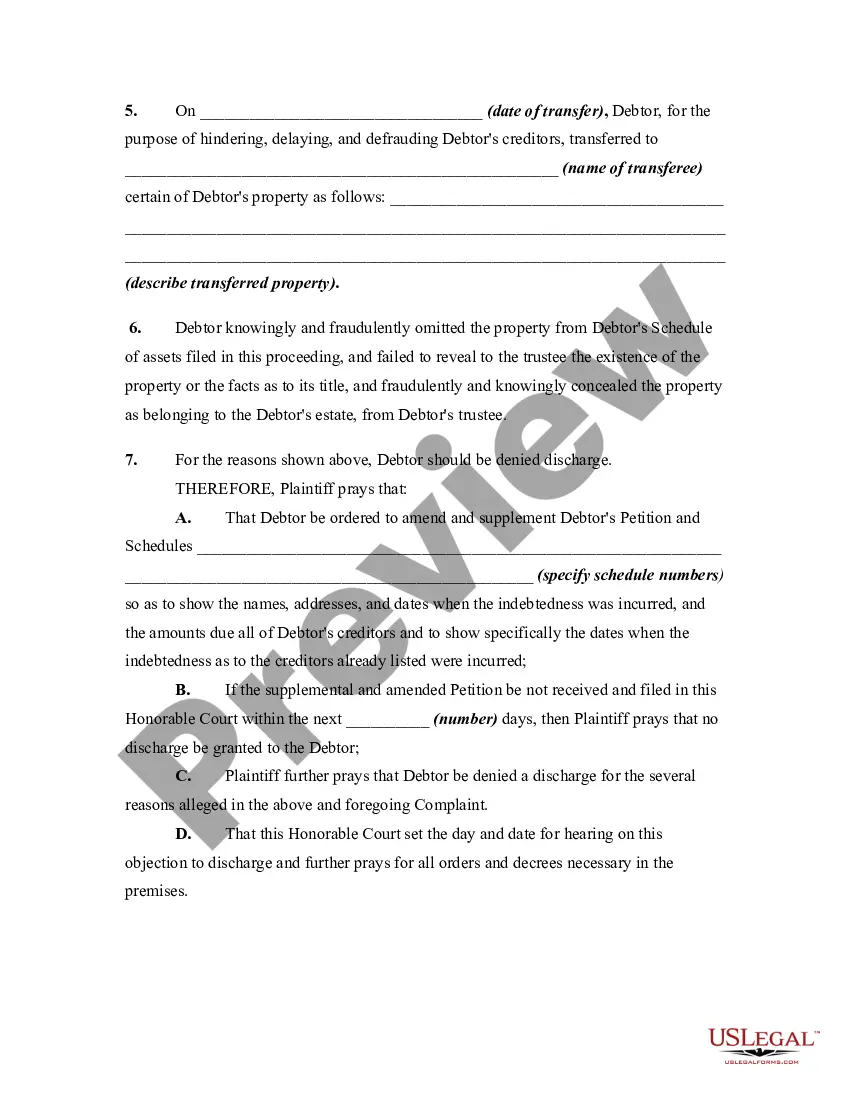
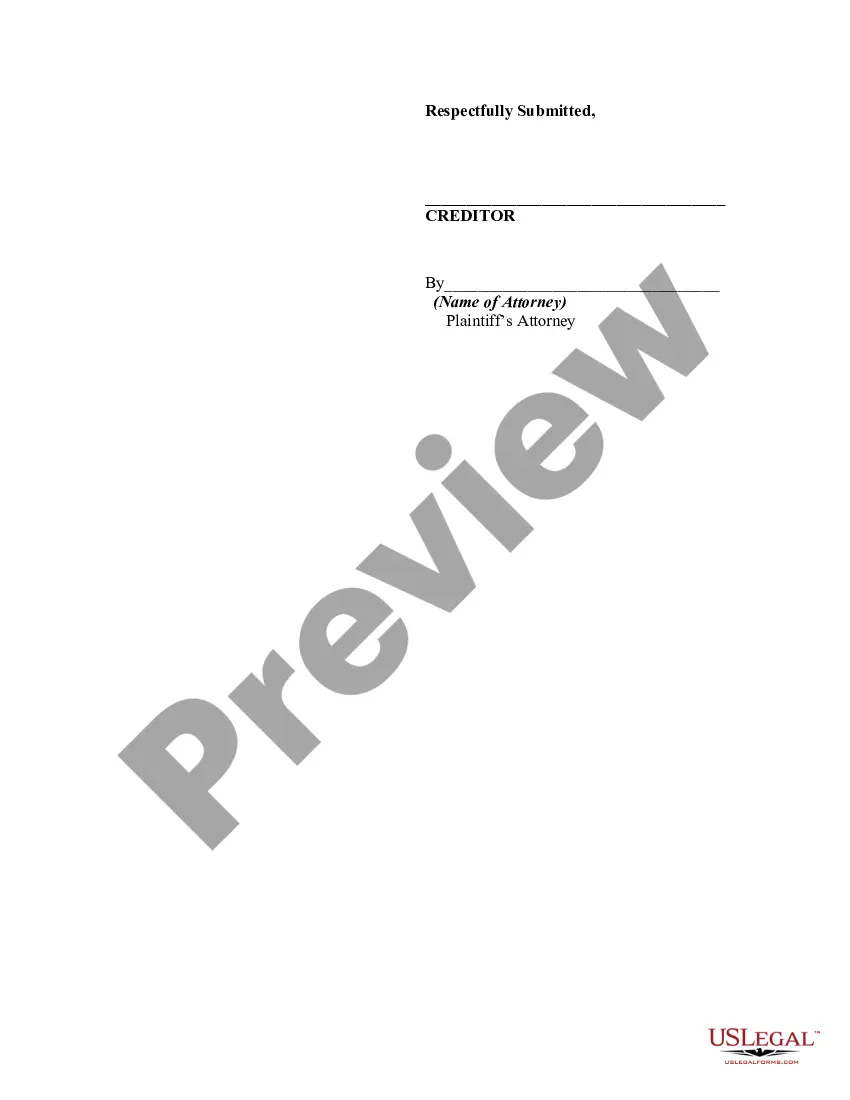
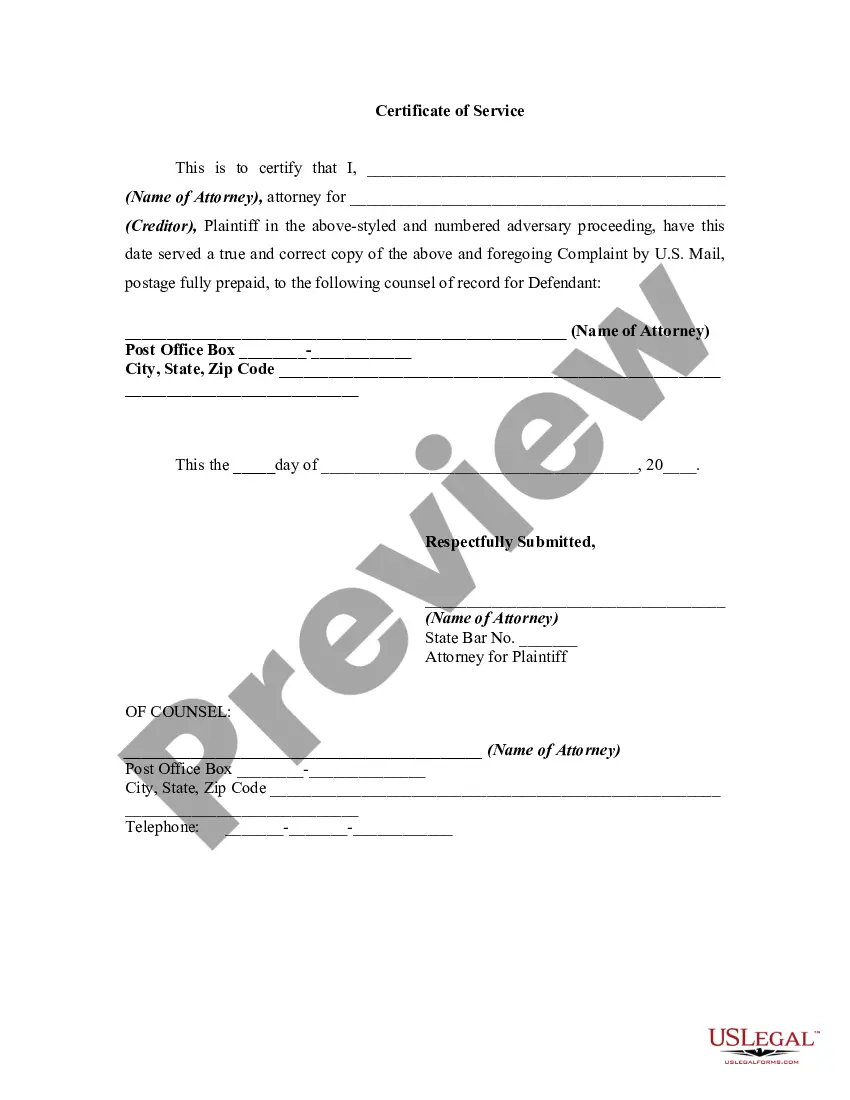
How to fill out Complaint Objecting To Discharge In Bankruptcy Proceedings For Concealment By Debtor And Omitting From Schedules Fraudulently Transferred Property?
Regardless of whether it's for professional objectives or personal matters, everyone encounters legal issues at some junction in their existence.
Filling out legal documents necessitates meticulous attention, starting with choosing the correct form template. For instance, selecting an incorrect version of the Bankruptcy And Property Taxes will result in its rejection upon submission.
With an extensive US Legal Forms catalog available, you no longer need to waste time searching the internet for the right template. Make use of the straightforward navigation of the library to discover the suitable template for any occasion.
- Locate the template you require by utilizing the search bar or browsing the catalog.
- Review the form details to confirm it aligns with your circumstances, state, and area.
- Select the form’s preview to examine it.
- If it is not the correct form, return to the search feature to find the Bankruptcy And Property Taxes template you need.
- Download the template if it satisfies your requirements.
- If you already possess a US Legal Forms account, simply click Log in to access previously saved documents in My documents.
- If you do not yet have an account, you can acquire the form by clicking Buy now.
- Select the appropriate pricing choice.
- Fill out the account registration form.
- Choose your payment method: use a credit card or PayPal account.
- Select the document format you want and download the Bankruptcy And Property Taxes.
- After downloading, you can complete the form using editing software or print it to fill it out manually.
Form popularity
FAQ
A tax debt owed for payroll taxes, FICA (Social Security) taxes, and trust fund taxes are not dischargeable through any type of bankruptcy proceeding, including Chapter 7.
If you still owe taxes at the end of your repayment plan, you will be responsible for paying them in full. Any remaining tax debts will not be discharged, and you will still be liable for paying them.
Under Chapter 7, you may lose the first tax refund that's due after discharge, or some of it, because it's a refund of money earned before discharge. If some of the refund is from income earned after filing for bankruptcy, you keep it.
Dismissal: IRS may keep payments, and time in bankruptcy extends time to collect remaining tax liabilities. Discharge: Will eliminate (discharge) tax debts paid in the plan and tax debts older than three years unless returns filed late. Debtor must timely file income tax returns and pay income tax due.
Bankruptcy Can Wipe Out Credit Card Debt and Most Other Nonpriority Unsecured Debts. Bankruptcy is very good at erasing most nonpriority unsecured debts other than school loans. For instance, you can discharge unsecured credit card debt, medical bills, overdue utility payments, personal loans, gym contracts, and more.