Sample Motion For Summary Judgment
Description

Get your form ready online
Our built-in tools help you complete, sign, share, and store your documents in one place.
Make edits, fill in missing information, and update formatting in US Legal Forms—just like you would in MS Word.
Download a copy, print it, send it by email, or mail it via USPS—whatever works best for your next step.
Sign and collect signatures with our SignNow integration. Send to multiple recipients, set reminders, and more. Go Premium to unlock E-Sign.
If this form requires notarization, complete it online through a secure video call—no need to meet a notary in person or wait for an appointment.
We protect your documents and personal data by following strict security and privacy standards.

Make edits, fill in missing information, and update formatting in US Legal Forms—just like you would in MS Word.

Download a copy, print it, send it by email, or mail it via USPS—whatever works best for your next step.

Sign and collect signatures with our SignNow integration. Send to multiple recipients, set reminders, and more. Go Premium to unlock E-Sign.

If this form requires notarization, complete it online through a secure video call—no need to meet a notary in person or wait for an appointment.

We protect your documents and personal data by following strict security and privacy standards.
Looking for another form?





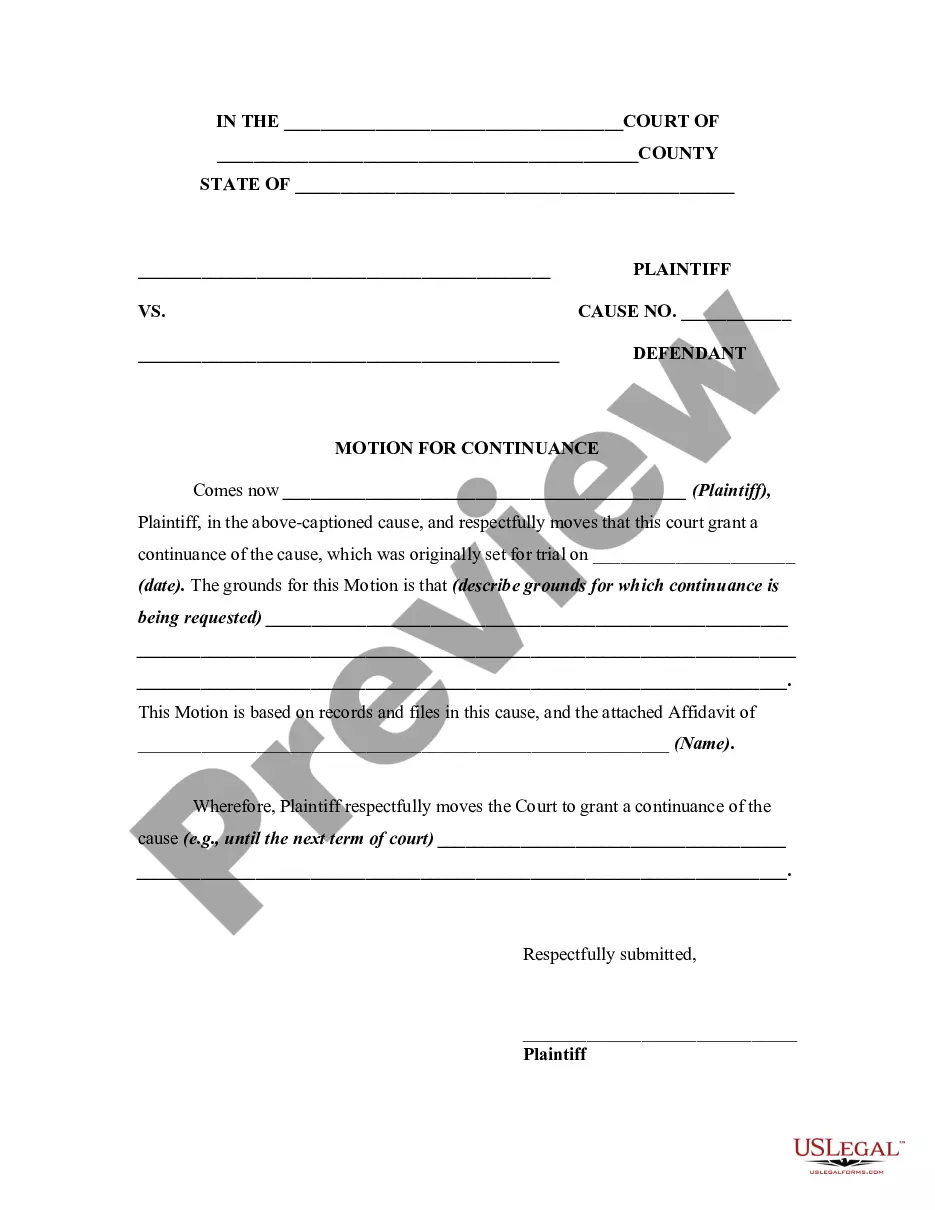
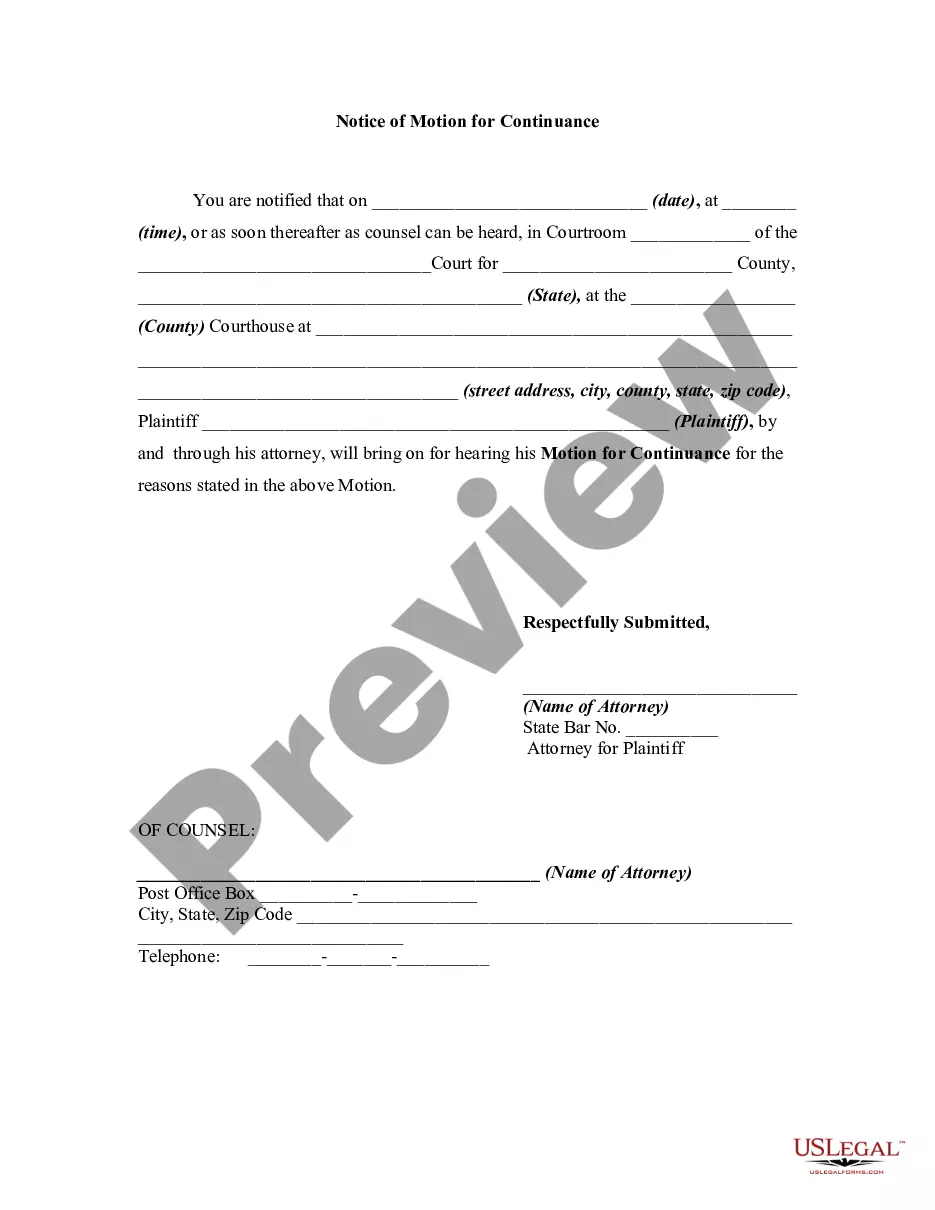
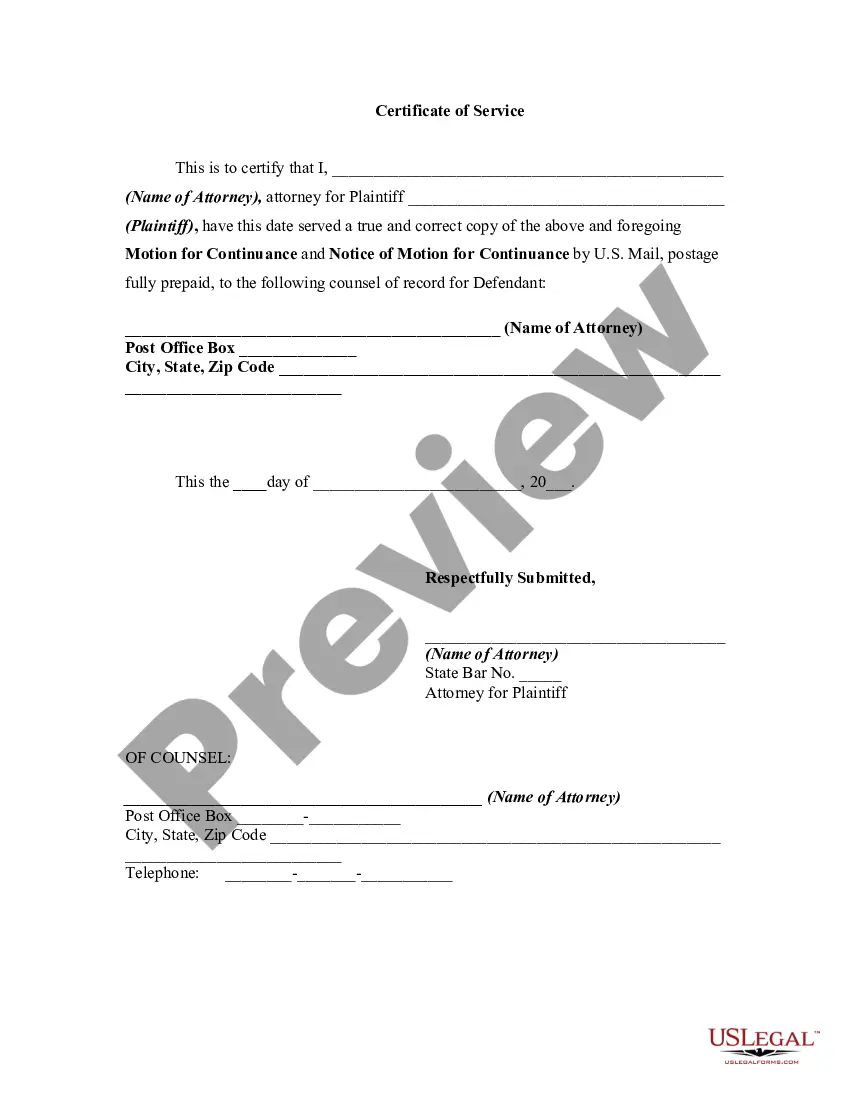
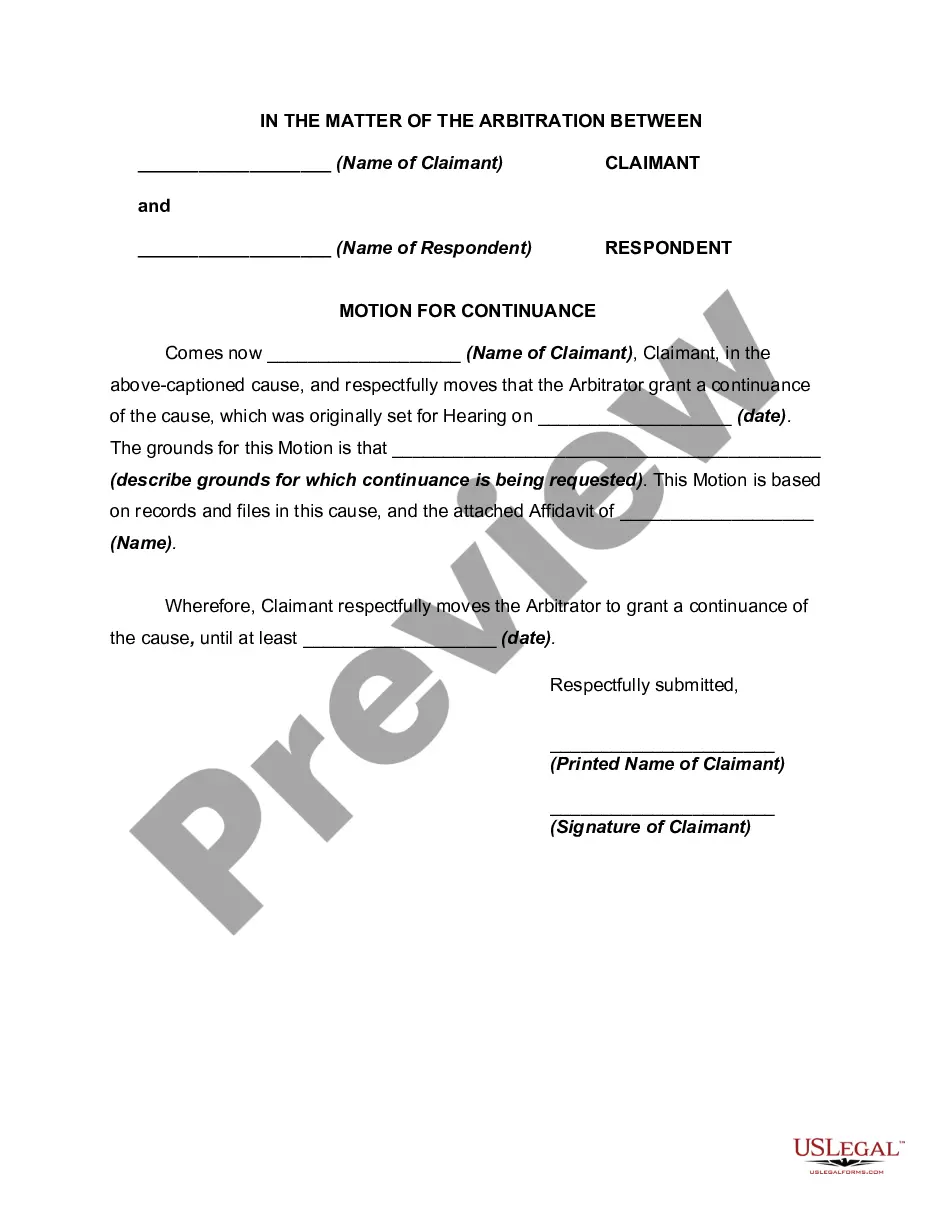
How to fill out Generic Motion For Continuance And Notice Of Motion?
It’s widely known that you cannot instantly become a legal professional, nor can you learn how to swiftly prepare a Sample Motion For Summary Judgment without a specialized skill set.
Drafting legal documents is a lengthy process that necessitates specific education and expertise. So why not entrust the drafting of the Sample Motion For Summary Judgment to the experts.
With US Legal Forms, one of the largest collections of legal templates, you can discover everything from court documents to templates for internal company communication. We recognize how vital compliance and adherence to federal and local laws and regulations are.
Sign up for a free account and select a subscription plan to acquire the form.
Click Buy now. Once the purchase is finalized, you can access the Sample Motion For Summary Judgment, fill it out, print it, and send or mail it to the appropriate individuals or entities.
- That’s why, on our site, all templates are location-specific and current.
- Here’s how you can begin with our platform and obtain the form you need in just a few minutes.
- Locate the document you require by utilizing the search bar at the top of the page.
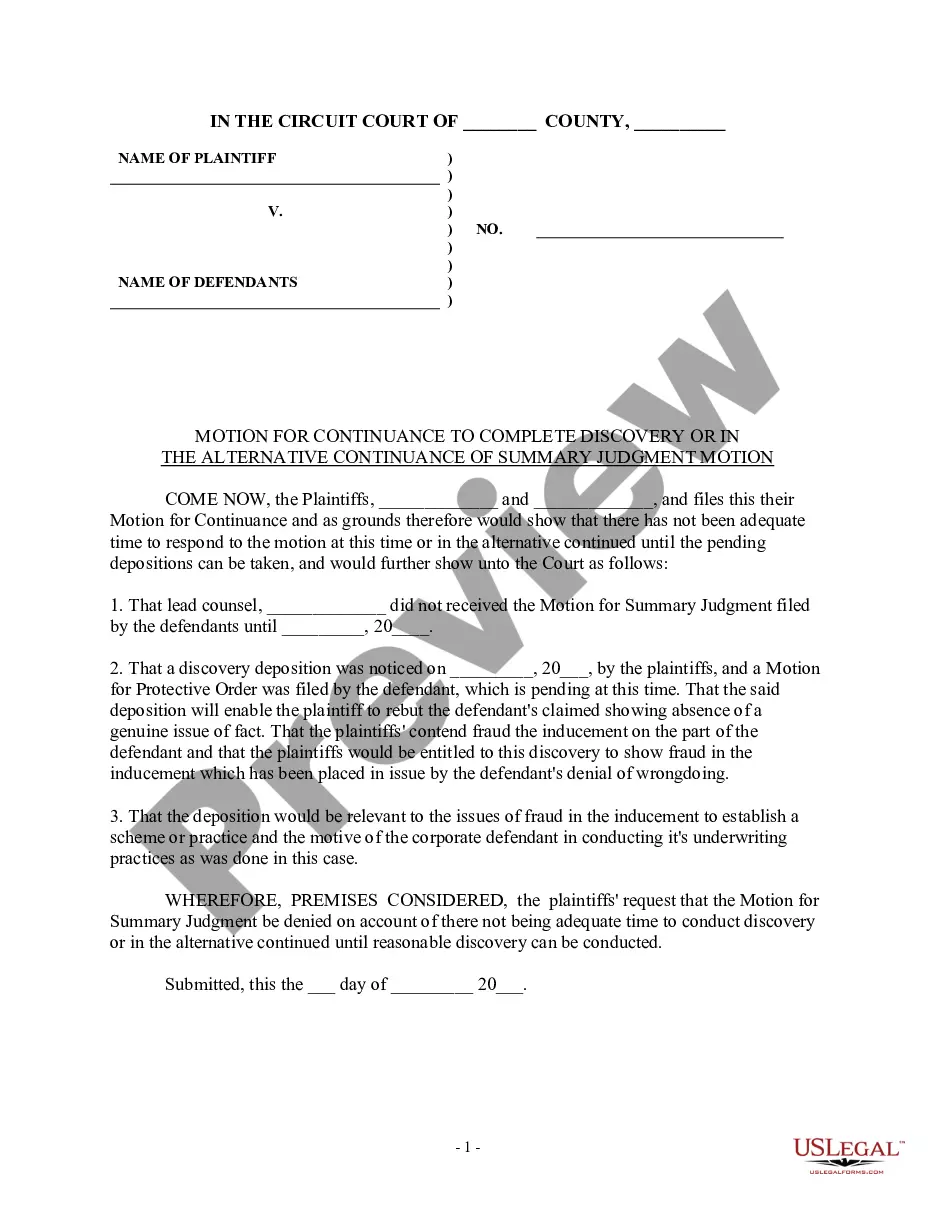
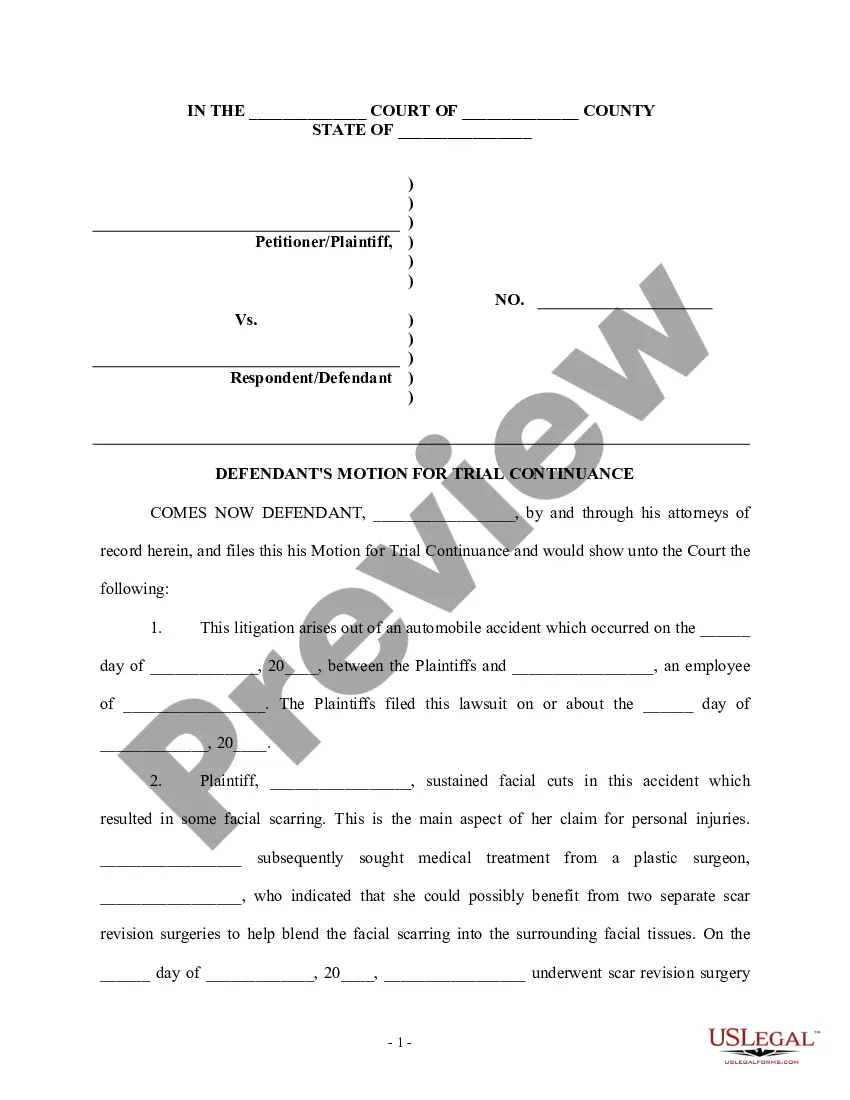
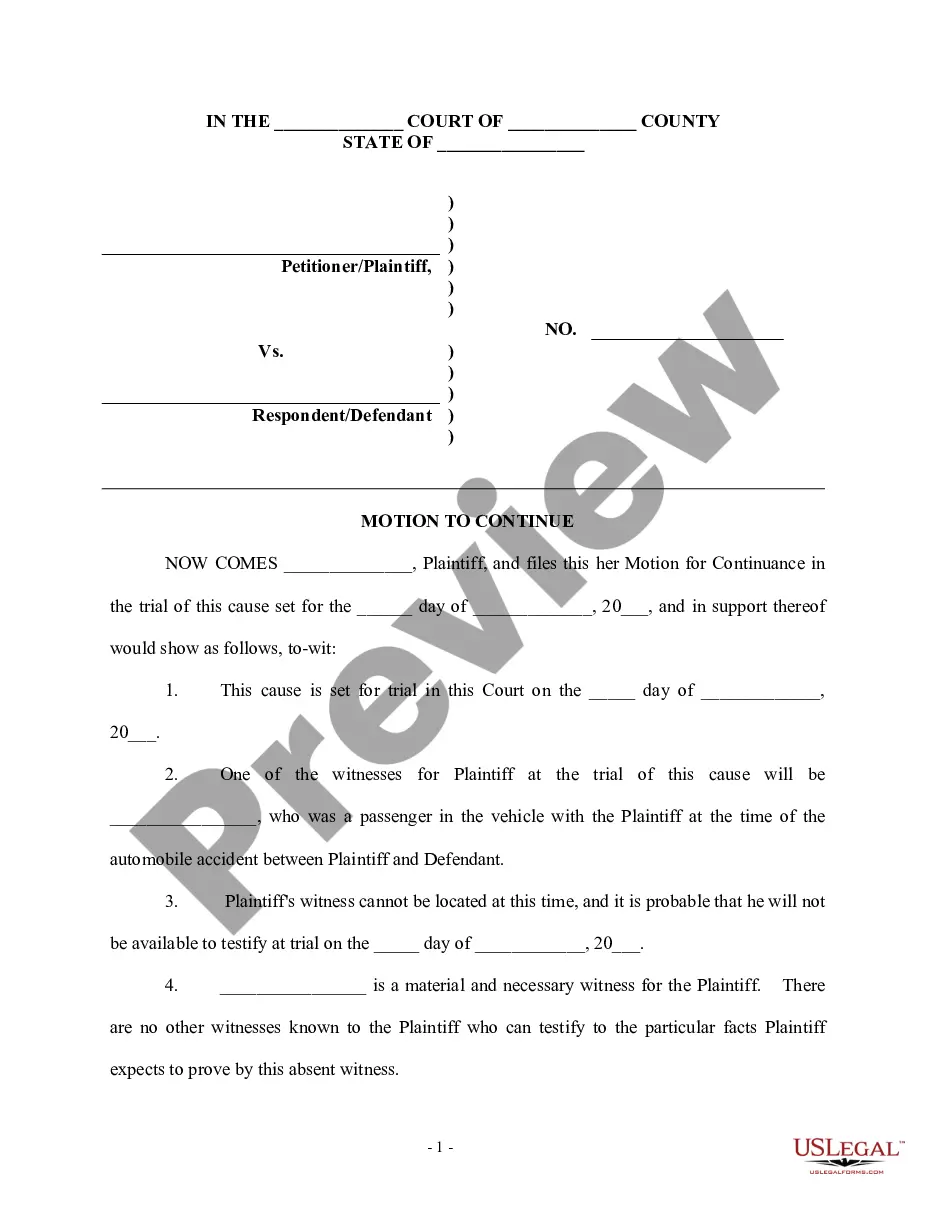
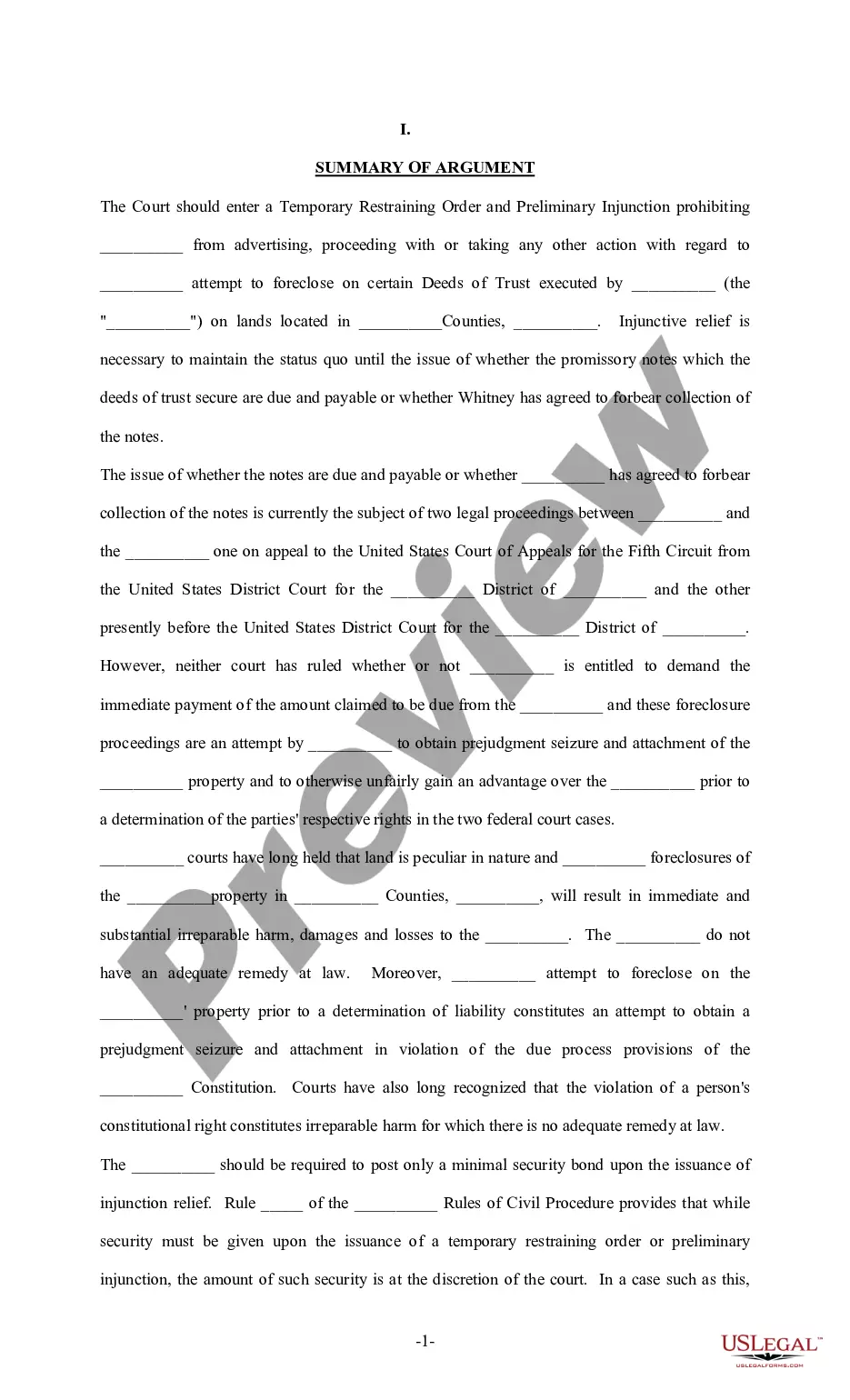
- Preview it (if this option is available) and read the accompanying description to ascertain if the Sample Motion For Summary Judgment is what you seek.
- Start your search anew if you need a different document.
Form popularity
FAQ
The introductory paragraph should begin, "Defendant John Smith respectfully moves for summary judgment. As reasons for this motion?." Then list your arguments, as in the motion itself. Some practitioners state that you should not repeat language word for word, but I disagree.
Apply each legal argument to the facts stated in the undisputed facts section, and explain why under the law and the facts summary judgment should be granted. In one paragraph, reiterate why summary judgment should be granted on each count of the complaint.
Stated differently, to successfully defend against summary judgment the non-moving party (you) should seek to demonstrate that indeed there are material facts in dispute. Alternatively, the non-moving party (you) can argue that the undisputed facts support a judgment as a matter of law in your favor.
Examples of summary judgement motions John says that Linda ran a red light and caused the crash. John happens to have a video of Linda running the red light and crashing into him. John's attorney files a motion for summary judgment claiming that: There are no material facts that can be reasonably disputed.
Under a motion for summary judgment, the movant should assert that a fact cannot be genuinely disputed based on the record. The nonmovant is given notice and a reasonable time to respond, after which the court may grant or deny summary judgment.