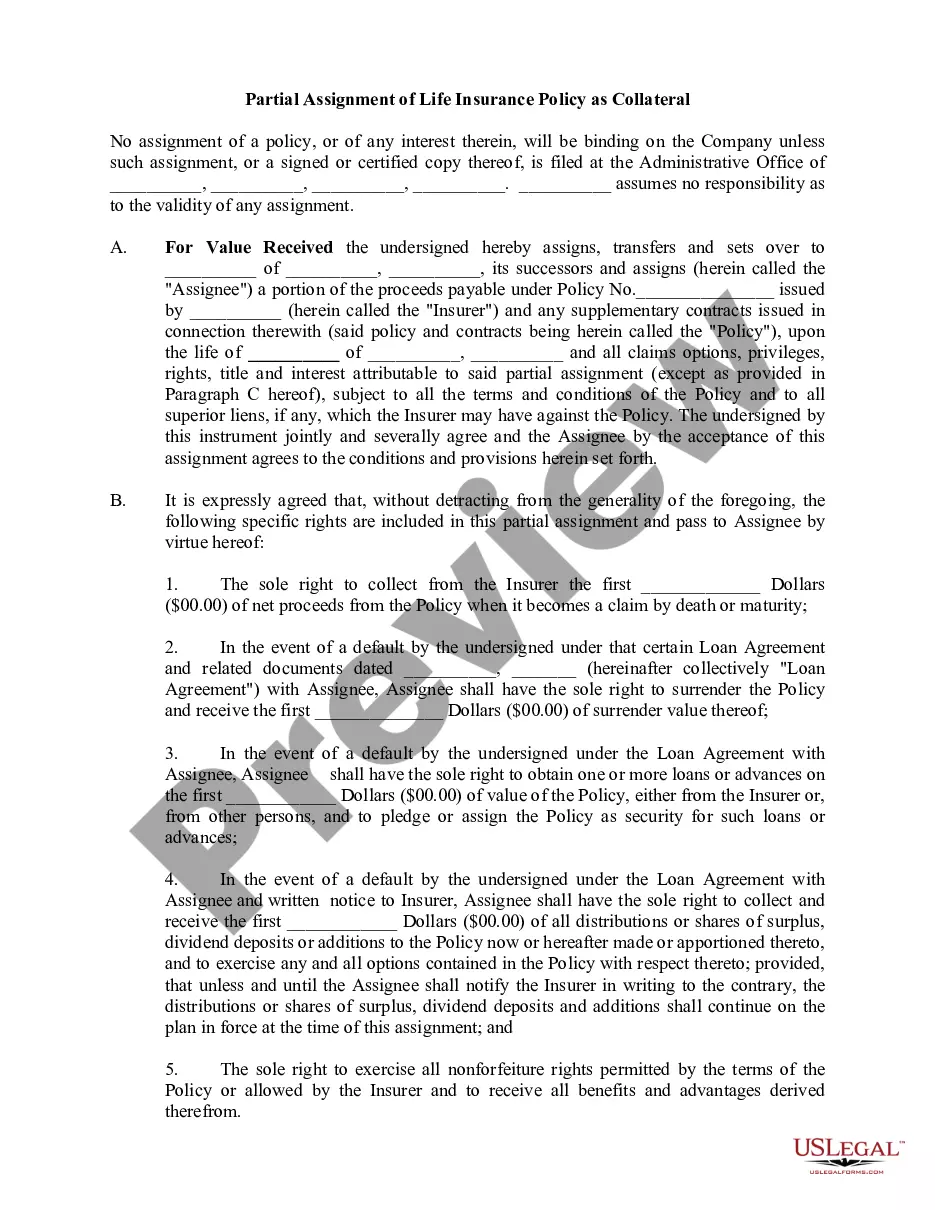
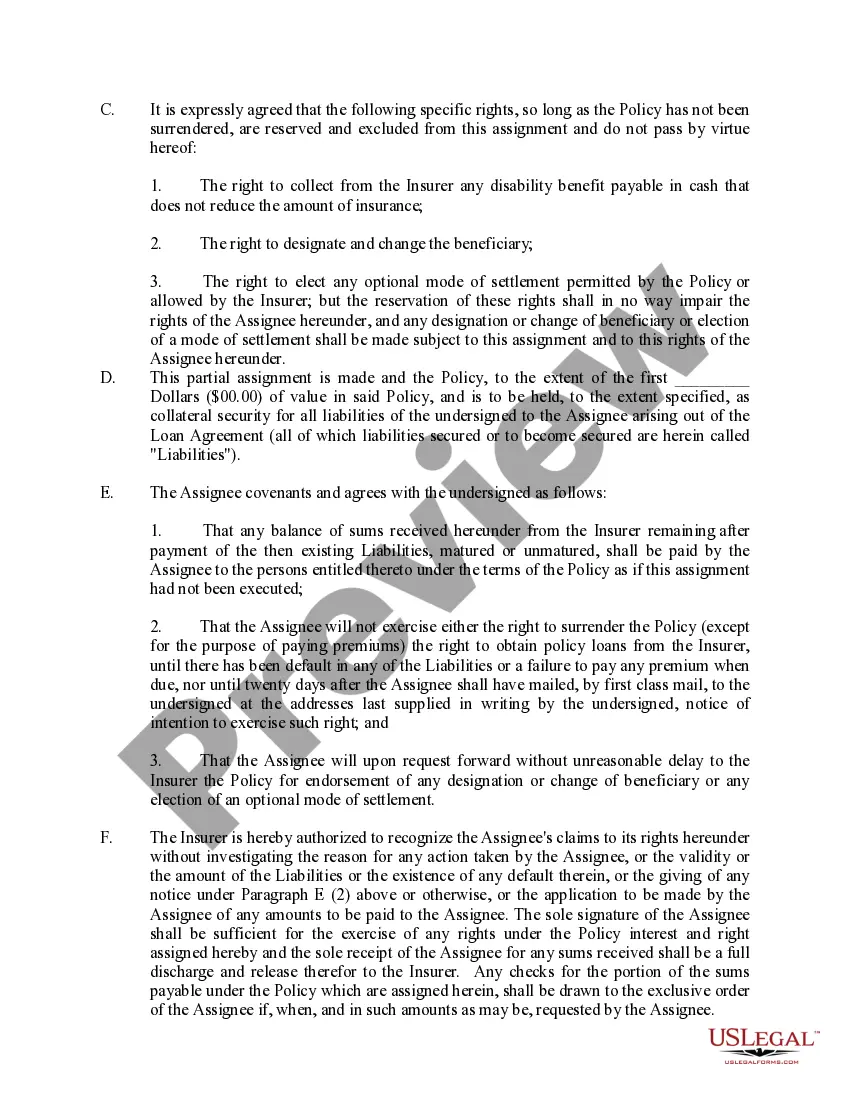
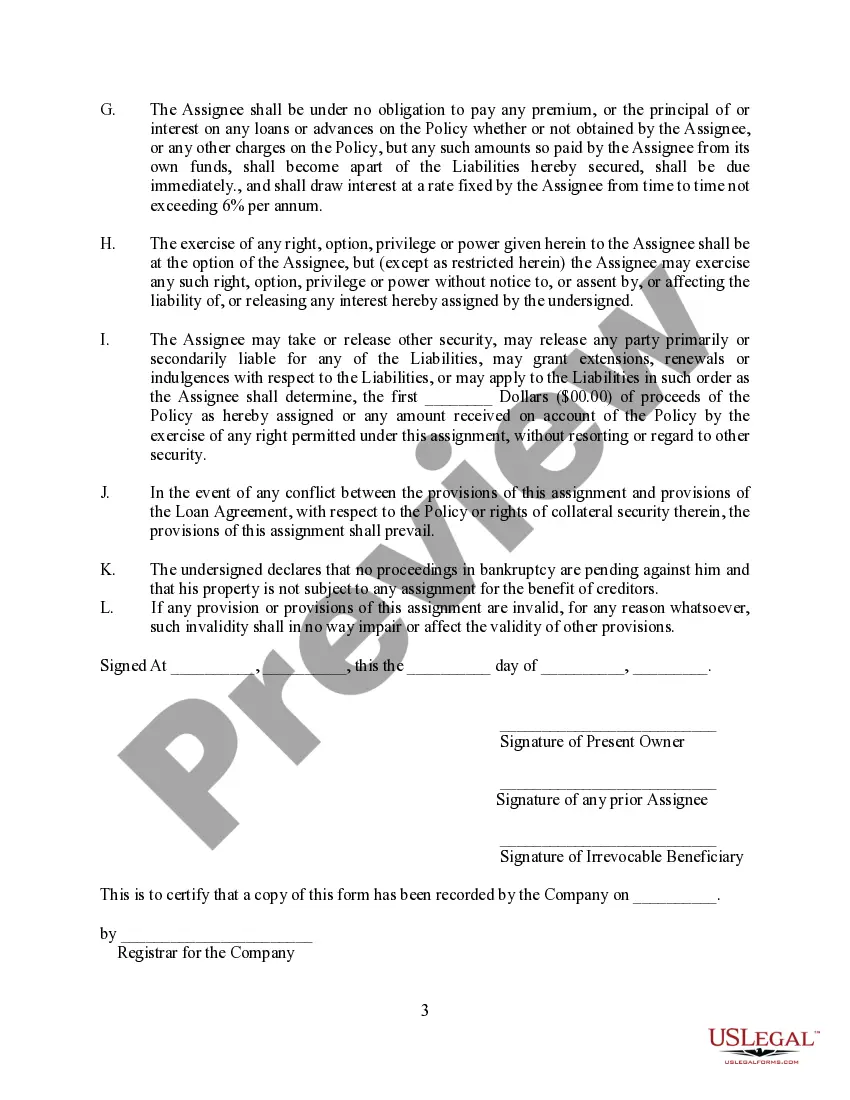
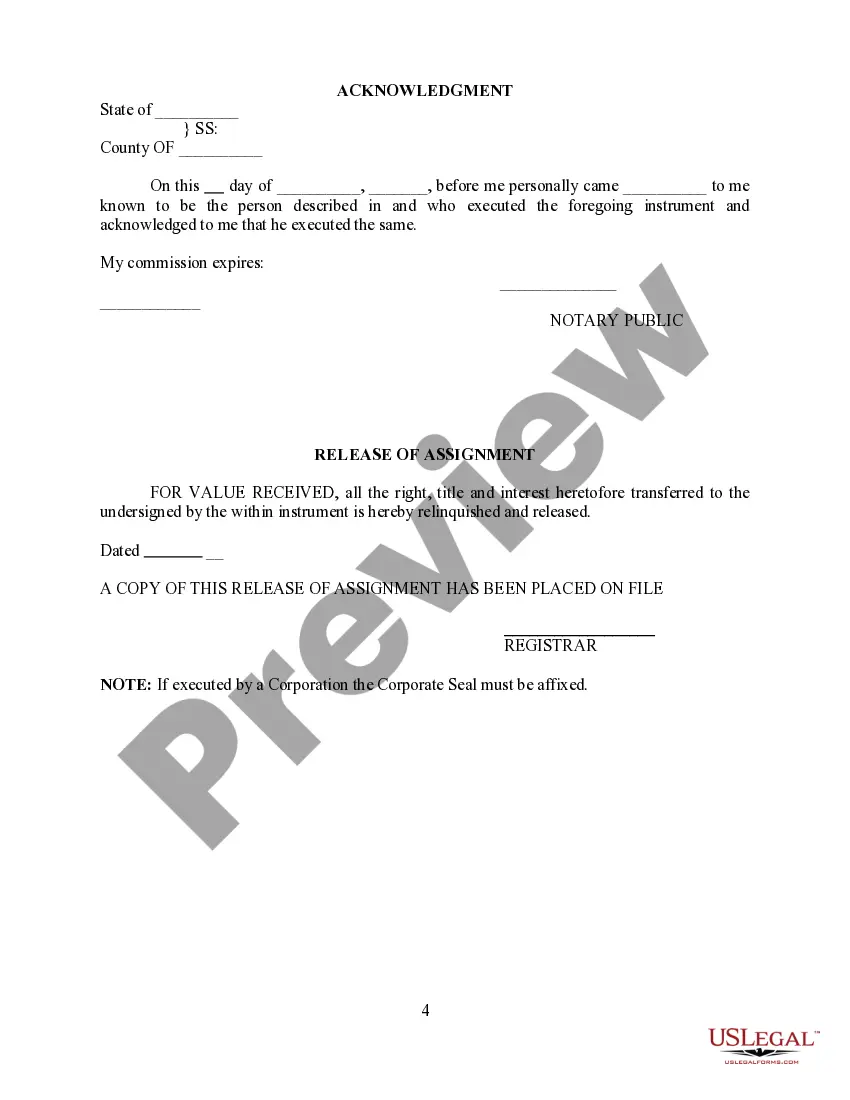
Collateral Assignment And Security Agreement
Description
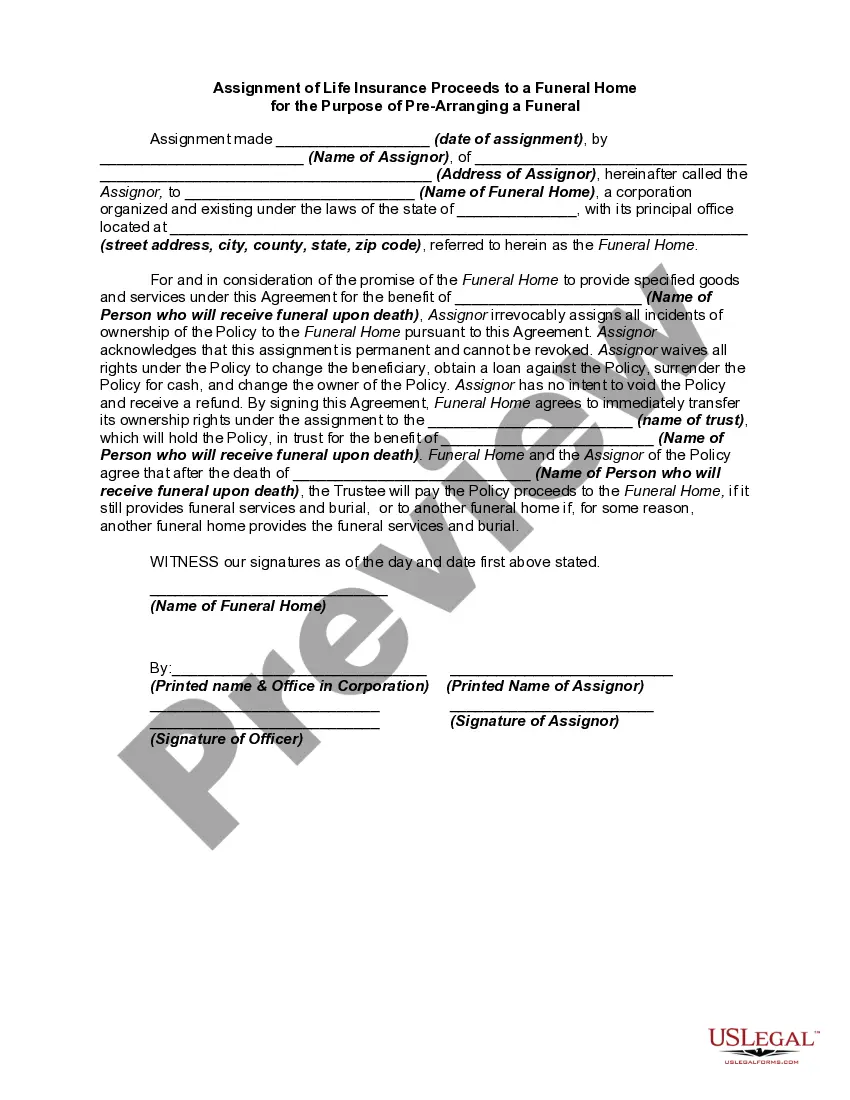
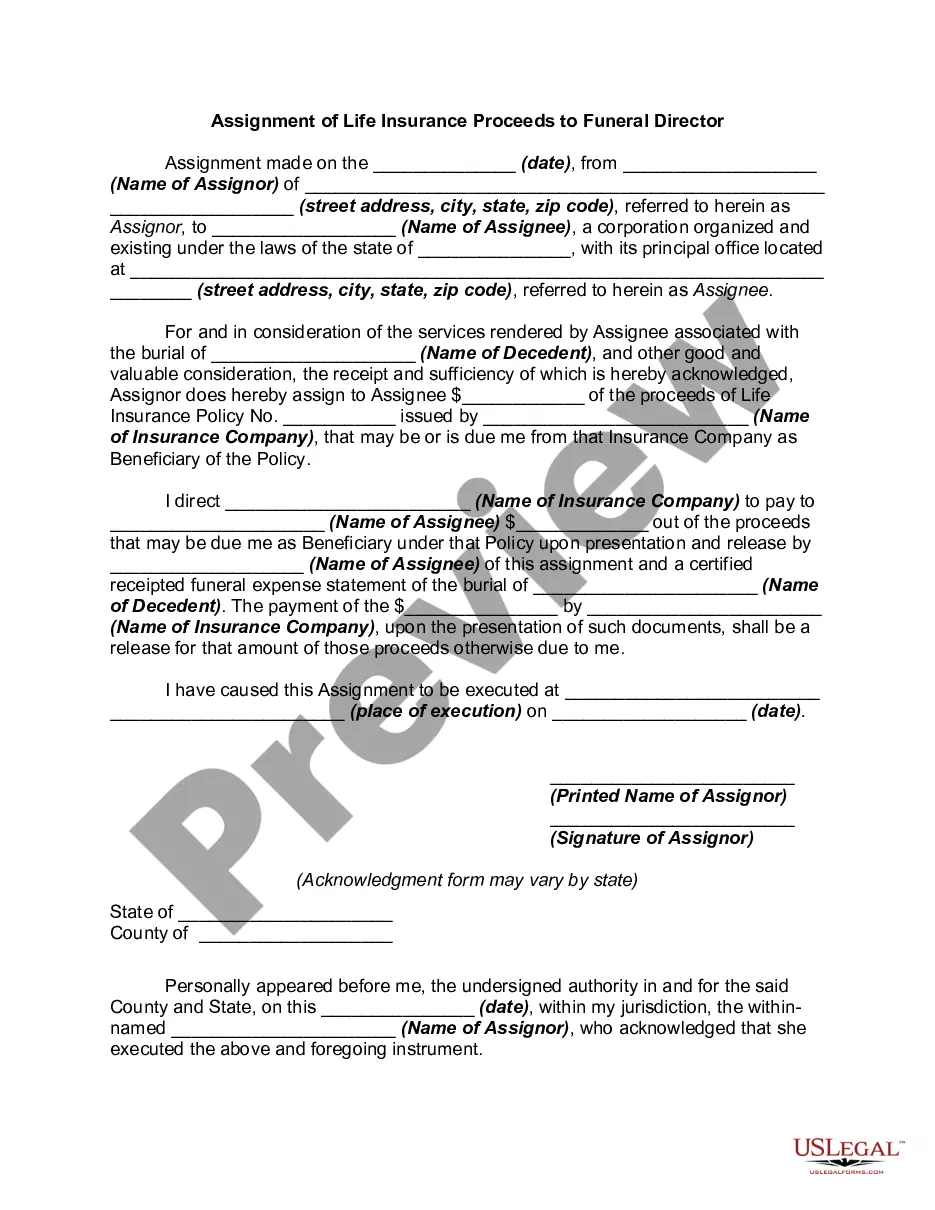
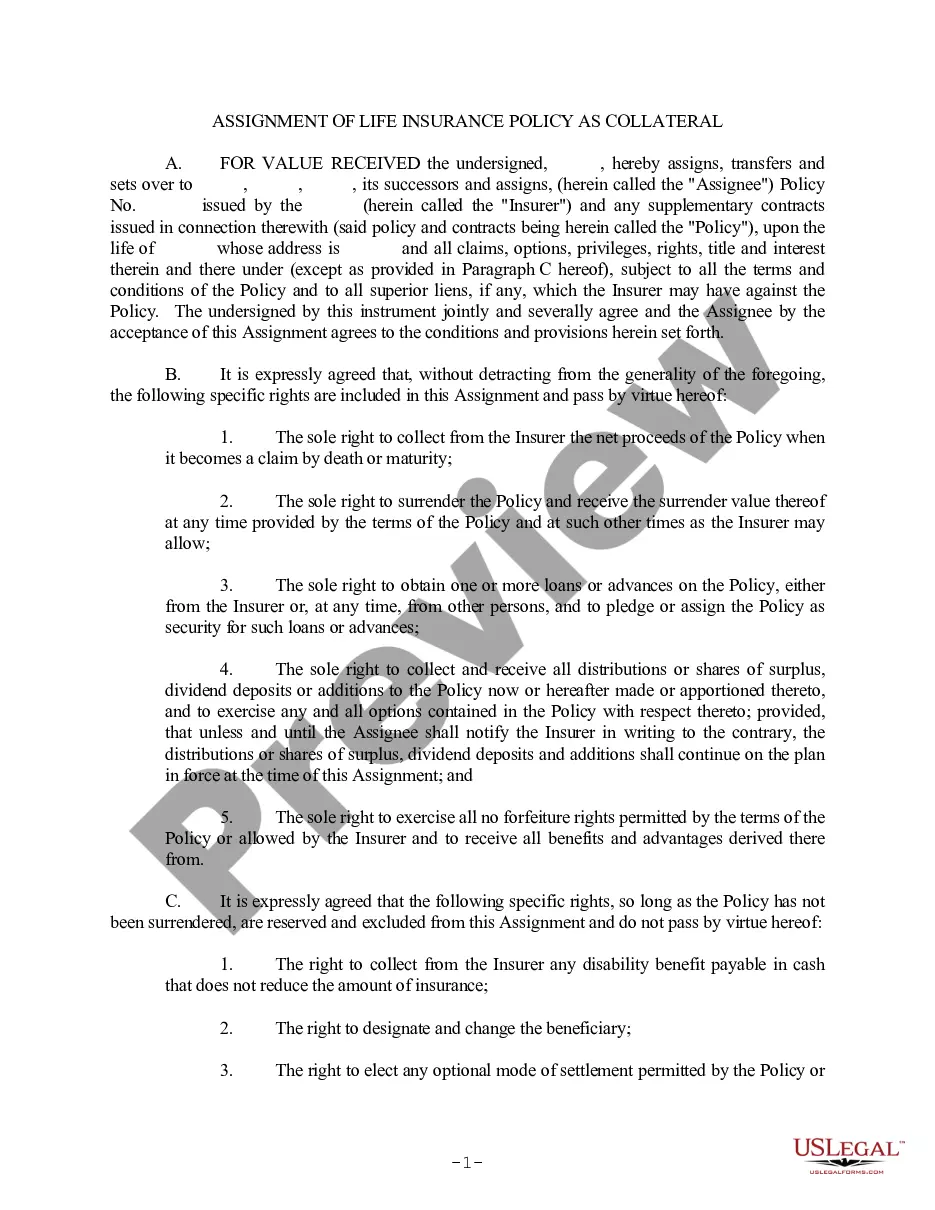
Get your form ready online
Our built-in tools help you complete, sign, share, and store your documents in one place.
Make edits, fill in missing information, and update formatting in US Legal Forms—just like you would in MS Word.
Download a copy, print it, send it by email, or mail it via USPS—whatever works best for your next step.
Sign and collect signatures with our SignNow integration. Send to multiple recipients, set reminders, and more. Go Premium to unlock E-Sign.
If this form requires notarization, complete it online through a secure video call—no need to meet a notary in person or wait for an appointment.
We protect your documents and personal data by following strict security and privacy standards.

Make edits, fill in missing information, and update formatting in US Legal Forms—just like you would in MS Word.

Download a copy, print it, send it by email, or mail it via USPS—whatever works best for your next step.

Sign and collect signatures with our SignNow integration. Send to multiple recipients, set reminders, and more. Go Premium to unlock E-Sign.

If this form requires notarization, complete it online through a secure video call—no need to meet a notary in person or wait for an appointment.

We protect your documents and personal data by following strict security and privacy standards.
Looking for another form?


How to fill out Partial Assignment Of Life Insurance Policy As Collateral?
Creating legal documents from the ground up can occasionally be daunting.
Certain situations may require extensive research and significant financial investment.
If you seek a more direct and economical method of producing Collateral Assignment And Security Agreement or other forms without unnecessary complications, US Legal Forms is always accessible.
Our online repository of over 85,000 current legal documents encompasses nearly every facet of your financial, legal, and personal affairs.
Examine the form preview and descriptions to confirm that you have located the document you need. Ensure that the form you select complies with the regulations and laws applicable in your state and county. Choose the most suitable subscription plan to acquire the Collateral Assignment And Security Agreement. Download the form, then fill it out, sign it, and print it. US Legal Forms has a solid reputation and over 25 years of expertise. Join us today and make document completion a straightforward and efficient process!
- With just a few clicks, you can swiftly obtain state- and county-specific templates meticulously prepared by our legal experts.
- Utilize our website whenever you require dependable services that allow you to easily find and download the Collateral Assignment And Security Agreement.
- If you are already familiar with our site and have an existing account, simply Log In, locate the form, and download it or re-download it at any time in the My documents section.
- Don't have an account? No problem. It only takes a few minutes to create one and browse through the catalog.
- However, before proceeding to download the Collateral Assignment And Security Agreement, consider these suggestions.
Form popularity
FAQ
The main difference between an assignment and a collateral assignment lies in the intent and rights transferred. An assignment typically transfers ownership rights to another party, while a collateral assignment retains ownership but allows the lender rights to the asset as security. In a collateral assignment and security agreement, you maintain control of the asset until default occurs, providing a level of protection for both you and the lender. Understanding these distinctions can aid in making informed financial decisions.
A security agreement must include specific elements to be legally binding. First, it should clearly describe the collateral being used to secure the debt. Next, it must detail the obligations of both the borrower and the lender, ensuring all parties understand their rights. Lastly, the agreement should be signed by both parties to validate the collateral assignment and security agreement, creating a legally enforceable contract.
A security agreement and a collateral agreement are closely related but not identical. The security agreement outlines the terms of the collateral assignment and security agreement, while the collateral agreement focuses specifically on the assets used as security. Understanding these distinctions is crucial for effective financial planning. If you need clarity on these terms, US Legal Forms provides resources to help you navigate these legal documents.
To fill out a security agreement, start by clearly identifying the parties involved, including the borrower and lender. Next, describe the collateral being secured in detail, specifying its value and any relevant identifiers. It is important to outline the terms of the agreement, including repayment schedules and default conditions. Utilizing US Legal Forms can provide you with the necessary tools and templates to ensure your security agreement is comprehensive and legally sound.
The assignee in a collateral assignment is typically the lender or financial institution that receives the rights to the collateralized asset. By holding these rights, the assignee can take control of the asset if the borrower fails to meet their obligations. This relationship underscores the importance of collateral assignment and security agreements in protecting lenders' interests. Knowing who the assignee is helps clarify responsibilities in the agreement.
The lender should describe the collateral in the security agreement by type, category or a specific listing. A generic ?all assets? description is not sufficient for purposes of the security agreement.
A security agreement is a document that provides a lender a security interest in a specified asset or property that is pledged as collateral. Security agreements often contain covenants that outline provisions for the advancement of funds, a repayment schedule, or insurance requirements.
Creating a security agreement Some key provisions in a security agreement include: Describing the collateral as accurately and as detailed as possible, so both the borrower and the lender agree upon the secured property. How to determine whether and when the borrower is in default under the loan.
Recitals describe the transaction broadly, naming the parties, their legal status, and their intent in executing the security agreement.
The security agreement must: be signed (or authenticated) by the debtor and the owner of the property, contain a description of the collateral and. make it clear that a security interest is intended.