Amend Court Order Without A Lawyer
Description
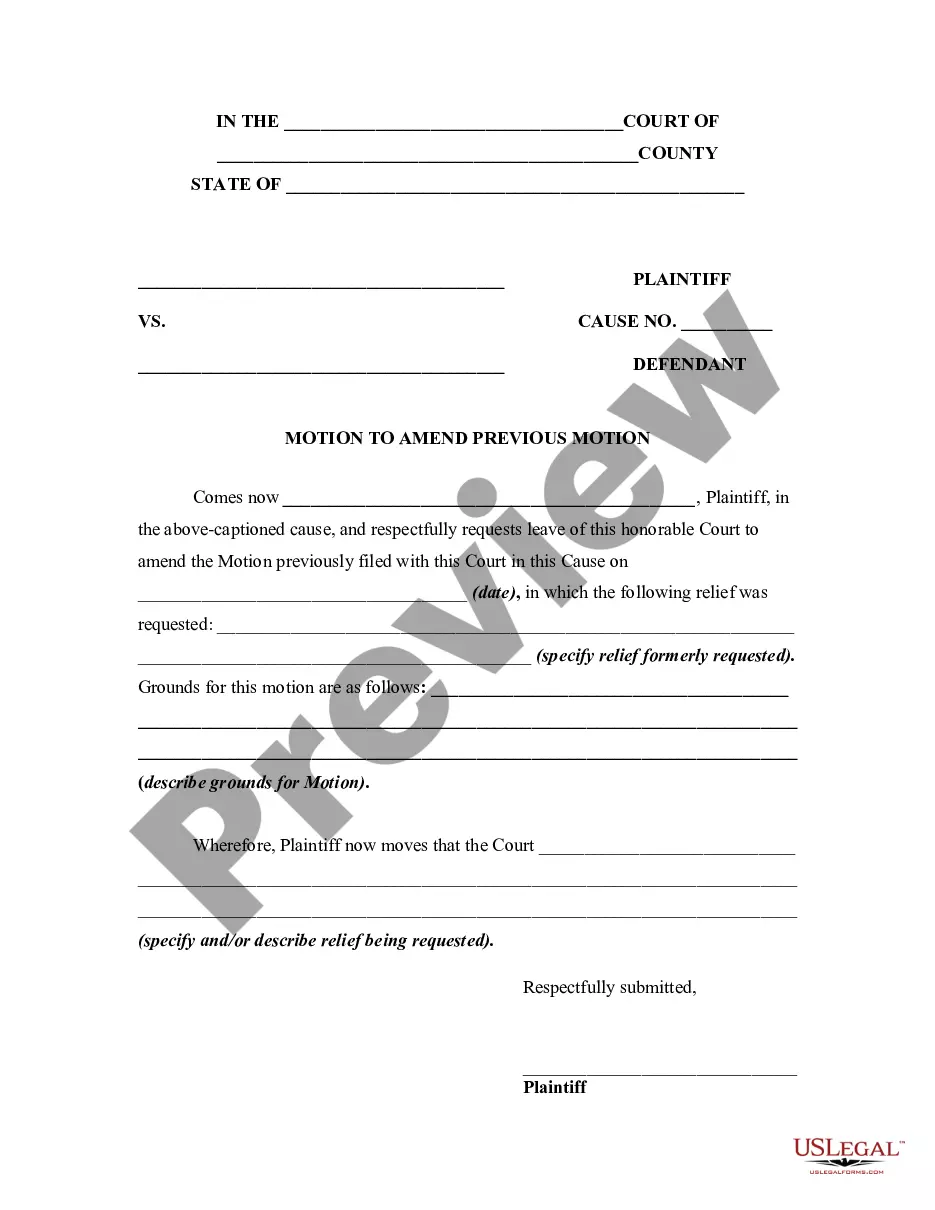
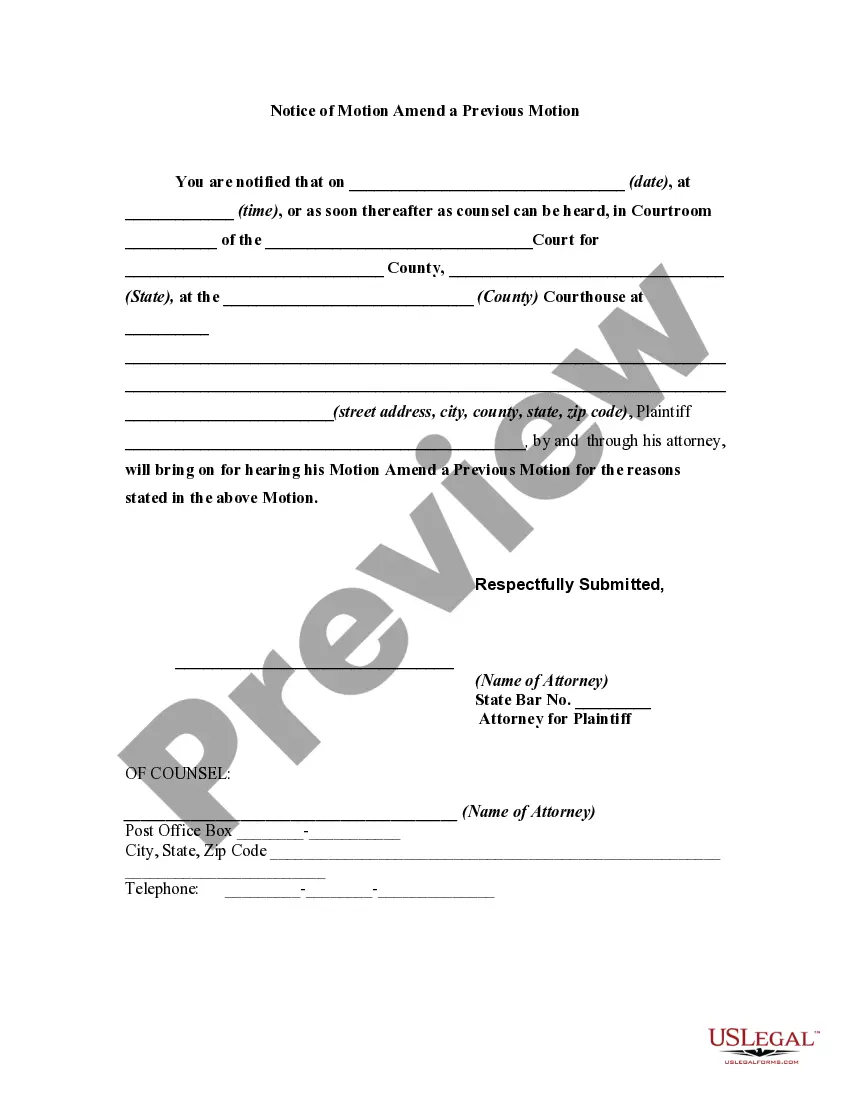
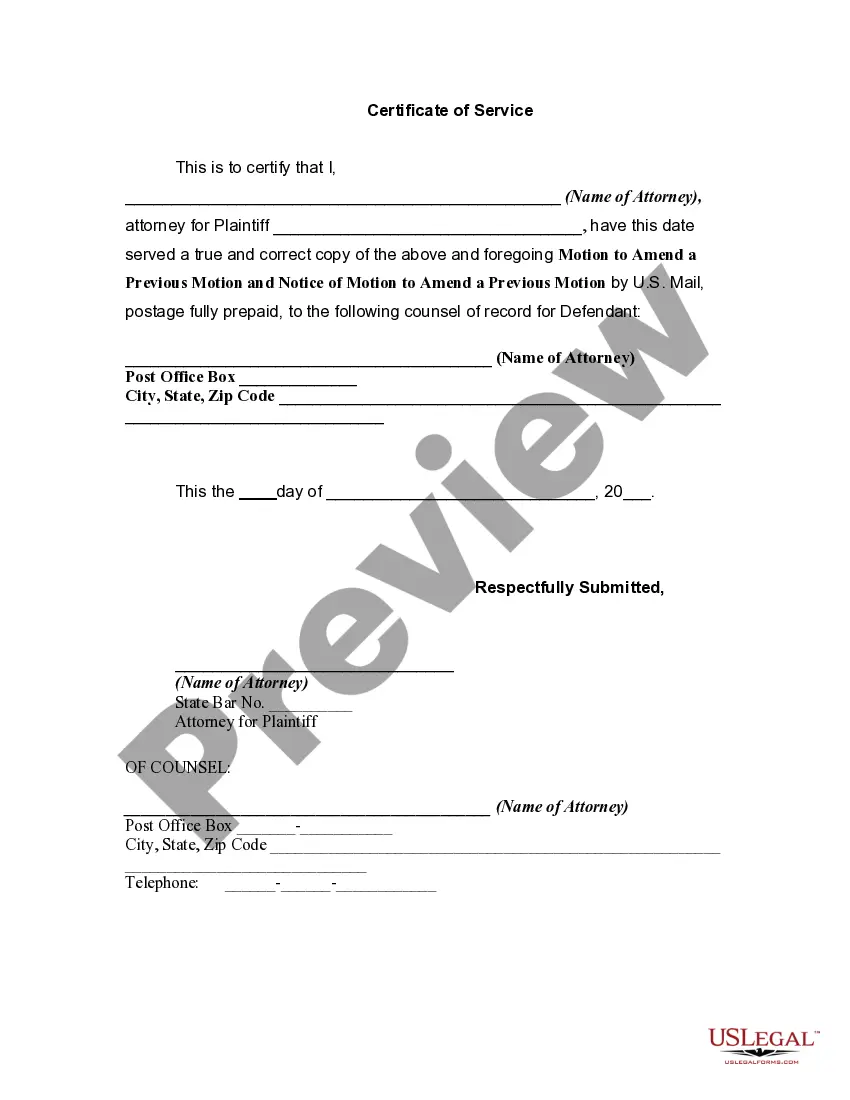
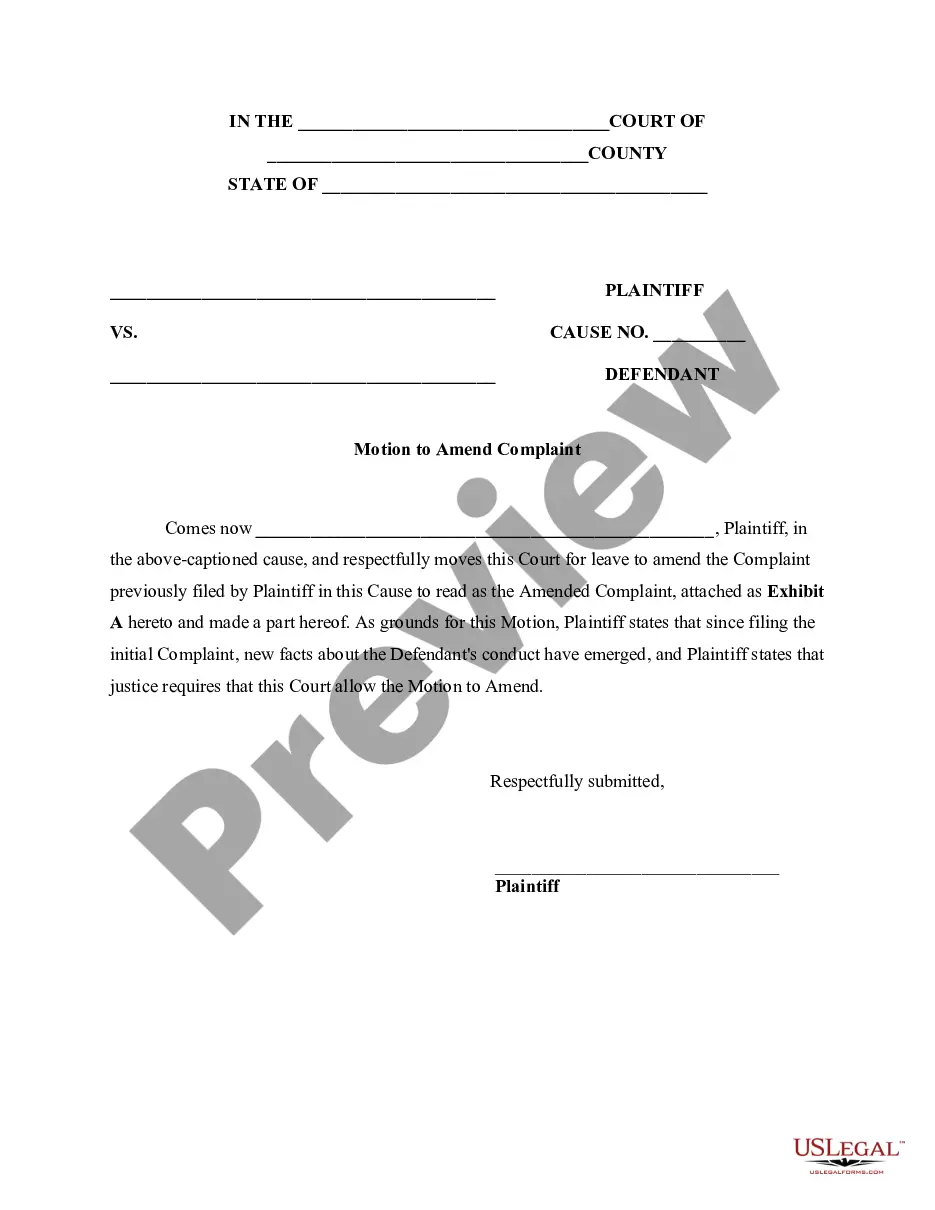
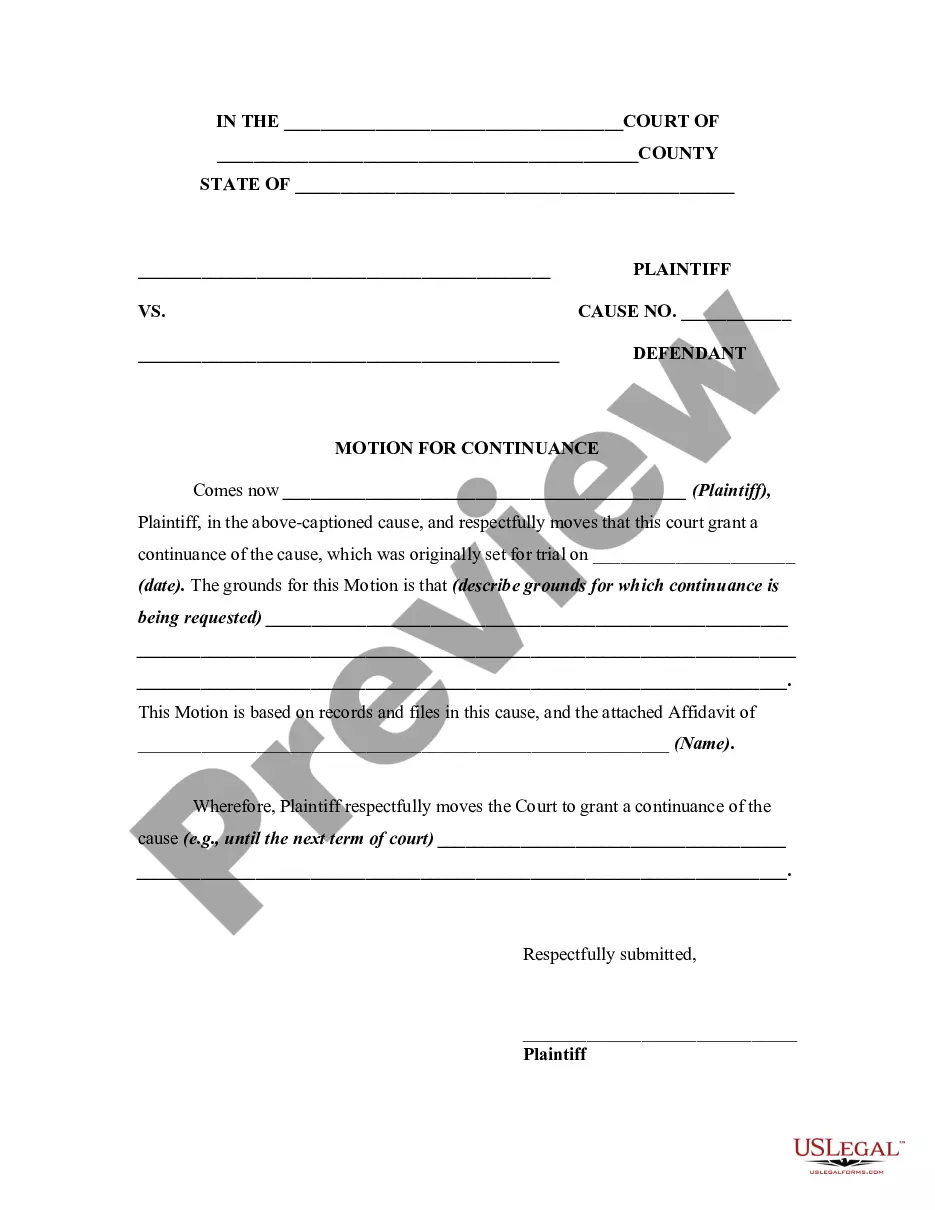
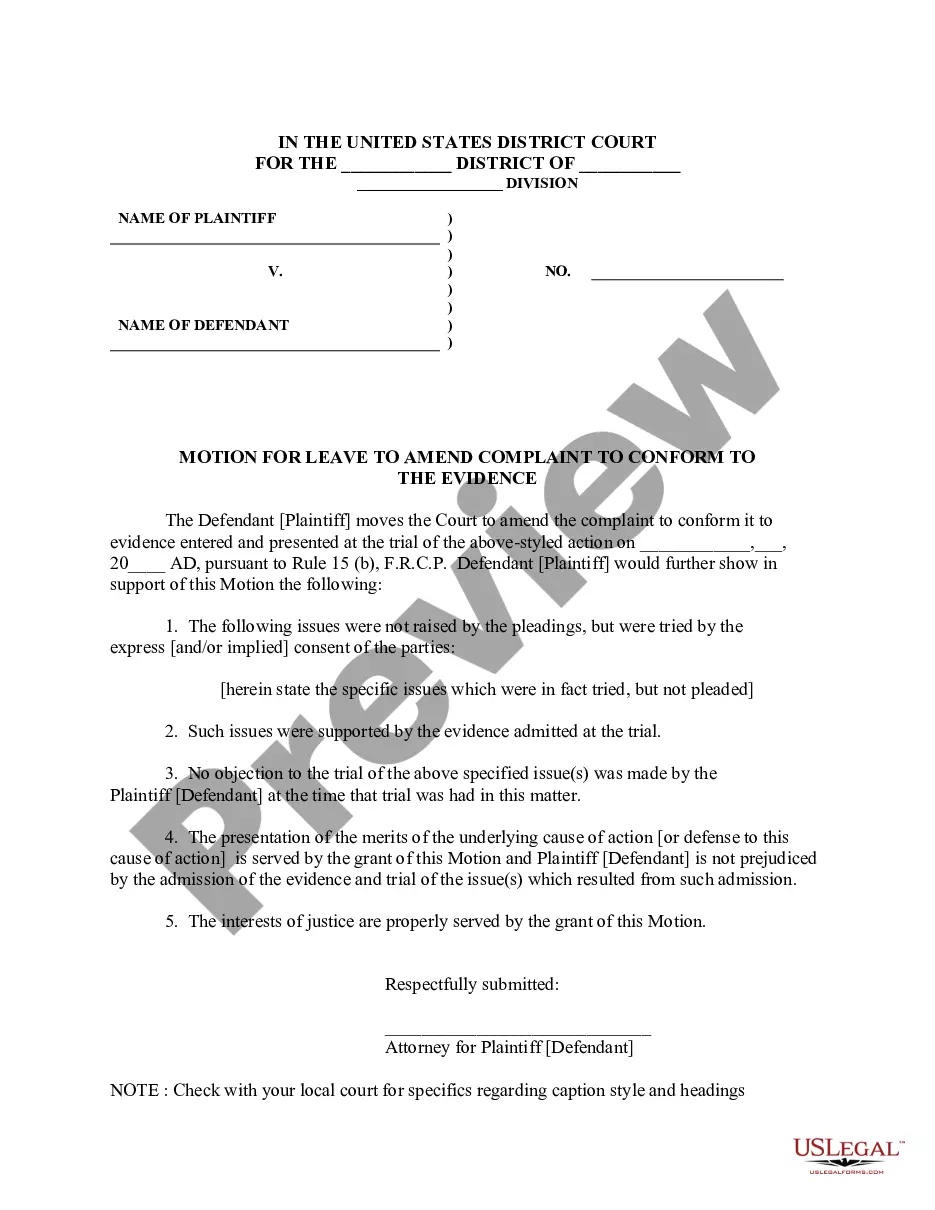
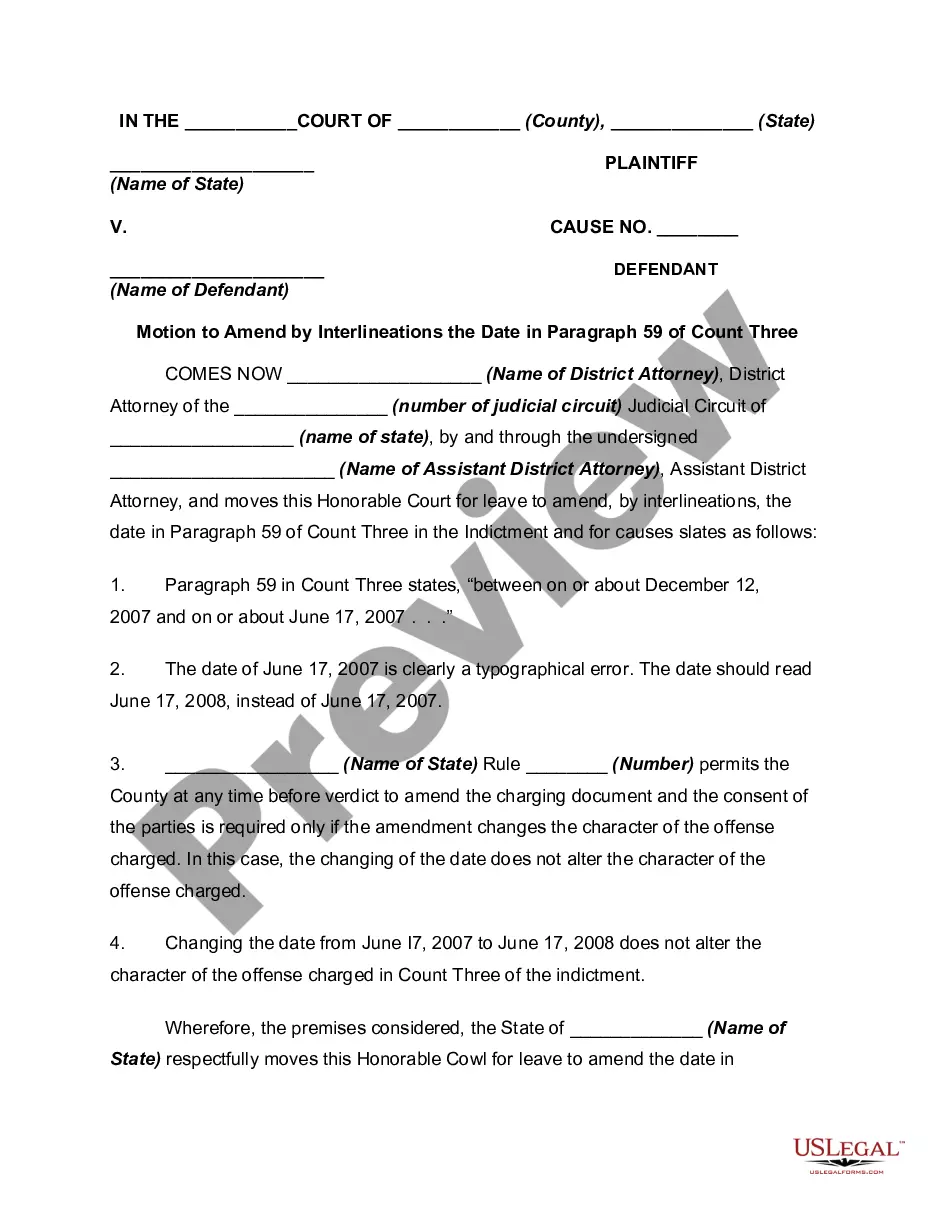
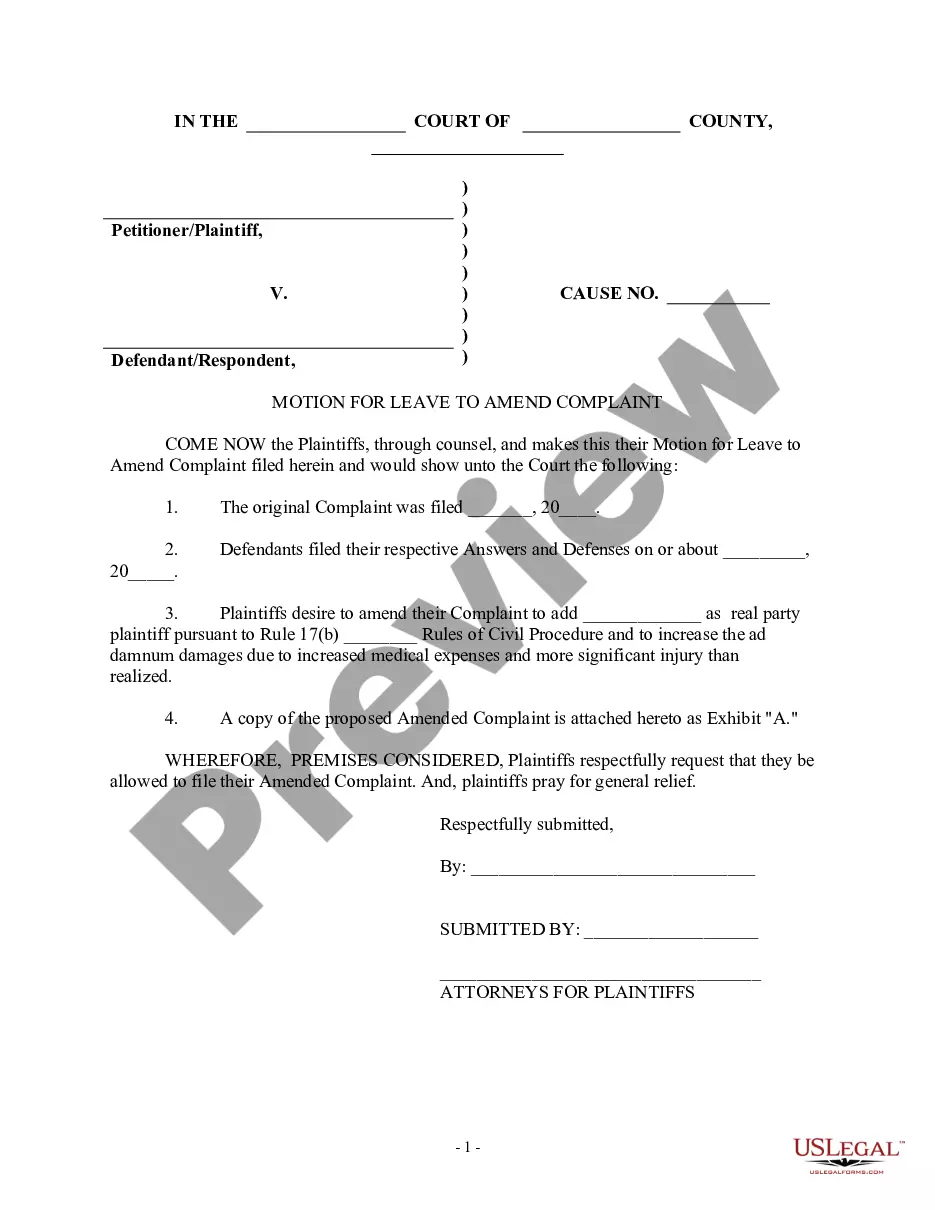
Get your form ready online
Our built-in tools help you complete, sign, share, and store your documents in one place.
Make edits, fill in missing information, and update formatting in US Legal Forms—just like you would in MS Word.
Download a copy, print it, send it by email, or mail it via USPS—whatever works best for your next step.
Sign and collect signatures with our SignNow integration. Send to multiple recipients, set reminders, and more. Go Premium to unlock E-Sign.
If this form requires notarization, complete it online through a secure video call—no need to meet a notary in person or wait for an appointment.
We protect your documents and personal data by following strict security and privacy standards.

Make edits, fill in missing information, and update formatting in US Legal Forms—just like you would in MS Word.

Download a copy, print it, send it by email, or mail it via USPS—whatever works best for your next step.

Sign and collect signatures with our SignNow integration. Send to multiple recipients, set reminders, and more. Go Premium to unlock E-Sign.

If this form requires notarization, complete it online through a secure video call—no need to meet a notary in person or wait for an appointment.

We protect your documents and personal data by following strict security and privacy standards.
Looking for another form?

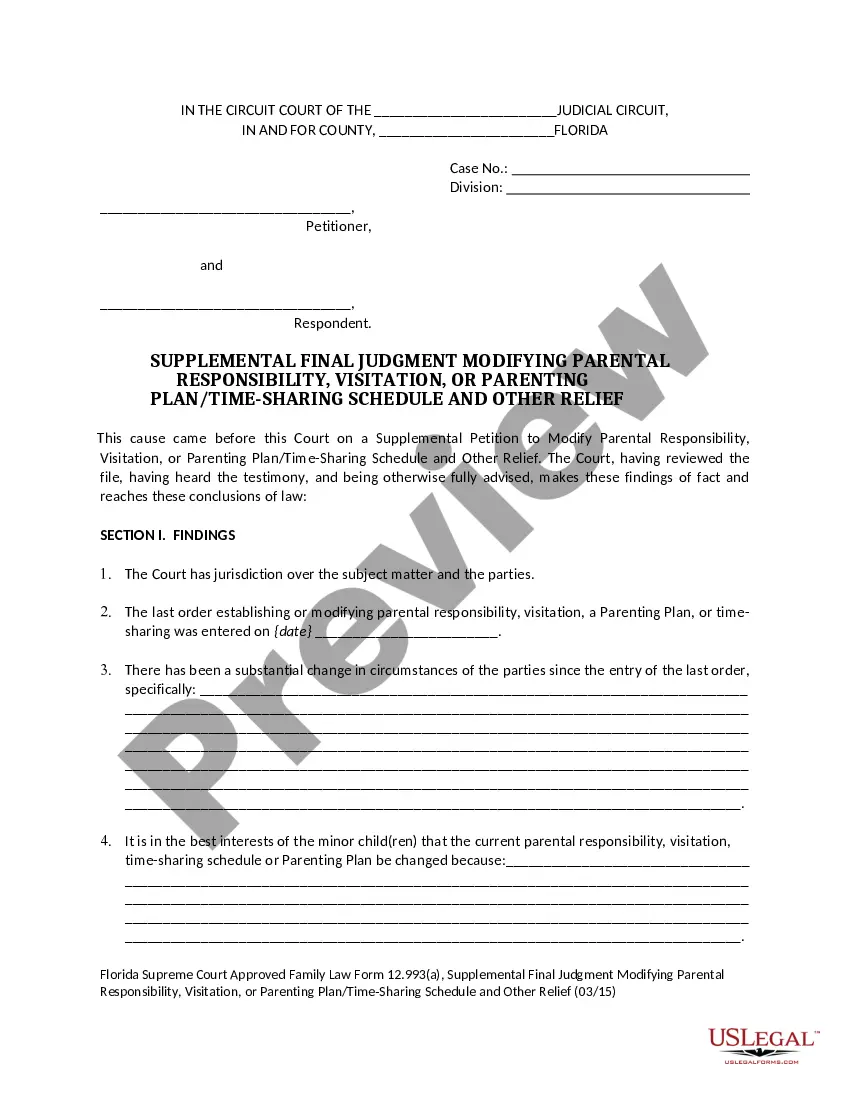




How to fill out Motion To Amend A Previous Motion And Notice Of Motion?
Whether for commercial reasons or for personal matters, everyone must deal with legal issues at some stage in their life.
Completing legal documents requires meticulous attention, beginning with choosing the appropriate form template. For example, if you select an incorrect version of the Amend Court Order Without A Lawyer, it will be rejected upon submission. Hence, it is crucial to have a reliable source of legal documents like US Legal Forms.
With an extensive US Legal Forms catalog available, you do not need to waste time searching for the right template online. Utilize the library’s straightforward navigation to find the perfect template for any situation.
- Locate the template you need by using the search bar or browsing the catalog.
- Review the form’s details to confirm it fits your circumstances, state, and locality.
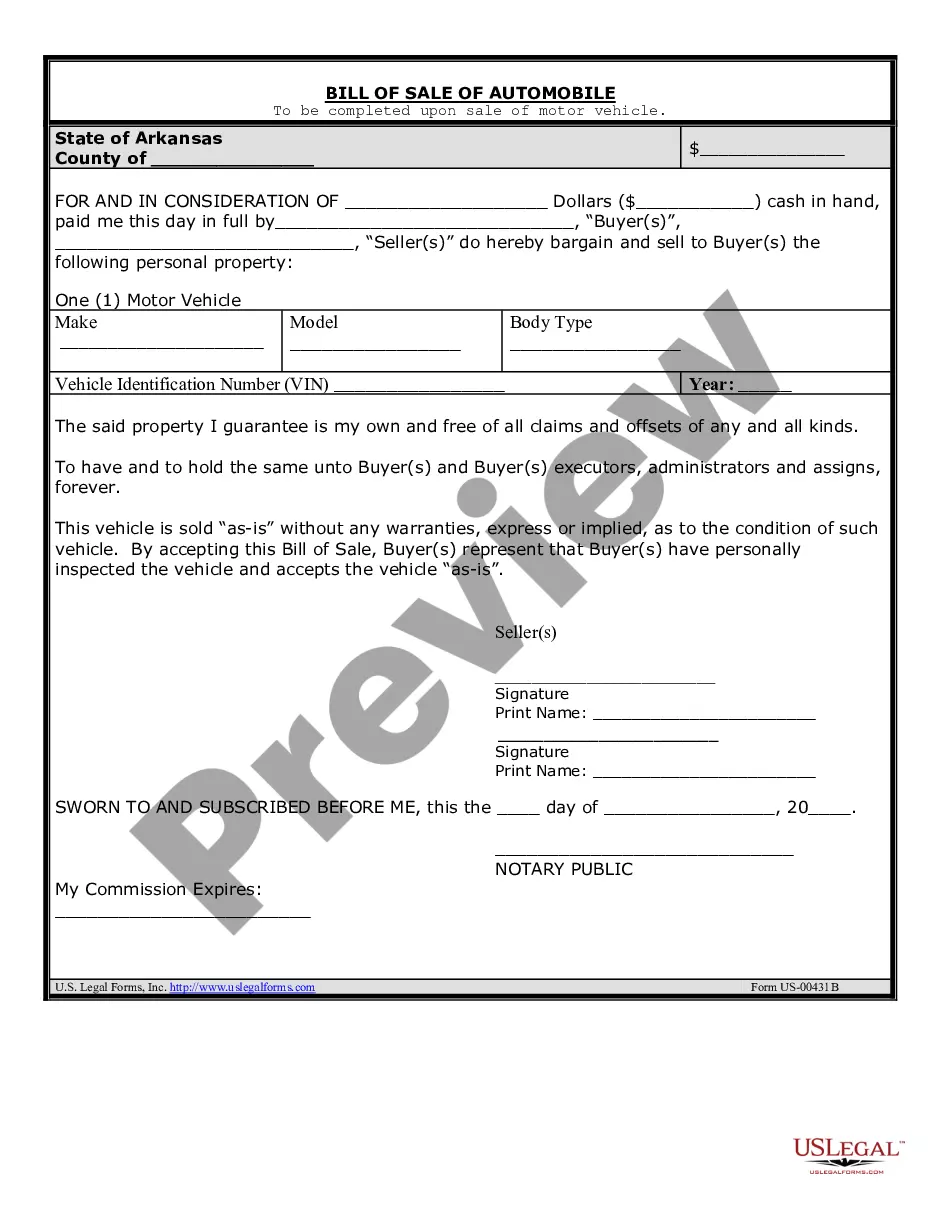
- Click on the form’s preview to examine it.
- If it is the incorrect form, return to the search option to find the Amend Court Order Without A Lawyer template you require.
- Download the document once it aligns with your needs.
- If you possess a US Legal Forms account, click Log in to access previously stored documents in My documents.
- In case you do not have an account yet, you can obtain the form by clicking Buy now.
- Select the suitable pricing choice.
- Fill out the profile registration form.
- Choose your payment method: you can use a credit card or PayPal account.
- Select the file format you desire and download the Amend Court Order Without A Lawyer.
- Once it is downloaded, you can fill out the form using editing software or print it and complete it manually.
Form popularity
FAQ
To amend is to make a change by adding, subtracting, or substituting. For example, one can amend a statute, a contract, the United States Constitution, or a pleading filed in a lawsuit. Generally, procedures dictate the way in which one amends a specific item.
In most cases you will need permission to appeal the decision made by the Court. You can ask the Judge who made the decision at the end of the case for permission to appeal but if this is refused then you will need to make an application to a Higher Court.
The defendant must apply to vary a consent order on form N244. The defendant must send their completed form N244 to the court that issued the order, along with the appropriate fee, or a fee remission form and the required evidence.
You can change an existing court order or consent order. You can also ask a court to enforce an order if your ex-partner is not following it. If you ask the court to change or enforce an order, you'll probably have to go to a court hearing. You can usually avoid this if you get help outside of court instead.
What is the slip rule? The slip rule is a process by which the court may correct an accidental slip or omission in a judgment or order (see: CPR 40.12 and CPR PD 40B, paras 4.1 and 4.5). CPR 40.12 provides that the 'court may at any time correct an accidental slip or omission in a judgment or order'.