Amend Court Order Without
Description
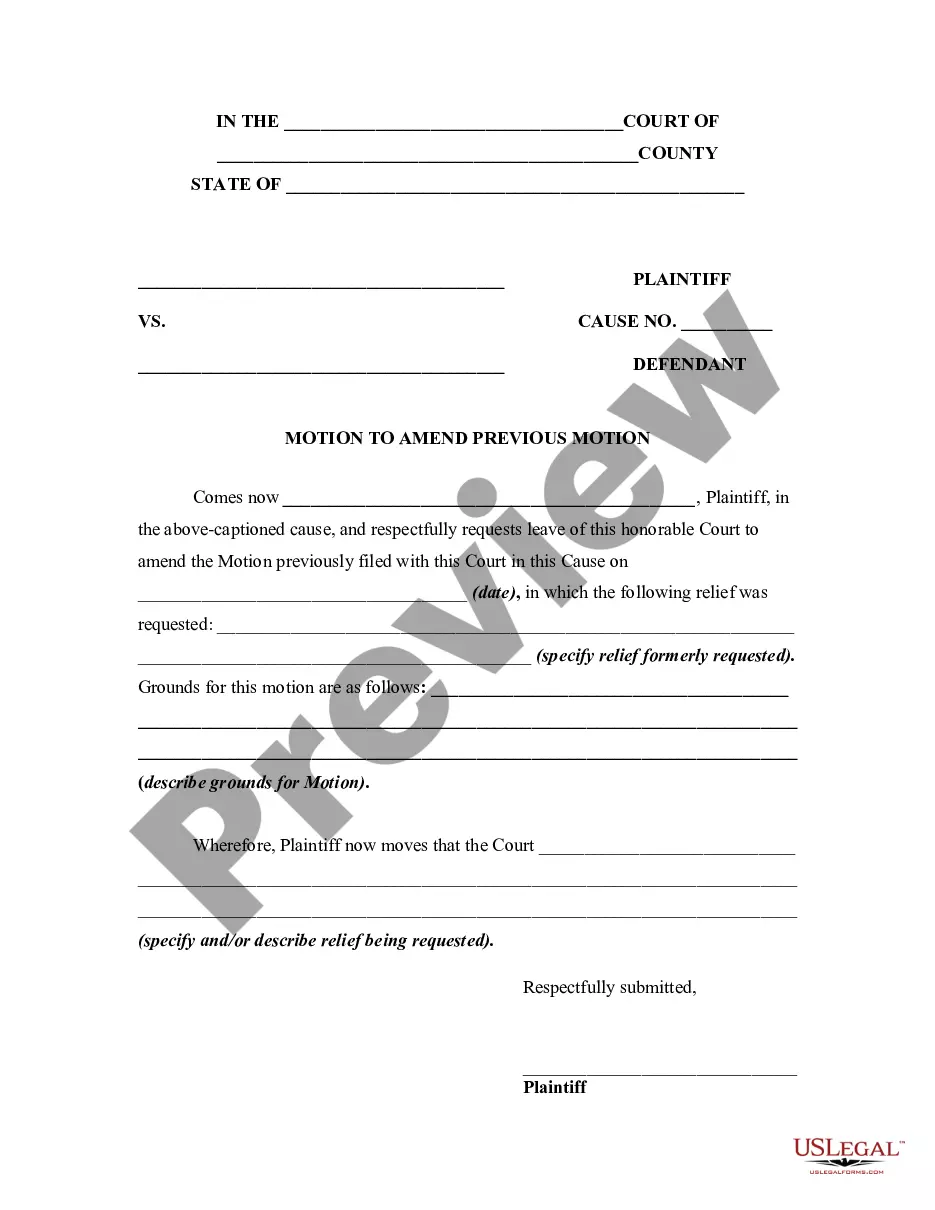
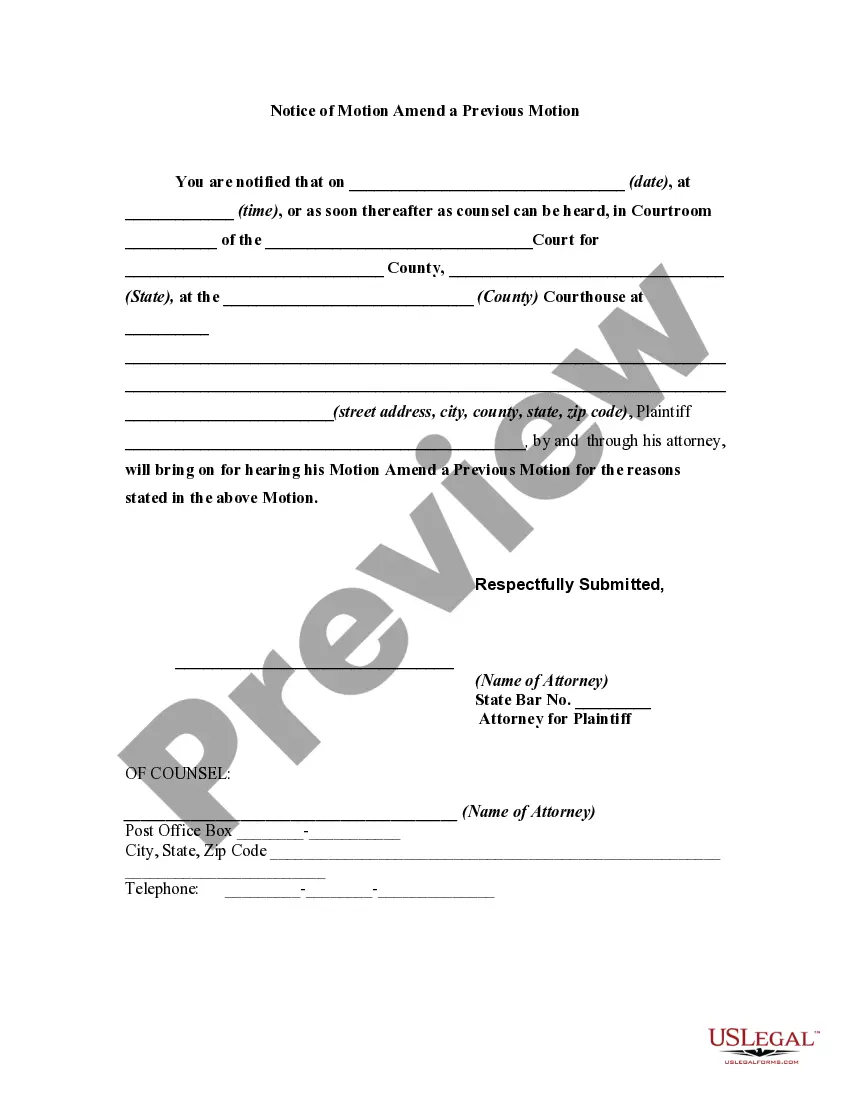
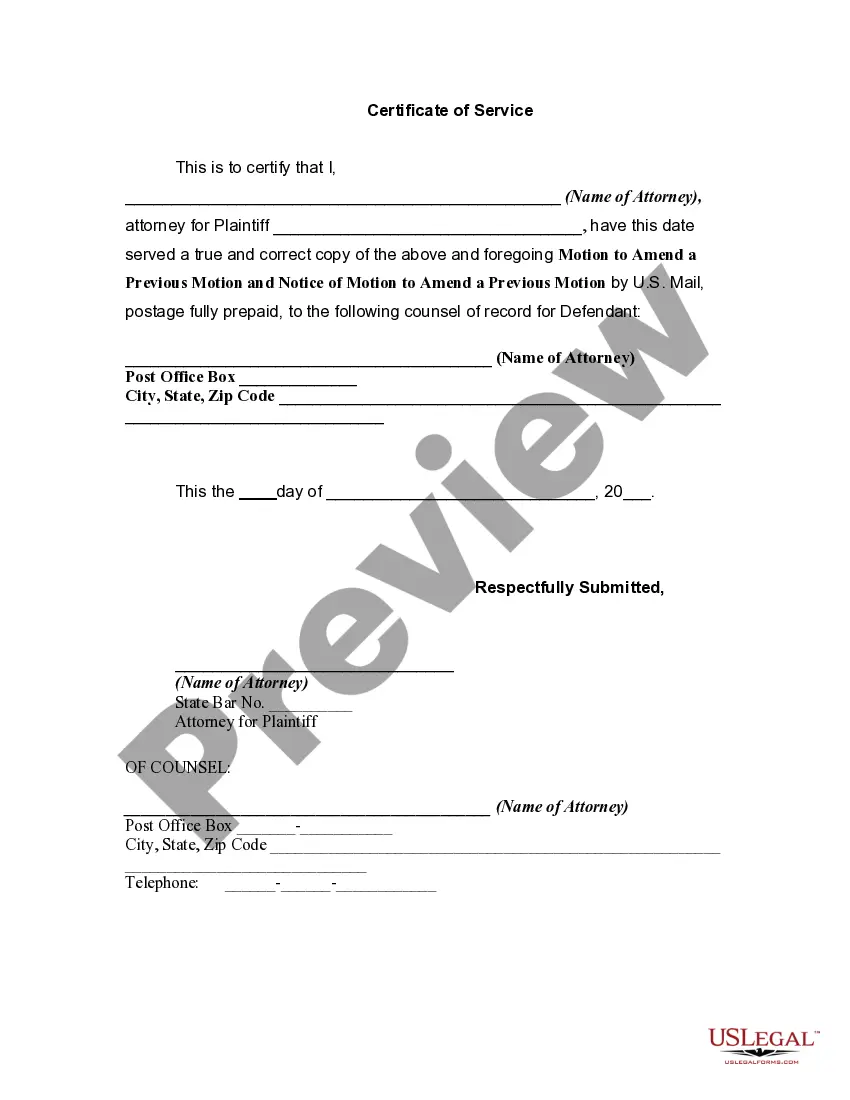
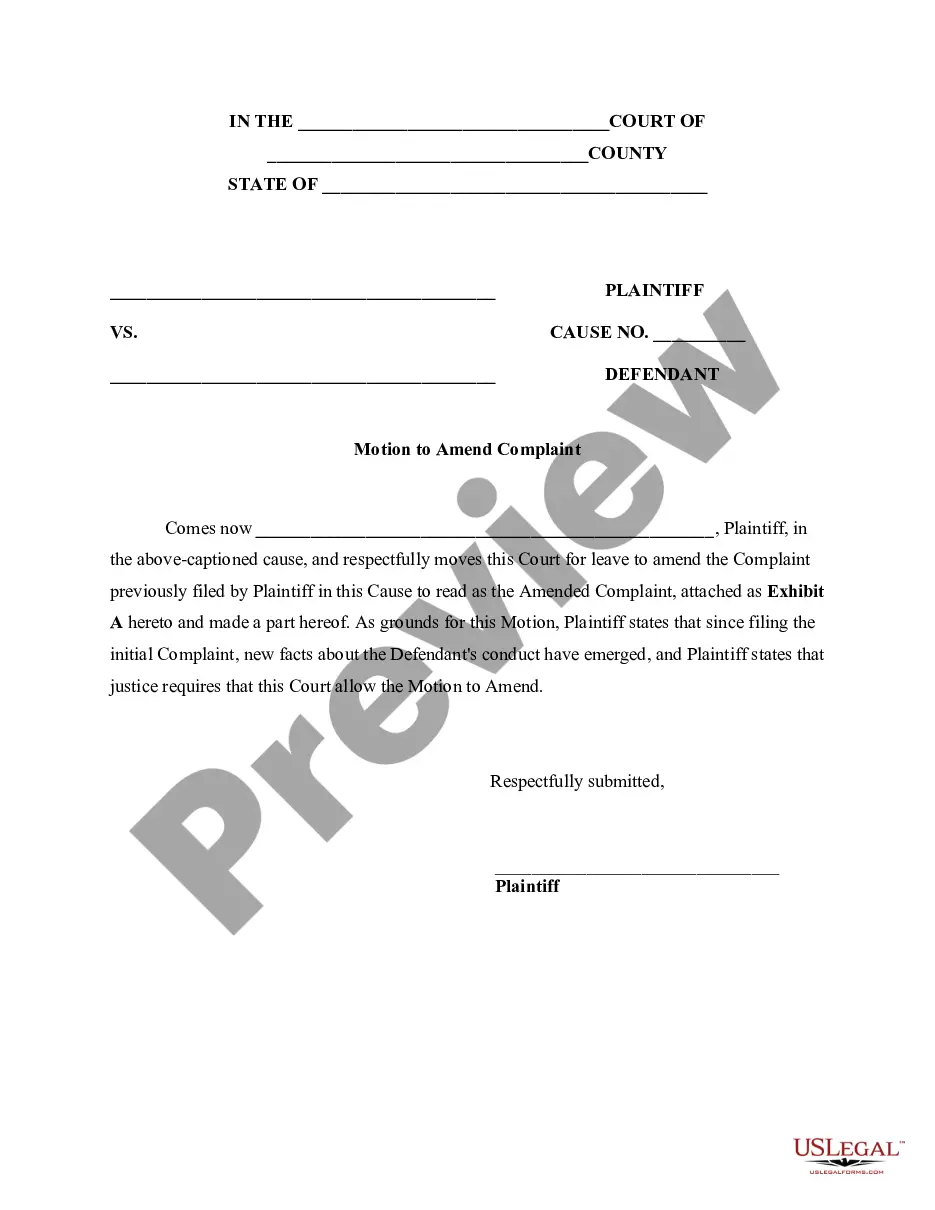
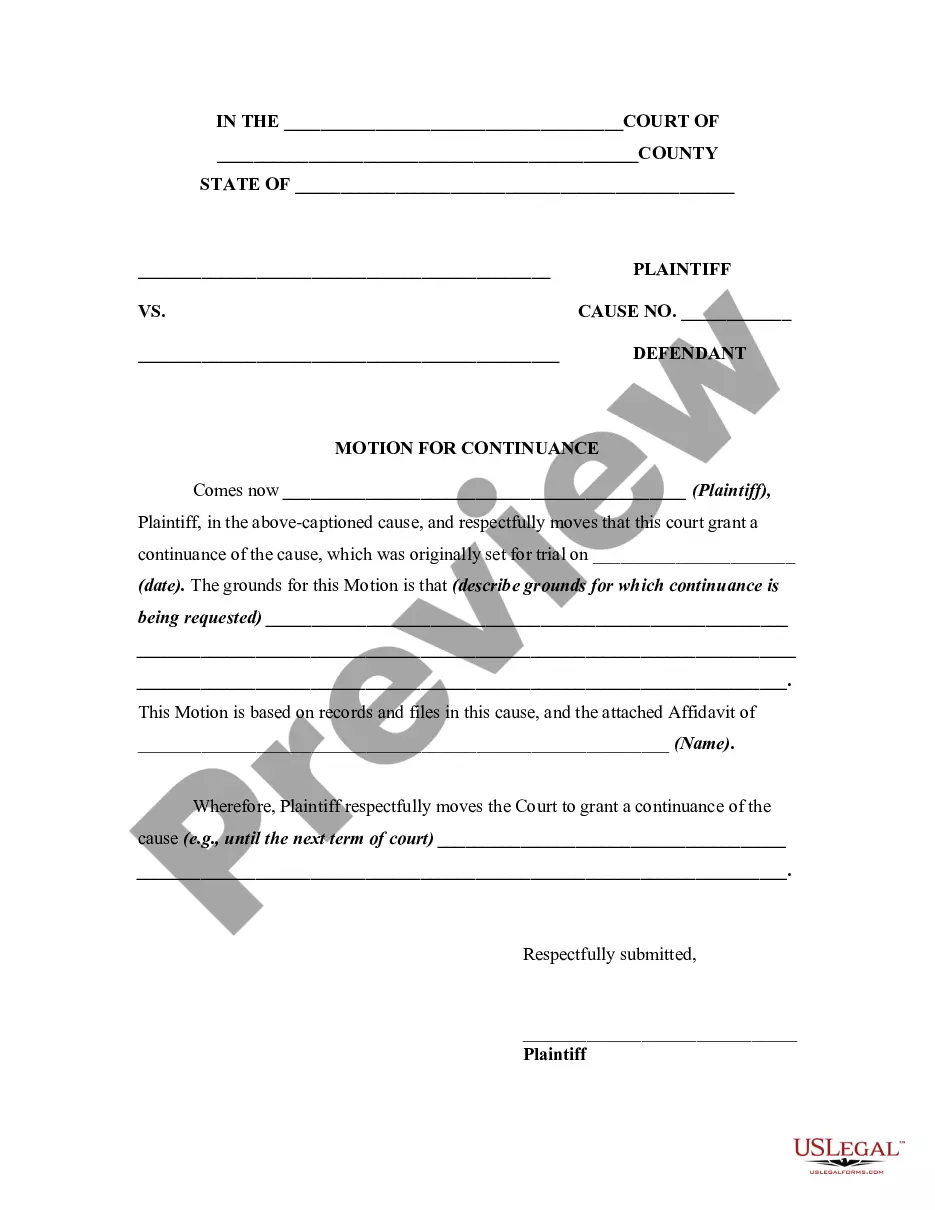
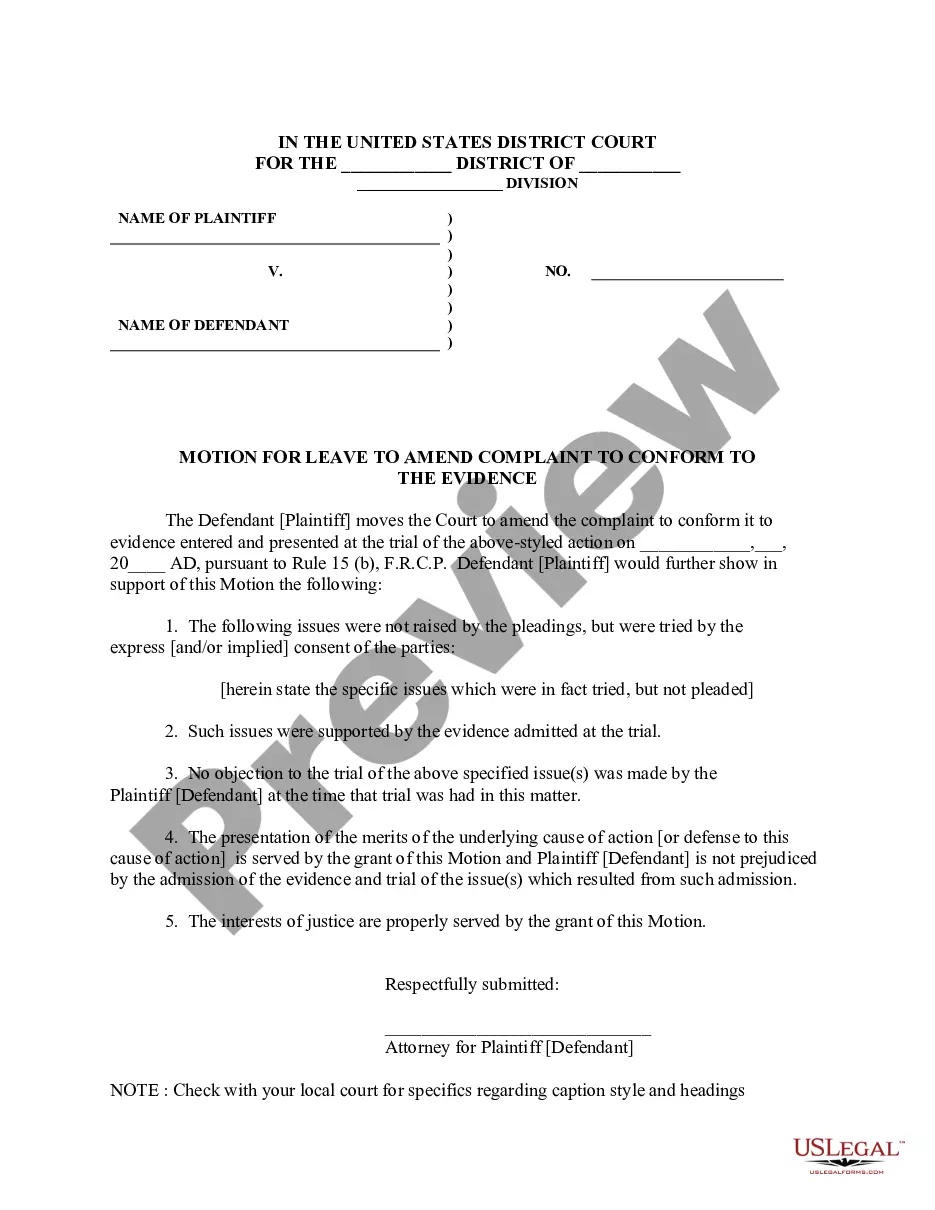
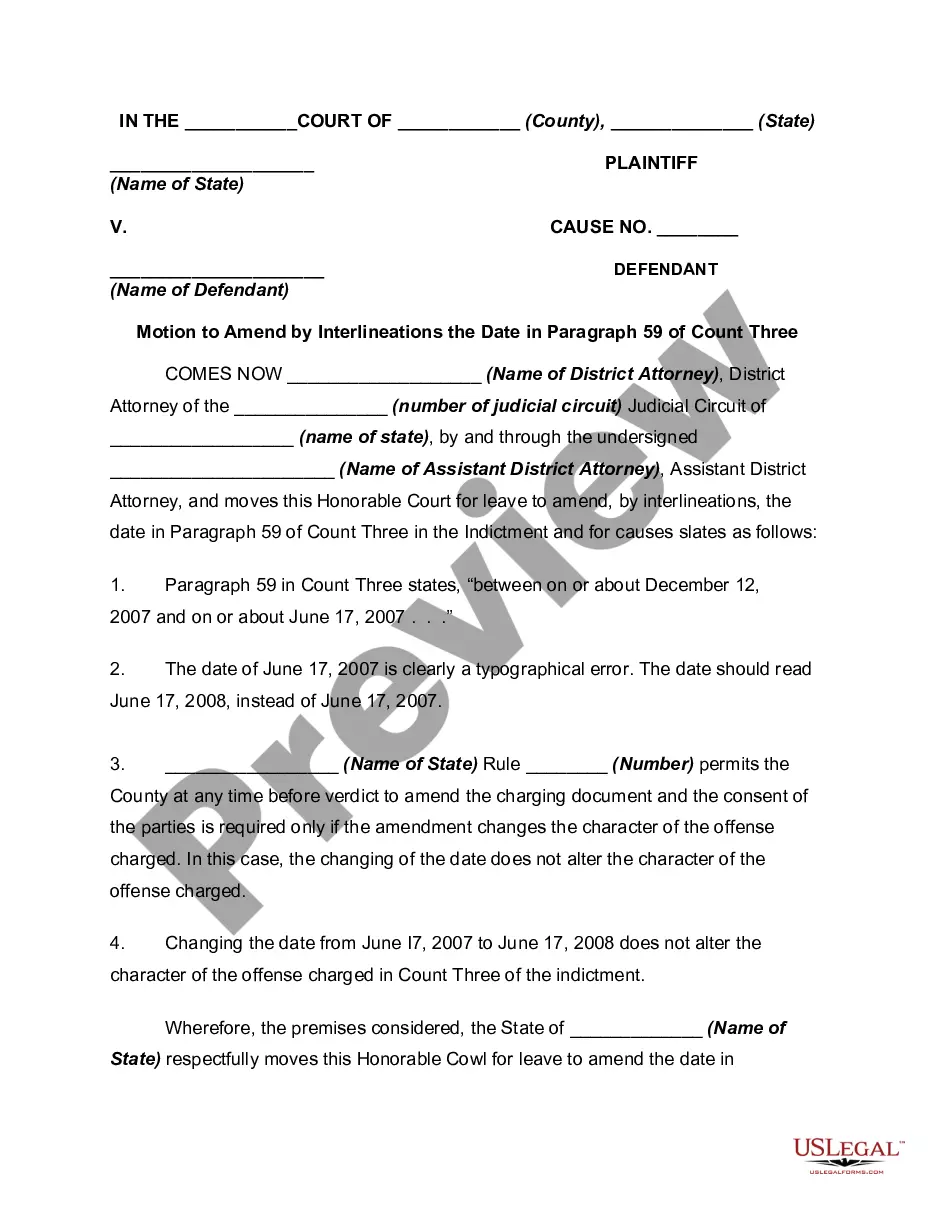
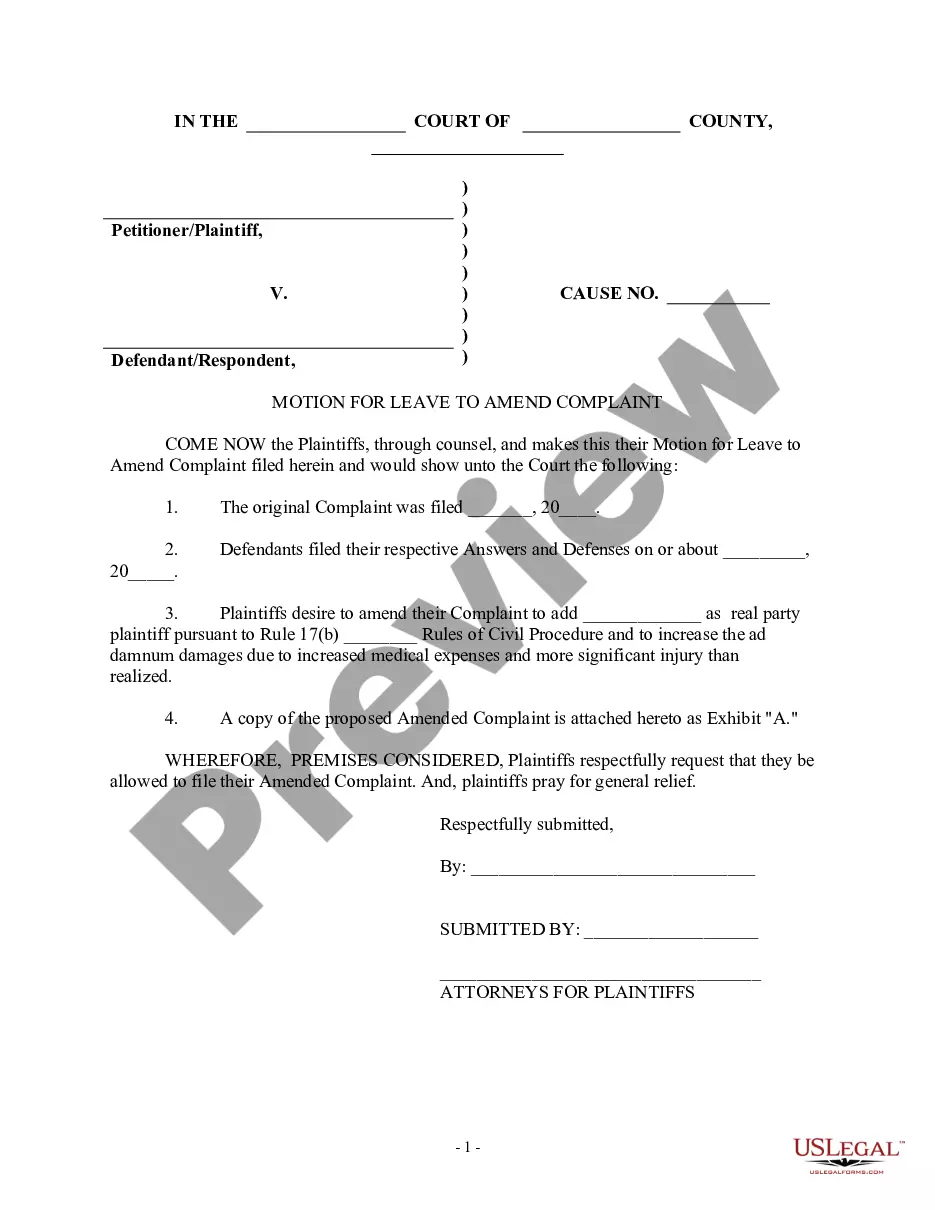
Get your form ready online
Our built-in tools help you complete, sign, share, and store your documents in one place.
Make edits, fill in missing information, and update formatting in US Legal Forms—just like you would in MS Word.
Download a copy, print it, send it by email, or mail it via USPS—whatever works best for your next step.
Sign and collect signatures with our SignNow integration. Send to multiple recipients, set reminders, and more. Go Premium to unlock E-Sign.
If this form requires notarization, complete it online through a secure video call—no need to meet a notary in person or wait for an appointment.
We protect your documents and personal data by following strict security and privacy standards.

Make edits, fill in missing information, and update formatting in US Legal Forms—just like you would in MS Word.

Download a copy, print it, send it by email, or mail it via USPS—whatever works best for your next step.

Sign and collect signatures with our SignNow integration. Send to multiple recipients, set reminders, and more. Go Premium to unlock E-Sign.

If this form requires notarization, complete it online through a secure video call—no need to meet a notary in person or wait for an appointment.

We protect your documents and personal data by following strict security and privacy standards.
Looking for another form?
How to fill out Motion To Amend A Previous Motion And Notice Of Motion?
Regardless of whether for professional reasons or personal matters, everyone must confront legal issues at some time in their lives.
Completing legal documents demands meticulous attention, beginning with choosing the correct form template.
With an extensive US Legal Forms catalog available, you do not need to waste time searching for the right sample online. Utilize the library’s easy navigation to find the correct template for any situation.
- For instance, if you select an incorrect version of an Amend Court Order Without, it will be rejected once you submit it.
- Thus, it is crucial to obtain a reliable source of legal documents such as US Legal Forms.
- If you need to acquire an Amend Court Order Without template, follow these straightforward steps.
- Utilize the search bar or catalog navigation to find the sample you require.
- Review the form’s description to confirm it aligns with your circumstances, state, and locality.
- Click on the form’s preview to view it.
- If it is the wrong form, return to the search feature to find the Amend Court Order Without sample you seek.
- Obtain the file when it suits your requirements.
- If you already possess a US Legal Forms account, simply click Log in to access previously saved documents in My documents.
- If you do not have an account yet, you can download the form by clicking Buy now.
- Choose the appropriate pricing option.
- Fill out the account registration form.
- Select your payment method: use a credit card or PayPal account.
- Choose the file format you prefer and download the Amend Court Order Without.
- After it is downloaded, you can fill out the form using editing software or print it and complete it by hand.
Form popularity
FAQ
In case, the time limit is not specified, it is presumed that within 14 days from the date of order, the amendment is to be made. If the party has not made any such amendments within the time, he shall not be permitted to amend after the expiry of the specified time unless the court extends the time.
If you have obtained an enforceable court order and there is a clear breach of the court order, the breaching party may be committing a criminal offence (sometimes known as being in ?contempt of court?). This may lead to police action, prosecution, fines, or imprisonment.
If the first condition is satisfied that the amendment is necessary to decide the ?real controversy? between the parties, the amendment should be allowed. In other words, if there is no necessity to decide the ?real controversy? between the parties, the amendment should not be allowed.
Order VI Rule 17 of the CPC grants permission to the parties to the case to amend their pleadings at any stage of the proceedings. The proviso under this rule says that after the trial has commenced, an application for amendment shall not be allowed.
The Court also held that the powers conferred on the Courts under Order 6 Rule 17 are wide enough and grant unfettered discretion to the Courts to allow an amendment to the written statements at any stage of the proceedings.