Amend Complete Repair é Liberado
Description
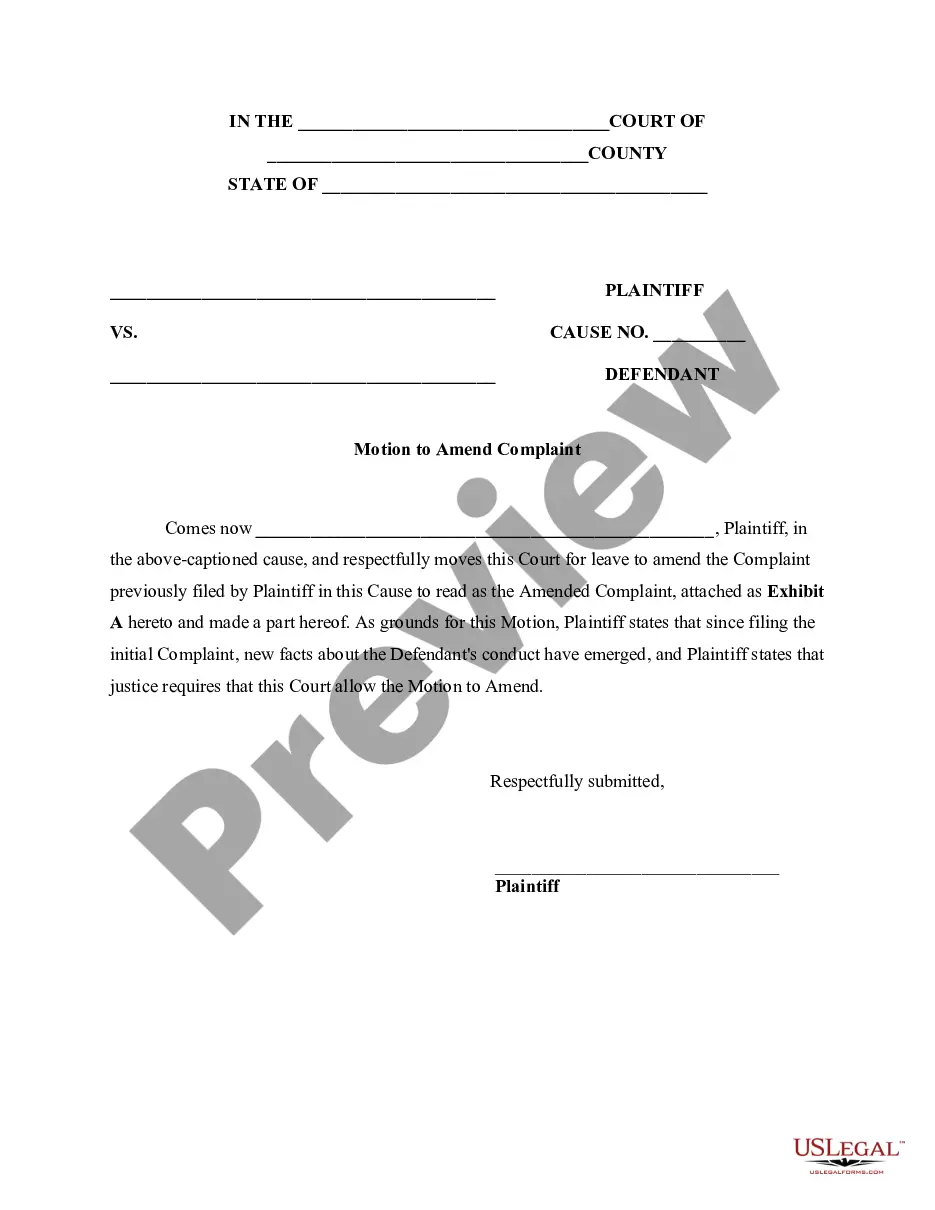
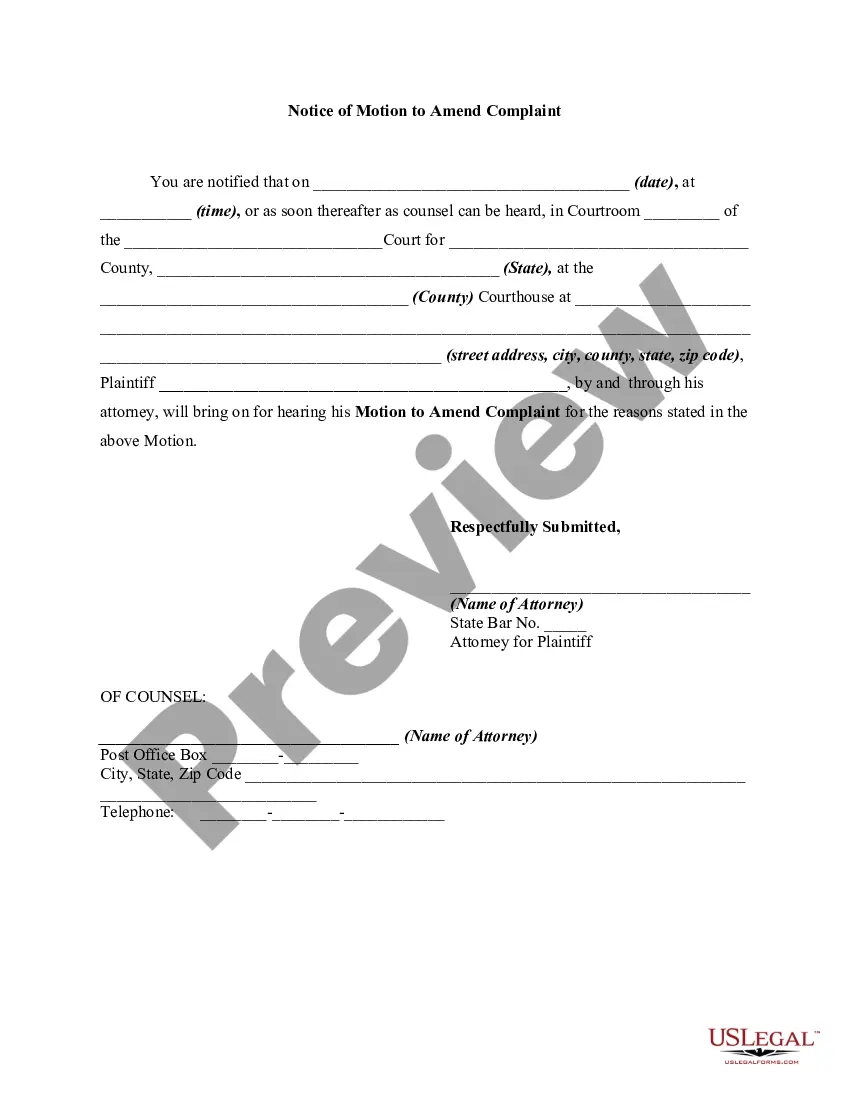
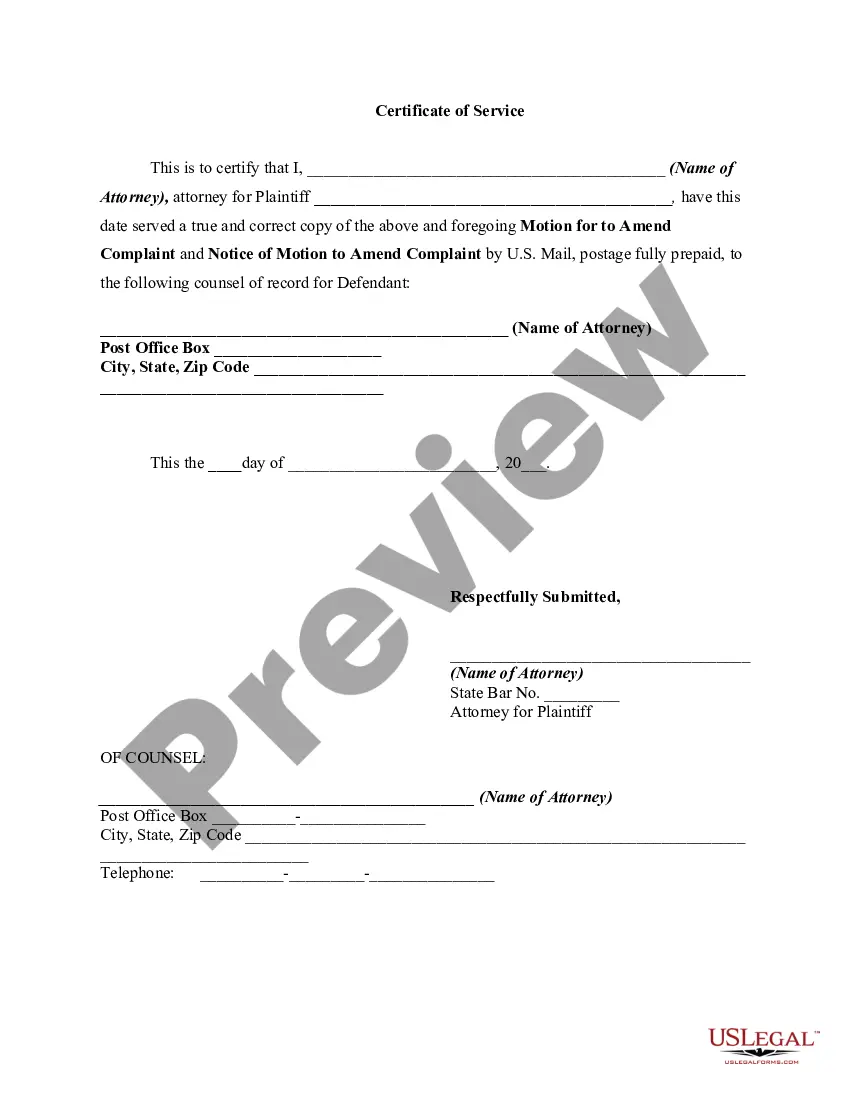

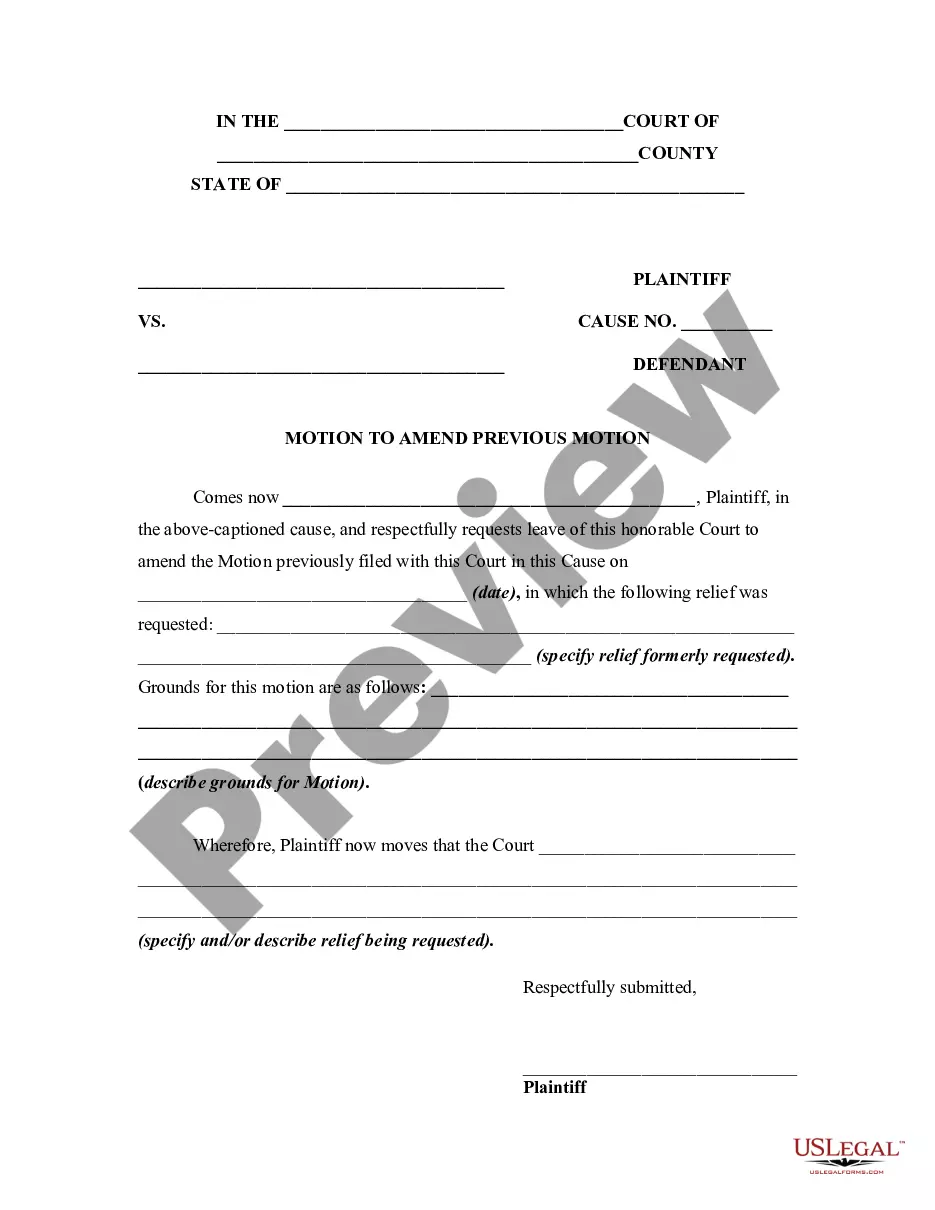
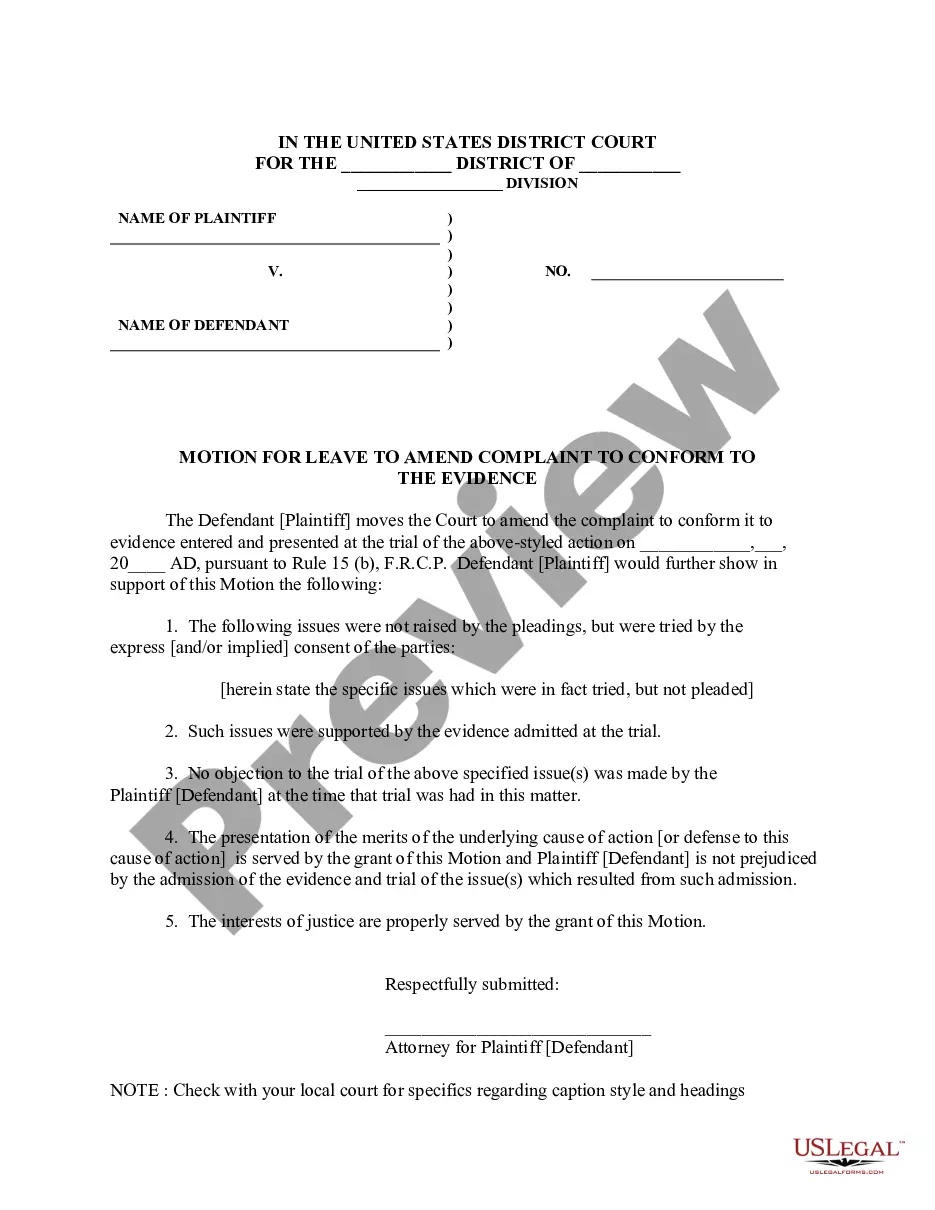
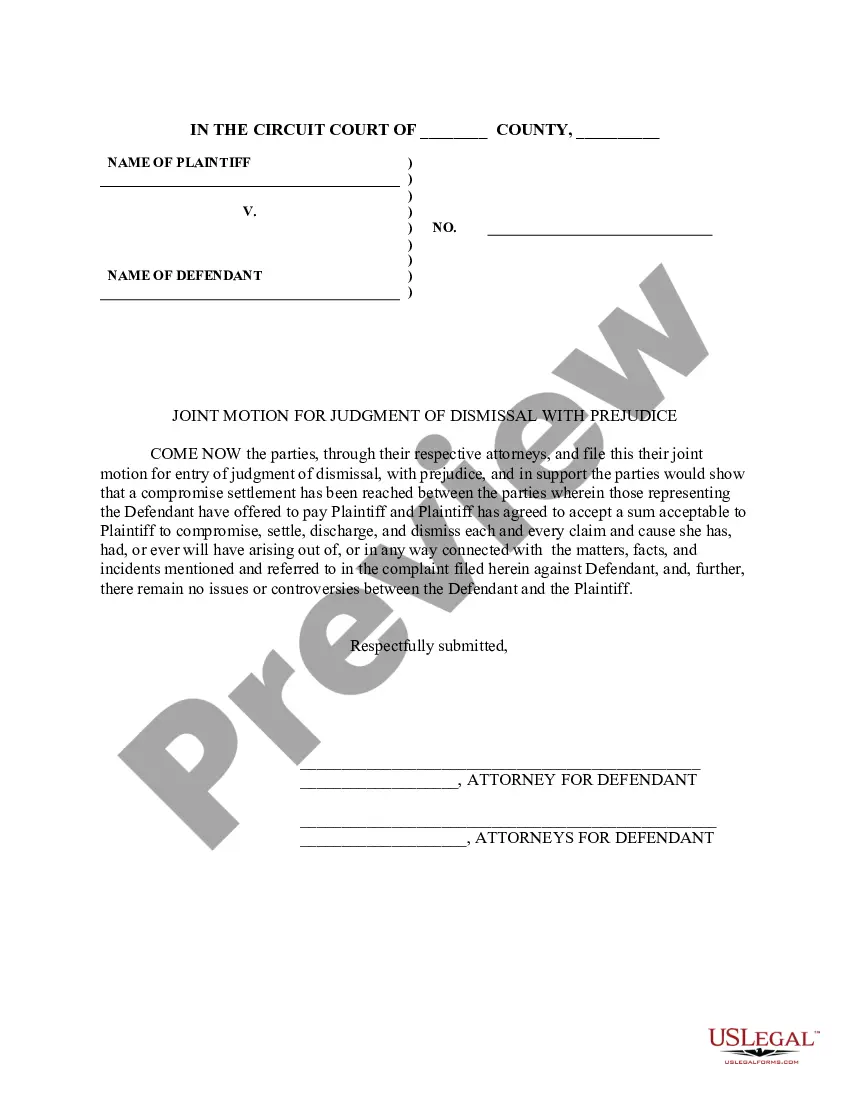
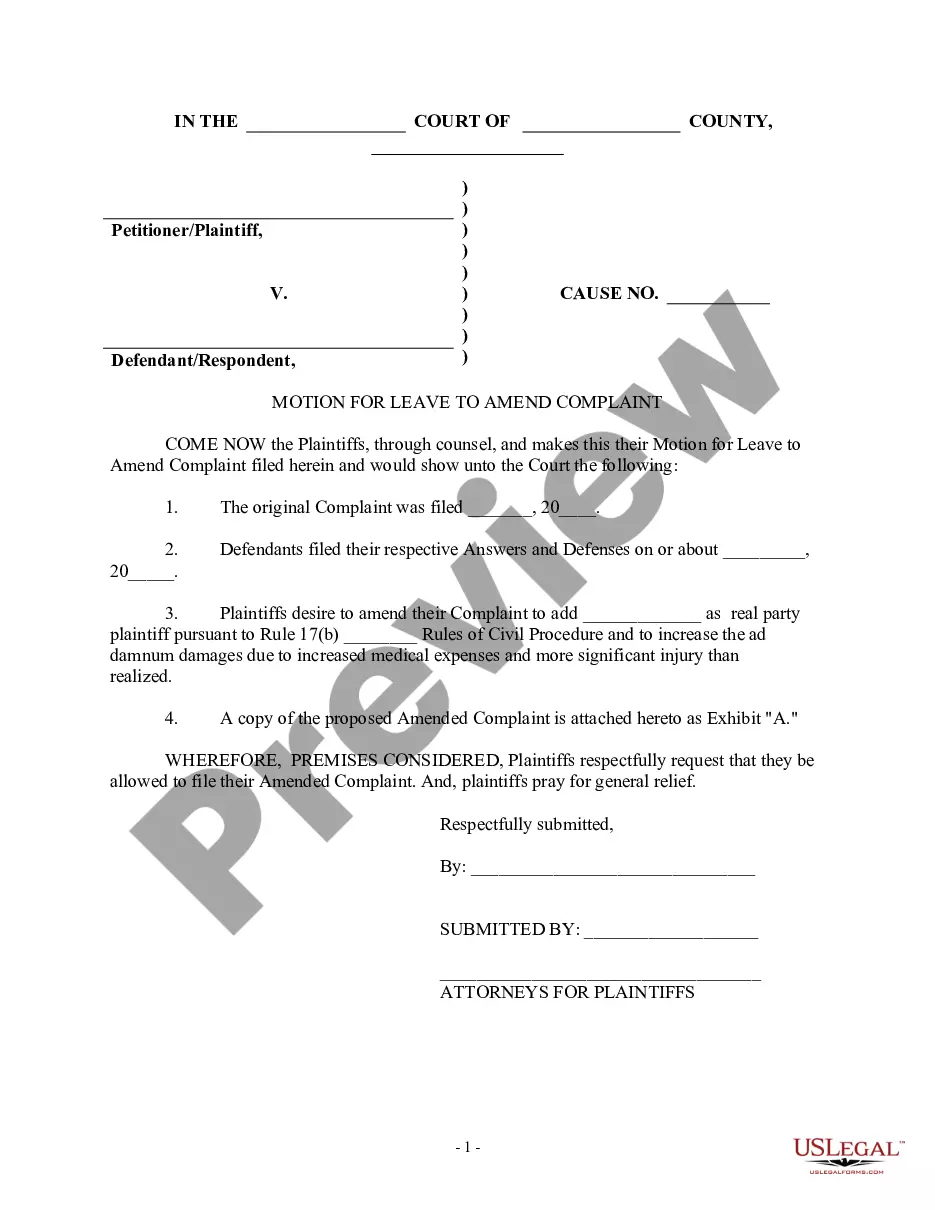
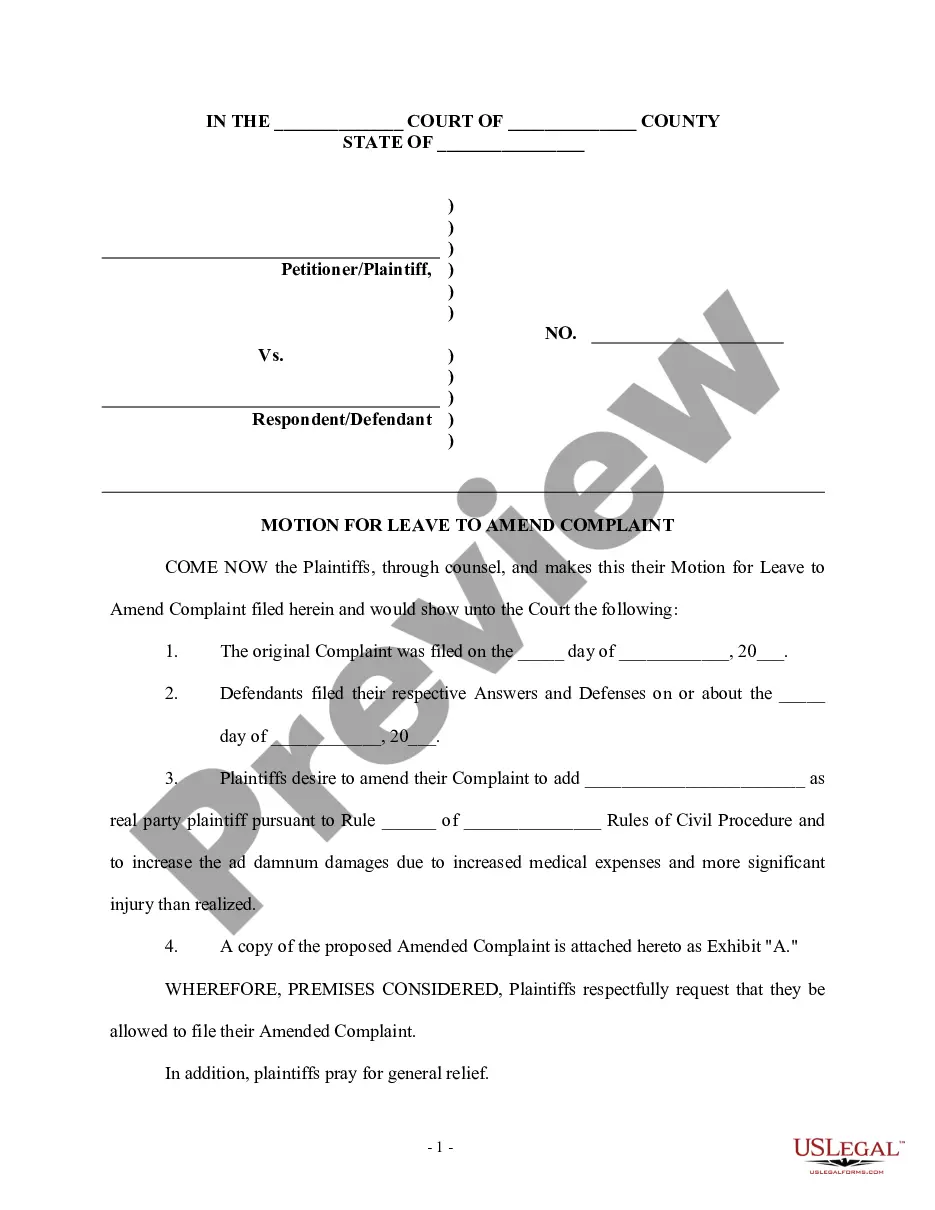
Get your form ready online
Our built-in tools help you complete, sign, share, and store your documents in one place.
Make edits, fill in missing information, and update formatting in US Legal Forms—just like you would in MS Word.
Download a copy, print it, send it by email, or mail it via USPS—whatever works best for your next step.
Sign and collect signatures with our SignNow integration. Send to multiple recipients, set reminders, and more. Go Premium to unlock E-Sign.
If this form requires notarization, complete it online through a secure video call—no need to meet a notary in person or wait for an appointment.
We protect your documents and personal data by following strict security and privacy standards.

Make edits, fill in missing information, and update formatting in US Legal Forms—just like you would in MS Word.

Download a copy, print it, send it by email, or mail it via USPS—whatever works best for your next step.

Sign and collect signatures with our SignNow integration. Send to multiple recipients, set reminders, and more. Go Premium to unlock E-Sign.

If this form requires notarization, complete it online through a secure video call—no need to meet a notary in person or wait for an appointment.

We protect your documents and personal data by following strict security and privacy standards.
Looking for another form?
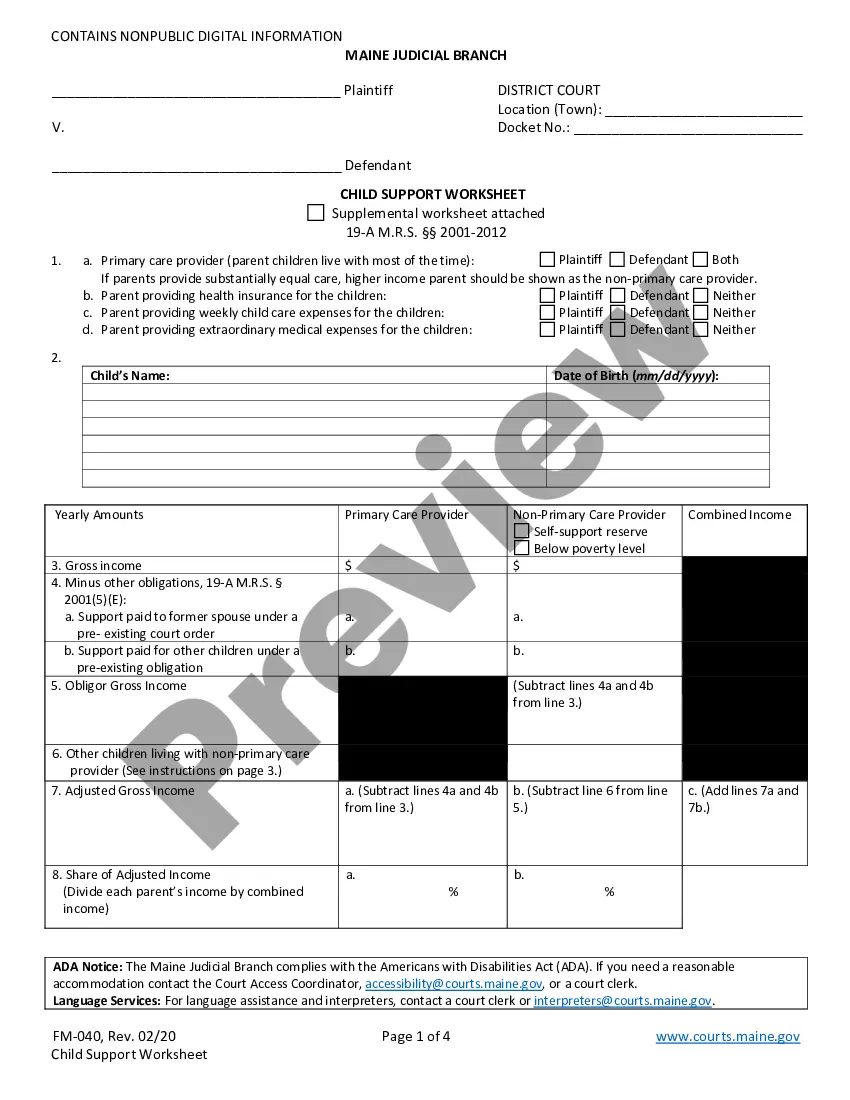


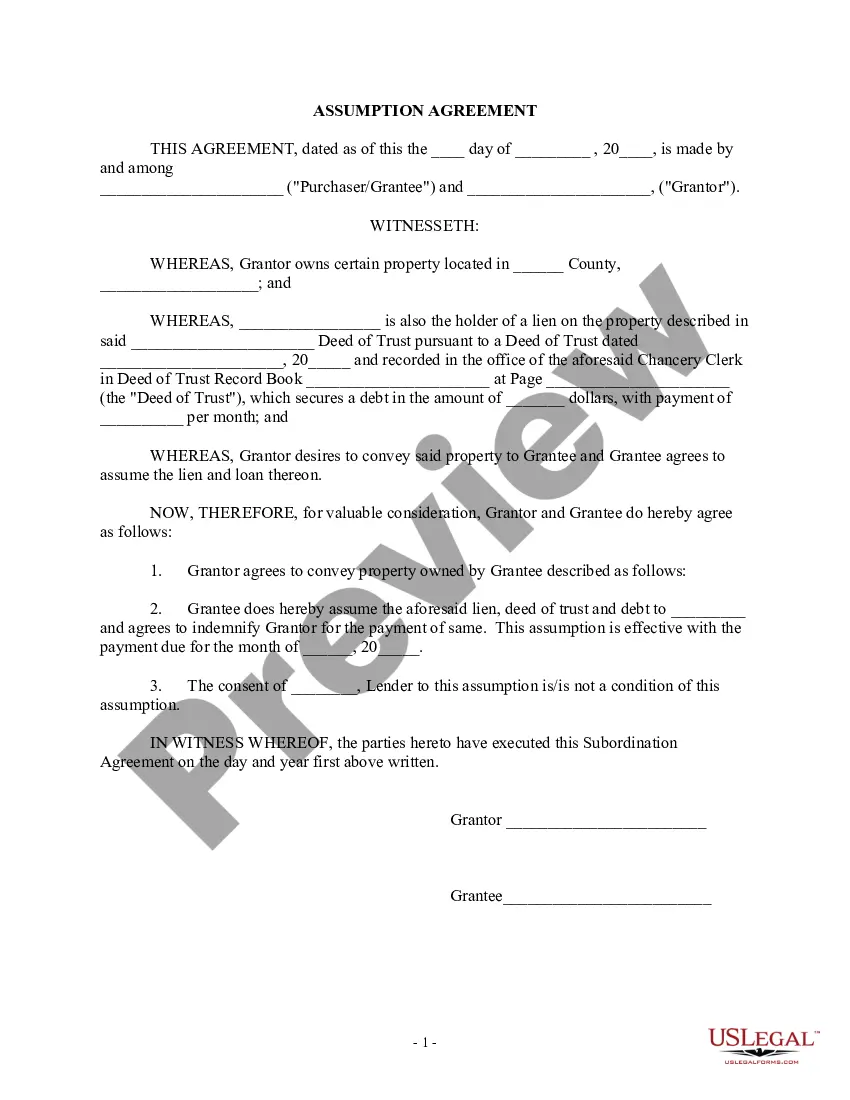



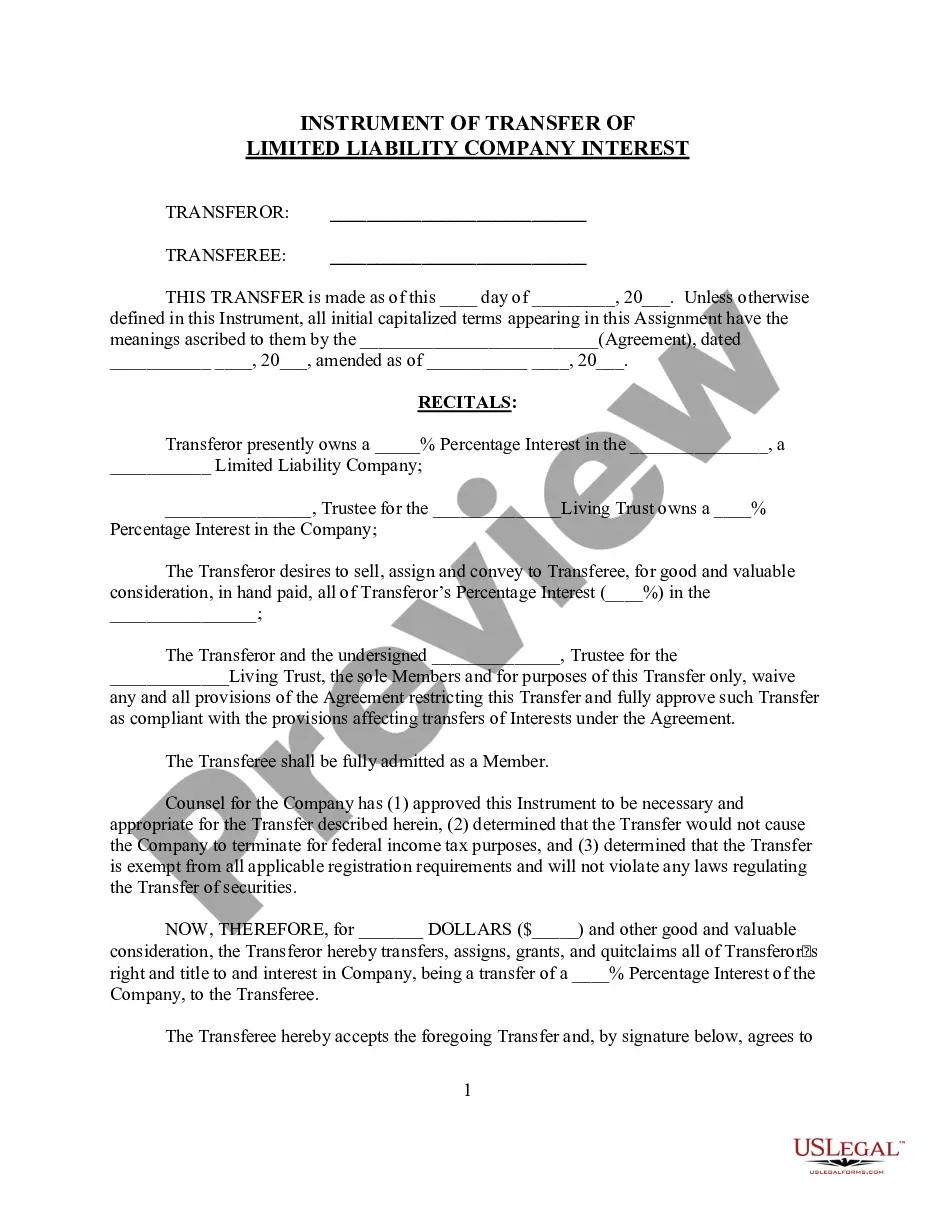


How to fill out Simple Motion To Amend Complaint And Notice Of Motion?
- If you’re a returning user, start by logging in to your account and select the required form template to download directly to your device. Ensure your subscription is active, and if it has expired, renew it as per your chosen payment plan.
- For first-time users, begin by browsing the Preview mode and reading the form description. Confirm that the selected form meets your specific requirements and is compliant with your local jurisdiction.
- In case you need a different form, utilize the Search tab to look for alternatives until you find the perfect match for your needs.
- Proceed by clicking the Buy Now button, select your desired subscription plan, and register for an account to access a wealth of legal resources.
- Complete your purchase by entering your payment details, using either a credit card or your PayPal account.
- Finally, download your chosen form and store it on your device. Access it later through the My Forms section in your profile.
With US Legal Forms, individuals and attorneys gain quick access to an extensive library with over 85,000 fillable legal documents. This robust collection empowers users to create, amend, and complete legal forms swiftly and accurately.
Start your journey today and experience the ease of creating legally sound documents with US Legal Forms. Don’t hesitate; join us now!
Form popularity
FAQ
Yes, you can amend an already submitted tax return, provided you do it within the allocated time frame set by the IRS. Using Form 1040-X is the standard method for amending your return. It’s essential to clearly state the changes and provide supporting evidence for your claims. This process can help you rectify errors or take advantage of any benefits that the corrections may bring.
While you can submit an amended tax return at any point within the designated time frame, it is wise to do so as soon as discrepancies arise. Knowing your deadlines is crucial, as waiting too long can limit your options for refunds or adjustments. If you find yourself needing to amend, consider doing it timely and accurately for the best results.
The best way to file an amended return is to use Form 1040-X, making sure to follow the IRS guidelines closely. Clear records and documentation should accompany your amendment to support any changes made. Utilizing platforms like Uslegalforms can simplify the process, ensuring you are accurately represented and compliant. Always consult a tax professional if you're uncertain about any aspect of amending your return.
Yes, as of recent updates, you can file your amended return electronically for the tax years that support e-filing. Using an online tax preparation platform, like Uslegalforms, makes this process easier by guiding you through the requirements. Always check for the latest updates on e-filing options to ensure your submission is seamless.
Generally, you can file an amended return within three years from the original due date of the return. This time frame allows you to correct mistakes or update information as needed. However, if you expect a refund, it's best to act sooner rather than later. Timely amending ensures you receive the benefits any adjustments may offer.
To amend your filing status, you need to submit Form 1040-X to the IRS. This form allows you to change your status correctly. Ensure you provide the necessary documentation supporting your new status. Amending your filing status can lead to potential benefits or adjustments in your overall tax liability.
Not necessarily. Amending a tax return does not automatically signal the IRS to audit you. Changes or corrections made in your return may raise questions, but they are not a definite cause for an audit. Consistent filing practices help reduce any risks of scrutiny.
Yes, there can be penalties for filing an amended return, especially if you owe additional taxes. However, if you have overpaid, you may be entitled to refunds. It is crucial to amend your return accurately to avoid complications. Remember, amending a return does not automatically penalize you; diligent filing can be beneficial.