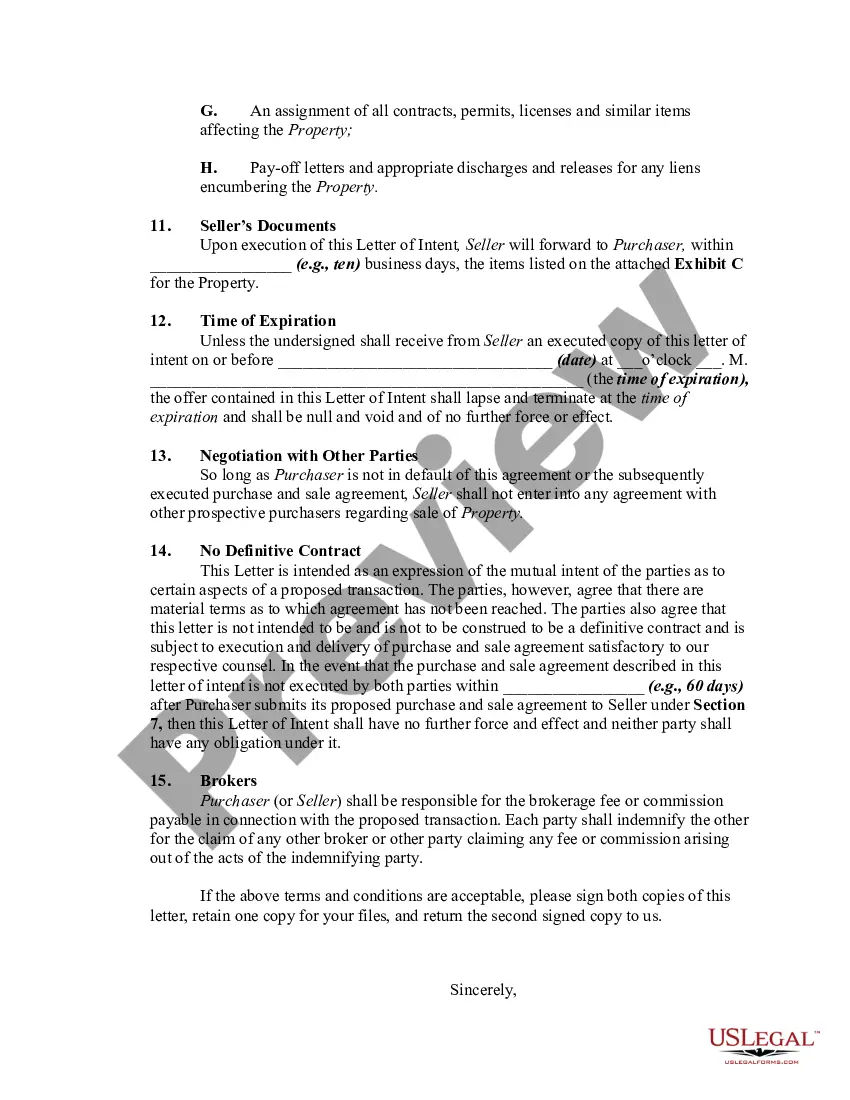
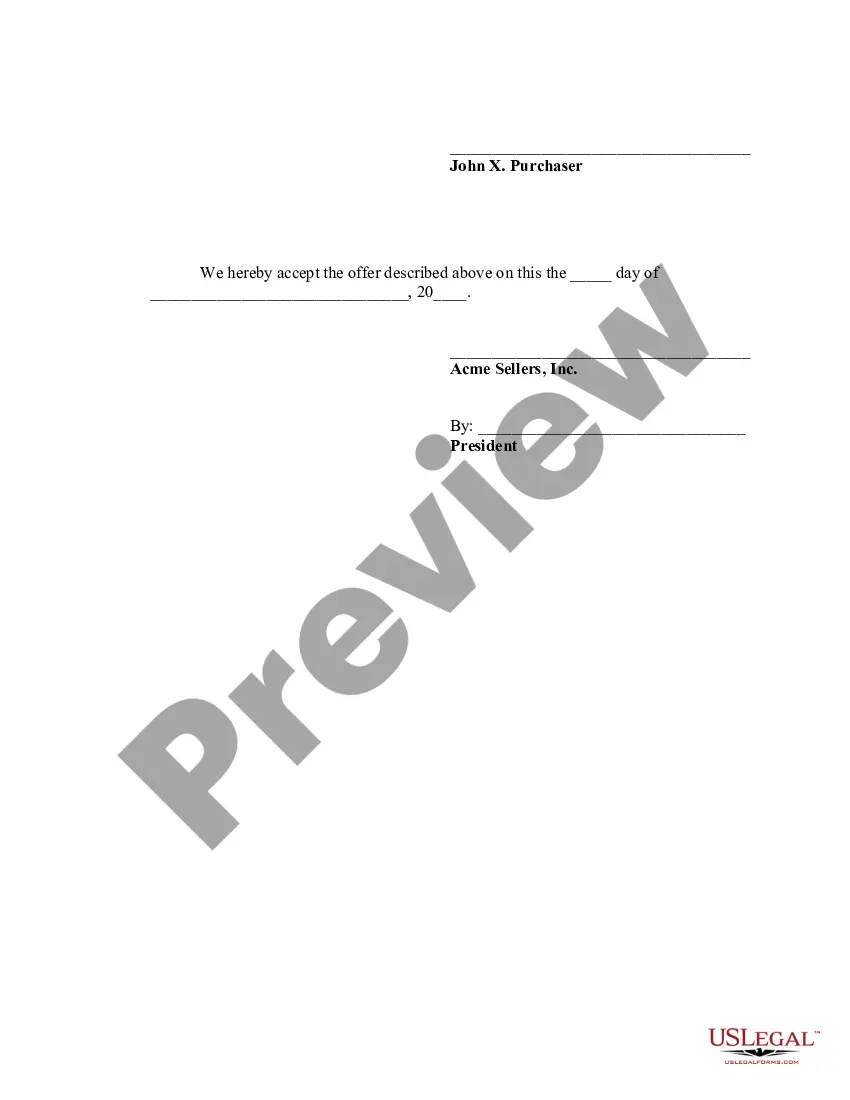
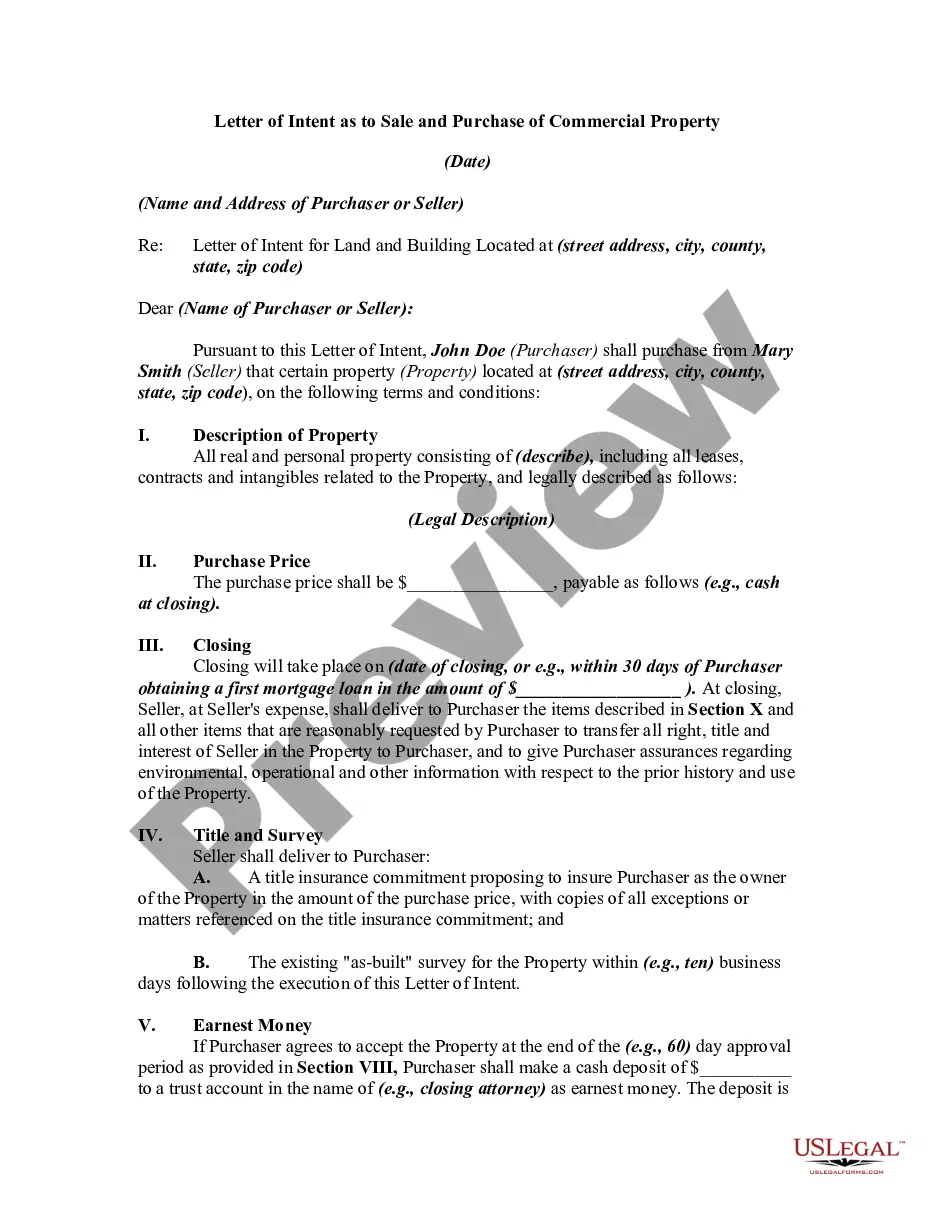
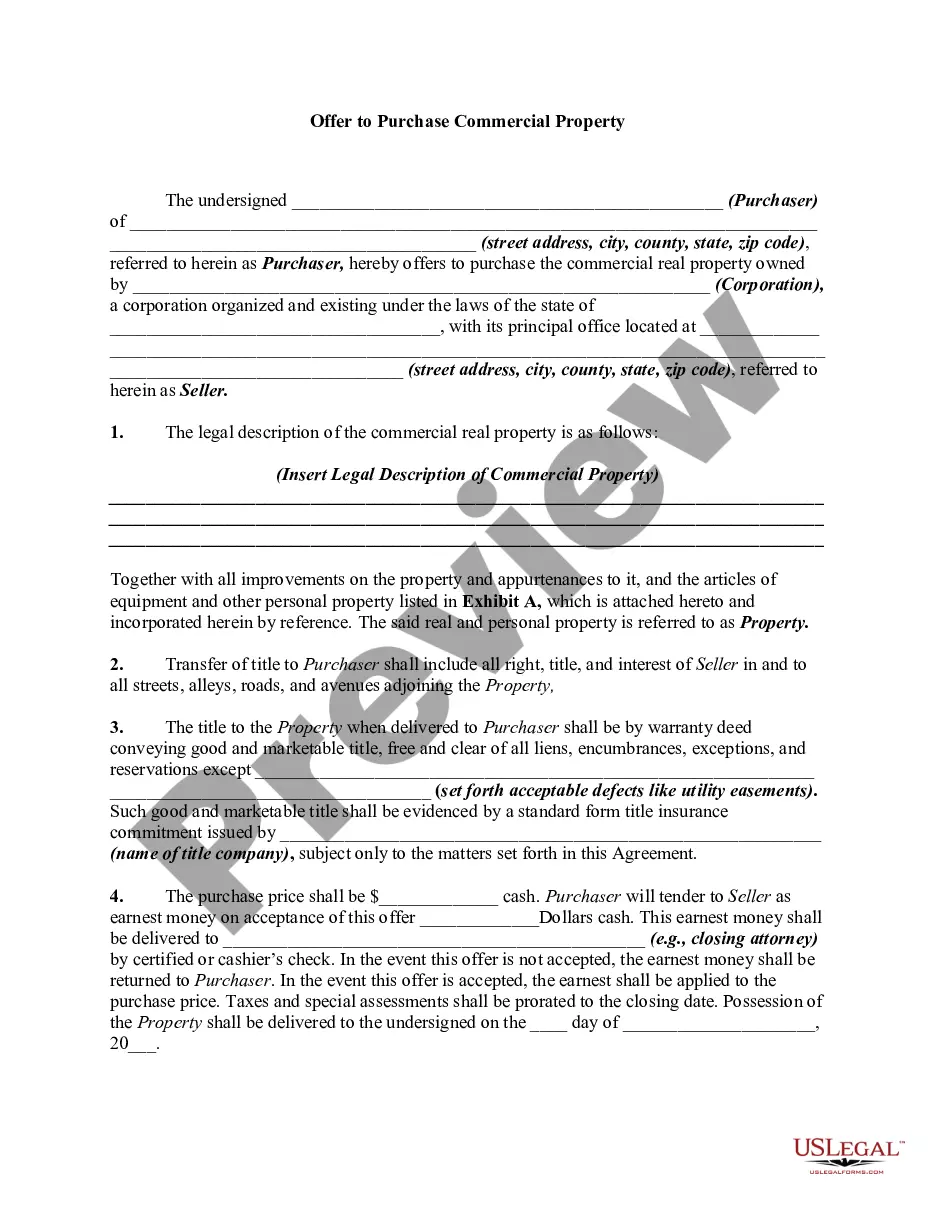
Letter Of Intent For Real Estate Purchase Examples
Description
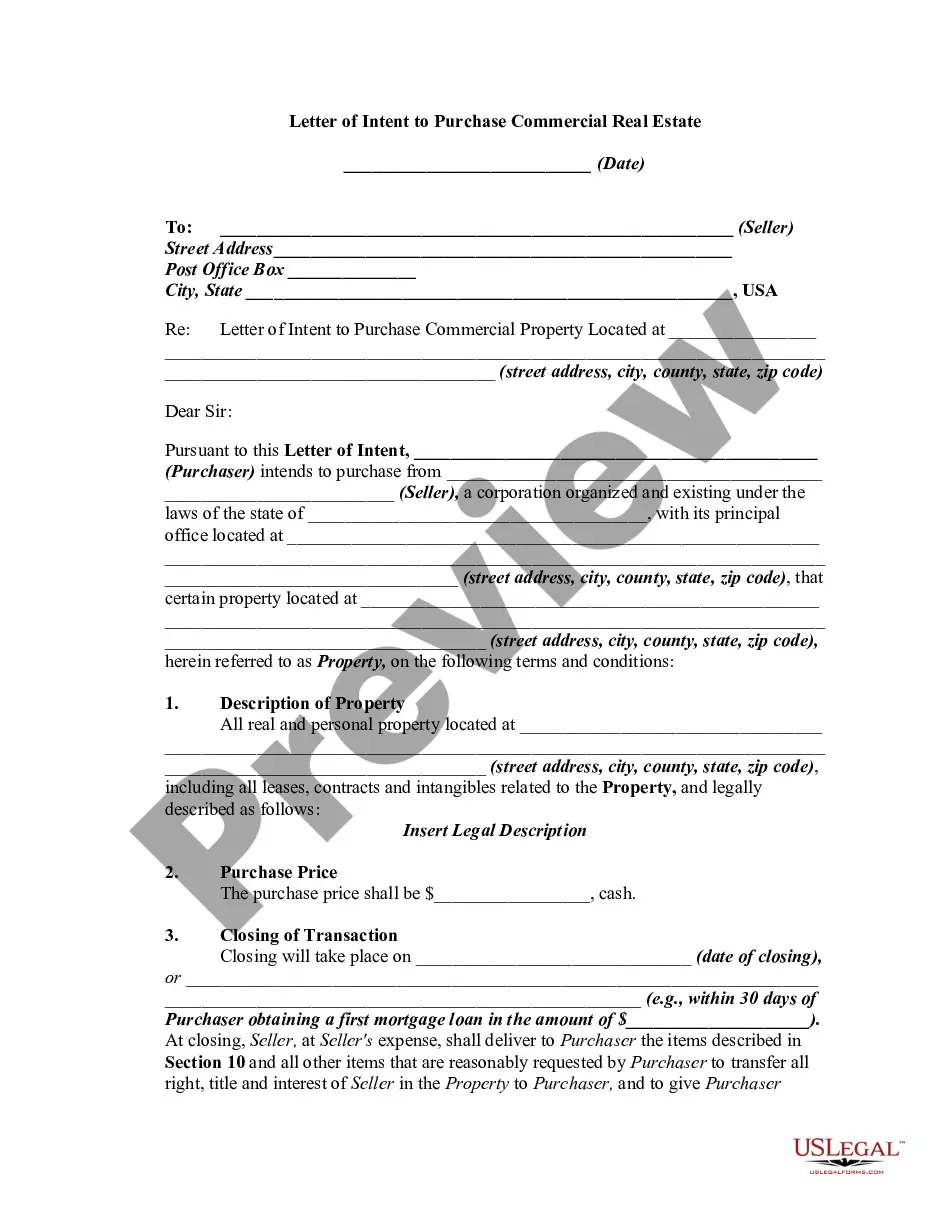
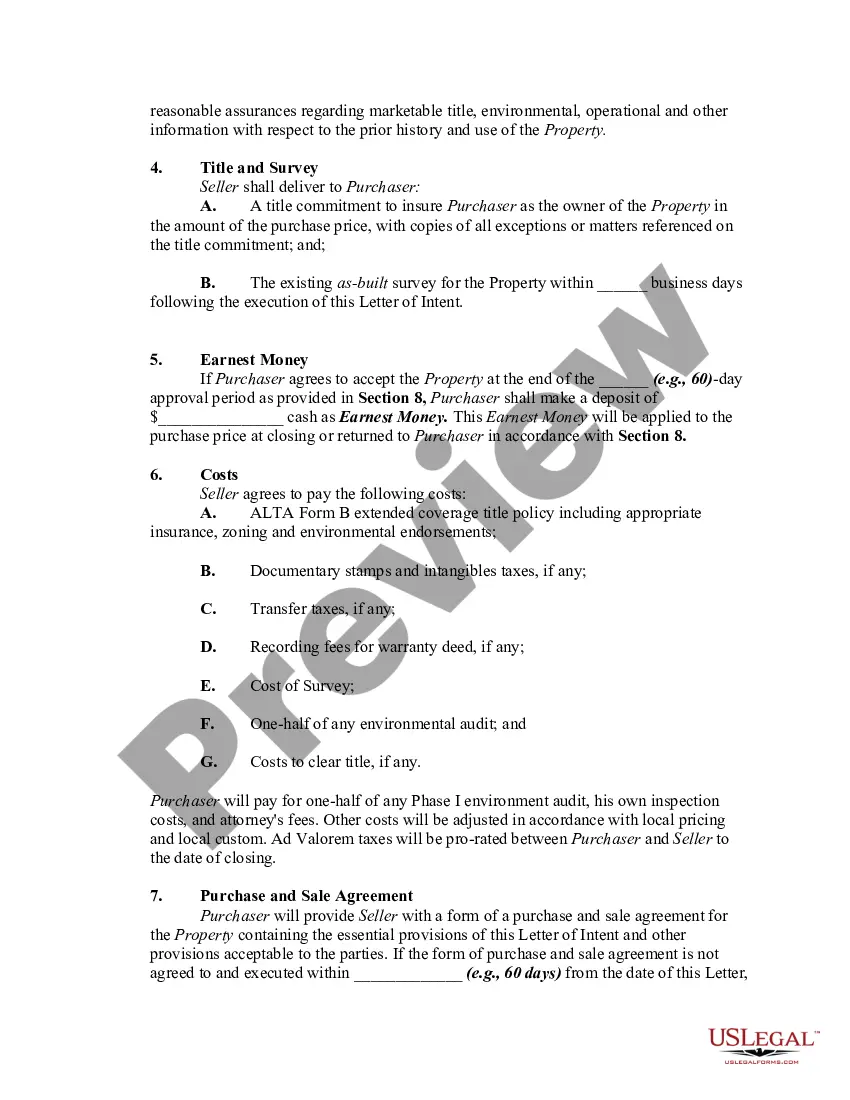
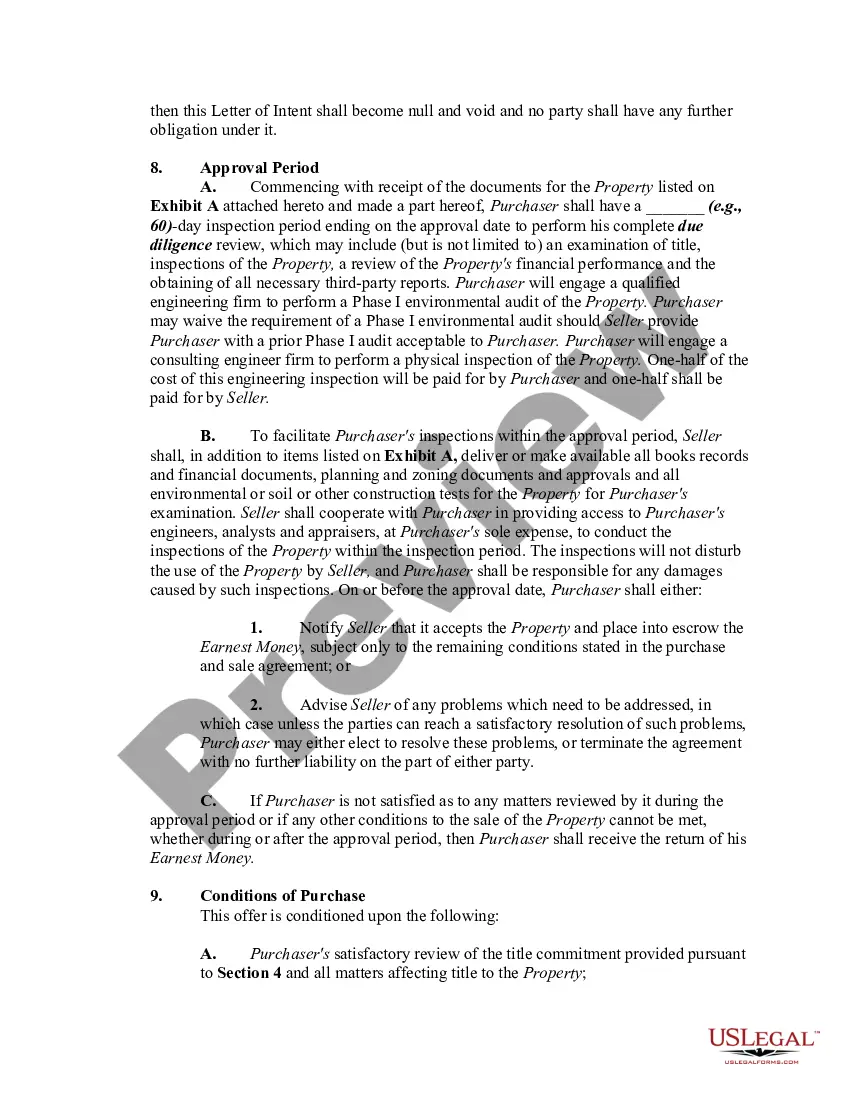
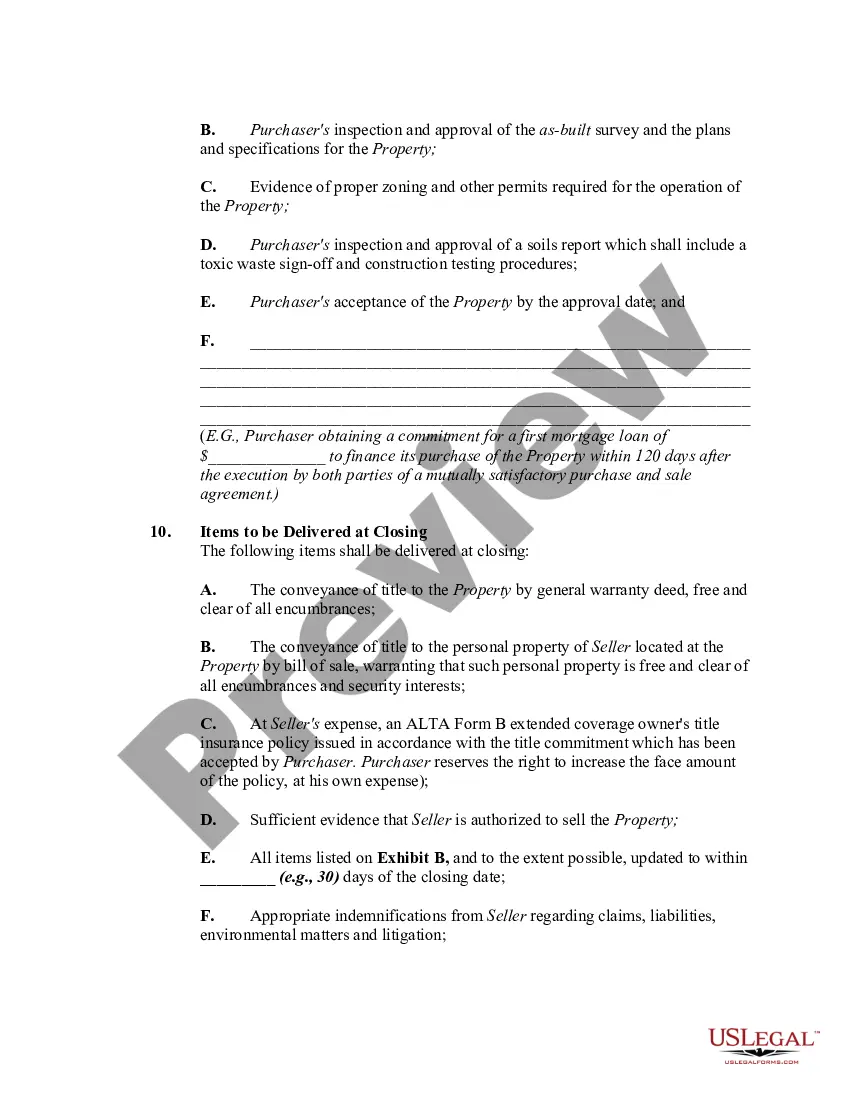
Get your form ready online
Our built-in tools help you complete, sign, share, and store your documents in one place.
Make edits, fill in missing information, and update formatting in US Legal Forms—just like you would in MS Word.
Download a copy, print it, send it by email, or mail it via USPS—whatever works best for your next step.
Sign and collect signatures with our SignNow integration. Send to multiple recipients, set reminders, and more. Go Premium to unlock E-Sign.
If this form requires notarization, complete it online through a secure video call—no need to meet a notary in person or wait for an appointment.
We protect your documents and personal data by following strict security and privacy standards.

Make edits, fill in missing information, and update formatting in US Legal Forms—just like you would in MS Word.

Download a copy, print it, send it by email, or mail it via USPS—whatever works best for your next step.

Sign and collect signatures with our SignNow integration. Send to multiple recipients, set reminders, and more. Go Premium to unlock E-Sign.

If this form requires notarization, complete it online through a secure video call—no need to meet a notary in person or wait for an appointment.

We protect your documents and personal data by following strict security and privacy standards.
Looking for another form?




Form popularity
FAQ
A letter of intent includes essential details such as the names of the parties, the property address, and the proposed terms of the transaction. Additionally, it often outlines conditions and timelines for closing the deal. For effective examples, consider using resources like US Legal Forms to help structure your letter professionally.
Filing a letter of intent for real estate is generally straightforward. Once you have drafted your LOI, ensure all parties review it for accuracy and agreement. After obtaining signatures, ideally deliver it in person or via certified mail to the concerned parties. For more guidance, turning to platforms like uslegalforms can provide additional support and templates.
A letter of intent to sue does not generally require notarization to be valid. However, you may opt for notarization to provide authentication if you anticipate disputes. This additional step can enhance the seriousness of your intentions. Always seek legal advice to ensure your approach aligns with your goals.
While notarization is not typically required for a letter of intent, doing so can enhance the document's legitimacy. This can be particularly beneficial when dealing with significant transactions. Moreover, a notarized letter may discourage any disputes regarding authenticity. It’s wise to consult with a real estate attorney or agent to understand the best practice for your situation.
Generally, a letter of intent does not need to be notarized for it to be effective in real estate transactions. However, notarization may add a layer of credibility, especially in larger deals. You may choose to have it notarized to help establish trust with the seller. Always consider local laws and consult with professionals when in doubt.
