Offer Purchase Accept For Sale
Description
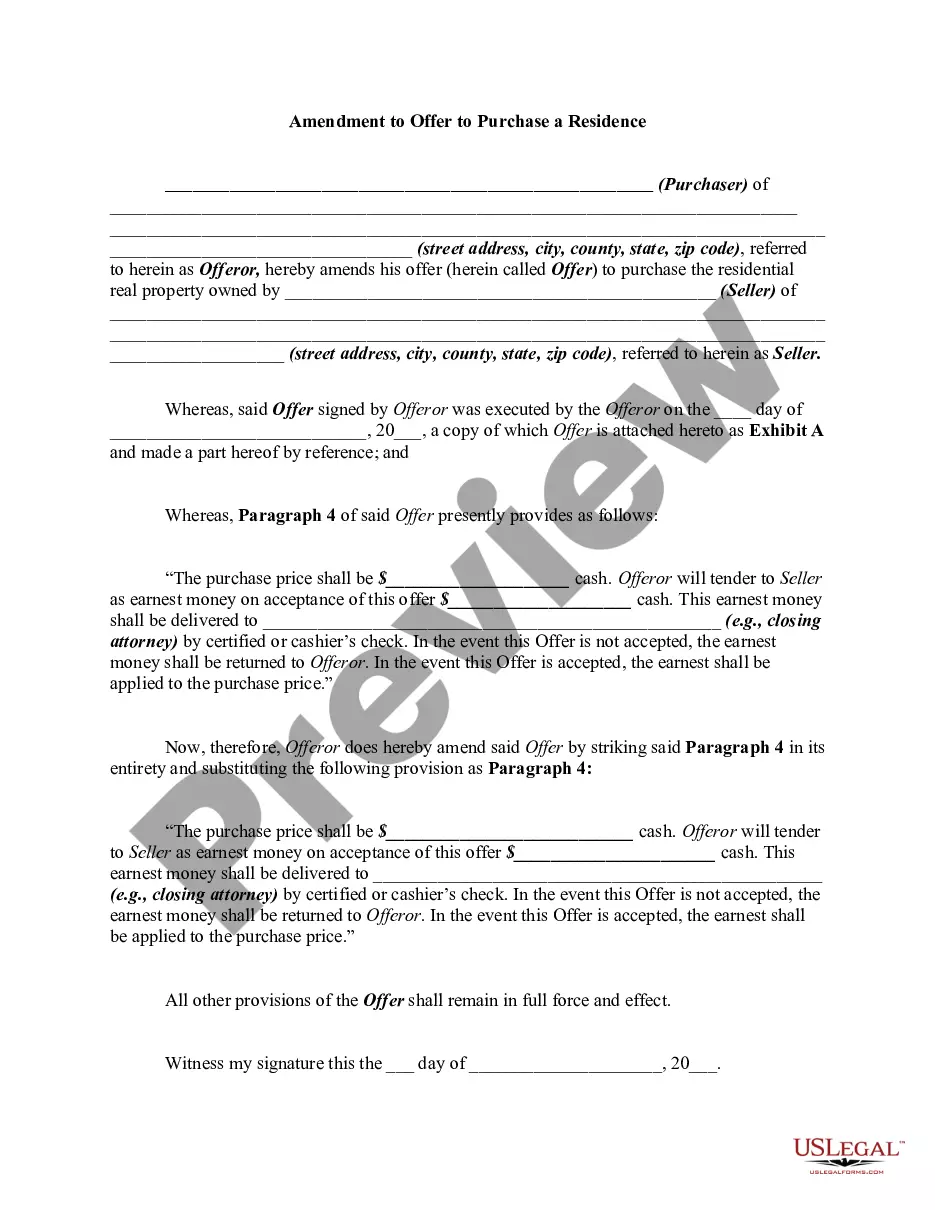
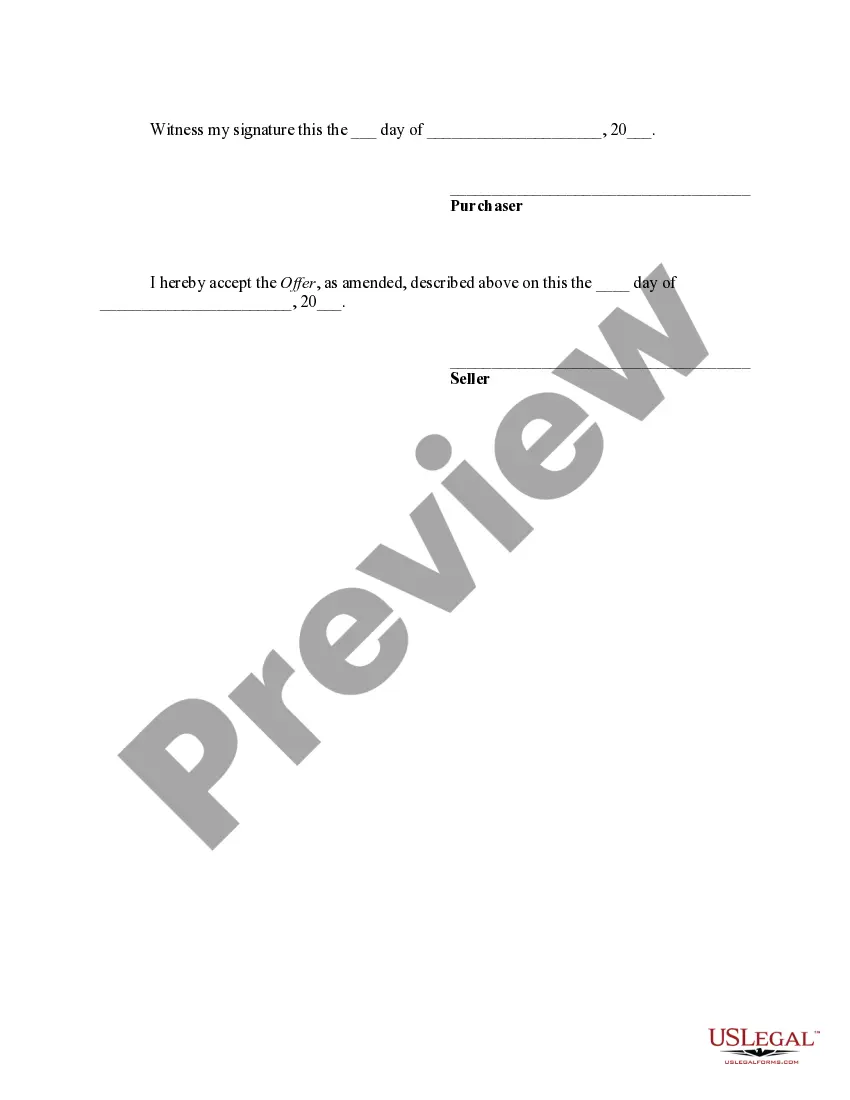
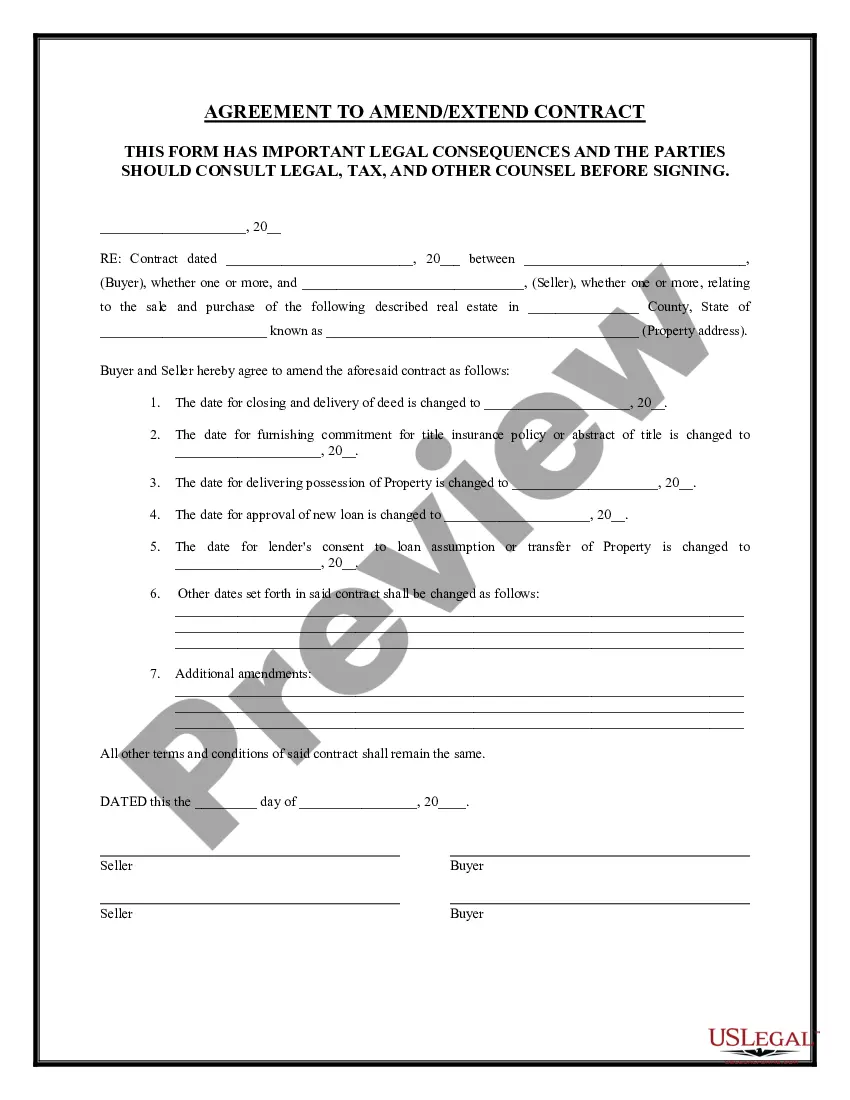
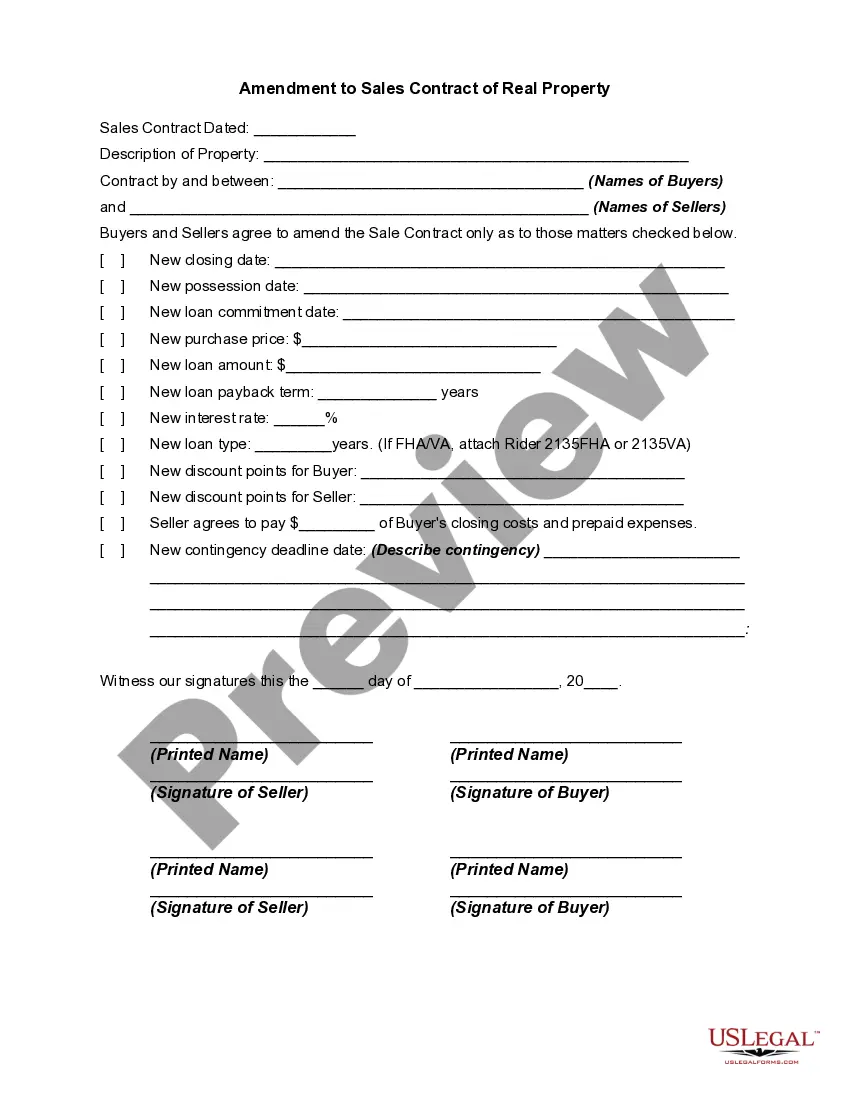
Get your form ready online
Our built-in tools help you complete, sign, share, and store your documents in one place.
Make edits, fill in missing information, and update formatting in US Legal Forms—just like you would in MS Word.
Download a copy, print it, send it by email, or mail it via USPS—whatever works best for your next step.
Sign and collect signatures with our SignNow integration. Send to multiple recipients, set reminders, and more. Go Premium to unlock E-Sign.
If this form requires notarization, complete it online through a secure video call—no need to meet a notary in person or wait for an appointment.
We protect your documents and personal data by following strict security and privacy standards.

Make edits, fill in missing information, and update formatting in US Legal Forms—just like you would in MS Word.

Download a copy, print it, send it by email, or mail it via USPS—whatever works best for your next step.

Sign and collect signatures with our SignNow integration. Send to multiple recipients, set reminders, and more. Go Premium to unlock E-Sign.

If this form requires notarization, complete it online through a secure video call—no need to meet a notary in person or wait for an appointment.

We protect your documents and personal data by following strict security and privacy standards.
Looking for another form?

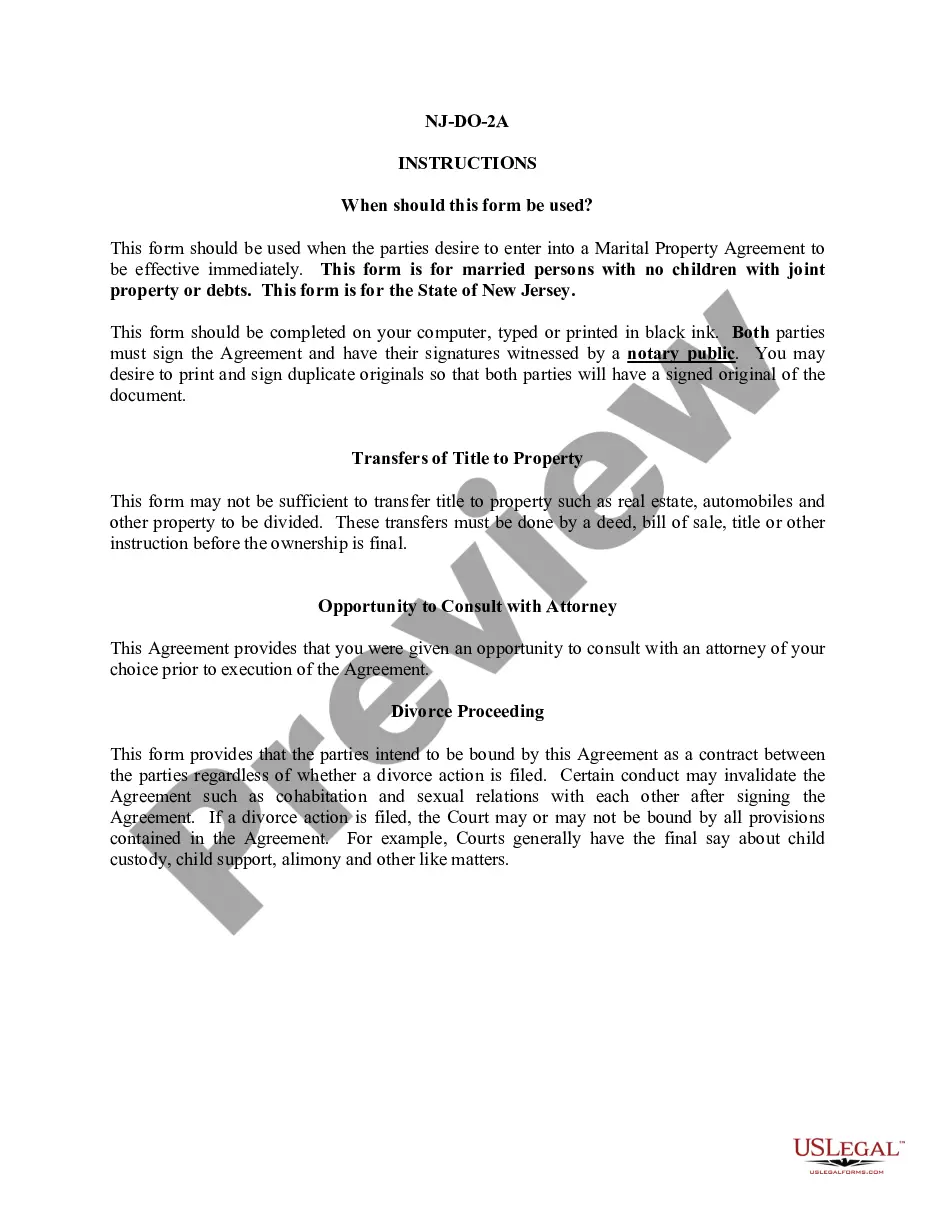




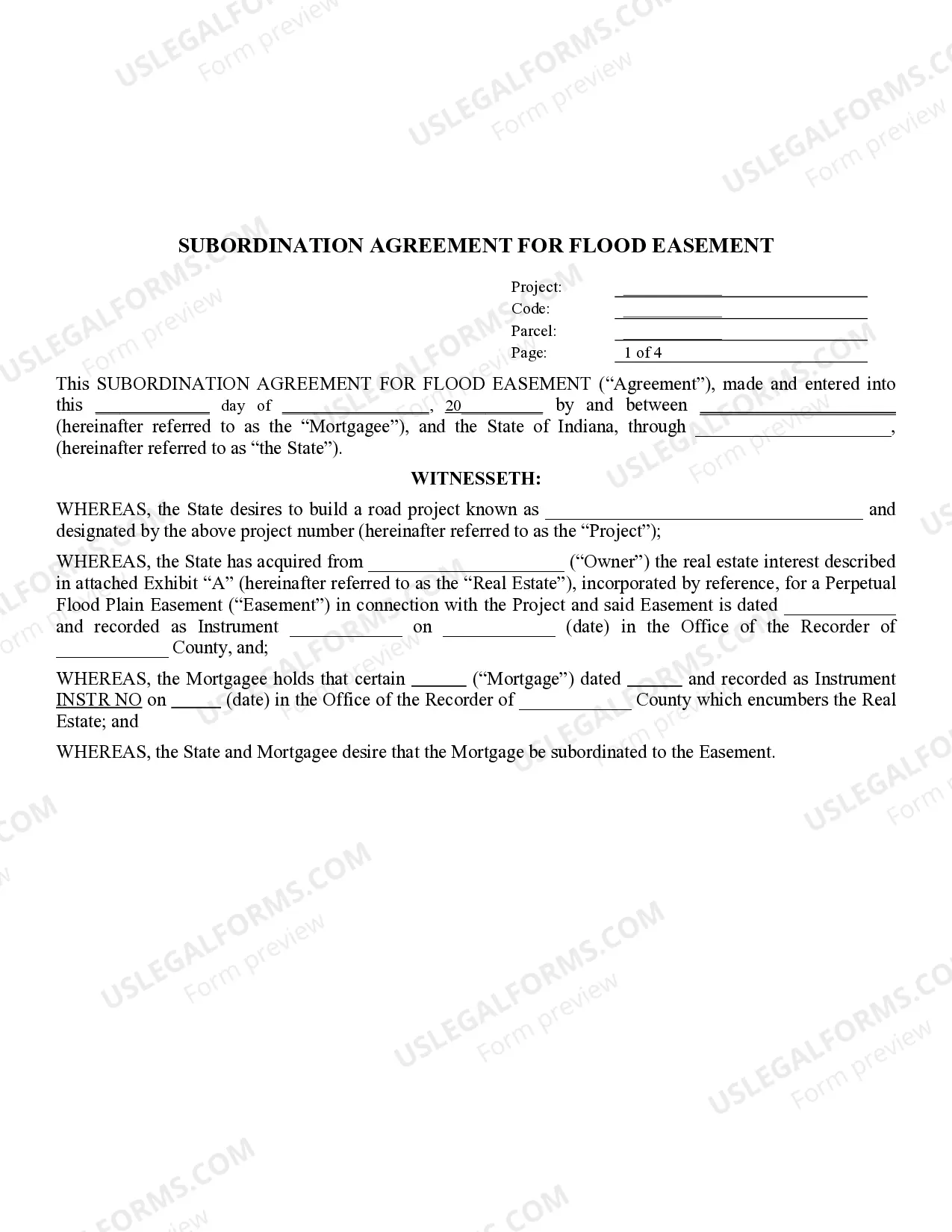


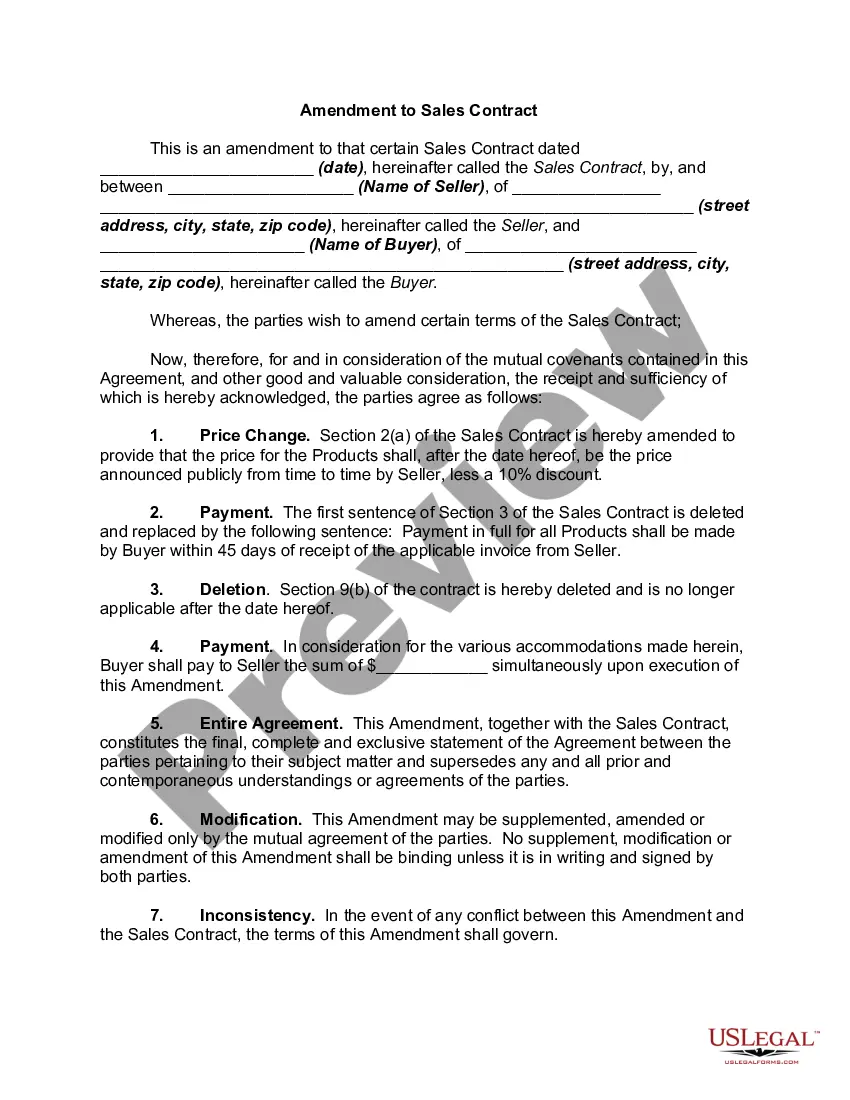
How to fill out Amendment To Offer To Purchase A Residence?
Whether for commercial aims or for personal issues, everyone has to handle legal circumstances at some point in their life.
Completing legal documentation requires meticulous care, starting from selecting the correct form template.
With an extensive US Legal Forms catalog available, you don’t have to waste time searching for the appropriate template across the web. Utilize the library’s straightforward navigation to find the suitable form for any circumstance.
- Acquire the template you require by using the search feature or catalog exploration.
- Review the form’s details to ensure it aligns with your situation, state, and locality.
- Click on the form’s preview to examine it.
- If it is the incorrect document, return to the search feature to find the Offer Purchase Accept For Sale template you need.
- Download the template when it corresponds with your needs.
- If you possess a US Legal Forms account, simply click Log in to access previously stored documents in My documents.
- If you haven't created an account yet, you can obtain the form by clicking Buy now.
- Choose the correct pricing option.
- Complete the account registration form.
- Select your payment method: use a credit card or PayPal account.
- Choose the file format you desire and download the Offer Purchase Accept For Sale.
- Once it is downloaded, you can fill out the form using editing software or print it and complete it by hand.
Form popularity
FAQ
In the context of housing, OTP stands for 'Offer to Purchase'. This vital document serves as a formal proposition from a buyer to acquire a property, detailing essential terms and conditions. An accepted OTP initiates the buying process and signifies the buyer's serious intent. Utilizing resources available on platforms like US Legal Forms can simplify this process, making it easier to understand all terms involved in your offer.
For realtors, OTP stands for 'Offer to Purchase'. It is a critical tool used during property transactions, allowing agents to submit formal offers on behalf of their clients. A well-structured OTP can make a significant difference in negotiations, setting clear expectations for both buyers and sellers. Consider using platforms like US Legal Forms to ensure your documentation reflects best practices in the real estate industry.
In real estate, OTP stands for 'Offer to Purchase'. This document serves as an agreement where a buyer expresses their willingness to buy a property with outlined conditions. When the seller accepts the OTP, it indicates a commitment to proceed with the sale. It's essential to get the terms right, as they influence the overall transaction and are the foundation of a legal agreement.
In the context of selling, OTP refers to an 'Offer to Purchase'. It signifies a formal proposal from a buyer to purchase a property under specific terms. Once the seller accepts this offer, it paves the way for a contract to be drafted, ultimately leading to a successful transaction. Understanding the OTP process is crucial for anyone involved in real estate, as it frames the initial agreement for the sale.
Begin With Simple Online Searches Before spending any money on a trademark search firm, the Internet provides an extremely helpful and free resource for finding conflicting trademarks. Most likely, you can do a fairly reliable online search by reviewing the products or services offered within your industry.
To register an Alabama trade name, you must file an Application to Register or Renew Trademark, Service Mark, or Trade Name with the secretary of state and pay a $30 fee.
Step 1: Choose a field to search. Tell TESS which type of information to search for. Step 2: Choose your search term. ... Step 3: (Optional) Add more search criteria. Step 4: Choose ?yes? or ?no? from the plurals drop down box. Step 5: Submit. Step 6: (Optional) Expand and filter your results. ... Step 7: View your results.
A reasonable trademark search costs from $500-$1500 or more. The search would include an attorney analysis of the results at this price. Many trademark attorneys have the trademark search in their overall trademark package.
Open the USPTO Trademark Electronic Search System online Start your trademark search on the US Patent and Trademark Office's "TESS" (Trademark Electronic Search System) database. Start at the USPTO Trademarks homepage and click on "TESS - Search Trademarks" - that's the first icon in the "Tools" section.
You may conduct a free online search of the USPTO database at the Public Search Facility (Madison East, 1st Floor; 600 Dulany Street, Alexandria, Virginia) between a.m. and p.m. USPTO personnel may not conduct trademark searches for the public. Private trademark search firms will conduct searches for a fee.