Transportation Agreement Template For House
Description
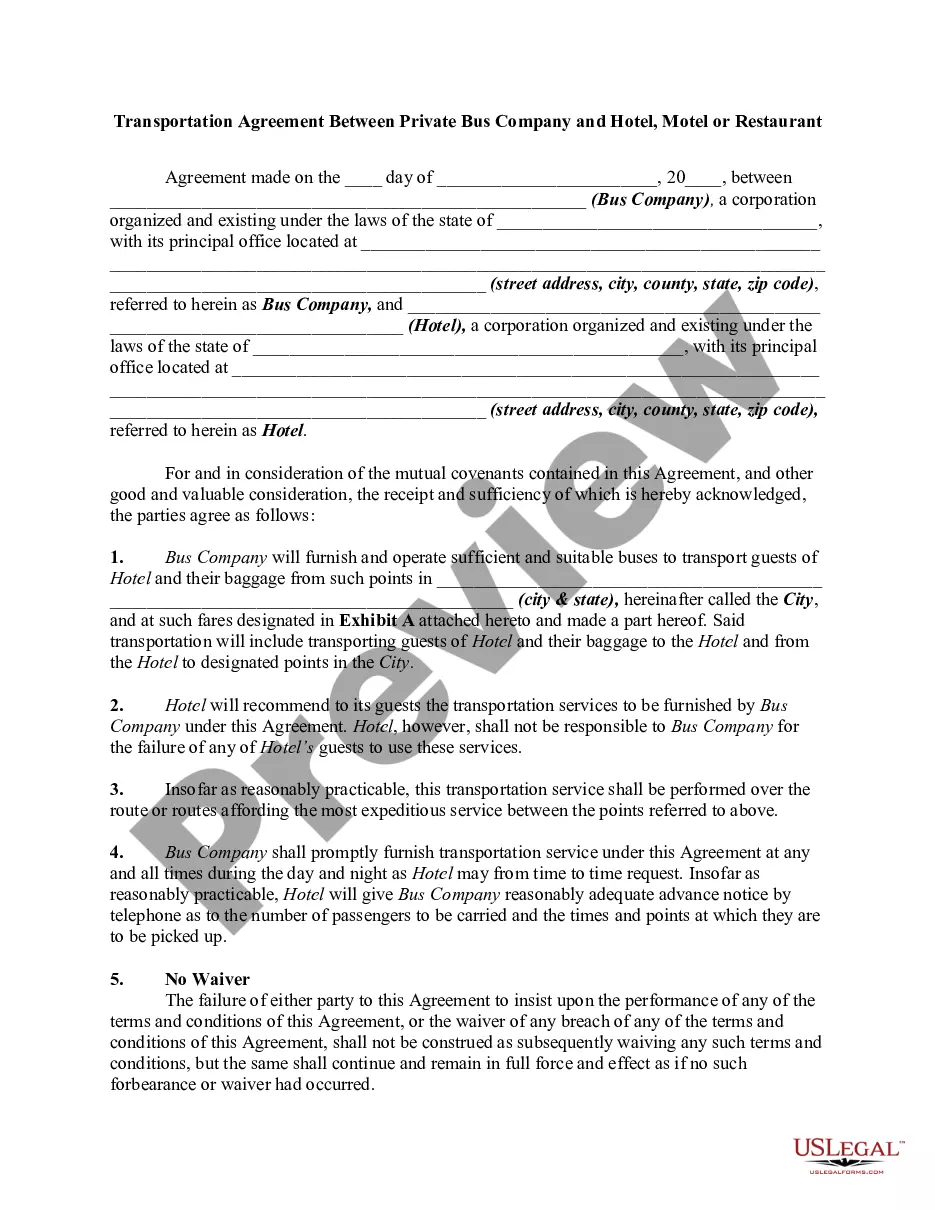
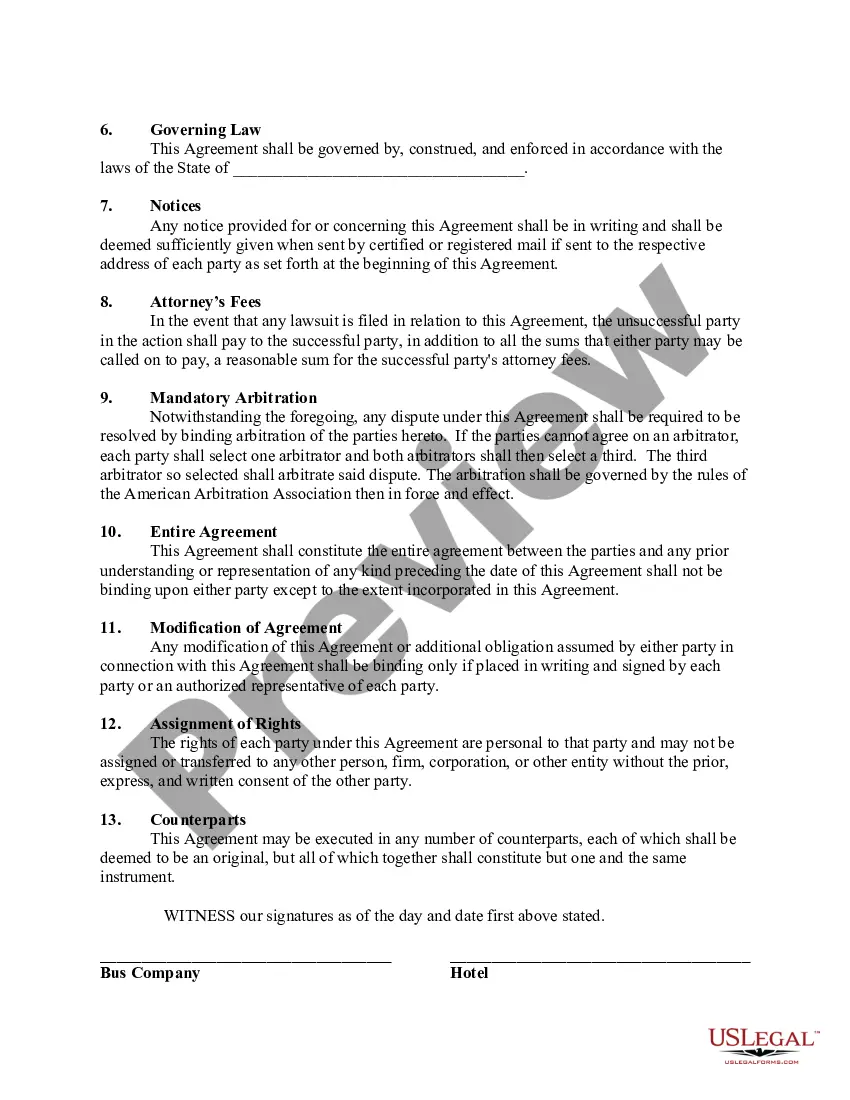

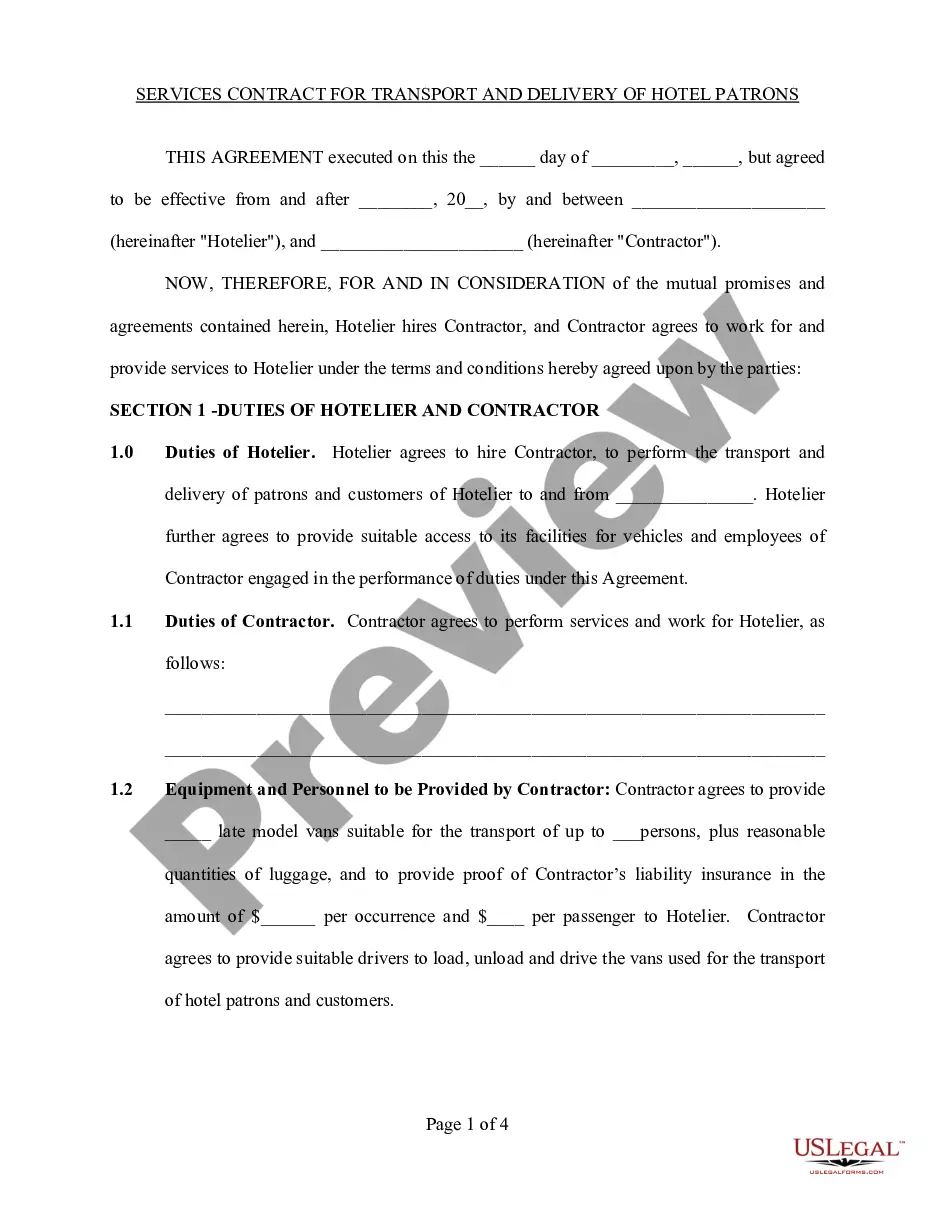
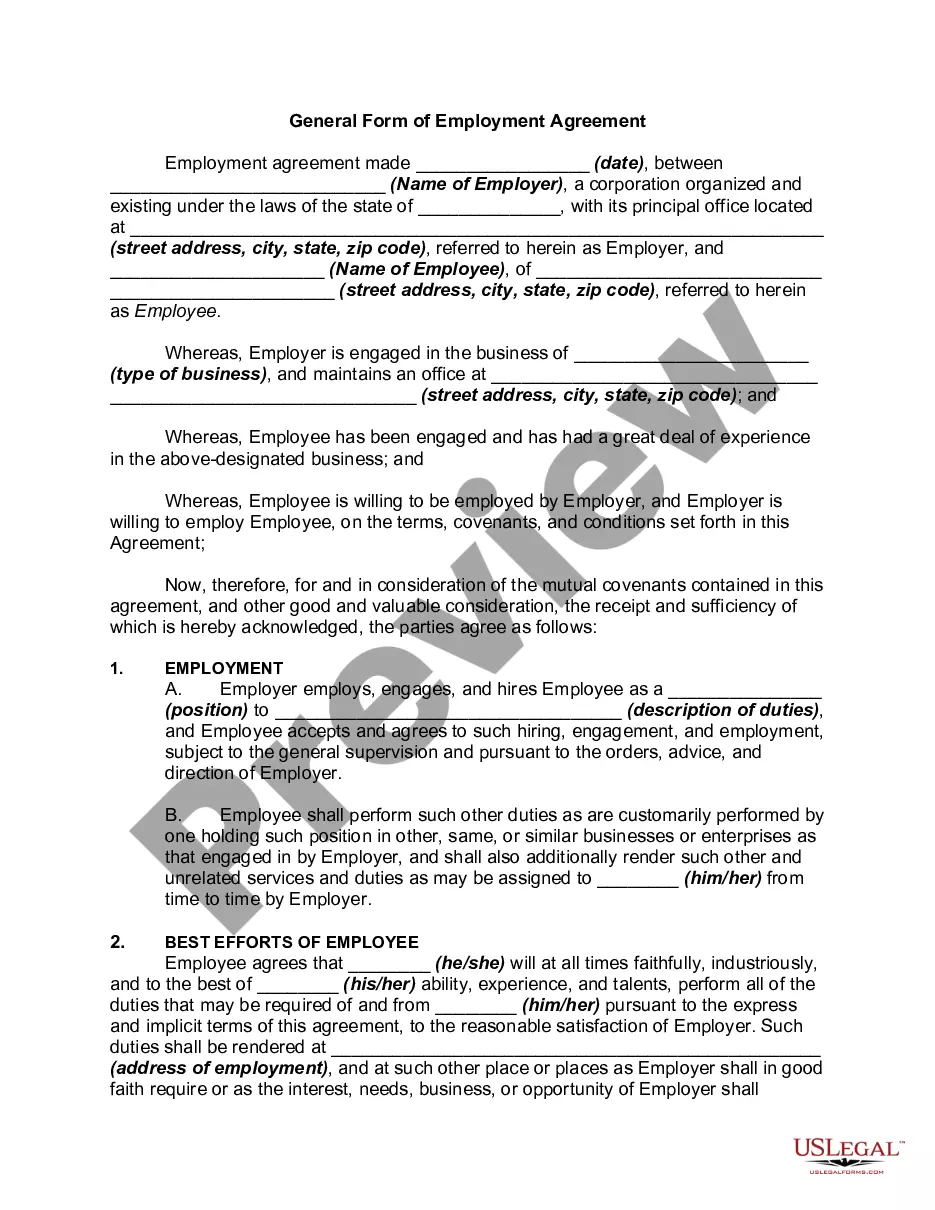

How to fill out Transportation Agreement Between Private Bus Company And Hotel, Motel Or Restaurant?
It’s clear that you cannot become a legal expert instantly, nor can you understand how to swiftly prepare a Transportation Agreement Template For House without a particular skill set.
Drafting legal documents is a lengthy process that demands specific education and expertise. So why not entrust the creation of the Transportation Agreement Template For House to the professionals.
With US Legal Forms, one of the most comprehensive legal document repositories, you can access everything from court documents to templates for internal communication.
If you need a different template, start your search again.
Create a free account and select a subscription plan to buy the form. Click Buy now. Once the payment is processed, you can download the Transportation Agreement Template For House, complete it, print it, and send or mail it to the necessary parties or organizations.
- We recognize how crucial compliance and adherence to federal and state laws and regulations are.
- That’s why, on our platform, all forms are location-specific and current.
- Here’s how to start with our website and acquire the form you need in just minutes.
- Find the form you require using the search bar at the top of the page.
- Preview it (if this option is available) and read the accompanying description to determine if the Transportation Agreement Template For House is what you seek.
Form popularity
FAQ
What is a Transport Services Agreement? A transport services agreement (TSA) is an arrangement between two parties to provide transportation-related services. It defines the responsibilities of each party and can be used to set out commercial terms, liabilities, performance standards, and penalties for non-performance.
A transportation agreement is a legal agreement outlining the terms and conditions of the transporter, sometimes called the shipper, and the company hiring them to transport goods.
A Standard Service Agreement is a legal contract between a client and a service provider. The agreement outlines important details about the business relationship and the duties owed to one another. It may include information like pricing, ownership, shipment details, and much more.
Transporter Responsibility Sender Name will be responsible for the following terms and conditions as follows: Service Provider will transport goods too all designated areas as provided by Client. Service Provider will be responsible for all fuel and maintenance of vehicles deployed for above transportation.
Single Transport Contract (STC) It is used where the commercial contract for the carriage of the goods is end-to-end. An example of this would be where an exporter makes a booking with a freight forwarder to export goods from Dublin to Shanghai. The export will not move directly between these locations.