Construction Lien Example
Description
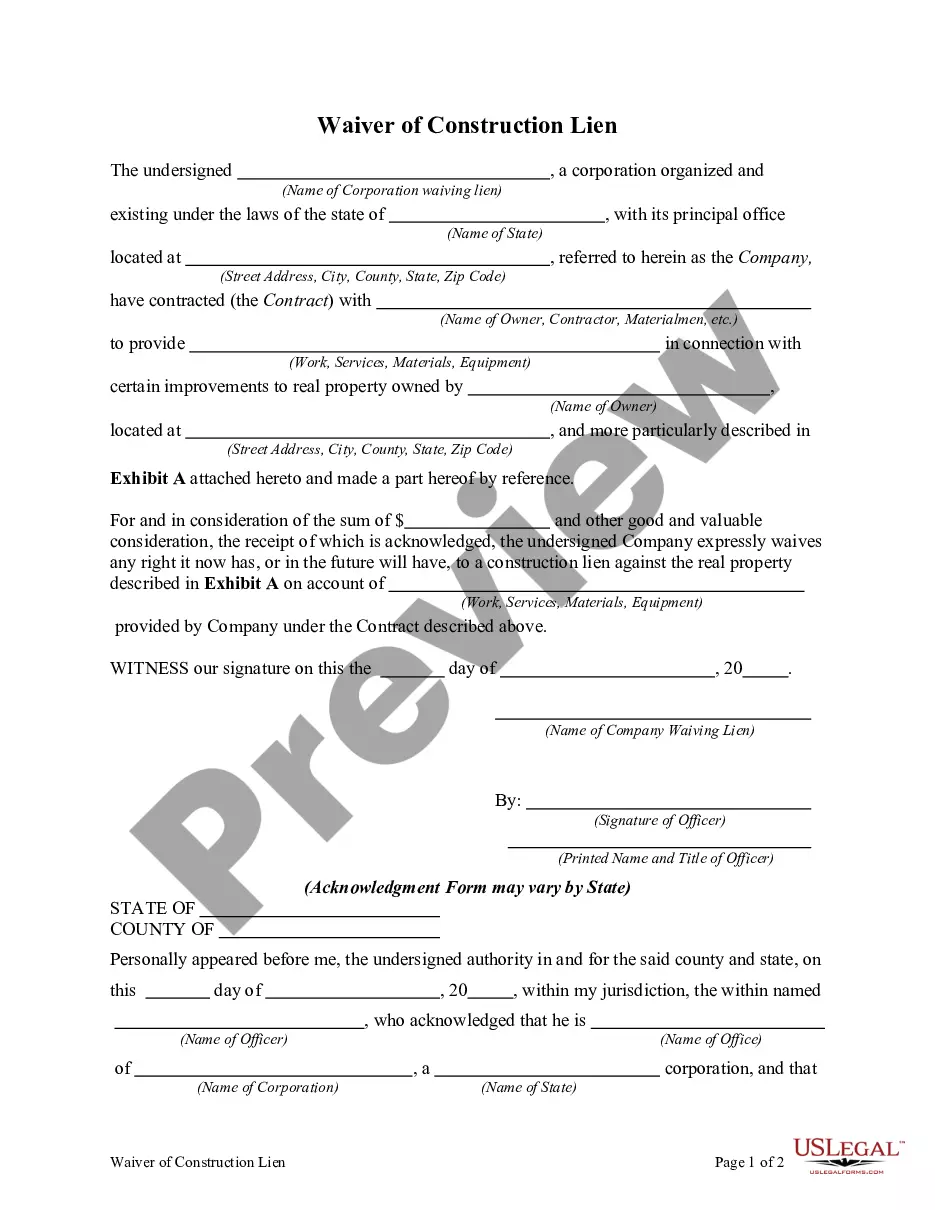
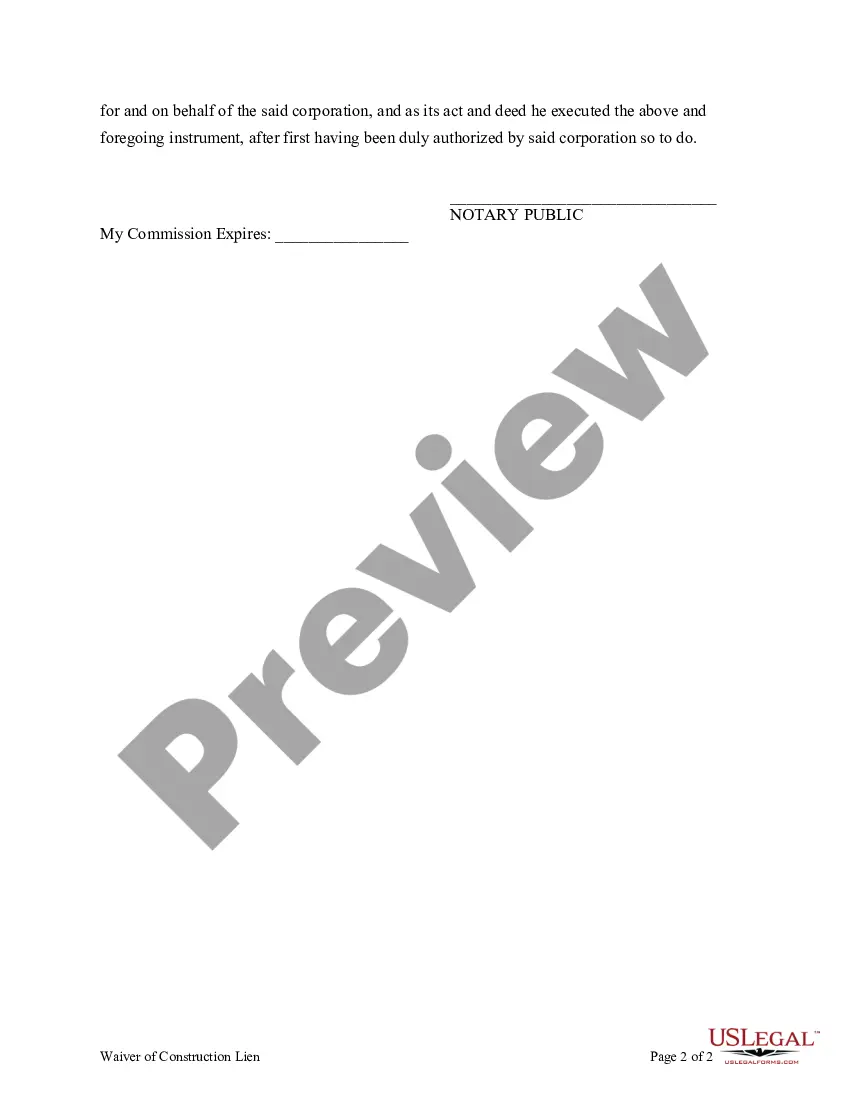
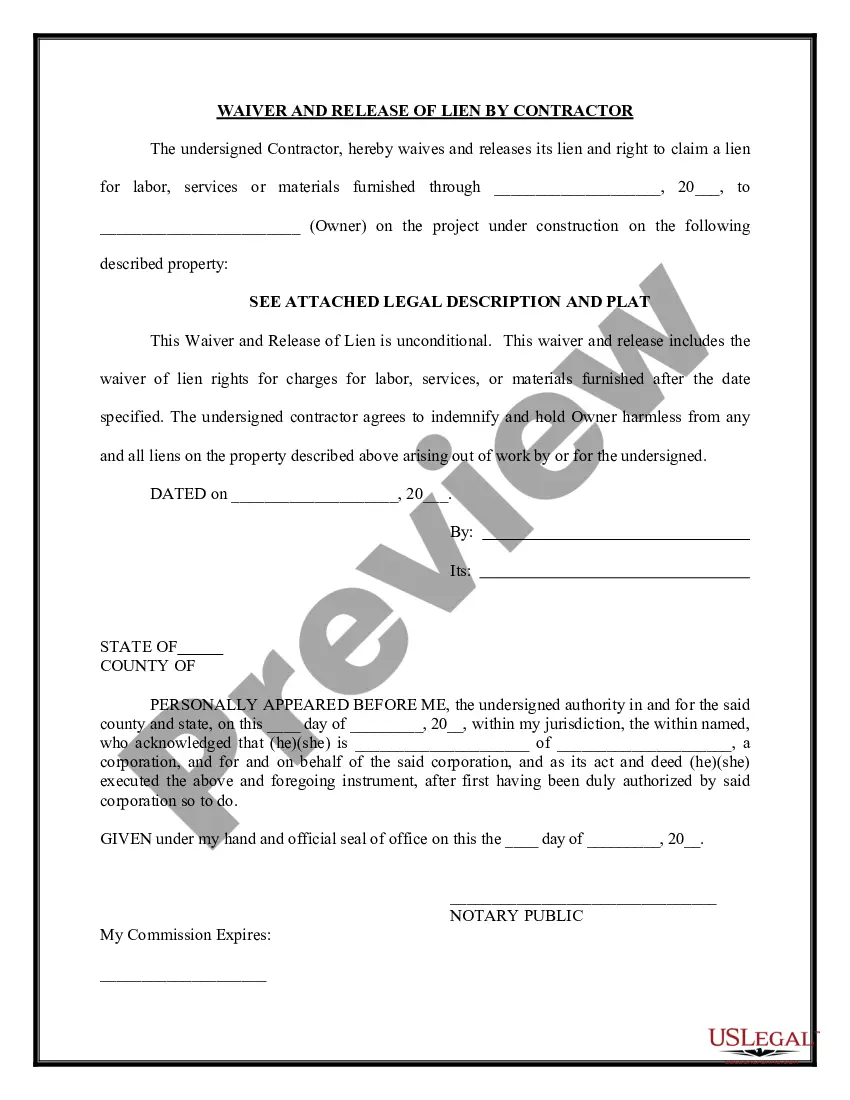
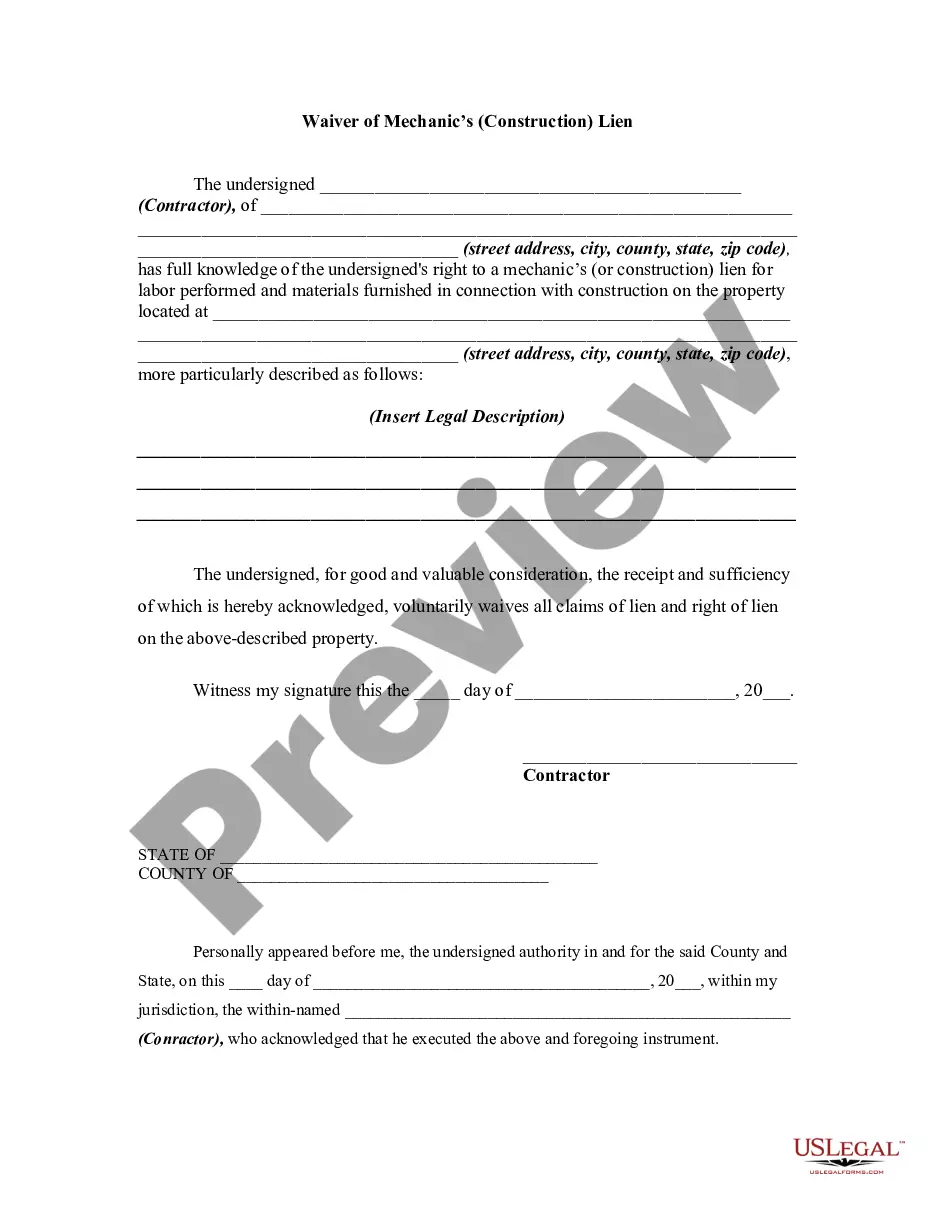
Get your form ready online
Our built-in tools help you complete, sign, share, and store your documents in one place.
Make edits, fill in missing information, and update formatting in US Legal Forms—just like you would in MS Word.
Download a copy, print it, send it by email, or mail it via USPS—whatever works best for your next step.
Sign and collect signatures with our SignNow integration. Send to multiple recipients, set reminders, and more. Go Premium to unlock E-Sign.
If this form requires notarization, complete it online through a secure video call—no need to meet a notary in person or wait for an appointment.
We protect your documents and personal data by following strict security and privacy standards.

Make edits, fill in missing information, and update formatting in US Legal Forms—just like you would in MS Word.

Download a copy, print it, send it by email, or mail it via USPS—whatever works best for your next step.

Sign and collect signatures with our SignNow integration. Send to multiple recipients, set reminders, and more. Go Premium to unlock E-Sign.

If this form requires notarization, complete it online through a secure video call—no need to meet a notary in person or wait for an appointment.

We protect your documents and personal data by following strict security and privacy standards.
Looking for another form?
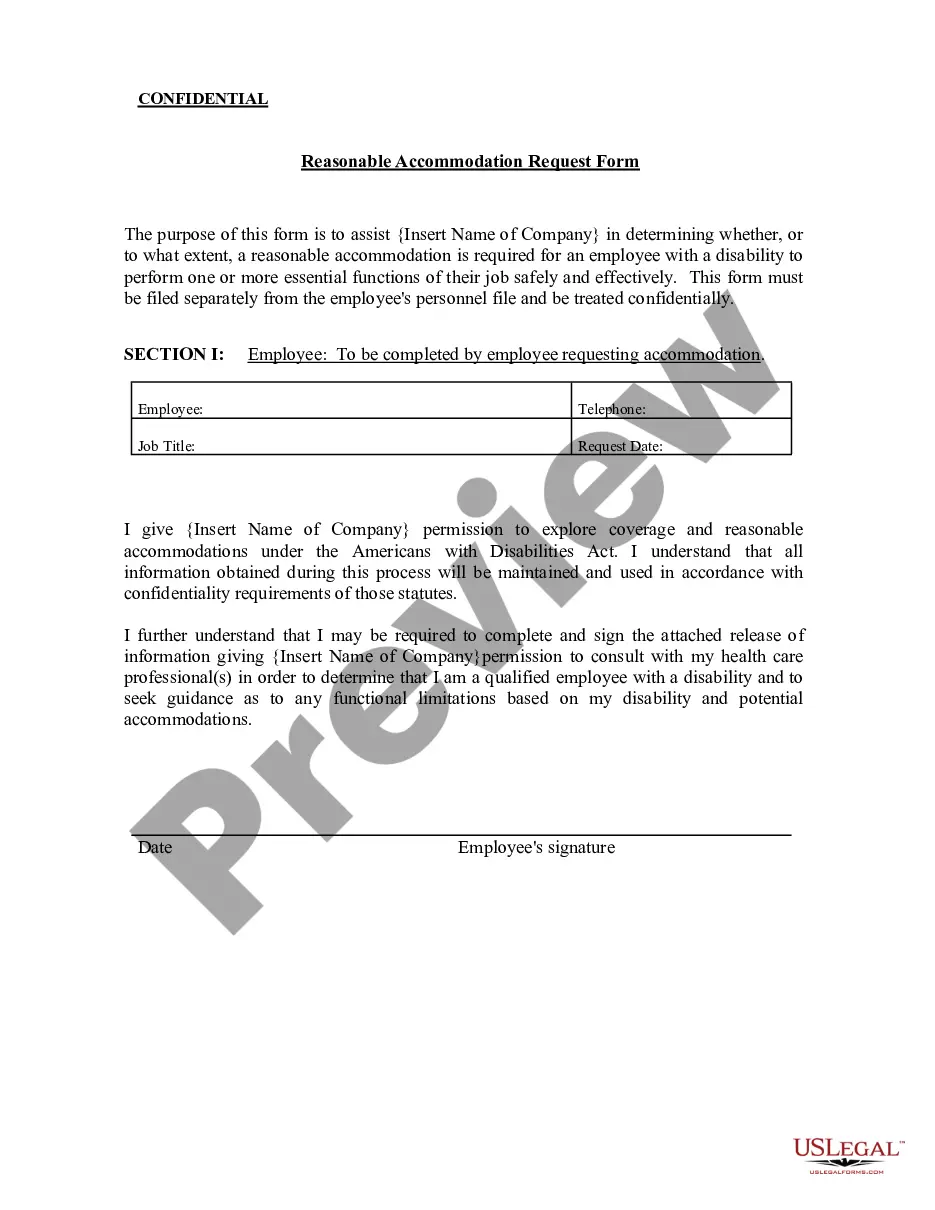
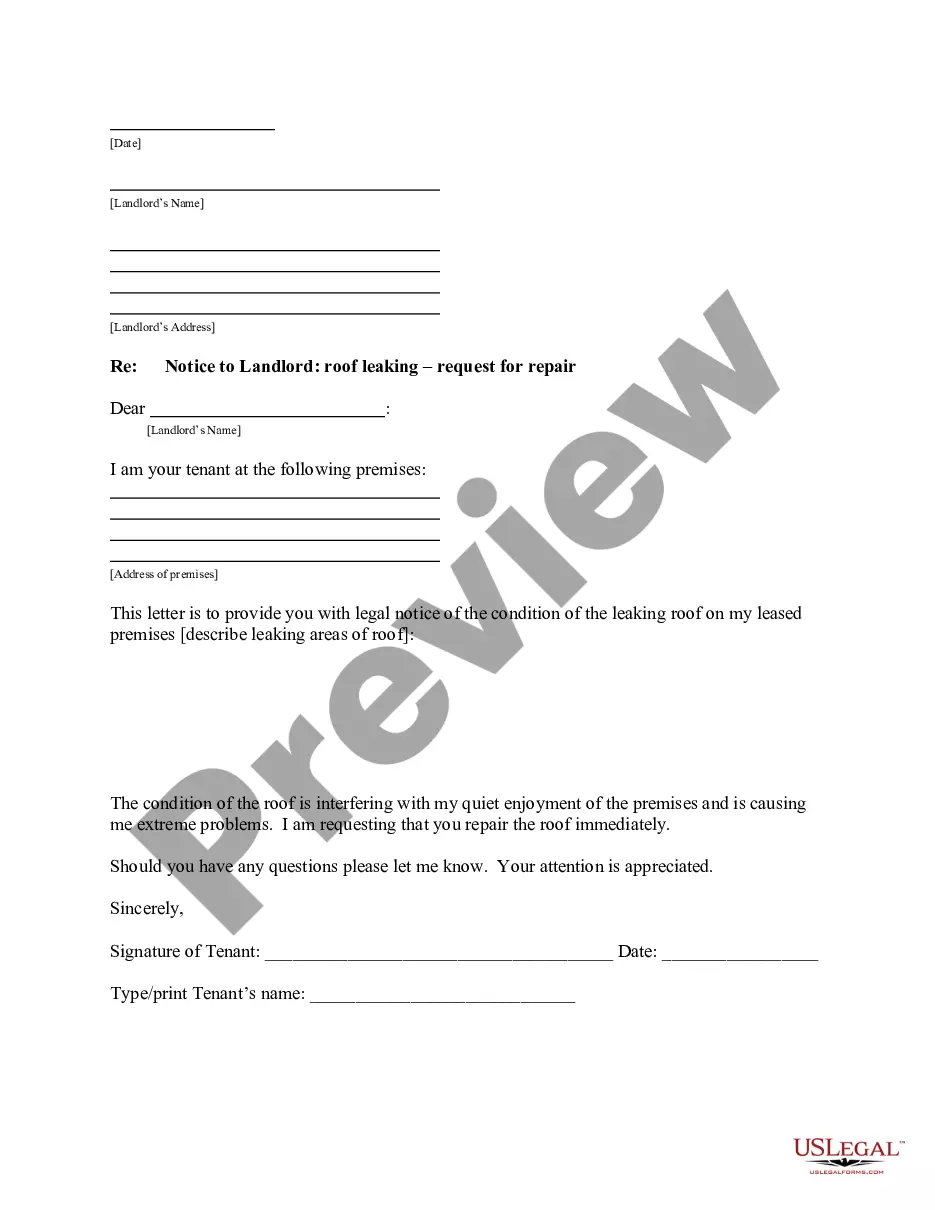

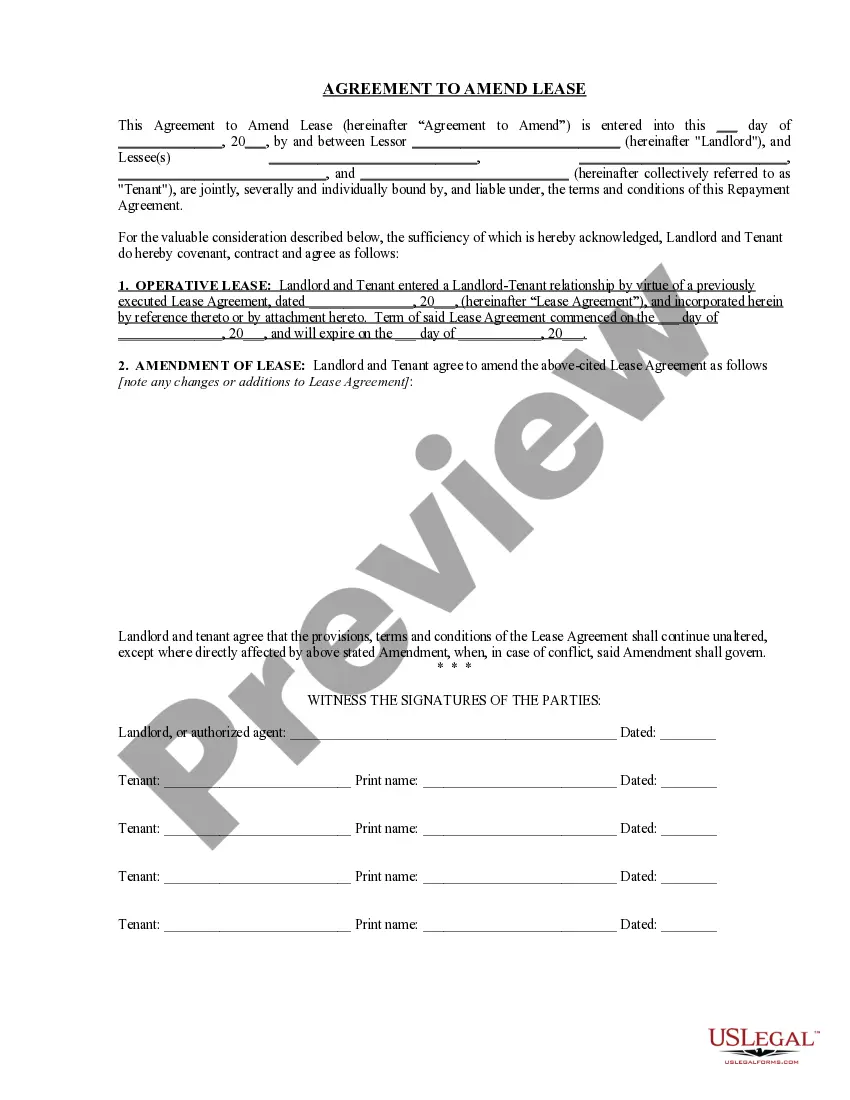
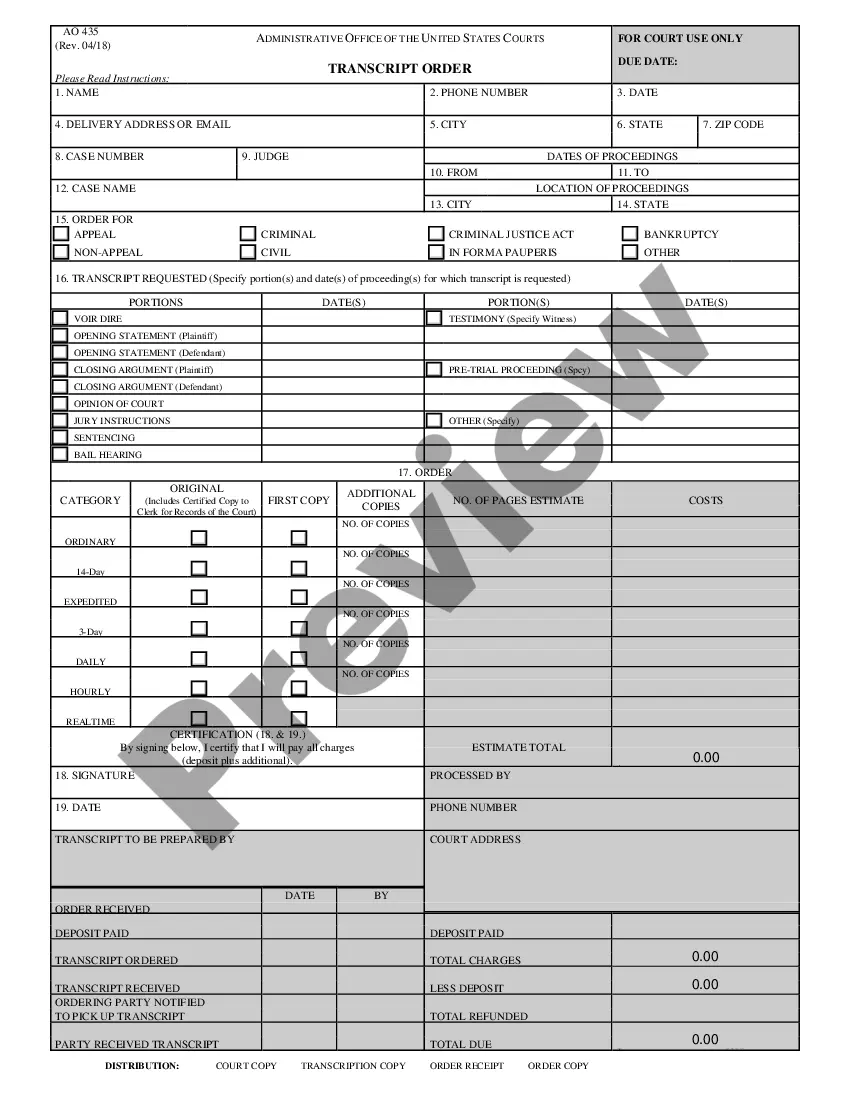
How to fill out Waiver Of Construction Lien?
The Construction Lien Sample you observe on this webpage is a customizable formal template formulated by experienced attorneys in compliance with federal and local regulations.
For over 25 years, US Legal Forms has supplied individuals, businesses, and lawyers with over 85,000 authenticated, state-specific documents for various business and personal needs. It’s the quickest, easiest, and most dependable method to acquire the paperwork you require, as the service ensures the utmost level of data protection and malware defenses.
Register with US Legal Forms to have authenticated legal templates for every circumstance in life readily available.
- Review the document you require and verify it.
- Examine the file you sought and view it or check the form description to ensure it meets your requirements. If it doesn’t, use the search feature to locate the fitting one. Hit Buy Now once you’ve discovered the template you need.
- Select and Log In.
- Choose the pricing option that fits you and create an account. Utilize PayPal or a credit card to make an immediate payment. If you already possess an account, Log In and assess your subscription to continue.
- Acquire the editable template.
- Choose the format you desire for your Construction Lien Sample (PDF, Word, RTF) and download the file onto your device.
- Fill out and sign the document. Print the template to fill it out by hand. Alternatively, employ an online versatile PDF editor to swiftly and accurately complete and sign your form with a valid signature.
- Redownload your documents later.
- Access the same document again whenever necessary. Open the My documents tab in your profile to retrieve any previously purchased documents.
Form popularity
FAQ
Yes, a lien can be placed on your house without your immediate knowledge. Typically, individuals or contractors may file a construction lien example through a legal process without notifying the property owner beforehand. Once filed, the lien becomes a matter of public record. To protect against unexpected liens, regularly review property records and seek guidance through resources like USLegalForms.
Yes, someone can put a lien on your house without a formal contract under certain circumstances. For instance, if a party provided goods or services related to construction and was not compensated, they might file a construction lien example even without a signed agreement. This situation emphasizes the importance of having clear agreements in place. To navigate these complexities, consider using platforms like USLegalForms for assistance.
In Georgia, the lien law is designed to protect contractors, subcontractors, and suppliers. It establishes a legal right for these parties to place a claim against a property when they have not received payment for their services. A construction lien example in Georgia demonstrates how these parties can file a lien on the property as a secured interest. Understanding this law can help you avoid disputes and ensure you know your rights.
When a contractor waives their lien rights, they forfeit any claim they may have against the property for payment. This can provide peace of mind for homeowners, as it ensures there will be no future claims for unpaid work. However, it’s wise to understand the implications fully, as seen in a construction lien example. Uslegalforms can guide you through this process to help you make informed decisions.
To fill out a lien waiver, first gather all relevant details, such as the project name, contractor information, and payment amount. Clearly state that you are waiving your right to file a lien for the specified work. Refer to a construction lien example to ensure you follow the correct format and language. With resources from uslegalforms, you can easily complete a lien waiver that meets legal standards.
Yes, a contractor can file a lien on your home without notifying you first if there is an unpaid debt related to construction work. This often happens when an agreement allows it, and it can lead to serious financial issues. To avoid surprises, consider using a construction lien example that outlines payment schedules clearly. Tools available on uslegalforms can help you stay informed and protect your rights.
In construction, a waiver refers to the voluntary relinquishment of a right, typically related to a lien. When a contractor waives their right to file a lien, they effectively agree not to claim any payment due for work completed. This can be seen in a construction lien example where a contractor does not intend to pursue a payment claim after receiving partial payment. Understanding waivers is vital for both contractors and property owners to avoid disputes.
In Missouri, a lien waiver is not legally required but is often advisable in construction projects. A lien waiver can protect property owners from potential claims against their property. For an effective construction lien example, consider obtaining a lien waiver when making a payment to ensure that no future claims arise. Platforms like uslegalforms can help you create and manage these documents efficiently.
In Nebraska, construction liens generally last for three years from the date of filing. However, it is important to note that this period may be extended or shortened based on the specifics of the case. If you need further assistance in understanding your rights regarding construction liens, consider visiting USLegalForms for helpful resources and templates.
In construction, a lien is a claim placed by contractors, subcontractors, or suppliers against a property for unpaid work or materials. This construction lien example allows them to secure payment for their services rendered. It serves as a legal protection for those who invest time and resources into a construction project.