Landlord Tenant Act In Florida
Description
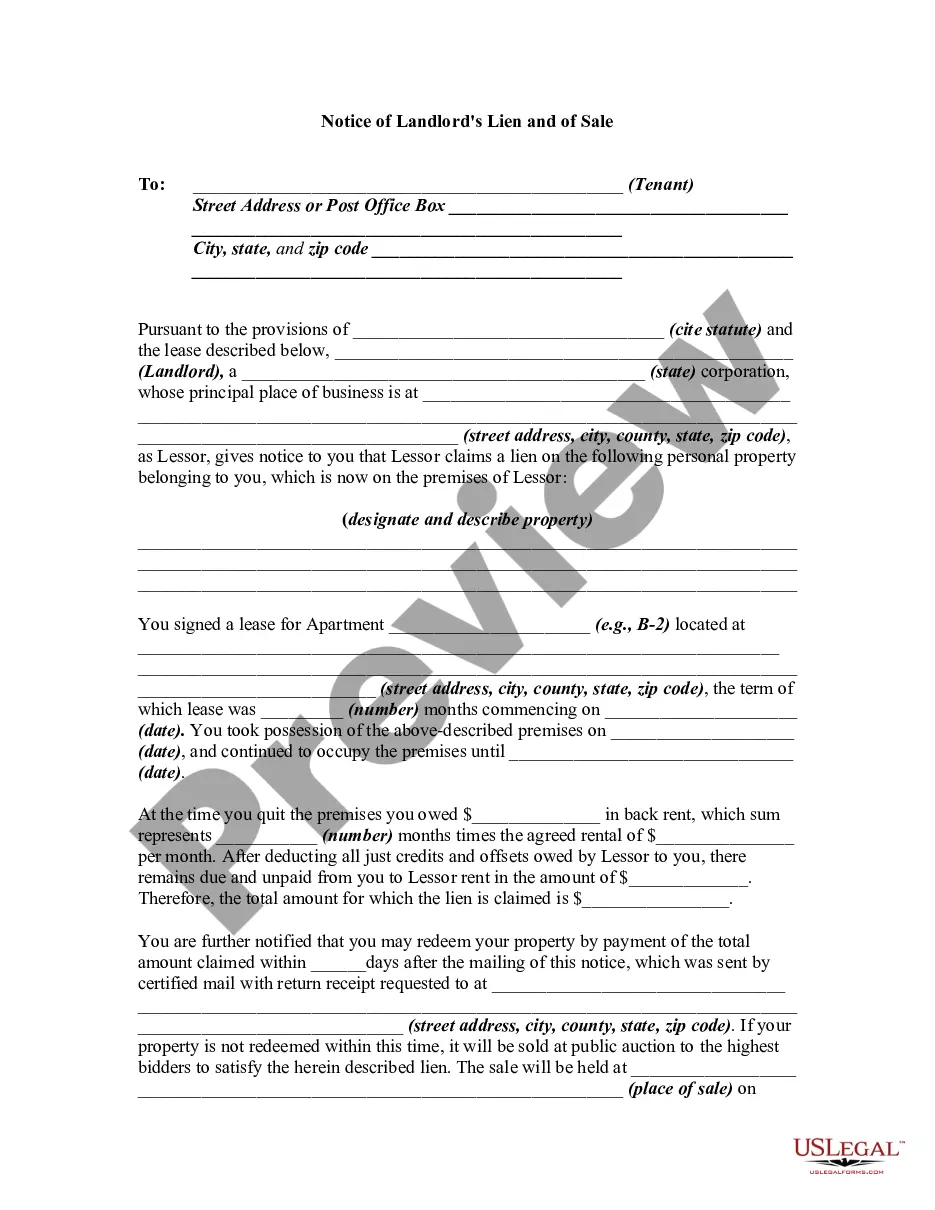

Get your form ready online
Our built-in tools help you complete, sign, share, and store your documents in one place.
Make edits, fill in missing information, and update formatting in US Legal Forms—just like you would in MS Word.
Download a copy, print it, send it by email, or mail it via USPS—whatever works best for your next step.
Sign and collect signatures with our SignNow integration. Send to multiple recipients, set reminders, and more. Go Premium to unlock E-Sign.
If this form requires notarization, complete it online through a secure video call—no need to meet a notary in person or wait for an appointment.
We protect your documents and personal data by following strict security and privacy standards.

Make edits, fill in missing information, and update formatting in US Legal Forms—just like you would in MS Word.

Download a copy, print it, send it by email, or mail it via USPS—whatever works best for your next step.

Sign and collect signatures with our SignNow integration. Send to multiple recipients, set reminders, and more. Go Premium to unlock E-Sign.

If this form requires notarization, complete it online through a secure video call—no need to meet a notary in person or wait for an appointment.

We protect your documents and personal data by following strict security and privacy standards.
Looking for another form?

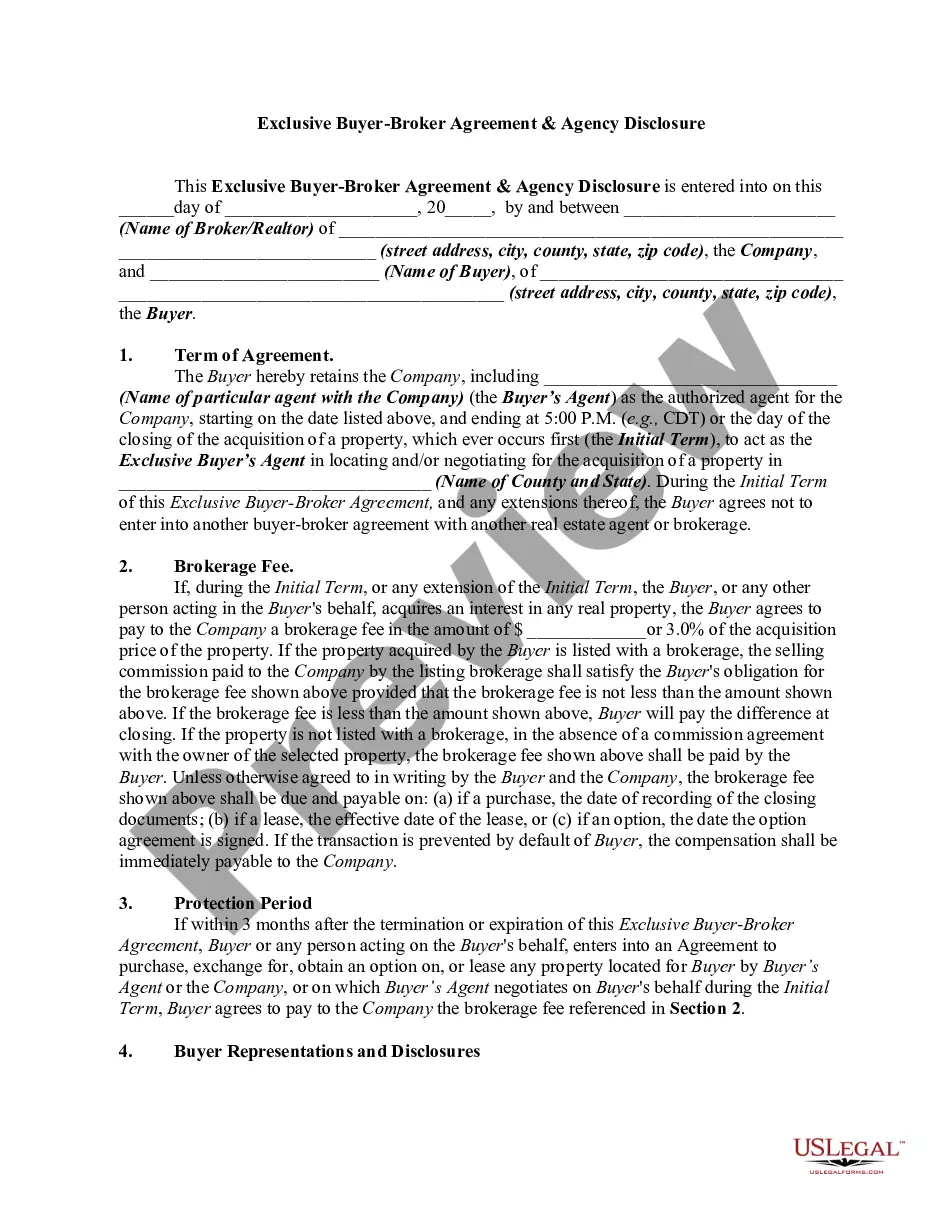
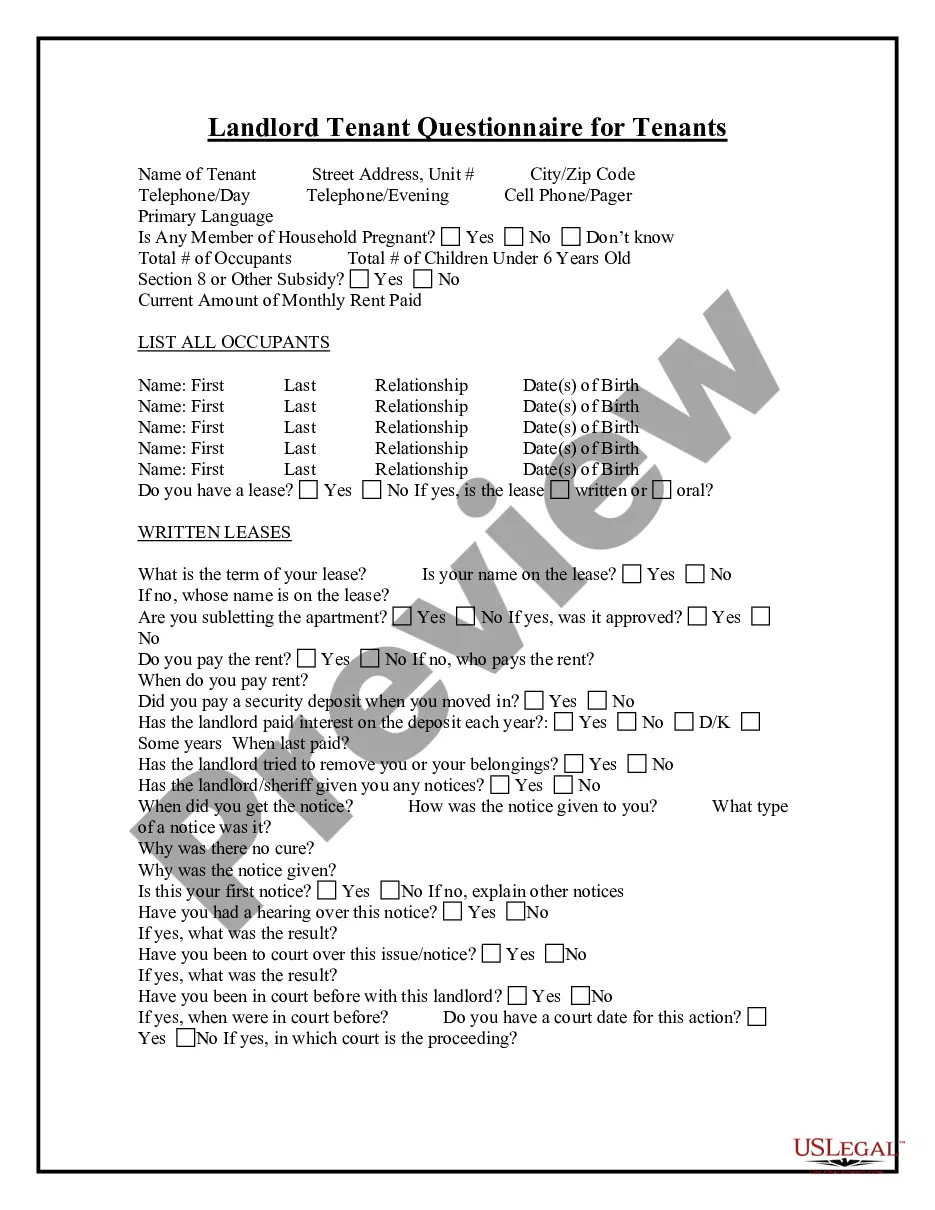

How to fill out Notice Of Landlord's Lien And Of Sale?
It’s clear that you cannot transform into a legal authority instantly, nor can you swiftly master drafting the Landlord Tenant Act in Florida without a specialized background.
Assembling legal documents is a lengthy endeavor that demands specific training and expertise. Therefore, why not entrust the formulation of the Landlord Tenant Act in Florida to the professionals.
With US Legal Forms, featuring one of the broadest legal document libraries, you can find everything from court paperwork to templates for internal communication.
If you require a different form, restart your search.
Create a free account and select a subscription plan to buy the template. Hit Buy now, and once your payment processes, you can download the Landlord Tenant Act in Florida, fill it out, print it, and distribute it to the relevant individuals or entities.
- Understand how essential compliance and observance of federal and local laws are.
- That’s why all templates on our site are locality-specific and current.
- Begin by utilizing our platform to obtain the document you need in just a few minutes.
- Identify the document you're searching for using the search bar located at the top of the page.
- If available, preview it and read the accompanying description to confirm whether the Landlord Tenant Act in Florida meets your requirements.
Form popularity
FAQ
The Florida Residential Landlord Tenant Act prevails over what the lease says. A tenant is entitled to the right of private, peaceful possession of the dwelling. Once rented, the dwelling is the tenant's to lawfully use.
LANDLORDS CANNOT JUST THROW YOU OUT. Florida law prohibits landlords from evicting tenants without going through the court system (self-help evictions). Your landlord can't evict you without a judge's order. And if the sheriff shows up to evict you, he also must have a court order.
Specifically, the law decreases the required notice period for tenants from a minimum of 60 days to a range of 30 to 60 days. Meanwhile, it offers a small benefit to month-to-month renters by extending the notice period for ending their tenancy from 15 days to 30 days.
A new amendment to Florida Statutes, which takes effect July 1, 2023, has been signed into law by the State of Florida. Chapter 83.491 provides the right for landlords to offer tenants the option to pay a fee instead of a security deposit. However, there is no obligation for landlords to offer this option to tenants.
A Florida landlord can terminate without cause a month-to-month tenancy by giving the tenant a written notice at least 15 days before the end of the monthly period. The notice must inform the tenant that the tenancy will end in 15 days and that the tenant must move out of the rental unit by that time.