Llc Single Member
Description
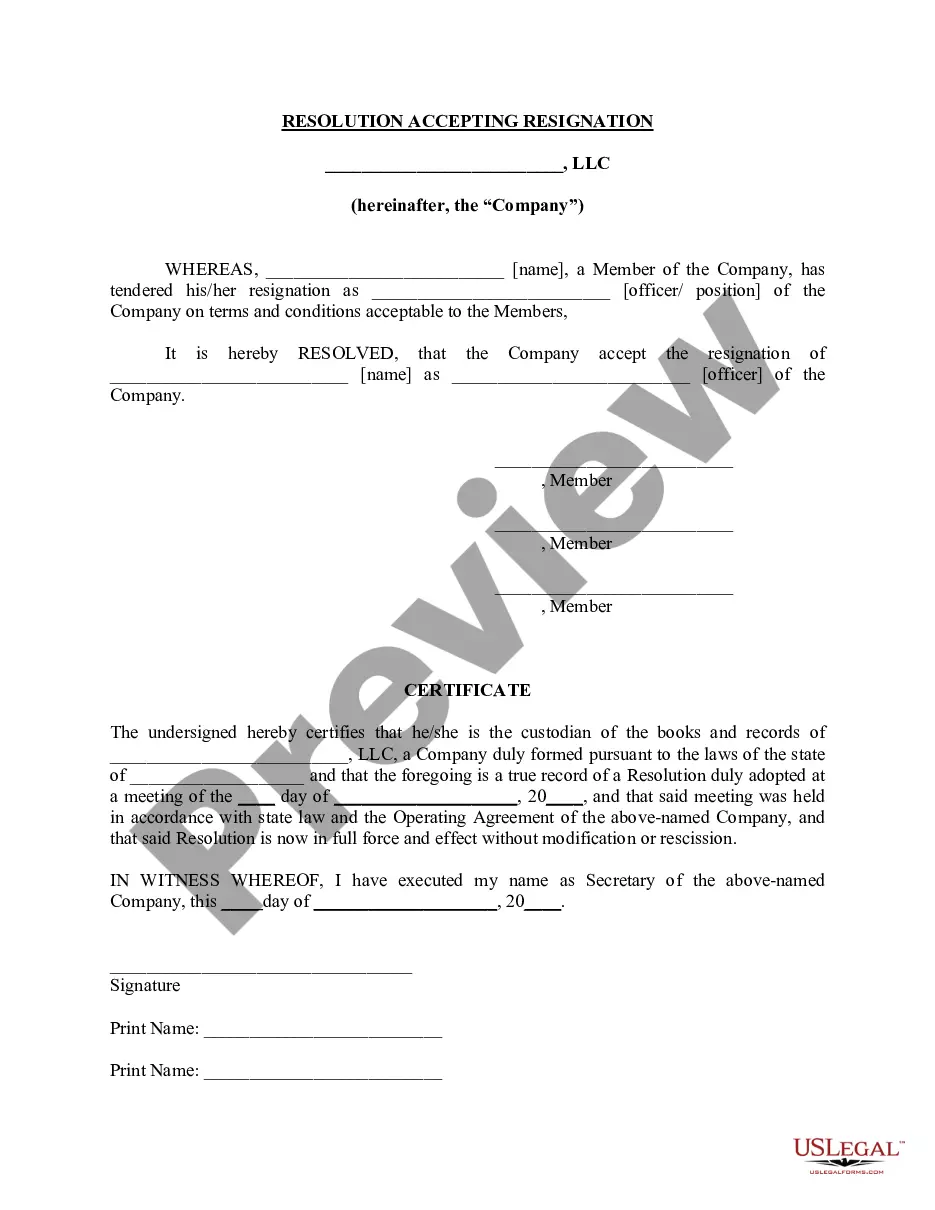
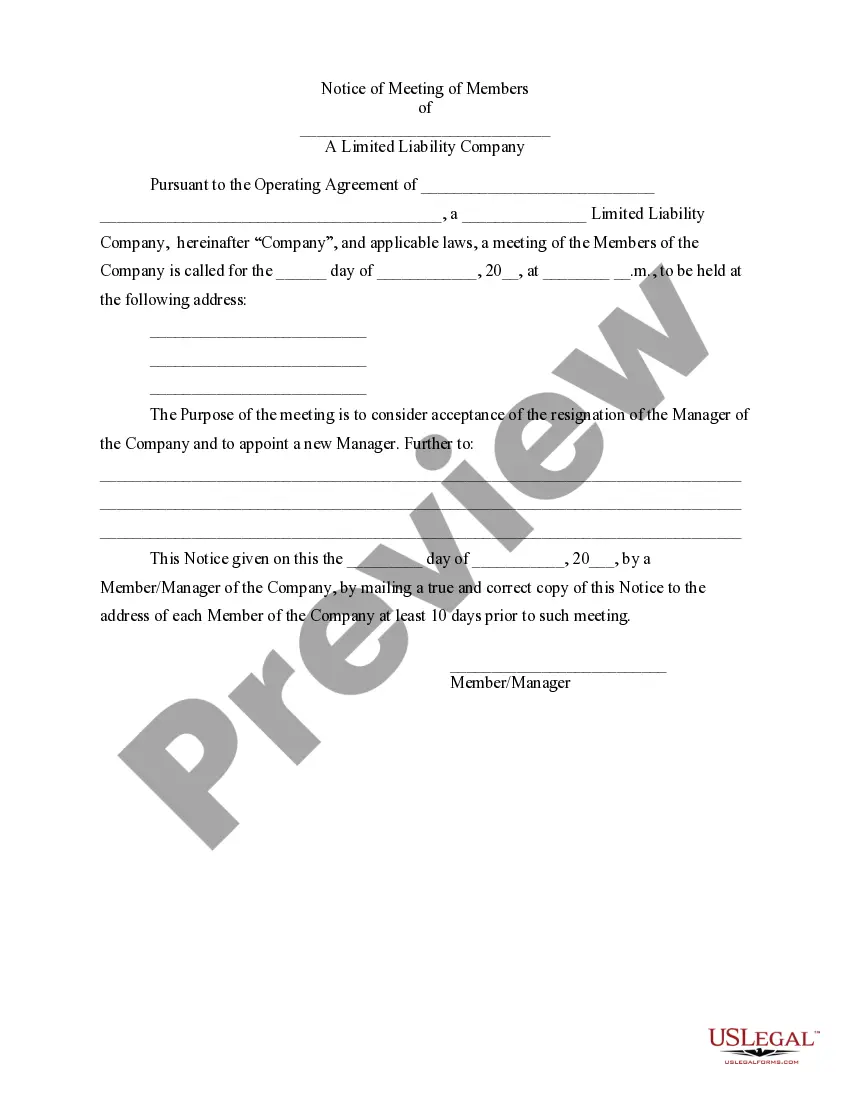
Get your form ready online
Our built-in tools help you complete, sign, share, and store your documents in one place.
Make edits, fill in missing information, and update formatting in US Legal Forms—just like you would in MS Word.
Download a copy, print it, send it by email, or mail it via USPS—whatever works best for your next step.
Sign and collect signatures with our SignNow integration. Send to multiple recipients, set reminders, and more. Go Premium to unlock E-Sign.
If this form requires notarization, complete it online through a secure video call—no need to meet a notary in person or wait for an appointment.
We protect your documents and personal data by following strict security and privacy standards.

Make edits, fill in missing information, and update formatting in US Legal Forms—just like you would in MS Word.

Download a copy, print it, send it by email, or mail it via USPS—whatever works best for your next step.

Sign and collect signatures with our SignNow integration. Send to multiple recipients, set reminders, and more. Go Premium to unlock E-Sign.

If this form requires notarization, complete it online through a secure video call—no need to meet a notary in person or wait for an appointment.

We protect your documents and personal data by following strict security and privacy standards.
Looking for another form?
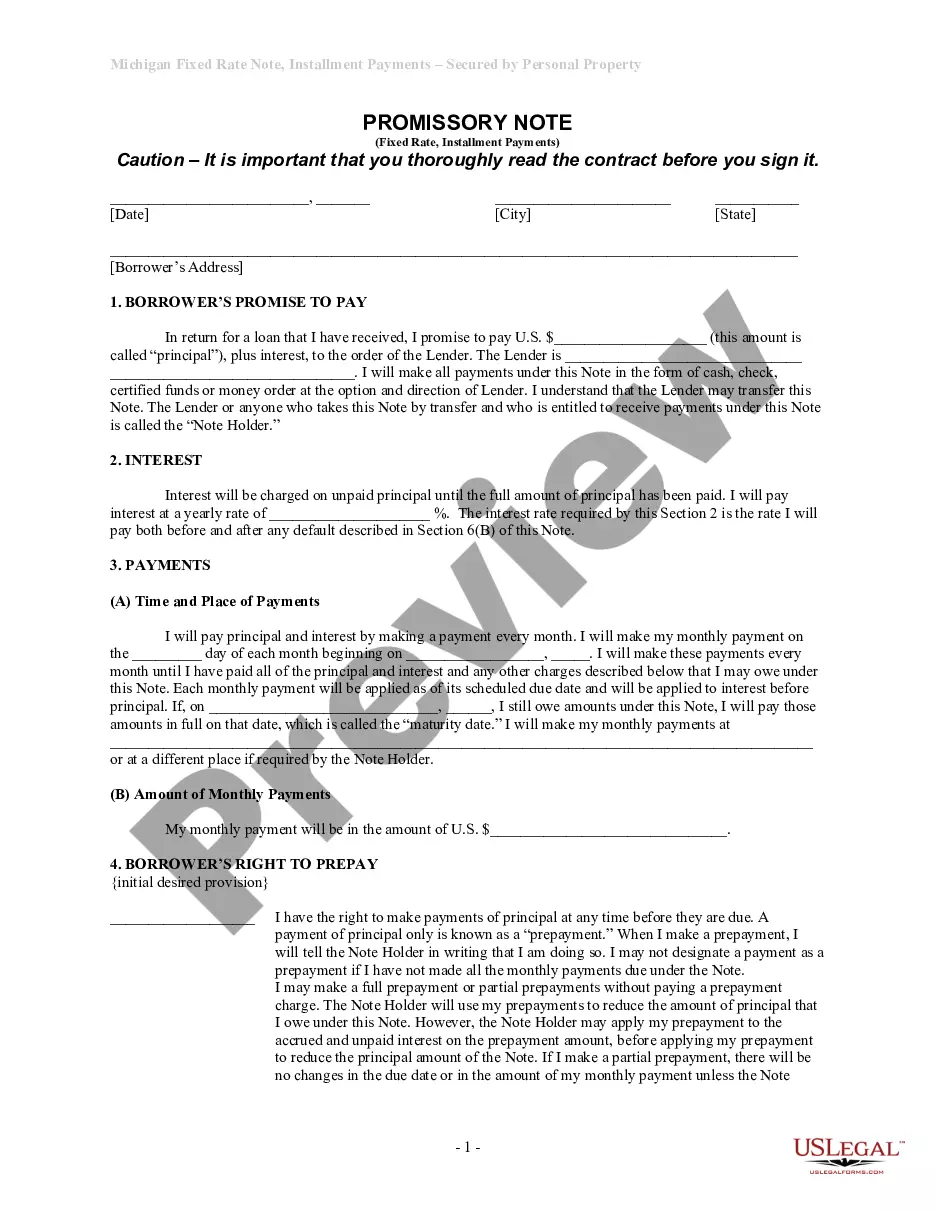




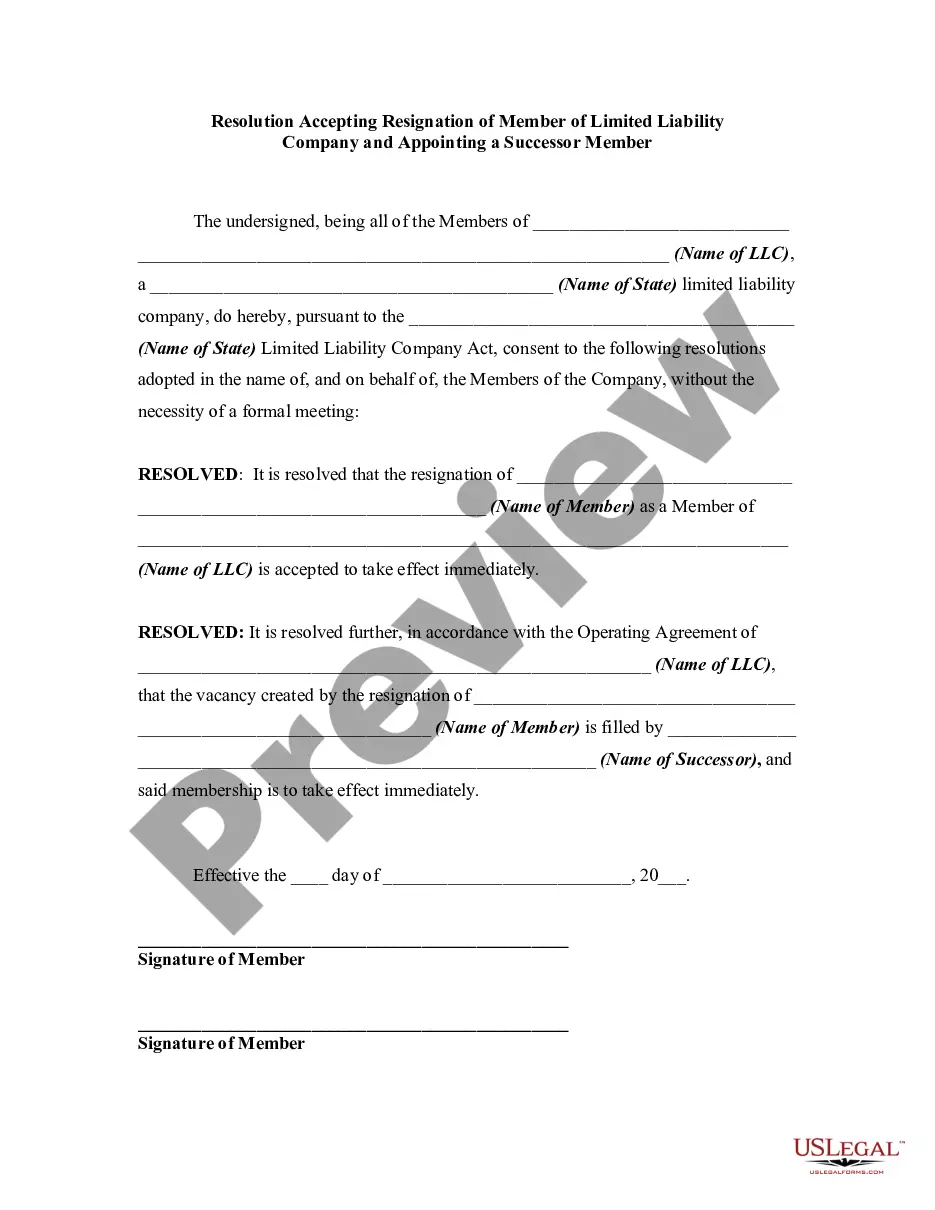
How to fill out Resolution Accepting Resignation Of Member Of Limited Liability Company And Appointing A Successor Member?
- Log in to your account if you’re a returning user and ensure your subscription is active. If it needs renewal, do so according to your payment plan.
- Preview the form descriptions to verify you have selected the correct document for your local jurisdiction requirements.
- If you find inconsistencies, utilize the Search feature to locate the appropriate template. Once confirmed, proceed to the next step.
- Purchase the document by selecting the 'Buy Now' button and choose your subscription plan. Creating an account will grant access to the full library.
- Complete your purchase using a credit card or PayPal to finalize your subscription.
- Download your chosen form and save it to your device. You can always access it later in the 'My Forms' section of your profile. Do not forget to review it thoroughly before use.
By following these steps, US Legal Forms ensures that you have the right tools at your disposal, empowering you with a wealth of legal resources designed to save time and effort.
Start navigating your LLC single member journey with ease; explore the benefits of US Legal Forms today!
Form popularity
FAQ
To apply for an LLC single member, start by choosing a unique name for your business that complies with state regulations. Next, file the Articles of Organization with your state's Secretary of State office. It's also essential to create an Operating Agreement that outlines your ownership and management structure. Finally, consider using platforms like uslegalforms, which can guide you through the entire process and ensure all your documents are correctly prepared.
Your title for a single member LLC is typically 'Member' or 'Owner.' However, if you take on a more active role in managing the business, you may also use 'Managing Member' or 'President.' It's crucial to choose a title that reflects your ownership and operational responsibilities. Naming your role clearly helps in establishing your authority and responsibilities within your LLC.
An LLC with one person is commonly referred to as a single member LLC. This structure allows for limited liability protection while simplifying management since there is only one owner. The single member LLC is an ideal choice for solo entrepreneurs who want to enjoy the benefits of being incorporated without the complexities of a multi-member setup. This arrangement provides legal protection while enabling you to run your business efficiently.
In a single member LLC, you can hold various titles, but 'Member' is the most common designation. This title signifies your ownership and control over the business. Depending on your role, you might also choose to call yourself 'Owner' or 'Managing Member' if you are actively running the LLC. It's essential to clearly define your role for legal and operational purposes.
When filling out a W-9 for your single member LLC, you'll begin by entering the name of your LLC as it appears on your formation documents. Then, indicate your tax classification as 'Limited Liability Company,' followed by the appropriate tax designation, typically 'Individual/sole proprietor or single-member LLC.' This ensures that your business is correctly identified for tax purposes. Always check for accuracy before submitting the form.
A single member LLC can take advantage of various tax deductions that reduce taxable income. Common write-offs include business expenses such as office supplies, equipment, travel, and utilities. Additionally, you can deduct certain home office expenses, provided you use a portion of your home for business. It's beneficial to keep detailed records and consult with a tax professional to maximize your deductions.
As the owner of a single member LLC, you typically refer to yourself as the 'member' or 'owner'. This designation reflects your status as the sole member of the limited liability company. Unlike a multi-member LLC, where multiple owners may be involved, in a single member LLC, you're the only one holding that title. This allows for straightforward management and decision-making.
While a single-member LLC offers flexibility and simplicity, there are some disadvantages to consider. For instance, the owner is personally liable for debts if the LLC does not maintain proper documentation. Additionally, self-employment taxes may be higher compared to a multi-member LLC. It is essential to weigh these factors carefully and explore your options, possibly using platforms like USLegalForms to help you navigate the complexities.
Yes, the IRS recognizes single-member LLCs and treats them as disregarded entities. This means that for tax purposes, the single-member LLC is not separate from its owner. You report all income and expenses directly on your personal tax return using Schedule C. Understanding this structure helps you comply with tax regulations effectively as an LLC single member.
While a single-member LLC cannot completely avoid taxes, it can utilize certain strategies to reduce taxable income. You can take advantage of deductions such as business expenses, home office deductions, and healthcare costs. Additionally, you may choose to be taxed as an S corporation, which can help lower self-employment taxes. Using a resource like USLegalForms can guide you in organizing your paperwork effectively to maximize your tax benefits.