Restraining Order Against Get Withdrawn
Description

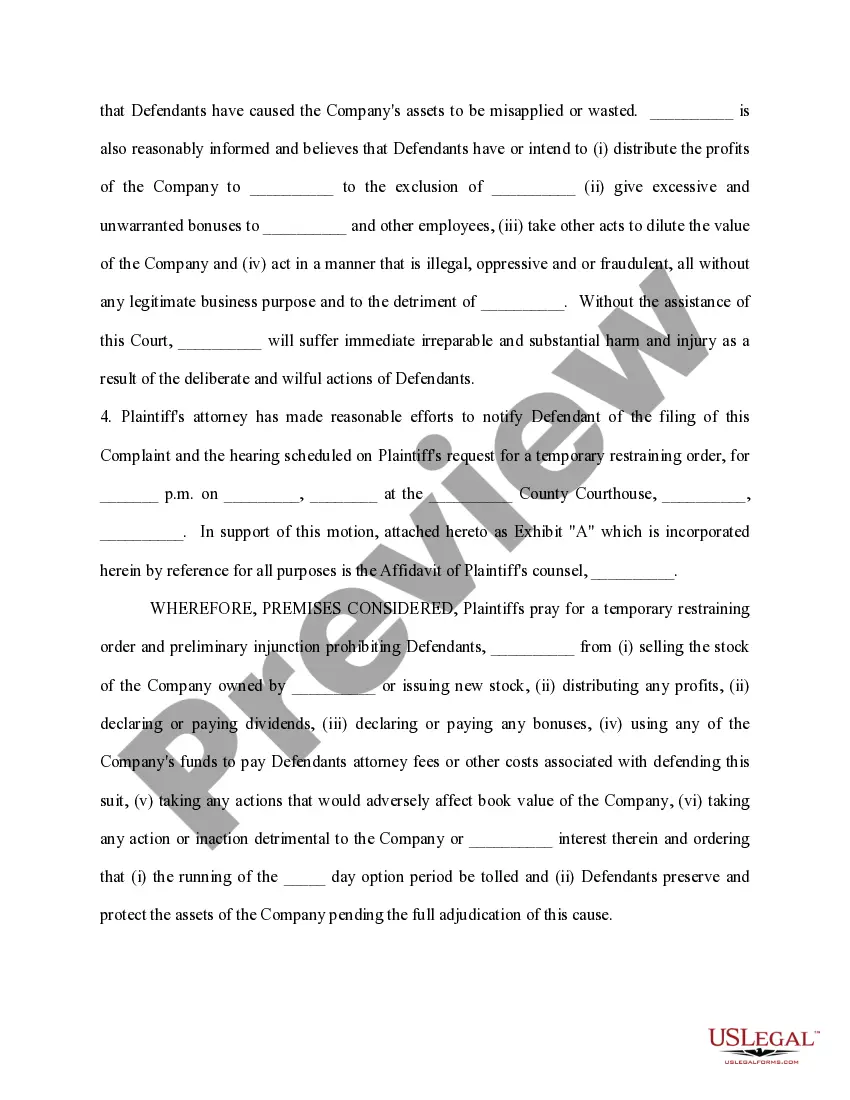
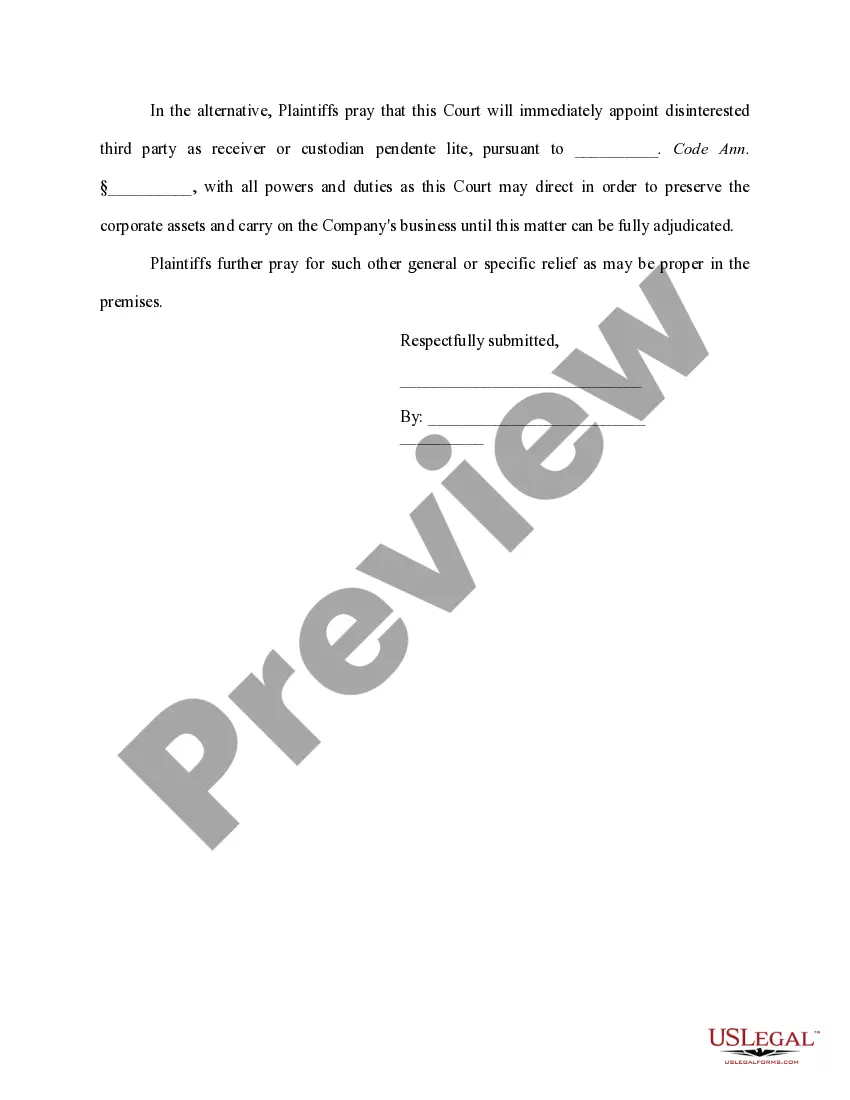

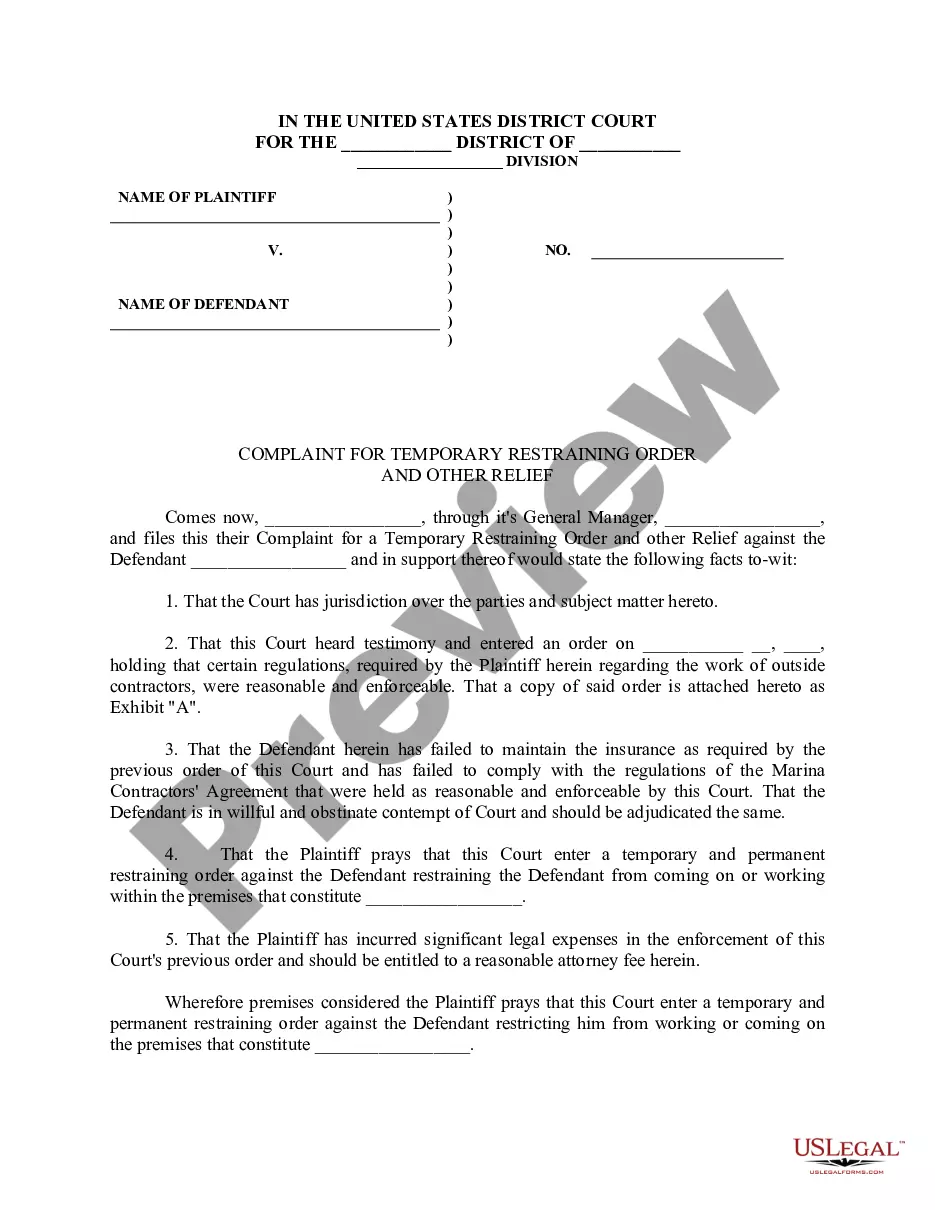
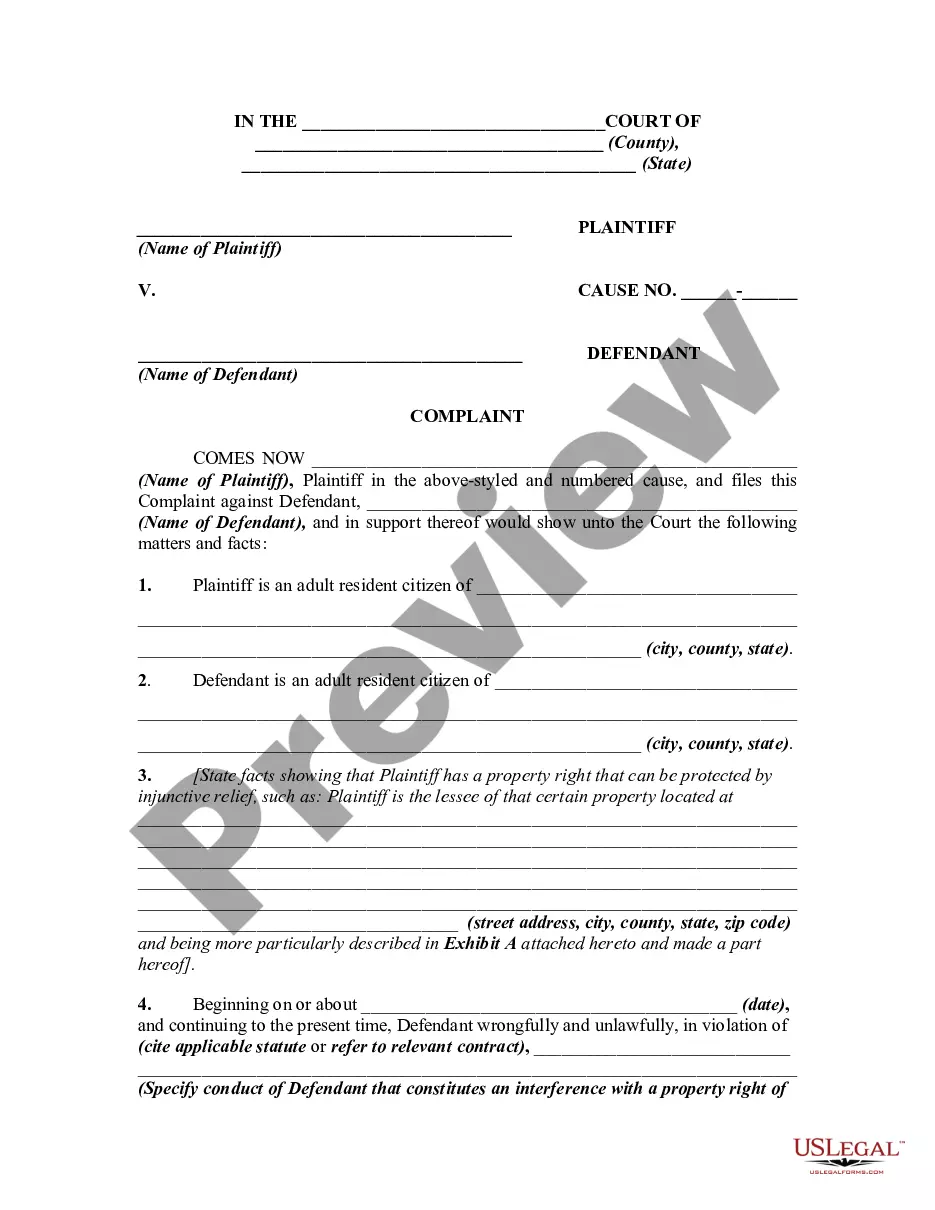
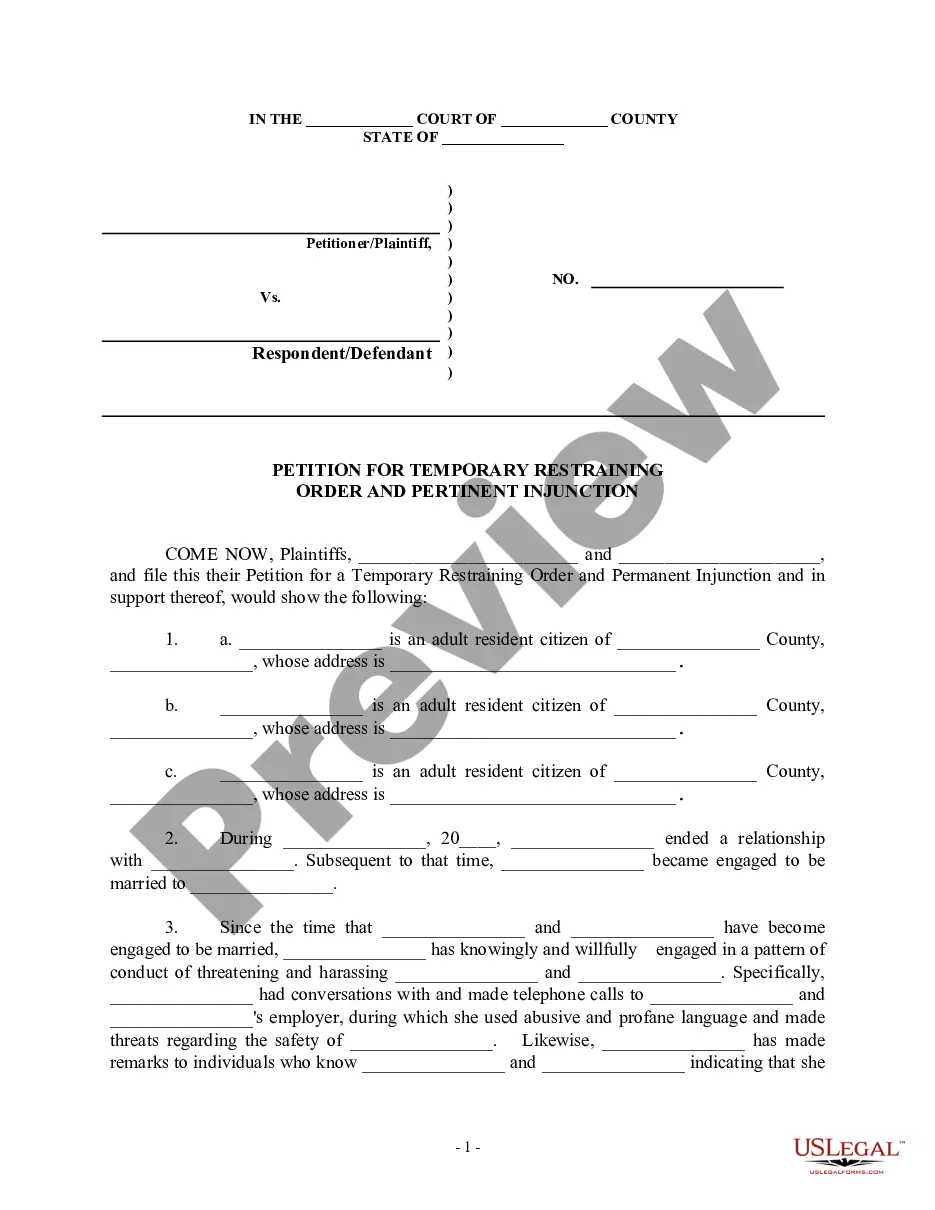

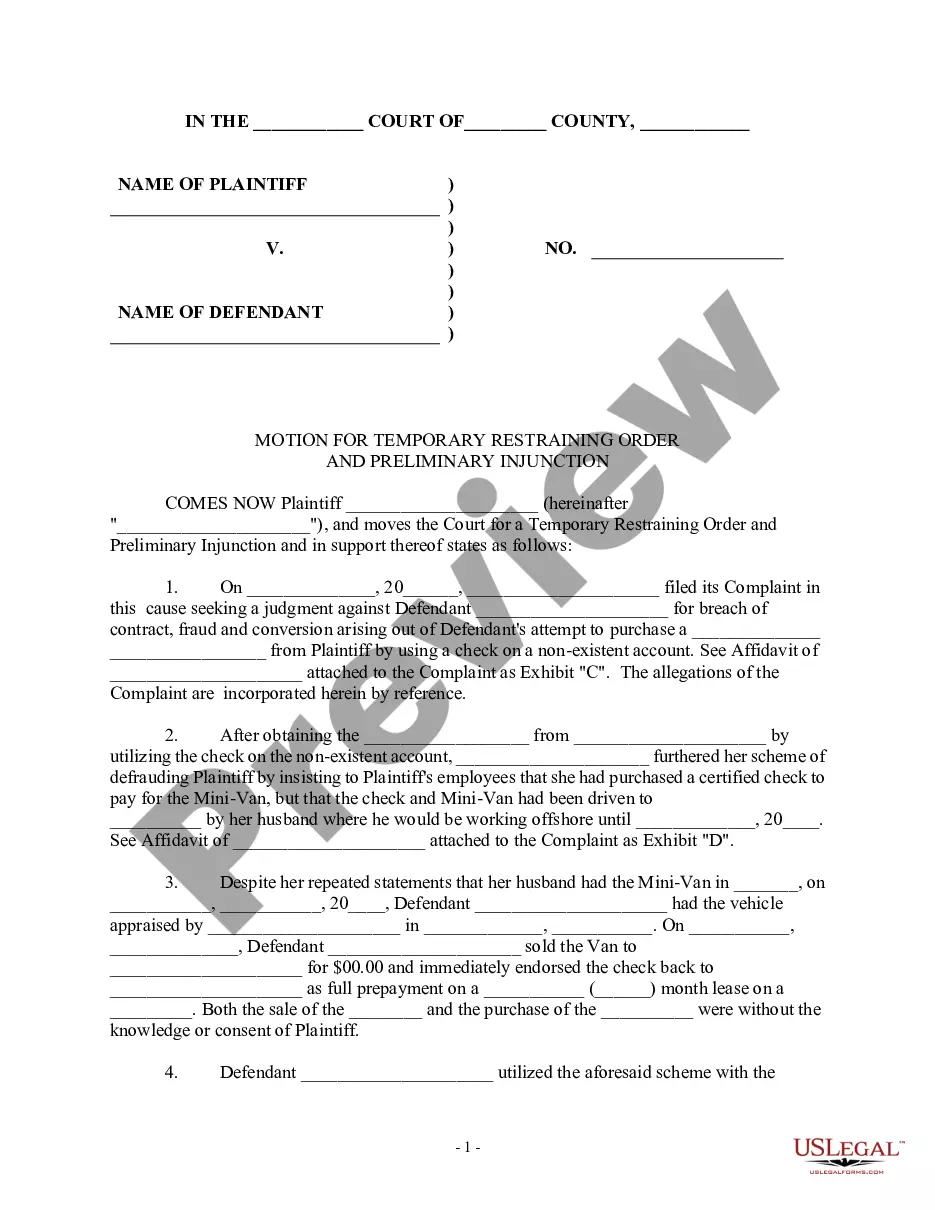
Get your form ready online
Our built-in tools help you complete, sign, share, and store your documents in one place.
Make edits, fill in missing information, and update formatting in US Legal Forms—just like you would in MS Word.
Download a copy, print it, send it by email, or mail it via USPS—whatever works best for your next step.
Sign and collect signatures with our SignNow integration. Send to multiple recipients, set reminders, and more. Go Premium to unlock E-Sign.
If this form requires notarization, complete it online through a secure video call—no need to meet a notary in person or wait for an appointment.
We protect your documents and personal data by following strict security and privacy standards.

Make edits, fill in missing information, and update formatting in US Legal Forms—just like you would in MS Word.

Download a copy, print it, send it by email, or mail it via USPS—whatever works best for your next step.

Sign and collect signatures with our SignNow integration. Send to multiple recipients, set reminders, and more. Go Premium to unlock E-Sign.

If this form requires notarization, complete it online through a secure video call—no need to meet a notary in person or wait for an appointment.

We protect your documents and personal data by following strict security and privacy standards.
Looking for another form?




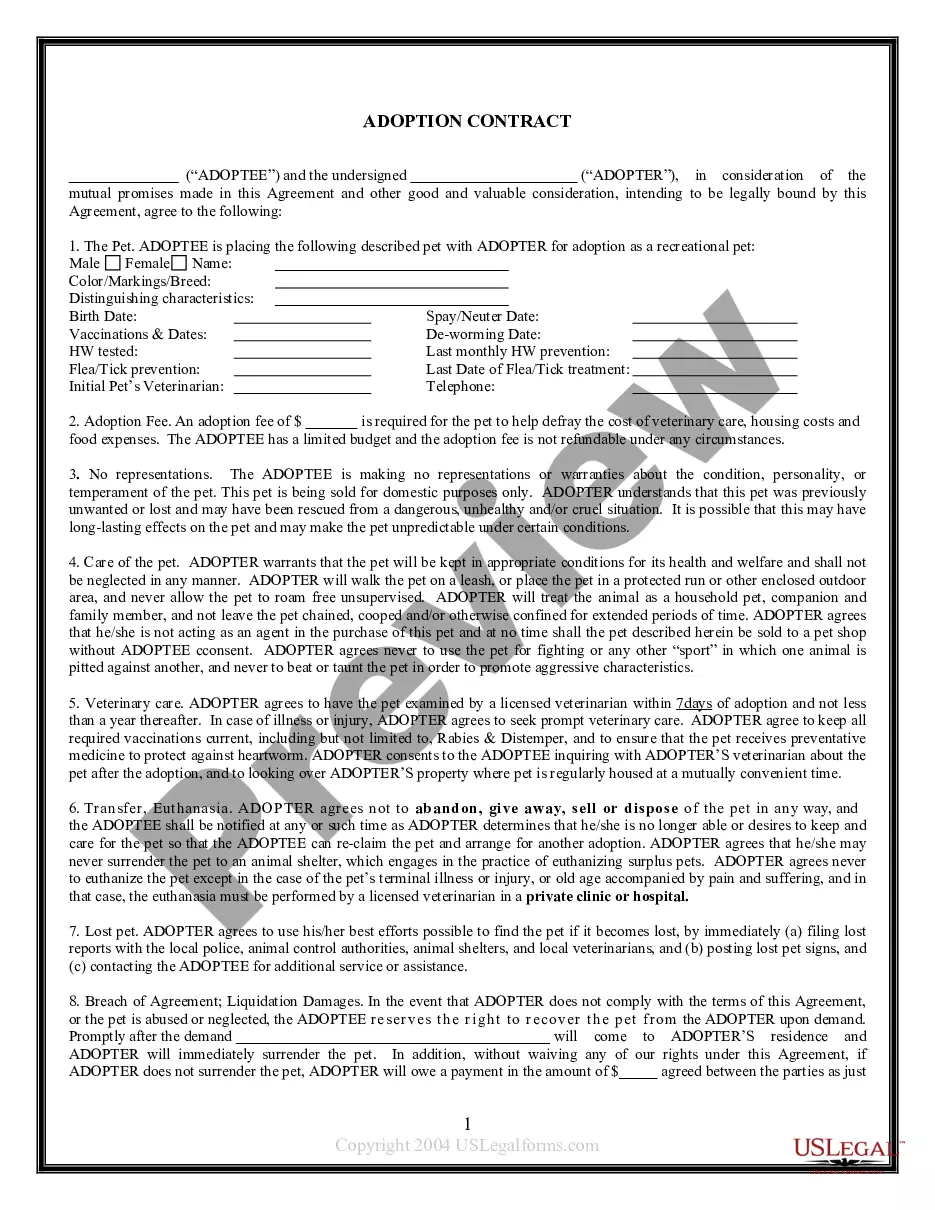
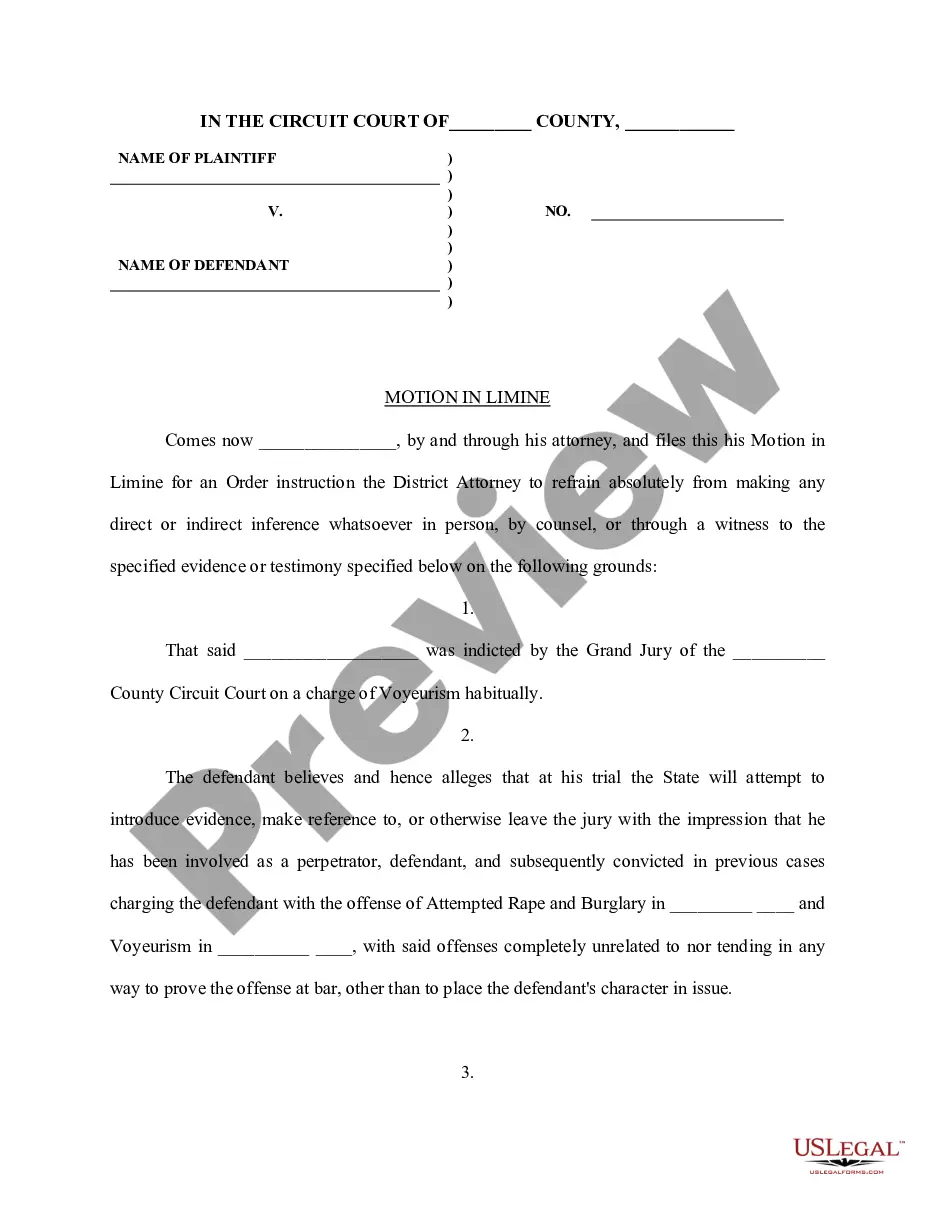

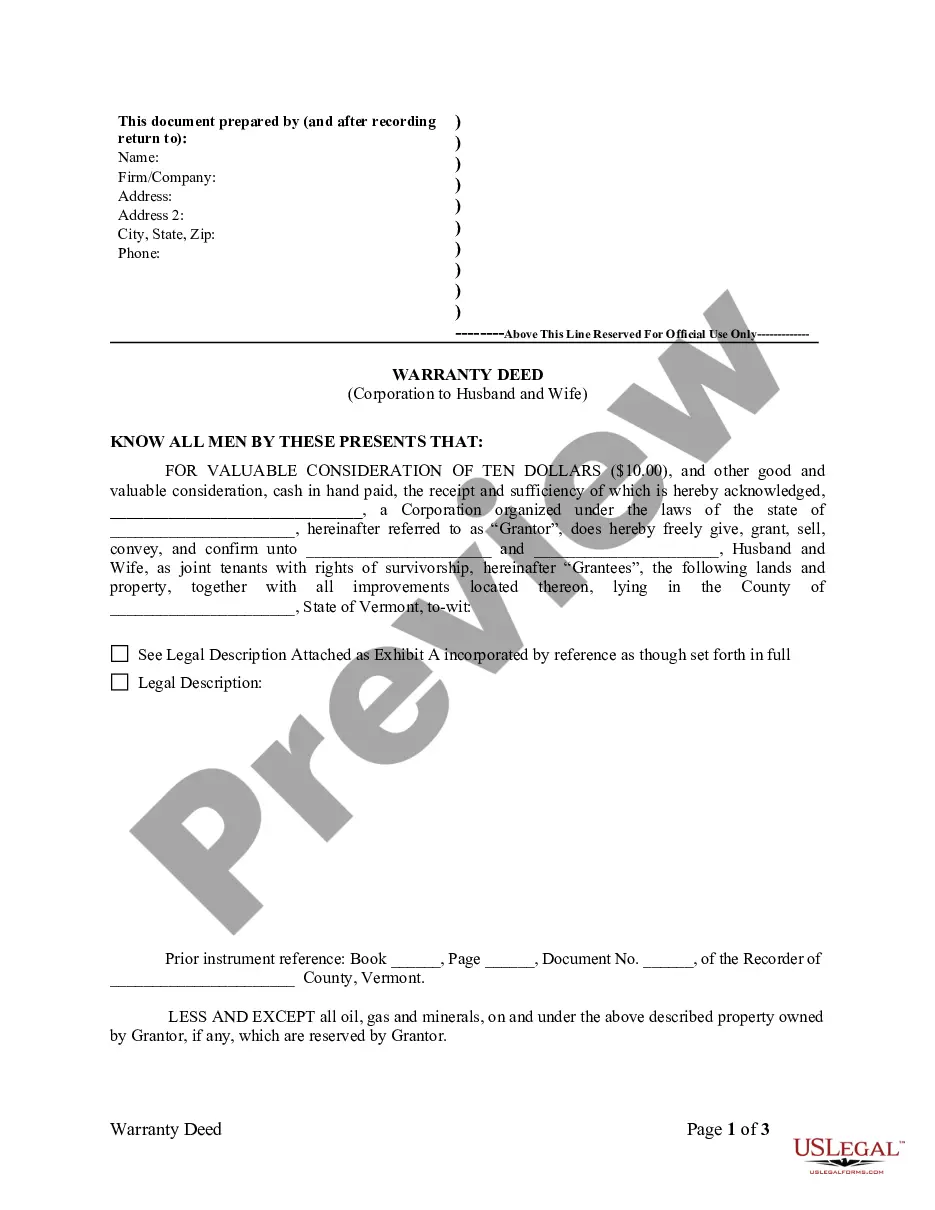
How to fill out Complaint For Temporary Restraining Order, Preliminary Injunction And Permanent Injunction?
No matter if it's for commercial reasons or personal issues, every individual must deal with legal matters at some point in their life.
Completing legal documents requires meticulous care, beginning with selecting the right template example.
With an extensive US Legal Forms catalog available, you do not have to waste time searching for the correct template online. Make use of the library’s simple navigation to find the suitable template for any circumstance.
- Acquire the template you require by utilizing the search bar or catalog navigation.
- Review the form’s description to verify it corresponds with your case, state, and jurisdiction.
- Click on the form’s preview to inspect it.
- If it is the incorrect document, return to the search function to locate the Restraining Order Against Get Withdrawn template you need.
- Download the document if it satisfies your criteria.
- If you possess a US Legal Forms account, click Log in to retrieve previously stored documents in My documents.
- If you don’t have an account at this time, you can acquire the form by clicking Buy now.
- Select the correct pricing option.
- Complete the account registration form.
- Choose your payment method: use a credit card or PayPal account.
- Select your preferred file format and download the Restraining Order Against Get Withdrawn.
- After the file is downloaded, you can fill out the form using editing software or print it and fill it out by hand.
Form popularity
FAQ
The duration a dismissed restraining order remains on your record can depend on various factors, including state laws. In many cases, a dismissed order may not show up on your record after a certain period. If you want to ensure that a restraining order against you gets withdrawn from your record, you should consult legal advice for clarity on the process. This step can help you regain control of your personal and professional life.
When a restraining order is dismissed, it generally has a positive impact on your legal record. A dismissed order indicates to potential employers, landlords, and others that there was no valid or ongoing issue. However, the specifics can vary by case and jurisdiction, which is important to understand. Remember, if a restraining order against you gets withdrawn, it may lead to opportunities for a fresh start.
In Minnesota, a restraining order can be requested if you have experienced harassment, stalking, or domestic abuse. You must provide evidence of threats or actions that cause you fear for your safety. The court will review your situation to determine if a restraining order against the individual is necessary. If you find yourself needing a restraining order against someone, consider how the process can help you feel secure.
There are many reasons why someone might choose to drop a restraining order, including a change of heart or reconciliation with the person involved. Sometimes, people realize that the situation has improved and no longer feel threatened. Another factor could be the desire to move on and focus on their well-being. Whatever the reason, it’s essential to make an informed decision, especially if there is a possibility of the restraining order against them getting withdrawn.
Yes, a victim can face complications for recanting a statement related to a restraining order. While it's their choice to change their testimony, such actions may have legal repercussions, depending on the case. Courts may perceive recantation as manipulation or could impact future cases. It is wise for the victim to understand these risks fully, especially if a restraining order against them is involved.
Dropping a protection order is generally not overly complex, but it does require a formal process. You usually must file a request with the court, which may involve a hearing to confirm your wishes. It’s important to ensure that you feel safe and confident in your decision. Consulting with legal resources like US Legal Forms can help streamline this process and address any concerns about having the restraining order against you withdrawn.
When speaking in court for a restraining order, you should clearly explain your situation and the reasons you feel threatened. Present your evidence concisely while staying focused on the facts. It's important to convey how the conduct has impacted your safety and well-being. This information helps the judge understand why the restraining order against you should be maintained or potentially withdrawn.
To establish harassment, you generally need to present evidence showing a pattern of unwanted behavior. This can include text messages, emails, or witness statements. The goal is to demonstrate that the actions made you feel threatened or unsafe. Having solid proof is essential if you intend to apply for a restraining order against someone to get it withdrawn.
To remove a restraining order from your record, you must file a petition with the court that issued it. This petition should outline why you believe the restraining order against get withdrawn is no longer necessary. Be prepared to provide evidence and potentially testify at a hearing. Consulting a legal expert can help ensure you follow the correct steps and improve your chances of a successful outcome.
Dropping a protection order can be a complicated process, as it requires compliance with specific legal procedures. You must file a request with the court where the order was issued, explaining your reasons for wanting to drop it. While the court generally assesses the situation carefully, they will consider any potential risks involved. If you're looking for assistance, US Legal Forms can provide resources to navigate this process smoothly.