Restraining Order Against Get Force Them To Move
Description

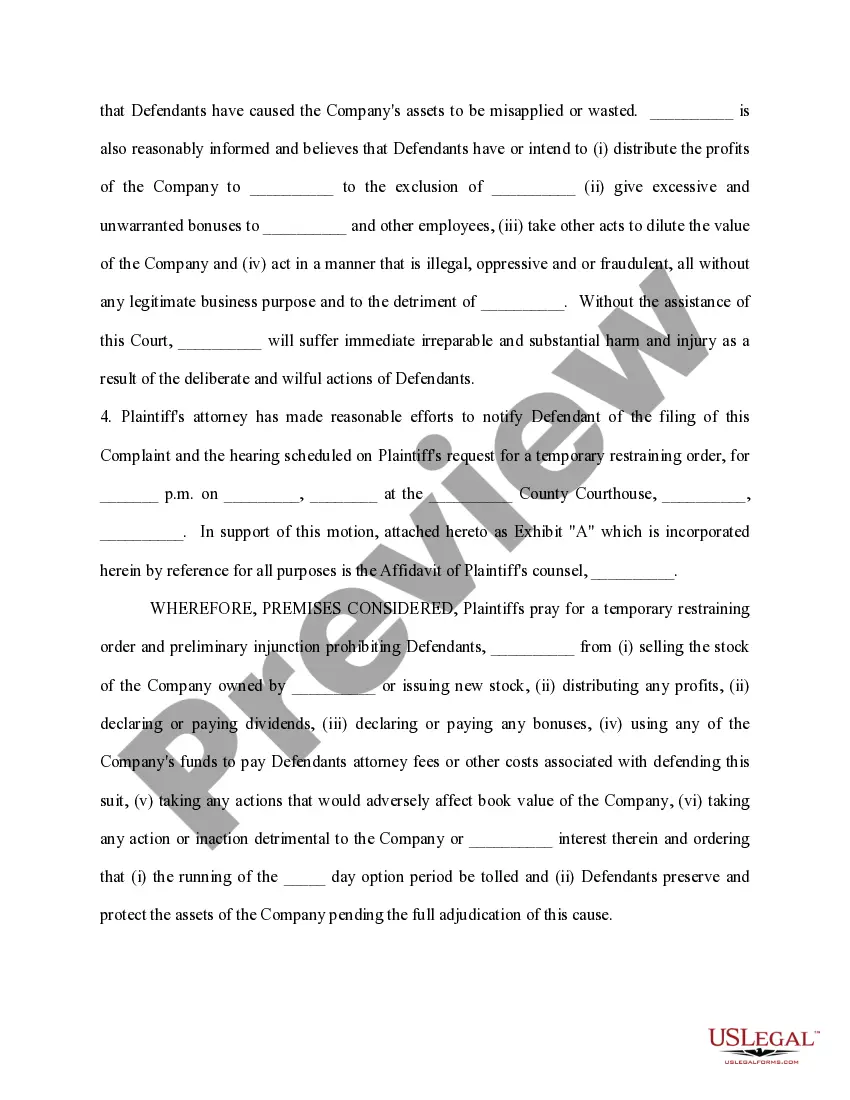
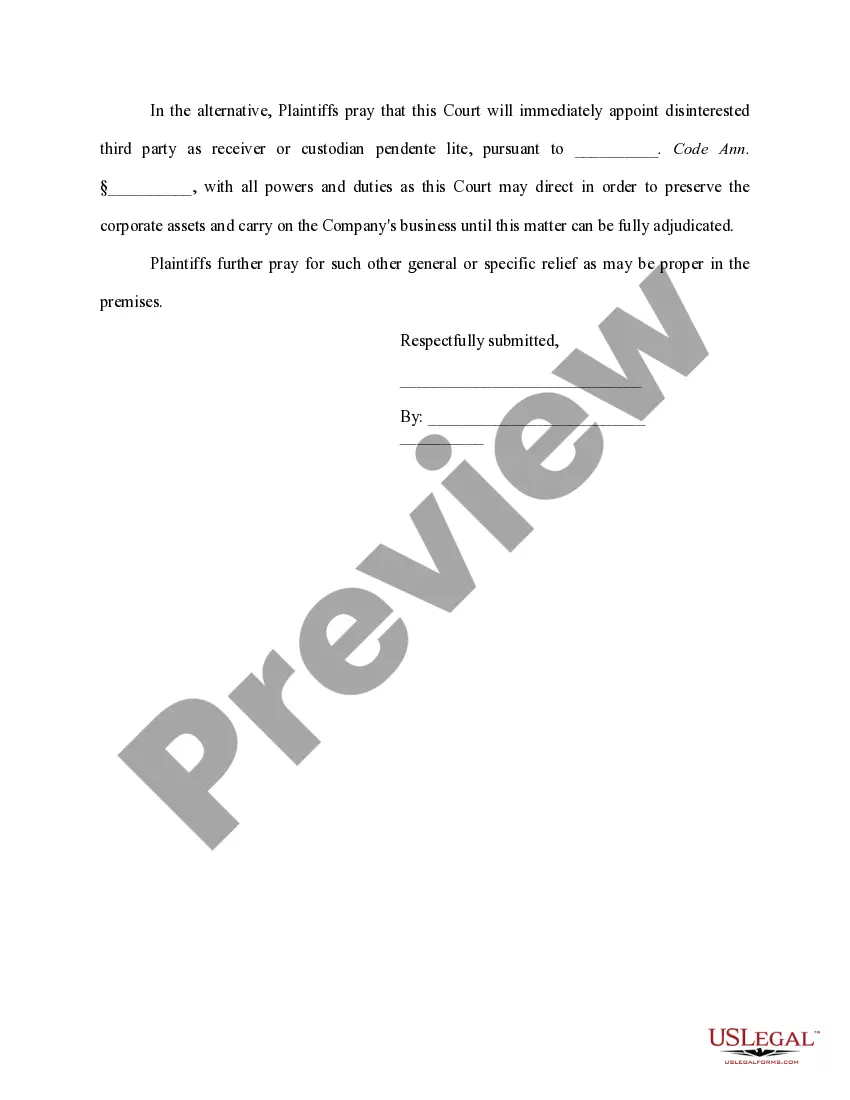

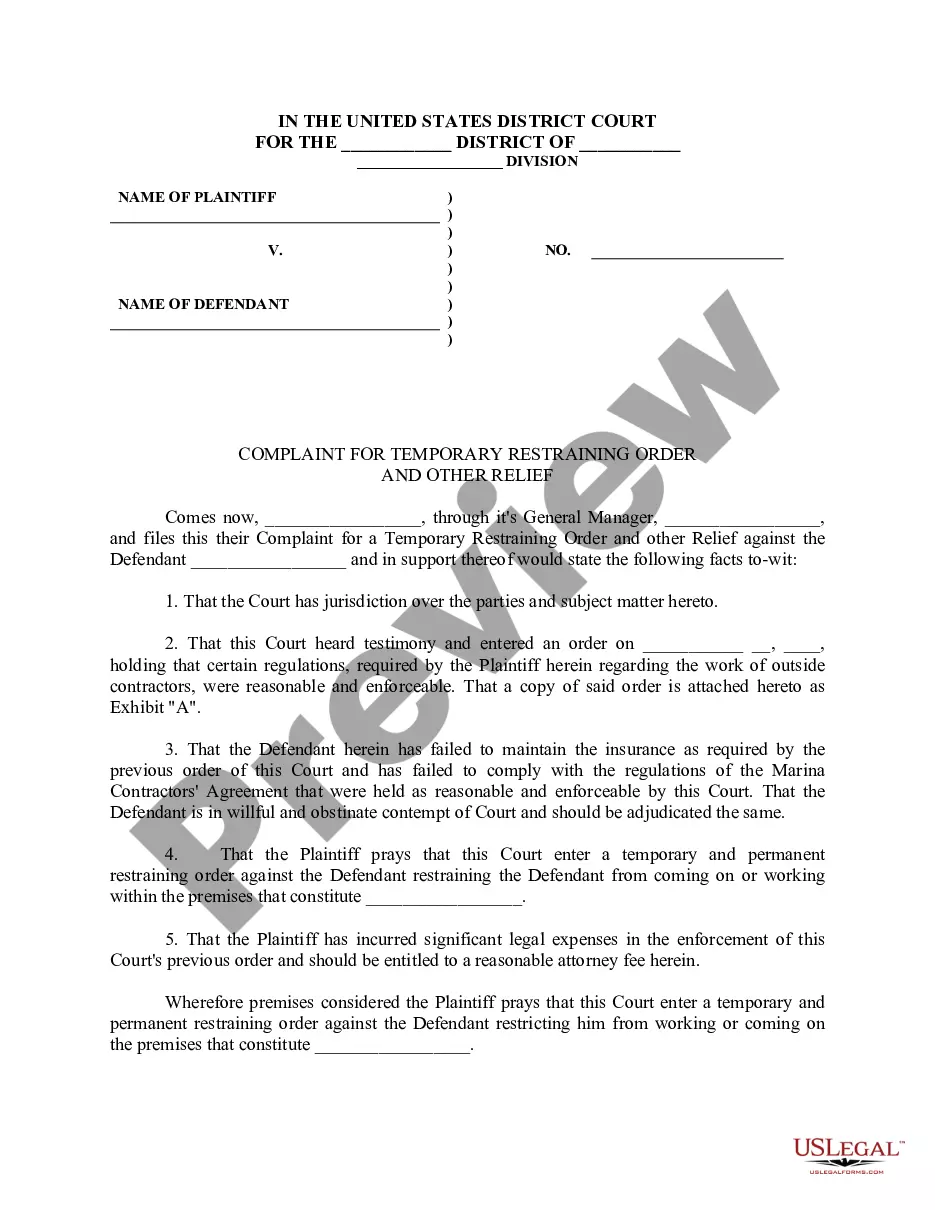
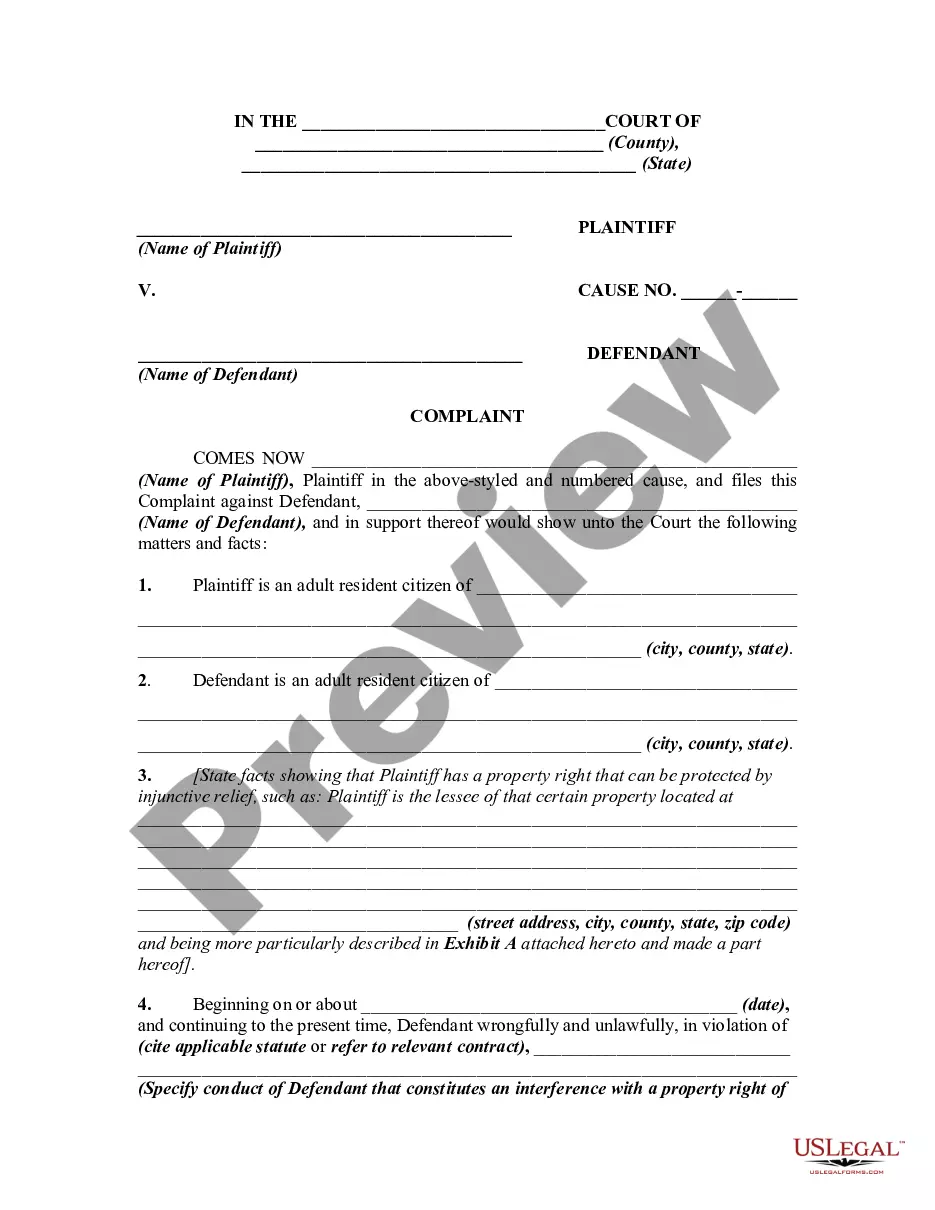
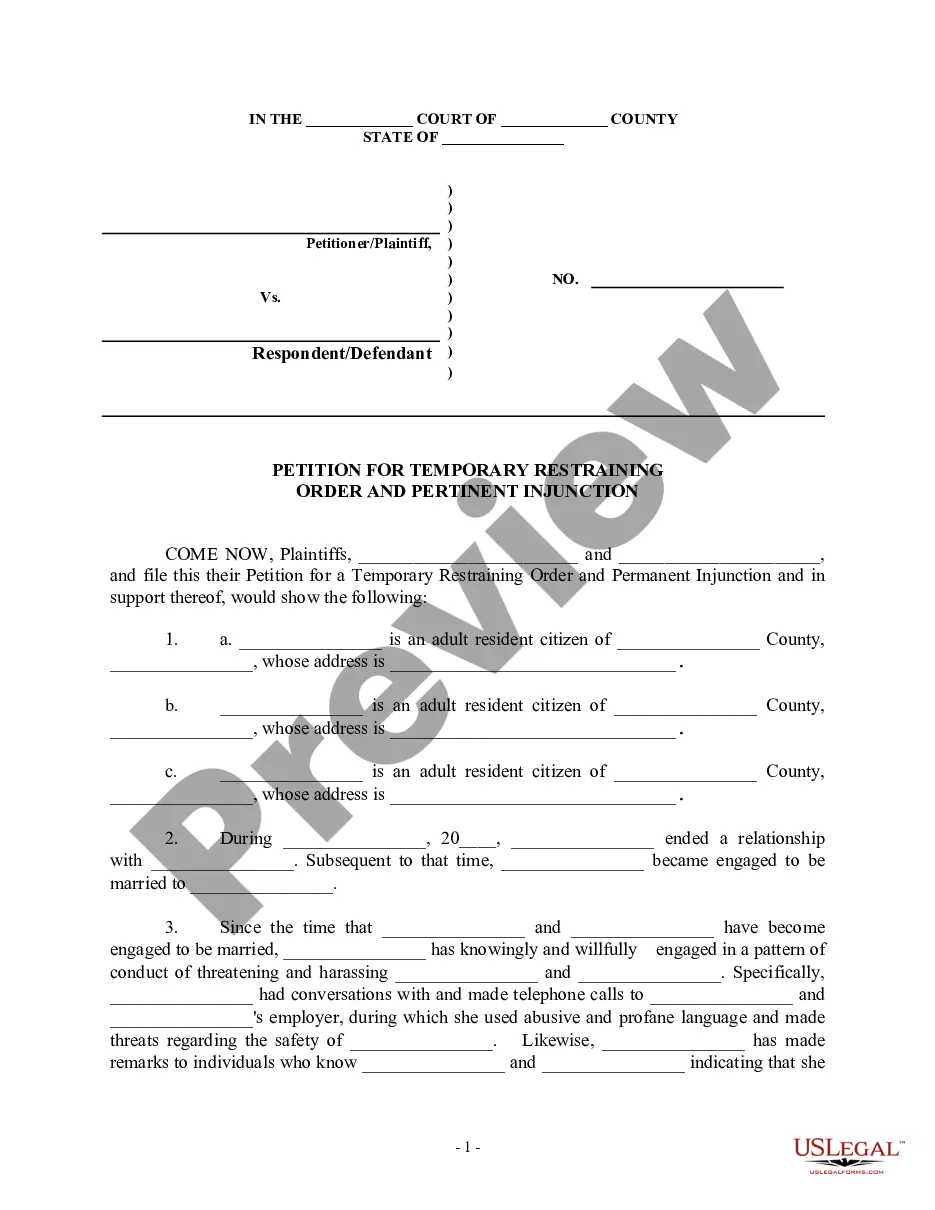

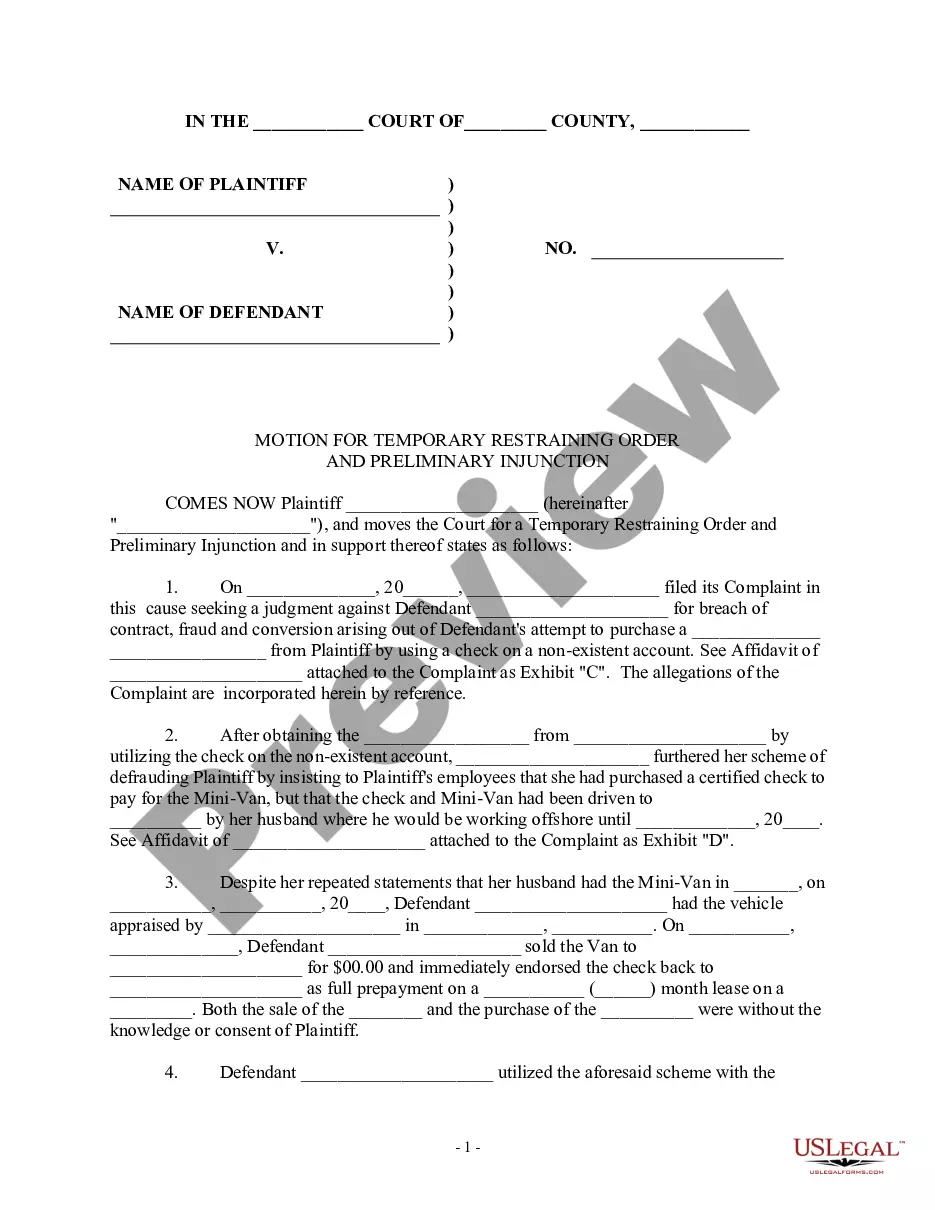
Get your form ready online
Our built-in tools help you complete, sign, share, and store your documents in one place.
Make edits, fill in missing information, and update formatting in US Legal Forms—just like you would in MS Word.
Download a copy, print it, send it by email, or mail it via USPS—whatever works best for your next step.
Sign and collect signatures with our SignNow integration. Send to multiple recipients, set reminders, and more. Go Premium to unlock E-Sign.
If this form requires notarization, complete it online through a secure video call—no need to meet a notary in person or wait for an appointment.
We protect your documents and personal data by following strict security and privacy standards.

Make edits, fill in missing information, and update formatting in US Legal Forms—just like you would in MS Word.

Download a copy, print it, send it by email, or mail it via USPS—whatever works best for your next step.

Sign and collect signatures with our SignNow integration. Send to multiple recipients, set reminders, and more. Go Premium to unlock E-Sign.

If this form requires notarization, complete it online through a secure video call—no need to meet a notary in person or wait for an appointment.

We protect your documents and personal data by following strict security and privacy standards.
Looking for another form?










How to fill out Complaint For Temporary Restraining Order, Preliminary Injunction And Permanent Injunction?
Managing legal documents can be perplexing, even for seasoned experts.
When you require a Restraining Order Against Get Force Them To Move and can't find the time to ensure you're using the correct and up-to-date version, the procedures can become overwhelming.
Gain access to a repository of articles, guides, tutorials, and resources that are highly relevant to your situation and requirements.
Conserve time and energy trying to locate the documents you need, and take advantage of US Legal Forms' advanced search and Review feature to locate and download your Restraining Order Against Get Force Them To Move.
Ensure that the sample is recognized in your state or county.
- If you have a monthly subscription, Log In to your US Legal Forms account, search for the form, and download it.
- Check the My documents tab to view previously saved documents and manage your folders as per your requirement.
- If this is your first experience with US Legal Forms, establish an account to gain unrestricted access to all library benefits.
- Here are the steps to follow after obtaining the form you wish.
- Confirm this is the correct form by previewing it and reviewing its description.
- Access legal and organizational forms specific to your state or county.
- US Legal Forms addresses any requirements you may have, from personal to business documents, all in one place.
- Employ sophisticated tools to prepare and handle your Restraining Order Against Get Force Them To Move.
Form popularity
FAQ
If you have a restraining order against get force them to move and both parties live in close proximity, the order will specify the distance the other person must maintain from you. This arrangement can affect your daily life, including shared spaces or properties. It’s crucial to follow the order closely, as violations can lead to legal consequences. Utilizing resources from platforms like US Legal Forms can guide you through this process to ensure your safety and compliance.
A restraining order against get force them to move is a legal document that prohibits an individual from approaching or contacting you. This order is designed to protect your safety and peace of mind by legally compelling the other person to maintain a specific distance. Typically, these orders are issued in situations involving harassment, stalking, or domestic violence. It's important to understand your rights and the proper legal steps to take, which platforms like US Legal Forms can help simplify.
To establish harassment in support of a restraining order against someone, you generally need concrete evidence of unwanted behavior. This might include text messages, emails, or witness testimonies that demonstrate a pattern of threat or intimidation. Clear documentation strengthens your case, helping the court understand the seriousness of your situation. US Legal Forms can help you compile the right evidence and offers templates that guide you in creating a strong case.
Dropping a protection order can be a straightforward process, but it ultimately depends on the specific circumstances. You may need to file a motion in court to request the removal of the restraining order against the individual you want to move on from. Courts typically require your request to be well-founded, ensuring that the safety concerns that initiated the order no longer exist. By using the resources available on US Legal Forms, you can access the necessary documents and guidance to navigate this process more smoothly.
First, you must fill out all the required California Judicial Council Forms or your civil harassment restraining order packet, notice the other side or request a waiver of notice, and submit the papers to the court. Wait for the judge to rule on the granting of a temporary restraining order and obtain the paperwork.
Stay Away Order vs Restraining Order The main difference is that the Stay-Away Order (Criminal Protective Order) arises out of a criminal case and is issued in criminal court by a Judge while the Civil Restraining Order is issued by civil or family law Judges.
Yes. It is possible to force an abuser to leave the home. Apply for a protective order that specifically asks for a kick-out order.
A: Generally, there is no difference between a restraining order and a protective order. California law uses them to refer to the same action. These words are used interchangeably for the same court order, which protects a person from abuse, stalking, violence, or threats of violence from another person.
Ex Parte Kick-Out: Under California Family Code § 6321, ?a court may issue an ex parte order excluding a party from the family dwelling, the dwelling of the other party, the common dwelling of both parties, or the dwelling of the person who has care, custody and control of a child to be protected from domestic violence ...