Restraining Order With Joint Custody
Description
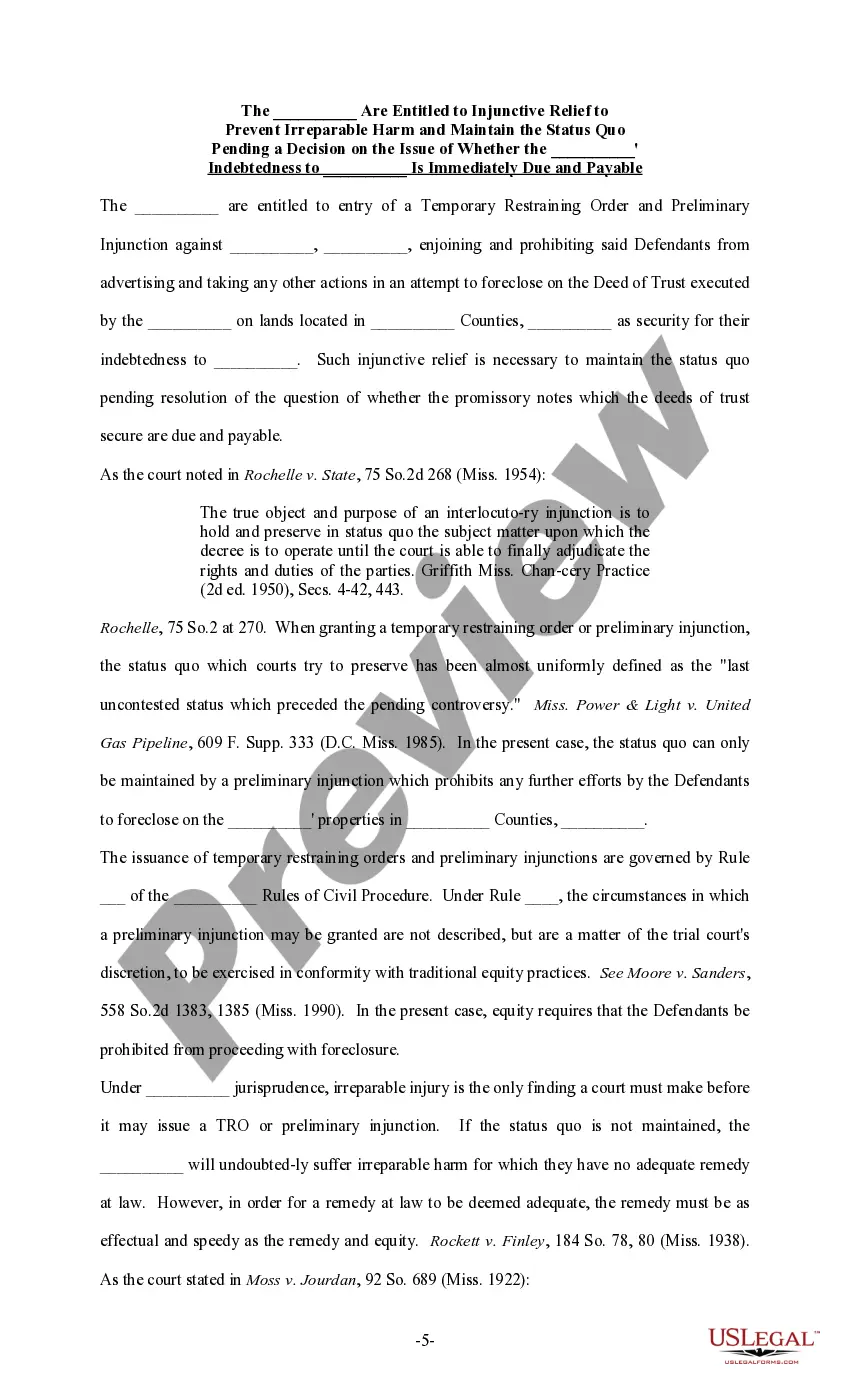
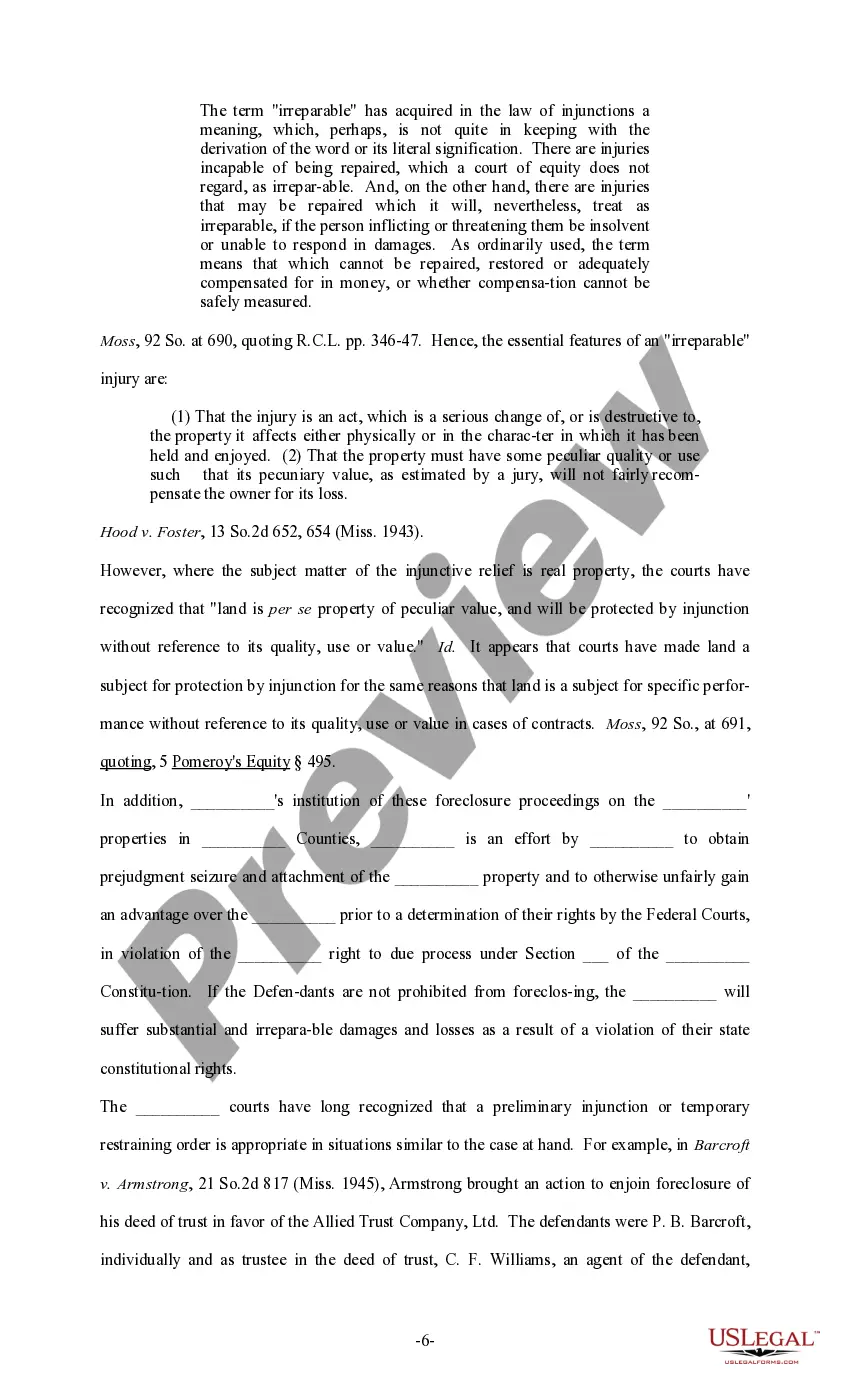
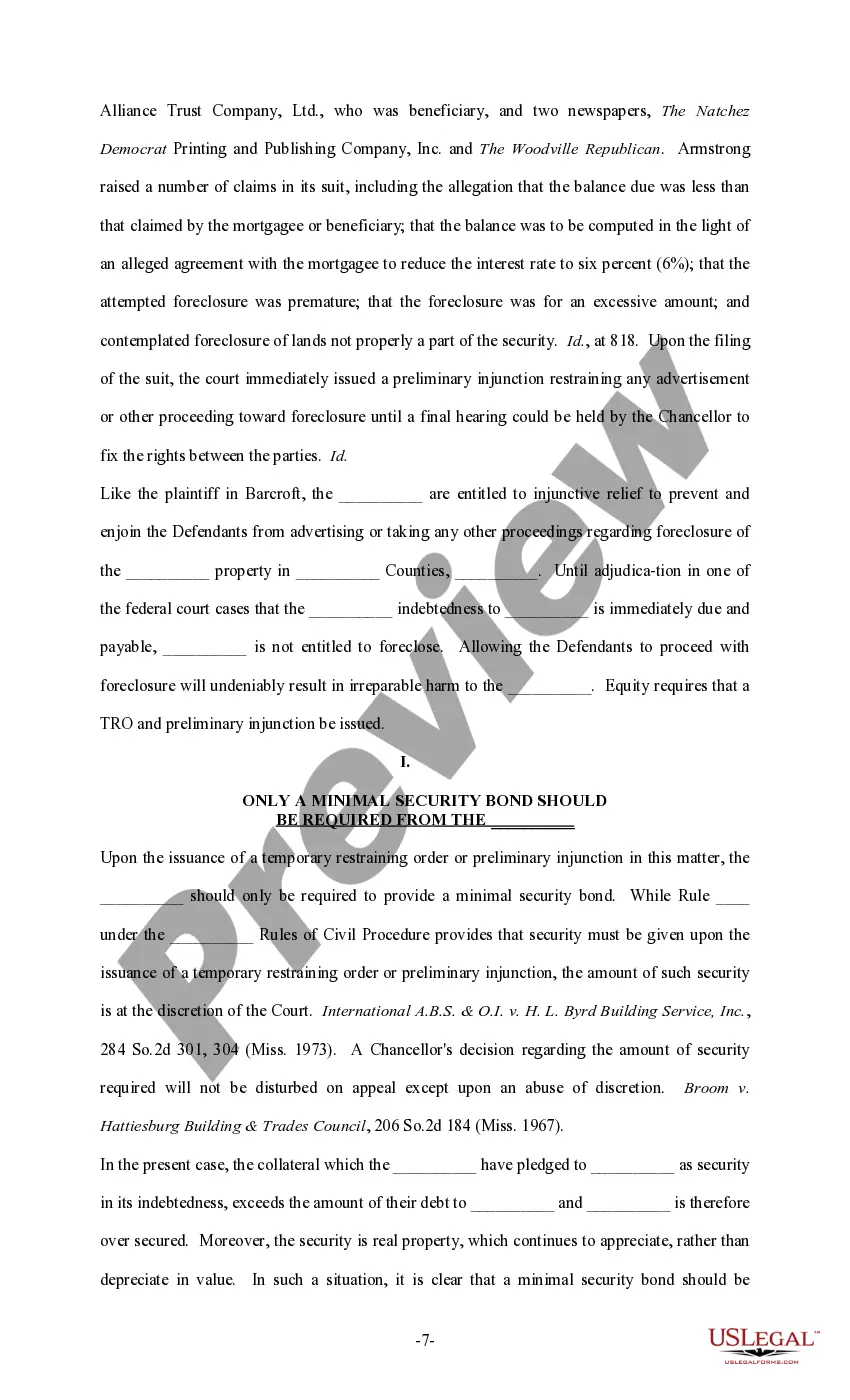
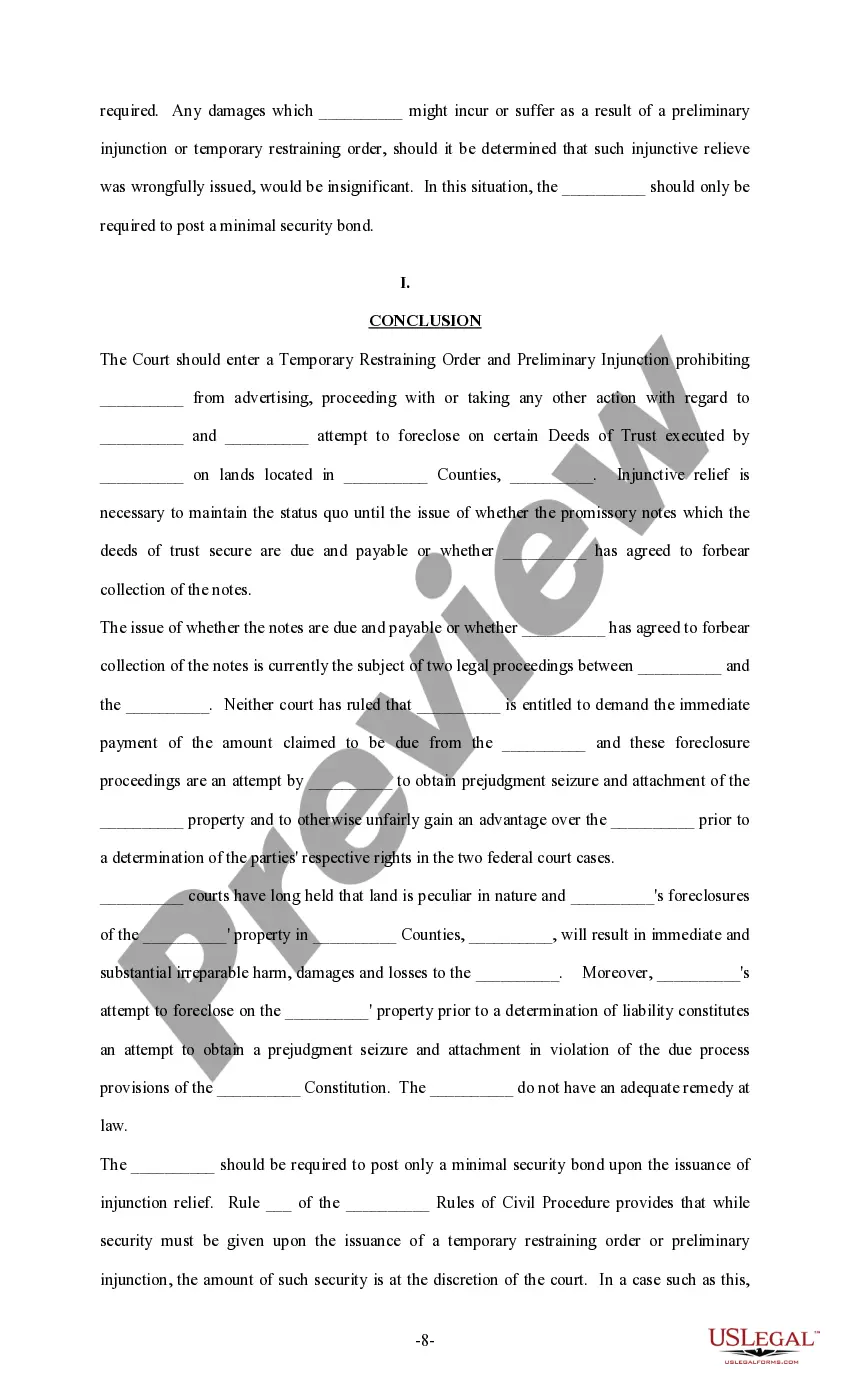

Get your form ready online
Our built-in tools help you complete, sign, share, and store your documents in one place.
Make edits, fill in missing information, and update formatting in US Legal Forms—just like you would in MS Word.
Download a copy, print it, send it by email, or mail it via USPS—whatever works best for your next step.
Sign and collect signatures with our SignNow integration. Send to multiple recipients, set reminders, and more. Go Premium to unlock E-Sign.
If this form requires notarization, complete it online through a secure video call—no need to meet a notary in person or wait for an appointment.
We protect your documents and personal data by following strict security and privacy standards.

Make edits, fill in missing information, and update formatting in US Legal Forms—just like you would in MS Word.

Download a copy, print it, send it by email, or mail it via USPS—whatever works best for your next step.

Sign and collect signatures with our SignNow integration. Send to multiple recipients, set reminders, and more. Go Premium to unlock E-Sign.

If this form requires notarization, complete it online through a secure video call—no need to meet a notary in person or wait for an appointment.

We protect your documents and personal data by following strict security and privacy standards.
Looking for another form?
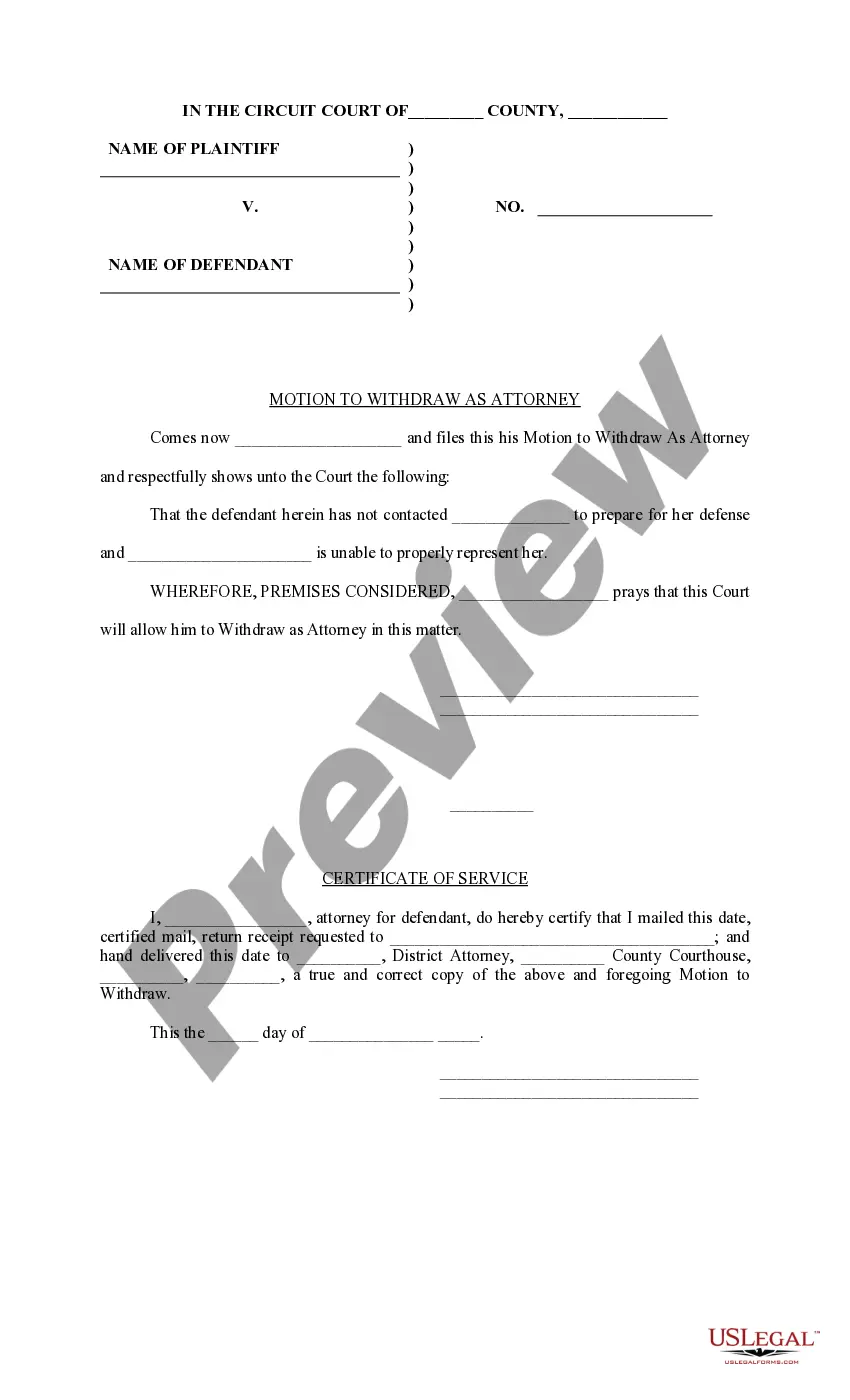
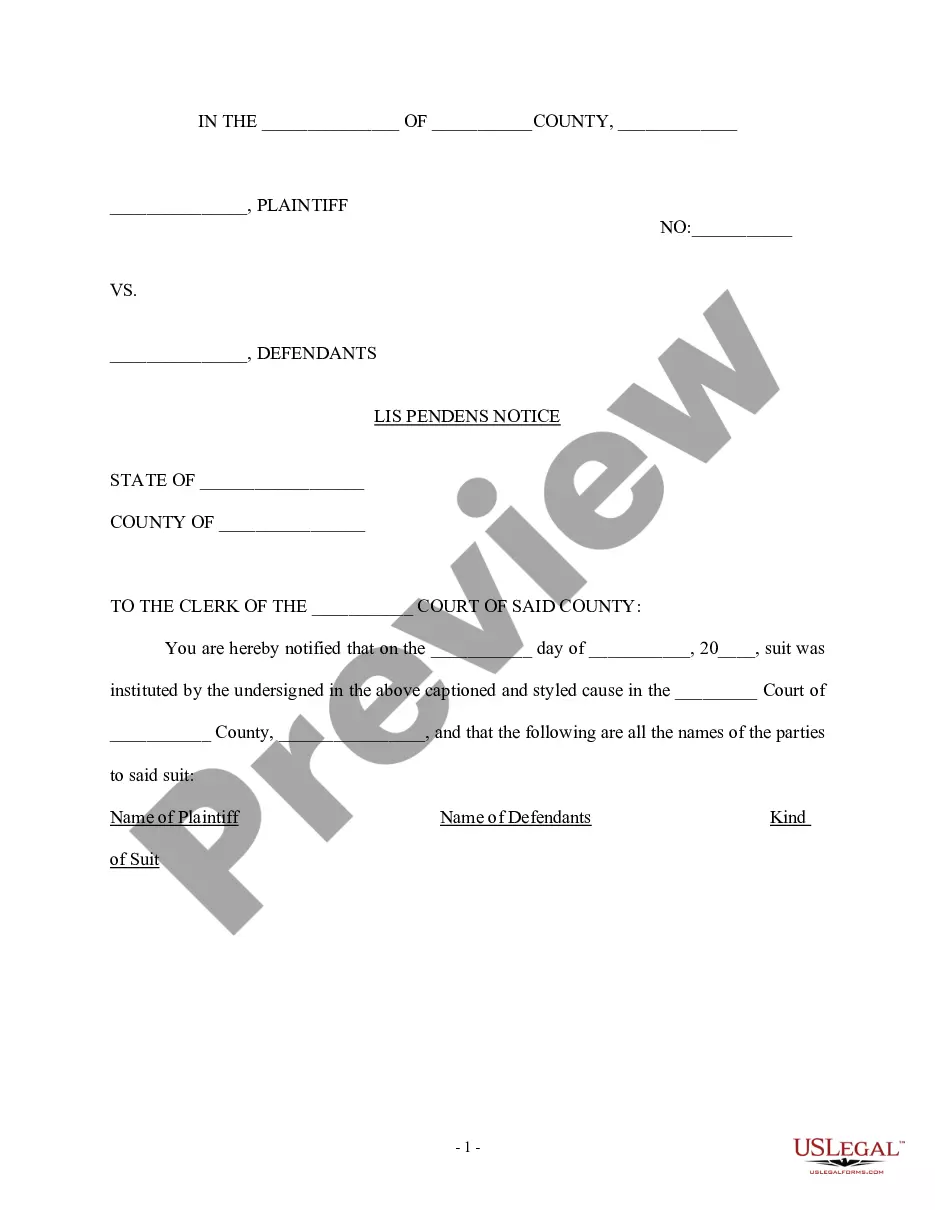



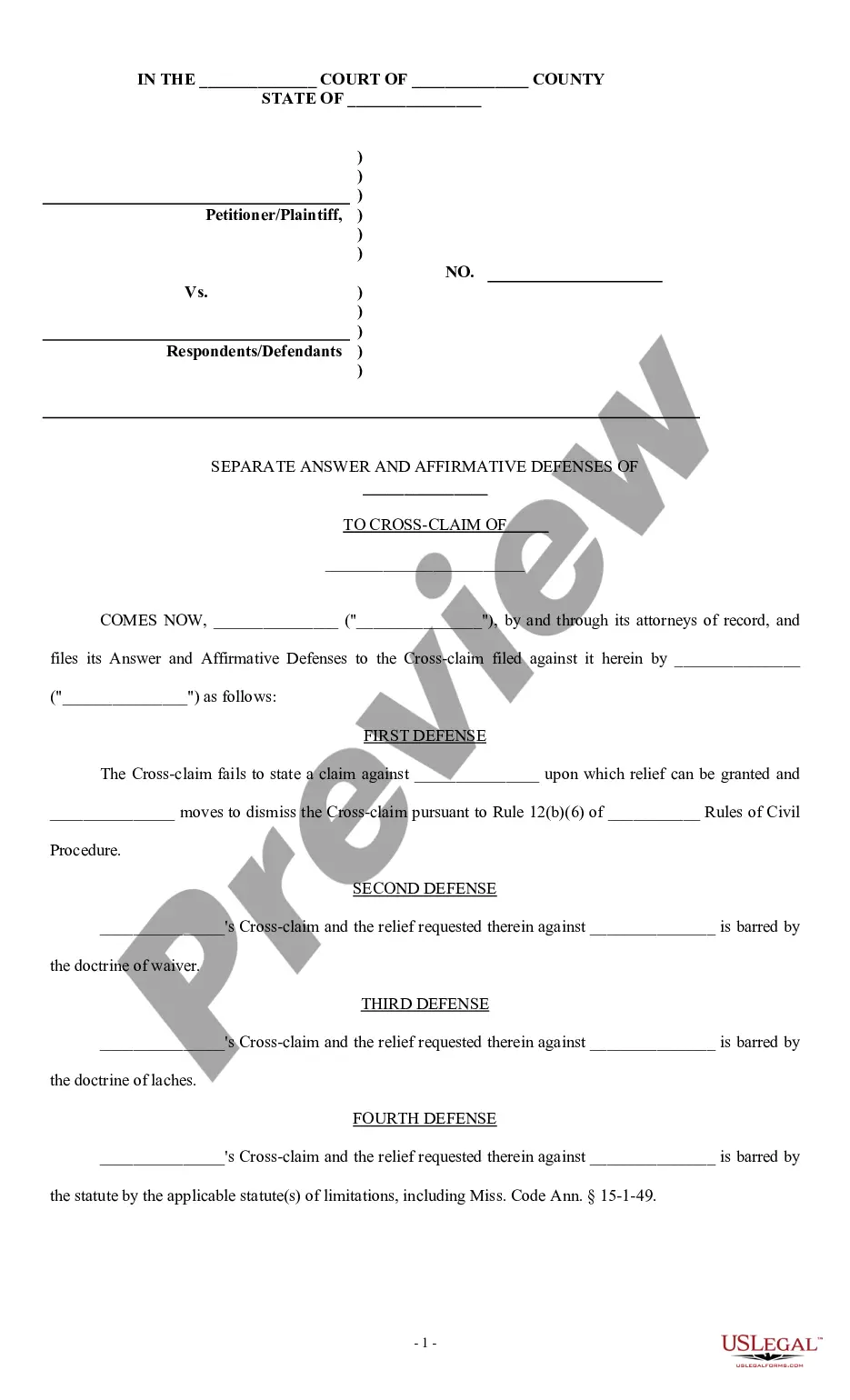



How to fill out Sample Brief - Injunction?
Regardless of whether it pertains to corporate affairs or personal issues, everyone inevitably faces legal circumstances at some point in their lives.
Completing legal documents necessitates meticulous attention, beginning with choosing the appropriate form template.
With a broad collection of US Legal Forms available, you will never waste time searching for the right template online. Utilize the library's straightforward navigation to find the appropriate template for any circumstance.
- Obtain the form you require by utilizing the search bar or browsing the catalog.
- Review the description of the form to confirm it aligns with your circumstances, state, and locality.
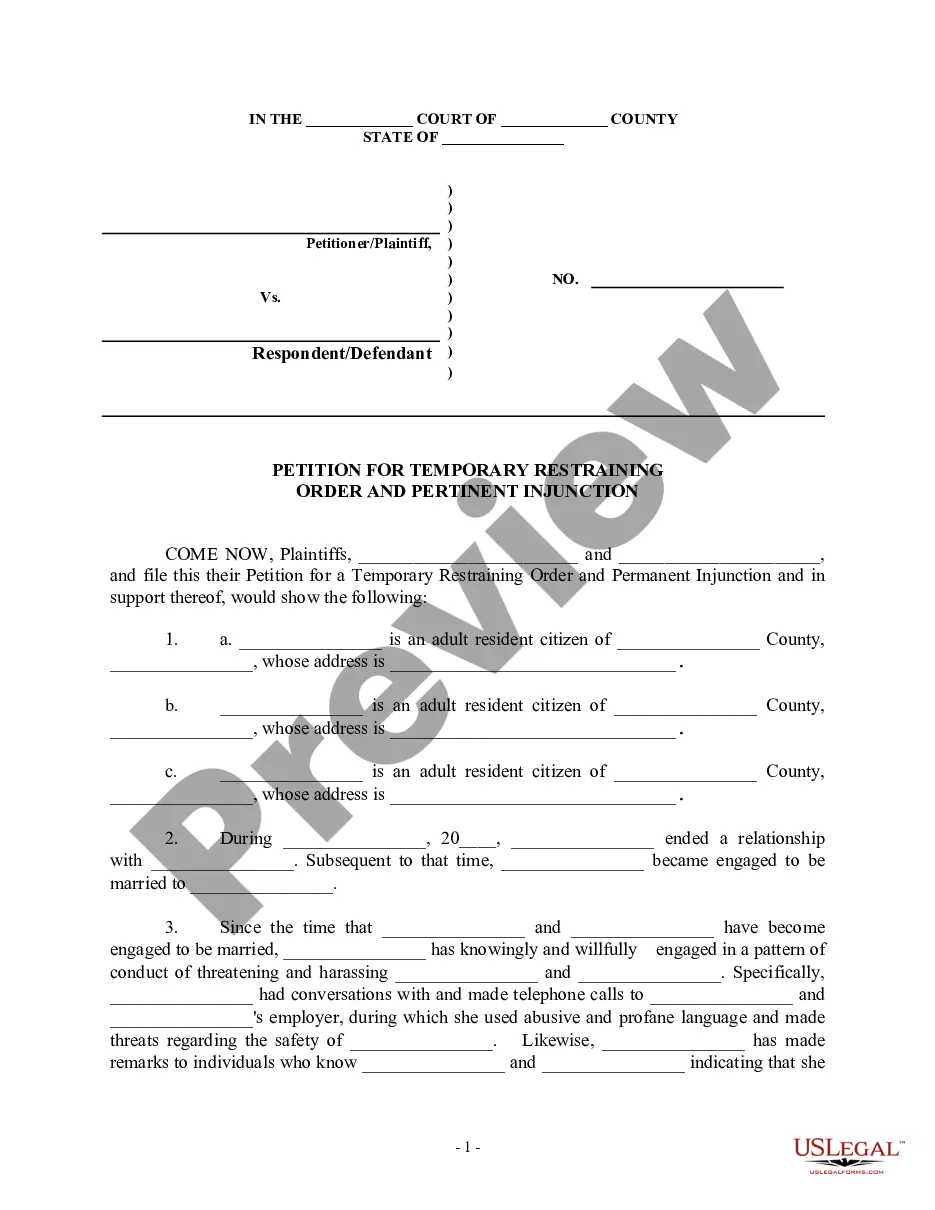
- Select the preview of the form to inspect it.
- If it is the incorrect document, return to the search option to find the Restraining Order With Joint Custody template you require.
- Download the template if it fulfills your criteria.
- If you have a US Legal Forms account, simply click Log in to access previously stored templates in My documents.
- In case you do not possess an account yet, you can acquire the form by clicking Buy now.
- Choose the appropriate payment option.
- Complete the profile registration form.
- Select your preferred payment method: either a credit card or PayPal account.
- Choose the file format you prefer and download the Restraining Order With Joint Custody.
- Once downloaded, you can either fill out the form using editing software or print it and complete it manually.
Form popularity
FAQ
To secure joint custody, you must demonstrate that it serves the best interests of the child. First, gather relevant documentation and evidence that supports your case, which could include proof of involvement in your child's life. Communicating openly with the other parent is crucial, as you may be able to reach an amicable agreement. If disputes arise, consider consulting legal resources at US Legal Forms to navigate the complexities of a restraining order with joint custody effectively.
An order of protection can be denied if the court finds insufficient evidence of harassment or threats, or if the request does not meet legal criteria. Factors such as lack of proof or failure to demonstrate an immediate threat can lead to denial. To strengthen your application, consider using USLegalForms to prepare your case effectively, ensuring your petition for a restraining order with joint custody stands a better chance of approval.
Restraining orders can be challenging to obtain due to the legal standards that require the presentation of clear and convincing evidence of immediate danger. Courts carefully evaluate the evidence and circumstances before granting an order to prevent misuse. USLegalForms provides guidance and templates to help you compile the necessary documentation to support your request for a restraining order with joint custody.
A restraining order in Tennessee is a legal order issued by the court to protect an individual from threats or violence, often including prohibitions against contact. It establishes the boundaries for interactions between the parties involved, particularly in cases of joint custody. Utilizing resources like USLegalForms can help you navigate the requirements for obtaining a restraining order with joint custody, making the process smoother.
In Tennessee, a restraining order may be justified due to domestic violence, stalking, harassment, or any credible threat of harm. The court assesses the circumstances presented, including past behavior patterns, to determine the necessity of the order. By using USLegalForms, you can ensure that you provide a clear and thorough justification for a restraining order with joint custody.
Co-parenting with a restraining order can be complex, as it requires both parents to communicate effectively while respecting the boundaries set by the order. It is essential to maintain safety and follow the guidelines established by the court regarding visitation and interaction. You can use tools like USLegalForms to create a detailed parenting plan that outlines co-parenting responsibilities while adhering to the terms of the restraining order with joint custody.
One of the biggest mistakes in a custody battle is to overlook documentation. Keeping records of interactions and any incidents is crucial, especially when navigating restraining orders with joint custody. Additionally, failing to prioritize your children’s welfare can backfire. Stay focused on what is best for them, and consider using platforms like uslegalforms to ensure you have the right resources.
During a custody battle, avoid making accusations or negative statements about the other parent. Focus on your children's best interests and express your goals clearly. It helps to maintain a tone that emphasizes cooperation, especially when discussing matters like restraining orders with joint custody. Remember, how you communicate can greatly influence the outcome of your case.
Yes, you can file a restraining order against a co-parent if you feel threatened or unsafe. A restraining order with joint custody can help protect you while maintaining access to your children. It’s vital to document any incidents leading to your decision, as this information will be important in court. Always seek legal advice to ensure you follow proper procedures.
In a custody battle, negative behavior can impact your case. Engaging in arguments, displaying poor parenting, or failing to provide a stable environment can be detrimental. Courts scrutinize actions closely, especially when joint custody is involved. If you find yourself needing a restraining order with joint custody, ensure your behavior reflects your commitment to co-parenting.