Legal Brief Templates
Description
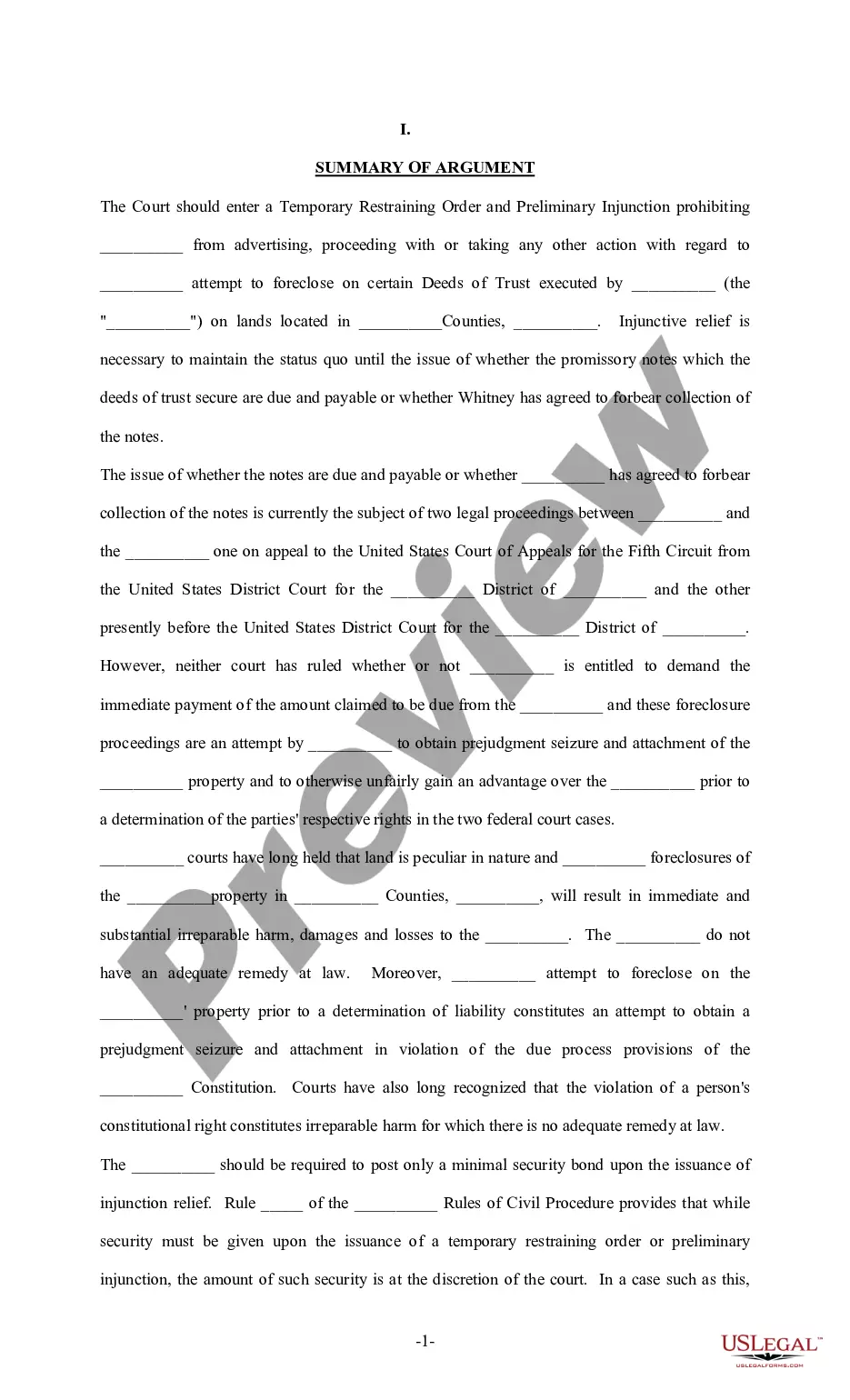
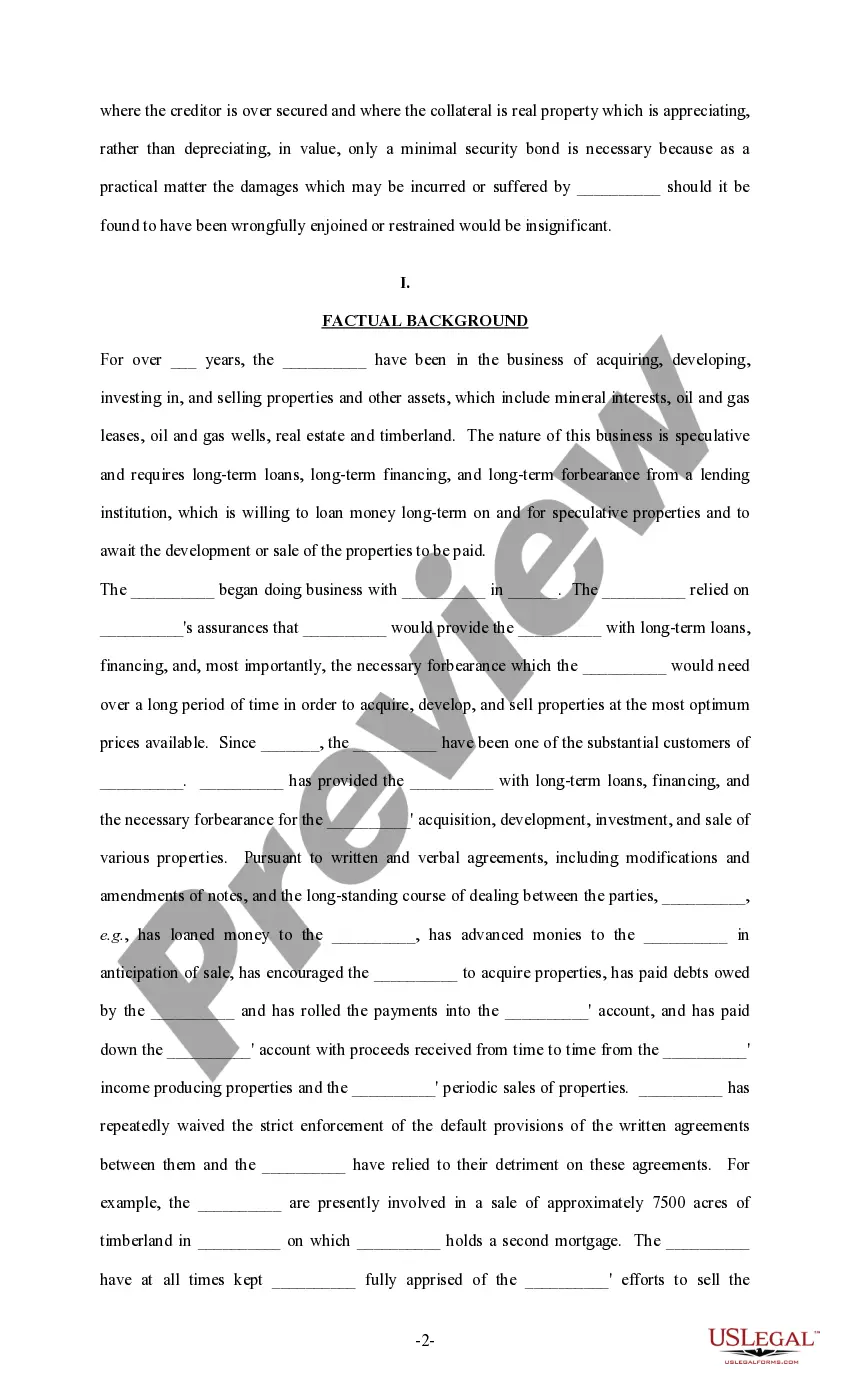
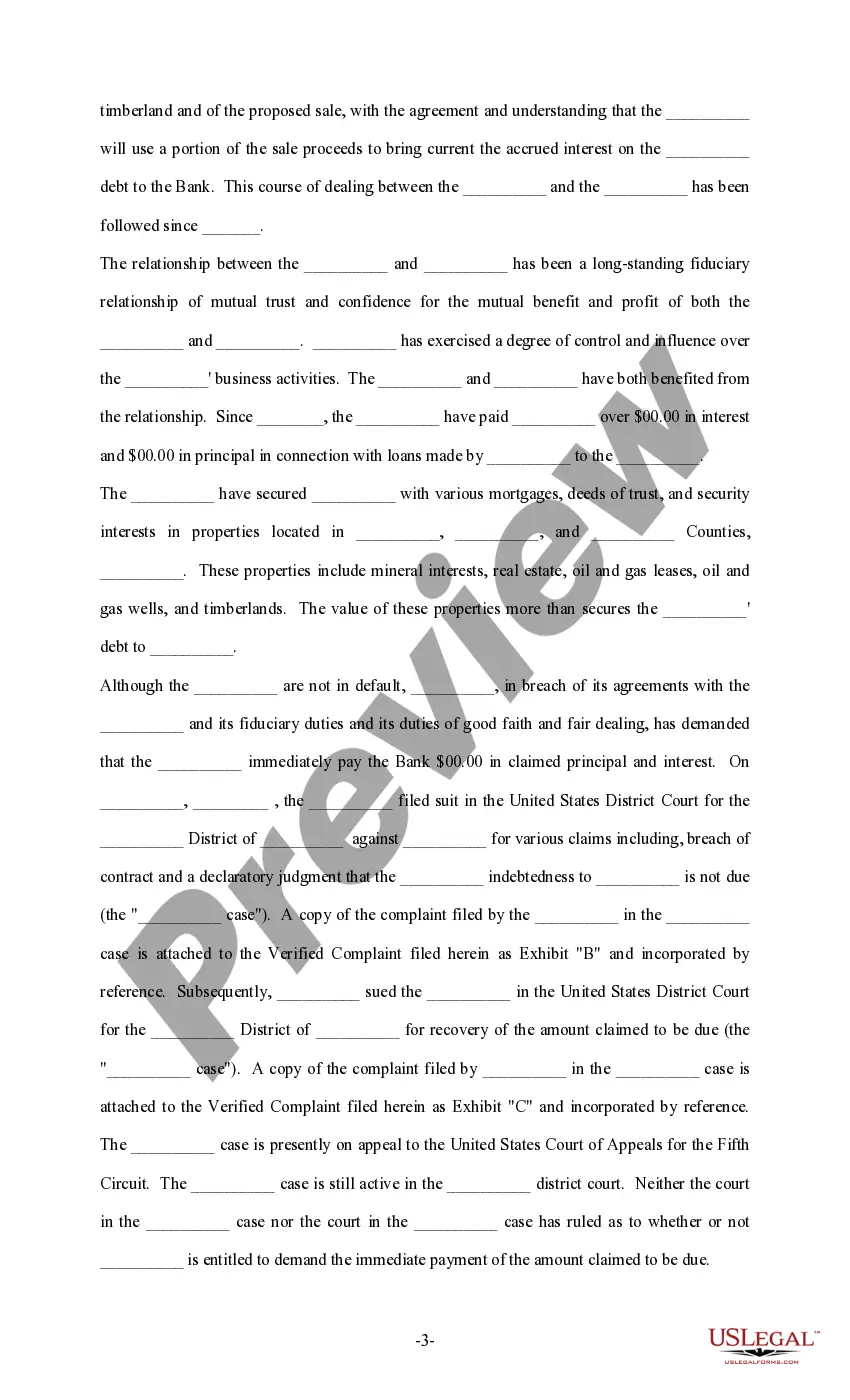
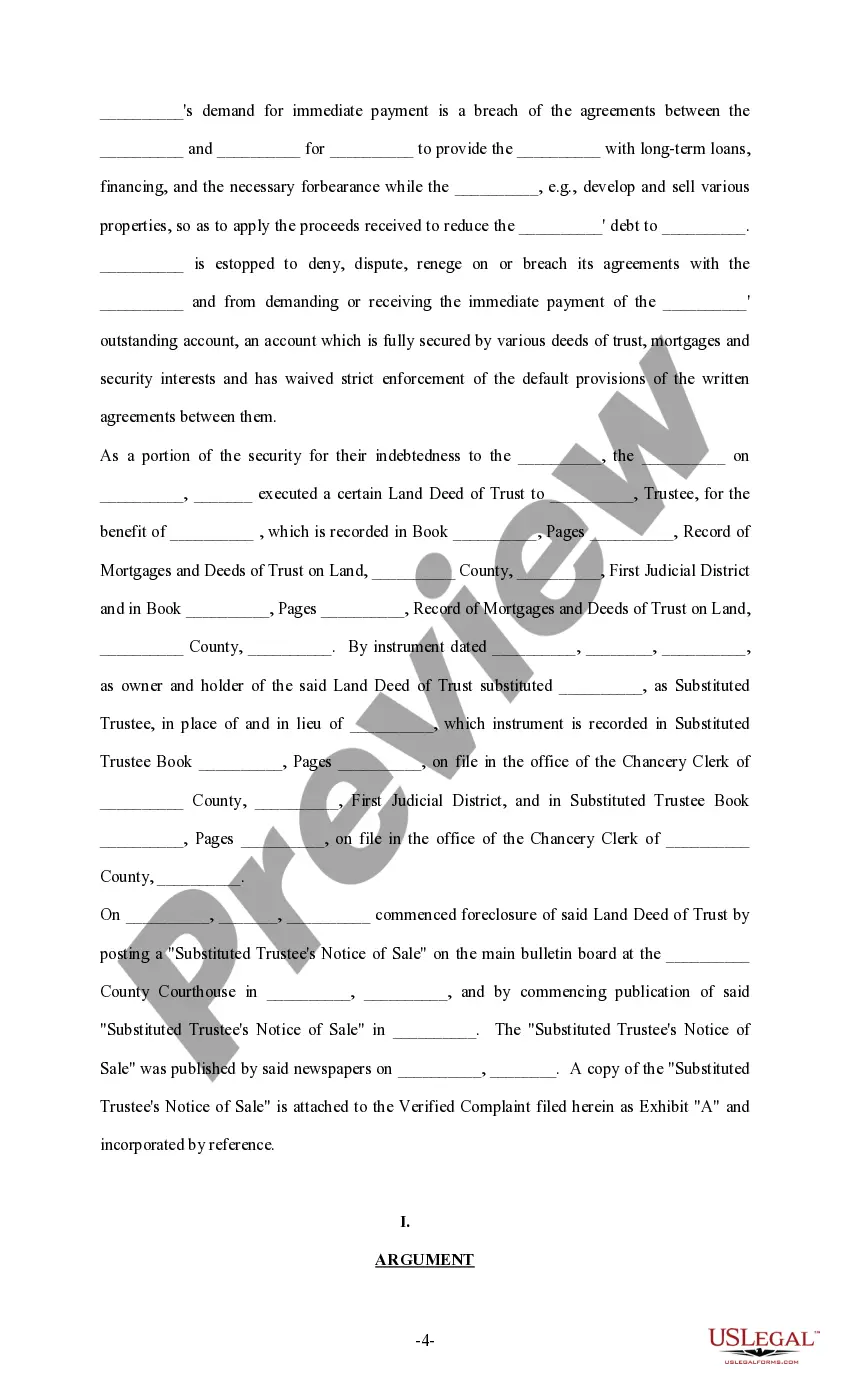
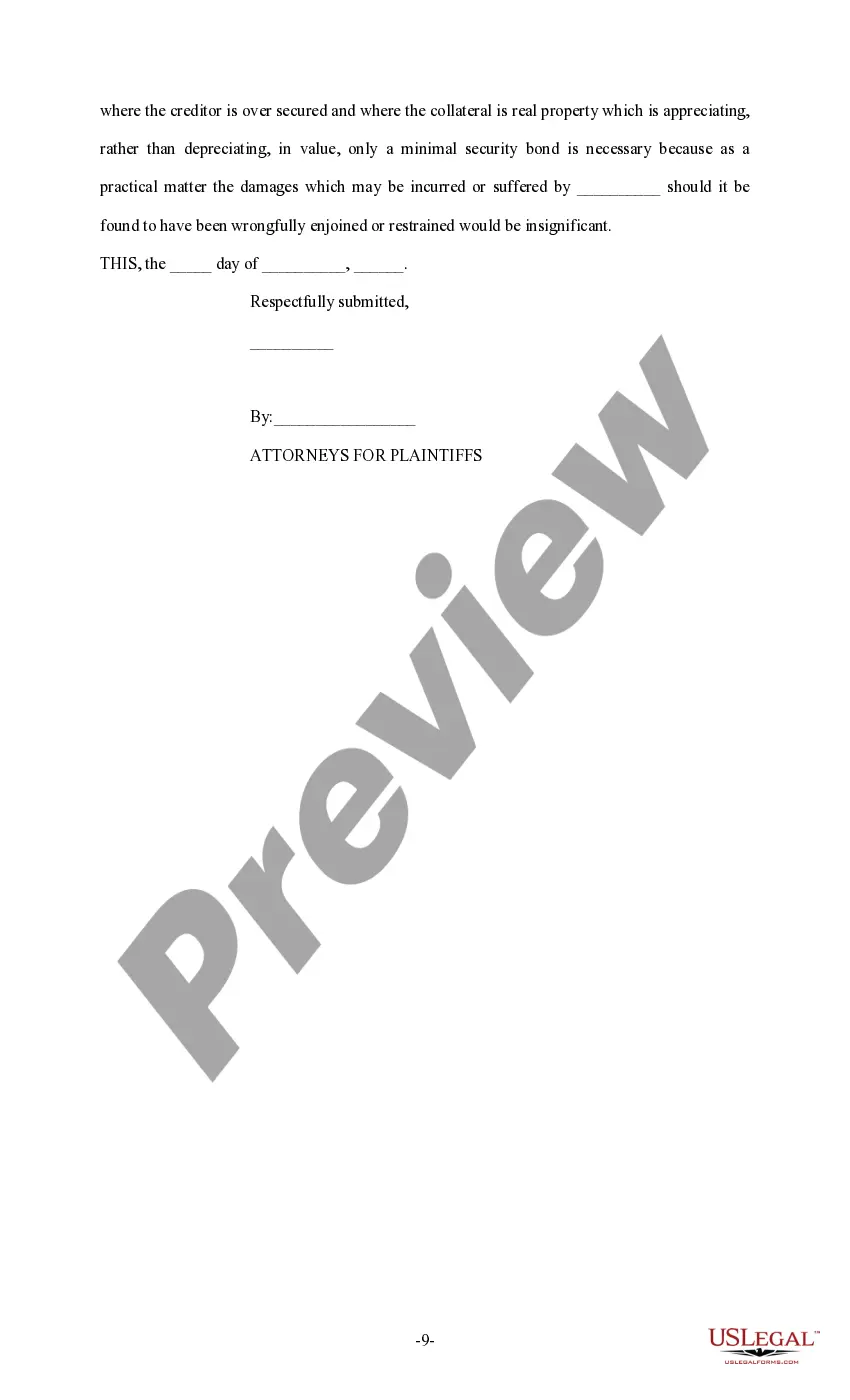
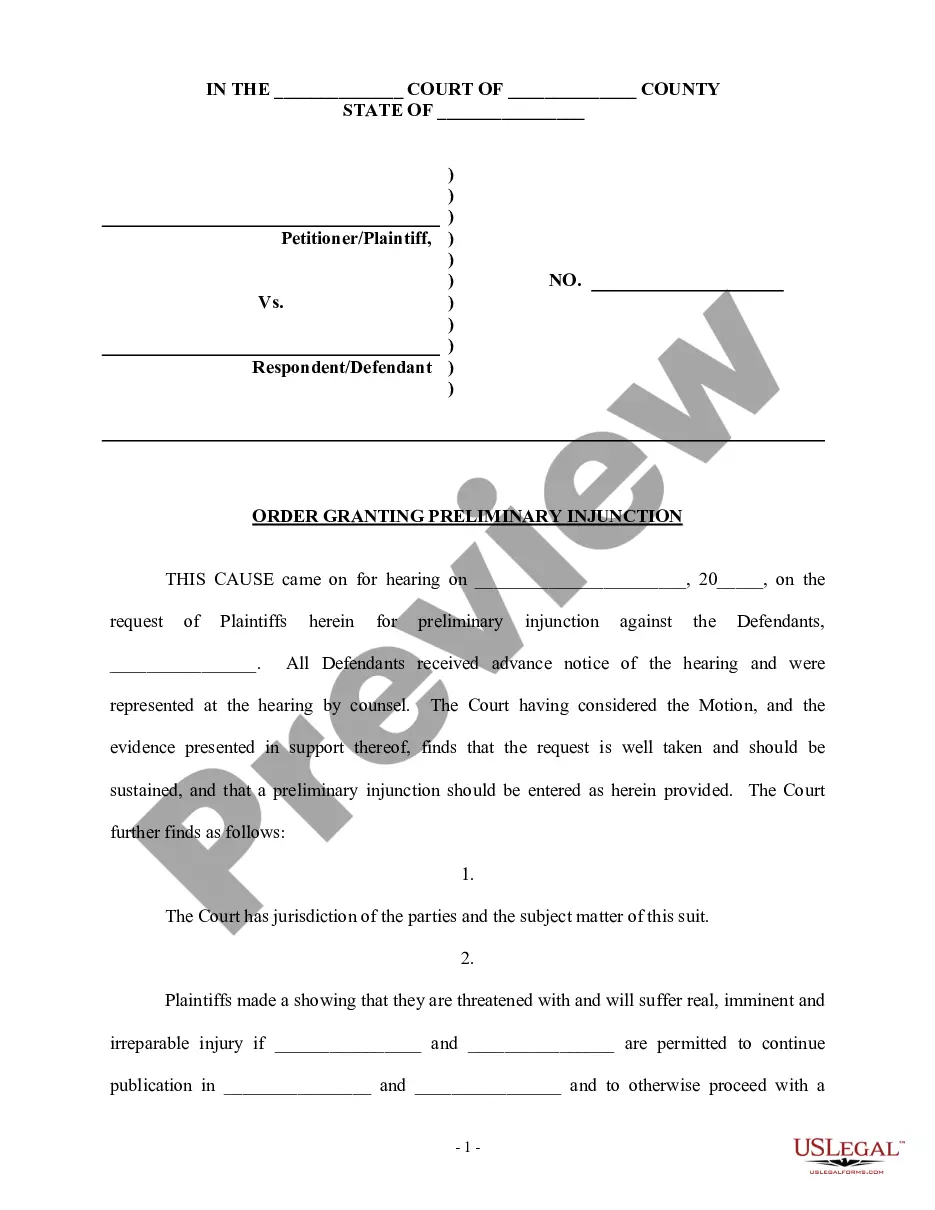
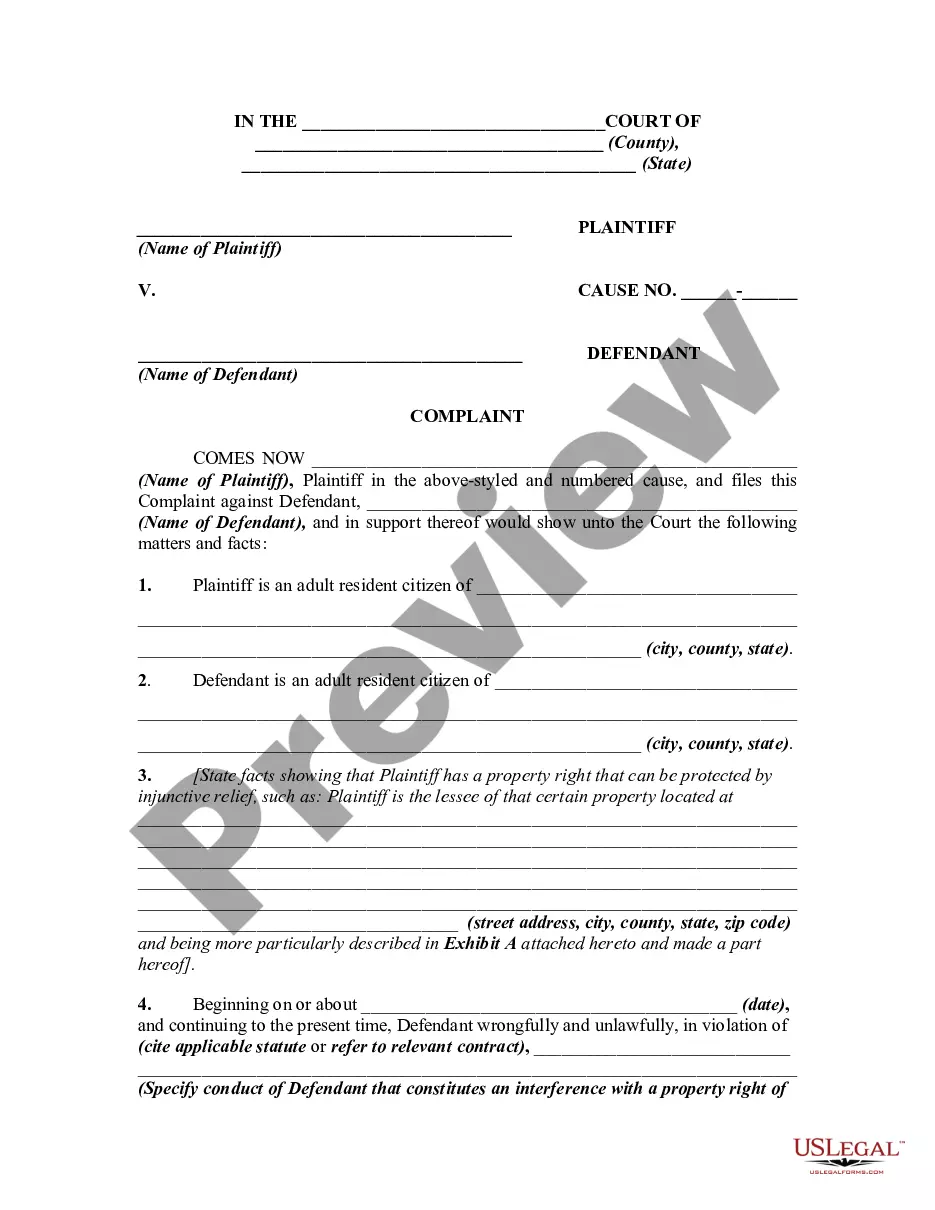
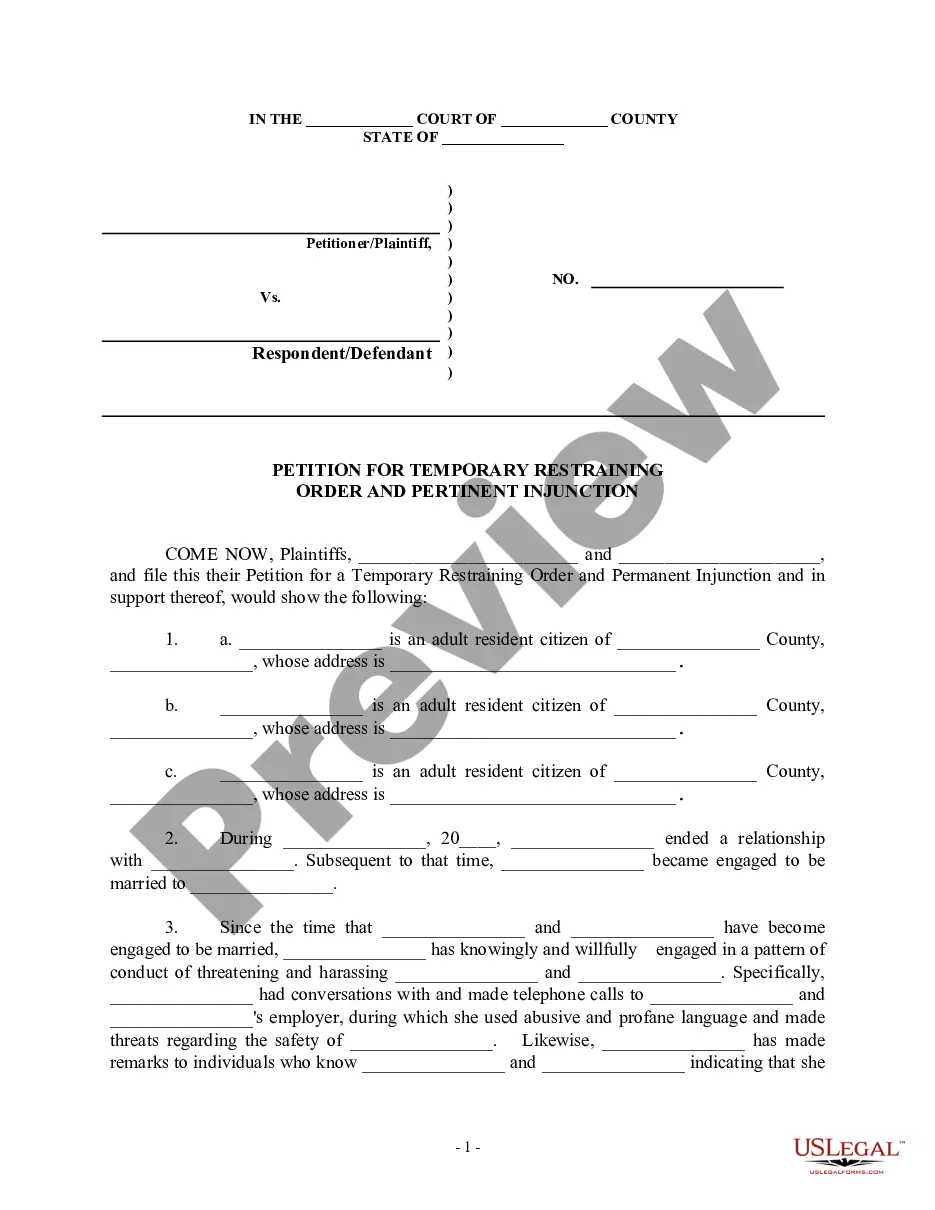

Get your form ready online
Our built-in tools help you complete, sign, share, and store your documents in one place.
Make edits, fill in missing information, and update formatting in US Legal Forms—just like you would in MS Word.
Download a copy, print it, send it by email, or mail it via USPS—whatever works best for your next step.
Sign and collect signatures with our SignNow integration. Send to multiple recipients, set reminders, and more. Go Premium to unlock E-Sign.
If this form requires notarization, complete it online through a secure video call—no need to meet a notary in person or wait for an appointment.
We protect your documents and personal data by following strict security and privacy standards.

Make edits, fill in missing information, and update formatting in US Legal Forms—just like you would in MS Word.

Download a copy, print it, send it by email, or mail it via USPS—whatever works best for your next step.

Sign and collect signatures with our SignNow integration. Send to multiple recipients, set reminders, and more. Go Premium to unlock E-Sign.

If this form requires notarization, complete it online through a secure video call—no need to meet a notary in person or wait for an appointment.

We protect your documents and personal data by following strict security and privacy standards.
Looking for another form?






How to fill out Sample Brief - Injunction?
- If you're an existing user, log in to your account to download your needed template by clicking the Download button. Ensure your subscription is up to date, or renew it according to your payment plan.
- If this is your first time, start by reviewing the Preview mode and form description to ensure you select the correct legal brief template that meets your local requirements.
- If the template doesn't meet your needs, utilize the Search tab to find an alternative template.
- Once you identify the correct document, click the Buy Now button and choose a suitable subscription plan. You will need to create an account for full access.
- Proceed with your purchase by entering your credit card details or opting for PayPal to complete the payment.
- Finally, download your form to your device. You can access it later in the My Forms section of your profile.
With US Legal Forms, you benefit from a robust collection of over 85,000 fillable legal templates, making it easier than ever to find the right document for your needs.
Take control of your legal documentation today. Visit US Legal Forms and streamline your legal processes with our trusted templates!
Form popularity
FAQ
Formatting a legal memo involves several key steps. Start with a clear heading that includes the date, the recipient's name, and the subject. Next, include an introduction that outlines the purpose of the memo, followed by a statement of facts, analysis, and a conclusion. Utilizing legal brief templates can streamline this process, providing a structured approach that helps convey your message clearly and effectively.
Writing a proper brief involves clarity, structure, and persuasive language. Begin with a solid introduction, outline your main arguments in the body, and conclude effectively. Using legal brief templates can aid in organizing your thoughts and ensuring a professional presentation.
To write a simple legal brief, start by clearly defining your main argument. Follow this with supporting facts and relevant legal precedents. Legal brief templates provide straightforward layouts that help streamline your writing, ensuring you stay focused and organized.
The format for a legal brief typically includes a caption, table of contents, statement of issues, statement of facts, argument section, and conclusion. Each section plays a critical role in conveying your legal arguments clearly. Legal brief templates can simplify this formatting process, ensuring that all necessary components are included.
Writing a legal brief can seem daunting, but it becomes manageable with a structured approach. Start by outlining the key arguments, followed by a statement of facts, and then develop your legal theories. Using legal brief templates can provide a helpful framework, guiding you through each section methodically.
Legal memos and legal briefs serve distinct purposes. A legal memo often provides detailed analysis and recommendations on a specific issue, while a legal brief presents arguments aimed at persuading a court. By utilizing legal brief templates, you can structure your document effectively, highlighting persuasive elements and supporting evidence.
The ideal length of a legal brief often varies depending on the specific court or jurisdiction. Generally, a legal brief should be concise, typically ranging from 5 to 20 pages. When using legal brief templates, you can focus on essential information, ensuring clarity while adhering to page limits.
Creating a legal brief in Word is straightforward. Start by selecting the appropriate template that meets your needs. You can then input your case details, utilizing formatting tools to ensure clarity and professional presentation. Using legal brief templates in Word can save time and ensure consistency in your documentation process.
To format a legal brief, start with a title page, followed by an index of contents, and then organize your body into distinct sections: statement of facts, legal issues, arguments, and a conclusion. Each section should be clearly marked to facilitate easy navigation. Employing legal brief templates can greatly aid in achieving an organized and professional presentation.
The IRAC format stands for Issue, Rule, Application, and Conclusion. This method helps you structure your legal argument systematically, promoting clarity and efficiency. By integrating legal brief templates that follow the IRAC format, you can streamline your writing process and make sure you cover all essential components.