Case Brief For Terry V Ohio
Description
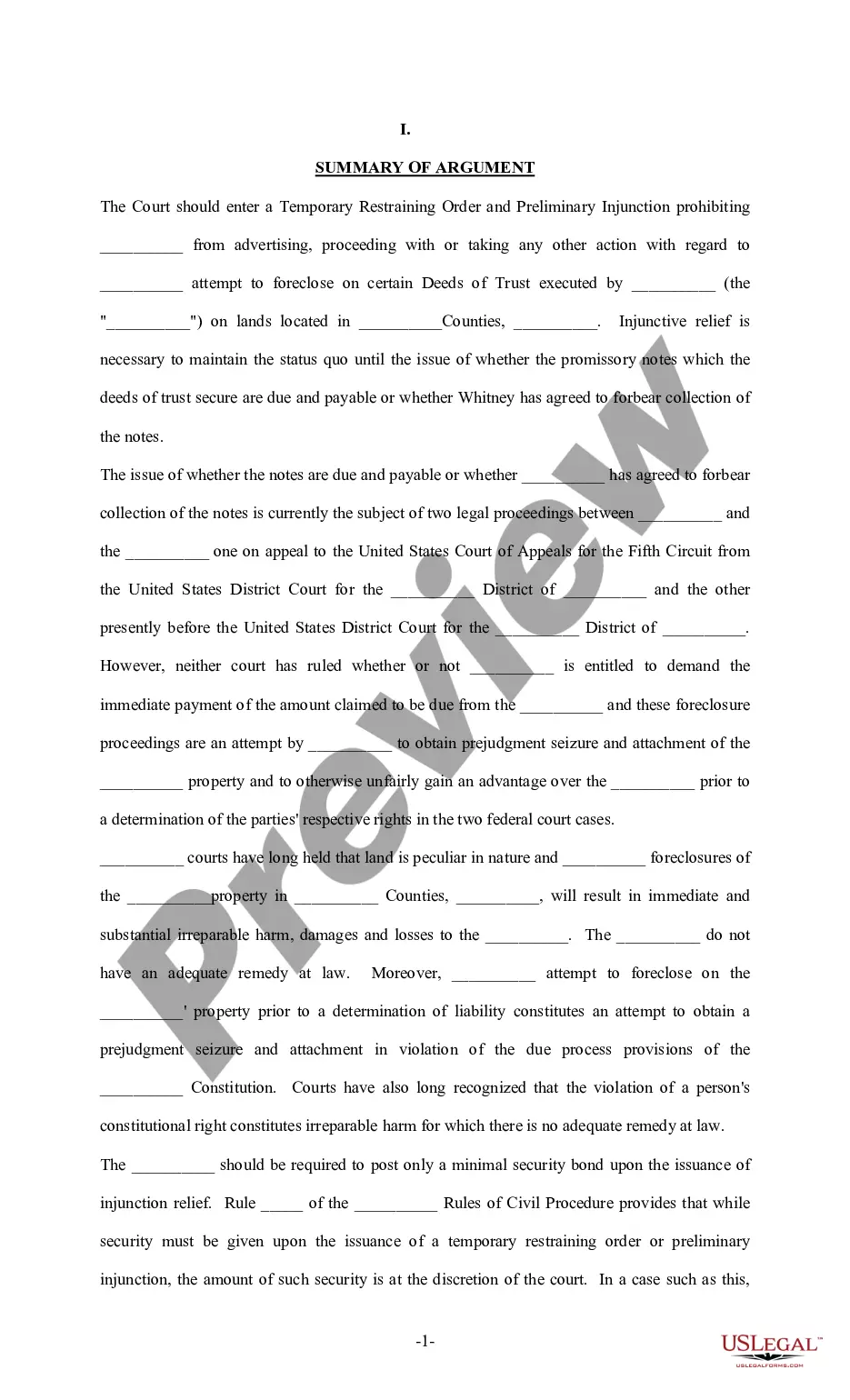
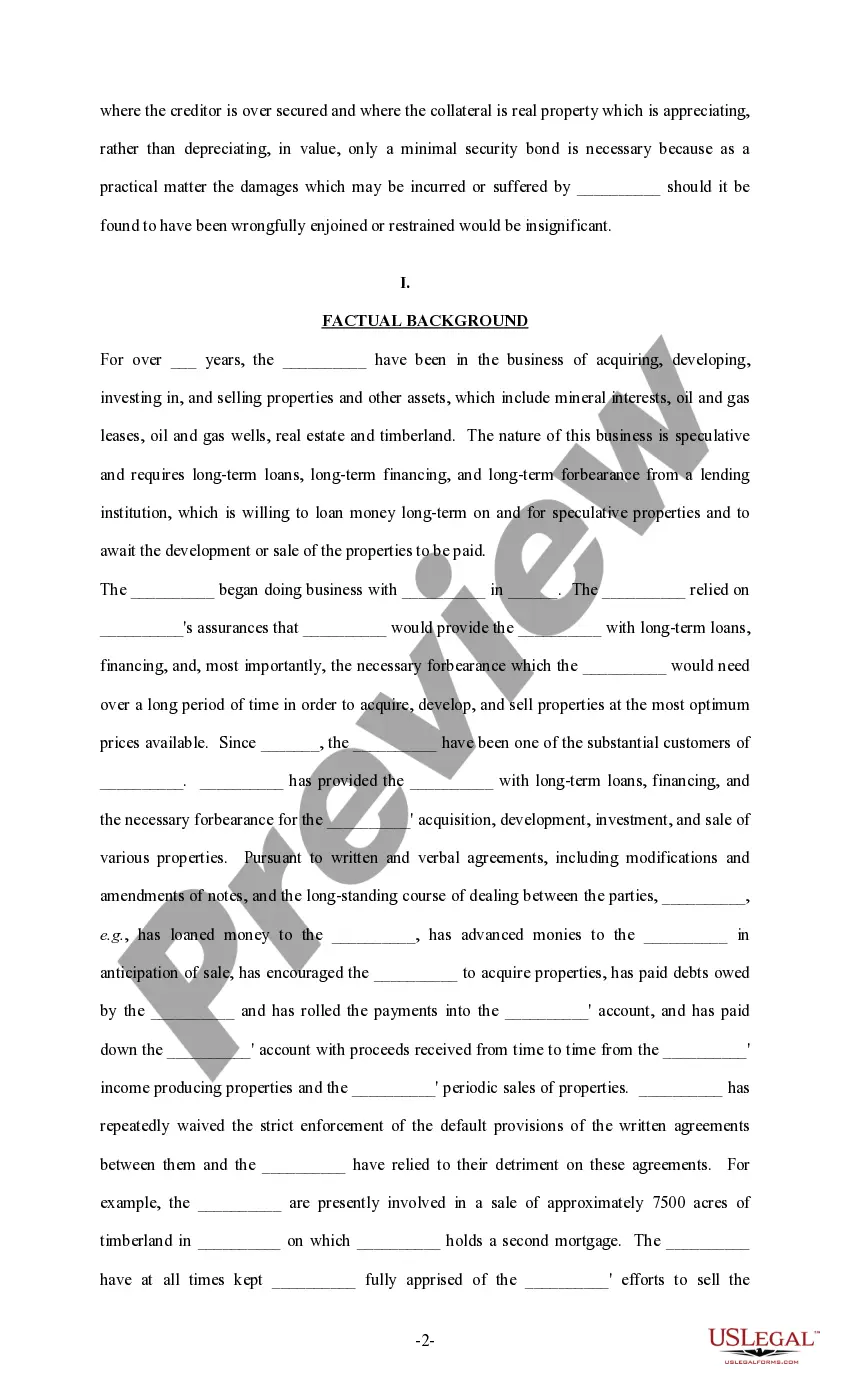
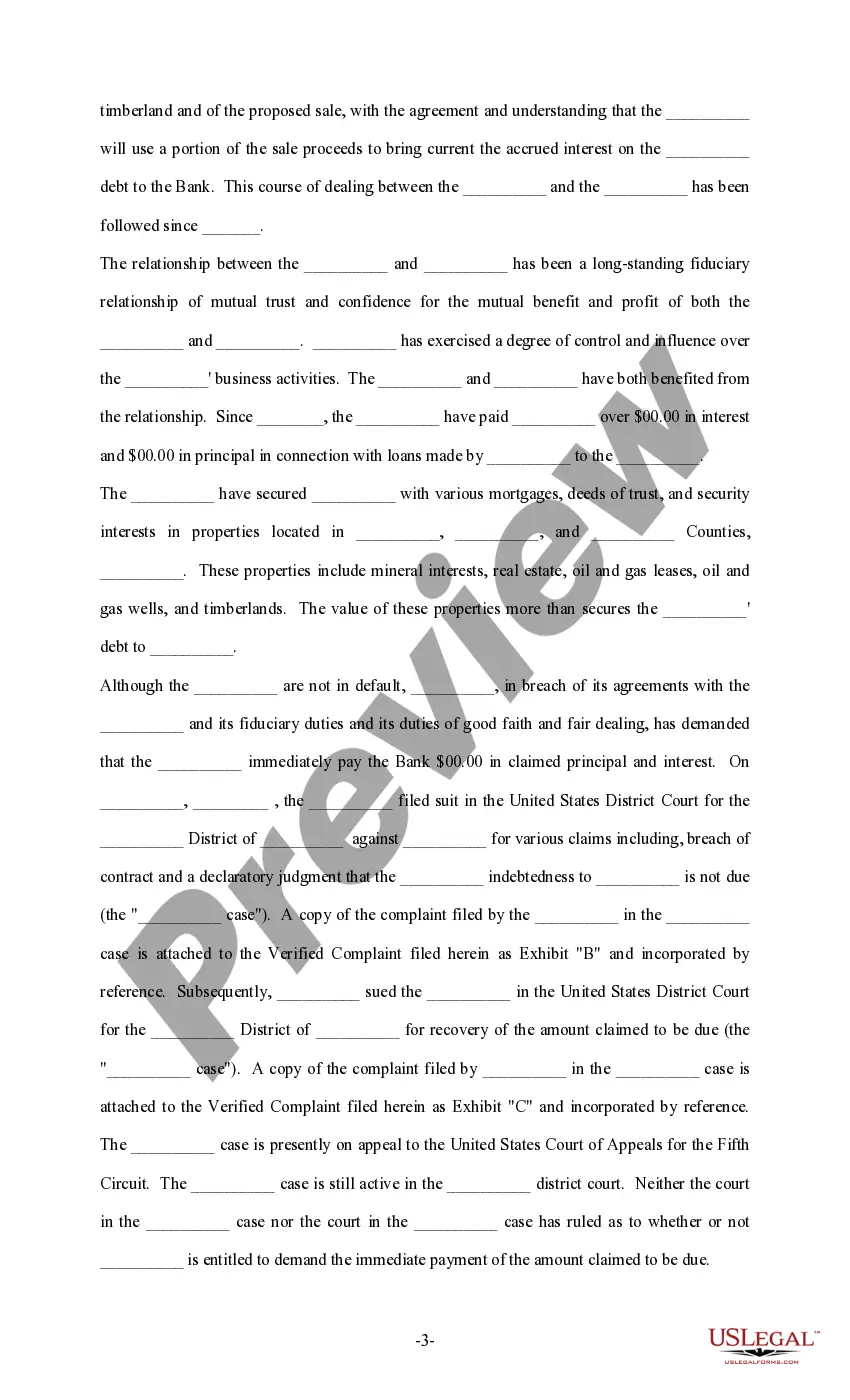
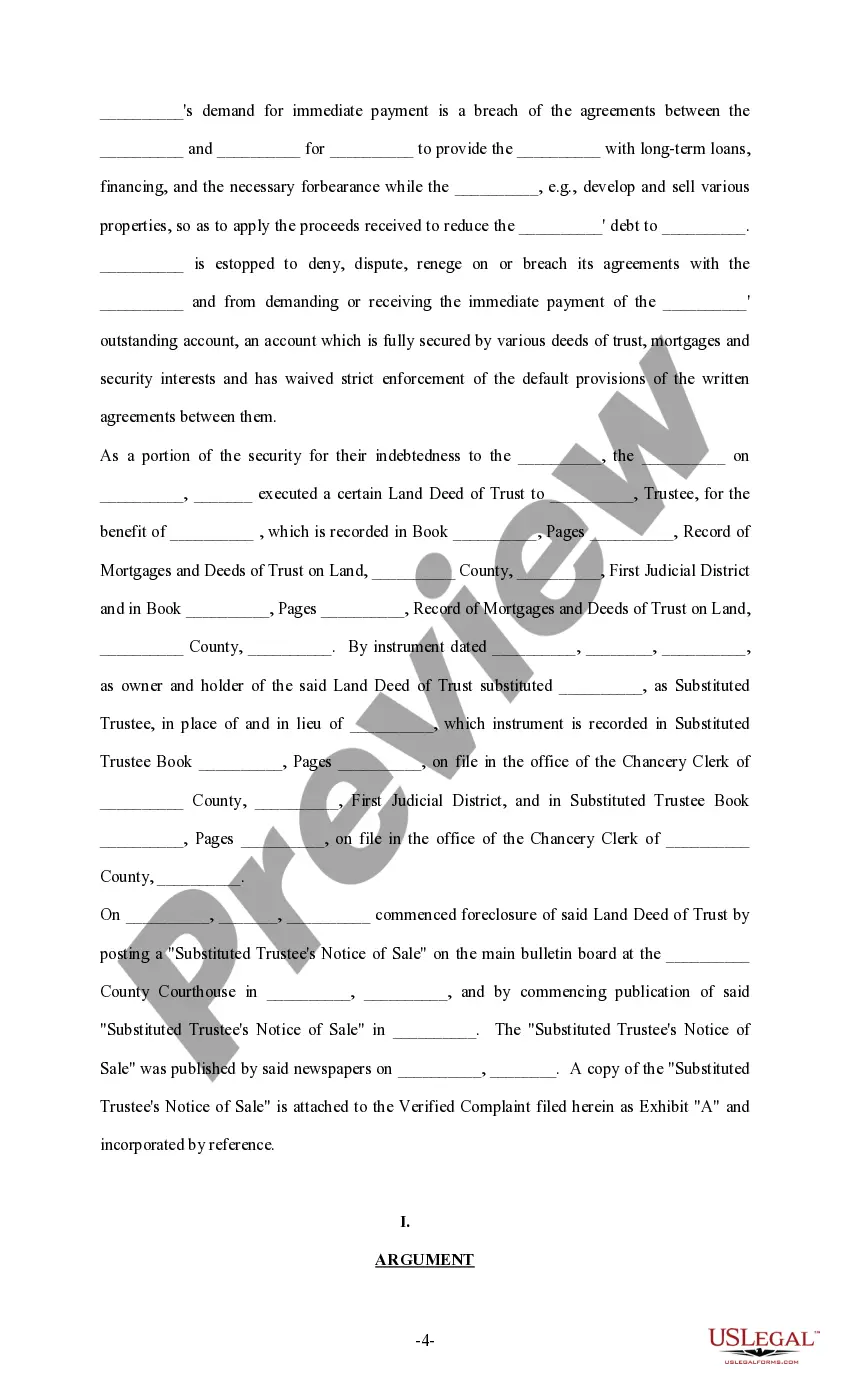

Get your form ready online
Our built-in tools help you complete, sign, share, and store your documents in one place.
Make edits, fill in missing information, and update formatting in US Legal Forms—just like you would in MS Word.
Download a copy, print it, send it by email, or mail it via USPS—whatever works best for your next step.
Sign and collect signatures with our SignNow integration. Send to multiple recipients, set reminders, and more. Go Premium to unlock E-Sign.
If this form requires notarization, complete it online through a secure video call—no need to meet a notary in person or wait for an appointment.
We protect your documents and personal data by following strict security and privacy standards.

Make edits, fill in missing information, and update formatting in US Legal Forms—just like you would in MS Word.

Download a copy, print it, send it by email, or mail it via USPS—whatever works best for your next step.

Sign and collect signatures with our SignNow integration. Send to multiple recipients, set reminders, and more. Go Premium to unlock E-Sign.

If this form requires notarization, complete it online through a secure video call—no need to meet a notary in person or wait for an appointment.

We protect your documents and personal data by following strict security and privacy standards.
Looking for another form?






How to fill out Sample Brief - Injunction?
Establishing a reliable source to obtain the latest and pertinent legal templates is a significant part of navigating bureaucracy. Selecting the appropriate legal documents necessitates precision and meticulousness, which is why it is crucial to obtain samples of Case Brief For Terry V Ohio solely from reputable sources, such as US Legal Forms. An incorrect template could squander your time and prolong your current predicament. With US Legal Forms, you can be assured of minimal concerns. You can access and review all relevant information regarding the document's application and relevance to your situation and geographical area.
Follow these outlined steps to complete your Case Brief For Terry V Ohio.
Eliminate the complications associated with your legal documents. Explore the extensive US Legal Forms catalog where you can discover legal templates, assess their relevance to your circumstances, and download them without delay.
- Utilize the catalog navigation or search box to locate your template.
- Examine the form's details to verify if it meets the criteria of your state and county.
- Preview the form, if available, to ensure that the template is indeed the one you need.
- If the Case Brief For Terry V Ohio does not meet your specifics, continue searching for the appropriate template.
- If you are confident in the document's relevance, proceed to download it.
- If you are a registered user, click Log in to verify your identity and access your selected forms in My documents.
- If you have not created an account yet, click Buy now to purchase the form.
- Select the payment plan that best fits your needs.
- Proceed to the registration to complete your transaction.
- Finalize your purchase by choosing a payment method (credit card or PayPal).
- Select the desired file format for downloading Case Brief For Terry V Ohio.
- Once the form is saved on your device, you can modify it using an editor or print it for manual completion.
Form popularity
FAQ
When citing Mapp v. Ohio, use the proper legal citation format, which is 'Mapp v. Ohio, 367 U.S. 643 (1961).' This case addresses the exclusionary rule, which prevents the use of illegally obtained evidence in court. If you're looking for further details, resources offering case briefs, including one for Terry v. Ohio, may prove useful for understanding legal citation formats.
Terry v. Ohio has not been overturned. This landmark decision from 1968 remains a foundational case in U.S. law. It established the principle that law enforcement officers can stop and frisk individuals based on reasonable suspicion. For a comprehensive case brief for Terry v. Ohio, you can explore detailed legal resources that analyze its implications.
The legal citation for Terry v. Ohio is 392 U.S. 1 (1968). This case is frequently referenced in discussions surrounding search and seizure law and the rights of individuals against unreasonable searches. By understanding this citation, you gain insight into the foundational legal principles established in the case brief for Terry v. Ohio.
In the context of the case brief for Terry v. Ohio, a stop and frisk requires two critical elements: reasonable suspicion and a safety concern. Law enforcement must have specific facts that suggest a person is involved in criminal activity. Additionally, if an officer believes that this person may be armed, they have the authority to conduct a frisk to ensure the safety of themselves and others.
The key elements of the case brief for Terry v. Ohio include the authority of law enforcement officers to stop and detain a person based on reasonable suspicion. This landmark case also established that officers can perform a limited pat-down for weapons if they believe a person may be armed. The decision underscores the balance between individual rights and public safety, reinforcing the need for officers to base their actions on specific facts.
Courts assess whether reasonable suspicion justifying a Terry stop existed by examining the totality of the circumstances. This includes evaluating whether an officer's instincts were backed by observable facts rather than mere speculation. For a deeper understanding of these standards, a case brief for Terry v. Ohio can provide clarity and context.
To cite Terry v. Ohio, you can use the standard legal citation format which is: Terry v. Ohio, 392 U.S. 1 (1968). This citation effectively references the key details of the case, enabling readers to locate the original judgment easily. Utilizing a concise case brief for Terry v. Ohio can aid in understanding the broader implications of the ruling.
In Texas, reasonable suspicion during a traffic stop means an officer must have a specific reason, based on observed facts, to believe a driver is involved in unlawful activity. This might include erratic driving or other indicators of criminal behavior. Exploring the nuances of reasonable suspicion can enhance your knowledge, making a case brief for Terry v. Ohio a valuable resource.
Reasonable suspicion for a Terry stop refers to a legal standard used by law enforcement to initiate a brief detention of an individual. It is based on the officer's observations and experiences, suggesting that a crime may occur or is occurring. The insights from a case brief for Terry v. Ohio can help you understand this crucial legal concept better.
Reasonable suspicion for a Terry stop arises when an officer has specific and articulable facts indicating that a person may be involved in criminal activity. This does not require proof beyond a reasonable doubt, but rather a belief based on observable behavior. The case brief for Terry v. Ohio outlines these criteria well, offering context for when suspicion becomes valid.