Difference Between Completion And Completed
Description
Get your form ready online
Our built-in tools help you complete, sign, share, and store your documents in one place.
Make edits, fill in missing information, and update formatting in US Legal Forms—just like you would in MS Word.
Download a copy, print it, send it by email, or mail it via USPS—whatever works best for your next step.
Sign and collect signatures with our SignNow integration. Send to multiple recipients, set reminders, and more. Go Premium to unlock E-Sign.
If this form requires notarization, complete it online through a secure video call—no need to meet a notary in person or wait for an appointment.
We protect your documents and personal data by following strict security and privacy standards.

Make edits, fill in missing information, and update formatting in US Legal Forms—just like you would in MS Word.

Download a copy, print it, send it by email, or mail it via USPS—whatever works best for your next step.

Sign and collect signatures with our SignNow integration. Send to multiple recipients, set reminders, and more. Go Premium to unlock E-Sign.

If this form requires notarization, complete it online through a secure video call—no need to meet a notary in person or wait for an appointment.

We protect your documents and personal data by following strict security and privacy standards.
Looking for another form?
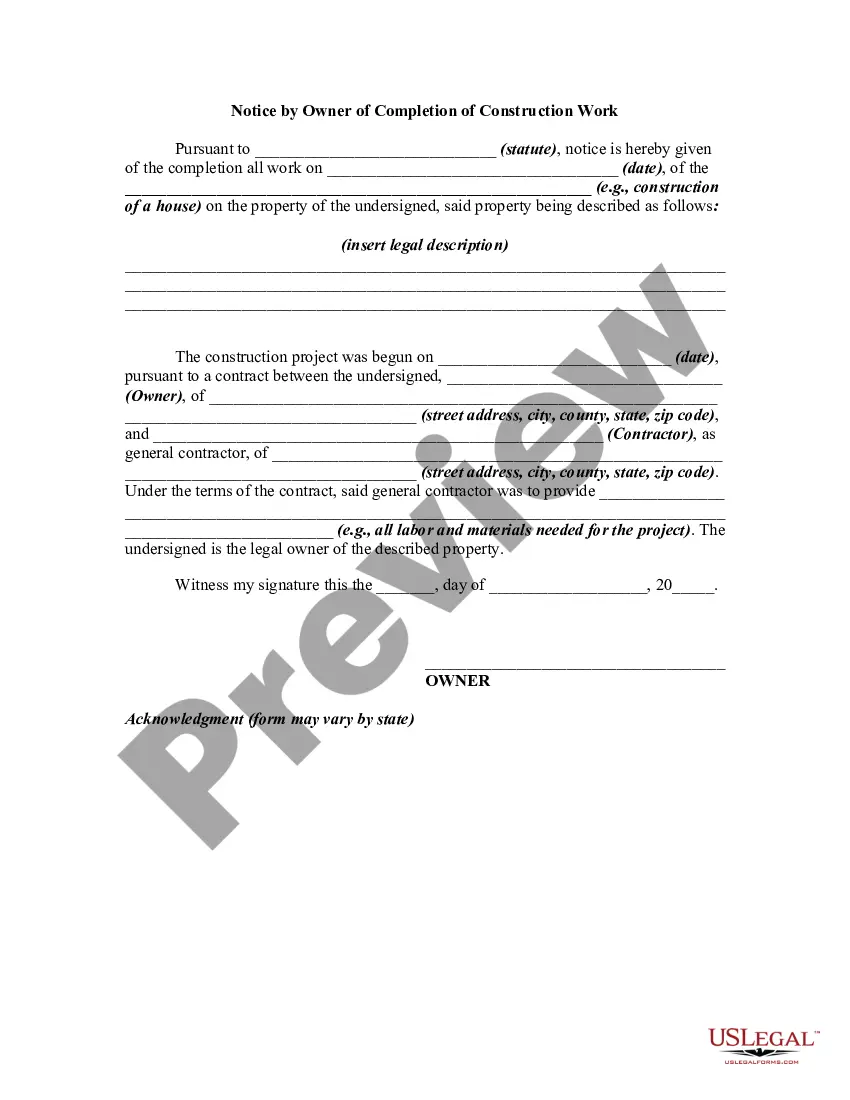
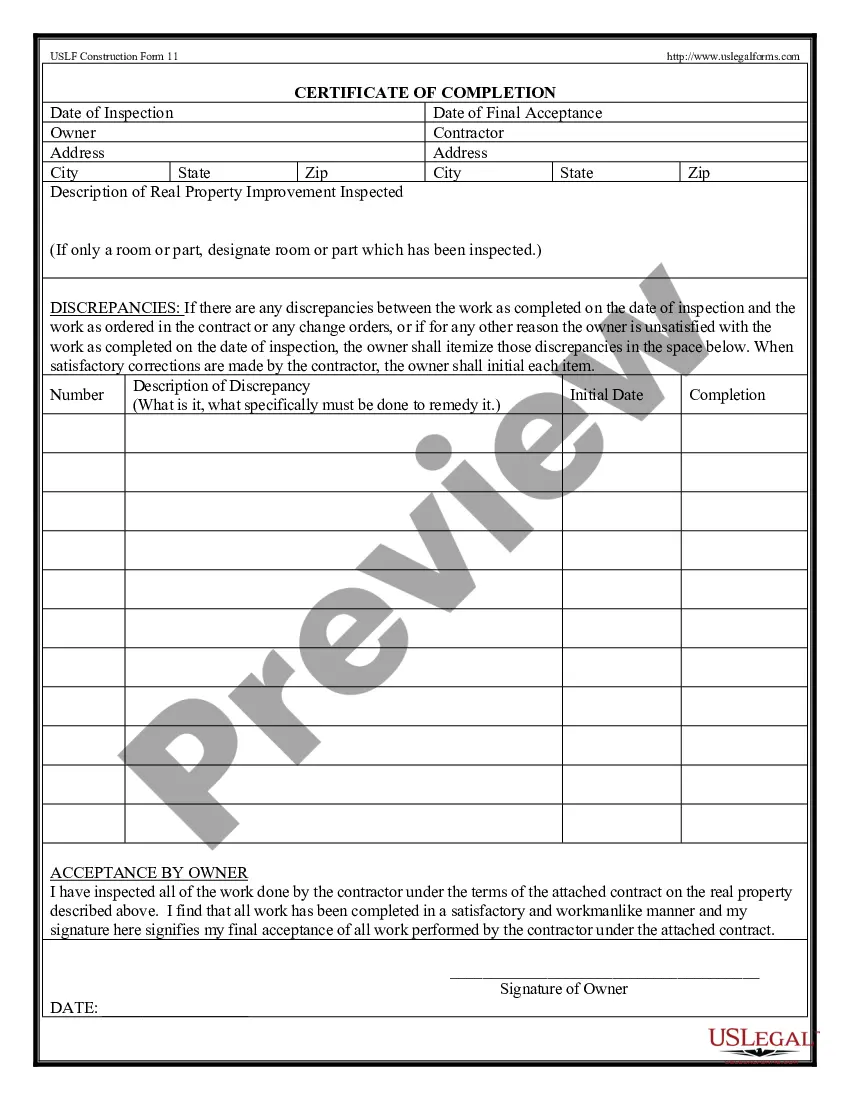
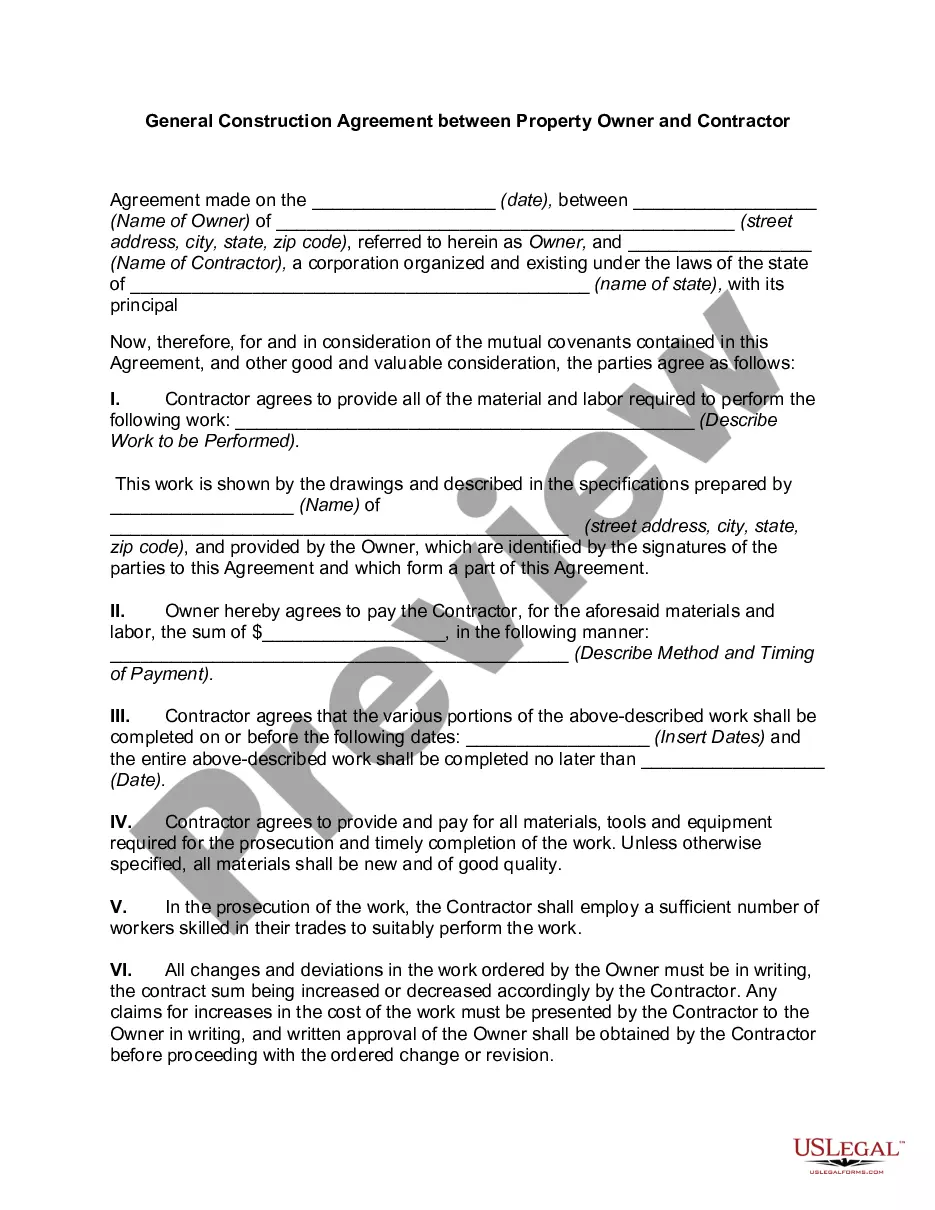
How to fill out Notice By Owner Of Completion Of Construction Work?
Handling legal documents can be exasperating, even for the most seasoned experts.
When you seek a Distinction Between Completion And Completed and lack the time to invest in discovering the correct and current version, the procedures may be daunting.
Gain access to a valuable repository of articles, tutorials, and guides pertinent to your circumstances and needs.
Save time and effort searching for the documents you require, and employ US Legal Forms’ advanced search and Review feature to locate Distinction Between Completion And Completed and download it.
Ensure the template is accepted in your state or county. Select Buy Now when you are set. Choose a monthly subscription plan. Choose the format you prefer and Download, fill out, sign, print, and submit your document. Enjoy the US Legal Forms online catalogue, backed by 25 years of knowledge and dependability. Enhance your everyday document management in a seamless and user-friendly manner today.
- If you possess a membership, Log In to your US Legal Forms account, seek the form, and download it.
- Check your My documents tab to view the documents you've saved and to organize your folders as needed.
- If this is your initial experience with US Legal Forms, create a complimentary account to enjoy unlimited access to all platform benefits.
- Here are the actions to take after retrieving the form you desire.
- Confirm this is the correct form by previewing it and reviewing its details.
- Access legally and business-specific forms tailored to your state or county.
- US Legal Forms accommodates any requirements you might have, from individual to corporate documents, all in one location.
- Utilize sophisticated tools to complete and oversee your Distinction Between Completion And Completed.
Form popularity
FAQ
When discussing the difference between completion and completed, you may use terms like 'finalized' or 'achieved' as professional alternatives to 'completed.' These words convey a sense of accomplishment and readiness. Additionally, you can use 'concluded' to indicate that a task or project is finished. Using these terms can enhance your professional communication and clarity.
"I almost completed" is a correct and usable phrase in written English. You can use it when referring to a task or activity that you have nearly finished. Here is an example: I almost completed my essay, but I want to add a few more paragraphs to make it stronger.
Completion means that is it already done. you have already completed it. Completing means you have still doing it and have not finished completing it.
Complete is a state of being; there is nothing that can be added or changed. Whereas completed is an act of completion - the task that was set has now been fulfilled. For example "The Bible is complete and has been completed".
Yes, it's correct in usage and in general grammar. Some hardline grammarians might object, but to be honest, there isn't a great deal to complain about. We could recommend changing "completed" to "complete," but "completed" isn't exactly wrong in grammar either. The context decides if more details are needed.
Complete, unlike completed, implies something whole or full. Completed means finished, accomplished, or done. A lot of the meaning overlaps, but I think completed gives a better sense of accomplishment, though it really depends on how you're using it.