General Contractor Cnpj
Description
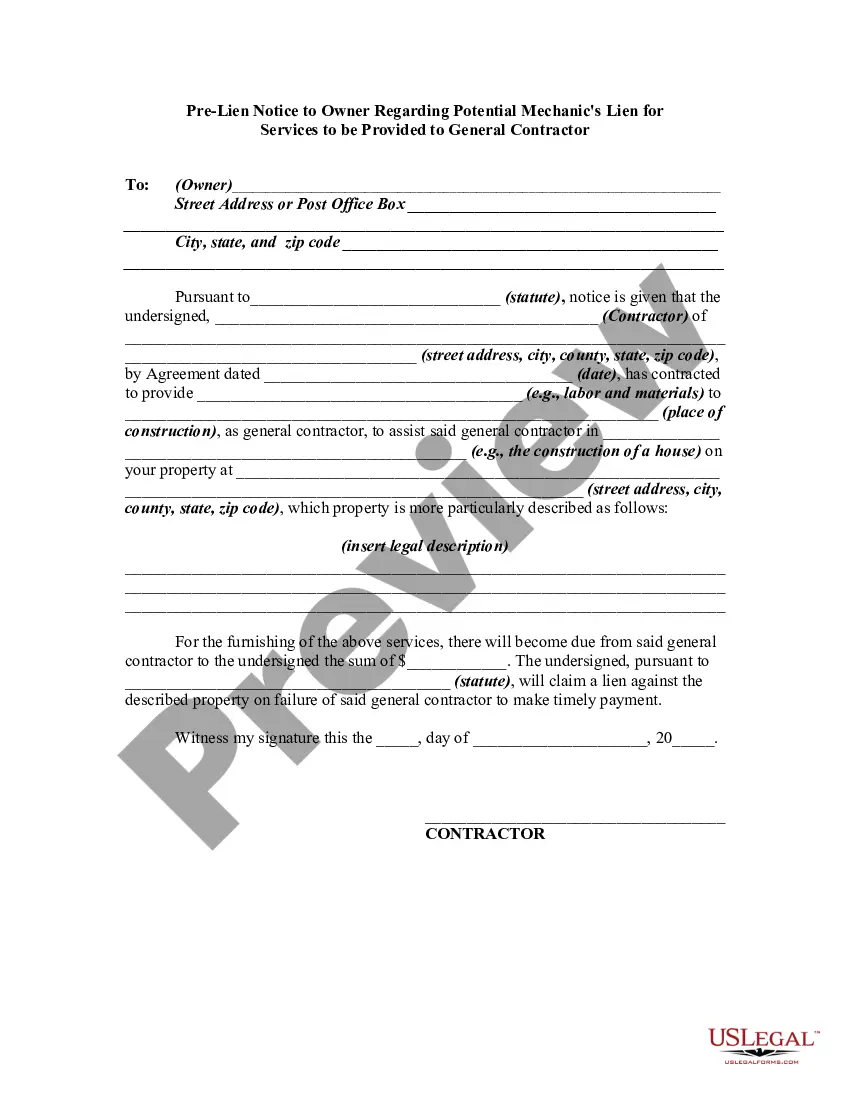
Get your form ready online
Our built-in tools help you complete, sign, share, and store your documents in one place.
Make edits, fill in missing information, and update formatting in US Legal Forms—just like you would in MS Word.
Download a copy, print it, send it by email, or mail it via USPS—whatever works best for your next step.
Sign and collect signatures with our SignNow integration. Send to multiple recipients, set reminders, and more. Go Premium to unlock E-Sign.
If this form requires notarization, complete it online through a secure video call—no need to meet a notary in person or wait for an appointment.
We protect your documents and personal data by following strict security and privacy standards.

Make edits, fill in missing information, and update formatting in US Legal Forms—just like you would in MS Word.

Download a copy, print it, send it by email, or mail it via USPS—whatever works best for your next step.

Sign and collect signatures with our SignNow integration. Send to multiple recipients, set reminders, and more. Go Premium to unlock E-Sign.

If this form requires notarization, complete it online through a secure video call—no need to meet a notary in person or wait for an appointment.

We protect your documents and personal data by following strict security and privacy standards.
Looking for another form?

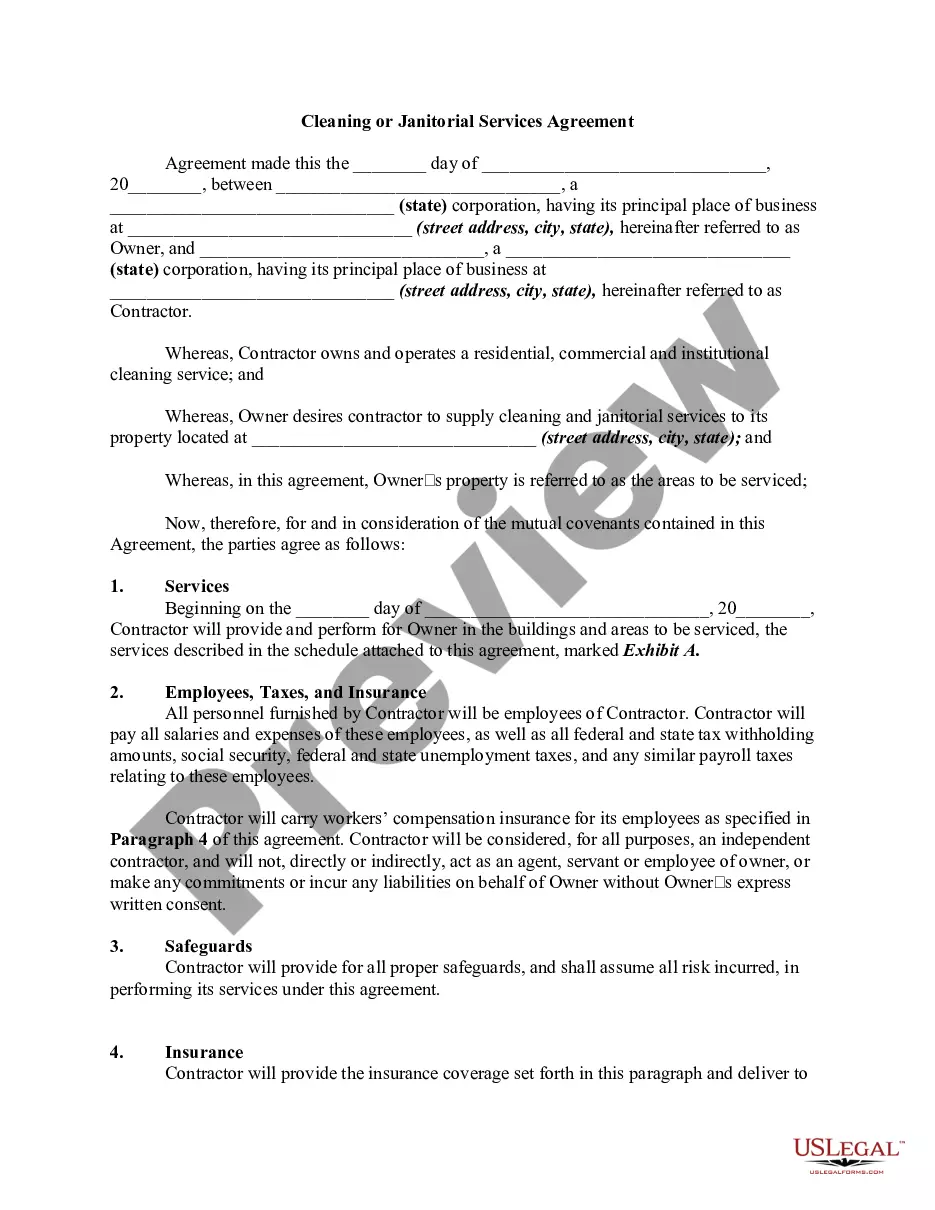

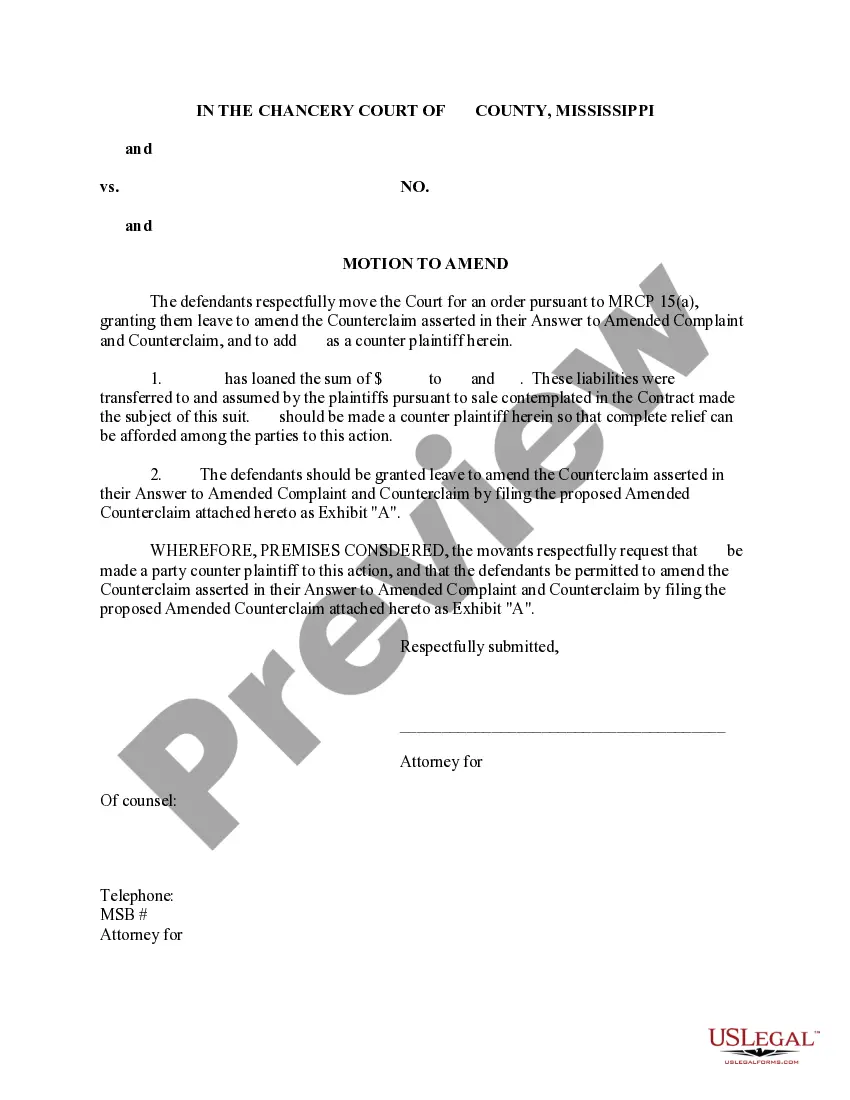


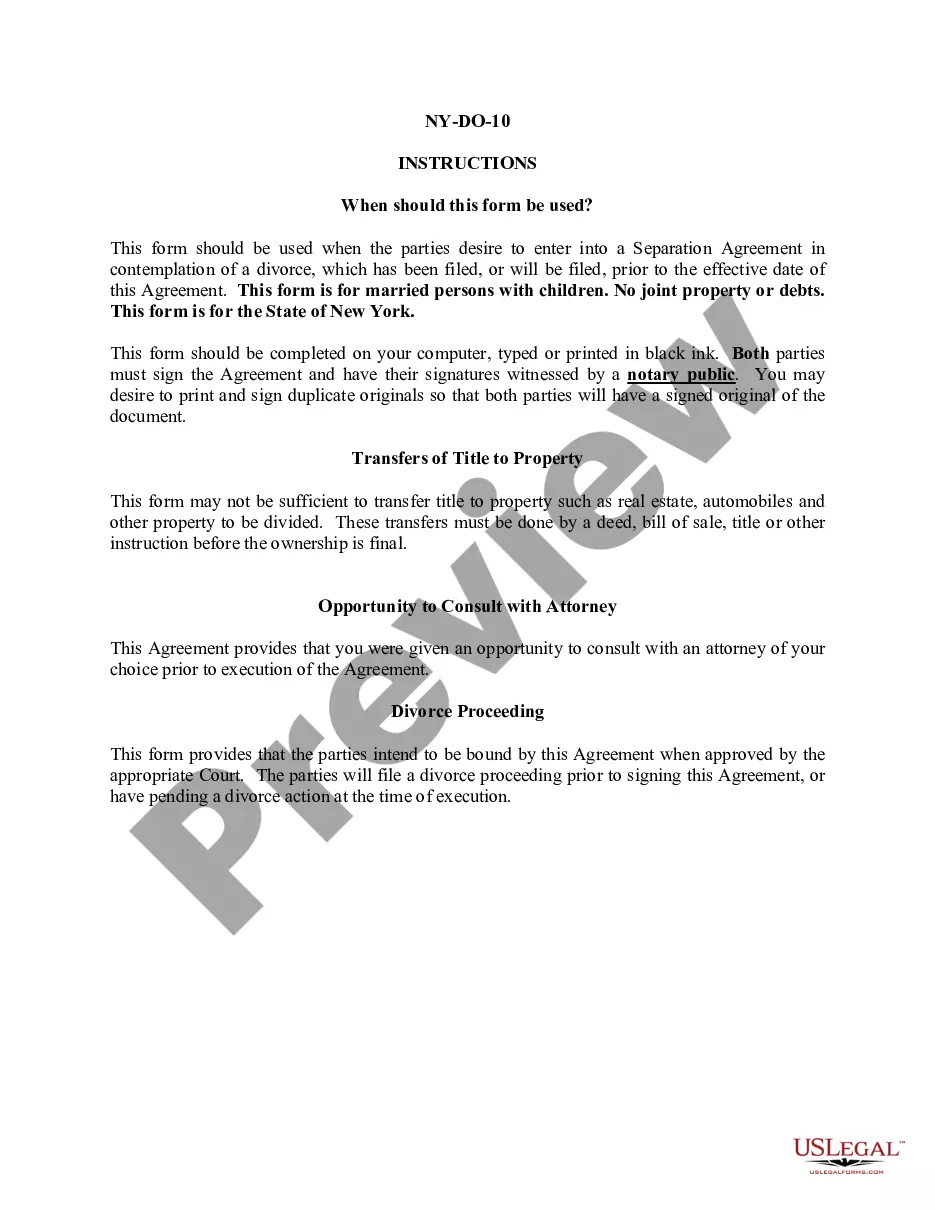


How to fill out Pre-Lien Notice To Owner Regarding Potential Mechanic's Lien For Services To Be Provided To General Contractor?
- Log in to your US Legal Forms account if you are a returning user, ensuring your subscription is current; otherwise, renew it according to your payment plan.
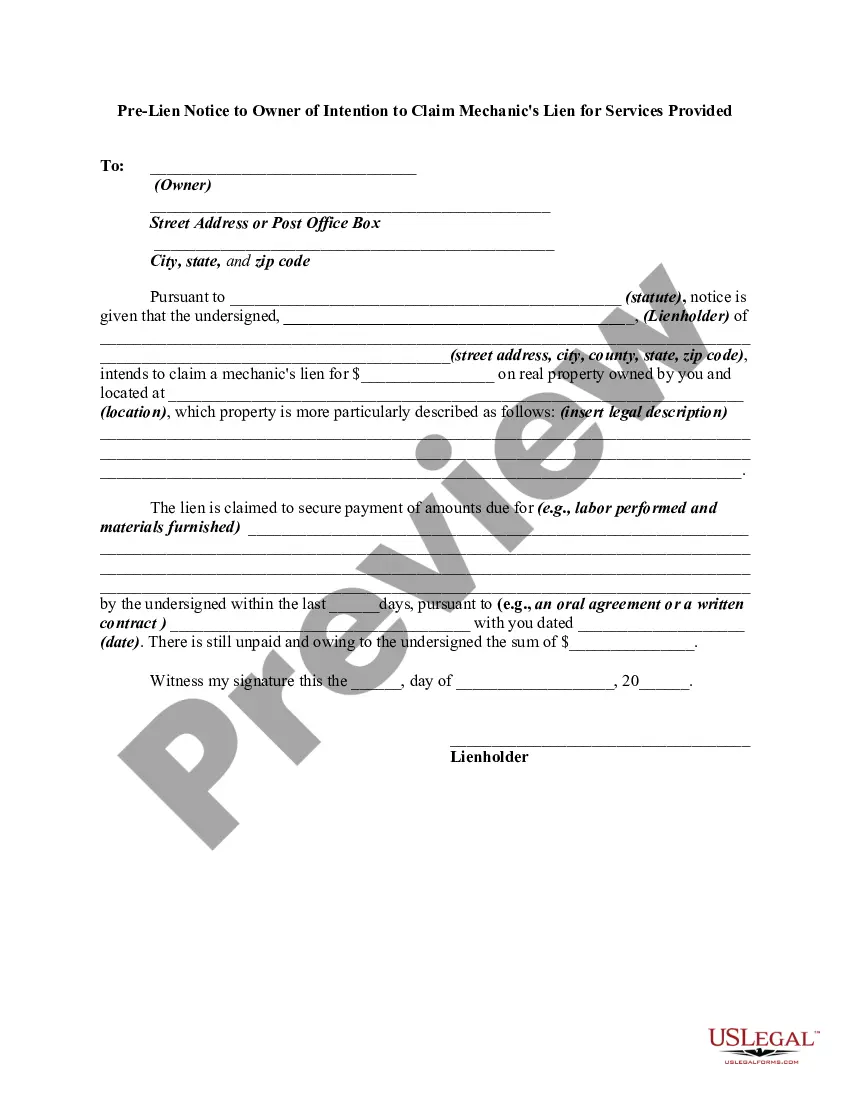
- If you are new to the service, start by reviewing the available templates in the Preview mode. Confirm that the chosen form satisfies your requirements and adheres to local regulations.
- If necessary, utilize the Search tab above to find different templates that meet your specific needs.
- Select your desired document by clicking the Buy Now button and choose from various subscription plans. You will need to create an account to access the comprehensive library.
- Complete your transaction by entering your payment details, either using credit card information or through a PayPal account.
- Once your purchase is finished, download the form and save it to your device. You can access it later in the My Forms section of your profile.
In conclusion, US Legal Forms serves as a valuable tool for both individuals and legal professionals. With a vast collection of over 85,000 fillable forms and access to legal expertise, you can ensure your documents are accurate and compliant.
Start using US Legal Forms today to simplify your legal documentation process!
Form popularity
FAQ
Yes, Minnesota requires a license for general contractors who perform work valued over a specified amount. Licensure ensures that contractors meet standards set for safety and quality. Being knowledgeable as a general contractor CNPJ in Minnesota can be advantageous as you navigate these regulations and help protect your business.
A general contractor manages a wide range of construction projects, including commercial and industrial work. In contrast, a residential contractor focuses mainly on home construction and renovations. If you're working under a general contractor CNPJ, it's essential to understand these distinctions to align your services appropriately.
Yes, you need a license to work as a general contractor in Iowa, particularly for larger commercial projects. For smaller residential jobs, a license may not be required. However, being a general contractor CNPJ helps you stay competitive and reputable in the marketplace, ensuring that you meet all necessary legal requirements.
To obtain a general contractor license in California, you must meet specific requirements including work experience, submit an application, and pass the licensing examination. It's a thorough process but very manageable with the right guidance. Consider using platforms like US Legal Forms, which can provide resources and templates to help you navigate the application process smoothly.
Yes, general contractors are usually licensed by individual states. Each state has its own criteria and process for obtaining a license, which often includes passing an exam and providing proof of experience. If you operate as a general contractor CNPJ, understanding these state-specific regulations is crucial for lawful operation.
Yes, Iowa requires certain general contractors to obtain a license. This applies primarily to contractors involved in projects valued above a specific threshold. If you're a general contractor CNPJ, familiarizing yourself with Iowa's licensing requirements will help ensure compliance and smooth project execution.
To obtain a general contractor license in Virginia, you must first complete a training program and gain relevant experience in construction. After meeting these requirements, you need to submit an application to the Virginia Department of Professional and Occupational Regulation and pass a licensing exam. Additionally, having a General contractor CNPJ can be beneficial, as it formalizes your business. Lastly, consider using Uslegalforms platform for assistance with required documentation and additional resources.
General contractors typically earn a range of salaries depending on their experience, the size of their projects, and their geographical location. On average, many general contractors make between $50,000 and $100,000 annually. Factors such as managing larger projects and having a General contractor CNPJ may increase earnings significantly. Thus, understanding local market demands is essential for potential earnings in this profession.
In Pennsylvania, the requirement for a general contractor license varies by municipality. Not all areas require a general contractor to hold a specific state license, but it’s crucial to check local regulations. Moreover, while not mandated, having a license can enhance your reputation and client trust. If you need help navigating the licensing process, consider using the US Legal Forms platform to find the right information and documents.
While a general contractor does not legally need an LLC, having one can be advantageous. An LLC can protect your personal assets from business liabilities and simplify tax obligations. Moreover, some clients may prefer dealing with an LLC due to the added professionalism. To set one up, you can explore the US Legal Forms platform for easy access to relevant forms.