Release Real Estate Contract With Contingency
Description
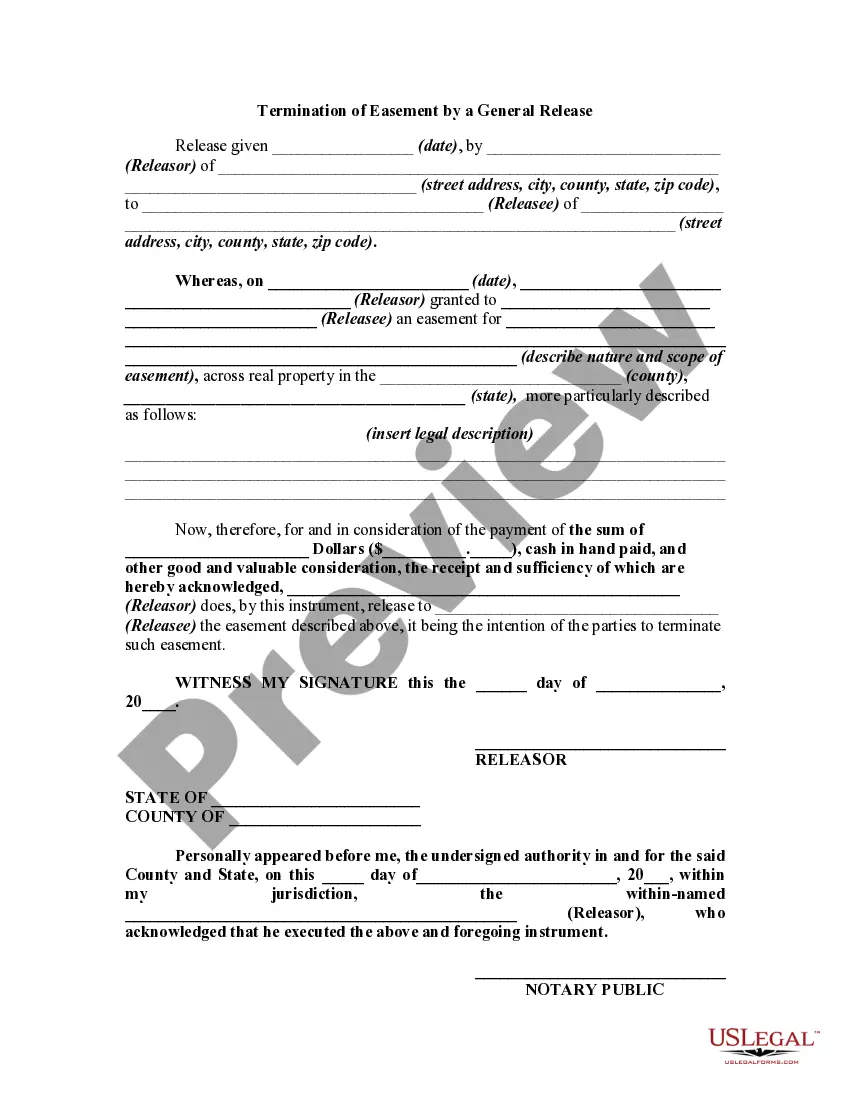
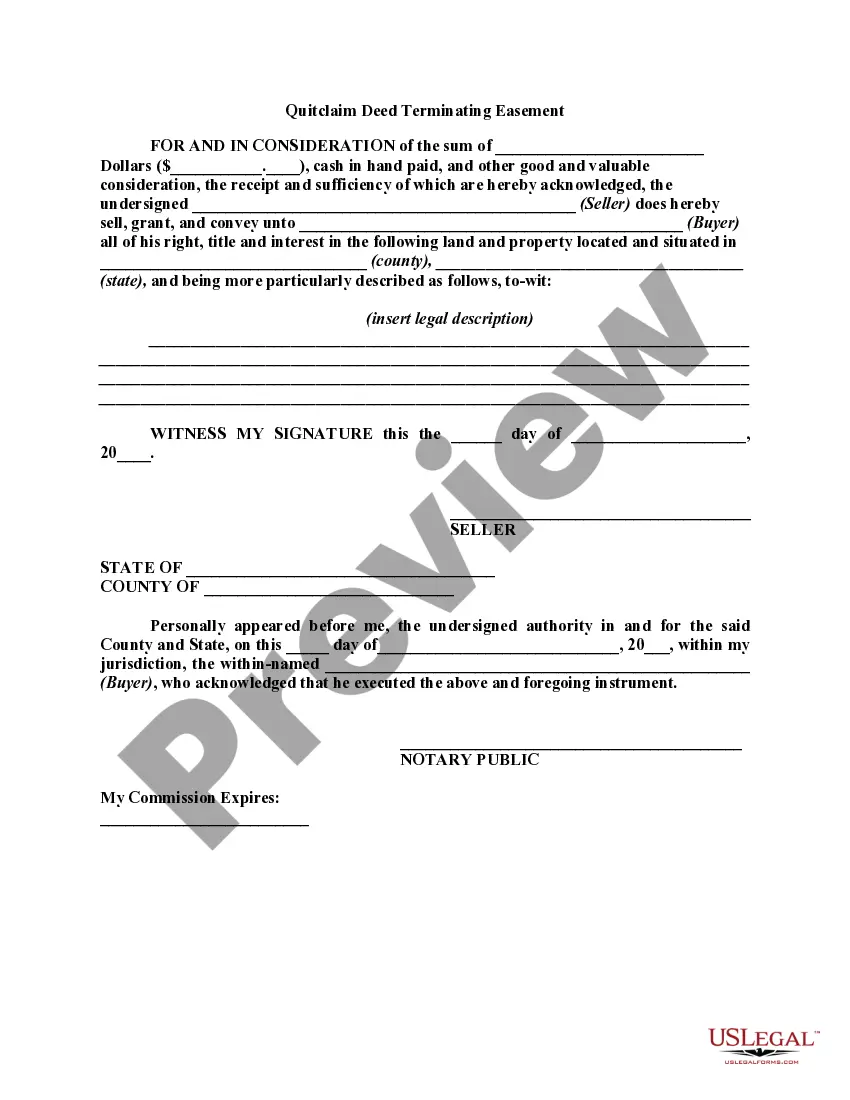

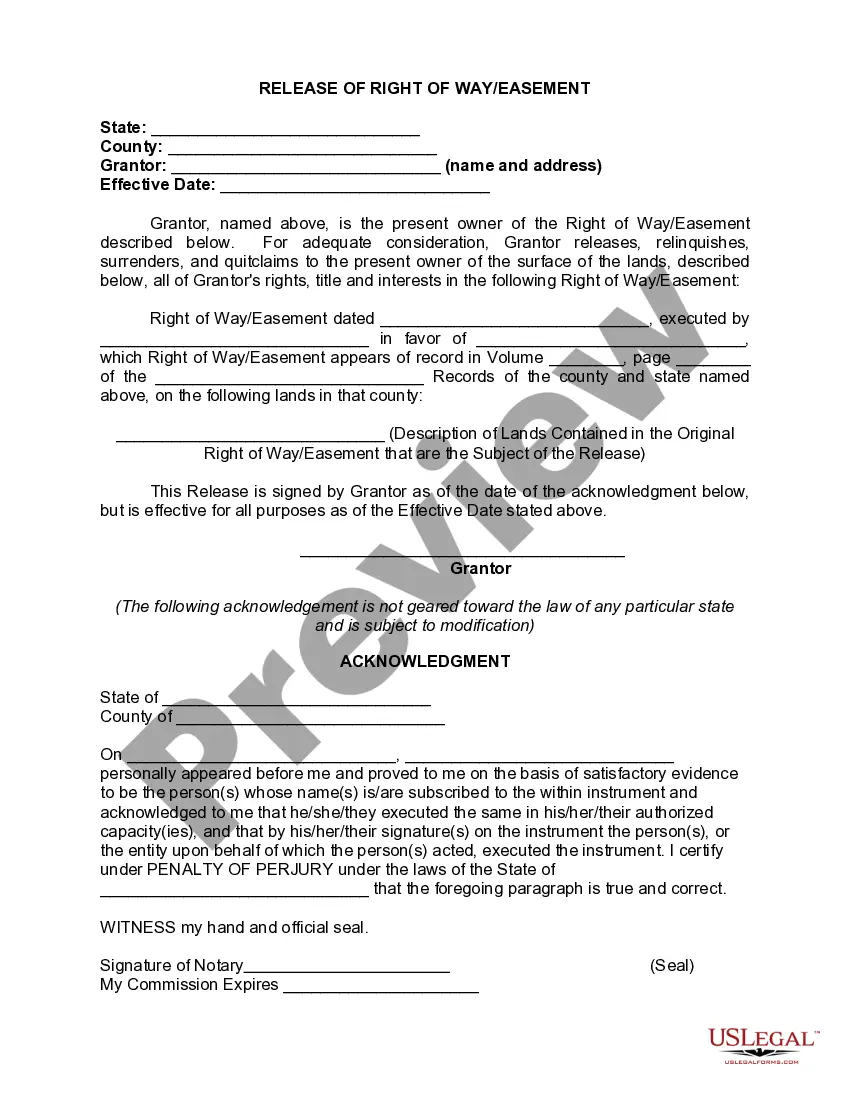
Get your form ready online
Our built-in tools help you complete, sign, share, and store your documents in one place.
Make edits, fill in missing information, and update formatting in US Legal Forms—just like you would in MS Word.
Download a copy, print it, send it by email, or mail it via USPS—whatever works best for your next step.
Sign and collect signatures with our SignNow integration. Send to multiple recipients, set reminders, and more. Go Premium to unlock E-Sign.
If this form requires notarization, complete it online through a secure video call—no need to meet a notary in person or wait for an appointment.
We protect your documents and personal data by following strict security and privacy standards.

Make edits, fill in missing information, and update formatting in US Legal Forms—just like you would in MS Word.

Download a copy, print it, send it by email, or mail it via USPS—whatever works best for your next step.

Sign and collect signatures with our SignNow integration. Send to multiple recipients, set reminders, and more. Go Premium to unlock E-Sign.

If this form requires notarization, complete it online through a secure video call—no need to meet a notary in person or wait for an appointment.

We protect your documents and personal data by following strict security and privacy standards.
Looking for another form?
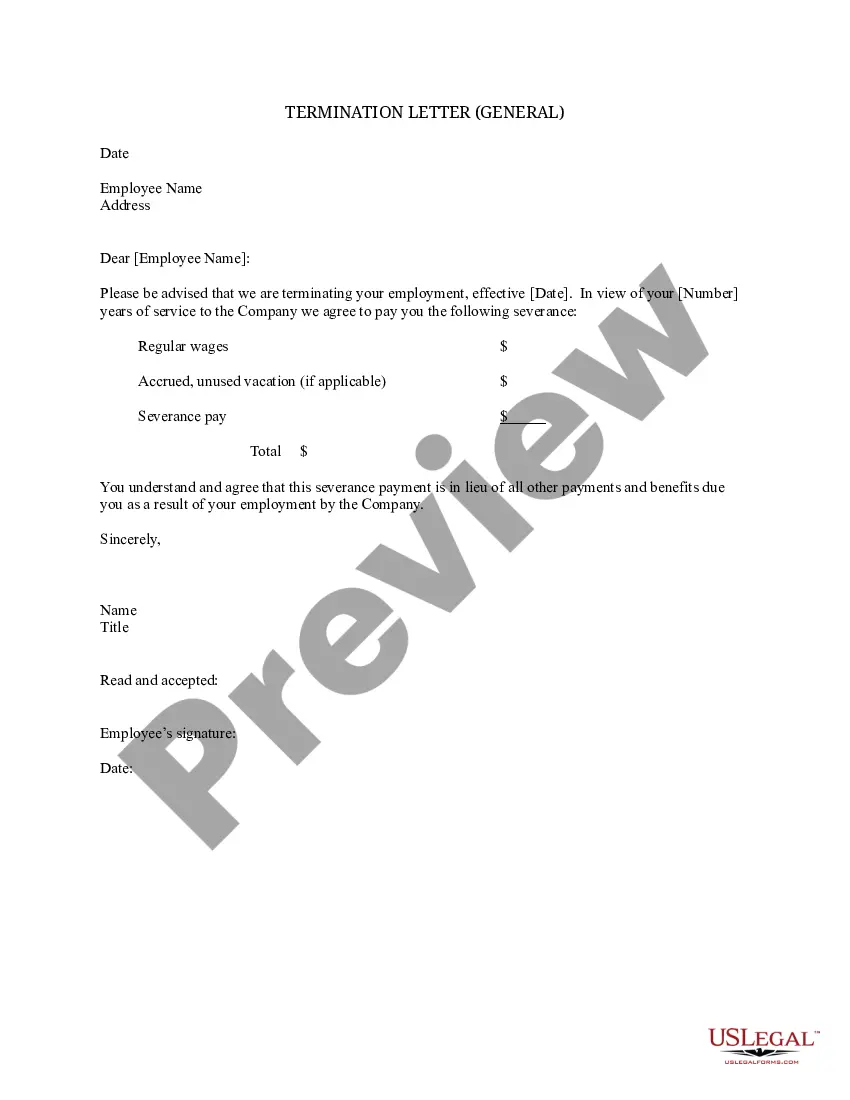
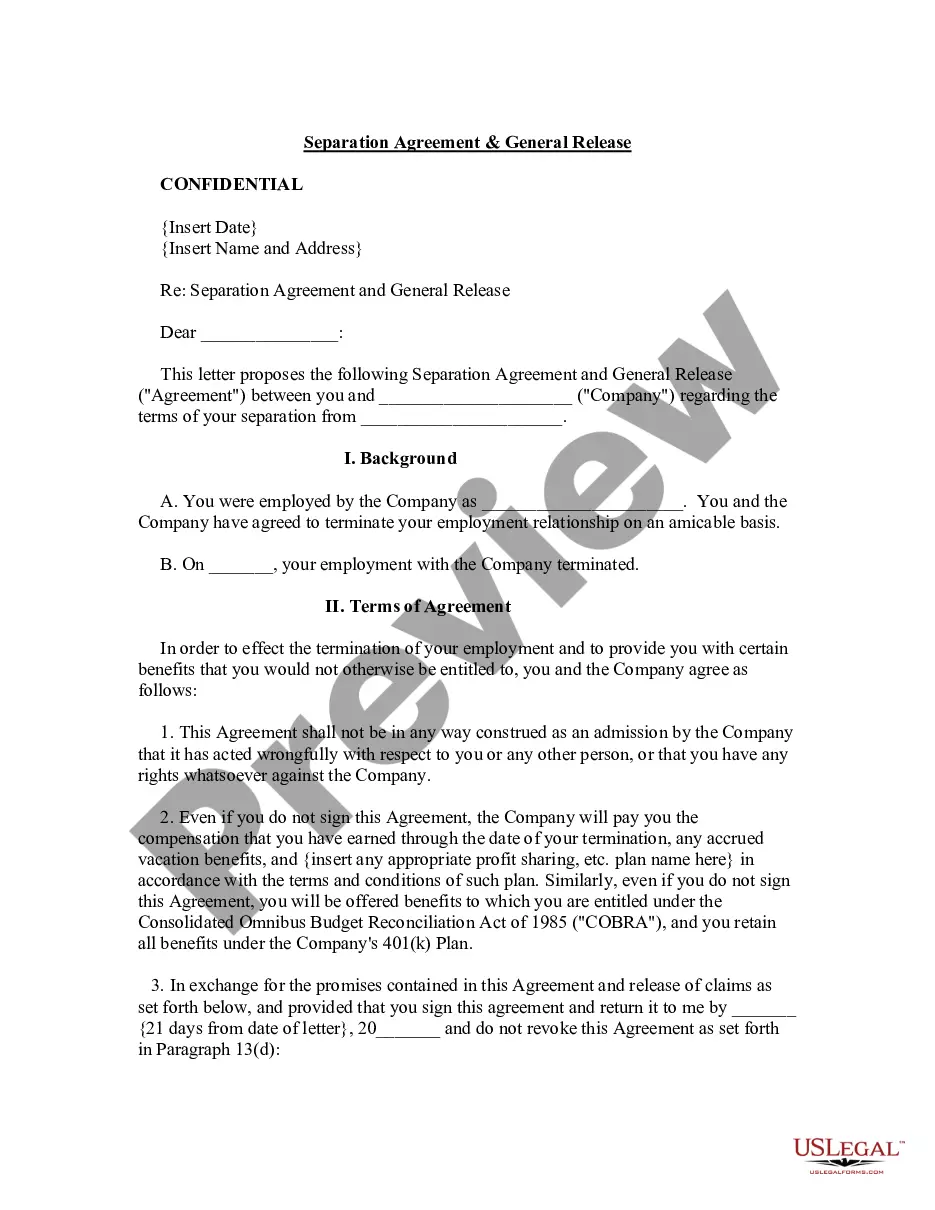
How to fill out Terminating Or Termination Of Easement By A General Release?
Whether for commercial purposes or personal affairs, everyone must navigate legal circumstances at some stage in their life.
Filling out legal documents demands meticulous care, starting with choosing the correct form template.
With an extensive US Legal Forms collection available, you do not need to waste time searching for the right template across the web. Utilize the library’s straightforward navigation to find the appropriate template for any situation.
- Locate the template you require by utilizing the search bar or catalog browsing.
- Review the form’s description to confirm it corresponds with your situation, state, and county.
- Select the form’s preview to inspect it.
- If it is the incorrect document, revert to the search tool to locate the Release Real Estate Contract With Contingency template you need.
- Obtain the template if it satisfies your needs.
- If you have a US Legal Forms account, click Log in to retrieve previously saved documents in My documents.
- If you do not possess an account yet, you can acquire the form by clicking Buy now.
- Choose the suitable pricing option.
- Fill out the profile registration form.
- Opt for your payment method: either a credit card or PayPal account.
- Select the file format you prefer and download the Release Real Estate Contract With Contingency.
- After it is downloaded, you can complete the form using editing software or print it and fill it out manually.
Form popularity
FAQ
You can decide to waive or release the contingency, which means that the deal will still go through without the condition being met. If the seller is open to renegotiating, you can potentially adjust the terms of the contract and still proceed with the purchase.
Contingencies are removed once agreed terms are met. For instance, if the seller agrees to the Home Inspection Contingency, it's removed. If not, the buyer can proceed with the contract, offer a counter-proposal, or void the contract without penalty.
The contingency clause gives a party to a contract the right to renegotiate or cancel the deal if specific circumstances turn out to be unsatisfactory. An appraisal contingency gives the buyer the right to back out if a professional property appraisal comes in lower than a specified minimum.
A contingency is a potential occurrence of a negative event in the future, such as an economic recession, natural disaster, fraudulent activity, terrorist attack, or a pandemic.
A contingency clause should clearly outline what the condition is, how the condition is to be fulfilled, and which party is responsible for fulfilling it. The clause should also provide a timeframe and what happens if the condition is not met.