Agree To Vs With
Description
Get your form ready online
Our built-in tools help you complete, sign, share, and store your documents in one place.
Make edits, fill in missing information, and update formatting in US Legal Forms—just like you would in MS Word.
Download a copy, print it, send it by email, or mail it via USPS—whatever works best for your next step.
Sign and collect signatures with our SignNow integration. Send to multiple recipients, set reminders, and more. Go Premium to unlock E-Sign.
If this form requires notarization, complete it online through a secure video call—no need to meet a notary in person or wait for an appointment.
We protect your documents and personal data by following strict security and privacy standards.

Make edits, fill in missing information, and update formatting in US Legal Forms—just like you would in MS Word.

Download a copy, print it, send it by email, or mail it via USPS—whatever works best for your next step.

Sign and collect signatures with our SignNow integration. Send to multiple recipients, set reminders, and more. Go Premium to unlock E-Sign.

If this form requires notarization, complete it online through a secure video call—no need to meet a notary in person or wait for an appointment.

We protect your documents and personal data by following strict security and privacy standards.
Looking for another form?
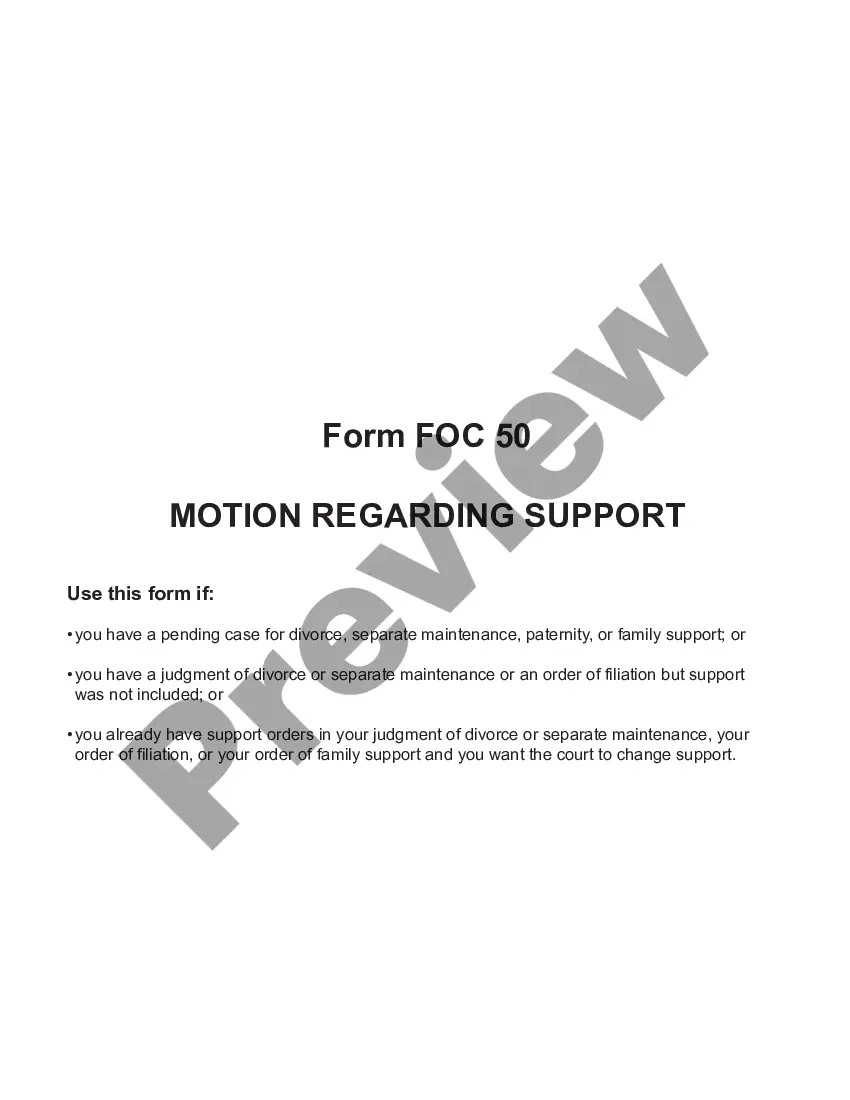



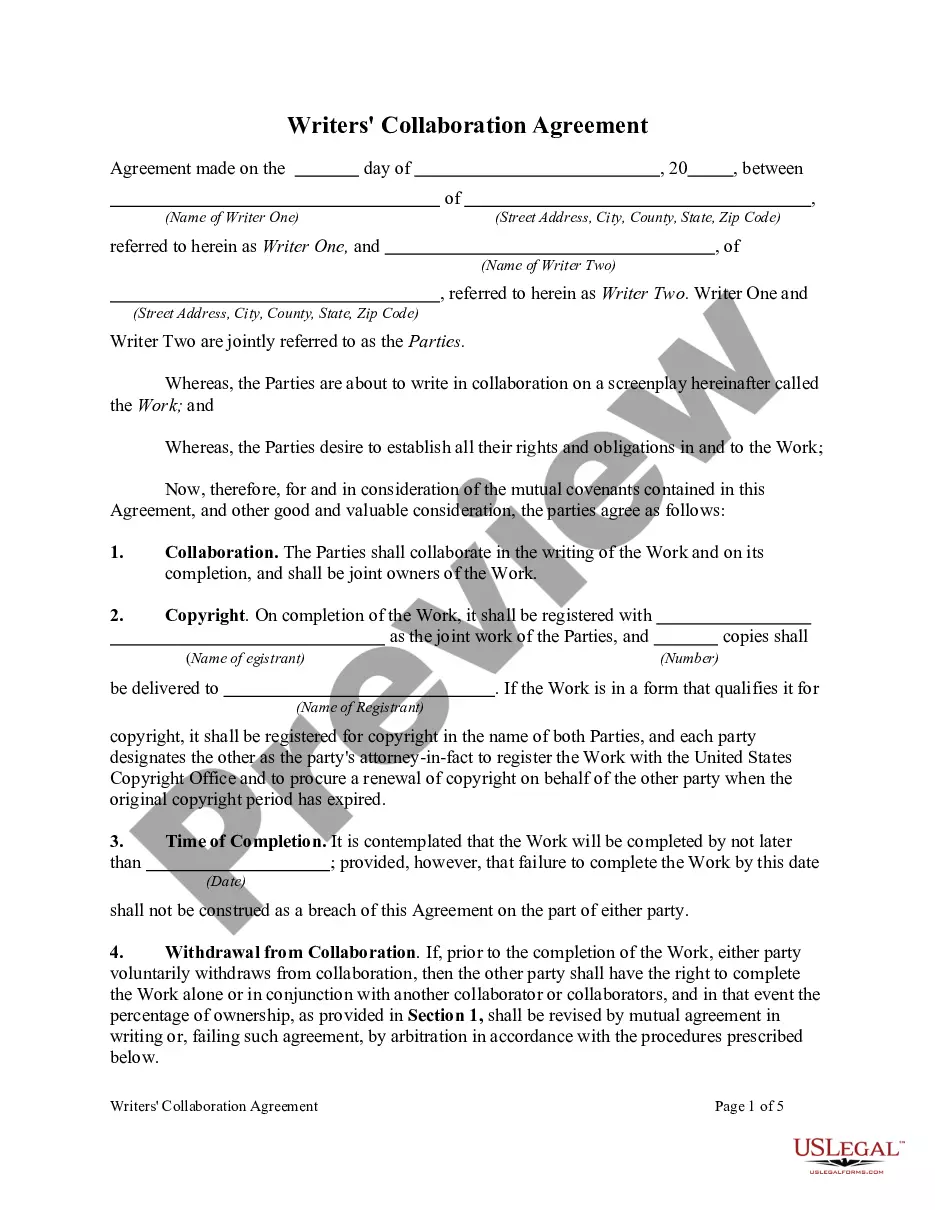
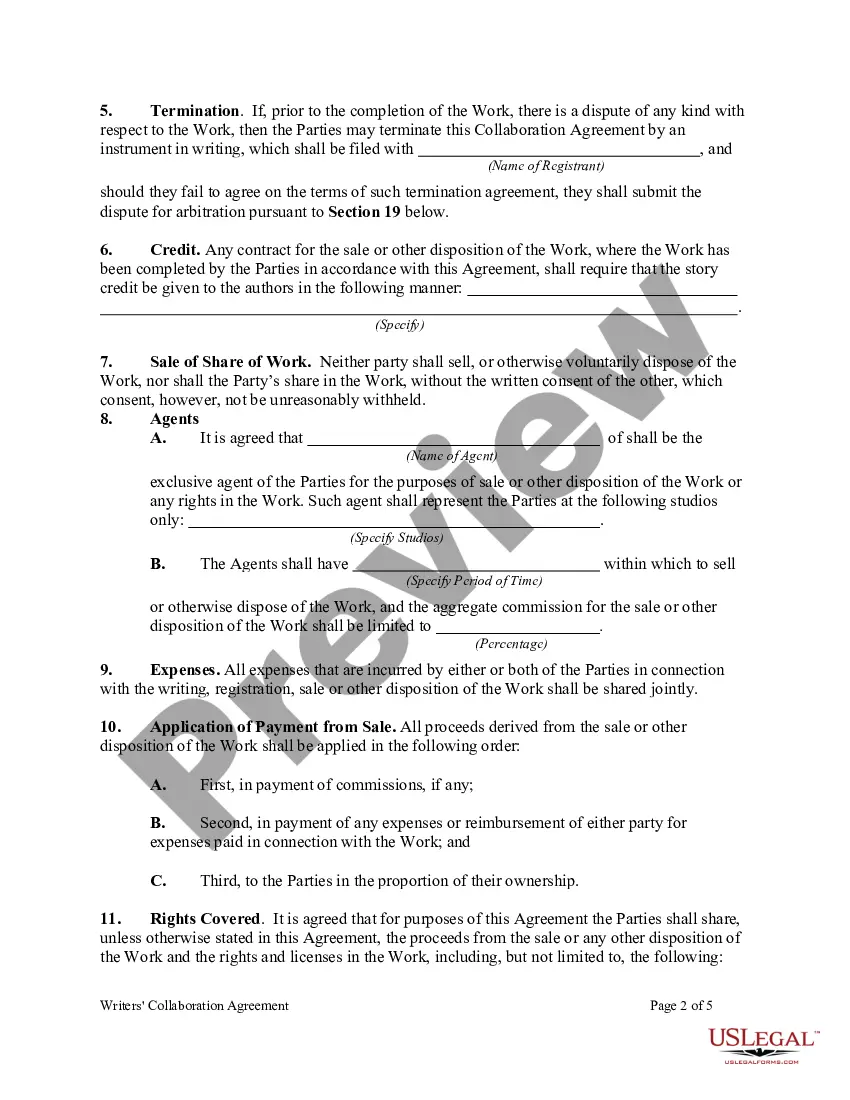
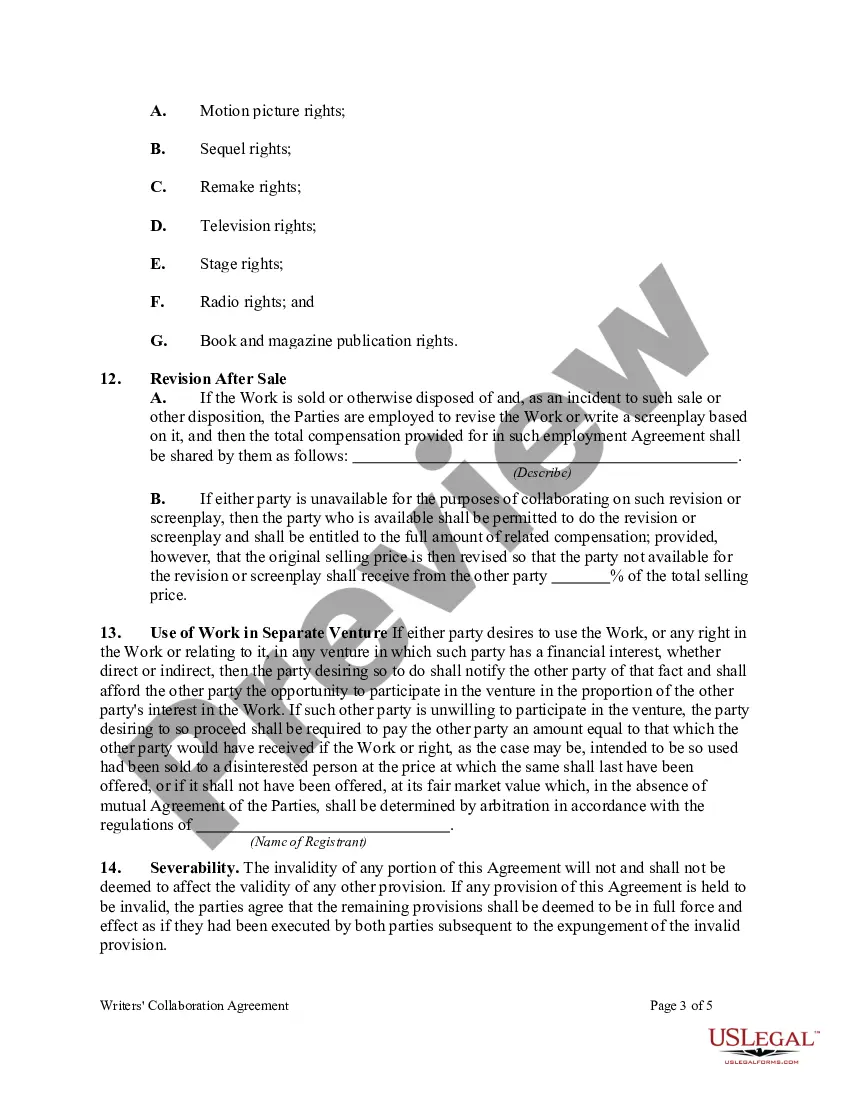
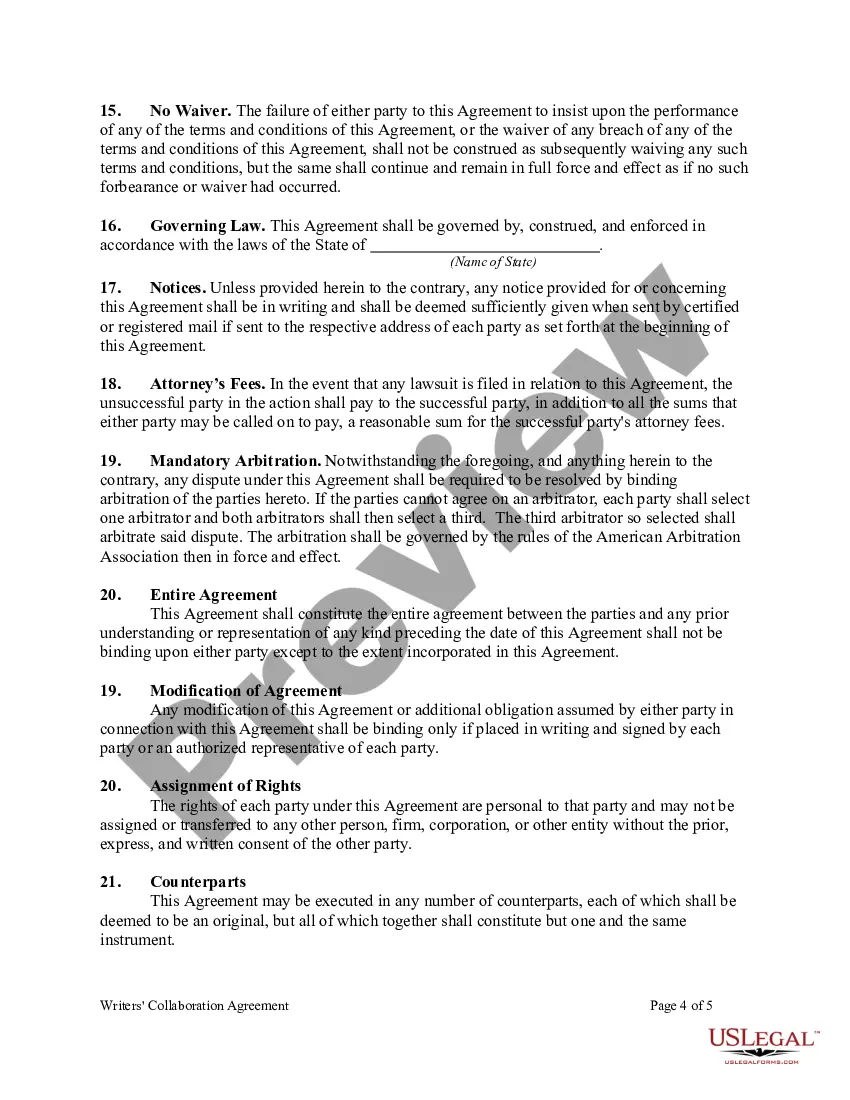
How to fill out Writers' Collaboration Agreement?
- If you're an existing user, log into your account and download your desired form template using the Download button. Ensure your subscription is active; renew as needed.
- For new users, start by previewing the form and its description. Confirm it fits your needs and adheres to local jurisdiction requirements.
- If further adjustments are necessary, use the Search tab to explore additional templates or variations. Select the one that meets your criteria.
- Purchase the document by clicking the Buy Now button, then choose your preferred subscription plan and create an account for library access.
- Complete your payment using your credit card or PayPal to finalize your subscription.
- Download the form and store it on your device, then access it anytime through the My Forms section of your profile.
US Legal Forms stands out with its robust collection of over 85,000 fillable legal documents, more than competitors at a similar price point. Additionally, users have access to premium experts who can assist with form completion.
By following these steps, you can secure the forms you need confidently and correctly. Start leveraging the benefits of using US Legal Forms today!
Form popularity
FAQ
Yes, it is correct to say 'I agree with you.' This phrase effectively communicates your support for someone else's opinion. However, consider the context to ensure clarity. Moreover, being aware of the differences between 'agree to vs with' allows you to choose the best wording in discussions and agreements.
To express agreement politely, you could say, 'I appreciate your perspective, and I agree with you.' This approach acknowledges the other person's opinion while stating your agreement. You might also say, 'Thank you for sharing your view; I agree with your assessment.' Polite communication enhances relationships and fosters constructive dialogue.
'Agree with' is used when expressing support for someone's opinion, while 'agree to' indicates acceptance of a proposal or offer. For example, you would say, 'I agree with your assessment,' but might say, 'I agree to the terms of the contract.' Understanding these distinctions helps clarify communication and avoids misunderstandings in discussions, especially in legal contexts.
You can construct a sentence like, 'I agree with you about the importance of honesty.' This clearly shows your alignment with someone else's opinion. Additionally, you might say, 'After reviewing the evidence, I agree with you regarding the outcome.' Using 'agree with' accurately reflects your support for another person's viewpoint.
You can express agreement by saying, 'I concur with you.' This phrase conveys the same meaning as 'I agree with you,' but it can sound more formal. Additionally, you could say, 'I see your point,' which indicates understanding while also showing agreement. Understanding the subtle differences between 'agree to vs with' can further enhance your communication skills.
An example of using 'agree with' would be, 'I agree with your assessment of the situation.' This phrase clearly links your consent to another person's evaluation. By using 'agree with' correctly, you enhance clarity and convey your thoughts more effectively.
You can rephrase 'I agree with' by saying, 'I support your position on.' This variation not only conveys agreement but also suggests a strong backing for the opinion or idea. Such expressions can be particularly effective in discussions where decisiveness is important.
To express agreement politely, consider saying, 'I see your point and agree wholeheartedly.' This phrase acknowledges the other person's view while affirming your own stance. Such polite discourse can enhance communication and bolster relationships in both personal and professional settings.
In a professional context, you can say, 'I appreciate your perspective and fully support it.' This statement not only indicates agreement, but also shows that you value the other person's opinion. Using phrases like this fosters a collaborative environment, essential in business settings.
You can express agreement more elegantly by saying, 'I concur.' This phrase conveys a sense of formal agreement without being overly colloquial. Furthermore, you might also say, 'I am in alignment with your thoughts,' which demonstrates a deeper understanding of the discussion.