Civil Lawsuit Action With Suffering
Description
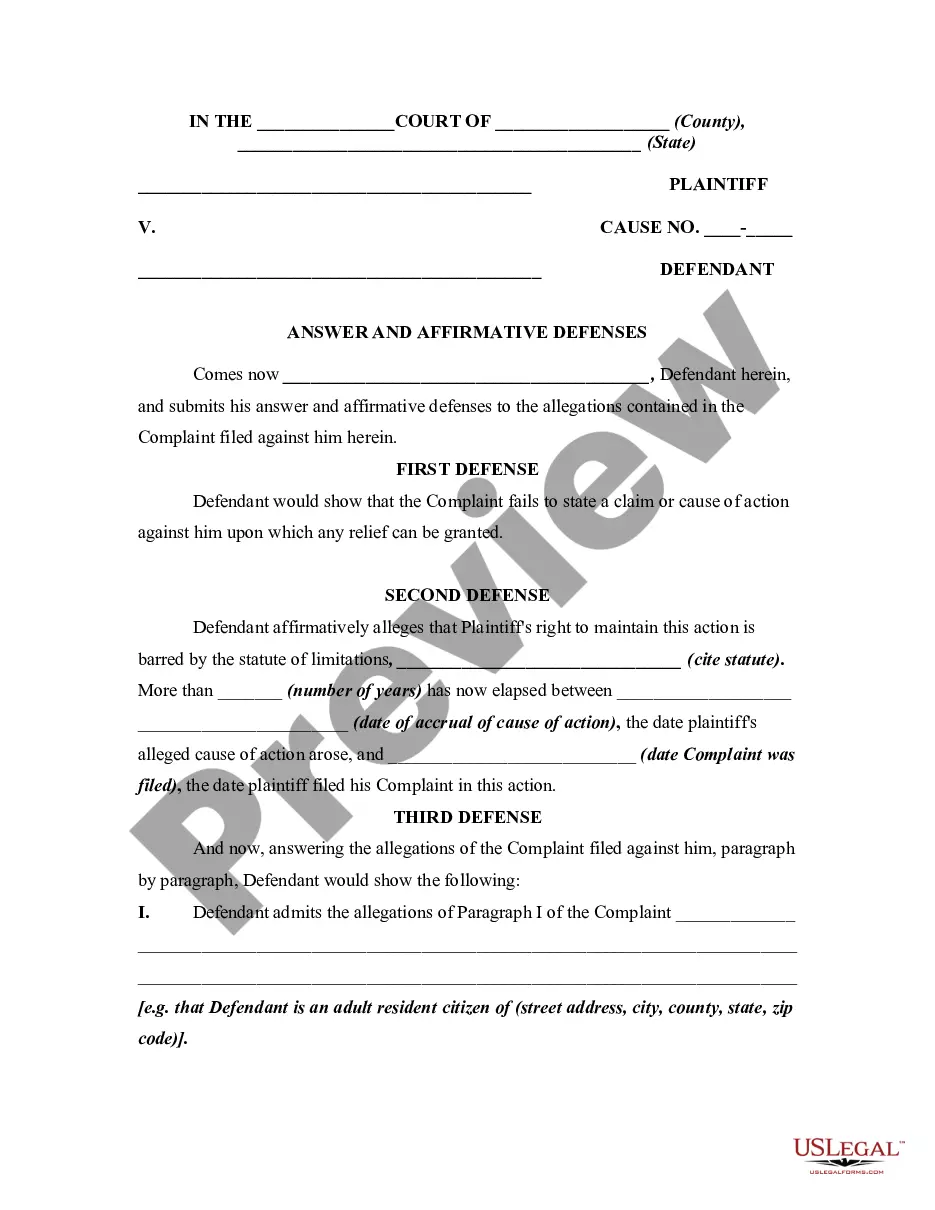
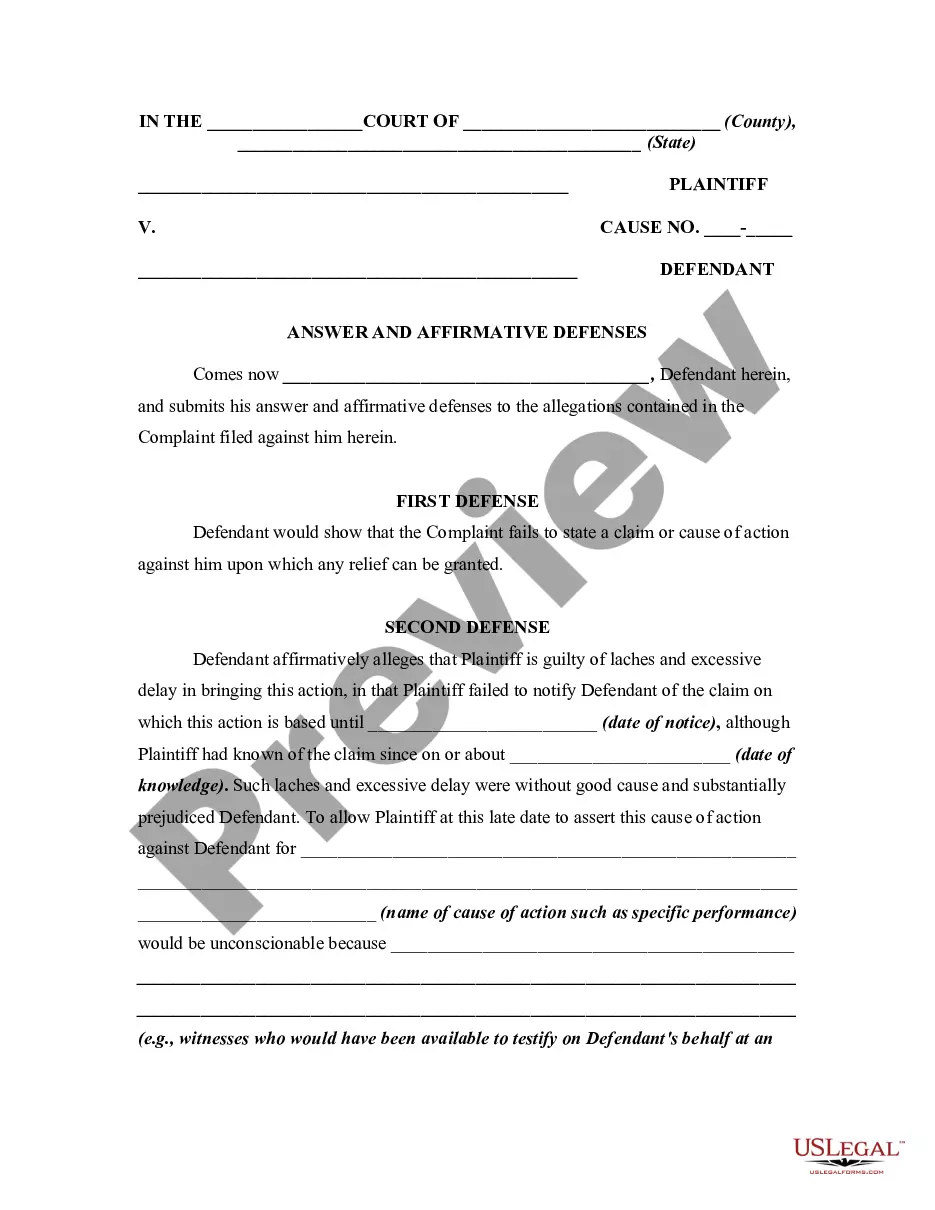
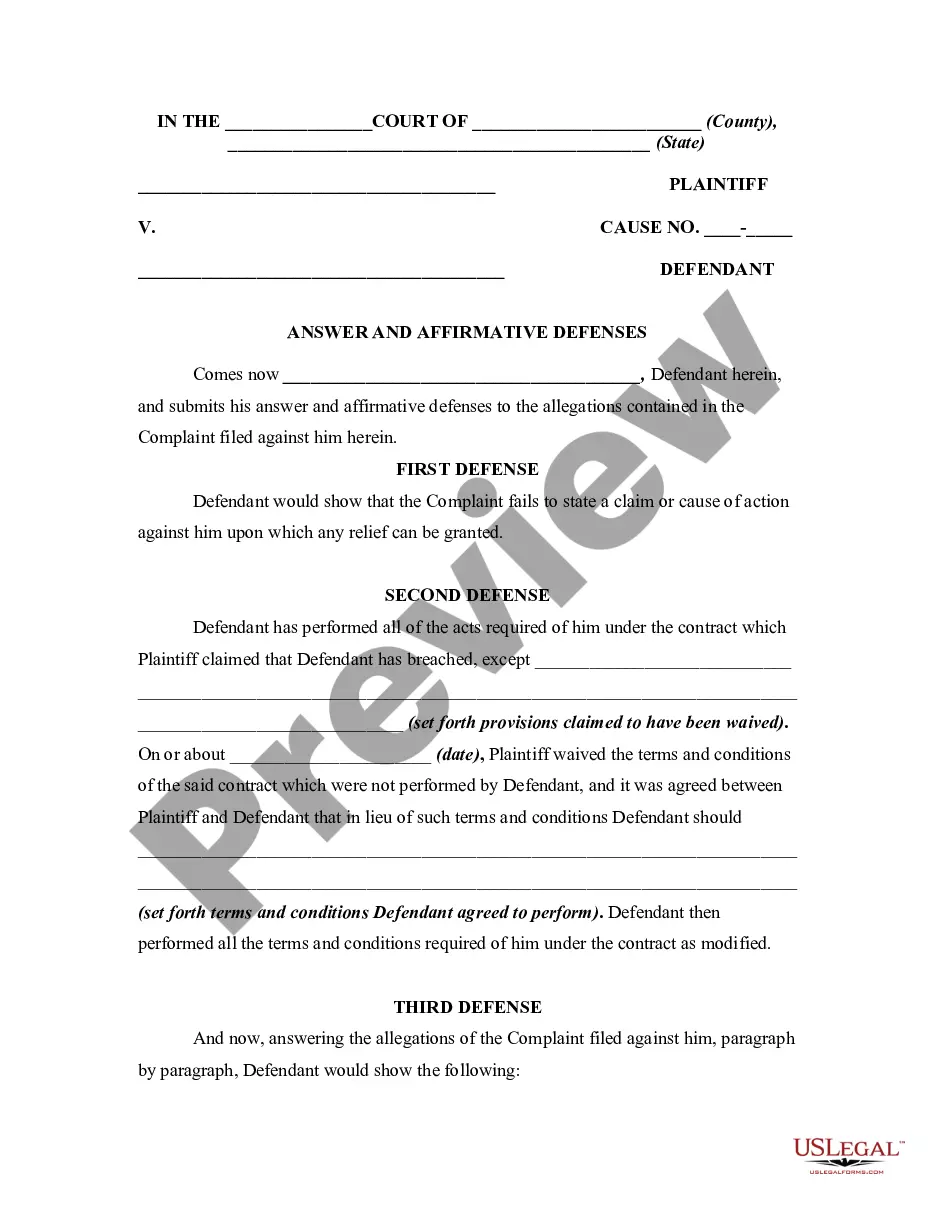
Get your form ready online
Our built-in tools help you complete, sign, share, and store your documents in one place.
Make edits, fill in missing information, and update formatting in US Legal Forms—just like you would in MS Word.
Download a copy, print it, send it by email, or mail it via USPS—whatever works best for your next step.
Sign and collect signatures with our SignNow integration. Send to multiple recipients, set reminders, and more. Go Premium to unlock E-Sign.
If this form requires notarization, complete it online through a secure video call—no need to meet a notary in person or wait for an appointment.
We protect your documents and personal data by following strict security and privacy standards.

Make edits, fill in missing information, and update formatting in US Legal Forms—just like you would in MS Word.

Download a copy, print it, send it by email, or mail it via USPS—whatever works best for your next step.

Sign and collect signatures with our SignNow integration. Send to multiple recipients, set reminders, and more. Go Premium to unlock E-Sign.

If this form requires notarization, complete it online through a secure video call—no need to meet a notary in person or wait for an appointment.

We protect your documents and personal data by following strict security and privacy standards.
Looking for another form?
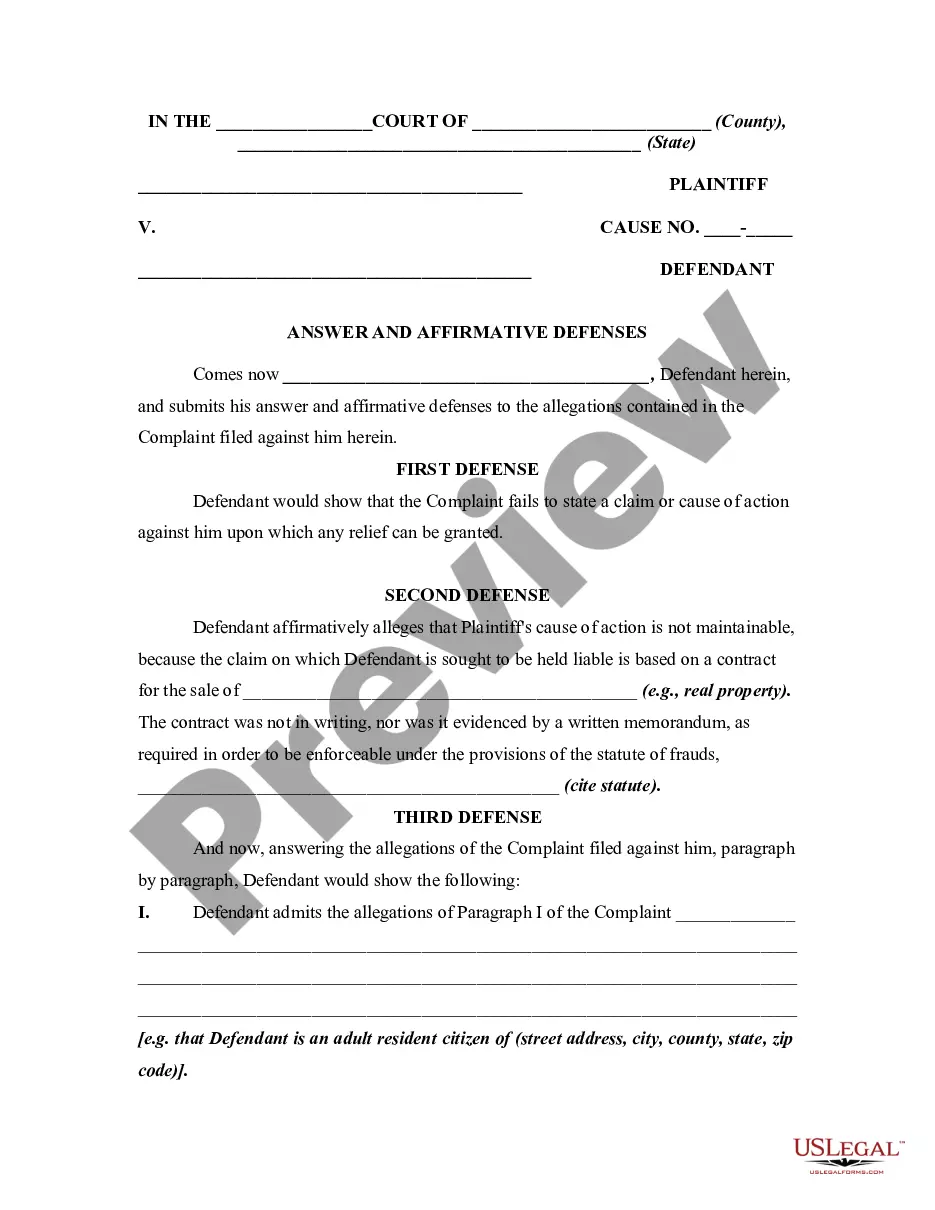
How to fill out Answer By Defendant In A Civil Lawsuit Alleging The Affirmative Defense Of The Cause Of Action Being Barred By The Appropriate Statute Of Frauds?
- Log into your US Legal Forms account if you're already a member. Ensure your subscription is active; renew if necessary.
- For new users, begin by exploring the Preview mode and form descriptions to select the correct template that aligns with your jurisdiction.
- If the selected form does not meet your criteria, utilize the Search tab to locate an appropriate document.
- Once you find the right form, click the Buy Now button and choose your desired subscription plan. Create an account to unlock the library.
- Complete your purchase by entering your payment details via credit card or PayPal.
- After the transaction, download the form to your device and access it anytime from the My Forms section in your profile.
US Legal Forms significantly simplifies the process of obtaining legal documents, with an extensive library featuring over 85,000 editable templates. These resources empower both individuals and attorneys to ensure their legal papers are both precise and compliant.
Start your journey toward legal empowerment today. Visit US Legal Forms and experience the convenience of a well-organized document collection tailored to your needs.
Form popularity
FAQ
Writing a cause of action for a civil lawsuit action with suffering requires clear articulation of facts and legal grounds. Start by stating the relevant laws that support your claim and describe how they relate to your experience. Explain the events that led to your suffering and demonstrate how these actions constitute a legal violation. This structured approach helps establish a strong foundation for your case.
A civil lawsuit action with suffering generally follows five essential steps. First, you would file a complaint outlining your claims and the suffering you have endured. Next, the defendant files a response, which can lead to a discovery phase where both parties gather evidence. Afterward, the case may proceed to trial, where you present your arguments in front of a judge or jury. Lastly, the court will deliver a verdict, which may require additional steps if either party seeks to appeal.
To write a letter for a civil lawsuit action with suffering, you must include specific elements. Start by addressing the defendant clearly, and state the purpose of the letter, which is often to notify them of your intentions. Clearly outline the facts of the case, including your suffering, and mention any relevant laws. Finally, request a response or action, and ensure that your letter maintains a professional tone throughout.
A typical amount for pain and suffering in a civil lawsuit action with suffering can differ based on various factors such as the type and extent of the injury. It often ranges from a multiplier of medical expenses to predetermined amounts established by court precedents. Engaging professionals, like those at US Legal Forms, can provide valuable insights into typical payouts based on industry standards. Gathering information about similar past cases will also help in your assessment.
The maximum amount you can sue for pain and suffering in a civil lawsuit action with suffering largely depends on the jurisdiction and specific circumstances of your case. Some states have caps on non-economic damages, which includes pain and suffering. Understanding these limits is essential for any legal strategy you pursue. Consulting with an attorney can clarify these regulations for your specific situation.
The compensation amount for pain and suffering in a civil lawsuit action with suffering varies widely. In many instances, settlements range from a few thousand dollars to millions based on case complexity and injury severity. A lawyer can help you estimate a plausible compensation range by evaluating all factors of your case, including previous settlements for similar claims. This approach helps you set realistic expectations.
Determining how much to accept for pain and suffering in a civil lawsuit action with suffering is a complex process. Consider the details of your case, such as your injuries, their impact on your life, and any supporting evidence you have. It is wise to consult with legal professionals who can help you calculate a fair amount based on various factors, including medical expenses and emotional distress. This groundwork can enhance your negotiation position.
In a civil lawsuit action with suffering, pain and suffering generally encompass physical pain, emotional distress, and mental anguish resulting from an injury. This aspect of your claim can include ongoing pain, anxiety, or a diminished quality of life. Each case is unique, and the impact of the injury on your daily activities plays a critical role in your claim. Documenting your experiences effectively is important to support your case.
The maximum payout for pain and suffering in a civil lawsuit action with suffering varies significantly based on the case specifics and state laws. It often depends on the severity of the injury and the impact on your life. Typically, insurance companies evaluate the evidence presented to determine a fair compensation amount. Understanding these factors can help clarify potential payouts.
Most civil cases tend to settle during the discovery phase, before trial proceedings begin. At this stage, both parties have exchanged initial evidence and often develop a clearer understanding of each other's positions. This insight often leads to negotiations aimed at reaching a settlement. Leveraging resources from uslegalforms can help streamline this process in a civil lawsuit action with suffering.