Affirmative Defenses In California Withdraw
Description

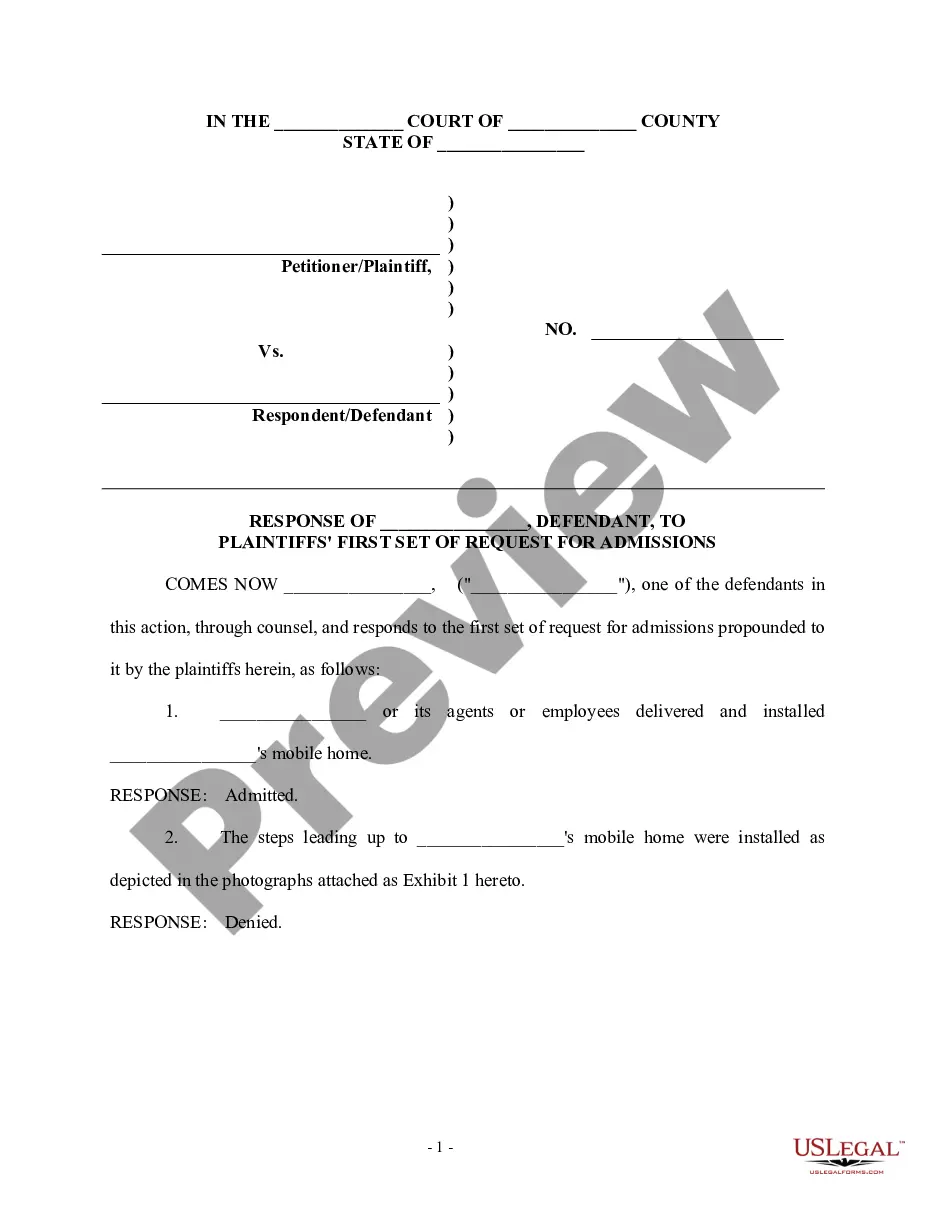
Get your form ready online
Our built-in tools help you complete, sign, share, and store your documents in one place.
Make edits, fill in missing information, and update formatting in US Legal Forms—just like you would in MS Word.
Download a copy, print it, send it by email, or mail it via USPS—whatever works best for your next step.
Sign and collect signatures with our SignNow integration. Send to multiple recipients, set reminders, and more. Go Premium to unlock E-Sign.
If this form requires notarization, complete it online through a secure video call—no need to meet a notary in person or wait for an appointment.
We protect your documents and personal data by following strict security and privacy standards.

Make edits, fill in missing information, and update formatting in US Legal Forms—just like you would in MS Word.

Download a copy, print it, send it by email, or mail it via USPS—whatever works best for your next step.

Sign and collect signatures with our SignNow integration. Send to multiple recipients, set reminders, and more. Go Premium to unlock E-Sign.

If this form requires notarization, complete it online through a secure video call—no need to meet a notary in person or wait for an appointment.

We protect your documents and personal data by following strict security and privacy standards.
Looking for another form?

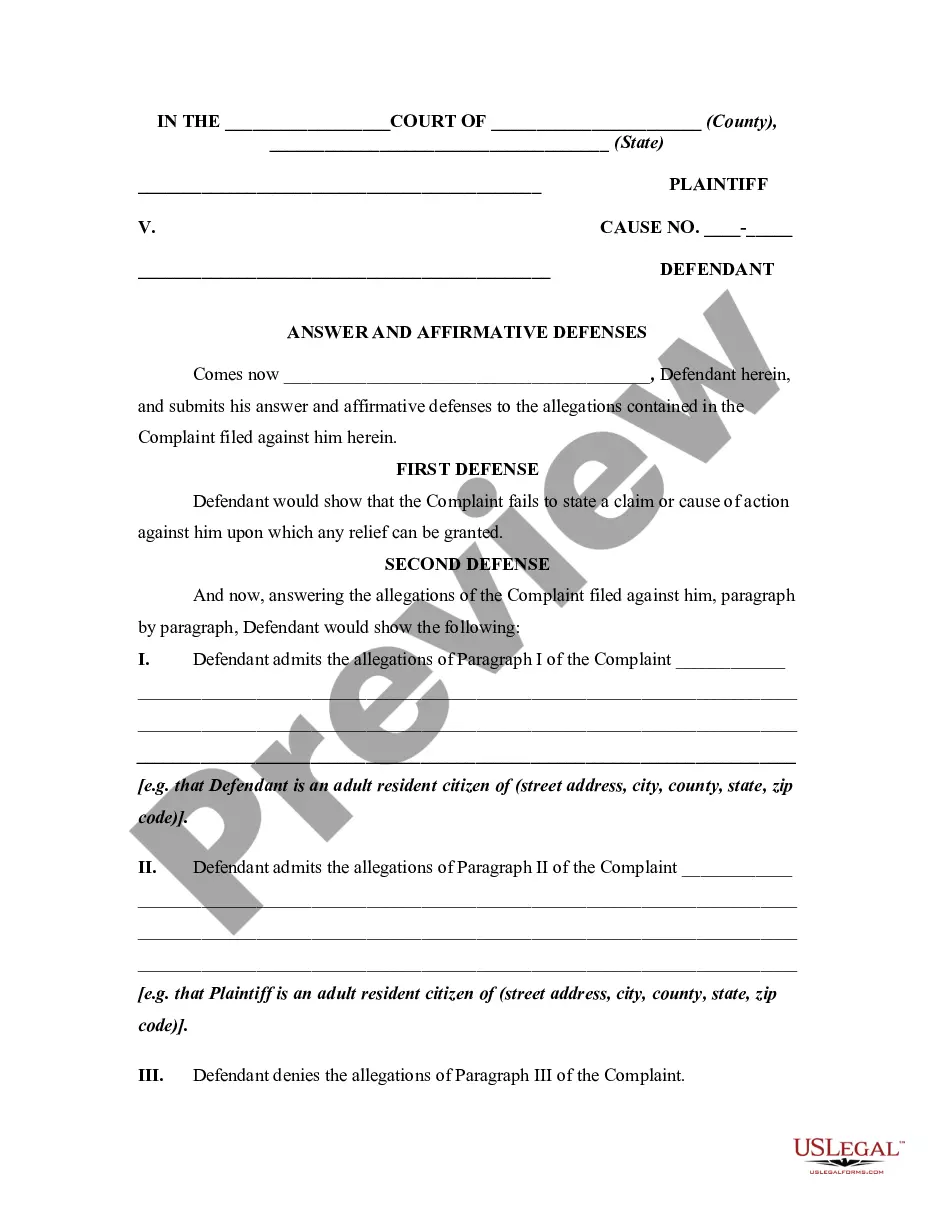
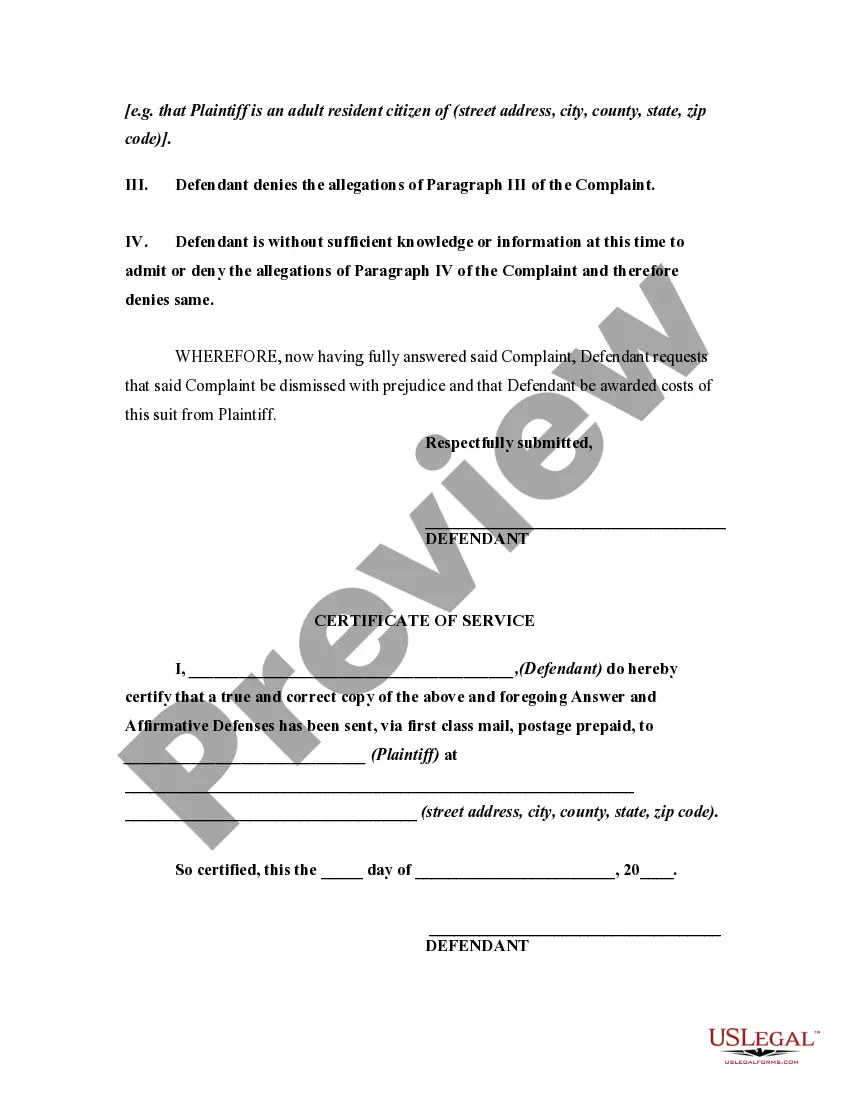
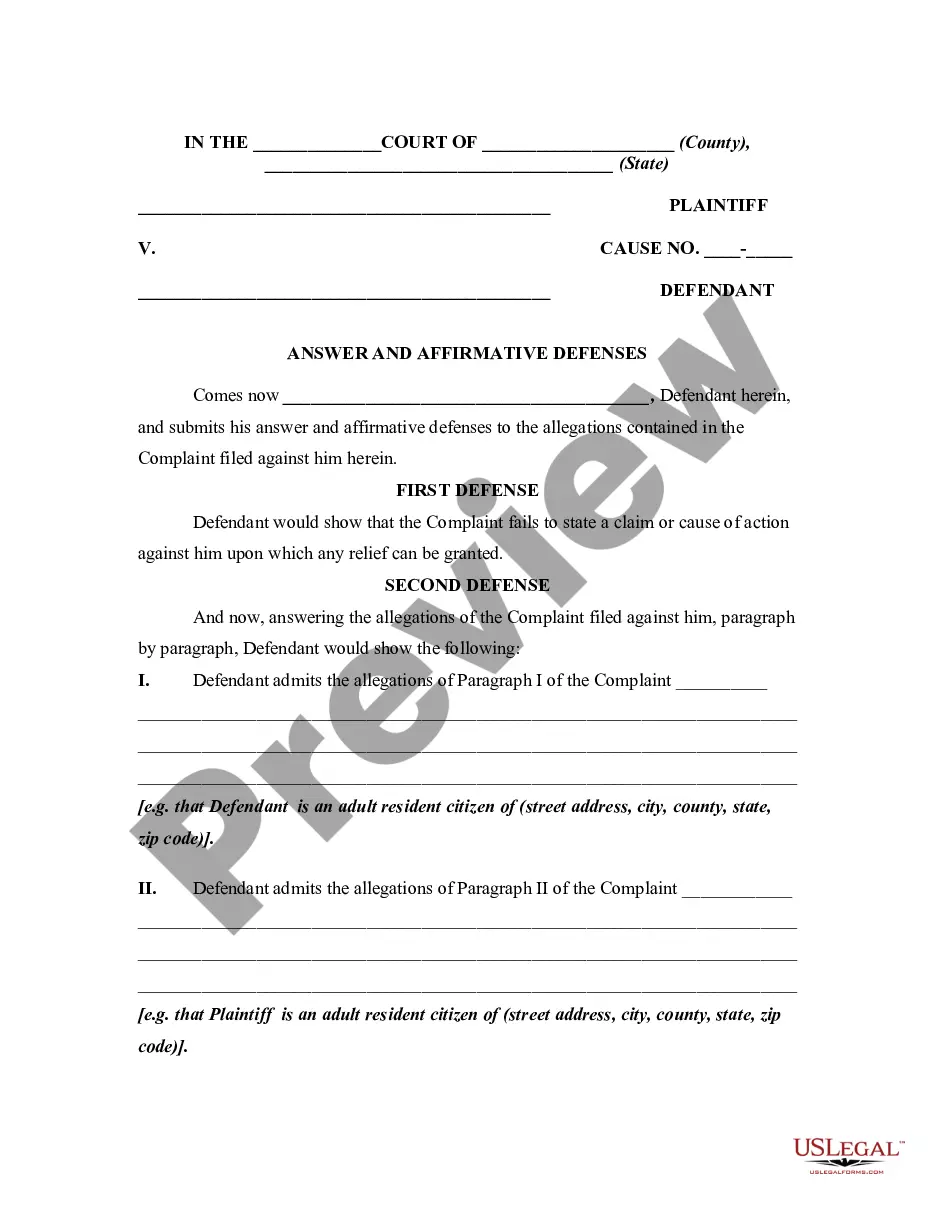
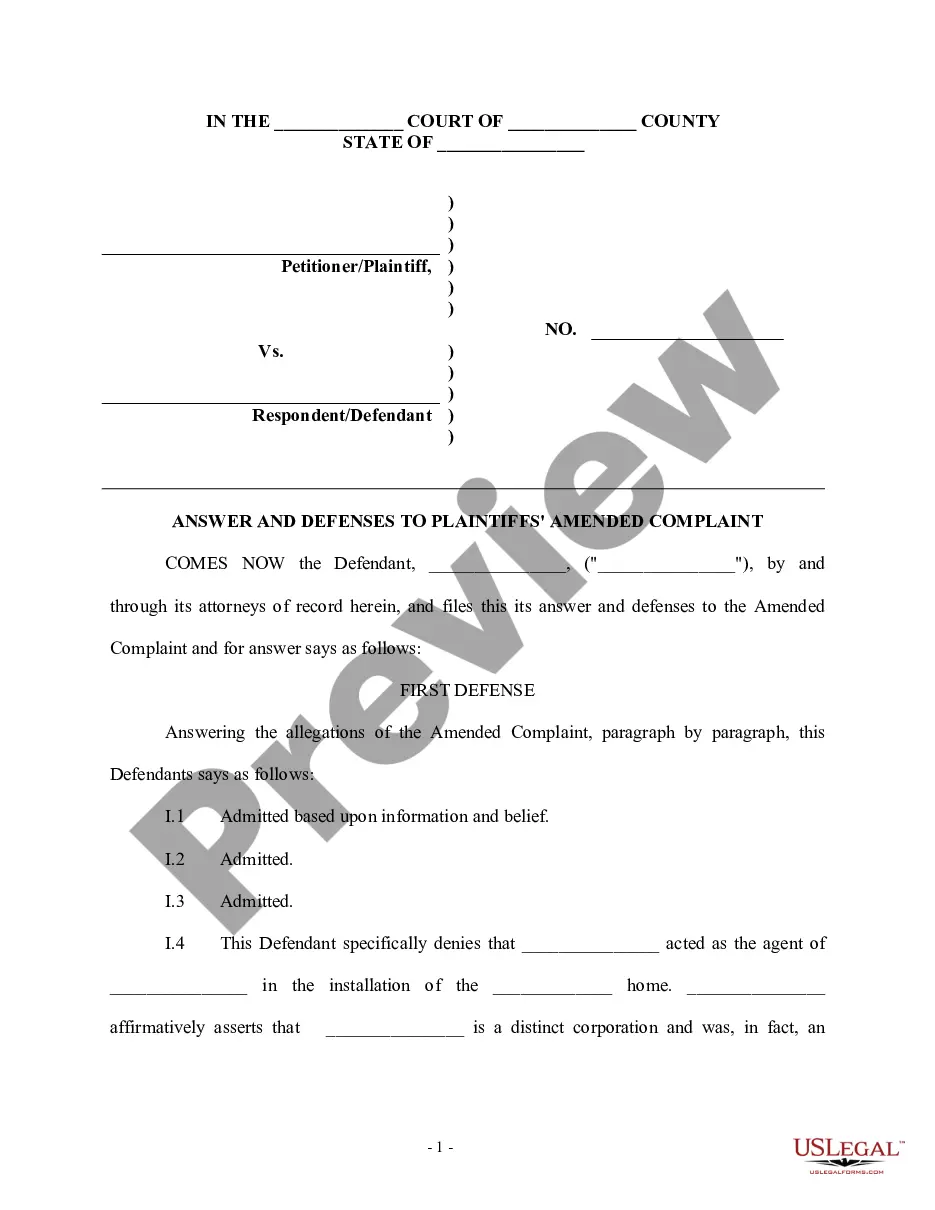
How to fill out Answer With Specific Denials And Admissions Along With Denial Of Sufficient Knowledge Or Information To Form A Belief As To Certain Allegations?
It’s well-known that you can’t become a legal expert instantly, nor can you learn how to rapidly prepare Affirmative Defenses In California Withdraw without possessing a specific skill set.
Drafting legal documents is a lengthy endeavor that necessitates particular training and expertise. So why not entrust the preparation of the Affirmative Defenses In California Withdraw to the professionals.
With US Legal Forms, one of the most extensive legal document repositories, you can locate everything from court documents to templates for internal business communications.
If you need a different template, restart your search.
Create a free account and choose a subscription plan to acquire the template. Click Buy now. Once the payment is processed, you can access the Affirmative Defenses In California Withdraw, complete it, print it, and send or mail it to the appropriate individuals or entities.
- We recognize how crucial compliance and observance of federal and state laws and regulations are.
- That’s why, on our platform, all forms are region-specific and current.
- Here’s how to start on our website and obtain the document you require in just a few minutes.
- Identify the document you need by utilizing the search bar located at the top of the page.
- Preview it (if this option is available) and review the accompanying description to determine if Affirmative Defenses In California Withdraw is what you’re looking for.
Form popularity
FAQ
If you file an Answer to the lawsuit and defend yourself in court, you can state an affirmative defense. You can deny what the plaintiff says you did without saying anything else. But you can also have affirmative defenses. You must raise it in your Answer or you may give up your right to bring it up later.
Asserting an Affirmative Defense: An Example First, find the elements of the defense you want to assert. Statutes and appellate cases are good resources for this. Then, state any facts in your own case that make up the elements of that defense.
As a general rule, the failure to include an affirmative defense in when responding to a claim will result in the waiver of that defense. In addition, there are situations in which a party can waive an affirmative defense even if it was included in the party's answer.
Affirmative defenses, with few exceptions, are waived if they are not pleaded in the demurrer or answer. (§430.80.) (All statutory references are to the California Code of Civil Procedure unless otherwise stated.)
Affirmative Defenses State any factual or legal reasons that the Plaintiff cannot win all or part of this case. Provide enough detail so the Plaintiff and Court will understand your defense.