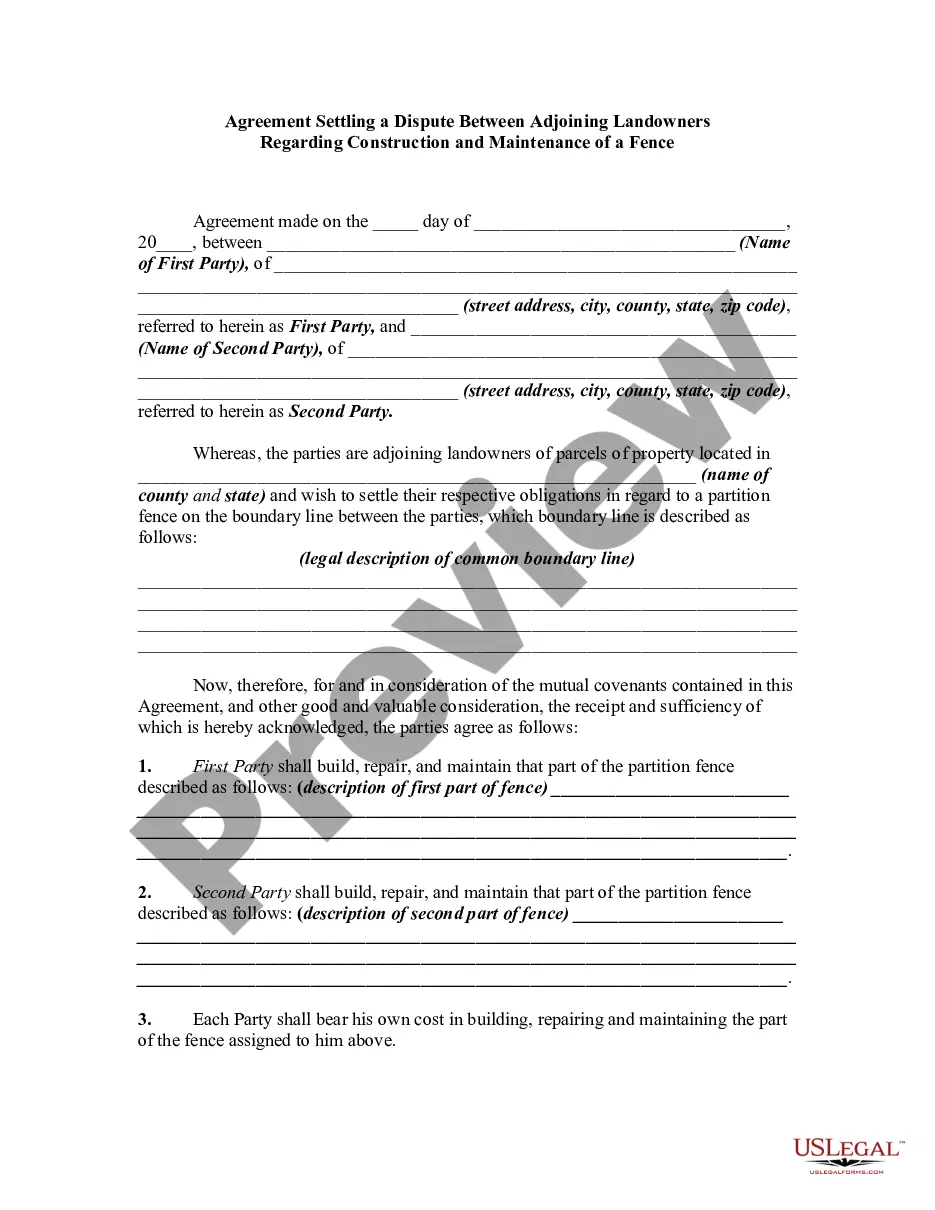
Fence Agreement Between Neighbours Form For Property Line
Description
Get your form ready online
Our built-in tools help you complete, sign, share, and store your documents in one place.
Make edits, fill in missing information, and update formatting in US Legal Forms—just like you would in MS Word.
Download a copy, print it, send it by email, or mail it via USPS—whatever works best for your next step.
Sign and collect signatures with our SignNow integration. Send to multiple recipients, set reminders, and more. Go Premium to unlock E-Sign.
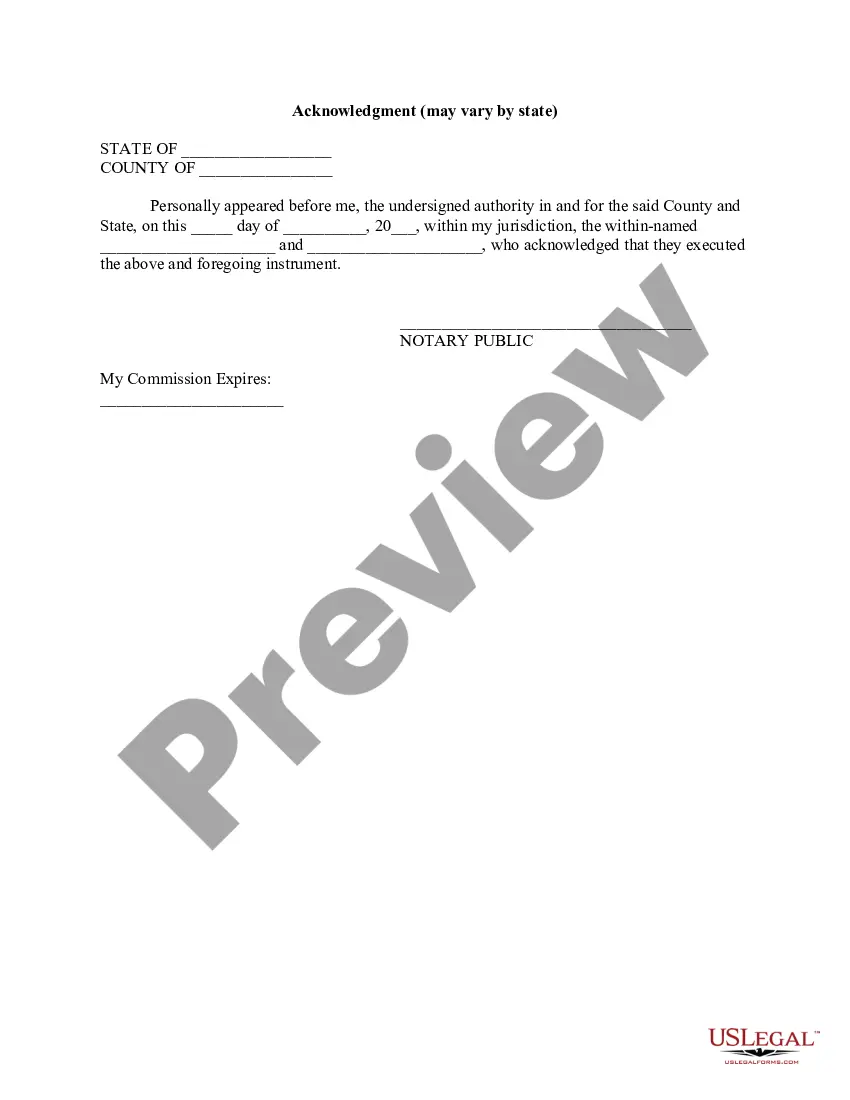
If this form requires notarization, complete it online through a secure video call—no need to meet a notary in person or wait for an appointment.
We protect your documents and personal data by following strict security and privacy standards.

Make edits, fill in missing information, and update formatting in US Legal Forms—just like you would in MS Word.

Download a copy, print it, send it by email, or mail it via USPS—whatever works best for your next step.

Sign and collect signatures with our SignNow integration. Send to multiple recipients, set reminders, and more. Go Premium to unlock E-Sign.

If this form requires notarization, complete it online through a secure video call—no need to meet a notary in person or wait for an appointment.

We protect your documents and personal data by following strict security and privacy standards.
Looking for another form?
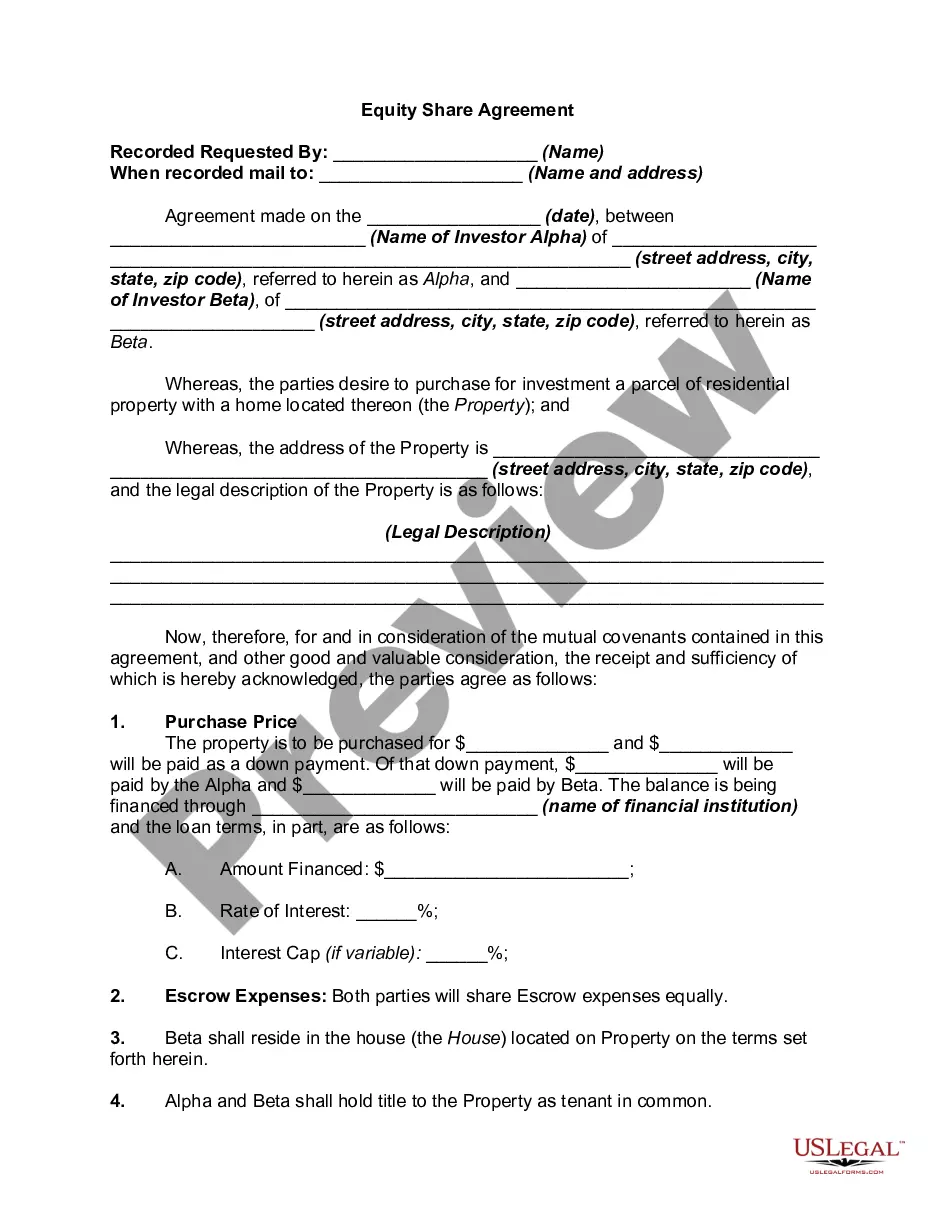

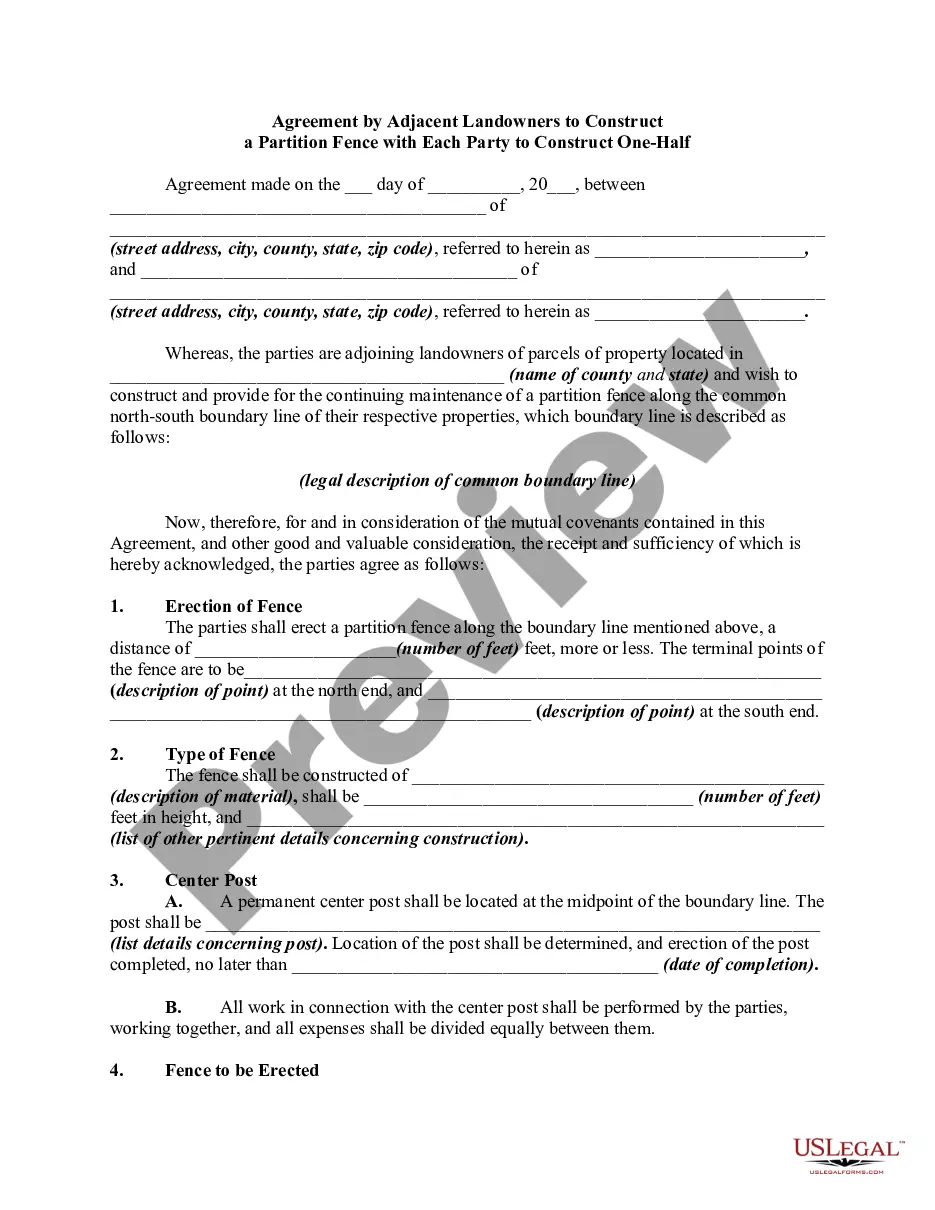
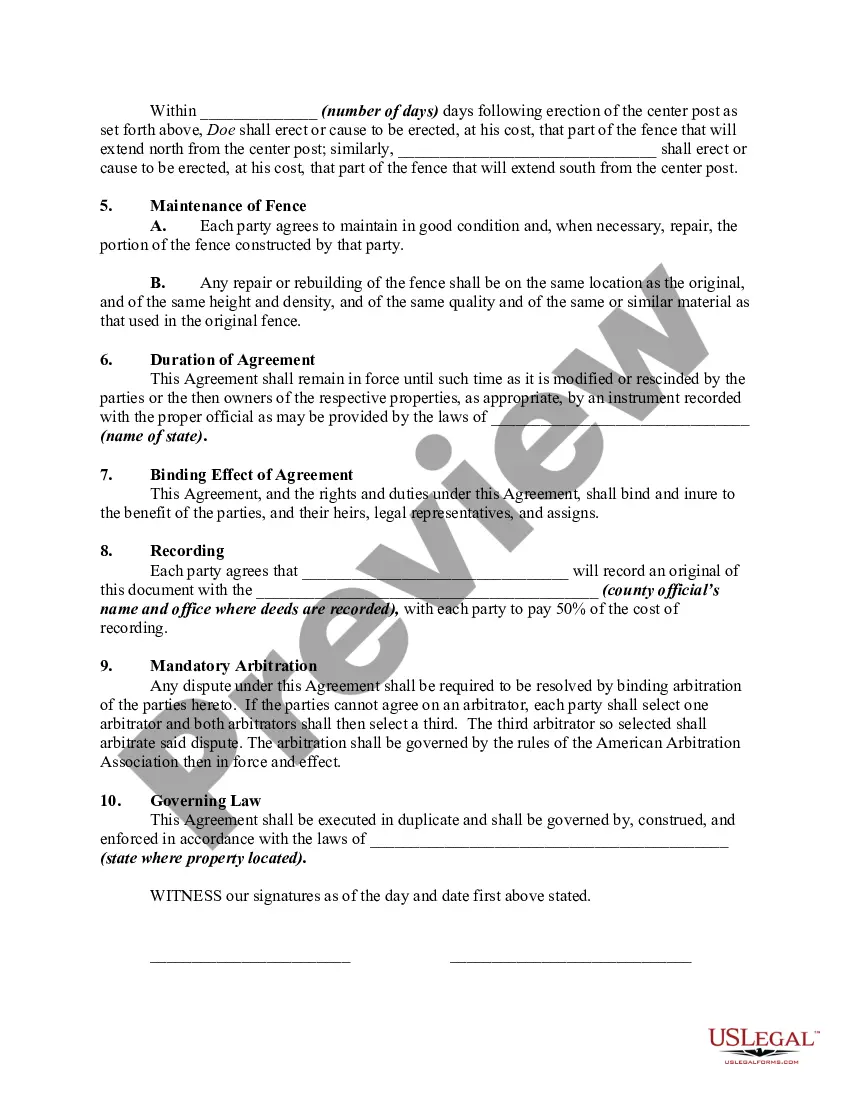
How to fill out Agreement By Adjacent Landowners To Construct A Partition Fence With Each Party To Construct One-Half?
Whether for corporate objectives or personal matters, everyone must manage legal circumstances at some point in their existence.
Completing legal paperwork requires meticulous care, starting from selecting the suitable form template.
With an extensive US Legal Forms collection available, you never have to waste time searching for the appropriate template online. Utilize the library’s straightforward navigation to find the correct form for any circumstance.
- Locate the template you require by using the search function or catalog browsing.
- Review the form’s details to confirm it aligns with your situation, jurisdiction, and area.
- Select the form’s preview to examine it.
- If it is not the correct document, return to the search tool to locate the Fence Agreement Between Neighbours Form For Property Line template you need.
- Obtain the file when it satisfies your criteria.
- If you have a US Legal Forms account, click Log in to access previously saved documents in My documents.
- If you do not have an account yet, you can acquire the form by clicking Buy now.
- Choose the correct pricing option.
- Complete the profile registration form.
- Select your payment method: you can utilize a credit card or PayPal account.
- Choose the document format you want and download the Fence Agreement Between Neighbours Form For Property Line.
- Once saved, you can fill out the form using editing software or print it out and complete it by hand.
Form popularity
FAQ
In Minnesota, placing a fence directly on the property line is generally possible, but local laws may impose restrictions. To prevent conflicts, it is advisable to discuss plans with your neighbor and document the agreement using a fence agreement between neighbours form for property line. This form promotes good communication and helps maintain neighborly relations.
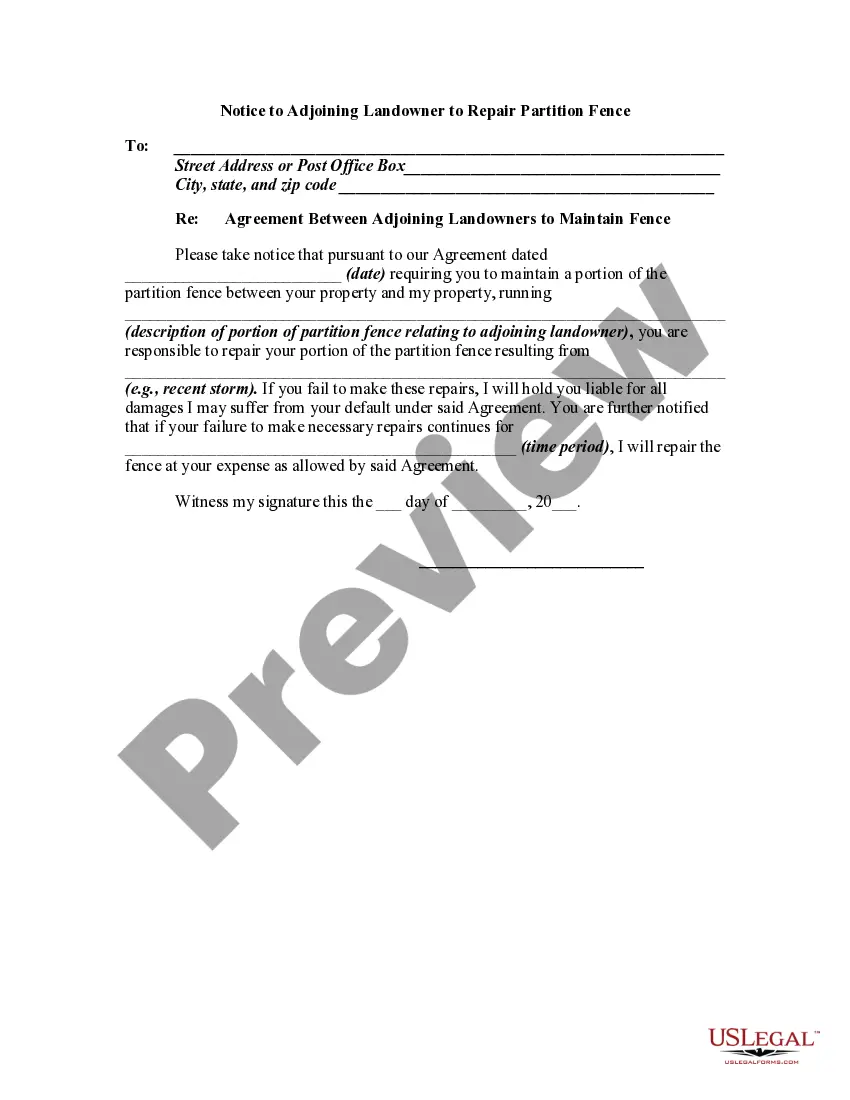
Writing a contract for a fence involves clearly outlining processes such as materials, costs, and timelines. It should also include dispute resolution terms and may benefit from using a fence agreement between neighbours form for property line to ensure all aspects are covered. This contract helps maintain a good relationship between neighbors and provides legal clarity.
Yes, in Minnesota, a permit is often required to install a fence, depending on factors like height and location. Each municipality may have different rules, so it’s wise to check with your local government. To ensure your fence meets all necessary regulations, a fence agreement between neighbours form for property line can help clarify responsibilities.
A land use agreement between neighbors outlines the rights and responsibilities regarding the use of property and resources. This agreement can cover shared utilities, access, and, importantly, fencing. Using a fence agreement between neighbours form for property line can be a critical part of this arrangement to avoid misunderstandings.
In Minnesota, a fence typically must be set back at least two to five inches from the property line, but this can vary by local ordinances. It's essential to check local regulations as they can impose specific requirements. To ensure compliance and avoid conflicts, consider drafting a fence agreement between neighbours form for property line that specifies the location of the fence.
The spite fence law in Minnesota addresses unreasonable or excessive fences built to annoy neighbors. This law allows neighbors to challenge a fence that serves no practical purpose and is primarily intended to cause distress. To avoid disputes, using a fence agreement between neighbours form for property line can provide clear guidelines and expectations for everyone involved.
The distance you must place a fence from your property line varies by state and local regulations. In many areas, a common setback can range from 0 to several feet, with specific guidelines outlined by local zoning laws. For the best results and to prevent misunderstandings, you can use a fence agreement between neighbours form for property line to document the agreed-upon distance.
Yes, you generally can place a fence directly on your property line in Minnesota, but it is wise to confirm local laws and ordinances. Engaging with your neighbor can prevent future conflicts, and utilizing a fence agreement between neighbours form for property line can formalize the arrangement. This mutual agreement protects both parties and ensures clarity regarding the fence's location.
In Georgia, the specific distance a fence must be set back from the property line can depend on local ordinances, but a common requirement is between 2 to 5 feet. It’s essential to check with local authorities to confirm the exact measurement. When in doubt, a fence agreement between neighbours form for property line can clarify boundaries and prevent disputes.
In New Jersey, fence regulations vary by municipality, but general rules apply regarding height and placement. Often, fences in residential areas cannot exceed certain heights, and setbacks from property lines may be required. To navigate these rules effectively, consider using a fence agreement between neighbours form for property line to ensure compliance and mutual understanding.