Quiet Title In Texas
Description
Get your form ready online
Our built-in tools help you complete, sign, share, and store your documents in one place.
Make edits, fill in missing information, and update formatting in US Legal Forms—just like you would in MS Word.
Download a copy, print it, send it by email, or mail it via USPS—whatever works best for your next step.
Sign and collect signatures with our SignNow integration. Send to multiple recipients, set reminders, and more. Go Premium to unlock E-Sign.
If this form requires notarization, complete it online through a secure video call—no need to meet a notary in person or wait for an appointment.
We protect your documents and personal data by following strict security and privacy standards.

Make edits, fill in missing information, and update formatting in US Legal Forms—just like you would in MS Word.

Download a copy, print it, send it by email, or mail it via USPS—whatever works best for your next step.

Sign and collect signatures with our SignNow integration. Send to multiple recipients, set reminders, and more. Go Premium to unlock E-Sign.

If this form requires notarization, complete it online through a secure video call—no need to meet a notary in person or wait for an appointment.

We protect your documents and personal data by following strict security and privacy standards.
Looking for another form?
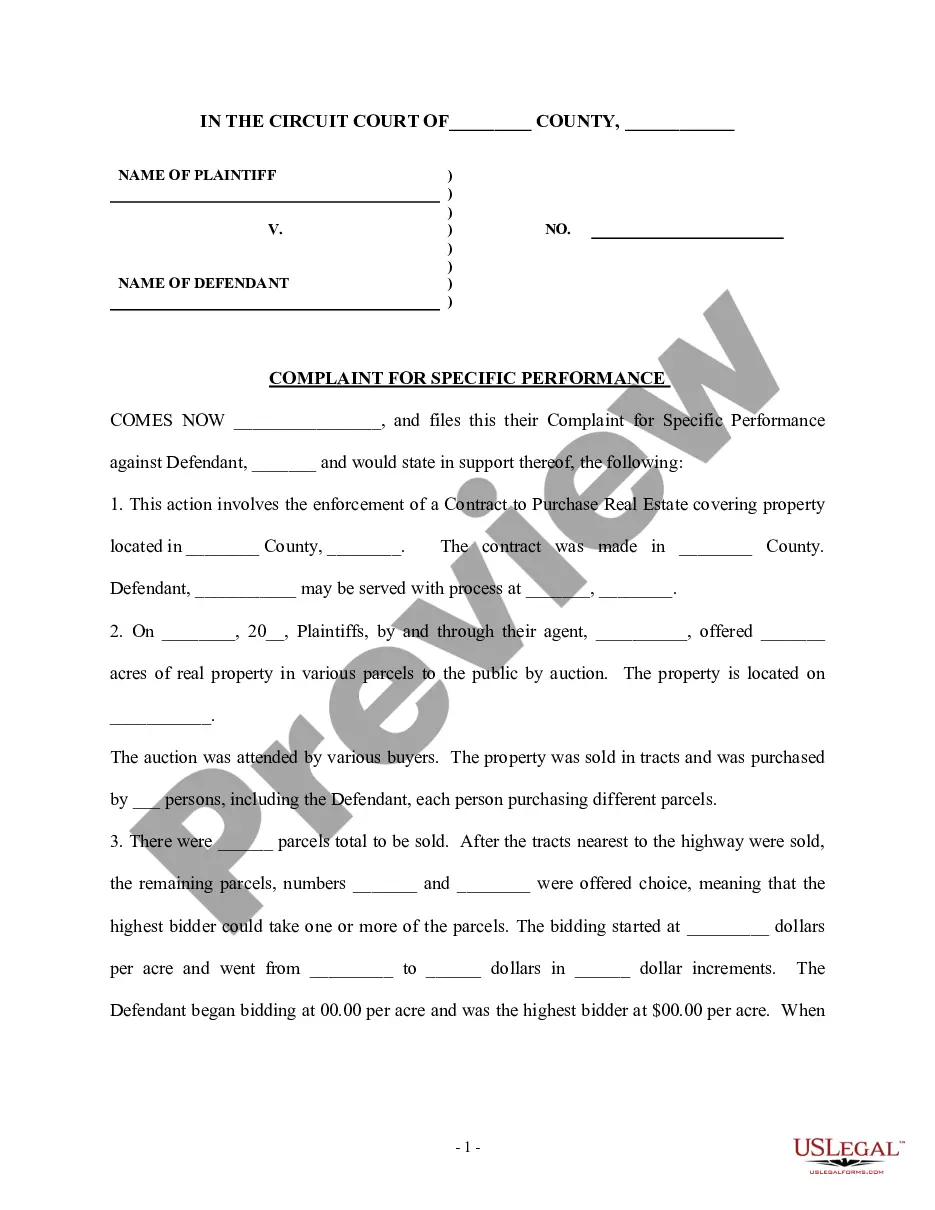
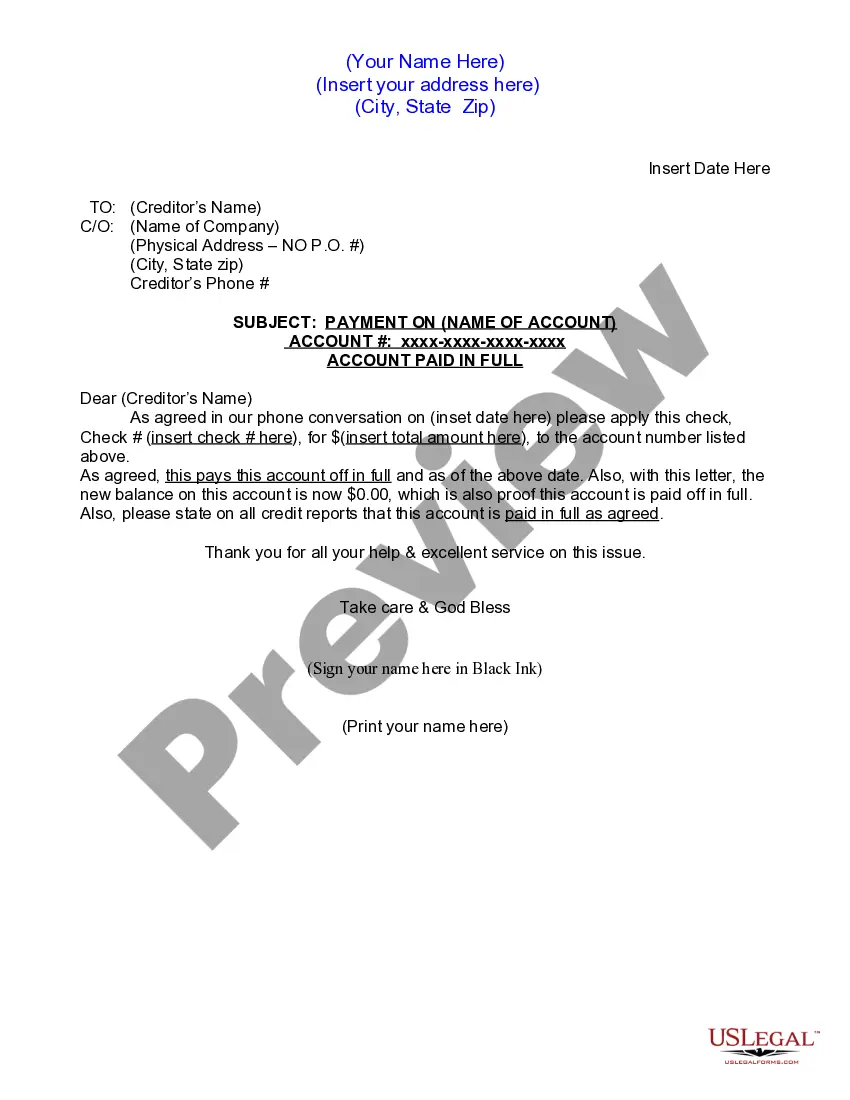
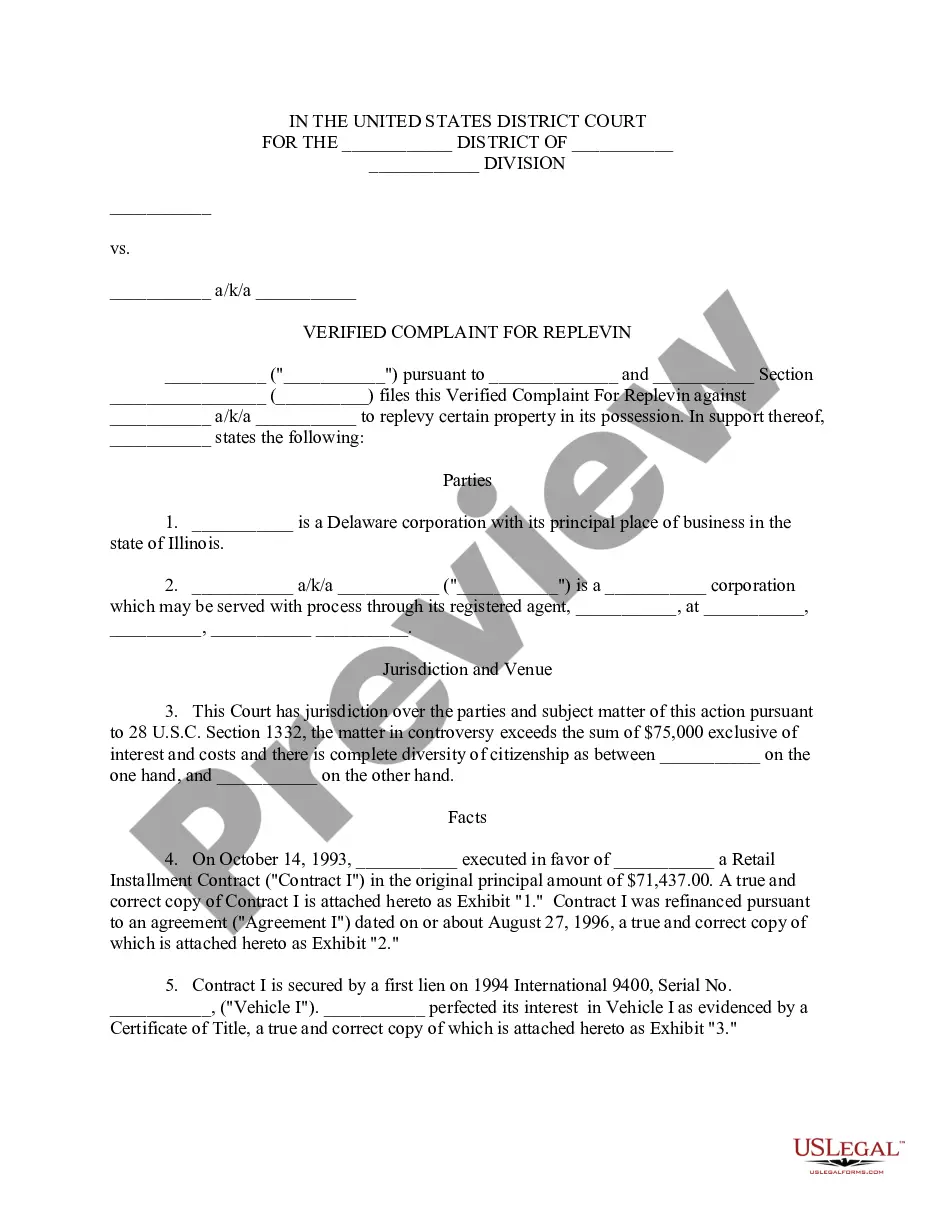
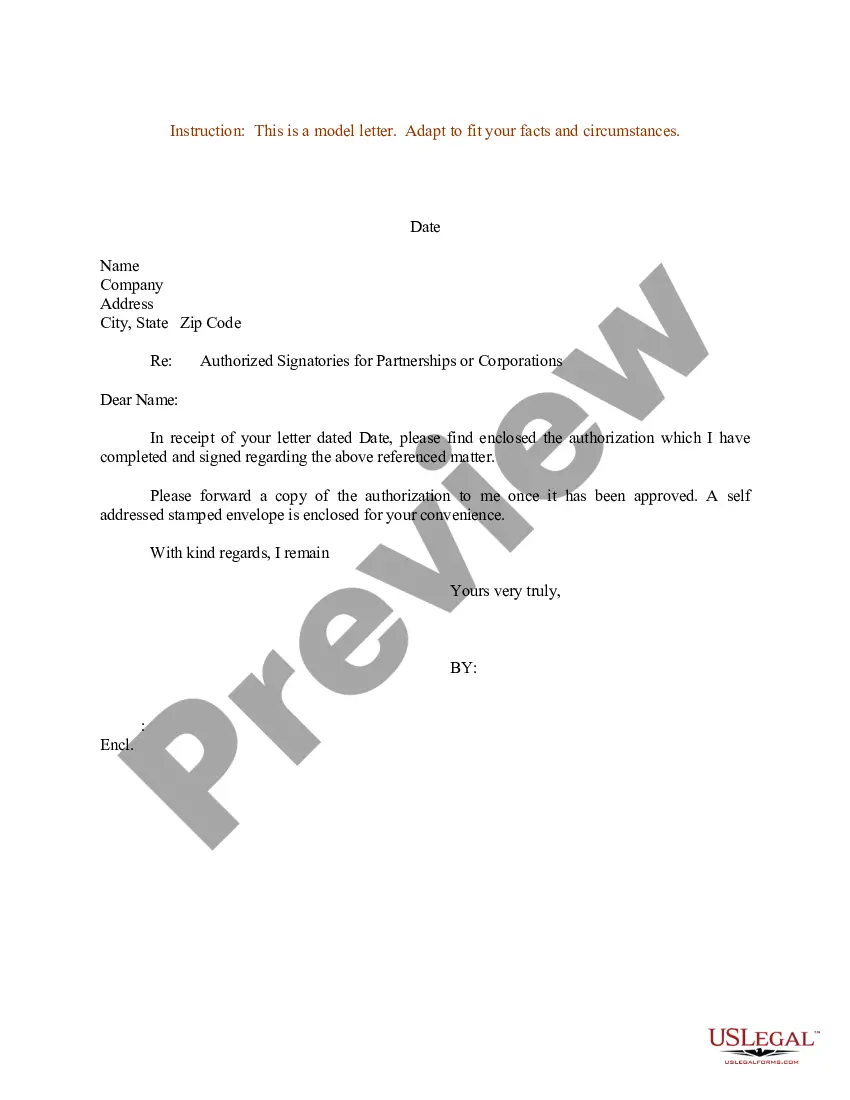
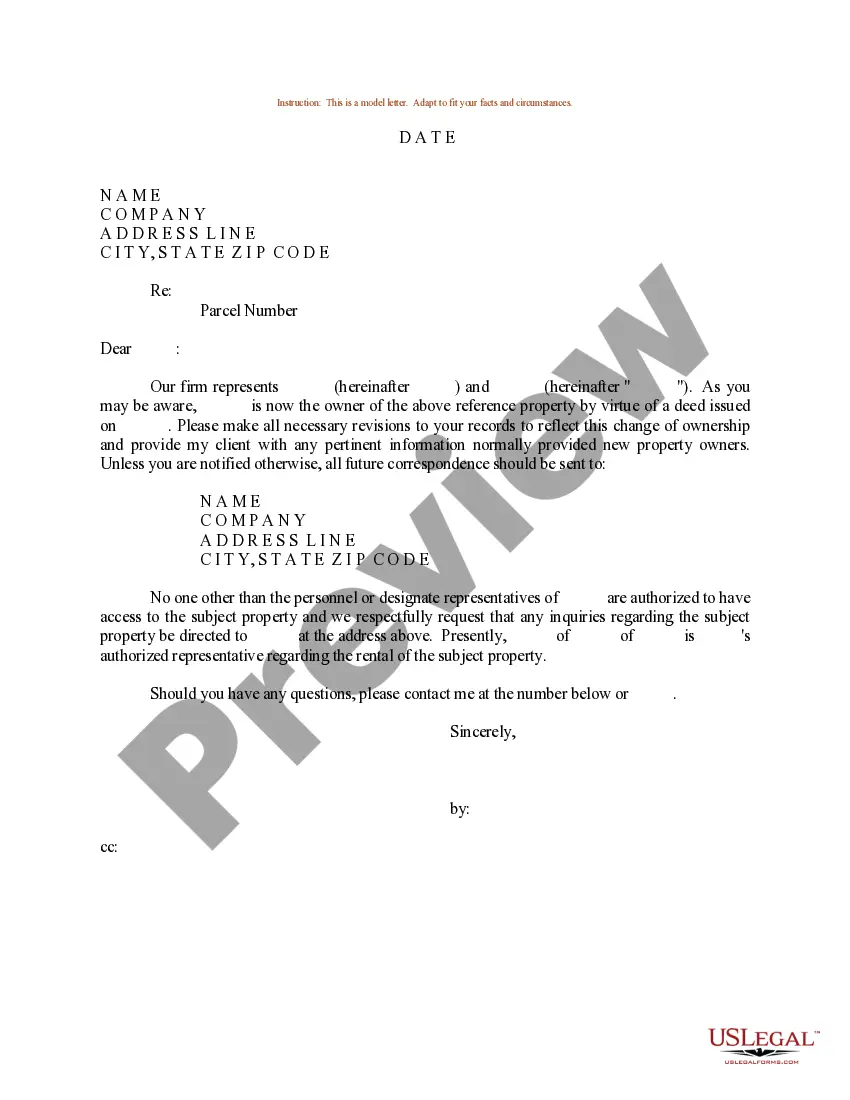
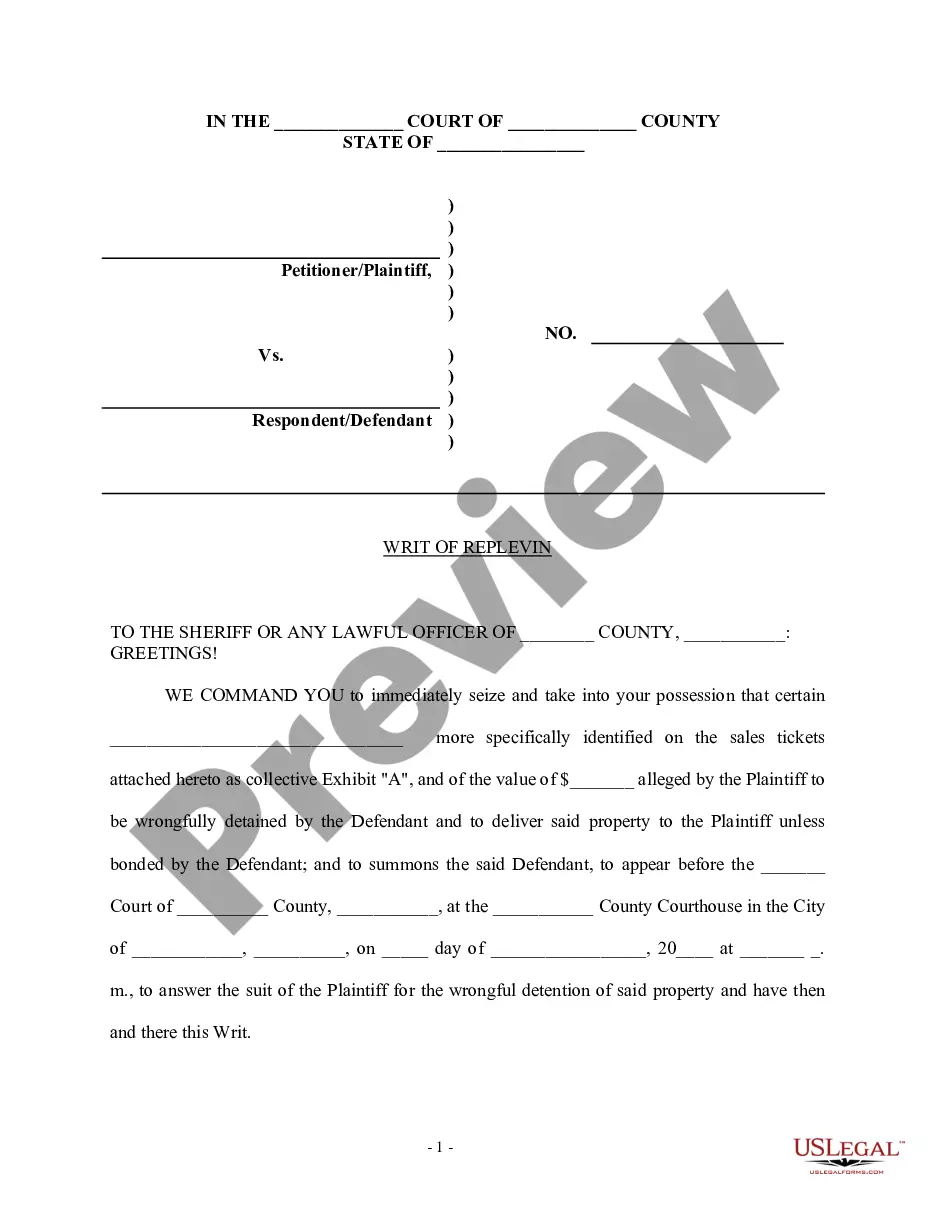
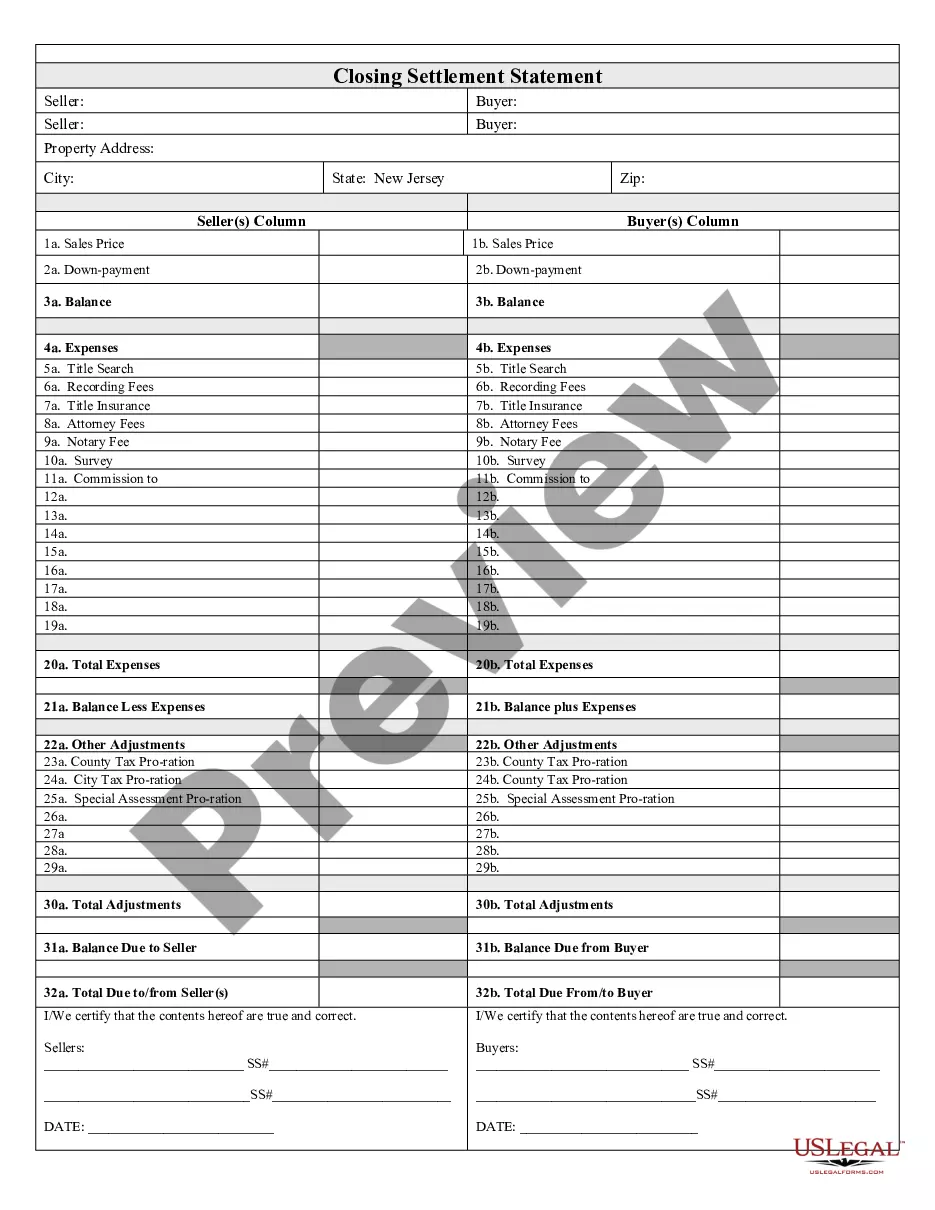
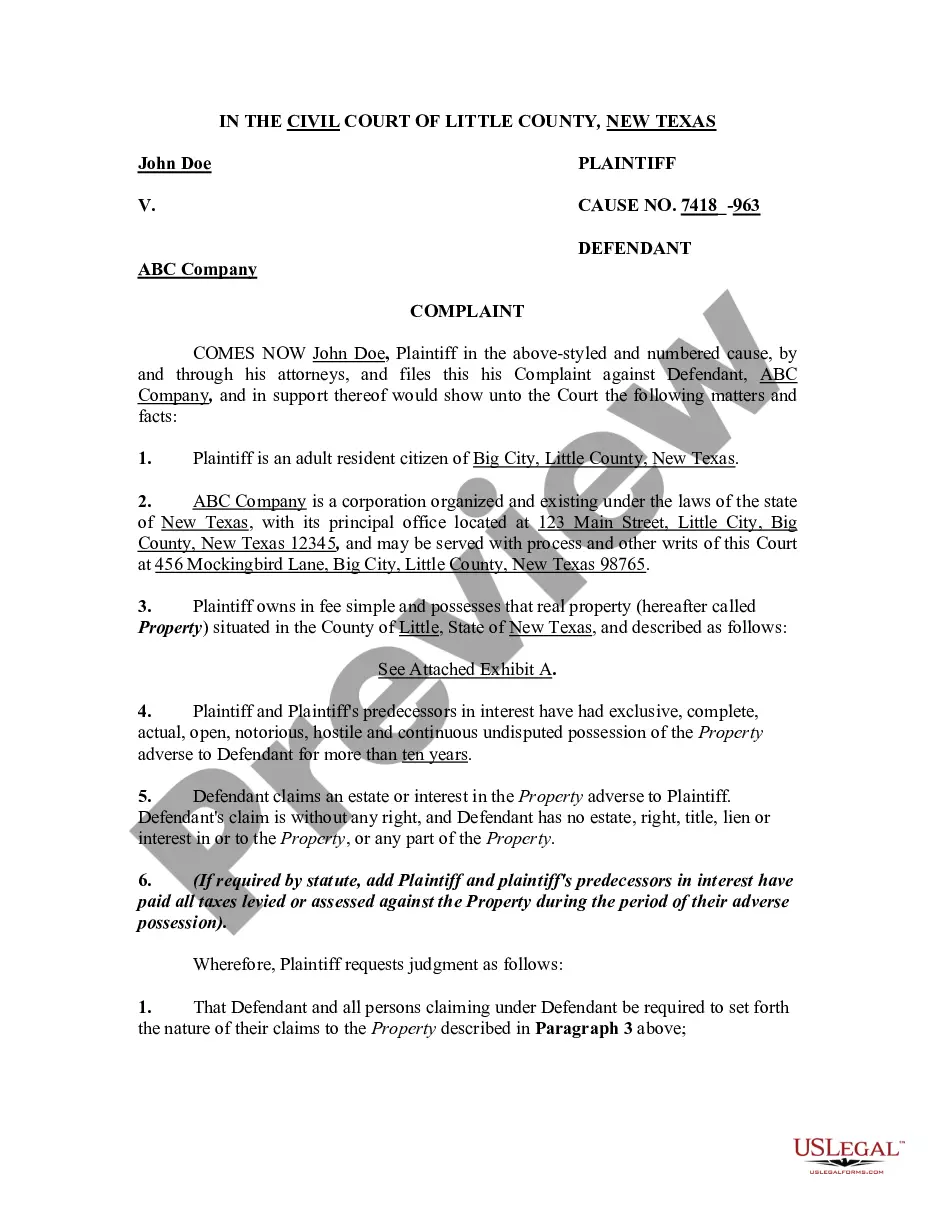
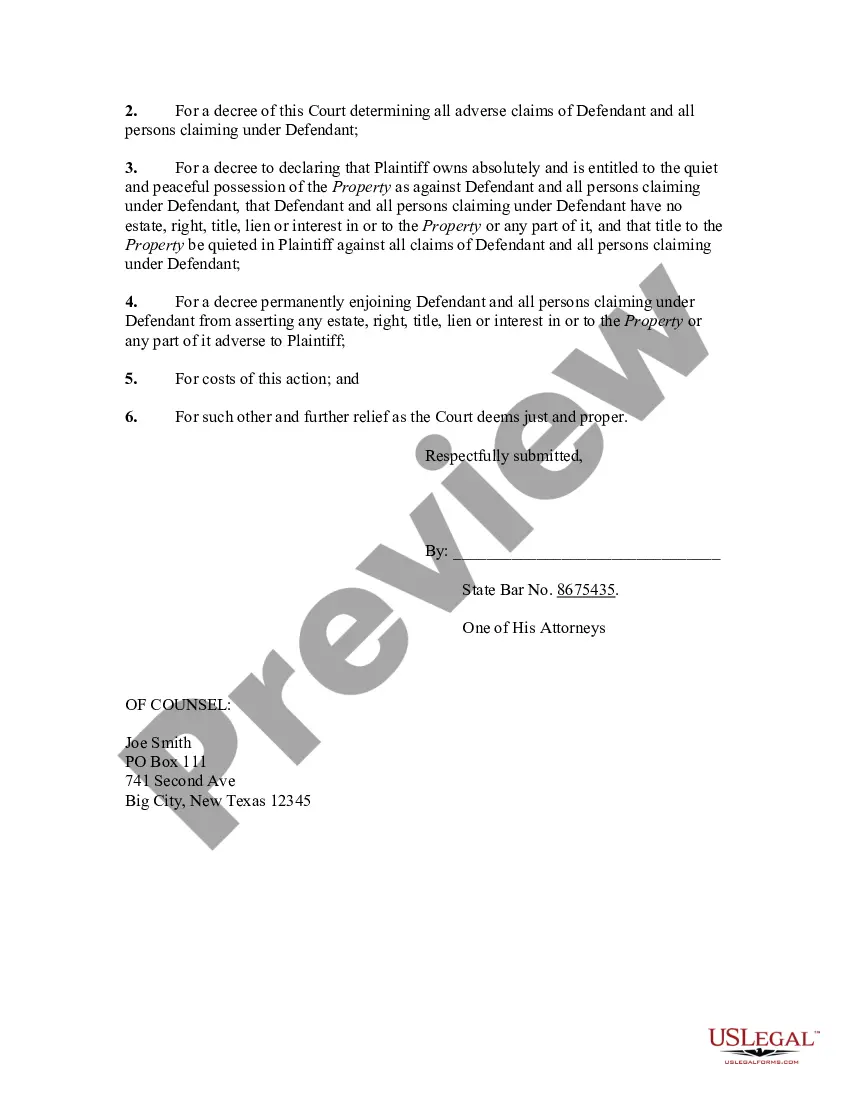
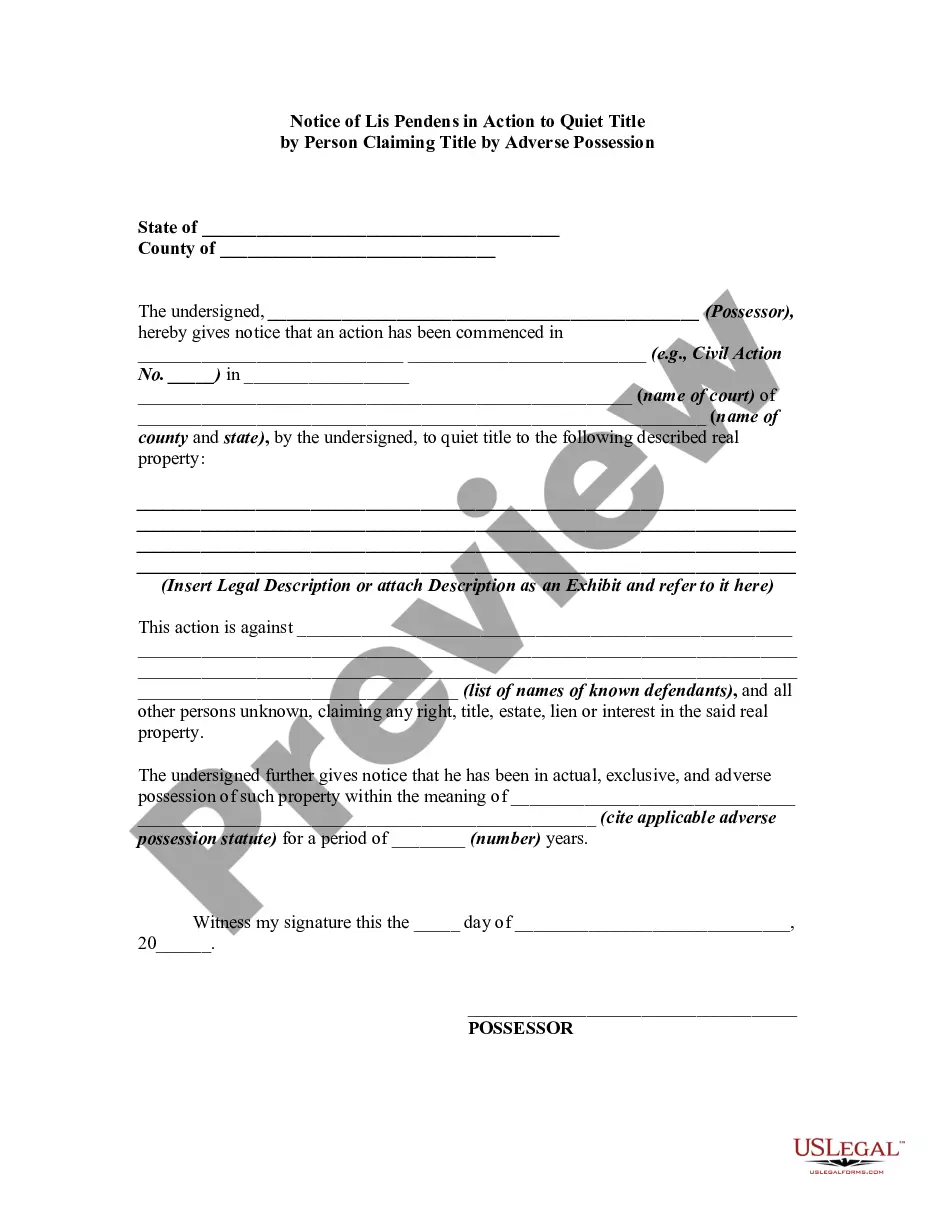
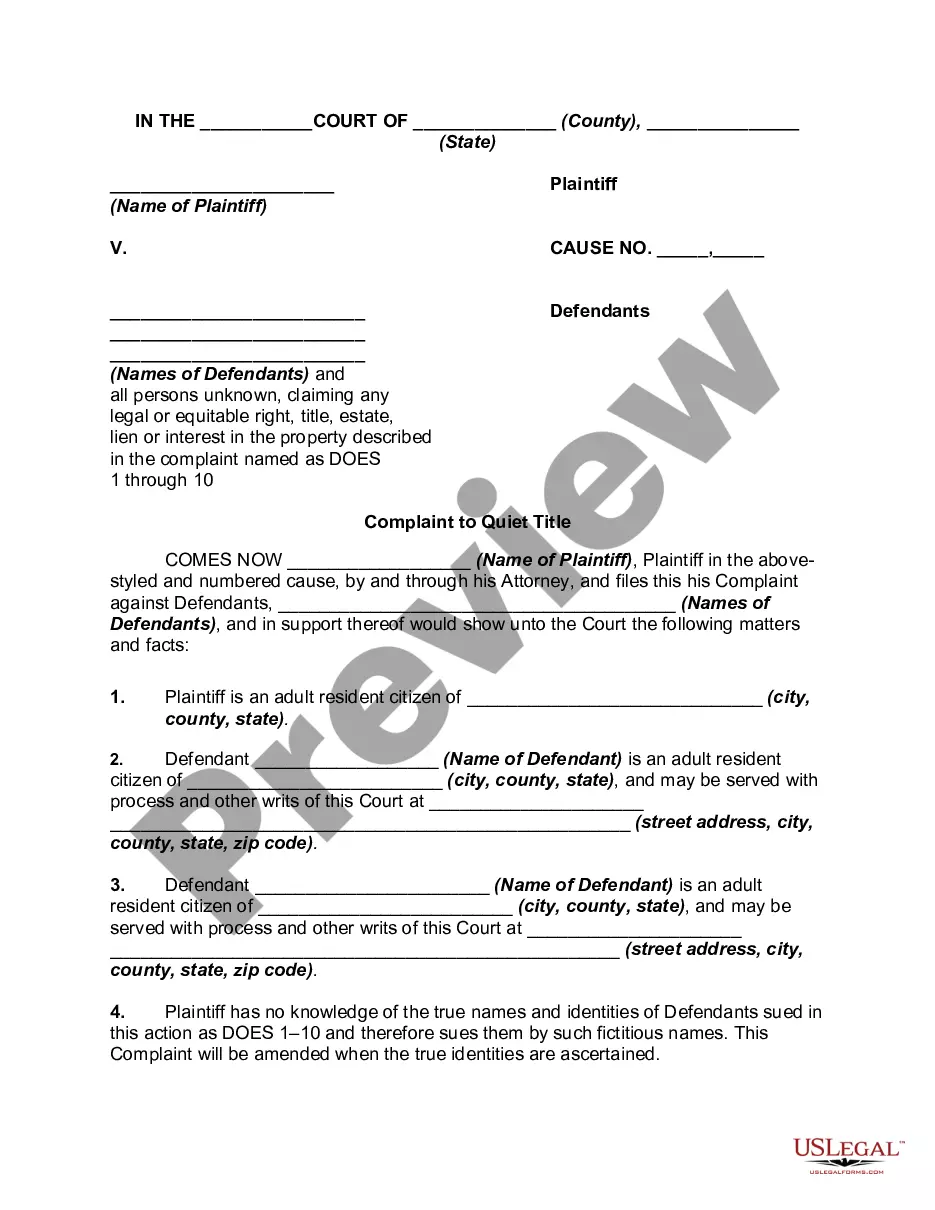
How to fill out Complaint To Quiet Title By Person Claiming Adverse Possession - Squatters Rights?
Whether for corporate purposes or personal matters, everyone must address legal issues at some stage in their existence.
Filling out legal paperwork requires meticulous attention, starting from selecting the appropriate form template.
With an extensive US Legal Forms catalog available, you don’t have to waste time hunting for the correct example across the internet. Utilize the library’s simple navigation to find the right template for any situation.
- Find the example you require by utilizing the search bar or catalog navigation.
- Review the form’s details to ensure it fits your situation, state, and area.
- Click on the form’s preview to examine it.
- If it is the wrong document, return to the search function to locate the Quiet Title In Texas sample you require.
- Download the template when it aligns with your needs.
- If you already possess a US Legal Forms account, simply click Log in to access previously saved documents in My documents.
- If you do not have an account yet, you can acquire the form by clicking Buy now.
- Choose the suitable pricing option.
- Fill out the account registration form.
- Select your payment method: you can use a credit card or PayPal.
- Choose the file format you prefer and download the Quiet Title In Texas.
- Once it is downloaded, you can complete the form using editing tools or print it and fill it out manually.
Form popularity
FAQ
To effectively respond to a quiet title action, you need to submit a written answer that addresses the plaintiff's claims. In this response, it's important to assert your rights and provide any evidence that supports your position. A thorough understanding of the complaint will help you present a strong defense. Consider consulting resources from USLegalForms to ensure your response is complete and effective.
In a quiet title action, the court evaluates the claims made by the plaintiff and the opposing parties regarding property ownership. The court will assess the evidence presented and will issue a judgment that clarifies ownership rights. This process is crucial for removing any conflicting claims and establishing clear title. Using USLegalForms can streamline the preparation for such an action.
The duration of a quiet title suit in Texas can vary significantly based on the complexity of the case and the court's schedule. Generally, these cases may take several months to resolve, but more complicated situations involving disputes can extend beyond that. Staying organized and proactive throughout the process can help minimize potential delays. Resources from USLegalForms can assist in expediting your preparations.
Success in a quiet title action in Texas often depends on comprehensive preparation and solid evidence. You must gather all relevant documents, such as title records and agreements, to support your ownership claims. Consulting with a legal professional experienced in real estate law can significantly enhance your chances of success. Additionally, using USLegalForms can provide templates and tips for a well-structured case.
In a quiet title action, the burden of proof lies with the plaintiff, who must demonstrate clear and convincing evidence of ownership or a legal right to the property. This typically includes proving that you have clean title and refuting any opposing claims. Successfully meeting this burden is essential for the court to grant your request for a quiet title in Texas.
Responding to a quiet title action involves filing a formal answer to the lawsuit within the specified timeframe. You should present any evidence or claims you have regarding the property in question. It’s crucial to address all points raised in the original complaint to protect your interests. For support in crafting your response, USLegalForms can offer useful resources.
To file a quiet title in Texas, you must prepare a lawsuit and file it in the appropriate district court. The filing will require documentation proving your ownership or interest in the property. Additionally, you will need to serve notice to all parties who may have a claim to the property. Utilizing platforms like USLegalForms can simplify this process by providing necessary forms and guidance.
Winning a quiet title action in Texas requires you to present clear and convincing evidence supporting your ownership claim. You should be prepared to demonstrate that no other parties have superior rights to the title. It helps to gather testimonials, documents, and any historical evidence of ownership. Consider using US Legal Forms to access resources tailored to help you build your case confidently.
To obtain a quiet title in Texas, you need to file a lawsuit in a court that has jurisdiction over the property. It's important to gather necessary documents, such as deeds, surveys, and any relevant claims against the title. Additionally, you may want to serve notice to parties that could have an interest in the property. The US Legal Forms platform can provide you with the forms and guidance needed to navigate this process effectively.
Yes, you can initiate a quiet title action yourself in Texas, but it can be challenging without legal expertise. The legal requirements can be quite intricate, and a single mistake may delay your case. Therefore, using platforms like USLegalForms can provide you with templates and guides to help you navigate the process more easily and efficiently.