Ohio Adverse Possession Laws
Description
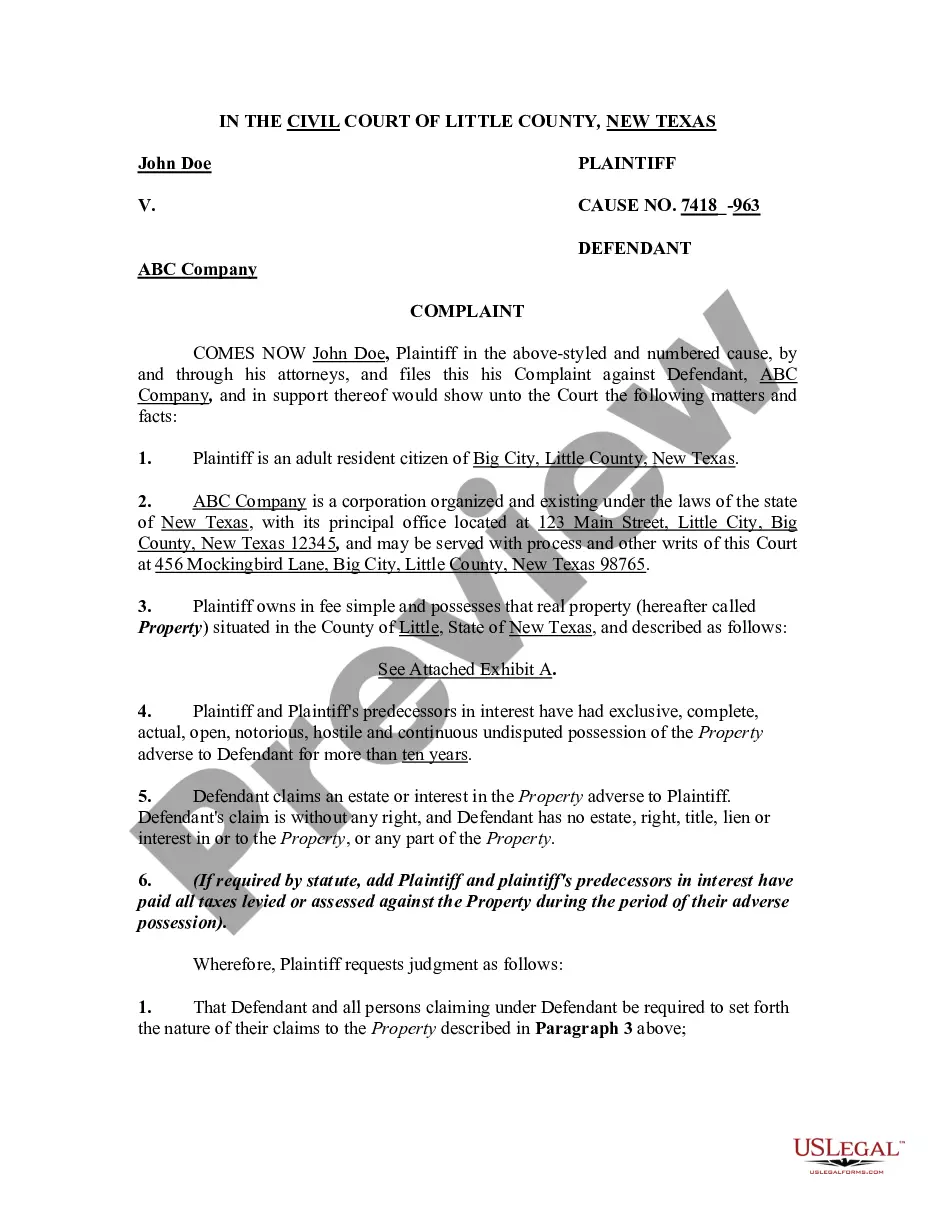
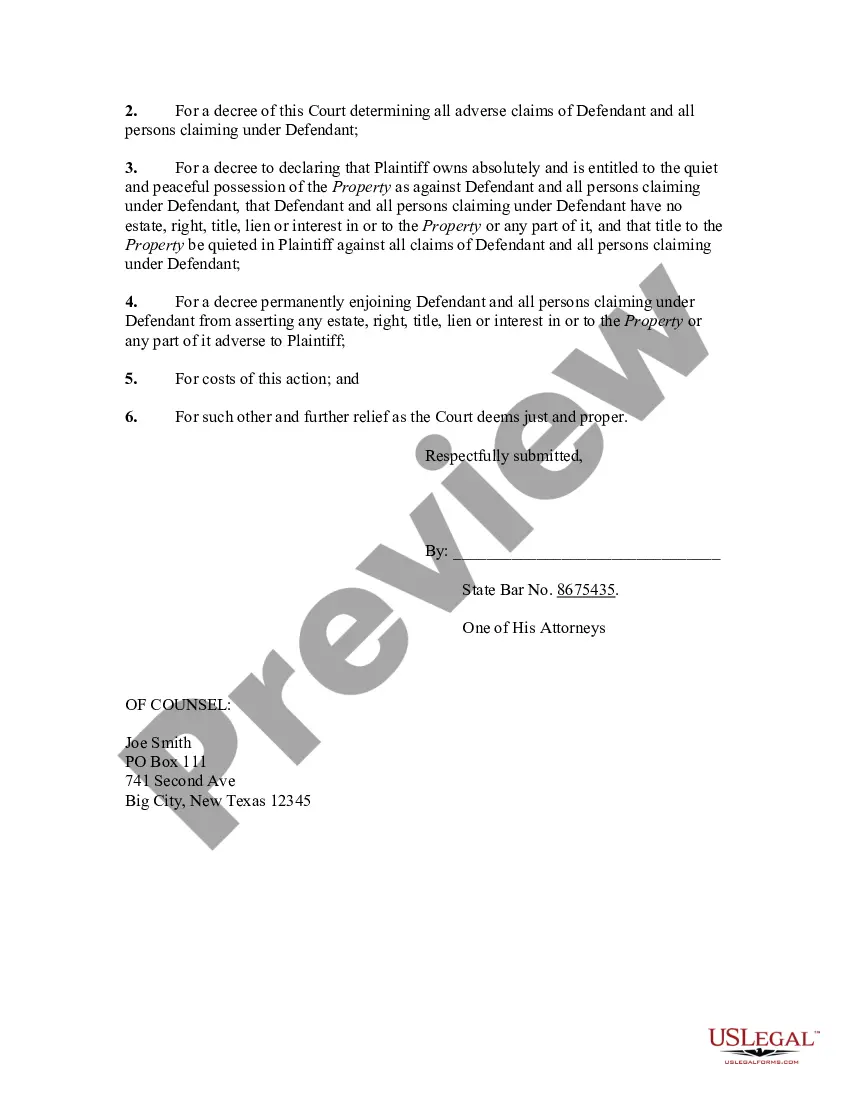
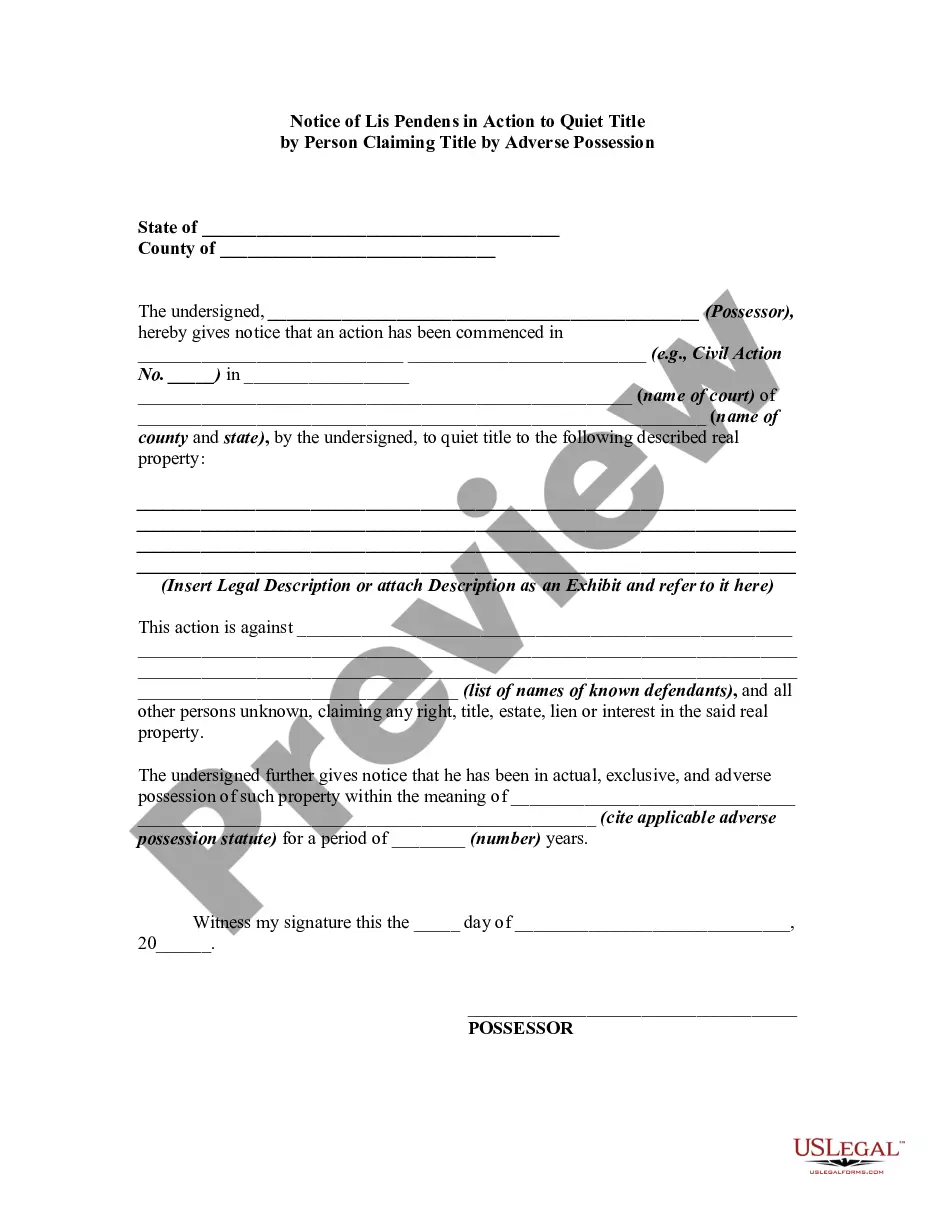
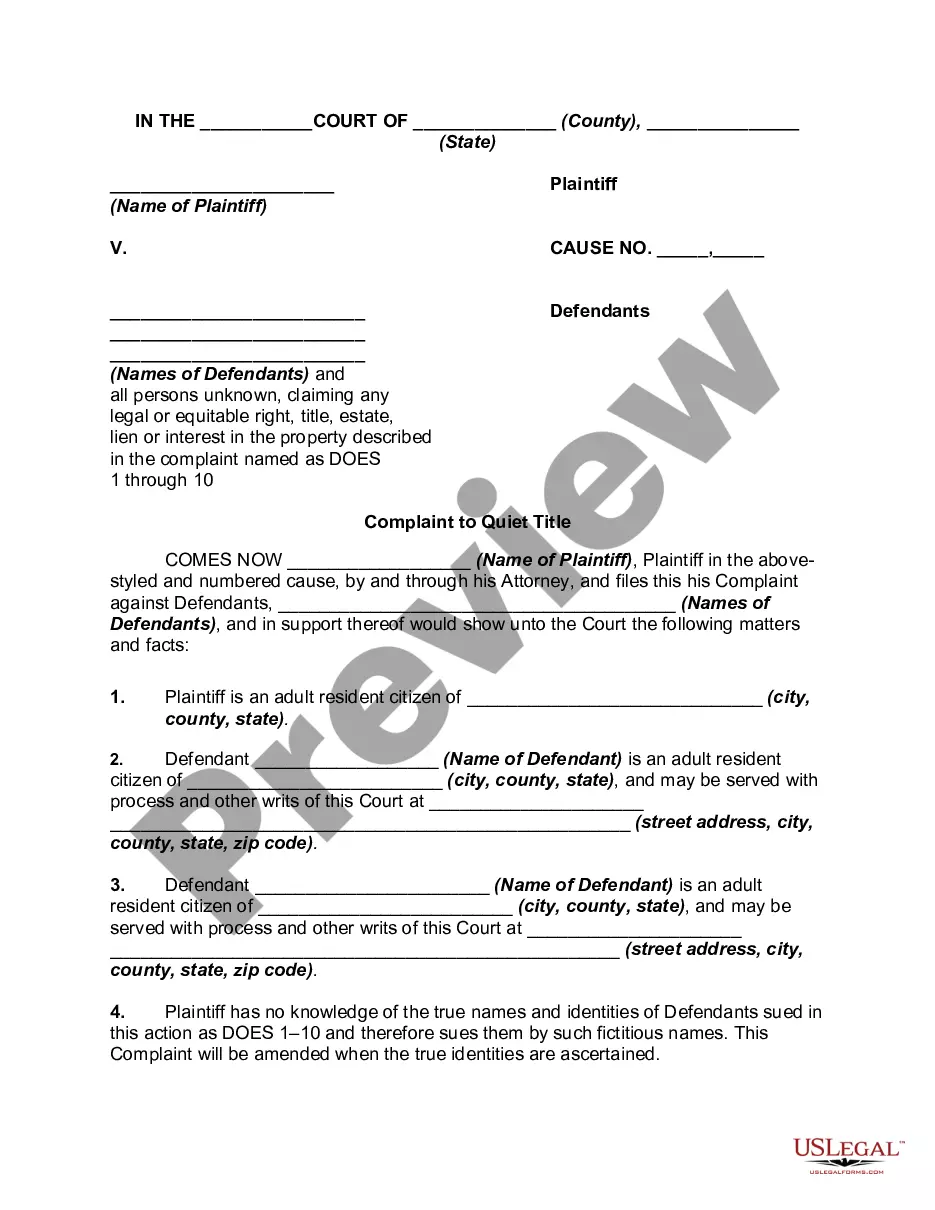
Get your form ready online
Our built-in tools help you complete, sign, share, and store your documents in one place.
Make edits, fill in missing information, and update formatting in US Legal Forms—just like you would in MS Word.
Download a copy, print it, send it by email, or mail it via USPS—whatever works best for your next step.
Sign and collect signatures with our SignNow integration. Send to multiple recipients, set reminders, and more. Go Premium to unlock E-Sign.
If this form requires notarization, complete it online through a secure video call—no need to meet a notary in person or wait for an appointment.
We protect your documents and personal data by following strict security and privacy standards.

Make edits, fill in missing information, and update formatting in US Legal Forms—just like you would in MS Word.

Download a copy, print it, send it by email, or mail it via USPS—whatever works best for your next step.

Sign and collect signatures with our SignNow integration. Send to multiple recipients, set reminders, and more. Go Premium to unlock E-Sign.

If this form requires notarization, complete it online through a secure video call—no need to meet a notary in person or wait for an appointment.

We protect your documents and personal data by following strict security and privacy standards.
Looking for another form?
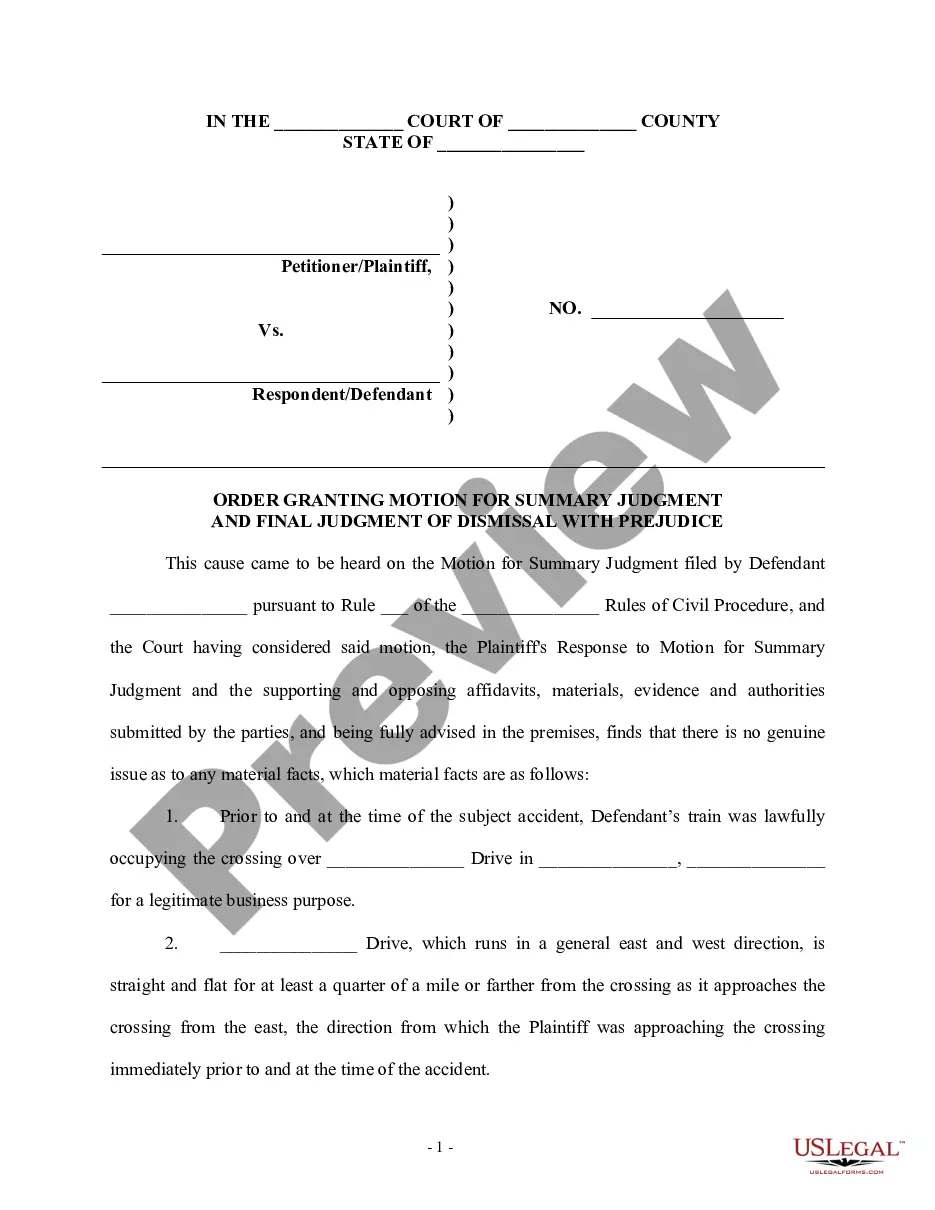
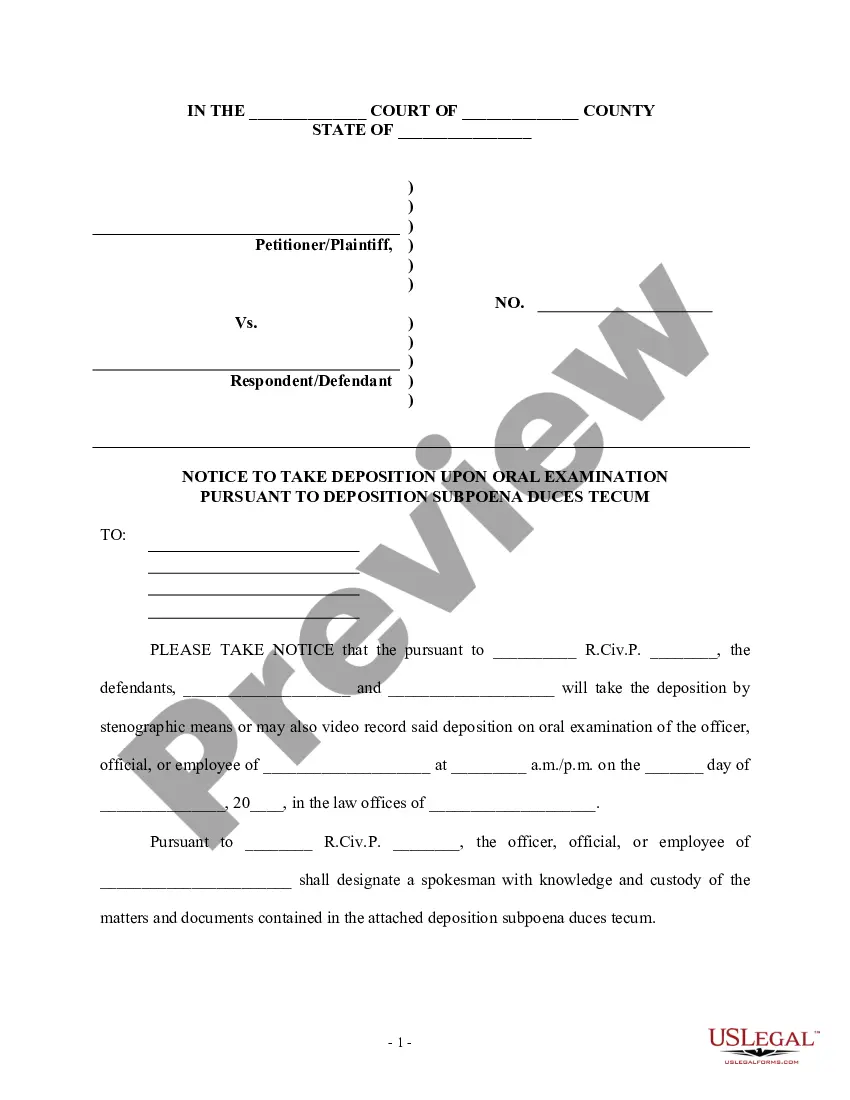
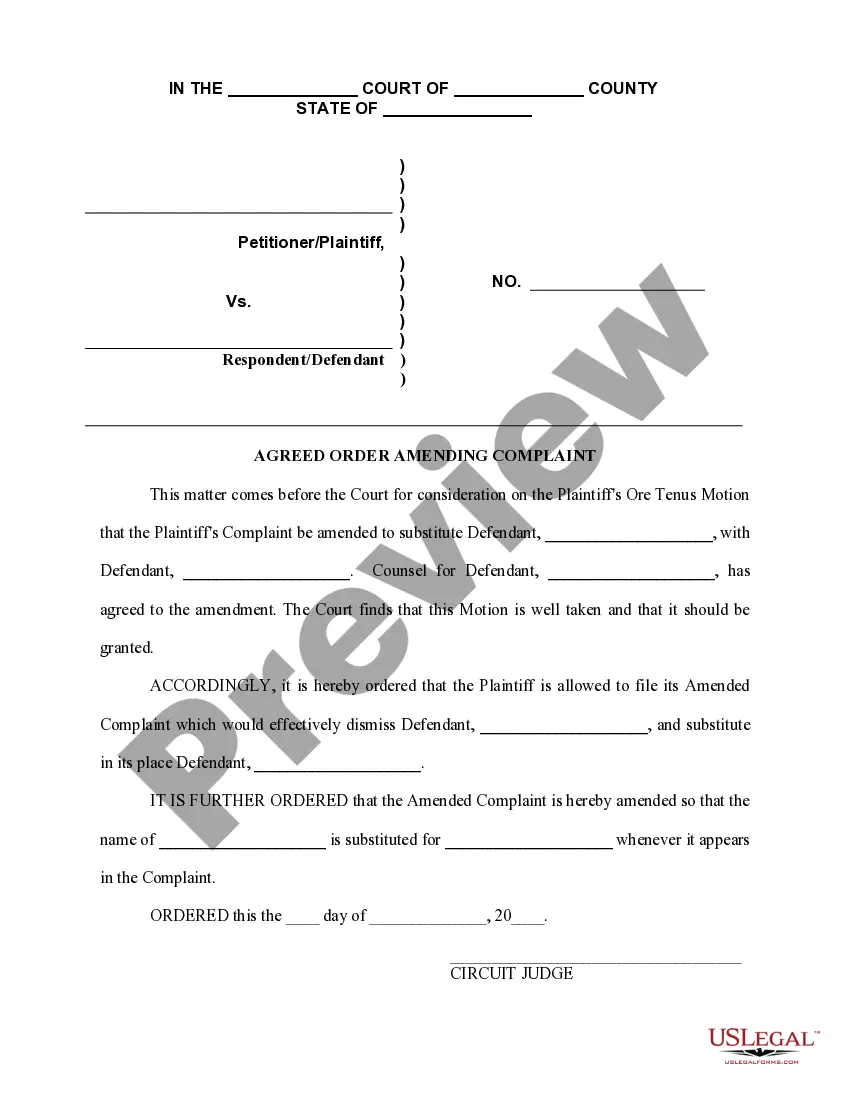
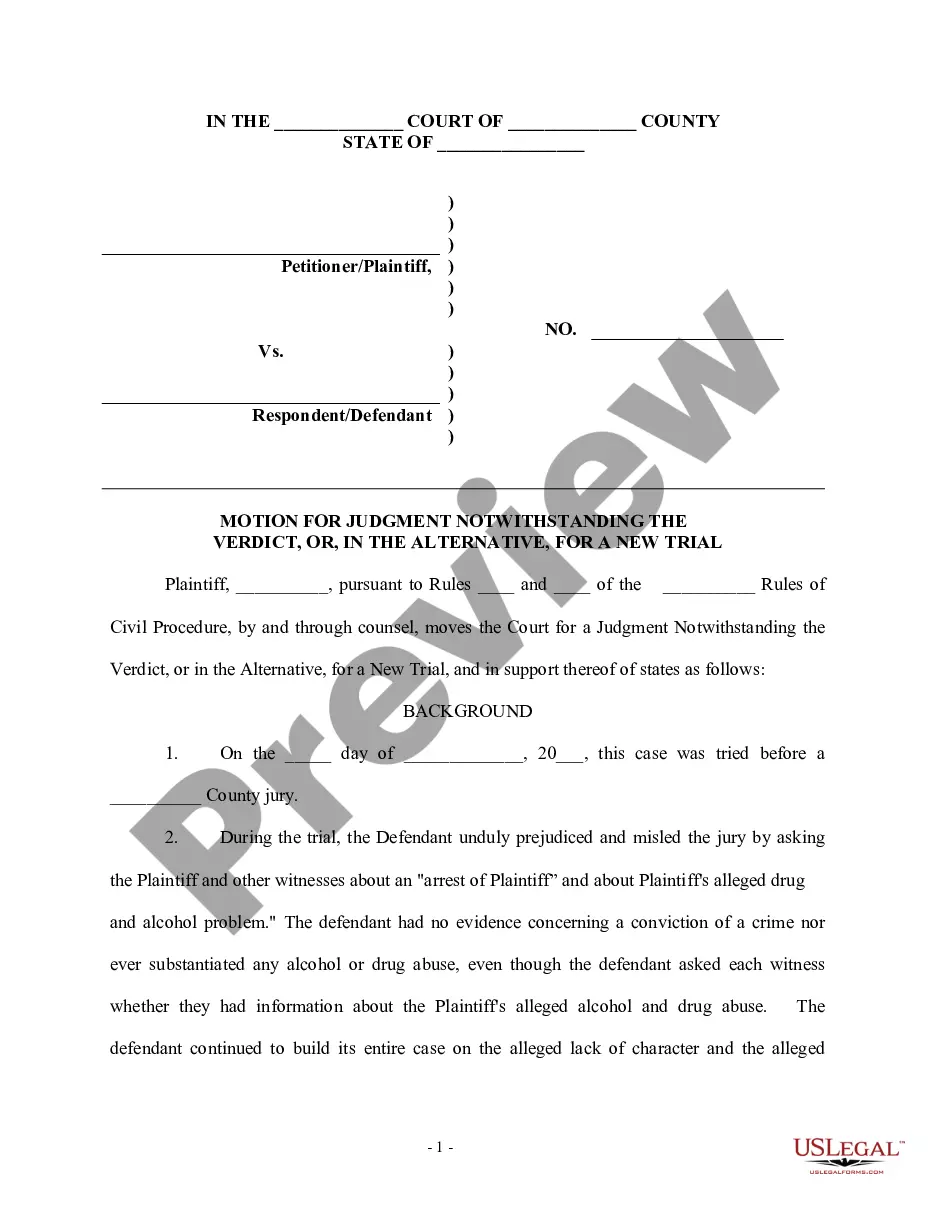
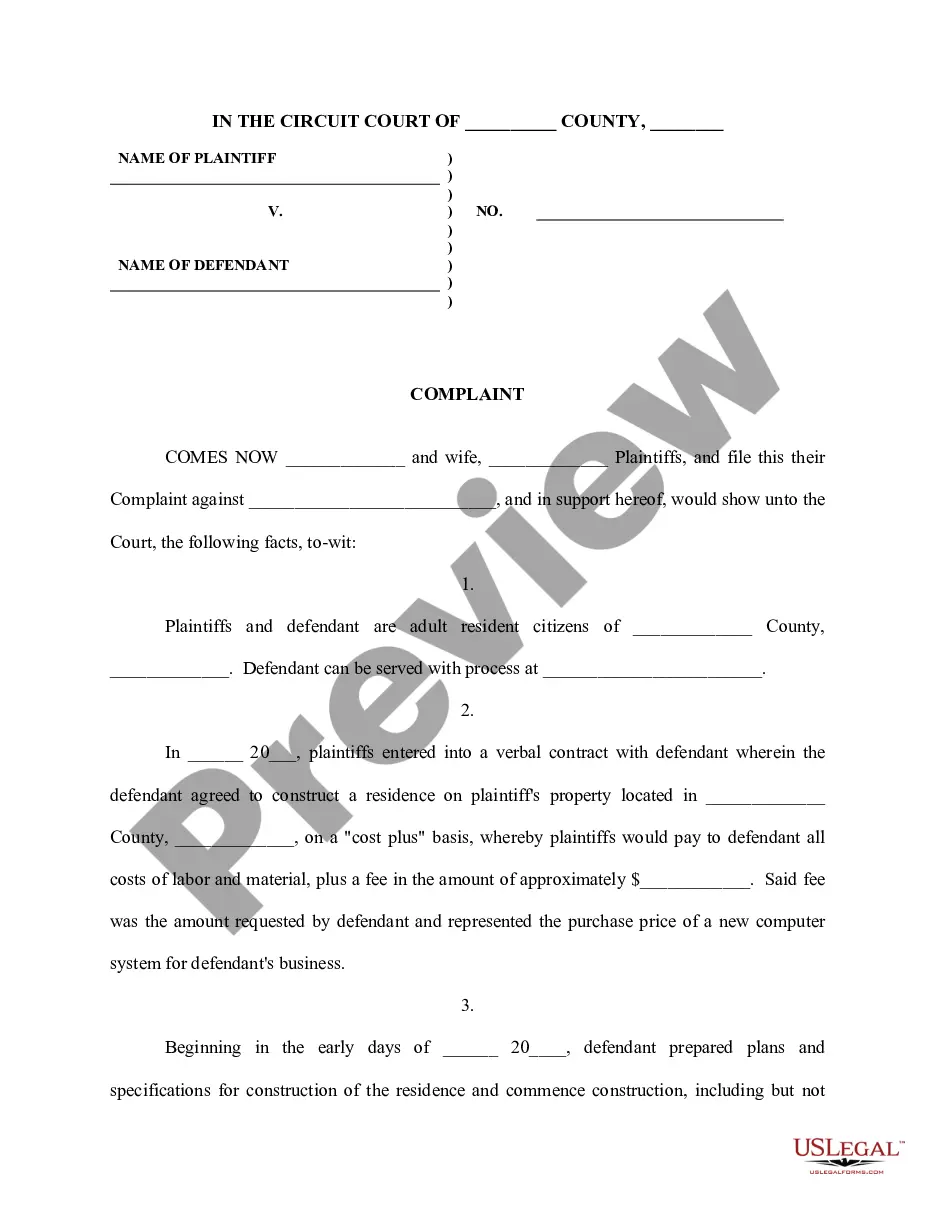
How to fill out Complaint To Quiet Title By Person Claiming Adverse Possession - Squatters Rights?
Accessing legal document examples that conform to federal and local regulations is essential, and the internet provides numerous choices to select from.
However, what's the use of spending time looking for the properly drafted Ohio Adverse Possession Laws example online if the US Legal Forms online library already has such templates gathered in one location.
US Legal Forms is the largest online legal repository with over 85,000 fillable documents created by attorneys for any professional and personal situation.
Review the template using the Preview function or through the text description to ensure it satisfies your needs.
- They are simple to navigate with all documents categorized by state and intended use.
- Our experts stay updated with legislative changes, so you can always trust that your paperwork is current and compliant when obtaining an Ohio Adverse Possession Laws from our site.
- Acquiring an Ohio Adverse Possession Laws is quick and straightforward for both existing and new users.
- If you already possess an account with an active subscription, Log In and save the document sample you need in the appropriate format.
- If you are new to our site, follow the steps below.
Form popularity
FAQ
Mowing your land alone does not typically meet the requirements for an adverse possession claim in Ohio. While it may demonstrate some level of use, Ohio adverse possession laws require more substantial evidence of exclusive and continuous possession. If you are concerned about a potential claim from a neighbor, it is wise to consult with a legal expert to understand your rights and protect your property.
Filing for adverse possession in Ohio involves several steps. First, you must gather documentation proving your claim, including evidence of your continuous and exclusive use of the property. Next, you may need to file a lawsuit in the local court to formally establish your claim under Ohio adverse possession laws. Seeking assistance from a legal professional can help navigate this process more effectively.
To prove an adverse possession claim in Ohio, you must show five essential elements: actual possession, open and notorious use, exclusive possession, hostile intent, and continuous use for at least 21 years. Each of these elements demonstrates your claim to the property under Ohio adverse possession laws. It's crucial to gather evidence supporting each aspect, as this will strengthen your case. Consulting with a legal expert can help clarify your situation.
In Ohio, the statute of limitations for adverse possession is 21 years. This means you must occupy the property continuously for this time frame while meeting the necessary conditions outlined in Ohio adverse possession laws. After this period, you may be eligible to claim legal ownership of the property. Keep in mind that this timeline can vary based on specific circumstances.
To establish an adverse possession claim under Ohio adverse possession laws, you must demonstrate continuous and open use of the property, along with the intent to possess it as your own. Additionally, the possession must be hostile to the interests of the true owner and without permission. Lastly, you need to show that the use of the property has been exclusive and uninterrupted for a specific period.
Regular property inspections can alert the true owner to any unauthorized use and are always beneficial to ensure your property is unoccupied. Leasing the property can also effectively thwart any claims of adverse possession since it delineates a legal agreement between the owner and occupant.
One who seeks to assert title in land by adverse possession must prove each of the following for a period of more than ten years: that he has held the land adversely and that the possession has been actual, open and notorious, exclusive, continuous, and under a claim of title or color of title.
To prevent a claim of right through adverse possession, you can take some precautions to help protect your property, such as: Clearly marking the boundary lines. Walking your property lines to check for any signs of trespassing. Installing ?No Trespassing? signs to deter unwanted visitors.
An action to recover the title to or possession of real property shall be brought within twenty-one years after the cause of action accrued, but if a person entitled to bring the action is, at the time the cause of action accrues, within the age of minority or of unsound mind, the person, after the expiration of twenty ...
Adverse possession is a legal doctrine in Ohio that gives a squatter or trespasser the right to obtain lawful possession of the land they care for ? even if it is under someone else's ownership.