Adverse Possession Requirements In Texas
Description
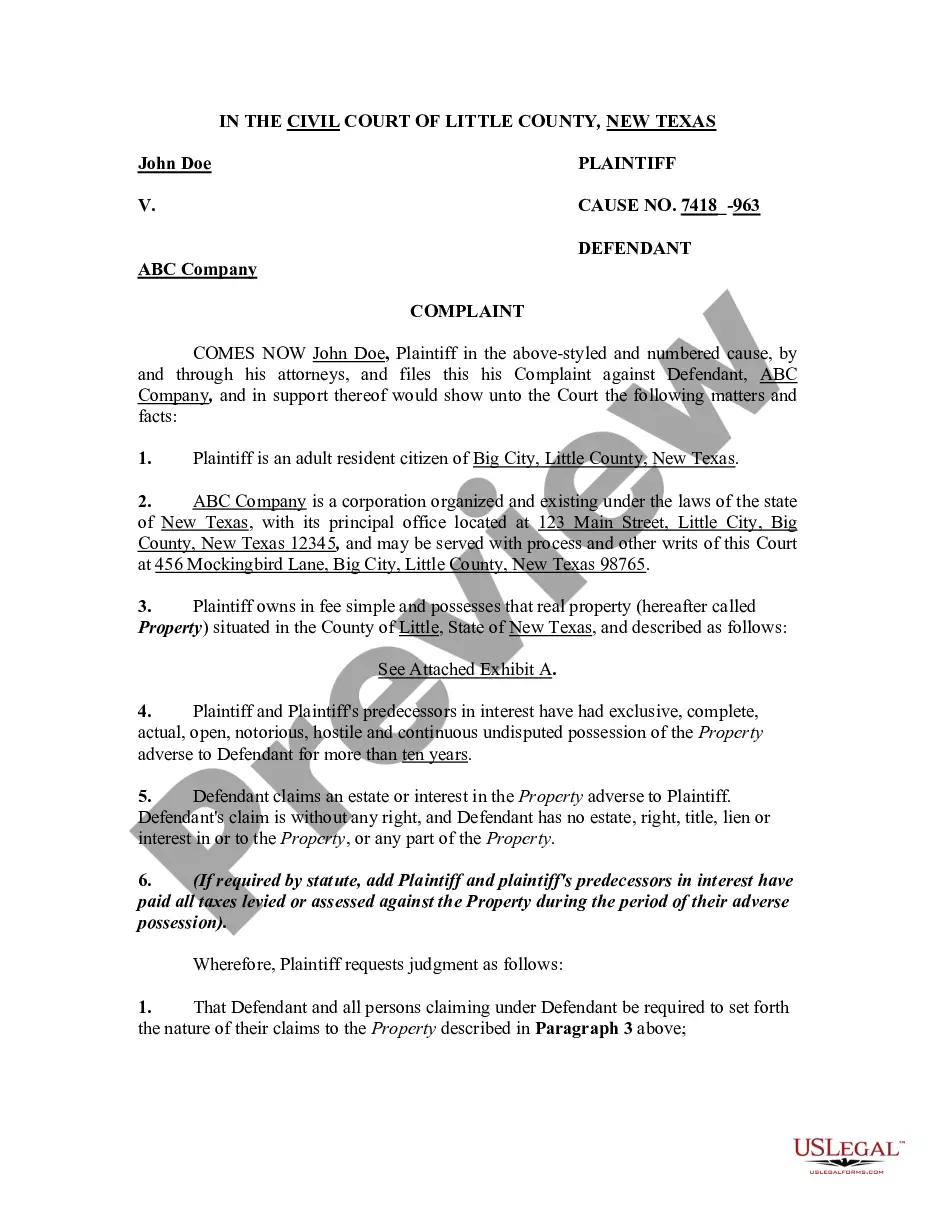
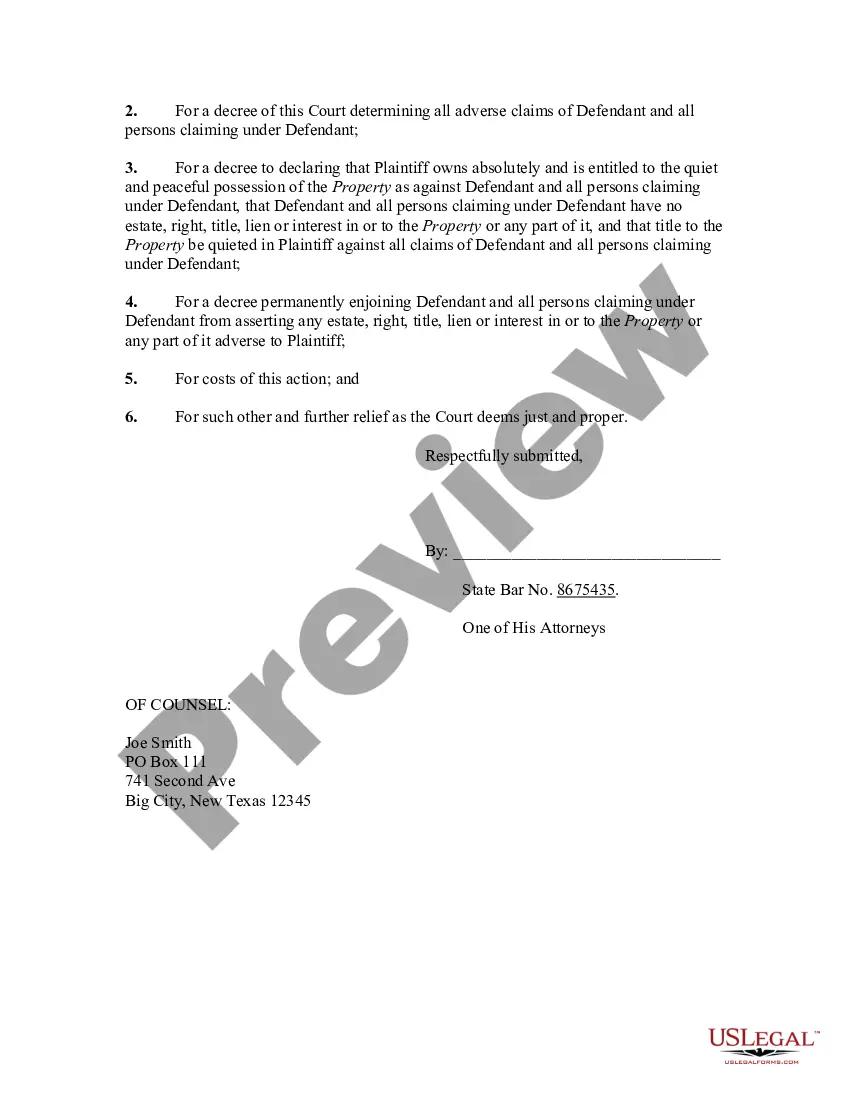
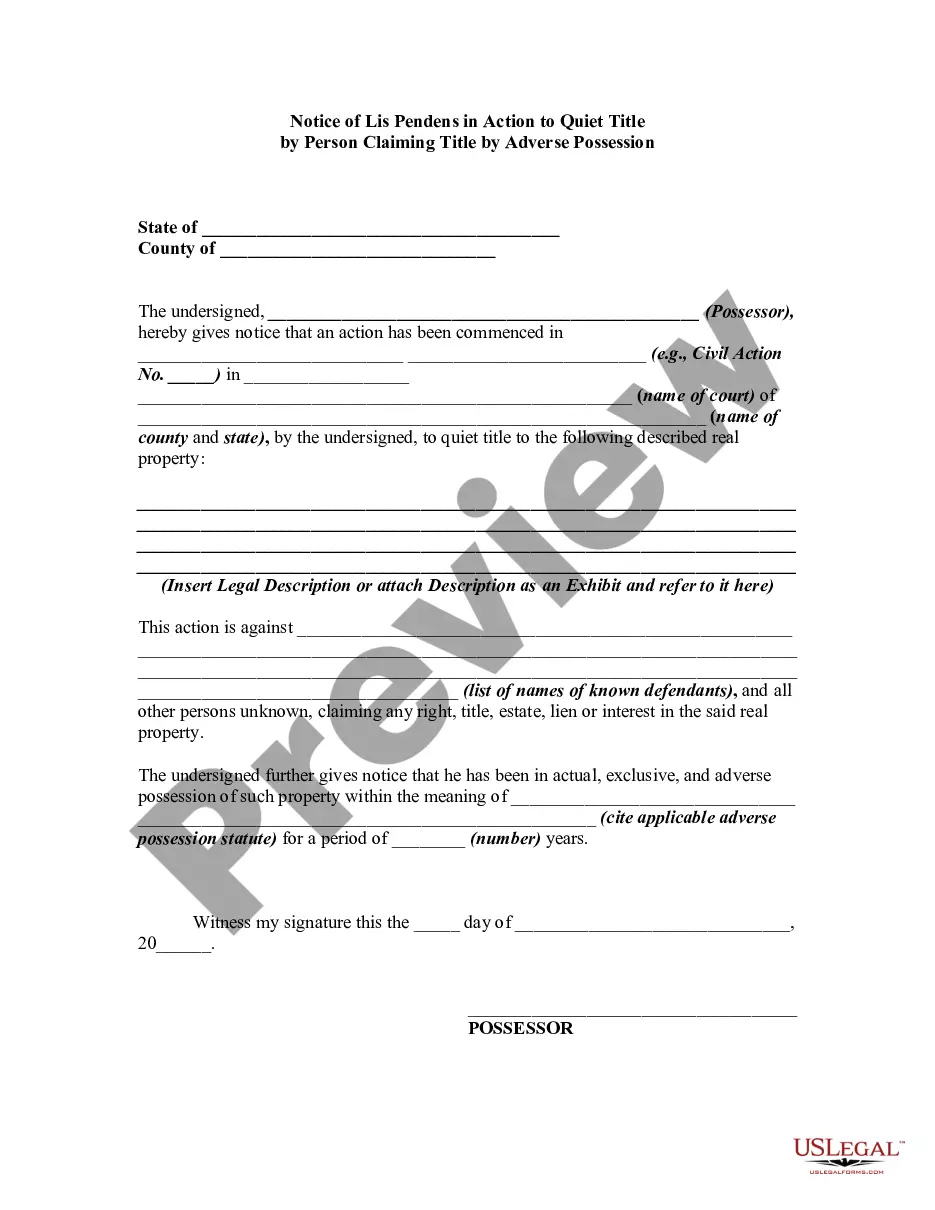
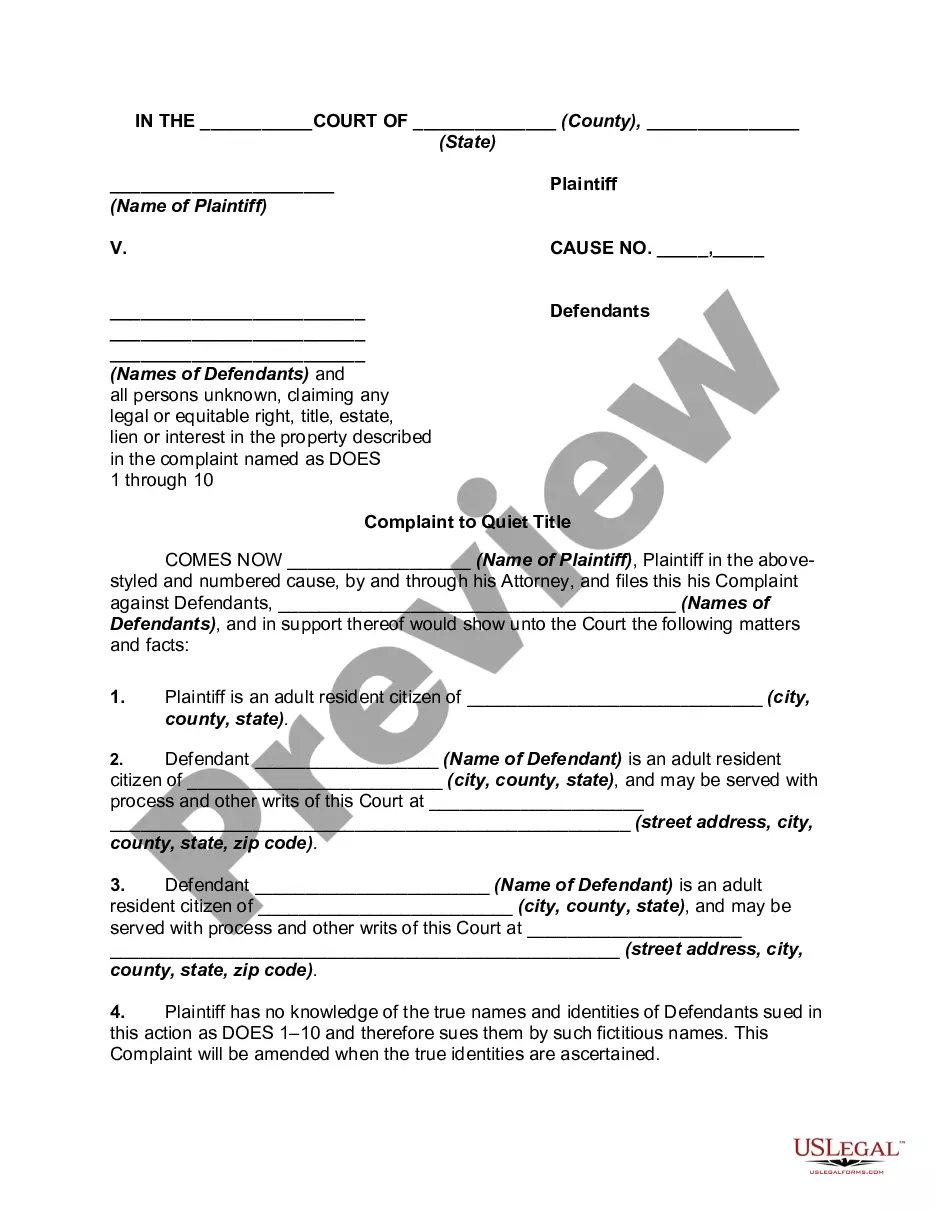
Get your form ready online
Our built-in tools help you complete, sign, share, and store your documents in one place.
Make edits, fill in missing information, and update formatting in US Legal Forms—just like you would in MS Word.
Download a copy, print it, send it by email, or mail it via USPS—whatever works best for your next step.
Sign and collect signatures with our SignNow integration. Send to multiple recipients, set reminders, and more. Go Premium to unlock E-Sign.
If this form requires notarization, complete it online through a secure video call—no need to meet a notary in person or wait for an appointment.
We protect your documents and personal data by following strict security and privacy standards.

Make edits, fill in missing information, and update formatting in US Legal Forms—just like you would in MS Word.

Download a copy, print it, send it by email, or mail it via USPS—whatever works best for your next step.

Sign and collect signatures with our SignNow integration. Send to multiple recipients, set reminders, and more. Go Premium to unlock E-Sign.

If this form requires notarization, complete it online through a secure video call—no need to meet a notary in person or wait for an appointment.

We protect your documents and personal data by following strict security and privacy standards.
Looking for another form?
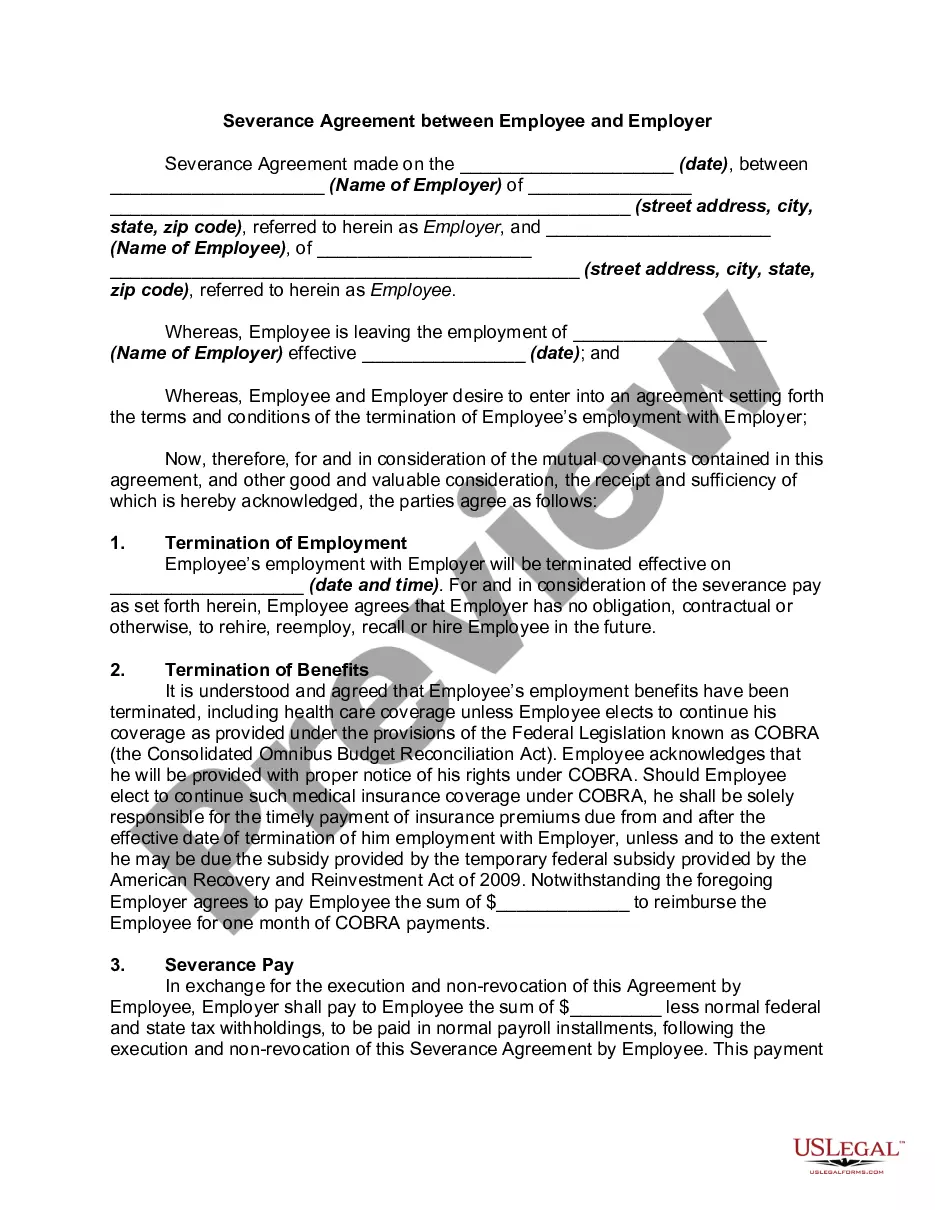


How to fill out Complaint To Quiet Title By Person Claiming Adverse Possession - Squatters Rights?
It’s clear that you cannot instantly become a legal expert, nor can you swiftly learn how to proficiently prepare Adverse Possession Requirements In Texas without a specialized background.
Drafting legal documents is an extensive process that demands specific training and expertise.
So why not entrust the formulation of the Adverse Possession Requirements In Texas to the professionals.
You can regain access to your documents from the My documents tab at any time.
If you're a returning customer, you can simply Log In, and find and retrieve the template from the same section.
- Start by using the search bar located at the top of the page to find the document you need.
- Preview it (if this option is available) and review the supporting details to determine if Adverse Possession Requirements In Texas is what you seek.
- Initiate your search again if you require a different form.
- Create a complimentary account and select a subscription plan to purchase the document.
- Click Buy now. Once the payment is completed, you can access the Adverse Possession Requirements In Texas, finalize it, print it out, and deliver it to the necessary individuals or organizations.
Form popularity
FAQ
Prac. & Rem. Code § 16.026 (Ten-Year Statute): (a) A person must bring suit not later than 10 years after the day the cause of action accrues to recover real property held in peaceable and adverse possession by another who cultivates, uses, or enjoys the property.
One remedy is to peaceably remove the possessor from their property. Another remedy is to file an affidavit in the county real property records disputing the adverse possessor's claim. Of course, the owner may also need to file suit against the adverse possessor.
Regular property inspections can alert the true owner to any unauthorized use and are always beneficial to ensure your property is unoccupied. Leasing the property can also effectively thwart any claims of adverse possession since it delineates a legal agreement between the owner and occupant.
The possessor must either possess a legitimate title, such as a deed that is part of a valid chain of title, or have a reasonable basis for their claim to title, referred to as ?color of title.? In order to successfully assert their claim under this statute, the possessor must provide documentation, such as conveyance ...