Civil Service Grounds For Dismissal
Description
Get your form ready online
Our built-in tools help you complete, sign, share, and store your documents in one place.
Make edits, fill in missing information, and update formatting in US Legal Forms—just like you would in MS Word.
Download a copy, print it, send it by email, or mail it via USPS—whatever works best for your next step.
Sign and collect signatures with our SignNow integration. Send to multiple recipients, set reminders, and more. Go Premium to unlock E-Sign.
If this form requires notarization, complete it online through a secure video call—no need to meet a notary in person or wait for an appointment.
We protect your documents and personal data by following strict security and privacy standards.

Make edits, fill in missing information, and update formatting in US Legal Forms—just like you would in MS Word.

Download a copy, print it, send it by email, or mail it via USPS—whatever works best for your next step.

Sign and collect signatures with our SignNow integration. Send to multiple recipients, set reminders, and more. Go Premium to unlock E-Sign.

If this form requires notarization, complete it online through a secure video call—no need to meet a notary in person or wait for an appointment.

We protect your documents and personal data by following strict security and privacy standards.
Looking for another form?
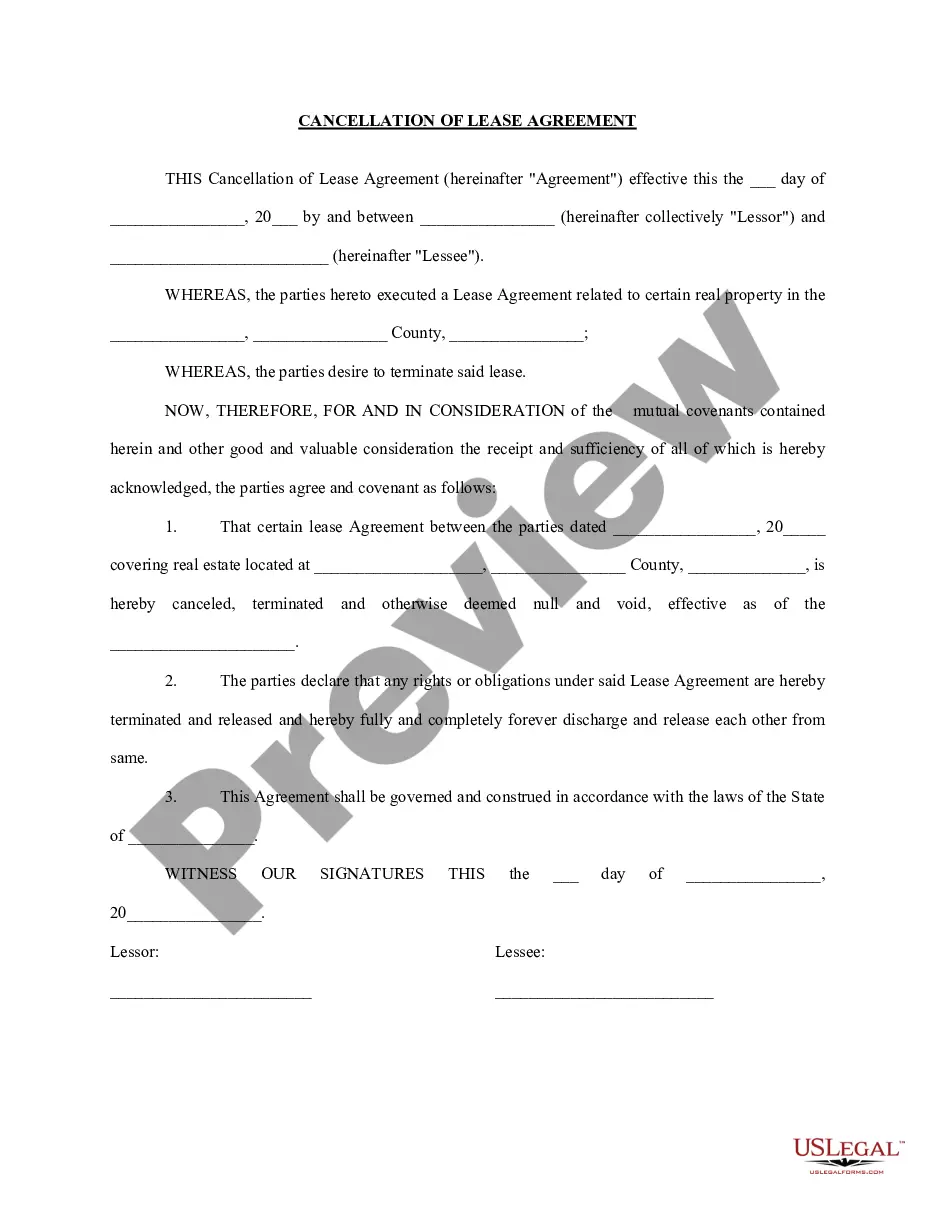






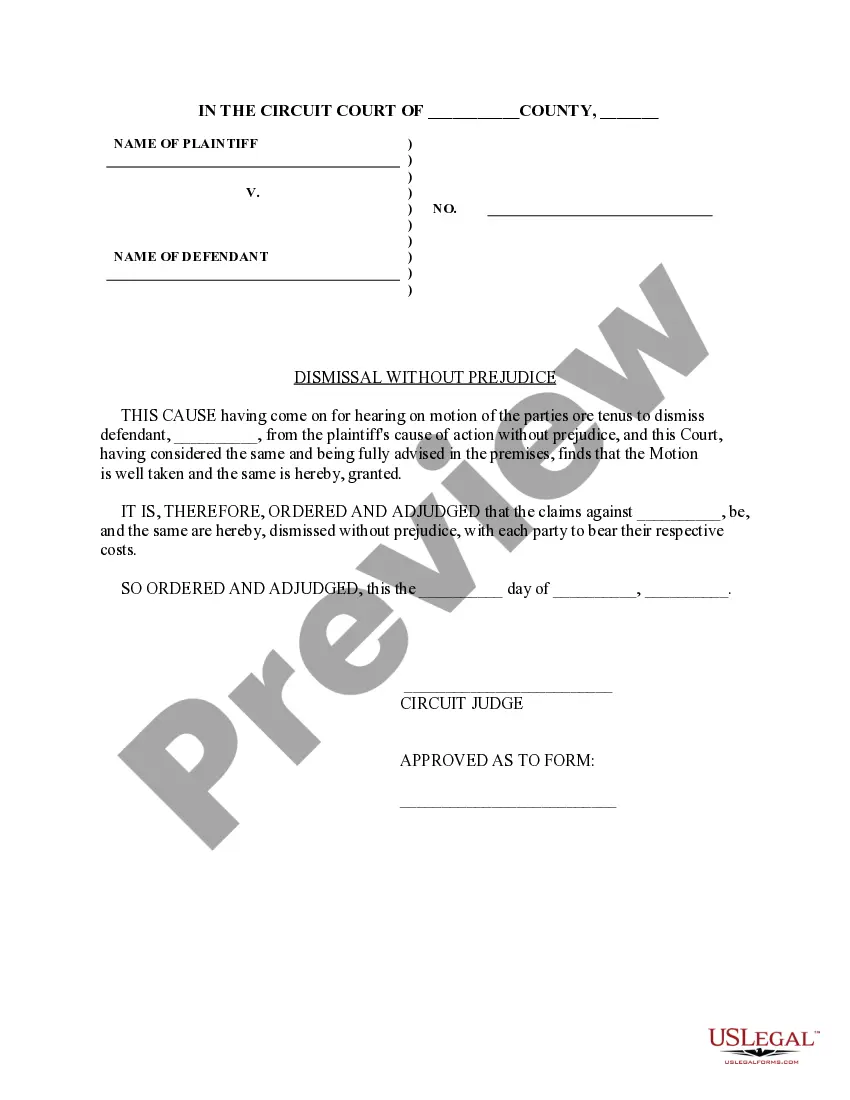
How to fill out Dismissal Without Prejudice?
Creating legal documents from the ground up can occasionally be intimidating.
Certain situations may require extensive research and significant financial investment.
If you’re looking for a simpler and more cost-effective method for preparing Civil Service Grounds For Dismissal or any other documents without unnecessary complications, US Legal Forms is always available to assist you.
Our online library of over 85,000 current legal forms addresses nearly every facet of your financial, legal, and personal affairs.
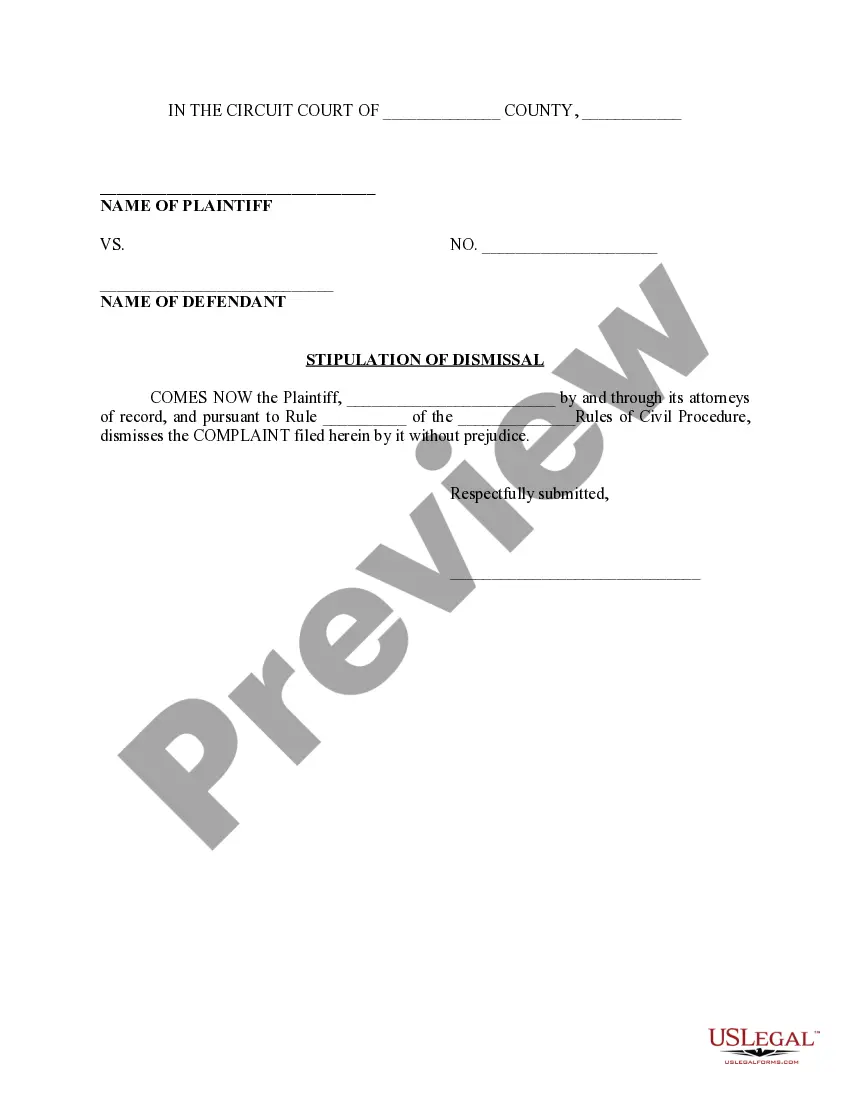
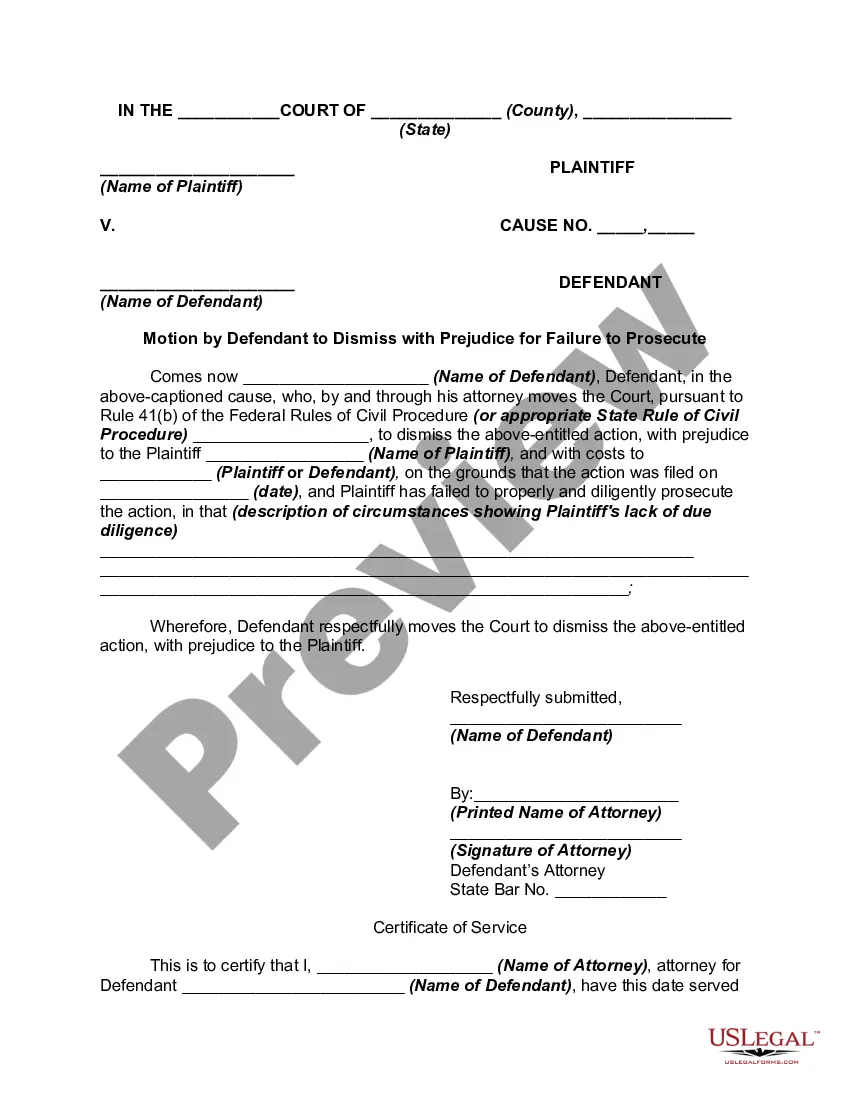
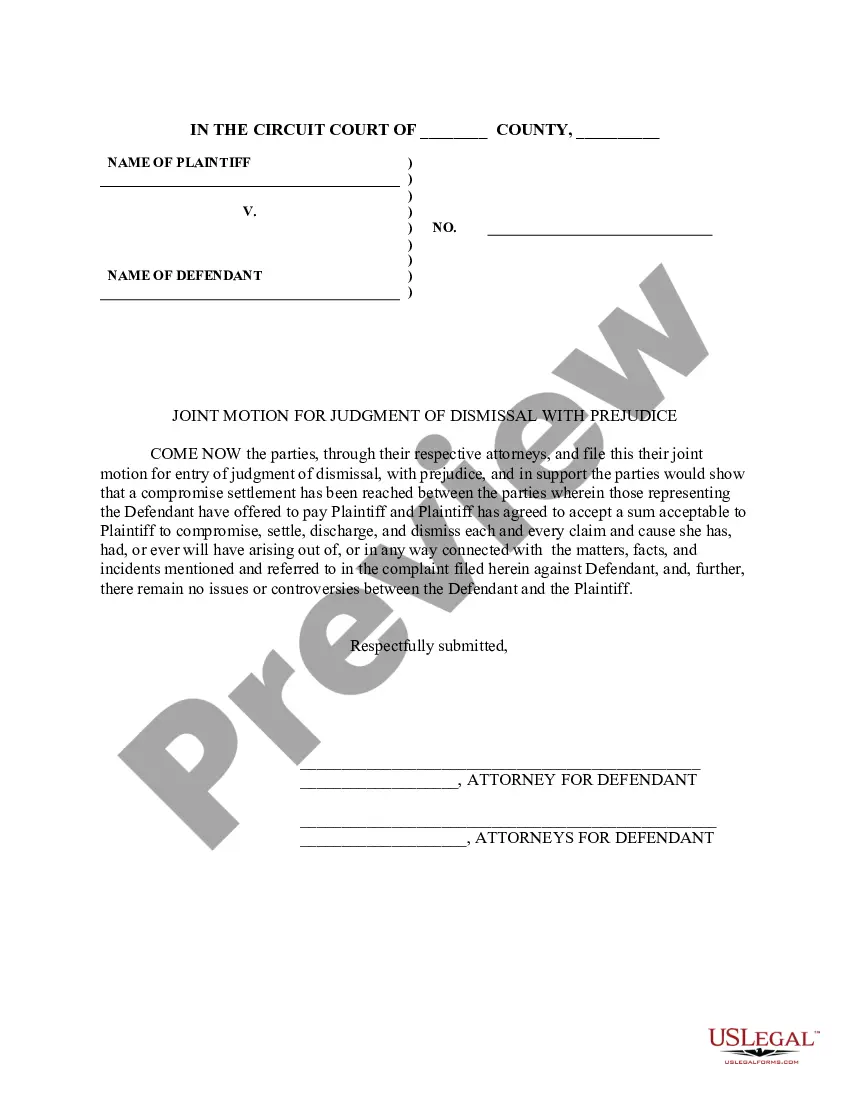
Review the document preview and descriptions to confirm that you are viewing the document you need. Ensure the form you select meets the criteria of your state and county. Choose the most appropriate subscription option to purchase the Civil Service Grounds For Dismissal. Download the form, then fill it out, sign it, and print it. US Legal Forms boasts an impeccable reputation and over 25 years of experience. Join us today and make document execution a straightforward and efficient process!
- With just a few clicks, you can quickly access state- and county-compliant templates carefully crafted by our legal experts.
- Utilize our platform whenever you require trustworthy and dependable services through which you can conveniently locate and download the Civil Service Grounds For Dismissal.
- If you’re a returning user and have previously registered with us, simply Log In to your account, find the form, and download it or re-download it anytime in the My documents section.
- Don’t have an account? No problem. It takes just a few minutes to create one and access the library.
- However, before proceeding to download the Civil Service Grounds For Dismissal, consider these suggestions.
Form popularity
FAQ
The procedure for dismissal of civil servants typically involves an investigation, a formal hearing, and a decision based on the evidence presented. Civil service grounds for dismissal must be clearly defined throughout this process, ensuring fairness and transparency. Utilizing platforms like uslegalforms can help streamline the necessary documentation and procedures.
The four major grounds for dismissal of an employee include misconduct, incompetence, redundancy, and incapacity. Each of these grounds falls under civil service grounds for dismissal and requires proper documentation. Employers must ensure they follow the correct procedures to avoid legal repercussions.
Getting a case dismissed can be difficult, particularly in civil matters where the burden of proof lies heavily on the moving party. Civil service grounds for dismissal must be well-founded and articulated clearly. Courts typically favor allowing cases to proceed, so having strong legal arguments is critical.
The three types of dismissals are voluntary dismissal, involuntary dismissal, and dismissal with prejudice. Each type has different implications for the parties involved, particularly in how they may affect future legal actions. Knowing these distinctions is vital for understanding civil service grounds for dismissal.
Proper grounds for a motion to dismiss include lack of jurisdiction, failure to state a claim upon which relief can be granted, and improper venue. These civil service grounds for dismissal must be clearly articulated in the motion for the court to consider them. Understanding these grounds can help in navigating the legal process more effectively.
Firing a civil servant can be challenging due to the protections afforded to them under law. Civil service grounds for dismissal require specific procedures to be followed, often involving formal reviews and hearings. This ensures that dismissals are justified and fair, which can make the process lengthy.
A suit may be dismissed on several civil service grounds for dismissal, including lack of jurisdiction, failure to state a claim, or if the plaintiff does not have standing. Additionally, a case can be dismissed if it is deemed frivolous or if there is an expiration of the statute of limitations. Understanding these grounds is crucial for both plaintiffs and defendants.
In the context of civil service grounds for dismissal, five fair reasons include misconduct, poor performance, redundancy, incapacity to work, and a breach of contract. Each of these reasons must be substantiated with evidence to ensure a just dismissal process. It's essential to document incidents and provide employees a chance to respond.