Rule 10 Civil Procedure
Description
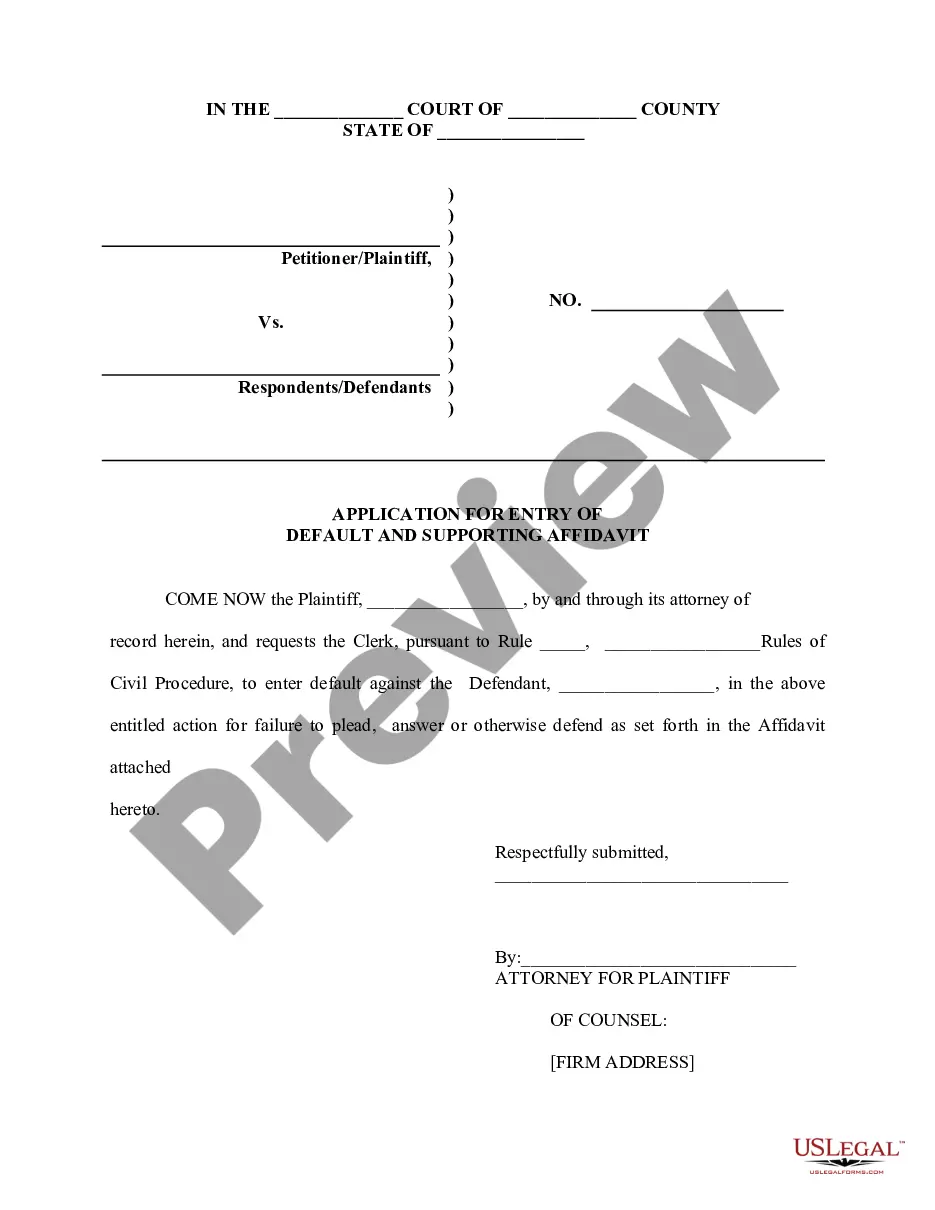
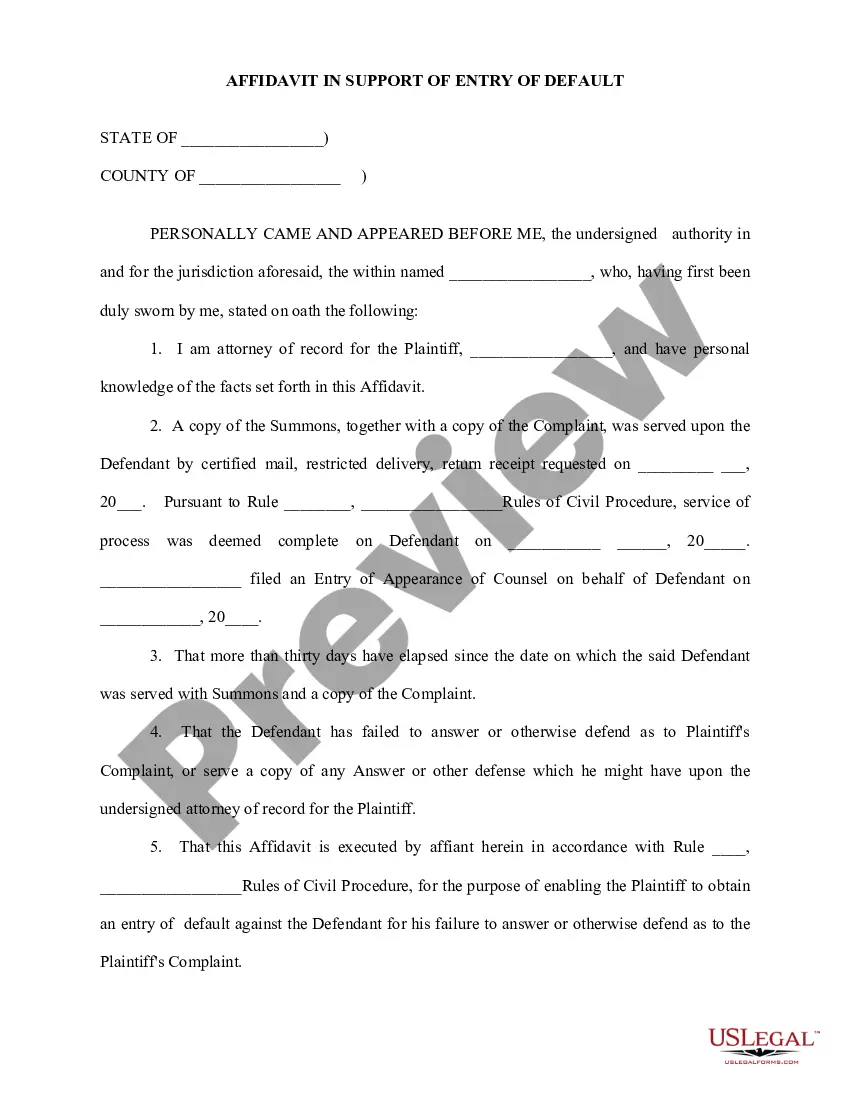
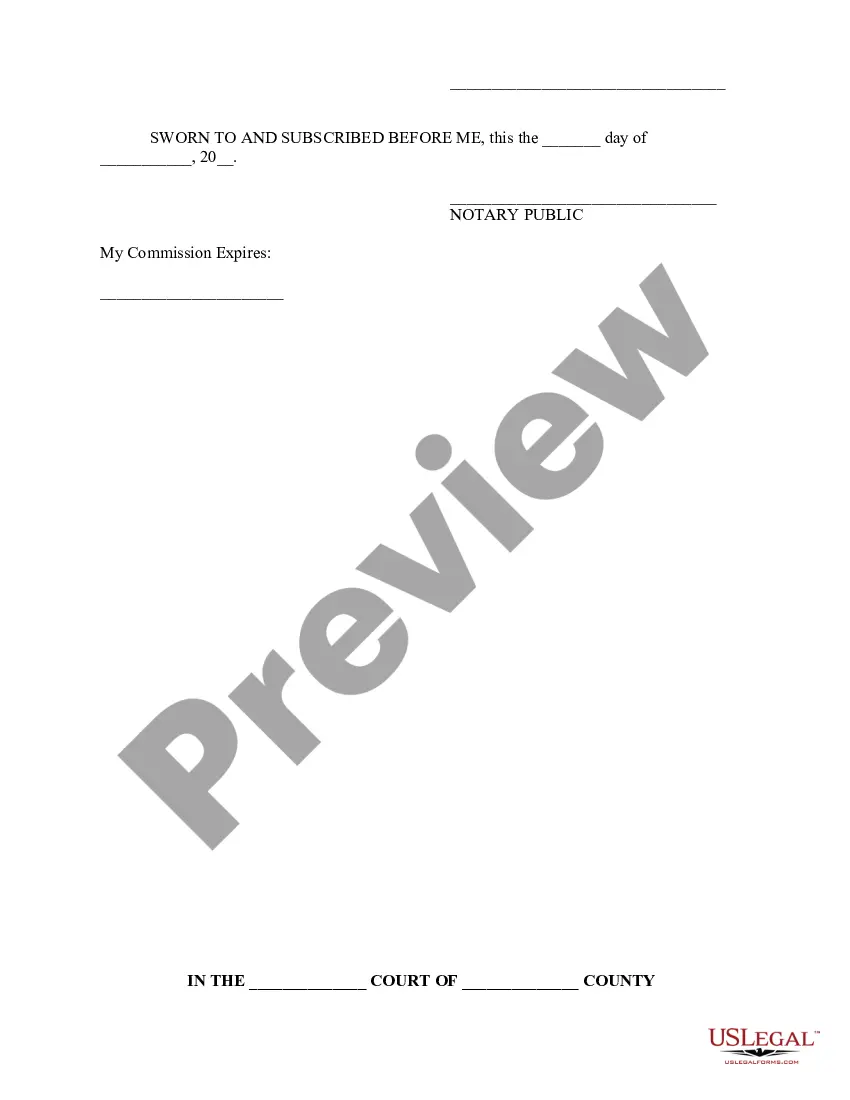
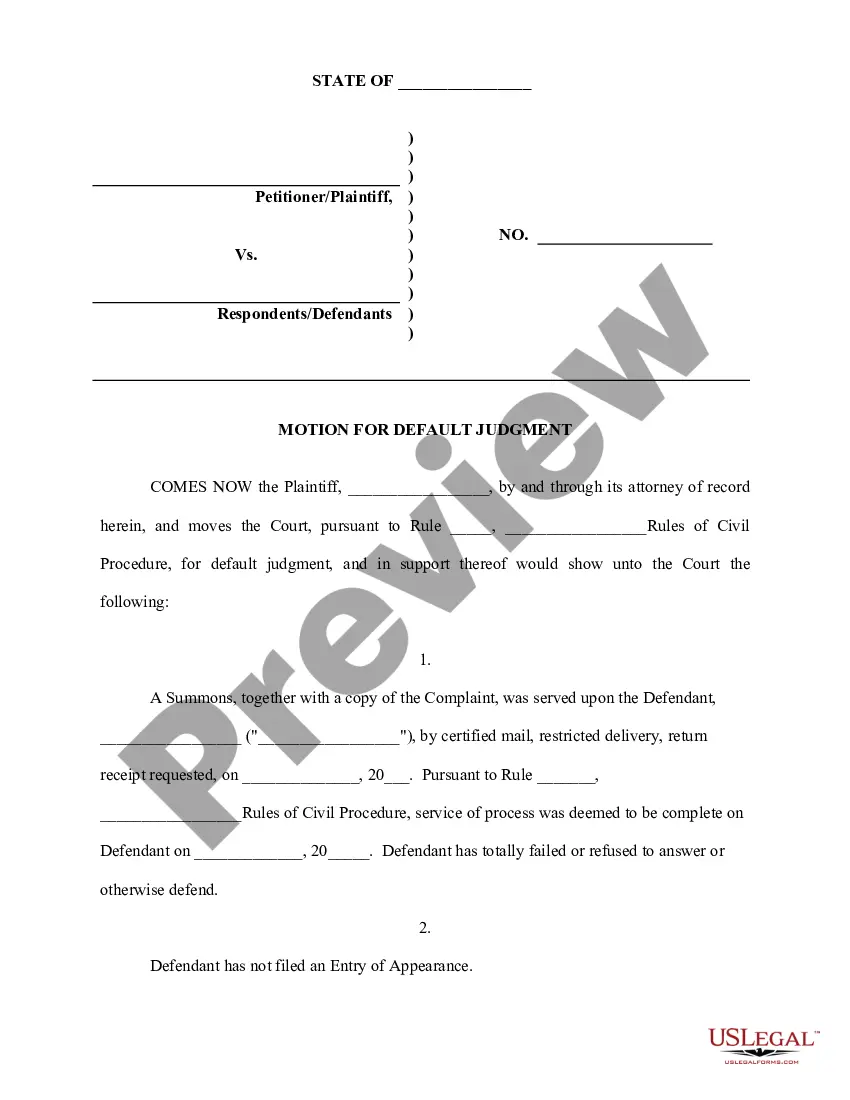
Get your form ready online
Our built-in tools help you complete, sign, share, and store your documents in one place.
Make edits, fill in missing information, and update formatting in US Legal Forms—just like you would in MS Word.
Download a copy, print it, send it by email, or mail it via USPS—whatever works best for your next step.
Sign and collect signatures with our SignNow integration. Send to multiple recipients, set reminders, and more. Go Premium to unlock E-Sign.
If this form requires notarization, complete it online through a secure video call—no need to meet a notary in person or wait for an appointment.
We protect your documents and personal data by following strict security and privacy standards.

Make edits, fill in missing information, and update formatting in US Legal Forms—just like you would in MS Word.

Download a copy, print it, send it by email, or mail it via USPS—whatever works best for your next step.

Sign and collect signatures with our SignNow integration. Send to multiple recipients, set reminders, and more. Go Premium to unlock E-Sign.

If this form requires notarization, complete it online through a secure video call—no need to meet a notary in person or wait for an appointment.

We protect your documents and personal data by following strict security and privacy standards.
Looking for another form?








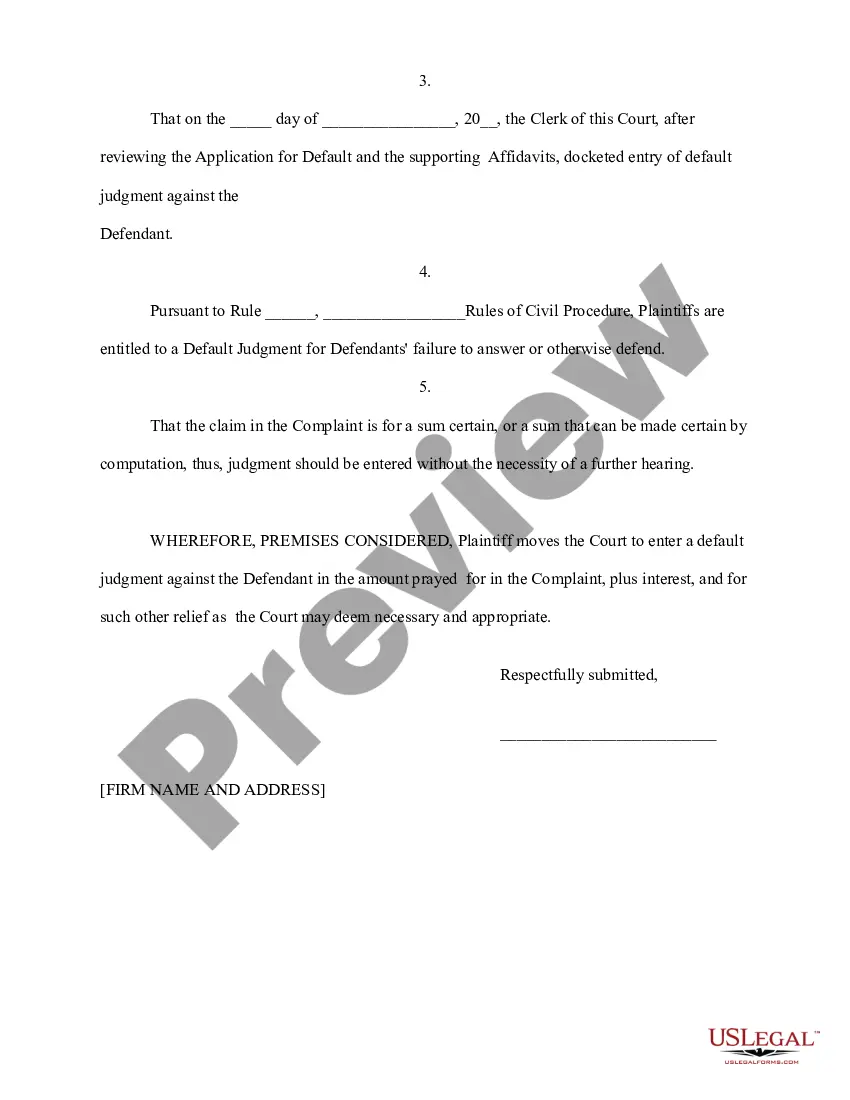
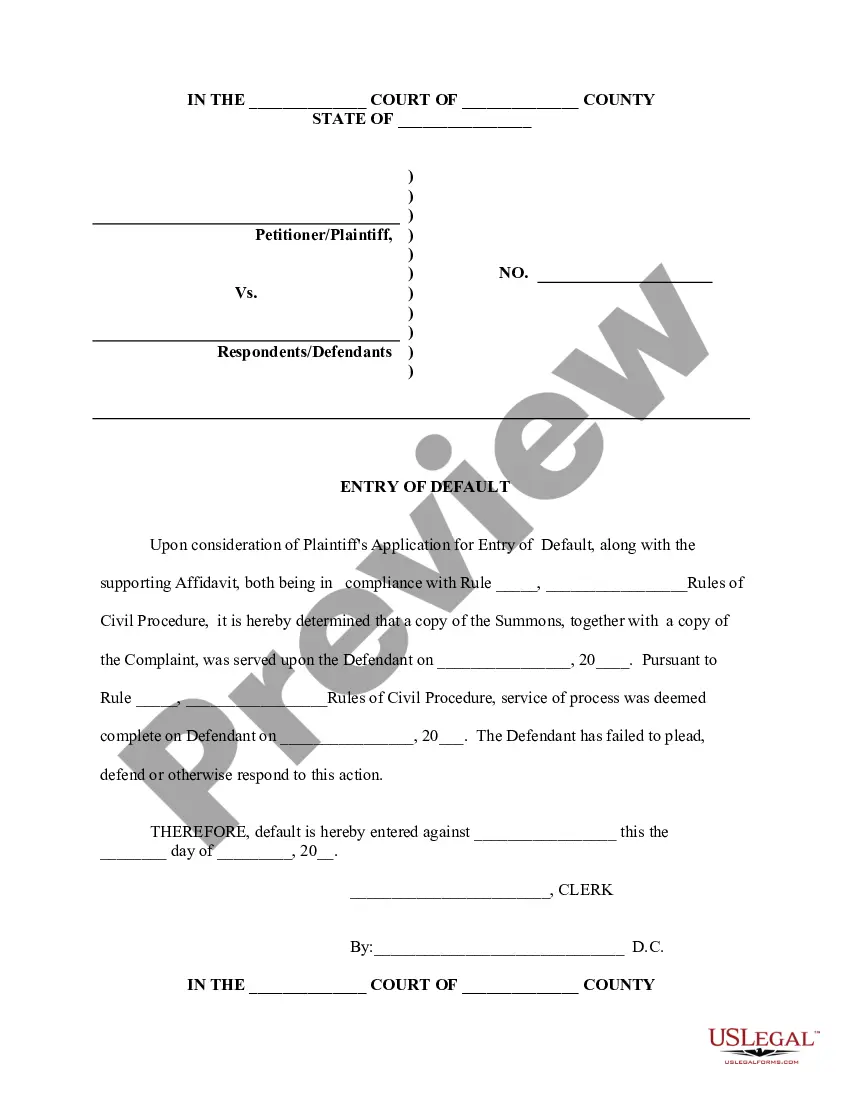
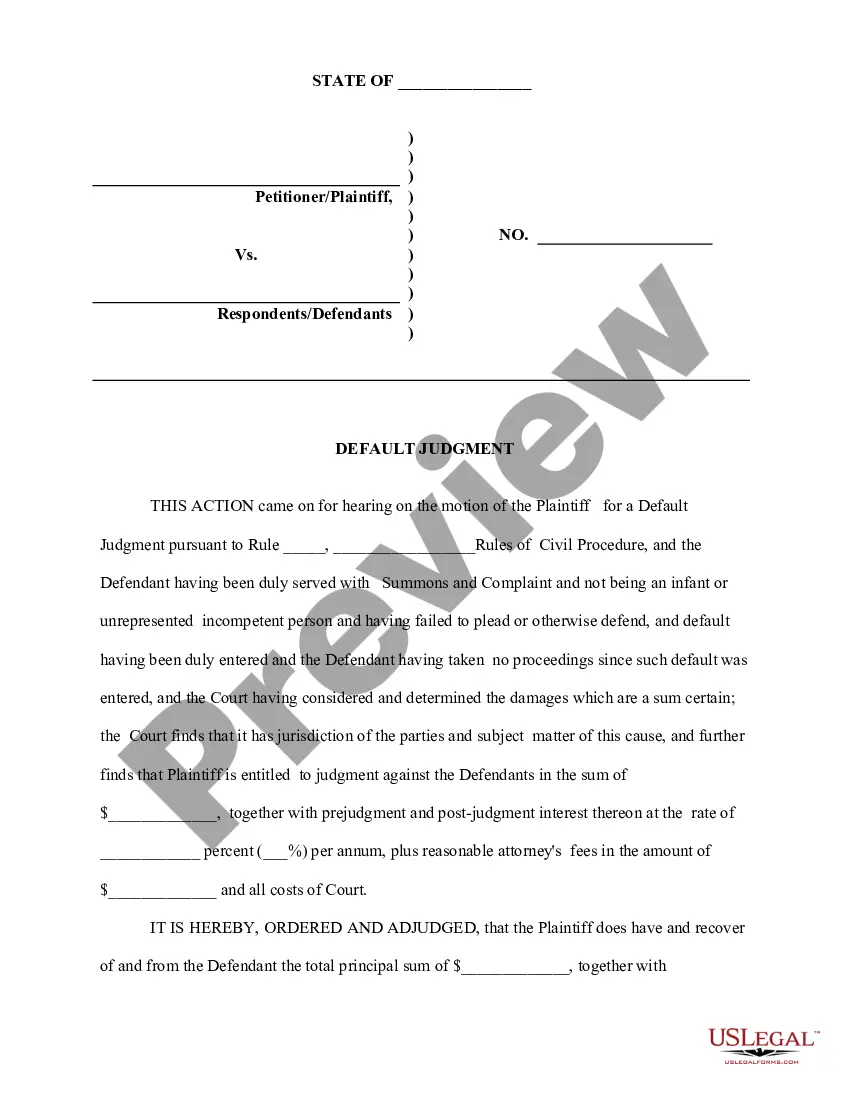
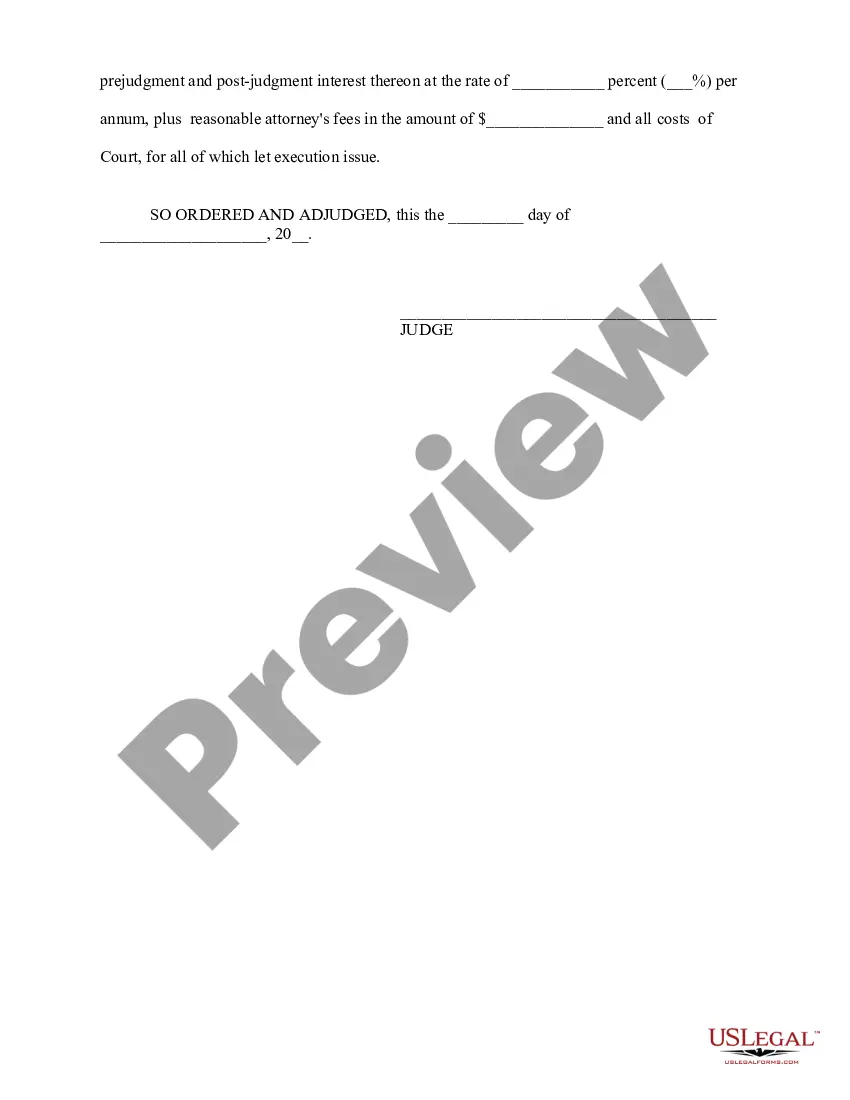
How to fill out Application For Entry Of Default - Affidavit - Motion - Entry Of Default - Default Judgment?
Whether for commercial pursuits or personal matters, individuals must confront legal circumstances at some stage in their life.
Finalizing legal documentation requires meticulous focus, beginning with choosing the correct form template.
With an extensive US Legal Forms catalog available, you don’t need to waste time searching for the right template online. Utilize the library’s straightforward navigation to find the suitable template for any situation.
- Obtain the template you require using the search box or catalog browsing.
- Review the form’s details to confirm it corresponds to your case, state, and area.
- Click on the form’s preview to examine it.
- If it is the incorrect document, return to the search tool to locate the Rule 10 Civil Procedure example you need.
- Download the template once it meets your requirements.
- If you already possess a US Legal Forms account, simply click Log in to reach previously saved templates in My documents.
- If you don’t have an account yet, you may acquire the form by clicking Buy now.
- Select the suitable payment option.
- Fill out the profile registration form.
- Choose your payment method: use a credit card or PayPal account.
- Select the file format you prefer and download the Rule 10 Civil Procedure.
- Once it is downloaded, you can complete the form using editing software or print it out and fill it in manually.
Form popularity
FAQ
Rule 10 Reddit often refers to discussions surrounding the applications and interpretations of Rule 10 civil procedure among legal professionals. Users may share tips, experiences, or even challenges they encounter while using this rule in litigation. Engaging with Rule 10 civil procedure discussions on platforms like Reddit can provide valuable insights and connect you with other legal minds.
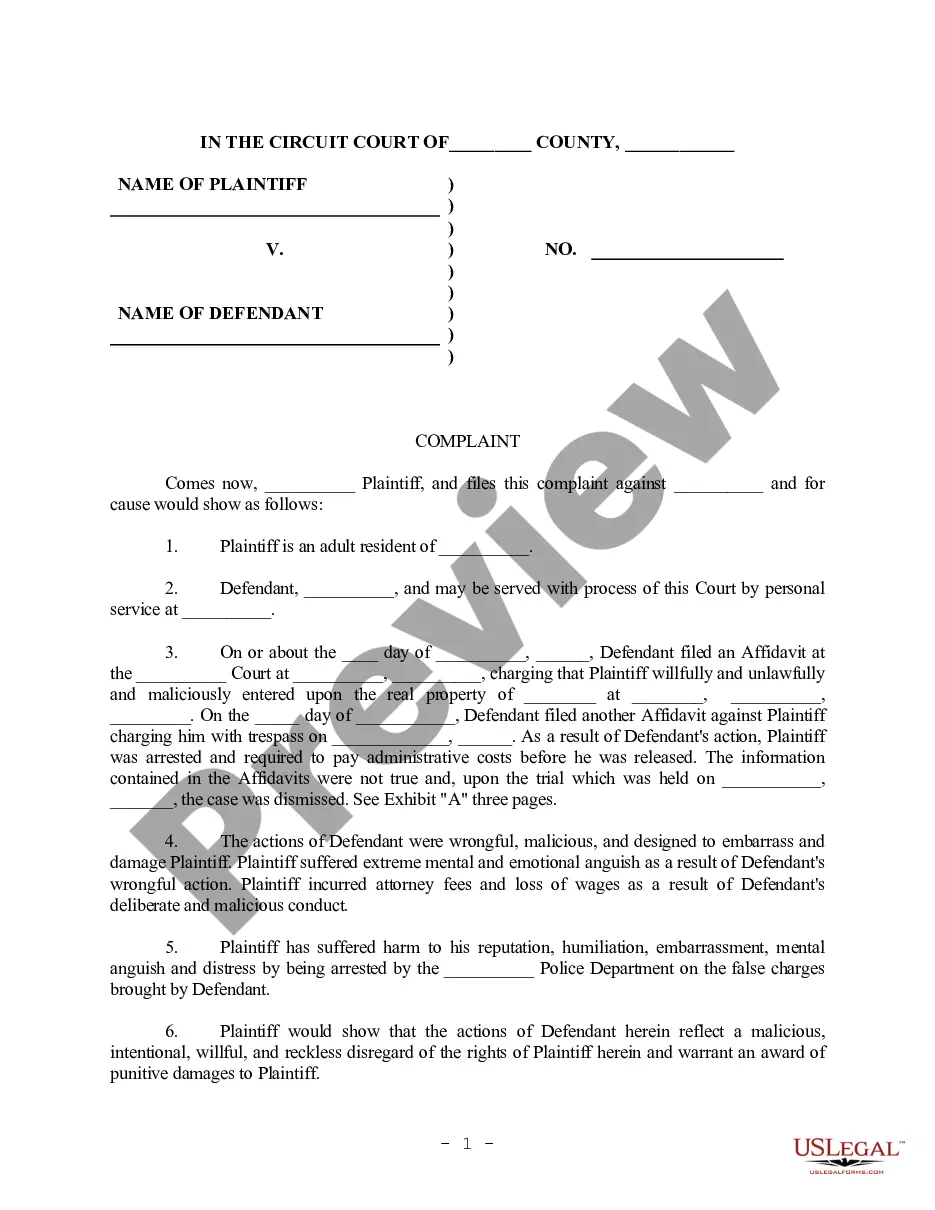
Every pleading must adhere to specific format requirements set out in Rule 10 civil procedure. These include a caption that details the parties involved, a clear statement of the claim, numbered paragraphs for clarity, and a concluding section designed for the signature. Following these guidelines helps ensure that your pleadings meet court standards and enhances their effectiveness.
The Rule of 10 serves to streamline the legal process by demanding clarity in pleadings. It aims to eliminate confusion and provide a standard format that all parties can easily follow. Knowing Rule 10 civil procedure can help you present your case more effectively and avoid costly delays in your legal actions.
Rule number 10 of the Federal Rules of Civil Procedure requires every party to state its claims in a clear and organized manner. This rule emphasizes the importance of providing context and definitions so that all parties understand the pleadings. Understanding Rule 10 civil procedure helps ensure that your legal documents are properly formatted and accepted by the court.
Rule 10(b) of the Federal Rules of Civil Procedure outlines how to properly state claims in legal pleadings. It mandates that each claim must be set forth in a separate count if it is based on different transactions or occurrences. This ensures clarity and organization in legal documents, reflecting its importance in the Rule 10 civil procedure framework. For those needing guidance on drafting compliant pleadings, US Legal Forms provides useful templates and examples.
Procedural laws are created by legislatures at both state and federal levels. These laws dictate how legal processes unfold in courts and often involve extensive consultation with legal experts. The Rule 10 civil procedure is an example of how procedural laws are structured to provide clarity and order in the legal system. If you need assistance understanding these laws, consider visiting US Legal Forms, where you can find helpful resources.
The Advisory Committee on Civil Rules, a part of the Judicial Conference of the United States, is responsible for creating and revising the Federal Rules of Civil Procedure. This committee gathers feedback from judges and practitioners to ensure the rules, including the Rule 10 civil procedure, address current legal challenges. Their work is essential for maintaining an up-to-date civil justice system. For more information, you can explore resources available on US Legal Forms.
Civil procedure rules are created by state and federal judicial councils, which include a range of legal professionals who ensure that the rules are fair and efficient. These councils consider input from various stakeholders to develop rules that work effectively in real-world scenarios, including those outlined in the Rule 10 civil procedure. By understanding the creators of these rules, you can appreciate the care that goes into designing a fair legal system. US Legal Forms can help you navigate these complexities.
Rules of civil procedure are typically drafted by committees of legal experts, which may include judges, attorneys, and legal scholars. Their diverse insights contribute to the development of practical and effective rules, such as those found in the Rule 10 civil procedure. This collaborative drafting process helps ensure the rules meet the needs of all parties involved in civil litigation. You can find detailed guidelines on drafting procedures through platforms like US Legal Forms.
The rules of civil procedure are primarily established by legislative bodies at both federal and state levels. These bodies work collaboratively to create uniform procedures that govern civil litigation. Importantly, the Rule 10 civil procedure serves as a crucial part of these regulations, helping ensure consistency across various courts. Understanding who makes these rules can clarify how civil justice operates.