Input With Default Value
Description
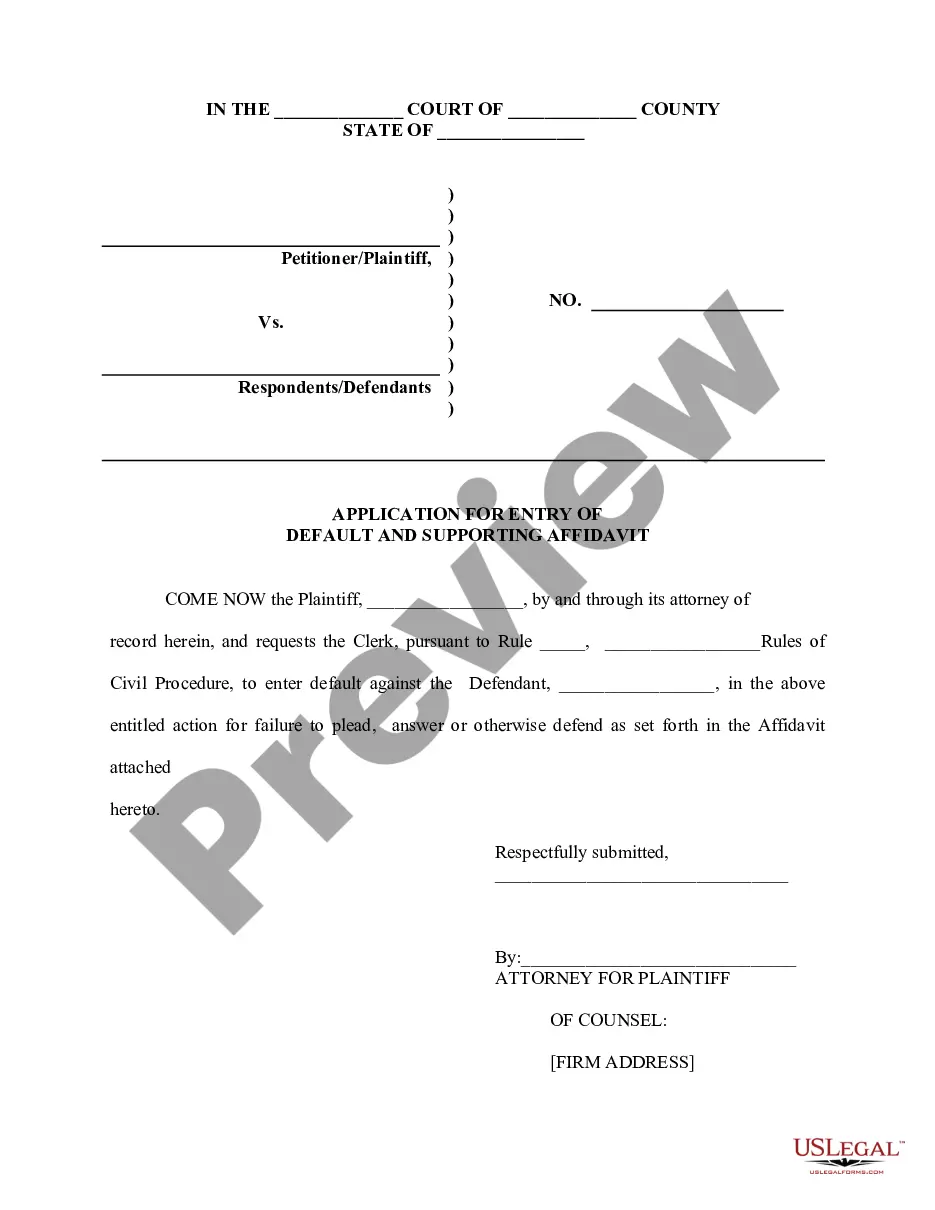
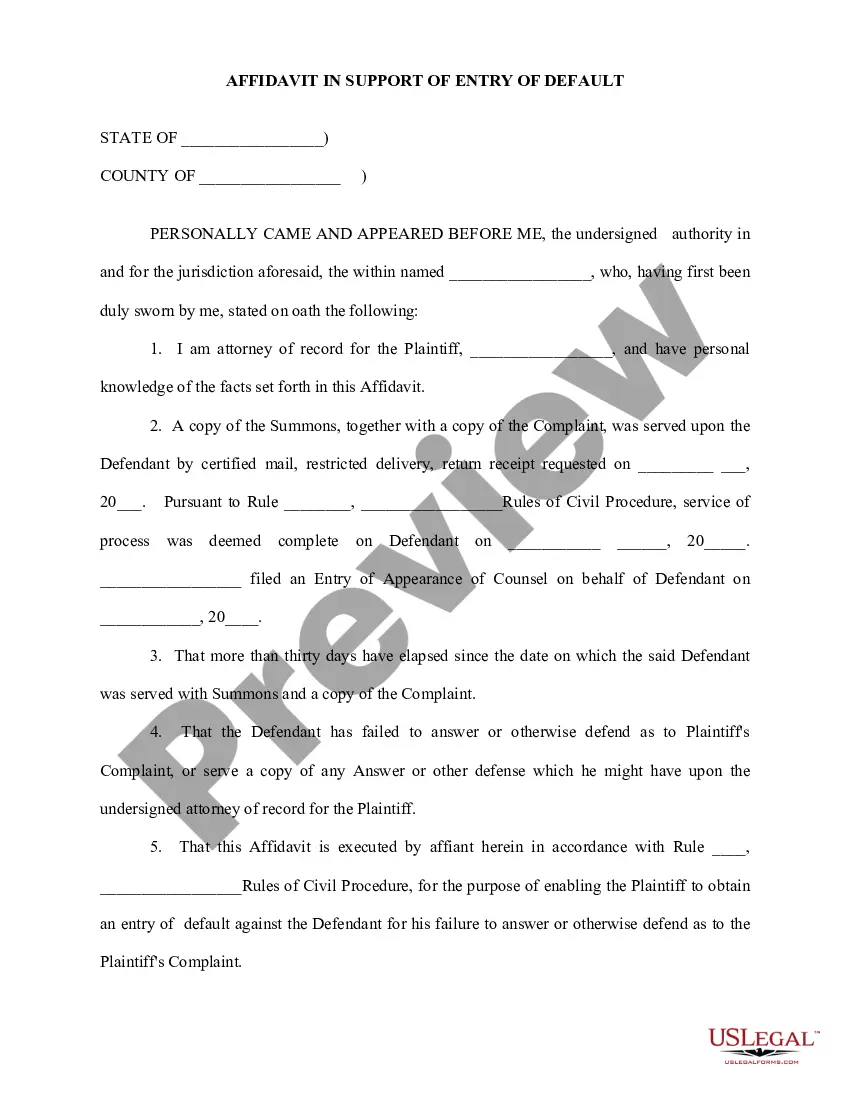
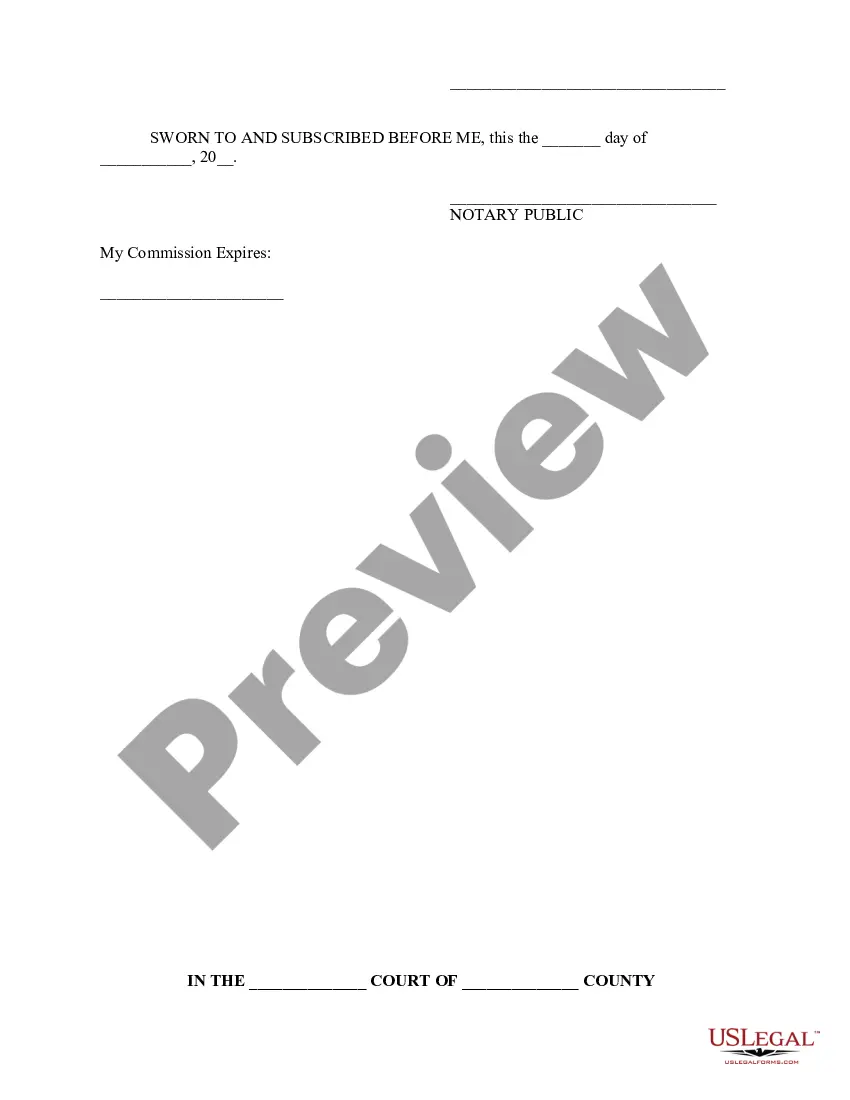
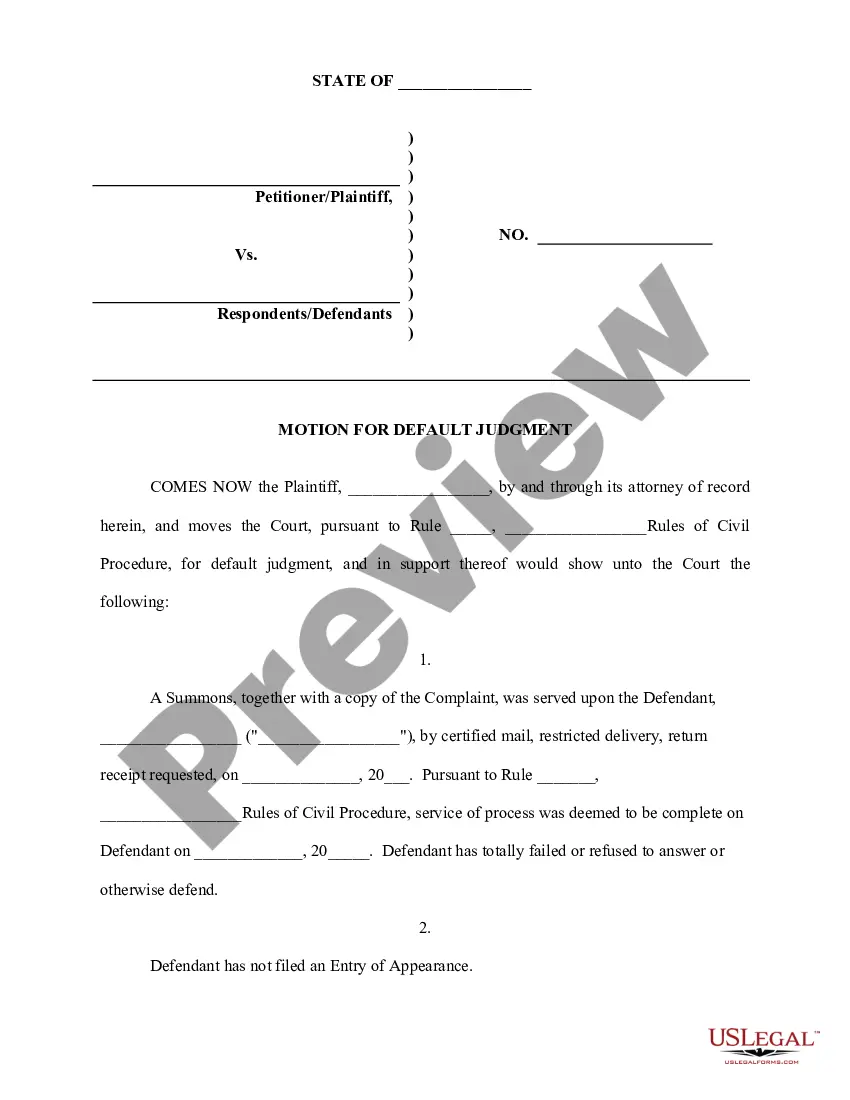
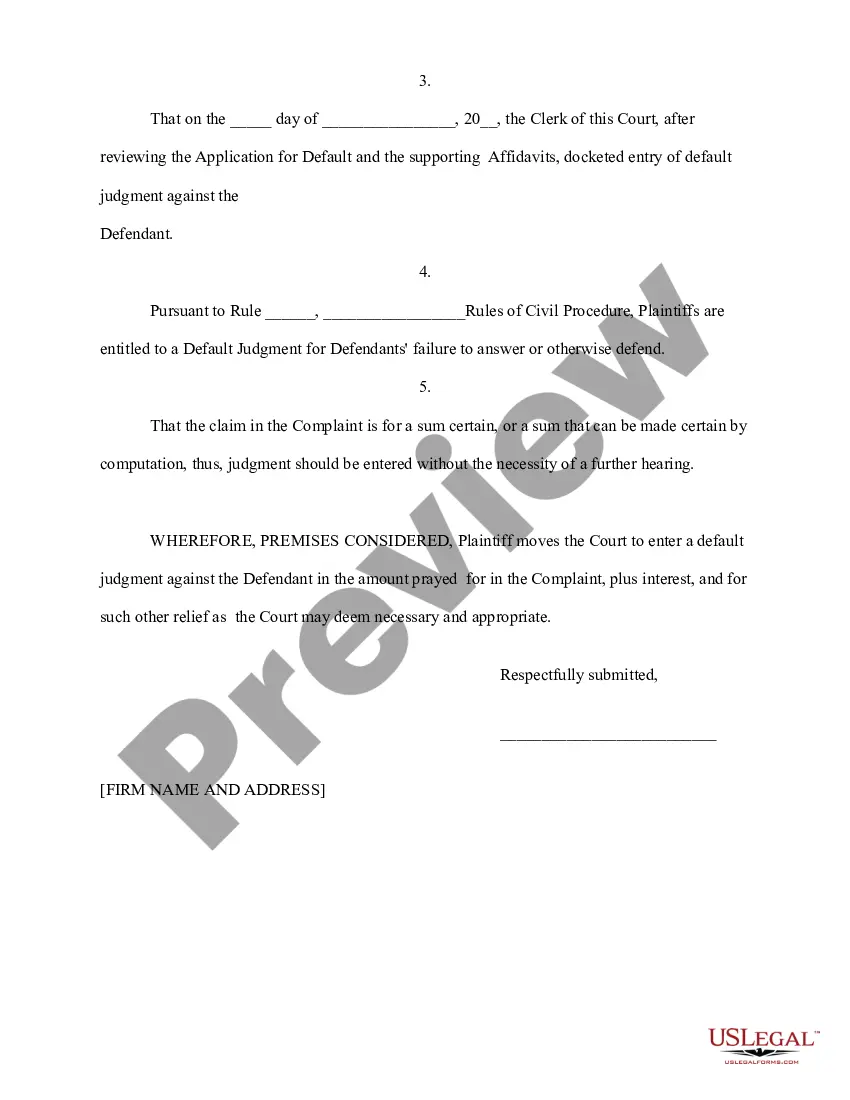
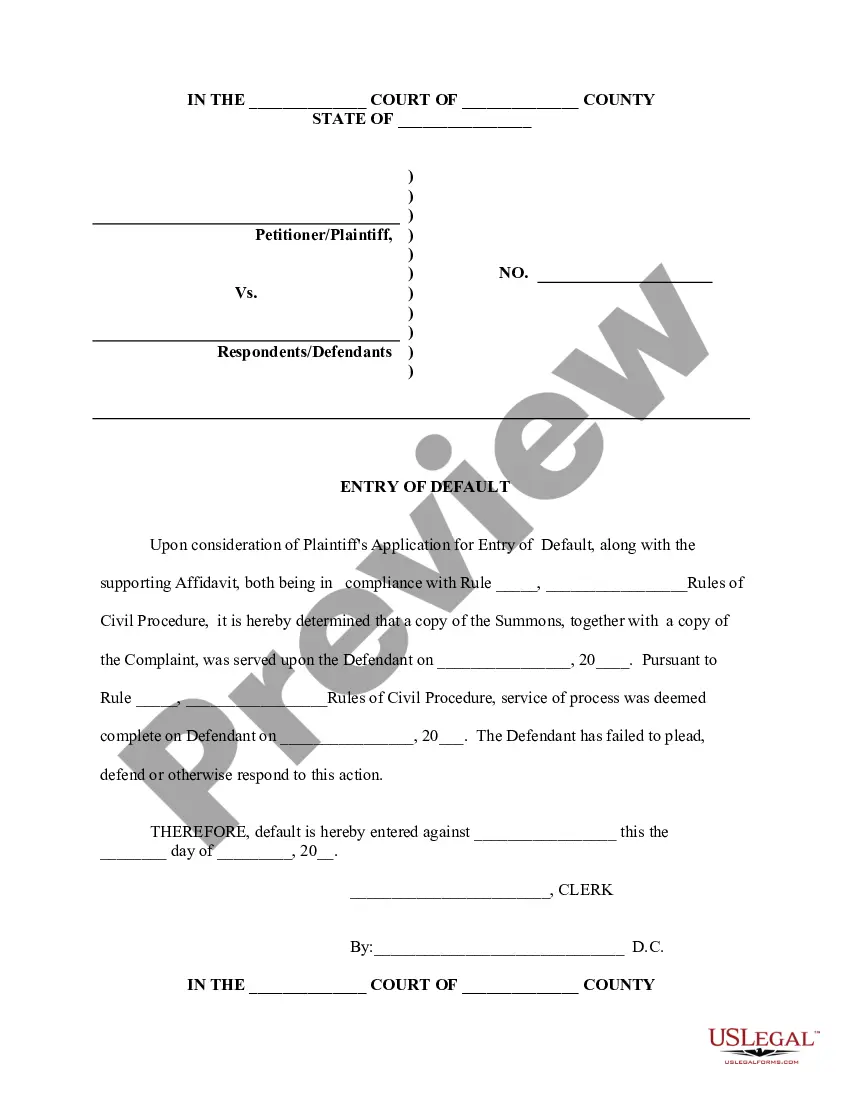
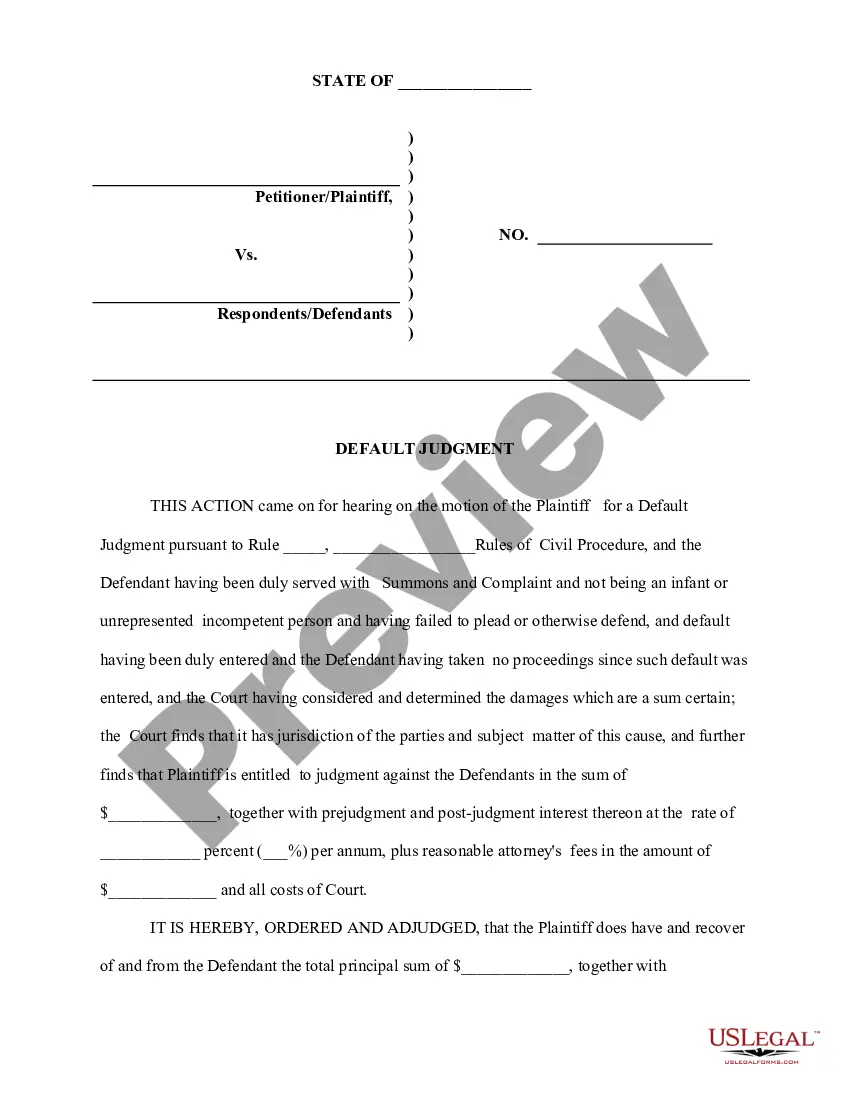
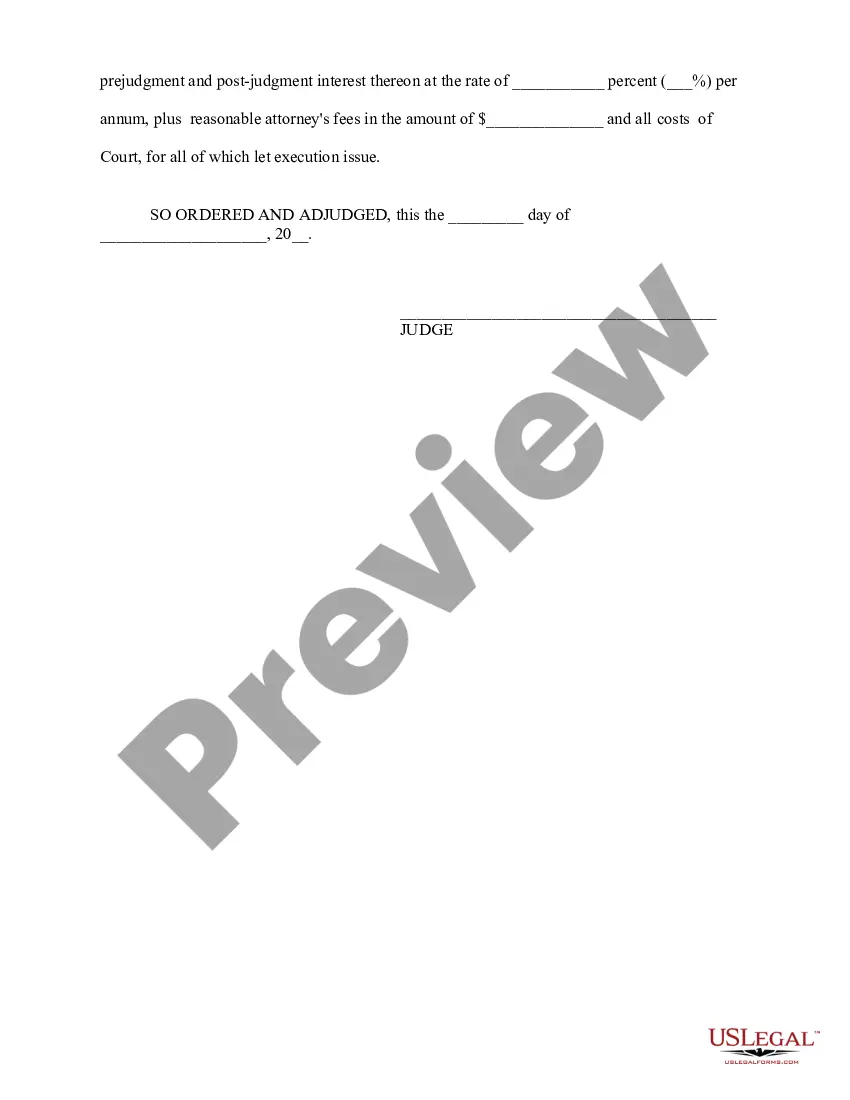

How to fill out Application For Entry Of Default - Affidavit - Motion - Entry Of Default - Default Judgment?
Legal management can be perplexing, even for the most adept professionals.
When you seek an Input With Default Value and lack the opportunity to dedicate to finding the accurate and current version, the processes can be taxing.
Access a valuable repository of articles, guides, manuals, and materials pertinent to your circumstances and requirements.
Save time and effort searching for the documents you need, and utilize US Legal Forms’ advanced search and Review functionality to locate Input With Default Value and retrieve it.
Take advantage of the US Legal Forms online library, backed by 25 years of experience and dependability. Improve your daily document management in a seamless and user-friendly manner today.
- If you possess a subscription, Log In to your US Legal Forms account, locate the form, and download it.
- Visit the My documents tab to review the documents you have previously downloaded and to manage your folders as you wish.
- If it is your initial experience with US Legal Forms, create a complimentary account and receive unrestricted access to all benefits of the library.
- Here are the steps to follow after obtaining the form you require.
- Ensure this is the correct form by previewing it and reviewing its details.
- Confirm that the sample is recognized in your state or county.
- Press Buy Now when you are ready.
- Choose a subscription plan.
- Locate the format you need and Download, fill out, sign, print, and send your document.
- Utilize state- or county-specific legal and organizational documents.
- US Legal Forms addresses any needs you might encounter, from personal to business paperwork, in a single location.
- Leverage cutting-edge tools to achieve and oversee your Input With Default Value.
Form popularity
FAQ
Setting a default value in a field involves using the 'value' attribute in HTML forms or initializing variables in programming. For example, <input type='text' value='Default Value'> will show 'Default Value' in the input field when the form loads. This approach helps users know what to enter and can improve form completion rates. Implementing input with default value is a best practice in user-friendly design.
To assign a default value to a function parameter, include the value in the function definition. For example, function myFunction(param = 'default') sets 'default' as the parameter's default value. This allows users to call the function without specifying that parameter, making it more versatile. Using functions with default values can enhance code clarity and usability.
In Excel, you can fill a default value in cells by using the 'Fill Handle' or the 'Copy-Paste' method. Simply enter the desired default value in one cell, then drag the fill handle across the cells you want to populate. This feature saves time and ensures consistency across your data. Utilizing default values effectively in Excel can streamline data entry processes.
To set default text in a select tag, include a default option without a value attribute. For example, <select><option value='' disabled selected>Select an option</option></select> provides a prompt for users. This method improves usability by clearly indicating that a selection is required, making it easier for users to understand what to do next.
In programming contexts, such as Java or JavaScript, you can assign a default value using the @Value annotation. This allows you to initialize a variable with a specific value if none is provided. Using input with default value in this manner ensures that your application has fallback values, enhancing its reliability and user experience.
You can set default HTML text in various elements by using the 'value' attribute for input tags or by placing text between opening and closing tags for other HTML elements. For instance, <input type='text' value='Default Text'> or <textarea>Default Text</textarea> achieves this. This approach helps guide users in filling out forms, ensuring they understand what information is required.
To set a default value in an input tag, you can use the 'value' attribute within the tag. For example, <input type='text' value='Your Default Text'> will display 'Your Default Text' when the page loads. This feature simplifies the input process, as users see a preset option they can modify. Incorporating input with default value can streamline user interactions and reduce errors.
The 'required' attribute in input tags ensures that users must fill out that field before submitting a form. This is especially useful when you want to capture essential information. When an input field has this attribute, it helps improve data integrity by preventing incomplete submissions. Using 'required' effectively enhances user experience, as it guides users to provide all necessary details.